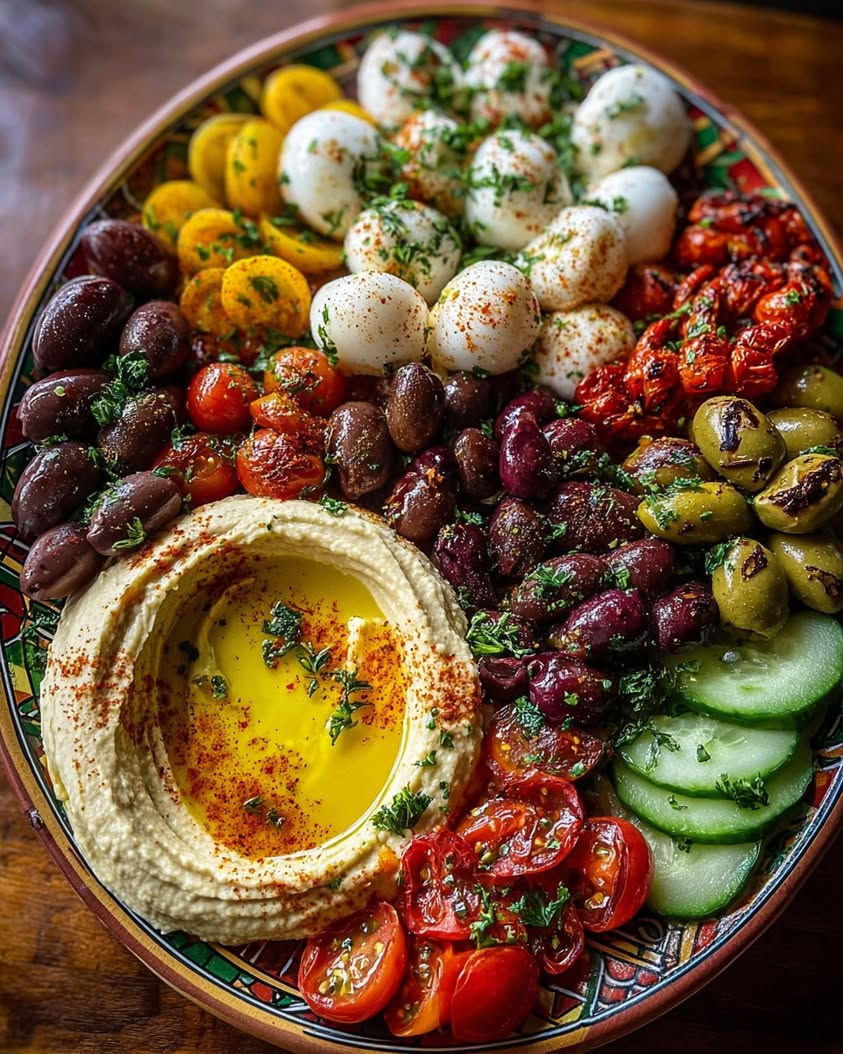
Craft a Stunning Mediterranean Mezze Platter with Hummus & Burrata: Your Ultimate Guide to Effortless Entertaining
Imagine a vibrant, colorful spread that instantly transports your guests to a sun-drenched coastal taverna. This Mediterranean mezze platter with hummus and burrata is exactly that kind of culinary magic. It is a celebration of fresh flavors, contrasting textures, and communal dining. Moreover, it is the ultimate solution for stress-free entertaining, allowing you to assemble a breathtaking centerpiece with minimal cooking. The beauty lies in its versatility; you can customize it with your favorite dips, cheeses, and seasonal produce to create a truly personal feast.
The star of this show is the luxurious combination of creamy, dreamy burrata cheese and rich, garlicky hummus. These elements are then surrounded by a constellation of salty olives, crisp vegetables, warm pita, and briny marinated artichokes. Consequently, every bite offers a new and exciting flavor combination. This platter is not just food; it is an experience designed for sharing, laughter, and connection. Ultimately, it proves that the most impressive meals are often the simplest to put together.
Quick Recipe Highlights
- Flavor Profile: This platter delivers a harmonious balance of rich, creamy, salty, and fresh notes. The earthy hummus and luscious burrata provide a decadent base, while the olives and artichokes add a punch of briny acidity. Fresh vegetables and herbs then cut through the richness with bright, clean flavors.
- Texture: Expect a delightful play of textures in every component. You will experience the smooth creaminess of the dips and cheese, the juicy pop of tomatoes, the satisfying crunch of cucumbers and peppers, and the chewy, soft bite of warm pita bread.
- Aroma: The aroma is an inviting blend of fresh garlic and lemon from the hummus, the grassy scent of extra virgin olive oil drizzled over everything, and the herbal notes of fresh dill or oregano used as garnish.
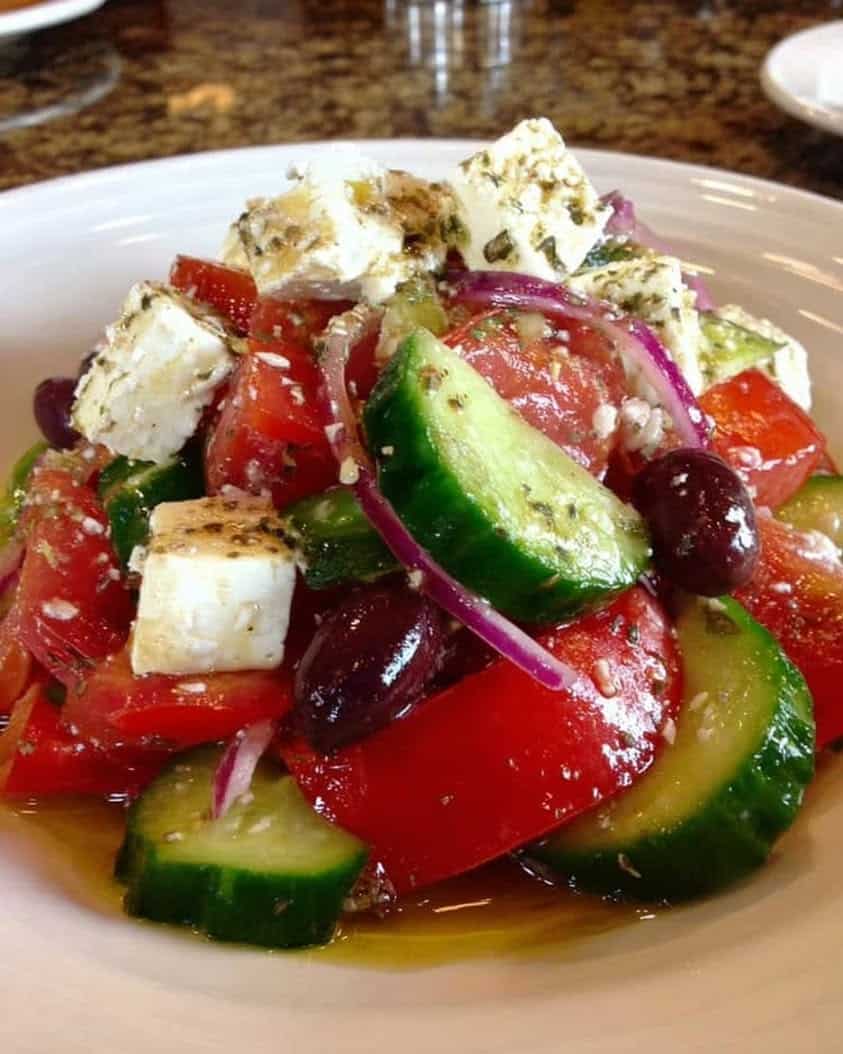
- Visual Appeal: Presentation is key for a stunning Mediterranean mezze platter. Think of it as a painter’s palette, using the vibrant red of peppers, deep purple of olives, green of cucumbers, and white of cheese to create a feast for the eyes before the first bite is taken.
- Skill Level Needed: Absolutely no advanced culinary skills are required. This recipe is about assembly and thoughtful arrangement rather than complex cooking techniques. It is perfect for beginners and seasoned hosts alike.
- Special Equipment: You need only a large serving board or platter, a small bowl for the hummus, and a sharp knife for slicing vegetables. A food processor can speed up making homemade hummus but is not mandatory if using a store-bought version.
Recipe Overview
- Difficulty Level: We rate this recipe as “Easy” because it involves zero cooking if using store-bought components. The primary tasks are washing, slicing, and arranging. Even making hummus from scratch is a simple process of blending ingredients. Therefore, this is an accessible project for cooks of all confidence levels.
- Category: This dish perfectly fits into several categories: Appetizer, Snack, Party Food, and even a Light Main Course. It is incredibly flexible, serving as a pre-dinner spread, the main event for a casual gathering, or a luxurious snack for a cozy night in.
- Cuisine: This platter is inspired by the broad and diverse culinary traditions of the Eastern Mediterranean, including Lebanese, Greek, Turkish, and Italian influences. The concept of “mezze” (small shared dishes) is central to social dining across these regions.
- Cost: The cost can vary significantly based on ingredient choices. Using high-quality store-bought hummus, burrata, and olives is a mid-range option. Making hummus from dried chickpeas and choosing simpler olives can reduce cost. Conversely, sourcing premium artisanal ingredients will increase it. Overall, it offers great value for a crowd-pleasing dish.
- Season: This Mediterranean mezze platter is truly a year-round delight. However, it shines brightest in spring and summer when local, crisp vegetables like cucumbers, bell peppers, and cherry tomatoes are at their peak sweetness and freshness.
- Occasion: It is the ultimate party platter for any casual gathering: game day, book club, bridal or baby shower, picnic, or weekend get-together with friends. It also makes for a fantastic no-cook dinner on a hot evening.
Why You’ll Love This Recipe
First and foremost, the taste and texture appeal is undeniable. Each element on this Mediterranean mezze platter with hummus and burrata contributes to a symphony in your mouth. You get the cool, crisp snap of a radish followed by the unctuous, creamy burst of burrata. Then, a swipe of hummus on warm pita balances earthy chickpea with bright lemon. The Kalamata olives provide a salty, briny counterpoint that makes you reach for more. This constant variation keeps your palate engaged and excited from the first bite to the last.
Furthermore, the convenience factor is a massive win. Unlike a complicated multi-course meal, this platter comes together with assembly-line simplicity. You can delegate tasks like washing vegetables or slicing bread. Most importantly, you can prepare nearly every component ahead of time. Consequently, when your guests arrive, you are free to socialize instead of being stuck in the kitchen. This stress-free approach to hosting is a game-changer, allowing you to actually enjoy your own party.
From a nutritional standpoint, this spread is a powerhouse. Chickpeas in the hummus offer plant-based protein and fiber. The fresh vegetables are loaded with vitamins, antioxidants, and hydration. Olive oil provides heart-healthy monounsaturated fats. Even the cheese offers calcium and protein. Because everything is served in a “grazing” style, people naturally tend to eat mindfully and enjoy a wider variety of food groups. It is a deliciously stealthy way to encourage healthy eating.
The social and entertaining value of a Mediterranean mezze platter is immeasurable. It naturally fosters conversation and interaction as people lean in, point to what they want, and share their favorite combinations. It breaks down formal dining barriers and creates a relaxed, communal atmosphere. A beautifully arranged platter also serves as a stunning centerpiece that immediately impresses your guests and sets a celebratory tone for the entire event.
Finally, this recipe is remarkably cost-effective and accessible. You have complete control over the budget. You can splurge on one special item like a gorgeous ball of burrata and save on others, like making your own hummus from affordable dried chickpeas. The ingredients are readily available in most standard supermarkets. This accessibility means you can create a taste of the Mediterranean anytime the craving strikes, without needing a specialty grocery store run.
Historical Background and Cultural Significance
The concept of “mezze” has deep roots in the Eastern Mediterranean and Middle Eastern cultures, tracing back centuries along the Silk Road. Originally, these small dishes were served to accompany wine or arak, a traditional anise-flavored spirit. The word itself is believed to derive from the Persian “mazze” meaning “taste” or “relish.” This tradition of shared small plates was not merely about food; it was a cornerstone of hospitality and leisurely socializing, encouraging long, conversation-filled meals among friends and family.
Cultural importance of the mezze tradition cannot be overstated. In countries like Lebanon, Greece, Turkey, and beyond, a spread of mezze signifies generosity, community, and celebration. It is common for a meal to consist entirely of ten or more different mezze dishes, each offering a unique flavor and texture. This style of eating emphasizes variety and sharing over individual portions, reflecting a communal approach to life. The Mediterranean mezze platter, as we know it today, is a modern adaptation of this ancient practice, designed for global kitchens.
The evolution of the specific Mediterranean mezze platter with hummus and burrata is a beautiful example of culinary fusion. Hummus, with origins in the Levant, has become a global superstar. Burrata, a relatively modern Italian cheese invention from the 20th century, adds a luxurious, creamy element that pairs perfectly with the bold flavors of a traditional mezze. Combining them on one platter is a contemporary twist that honors the spirit of sharing while incorporating beloved ingredients from neighboring culinary traditions.
Regional variations of mezze are endless. A Greek platter might feature more feta cheese, dolmades (stuffed grape leaves), and tzatziki. A Lebanese spread would likely include tabbouleh, baba ganoush, and fattoush salad. A Turkish version may present haydari (a thick yogurt dip) and various borek (filled pastries). The beauty of creating your own Mediterranean mezze platter is that you can mix and match these influences, creating a personalized map of flavors that tells your own culinary story.
Ingredient Deep Dive
Let us start with hummus, the heart of many a Mediterranean mezze platter. This creamy dip’s history stretches back to ancient Egypt, though its modern form is firmly rooted in the Levant. Nutritionally, it is a champion: chickpeas are packed with plant-based protein, fiber, and essential minerals like iron and folate. Tahini (sesame seed paste) adds healthy fats, calcium, and copper. For the best hummus, seek out dried chickpeas you cook yourself, or use high-quality canned ones. Always drain and rinse canned chickpeas well. A great tip is to peel the chickpeas for an impossibly smooth texture. Store homemade hummus in an airtight container in the fridge for up to five days.
Next, burrata is the decadent star. This Italian cheese, meaning “buttered,” was created in the early 1900s as a way to use up mozzarella scraps. The outer shell is solid mozzarella, while the inside is a luxurious mixture of stracciatella (shredded mozzarella) and cream. It is rich in calcium and protein but also higher in fat. Select burrata that feels heavy for its size and is swimming in fresh whey or water in its container. It is incredibly perishable; always buy it fresh and consume it within a day or two of purchase for that perfect, oozy texture. Unfortunately, there is no true substitute for its unique experience.
Kalamata olives are the salty, briny backbone. These dark purple olives hail specifically from the Kalamata region of Greece and are protected by a PDO (Protected Designation of Origin). They are typically cured in a wine vinegar brine, giving them a distinct fruity and tangy flavor. They are a good source of vitamin E and heart-healthy monounsaturated fats. Look for olives sold in brine from the deli counter rather than canned for superior flavor and texture. Store them in their brine in the refrigerator. You can substitute with other brine-cured olives like Gaeta or Niçoise if needed.
Marinated artichoke hearts bring a tangy, tender element. Artichokes themselves are ancient thistles cultivated around the Mediterranean. They are fantastic for digestive health due to their high fiber and cynarin content. When buying marinated artichokes, check the ingredient list for a simple marinade of oil, herbs, and acid. You can often find them jarred or in the antipasto section of the grocery store. After opening, transfer them to a sealed container and keep them refrigerated, submerged in their marinade. They will last for about a week.
Finally, the fresh vegetables and herbs are non-negotiable for brightness. English cucumbers, cherry tomatoes, and radishes provide hydration, crunch, and vital vitamins. Their freshness is paramount. Select firm, brightly colored produce without soft spots. Fresh dill or oregano adds an aromatic, grassy finish that ties all the flavors together. Fresh herbs should look vibrant and perky, not wilted. Store vegetables in the crisper drawer and treat herbs like a bouquet of flowers: trim the stems and place them in a glass of water in the fridge.
Common Mistakes to Avoid
- Serving Everything Straight from the Fridge: Cold temperatures mute flavors. Take the hummus, burrata, and olives out of the refrigerator at least 20-30 minutes before serving. This allows their true flavors and textures to shine, especially the creaminess of the burrata.
- Overcrowding the Platter: A cluttered board is difficult to navigate. Instead, leave some intentional negative space between items. This makes the platter look more elegant and gives guests room to easily scoop and grab without making a mess.
- Using Stale or Cold Pita Bread: Pita is a vehicle for all the delicious dips. Serving it straight from the bag is a missed opportunity. Always warm pita briefly in the oven or toaster and slice it into wedges just before serving for the best texture and flavor.
- Neglecting the Drizzle: A final drizzle of high-quality extra virgin olive oil over the hummus and burrata is not just garnish; it adds richness, flavor, and a beautiful sheen. Do not skip this simple but transformative step.
- Forgetting a Flavor Anchor: While variety is great, every platter needs a few strong, flavorful anchors. Relying only on mild vegetables can make the spread taste bland. Ensure you have potent elements like the salty olives, tangy artichokes, and garlicky hummus to provide depth.
- Cutting the Burrata Too Early: The magic of burrata is the dramatic, creamy spill when you cut into it. Do this on the platter just before serving to wow your guests. Pre-scooping it into a bowl loses that wonderful visual and textural appeal.
- Using Low-Quality Olive Oil: Since olive oil is used as a finishing touch, its flavor is front and center. A bitter or bland oil can detract from the whole platter. Invest in a small bottle of good, fruity extra virgin olive oil for drizzling.
- Not Providing Enough “Scoopers”: Do not leave guests with only one option. Provide both pita wedges and a selection of fresh vegetable crudités for scooping. This caters to different preferences and dietary needs, like low-carb or gluten-free guests.
Essential Techniques
Arranging for Visual Impact: This is the key technique for a stunning Mediterranean mezze platter. Start by placing your anchor items—the bowls of hummus and the whole burrata ball—on the board first, slightly off-center. Then, build outwards. Group similar items together in small piles or rows rather than scattering them randomly. For instance, create a line of cucumber slices, a pile of radishes, and a cluster of olives. Use fresh herbs to fill gaps and add color. The goal is to create a sense of abundant, organized beauty that invites people to dig in.
Preparing the Perfect Vegetable Crudité: Uniform slicing is not just about looks; it ensures even crunch and easy eating. Use a sharp knife to slice cucumbers and peppers into consistent, bite-sized sticks. Halve or quarter cherry tomatoes. Slice radishes thinly so they are not too pungent in one bite. For peak crispness, you can soak sliced vegetables in ice water for 15 minutes before patting them dry and arranging them. This technique, called “shocking,” makes them extra refreshing and crunchy.
Warming Pita Bread: The technique for warming pita is simple but vital. Preheat your oven to 350°F. Wrap pita breads in aluminum foil and warm for 5-10 minutes. Alternatively, you can separate the pitas and warm them directly on a gas stove burner for a few seconds per side for a lightly charred flavor. The goal is to make them soft, pliable, and warm—not crispy like chips. Always slice them into wedges after warming, not before, to keep them from drying out.
Pro Tips for Perfect Mediterranean Mezze Platter
First, add a sprinkle of za’atar or sumac over the hummus and olive oil drizzle. These Middle Eastern spices add an incredible layer of earthy, tangy complexity that elevates the entire platter instantly.
For a next-level presentation, place your bowl of hummus inside a slightly larger, shallow bowl filled with ice. This keeps the hummus cool and firm throughout your gathering, especially important for outdoor events.
Do not discard the burrata’s liquid. Instead, drizzle that milky, flavorful whey over the platter or over the hummus before adding the olive oil. It adds a subtle, creamy salinity that is pure gold.
If using store-bought hummus, doctor it up. Stir in extra lemon juice, a minced garlic clove, or a big spoonful of tahini to make it taste freshly made and customize it to your preference.
Include one unexpected element for conversation. This could be a small pile of marinated feta, some spicy honey for drizzling over the burrata, or a handful of toasted pine nuts for sprinkling.
Set out small serving utensils for each dip and cheese to keep the platter tidy. A dedicated spoon for the hummus and a small knife for the burrata prevents cross-contamination and maintains the beautiful presentation.
Think about color contrast when shopping. Aim for red (peppers, tomatoes), green (cucumbers, herbs), purple (olives, red onion), white (cheese, feta), and yellow (lemon wedges, peppers) to create a visually stunning rainbow effect.
If making the platter more than 30 minutes ahead, cover the arranged board loosely with damp paper towels and then plastic wrap. This prevents the fresh vegetables from drying out and wilting before your guests arrive.
Variations and Adaptations
For regional variations, lean into specific cuisines. Create a Greek platter by adding tzatziki, dolmades, and a block of feta drizzled with oregano and oil. Craft a Lebanese spread with baba ganoush, tabbouleh, and falafel. An Italian-inspired board could include sliced prosciutto, sundried tomatoes, and marinated mushrooms alongside the burrata. These thematic shifts allow you to explore different flavor profiles while using the same assembly framework.
Seasonal adaptations keep your Mediterranean mezze platter exciting year-round. In spring, add blanched asparagus tips and fresh peas. Summer calls for sweet corn kernels and heirloom tomato slices. Autumn welcomes roasted squash cubes and fig jam. Winter versions can include roasted beet slices and pomegranate arils for a festive touch. Use seasonal produce as your guide for the freshest, most flavorful crudité.
Dietary modifications are straightforward. For a vegan platter, omit the burrata and add a vegan creamy cheese or a big scoop of dairy-free tzatziki. Ensure the pita is vegan. For gluten-free guests, provide gluten-free crackers or bread alongside the pita. For a nut-free version, simply avoid any nut-based dips or garnishes like dukkah. The platter’s modular nature makes it inherently easy to customize for almost any dietary need.
Flavor variations can come from your seasoning choices. Add heat with sliced pickled jalapeños, a sprinkle of crushed red pepper flakes, or a drizzle of harissa oil. Introduce sweetness with a side of date syrup or a dollop of fig jam next to the cheese. Smoky flavors can come from using roasted red pepper hummus or adding a few slices of smoked almonds. Do not be afraid to mix cultural flavor profiles for a unique creation.
Serving and Presentation Guide
Plating techniques begin with choosing the right canvas. A large wooden board, a marble slab, or even a beautiful ceramic platter all work wonderfully. Place your board on a stable surface, perhaps with a non-slip mat underneath. Start by positioning your bowls and the burrata ball. Then, build out in sections, thinking of the board as a clock. Place vegetables at 12, cheeses at 3, dips at 6, and breads at 9, for example. This organized approach looks intentional and makes every item accessible from any angle.
Garnishing is the final, transformative step. Beyond a drizzle of oil, use whole sprigs of fresh dill, oregano, or mint. Scatter a few whole chickpeas or a pinch of paprika over the hummus. Place a few whole Kalamata olives with their stems on for a rustic look. Add lemon wedges not just for garnish but for guests to squeeze over their plates. These touches add height, color, and a feeling of abundant freshness.
Traditional accompaniments beyond the basics include warm, fluffy flatbreads like lavash or naan, a small dish of high-quality sea salt for dipping, and a bowl of mixed nuts. In many Mediterranean cultures, a simple salad of chopped tomatoes, cucumber, and onion dressed with lemon and oil (like an Israeli salad) might be served alongside the platter. Consider these additions to round out the experience.
Modern serving suggestions might include individual small boards for each guest to create their own mini-platter. Alternatively, set up a “mezze bar” where all components are in separate bowls and guests can assemble their own plates. For a seated dinner, you can pre-assemble small tasting plates of the mezze as a first course. These approaches adapt the communal tradition to different party formats.
Wine and Beverage Pairing
Wine pairings for a Mediterranean mezze platter should be versatile and refreshing. A crisp, dry Greek Assyrtiko or a Spanish Albariño pairs beautifully, cutting through the richness of the hummus and cheese with their bright acidity. A light-bodied, fruity red like a Beaujolais or a chilled Lambrusco can also work well with the salty olives and tangy artichokes. Rosé is always a crowd-pleasing choice, offering the freshness of white wine with a hint of red fruit that complements the varied flavors. Ultimately, choose wines that are high in acidity and low to medium in tannins.
Non-alcoholic alternatives are just as important. Sparkling water with lemon or cucumber slices is a classic, cleansing choice. A homemade mint lemonade or a pomegranate spritzer offers festive sweetness and tang. For something more complex, try a shrub (drinking vinegar) soda, like blueberry-basil, which can mirror the sweet-and-sour notes in the food. Iced herbal teas, such as hibiscus or Moroccan mint, are also fantastic, caffeine-free options that feel special.
While not traditional, coffee and tea can be lovely after the meal. A strong, small cup of Turkish coffee or Greek coffee is a authentic way to end a Mediterranean feast. For tea, a pot of fresh mint tea or a light, floral herbal infusion would be soothing. Serve these after the platter has been enjoyed, as a digestif and a moment to relax and continue the conversation.
Storage and Shelf Life
Storage methods must be handled by component. Dismantle any leftovers promptly. Transfer hummus to an airtight container. Place burrata in a container covered with any remaining whey or fresh water. Olives and artichokes should go back into their respective brines or marinades. Fresh vegetables should be patted dry and stored in a separate sealed container or bag with a paper towel to absorb moisture. Never store the assembled platter as a whole in the refrigerator.
Temperature requirements are straightforward: everything must be refrigerated at or below 40°F. The fresh vegetables, dairy (burrata), and prepared dips are all perishable. Do not leave the platter out at room temperature for more than two hours, or one hour if the ambient temperature is above 90°F, to prevent bacterial growth.
Container recommendations are simple. Use glass or BPA-free plastic containers with tight-fitting lids. For the burrata, a container that allows it to be fully submerged in liquid is ideal. For vegetables, a container with a vented lid or a partially open zip-top bag helps maintain crispness by allowing a slight airflow while preventing total dehydration.
Signs of spoilage to watch for include an off or sour smell from the hummus or dairy, slimy texture on vegetables, or mold growth. Burrata that has become overly liquid, lost its shape entirely, or developed an ammonia-like smell is past its prime. When in doubt, it is always safer to discard questionable items.
Make Ahead Strategies
Your prep timeline can span up to two days. Day 1: Make your hummus from scratch if desired and store it in the fridge. Wash and dry all your vegetables, but do not slice them yet (they stay crisper whole). Day 2 (Morning of): Slice all vegetables and store them between layers of paper towels in sealed containers in the fridge. Marinate any additional items like feta. Set out your serving board and bowls. 30 Minutes Before: Take hummus, burrata, and olives out of the fridge to come to temperature. Warm your bread. Finally, assemble the platter.
Storage between steps is crucial for quality. Keep prepared components in their separate, labeled containers. This prevents flavors from mingling prematurely and keeps textures intact. For example, the moisture from tomatoes can make cucumbers soggy if stored together. Keeping everything compartmentalized until the last minute ensures every item tastes its freshest.
Quality impact assessment is positive when you make ahead properly. Hummus often tastes better after the flavors meld overnight. Vegetables prepped and stored correctly will retain their crunch. The only elements that must be absolutely last-minute are slicing the burrata and warming the bread. Everything else can be prepped in advance with no loss of quality, making your hosting duties effortless.
Scaling Instructions
Halving the recipe for a smaller gathering is simple. Use a smaller board or platter. Choose one creamy element (either hummus or burrata, not both) to avoid waste. Reduce vegetable quantities by half, aiming for 2-3 varieties instead of 4-5. One type of olive and one jar of marinated vegetables will suffice. This creates a cozy, intimate platter perfect for two to four people without overwhelming leftovers.
Doubling or tripling for a crowd requires logistical planning. Do not simply use one gigantic platter; it becomes unwieldy. Instead, create two or three identical platters and place them in different areas of your entertaining space. This prevents bottlenecking and allows more guests to access the food easily. For very large parties, consider a “mezze station” with separate bowls and boards for each category of food (a dip station, a cheese station, a crudité station).
Equipment adjustments are necessary when scaling. You will need multiple serving bowls, spoons, and knives. Ensure you have enough oven space to warm large batches of pita bread in shifts, keeping the warmed bread in a foil-lined cooler or insulated bag to retain heat. Having a helper for last-minute assembly is highly recommended when scaling up significantly.
Nutritional Deep Dive
A macro breakdown of this Mediterranean mezze platter shows a balanced profile. The hummus and chickpeas provide complex carbohydrates and plant-based protein. The olive oil, olives, and burrata contribute healthy fats, primarily monounsaturated. The fresh vegetables add minimal calories but significant volume, fiber, and micronutrients. Because it is a grazing meal, exact macros per serving vary based on what each person chooses to eat, but the overall spread encourages a balanced intake of all three macronutrients.
The micronutrient analysis is impressive. You get vitamin C from bell peppers and tomatoes, vitamin K from leafy herbs and cucumbers, and a range of B vitamins from the chickpeas. Olives and olive oil are rich in vitamin E. The tahini in hummus and the burrata provide calcium. The variety of colorful vegetables ensures a wide spectrum of antioxidants, which help combat inflammation—a key principle of the celebrated Mediterranean diet.
Health benefits are linked directly to its Mediterranean diet foundations. This style of eating is consistently associated with improved heart health, better weight management, reduced risk of chronic diseases, and enhanced longevity. The combination of fiber from vegetables and legumes, healthy fats from olive oil and nuts, and lean proteins supports stable blood sugar, promotes satiety, and nourishes gut health. It is a delicious embodiment of eating for wellness.
Dietary Adaptations
For a gluten-free Mediterranean mezze platter, the primary swap is the bread. Provide gluten-free pita, crackers, or breadsticks. Double-check that any store-bought hummus or marinated items are certified gluten-free, as some may contain additives with gluten. All the other core components—vegetables, olives, cheese, oils—are naturally gluten-free, making this an easy adaptation.
Creating a dairy-free or vegan version is simple. Omit the burrata. For creamy elements, use a vegan tzatziki made with coconut or almond yogurt, or a scoop of dairy-free “feta” style cheese. Ensure your store-bought hummus is vegan (some brands add yogurt). Load up on extra vegetables, olives, and perhaps a bean-based salad like a white bean and herb salad to fill the board. The platter will still be abundant and flavorful.
For a low-carb or keto adaptation, focus on the high-fat, low-carb components. Feature the olives, marinated artichokes, and a generous amount of burrata. Provide a rich, olive oil-based dip like a garlic herb aioli instead of hummus. For “scoopers,” use endive leaves, cucumber slices, and bell pepper strips instead of pita bread. You can even add slices of salami or prosciutto for extra protein and fat.
Troubleshooting Guide
If your platter looks sparse or disorganized, you likely need to fill negative space. Use bunches of grapes, whole nuts in the shell, or clusters of fresh herbs to fill gaps elegantly. Group items more tightly together in distinct sections rather than spreading them thinly across the entire board. Remember, abundance is a key visual cue for a welcoming mezze spread.
If flavors seem bland, you probably need more acid and salt. Set out a small dish of flaky sea salt and lemon wedges for guests to adjust their own plates. For future reference, be more generous with seasoning in the hummus, and ensure your olives and artichokes are from a flavorful brine. A final sprinkle of sumac or za’atar can also wake up all the flavors instantly.
If vegetables wilt or become soggy, they were likely cut too far in advance or stored improperly. For next time, cut them closer to serving and store them in the fridge between layers of paper towels to absorb excess moisture. If you’re in a pinch, you can revive slightly limp veggies by giving them a quick ice water bath for 5-10 minutes before patting thoroughly dry.
Recipe Success Stories
Community feedback on this Mediterranean mezze platter concept is overwhelmingly positive. Many readers report it has become their go-to party trick, with guests constantly asking for the “recipe.” Others love how it empowers them to host without stress, spending time with loved ones instead of in the kitchen. The most common compliment is on the visual “wow” factor—the platter always looks more impressive than the effort required, which is the ultimate host’s win.
Variation successes from our readers are inspiring. One reader created a “rainbow” platter for a child’s birthday, using vegetables of every color and fun-shaped crackers. Another used it for a holiday party with a winter theme, incorporating pomegranate arils, roasted chestnuts, and a cranberry-studded cheese ball. A couple even served a deconstructed version as their wedding appetizer, with individual mini-boards at each place setting. These stories show the incredible adaptability of the formula.
Frequently Asked Questions
Q: Can I make this platter entirely ahead of time?
A: You can prep almost all components ahead, but assemble at the last minute. Prepare dips, wash and chop vegetables (store them separately in airtight containers), and have all items ready. Assemble the platter 20-30 minutes before serving to prevent sogginess and to allow chilled items to come to a cool room temperature for best flavor.
Q: What can I use instead of burrata?
A: Excellent substitutes include fresh mozzarella balls (bocconcini), a log of creamy goat cheese, or even a soft feta. For a non-dairy option, consider a vegan cashew-based “cheese” ball or a thick, garlicky white bean spread for a similar creamy, rich element on the board.
Q: How do I keep the pita bread warm for a long party?
A: Warm the pita in batches. Keep the warmed wedges in a cloth-lined basket or a tortilla warmer. You can also place them in a low oven (200°F) on a sheet pan, covered with foil. Replenish the basket from the oven as needed throughout the event.
Q: Is it okay to use all store-bought items?
A: Absolutely! Using high-quality store-bought hummus, marinated vegetables, and olives is a fantastic shortcut. The art is in the thoughtful assembly and presentation. To elevate store-bought items, add a drizzle of good oil, a sprinkle of fresh herbs, or a squeeze of lemon juice before serving.
Q: How do I transport this platter to a potluck?
A: Transport components separately. Pack hummus in its bowl with plastic wrap pressed onto the surface. Carry burrata in its liquid. Keep vegetables in a sealed container. Bring your board and bowls separately, then assemble on-site. This keeps everything fresh and prevents a soggy, messy platter during transit.
Q: How many people does this recipe serve?
A: As written, the platter generously serves 6 people as a substantial appetizer or light main course. For a larger crowd where it’s one of many dishes, it could stretch to 8-10 people. Always consider the context of your meal and the appetites of your guests when scaling.