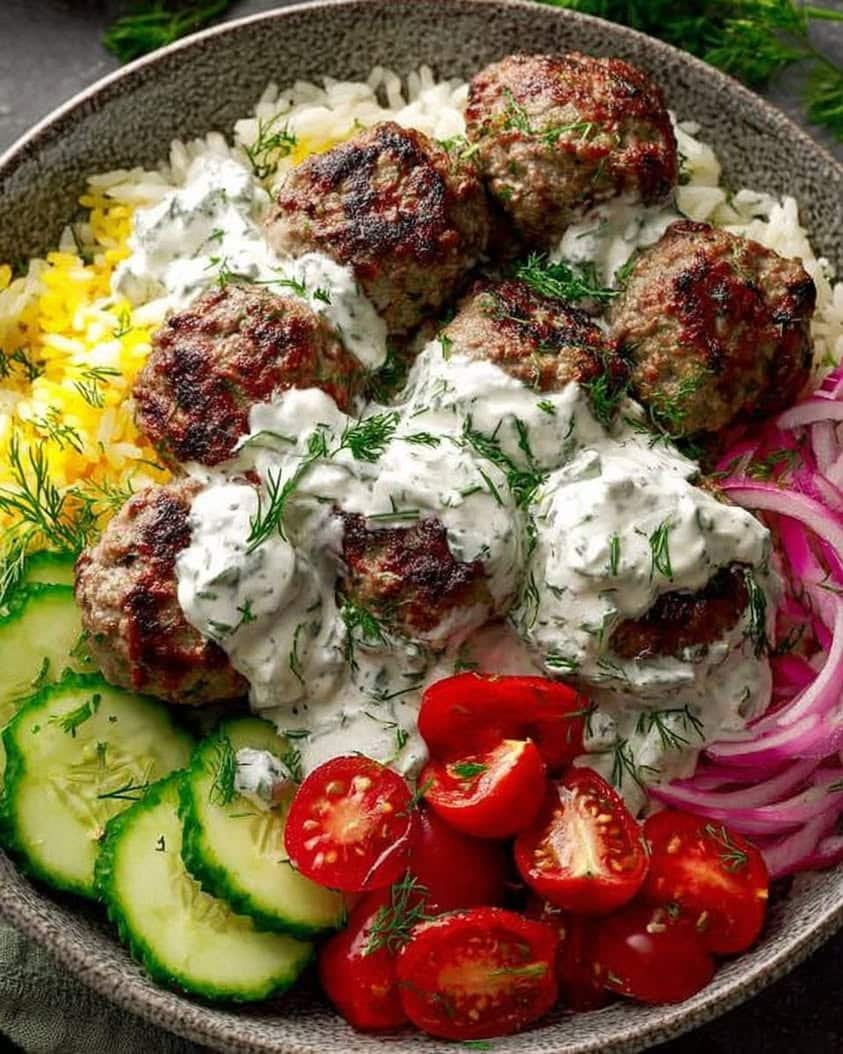
Mediterranean Meatball Rice Bowl with Tzatziki & Fresh Veggies: A Flavorful Weeknight Wonder
Imagine a dinner that brings the sun-drenched flavors of the Mediterranean straight to your table in under an hour. This Mediterranean Meatball Rice Bowl with Tzatziki & Fresh Veggies does exactly that. It combines savory, herb-infused meatballs with fluffy rice, a cool and creamy tzatziki sauce, and a vibrant array of fresh vegetables. Consequently, you get a meal that is as nourishing as it is delicious, offering a perfect balance of protein, grains, and fresh produce in every single bite.
The beauty of this recipe lies in its versatility and ease. You can easily customize the vegetables based on what is in season or sitting in your crisper drawer. Moreover, the components can be prepared ahead of time, making assembly a breeze on busy weeknights. Ultimately, this dish delivers restaurant-quality flavor with home-cooked simplicity, proving that a healthy and satisfying meal does not require hours in the kitchen.
Quick Recipe Highlights
- Flavor Profile: These Mediterranean Meatball Rice Bowls offer a symphony of savory, bright, and herbal notes. The meatballs are deeply seasoned with garlic, oregano, and mint, while the tzatziki sauce provides a tangy, cooling contrast. Fresh vegetables add a crisp, clean finish that ties everything together beautifully.
- Texture: This bowl is a textural masterpiece. You get the tender, juicy bite of the baked meatballs, the fluffy and slightly sticky texture of the rice, and the satisfying crunch of fresh cucumbers and peppers. The creamy tzatziki sauce coats everything, creating a luxurious and cohesive mouthfeel.
- Aroma: As the meatballs bake, your kitchen will fill with the warm, inviting scents of garlic, onion, and Mediterranean herbs. The fresh dill and lemon in the tzatziki add a bright, uplifting note that cuts through the richness, promising a refreshing and flavorful meal.
- Visual Appeal: This dish is a feast for the eyes with its vibrant color palette. The golden-brown meatballs rest on a bed of white rice, surrounded by the green of cucumbers, the red of tomatoes or peppers, and the creamy white of the tzatziki. A final sprinkle of fresh herbs makes it picture-perfect.
- Skill Level Needed: This is a fantastic recipe for cooks of all levels. The techniques are straightforward, involving simple mixing, shaping, and baking. If you can chop vegetables and stir a sauce, you can absolutely master this Mediterranean Meatball Rice Bowl recipe.
- Special Equipment: You need only basic kitchen tools. A mixing bowl, a baking sheet, and a box grater for the cucumber are the main items. A food processor can speed up the tzatziki preparation, but a little elbow grease with a knife and grater works perfectly.
Recipe Overview
- Difficulty Level: We rate this Mediterranean Meatball Rice Bowl recipe as easy. The steps are simple and sequential, with no advanced techniques required. The meatballs bake hands-off in the oven, freeing you to prepare the other components. Therefore, even beginner cooks can achieve fantastic results with confidence.
- Category: This dish fits perfectly into several categories. It is a wholesome main course, an excellent meal prep option, and a fantastic healthy dinner. Additionally, it serves as a complete, balanced meal with protein, complex carbs, and vegetables all in one convenient bowl.
- Cuisine: The recipe draws direct inspiration from the broader Mediterranean culinary tradition, incorporating flavors common in Greek and Middle Eastern cooking. Key elements like oregano, mint, lemon, and yogurt-based tzatziki are hallmarks of this healthy and flavor-forward cuisine.
- Cost: This is a very cost-effective meal to prepare at home. Ground meat, rice, and seasonal vegetables are budget-friendly staples. The herbs and spices are pantry items that build flavor without significant expense. Compared to ordering a similar bowl from a restaurant, you save a substantial amount of money.
- Season: This Mediterranean Meatball Rice Bowl recipe shines year-round. In summer, use the freshest garden tomatoes, cucumbers, and herbs. During colder months, roasted vegetables like zucchini, eggplant, or red onion make a wonderful warm adaptation, keeping the spirit of the dish alive.
- Occasion: It is incredibly versatile for different occasions. Serve it for a simple family weeknight dinner, pack it for a healthy lunch, or even arrange the components beautifully for a casual gathering with friends. It is both comforting enough for everyday and special enough for guests.
Why You’ll Love This Recipe
First and foremost, the taste and texture combination is utterly irresistible. Each component of this Mediterranean Meatball Rice Bowl brings something unique to the table. The savory, herb-packed meatballs are incredibly juicy. Meanwhile, the cool, garlicky tzatziki sauce provides a tangy counterpoint that brightens the entire dish. Finally, the fresh vegetables add a necessary crunch, ensuring every bite is dynamic and satisfying. This layering of flavors and textures prevents any monotony, making the eating experience exciting from start to finish.
From a practical standpoint, the convenience factor is a major win. You can prepare the tzatziki sauce and chop the vegetables ahead of time. Furthermore, the meatballs bake uniformly in the oven without needing constant attention. This streamlined process means you are not juggling multiple pans on the stovetop. Consequently, you get a impressive, multi-component meal with minimal active cooking time and much less stress.
Nutritionally, this bowl is a powerhouse. It is a complete meal built on the principles of the Mediterranean diet, which is renowned for its health benefits. You get lean protein from the meatballs, complex carbohydrates from the rice, and a wealth of vitamins, minerals, and fiber from the fresh vegetables. The tzatziki, made with yogurt, adds gut-friendly probiotics and a dose of calcium. Essentially, it is food that fuels your body and delights your taste buds simultaneously.
This Mediterranean Meatball Rice Bowl recipe also holds tremendous value for entertaining. You can easily double or triple the recipe to feed a crowd. The bowl format is inherently casual and customizable, allowing guests to build their own perfect combination. It feels special and thoughtfully prepared, yet it does not trap you in the kitchen while your company enjoys themselves. It is the ideal centerpiece for a relaxed, health-conscious gathering.
Finally, it is remarkably cost-effective and accessible. The ingredients are common and often already in your pantry or easily found at any grocery store. By cooking this at home, you recreate a gourmet “grain bowl” experience for a fraction of the cost of a restaurant or delivery service. It proves that eating well does not have to be expensive or complicated, making it a recipe you will return to again and again.
Historical Background and Cultural Significance
The concept of the meatball is ancient and spans countless cultures, from Swedish köttbullar to Italian polpette. In the Mediterranean region, meatballs, often called “keftedes” in Greece or “kofta” in the Middle East, have been a staple for centuries. Historically, they were a practical way to stretch precious meat with breadcrumbs, herbs, and spices, making a small amount of protein feed a larger family. This resourcefulness birthed a beloved culinary tradition that emphasizes flavor and community over extravagance.
Bowl meals, while trendy in modern food culture, have deep roots in Mediterranean and Middle Eastern dining. Mezze platters, featuring an array of small dishes like dips, salads, and grilled meats, encourage sharing and combining flavors on one plate. This Mediterranean Meatball Rice Bowl is a direct descendant of that communal, mix-and-match eating style. It honors the cultural importance of fresh, seasonal ingredients and the joy of creating a personalized plate from shared components.
The evolution of this specific recipe is a testament to global fusion and modern convenience. Traditional keftedes are often pan-fried and served as part of a larger spread. The innovation here lies in combining them with rice and fresh veggies in a single, handheld bowl format—a presentation that appeals to contemporary desires for quick, complete, and Instagram-worthy meals. The core flavors remain authentically Mediterranean, but the assembly reflects how global cuisines adapt to new lifestyles.
Regional variations of this concept are endless. In Turkey, you might find the meatballs served over bulgur wheat with a side of cacik (a yogurt sauce similar to tzatziki). In Lebanon, they could be tucked into a pita with lettuce and toum (garlic sauce). Our recipe captures the essence of these traditions while offering a structured, easy-to-follow format. It invites you to explore the flavors of the Mediterranean in your own kitchen, one delicious, customizable bowl at a time.
Ingredient Deep Dive
Ground Lamb or Beef: The choice of protein forms the heart of your Mediterranean meatball. Lamb is traditional in many regions, offering a distinct, slightly gamey richness that pairs perfectly with mint and oregano. Beef, particularly a lean blend, is a more accessible and equally delicious option, providing a savory, hearty base. For the best texture, avoid meat that is too lean; a small amount of fat (85/15 or 90/10) ensures juicy, tender meatballs that do not dry out during baking. If mixing meats, a combination of lamb and beef creates fantastic depth of flavor.
Greek Yogurt (for Tzatziki): This is the non-negotiable base for an authentic, creamy tzatziki sauce. Full-fat Greek yogurt provides the richest texture and flavor, but low-fat varieties work in a pinch. Its significance goes beyond taste; yogurt has been a dietary staple in Eastern Mediterranean and Middle Eastern cultures for millennia, valued for its preservation properties and health benefits. It introduces probiotics for gut health and a significant amount of protein and calcium to the dish. Always opt for plain, unflavored yogurt to control the seasoning of your sauce.
Fresh Dill and Mint: These herbs are the aromatic soul of the Mediterranean. Dill, with its feathery fronds and slightly anise-like flavor, is classic in tzatziki and brings a bright, grassy note. Mint, used in the meatballs, offers a cool, refreshing contrast to the savory meat and warm spices. Historically, both herbs have been used not just for flavor but also for their digestive properties. For the best result, always use fresh herbs; their vibrant flavor and color are irreplaceable and define the fresh character of the entire bowl.
English Cucumber: Chosen for its minimal seeds and thin skin, the English cucumber is ideal for tzatziki and fresh topping. Its high water content and crisp texture provide the necessary crunch and hydration. When preparing it for the sauce, salting and draining the grated cucumber is a crucial step; it removes excess water that would otherwise dilute your tzatziki into a runny mess. This technique ensures your sauce remains luxuriously thick and creamy, perfectly coating each component of your rice bowl.
Common Mistakes to Avoid
- Overmixing the Meatball Meat: When combining your ground meat with herbs, breadcrumbs, and egg, mix just until the ingredients are incorporated. Overworking the mixture activates proteins in the meat, resulting in tough, dense, and rubbery meatballs. A light hand is key to a tender texture.
- Not Draining the Grated Cucumber: Skipping the step of salting and squeezing the water from your grated cucumber will doom your tzatziki. Excess cucumber water will quickly thin out the yogurt, creating a sad, runny sauce that pools at the bottom of your bowl instead of clinging deliciously to the ingredients.
- Using Dried Herbs in the Tzatziki: Tzatziki relies on the bright, fresh flavor of dill (and sometimes mint). Dried dill lacks the vibrant punch and can have a slightly dusty, muted taste. Always use fresh herbs for the sauce to achieve that characteristic refreshing quality.
- Packing Meatballs Too Tightly: When shaping, gently roll the mixture into balls without compacting it too much. Tightly packed meatballs can become hard and chewy. Aim for a loose, light shape that will stay together but remain tender and juicy inside after baking.
- Neglecting to Season Every Layer: Seasoning is not just for the meatballs. Remember to season your rice as it cooks with a pinch of salt. Also, taste your tzatziki and adjust the salt, lemon, and garlic before serving. Well-seasoned components build a more complex final dish.
- Crowding the Baking Sheet: Give your meatballs some space on the baking sheet. If they are too close together, they will steam instead of roast, preventing that desirable caramelized, slightly crispy exterior. Use two sheets if necessary to ensure proper air circulation.
- Serving Everything Hot: Part of the magic is the temperature contrast. The meatballs and rice should be warm or at room temperature, while the tzatziki and fresh veggies should be cold. Serving the tzatziki straight from the fridge provides a wonderful cooling effect against the warm elements.
- Using Instant Rice or Overcooked Rice: The texture of the rice matters. Mushy or sticky instant rice can make the bowl feel heavy. Opt for long-grain rice like basmati or jasmine, and cook it properly so the grains are separate and fluffy, providing a perfect base.
Essential Techniques
Salting and Draining Cucumber: This is the most critical technique for perfect tzatziki. After grating the cucumber, toss it with a pinch of salt and let it sit in a colander for 10-15 minutes. The salt draws out the excess water. Then, use your hands or a clean kitchen towel to squeeze the gratings firmly until no more liquid runs out. This step concentrates the cucumber flavor and prevents a watery sauce, ensuring your tzatziki is thick, creamy, and potent.
Gently Shaping Meatballs: The goal is uniform, tender meatballs, not dense hockey pucks. Portion your meat mixture using a spoon or cookie scoop for consistency. Then, with lightly dampened hands, gently roll each portion into a ball without applying pressure. Just coax it into shape. The meatball should just hold together. This gentle handling prevents the proteins from binding too tightly, which is the secret to a juicy, soft interior after baking.
Building Flavor in Layers: A great Mediterranean Meatball Rice Bowl is seasoned at every stage. Season the meat mixture generously. Season the cooking water for your rice. Season the tzatziki to taste with salt, pepper, and lemon juice. This layered approach means every component is delicious on its own, so when combined, the flavors harmonize into a complex and satisfying whole rather than relying on one element to carry the dish.
Pro Tips for Perfect Mediterranean Meatball Rice Bowls
For incredibly juicy meatballs, consider adding a tablespoon of grated onion to the meat mixture. The moisture from the onion gets absorbed during cooking, keeping the interior tender. Additionally, let your shaped meatballs rest on the baking sheet for 5 minutes before baking; this helps them firm up slightly and hold their shape better in the oven.
Make your tzatziki sauce at least an hour, or even a day, before you plan to serve. This resting time in the refrigerator allows the flavors of garlic, dill, and lemon to meld and deepen profoundly. The sauce transforms from good to absolutely incredible with a little patience.
When assembling the bowls, think about texture and color contrast. Create little piles or sections of each ingredient rather than dumping everything in a heap. This makes the bowl more visually appealing and allows you to get a bit of everything in each forkful. Use the tzatziki as both a sauce and a garnish, dolloping it generously on top.
If you have time, toast your rice before cooking. Sauté the dry rice grains in a little olive oil for a minute until they become slightly opaque and fragrant. Then, add your water or broth and cook as usual. This simple step adds a subtle nutty flavor that complements the Mediterranean herbs beautifully.
Do not discard the leftover tzatziki! It is a fantastic condiment for grilled meats, a dip for pita chips and vegetables, or a sauce for sandwiches and wraps. It will keep well in a sealed container in the refrigerator for 3-4 days, often becoming even more flavorful.
For an extra flavor boost, brush your baked meatballs very lightly with a mixture of olive oil and lemon juice as soon as they come out of the oven. This adds a lovely gloss and a bright, fresh finish that makes them truly shine in the bowl.
Variations and Adaptations
For regional variations, explore different grain bases. Substitute the rice with fluffy couscous, nutty quinoa, or even a warm, soft pita torn into pieces. You could also adopt a Turkish twist by adding a pinch of cumin and smoked paprika to the meatballs and serving them with a drizzle of chili oil.
Seasonal adaptations are simple and rewarding. In summer, focus on raw, crunchy veggies like tomatoes, bell peppers, and red onion. In fall and winter, swap in roasted vegetables. Toss chunks of cauliflower, sweet potato, or red onion with olive oil and roast until caramelized for a warmer, heartier bowl that maintains the Mediterranean flavor profile.
Dietary modifications are straightforward. For a gluten-free version, use certified gluten-free breadcrumbs or rolled oats pulsed into a coarse meal. To make it dairy-free, substitute the Greek yogurt in the tzatziki with a thick, plain dairy-free yogurt made from coconut or almond. For a vegetarian option, use a base of seasoned, baked chickpeas or a plant-based ground “meat” alternative.
Experiment with flavor variations by changing the herb profile. Try adding chopped fresh parsley or cilantro to the meatballs. For a citrusy note, add a bit of lemon zest to the meat mixture. You could also mix a teaspoon of harissa paste into the tzatziki for a spicy, North African-inspired kick that pairs wonderfully with the savory meatballs.
Texture modifications can cater to personal preference. If you love crunch, add toasted pine nuts or slivered almonds as a garnish. For extra creaminess, add a few slices of avocado or a sprinkle of crumbled feta cheese on top of the assembled bowl. These additions provide new dimensions without overshadowing the core flavors.
Presentation alternatives can make the meal feel new. Instead of a bowl, serve the components as a deconstructed platter for sharing. Alternatively, pack all the elements separately in a lunch container for a DIY meal prep experience. You can even skewer the baked meatballs and serve them alongside the rice, tzatziki, and veggies for a fun, interactive meal.
Serving and Presentation Guide
Plating is key to maximizing enjoyment. Start with a warm base of fluffy rice, slightly mounded in the center of a wide, shallow bowl. This creates a foundation for the other ingredients to rest against. Arrange the warm meatballs around or on top of the rice, then artfully place your fresh or roasted vegetables in colorful sections around the perimeter. This method ensures visual appeal and makes it easy to get a perfect bite.
Garnishing adds the final professional touch. Always add a generous dollop or drizzle of your cold tzatziki sauce directly over the meatballs and rice. Then, sprinkle with extra fresh dill or mint leaves. A light drizzle of high-quality extra virgin olive oil and a wedge of lemon on the side completes the picture. These finishing elements enhance flavor and signal a carefully prepared meal.
For traditional accompaniments, consider serving with warm pita bread or pita chips on the side for scooping. A simple side salad of chopped romaine, red onion, kalamata olives, and a lemon-oregano vinaigrette would also complement the bowls perfectly. These additions stay within the Mediterranean theme and offer more ways to enjoy the flavors.
Modern serving suggestions include setting up a “bowl bar” for gatherings. Place the rice, meatballs, tzatziki, and an array of chopped veggies, olives, feta, and sauces in separate bowls. Let guests build their own custom creation. This is interactive, fun, and caters to all dietary preferences effortlessly, making you a stress-free host.
Temperature considerations are crucial for the ideal experience. The meatballs and rice are best served warm or at room temperature. The tzatziki and fresh vegetables should be served cold straight from the refrigerator. This intentional contrast between warm, savory components and cool, creamy, crisp ones is what makes each bite so refreshing and satisfying.
For portion control, a standard serving is about ¾ to 1 cup of cooked rice, 4-5 medium meatballs, a generous ¼ cup of tzatziki, and 1 to 1.5 cups of assorted vegetables. This balance provides a filling meal that is satisfying without being overly heavy. You can easily adjust these ratios based on appetite or dietary goals.
Wine and Beverage Pairing
Wine pairings should complement the herbal, savory, and tangy notes of the bowl. A Greek Assyrtiko, with its crisp acidity and citrus notes, is a classic and fantastic choice that cuts through the richness. Alternatively, a dry rosé from Provence offers berry flavors and a clean finish that pairs beautifully with the meatballs and tzatziki. For red wine lovers, a light-bodied, low-tannin red like a Grenache or a Greek Xinomavro can work well if served slightly chilled.
Non-alcoholic alternatives are just as exciting. A sparkling lemonade or limeade provides sweet-tart refreshment. For something more authentic, try a glass of chilled mint tea or a cucumber-infused spa water. These drinks mirror the fresh ingredients in the bowl and cleanse the palate between bites without competing with the food’s flavors.
While not traditional, certain coffees and teas can pair nicely if serving this for lunch. A light, citrusy herbal tea like lemon verbena or mint tea would be delightful. Avoid heavy, bitter coffees or strongly tannic black teas, as they might clash with the yogurt sauce and fresh herbs. The goal is to choose beverages that refresh rather than overwhelm.
Temperature is a key part of beverage pairing. All suggested drinks should be served well-chilled. The cold temperature of the beverage acts as a counterpoint to the warm elements of the bowl, much like the cold tzatziki does. This contrast is refreshing and enhances the overall dining experience, making the meal feel balanced and complete.
For serving, keep it simple. Pour wines into appropriate glassware to appreciate their aroma. For non-alcoholic options, use tall glasses with plenty of ice and perhaps a garnish that echoes the dish, like a sprig of mint or a slice of cucumber. Presentation of the drink adds to the overall feeling of a thoughtful, restaurant-quality meal at home.
Storage and Shelf Life
For optimal storage, keep all components separate in airtight containers in the refrigerator. The cooked meatballs and rice will last for 3-4 days. The tzatziki sauce is best used within 3-4 days as well, as the garlic flavor will intensify and the herbs may darken slightly. Chopped fresh vegetables are best used within 1-2 days for maximum crunch and freshness.
Temperature requirements are straightforward: the refrigerator is essential. Do not leave assembled bowls or any of the components at room temperature for more than two hours. The dairy-based tzatziki is particularly perishable. For longer storage, the meatballs freeze exceptionally well, but the rice and tzatziki do not freeze successfully due to texture changes.
Container recommendations include using shallow containers for quick cooling. Glass meal prep containers with compartments are ideal for keeping ingredients separate for lunches. For the tzatziki, a small mason jar or a container with a tight-sealing lid prevents it from absorbing other odors from the fridge.
Signs of spoilage to watch for include an off or sour smell from any component, especially the meatballs or tzatziki. If the tzatziki develops excessive liquid (whey) on top, it may still be safe but is past its prime. Discard any meatballs or rice that develop mold or an unusual slimy texture. When in doubt, throw it out.
Reheating instructions are simple. Reheat meatballs and rice gently in the microwave with a splash of water, covered, until warmed through. You can also reheat meatballs in a 350°F oven for about 10 minutes. The tzatziki and fresh vegetables should always be served cold and never reheated. Assemble your bowl only after reheating the warm components.
Freezing guidelines apply primarily to the meatballs. Let them cool completely, then place them in a single layer on a baking sheet to freeze solid. Once frozen, transfer them to a freezer bag or container. They will keep for 2-3 months. Thaw overnight in the refrigerator before reheating. Freezing is not recommended for the tzatziki or assembled bowls.
Make Ahead Strategies
An efficient prep timeline can have this meal ready in minutes on a busy night. The day before, you can prepare the tzatziki sauce and chop all your fresh vegetables. You can also mix the meatball mixture, cover it tightly, and store it in the refrigerator. Shape the meatballs just before baking for the best texture. Cook the rice up to a day ahead as well.
Storage between steps is simple. Keep the prepared tzatziki in a sealed container in the fridge. Store chopped veggies in separate containers or bags. The uncooked meatball mixture can be kept in a bowl covered with plastic wrap. Cooked rice should be cooled quickly and stored in a sealed container to prevent it from drying out.
The quality impact of make-ahead prep is minimal if done correctly. The tzatziki’s flavor improves. The meatball mixture may even benefit from the herbs and spices melding. The only potential downside is that pre-chopped vegetables may lose a bit of crispness overnight, but they remain perfectly acceptable. Overall, prepping ahead saves significant time with a very small trade-off in freshness.
For assembly, have all your cold components (tzatziki, veggies) ready in the fridge. Reheat your rice and meatballs. Then, build bowls directly at serving time. This ensures the warm components are truly warm and the cold components are refreshingly cold, preserving the ideal temperature contrast that makes the dish special.
Reheating guidelines for make-ahead components are crucial. Reheat meatballs and rice separately. The microwave method with a damp paper towel over the rice works well to restore moisture. For the meatballs, a quick stint in a hot oven (375°F for 5-7 minutes) will re-crisp the exterior better than a microwave.
Remember to add fresh elements just before serving. If you pre-chopped herbs for garnish, keep them separate and sprinkle them on at the end. Give your tzatziki a good stir after its time in the fridge, as some separation is natural. A final squeeze of fresh lemon juice over the assembled bowl can also brighten flavors that may have mellowed overnight.
Scaling Instructions
Halving the recipe is simple for smaller households. Precisely divide all ingredient quantities in half. Use a smaller baking sheet for the meatballs. The cooking time may reduce slightly by 2-3 minutes, so start checking early. The tzatziki recipe halves easily, but you may find a full batch of sauce is still nice to have for other uses.
Doubling or tripling for a crowd is very manageable. Use multiple baking sheets for the meatballs, and rotate them in the oven halfway through cooking to ensure even browning. You may need to cook the meatballs in batches. For the rice, cook it in separate pots or a very large pot to avoid steaming instead of boiling, which leads to uneven texture.
Equipment adjustments are necessary when scaling up. Ensure you have a large enough mixing bowl for the meatball mixture. If baking multiple trays of meatballs, consider using convection bake if your oven has it, for more even cooking. For very large batches, you might need to borrow an extra baking sheet or two.
Timing modifications are minimal when scaling. The meatball baking time remains roughly the same per tray, as size is consistent. However, if you have multiple trays in the oven, total oven time increases. Rice cooking time does not change significantly with quantity, but the time to bring a larger volume of water to a boil will be longer. Plan accordingly.
Storage considerations become more important with larger batches. You will have more leftovers, so ensure you have enough airtight containers. Label them with dates. Consider freezing a portion of the cooked meatballs immediately if you do not plan to eat them all within 3-4 days, to preserve quality and avoid waste.
Nutritional Deep Dive
A macro breakdown of a typical bowl reveals a balanced profile. The ground meat provides high-quality protein for muscle repair and satiety. The rice offers complex carbohydrates for sustained energy. The vegetables and tzatziki contribute healthy fats (from olive oil and yogurt) and dietary fiber. This combination helps regulate blood sugar and keeps you feeling full and energized for hours.
The micronutrient analysis is impressive. Fresh vegetables like cucumber, tomato, and onion provide vitamins C, K, and potassium. The herbs are rich in antioxidants. Greek yogurt adds calcium, vitamin B12, and probiotics. The olive oil and meat contribute vitamin E and iron. Together, they support immune function, bone health, digestion, and overall cellular health.
Specific health benefits are tied to the Mediterranean diet principles this bowl embodies. The monounsaturated fats from olive oil support heart health. The high fiber content aids digestion and promotes gut health. The lean protein and vegetables can help with weight management by promoting fullness. The antioxidants combat inflammation. It is a meal designed to nourish the body comprehensively.
For dietary considerations, this bowl is naturally high in protein and can be adapted to be gluten-free. It contains dairy from the yogurt. The carbohydrate content is moderate and comes from a whole-food source (rice). Those monitoring sodium can control the amount of salt added during cooking. It is a flexible template that can suit many nutritional approaches.
Portion analysis shows this is a satisfying single-meal portion. The defined serving size provides a substantial volume of food, which is psychologically satisfying. The balance of macros prevents the energy crashes associated with meals high in refined carbs. You can adjust the rice portion up or down based on your daily carbohydrate goals without compromising the integrity of the dish.
For weight management, this bowl is an excellent tool. Its high protein and fiber content increase satiety, helping to control overall calorie intake. It is nutrient-dense, meaning you get a lot of vitamins and minerals for the calories consumed. To make it even lighter, you can increase the vegetable portion, use ground turkey, and opt for low-fat Greek yogurt.
Dietary Adaptations
Gluten-Free: This adaptation is very simple. Ensure your breadcrumbs are certified gluten-free. You can also substitute with an equal amount of gluten-free rolled oats pulsed into a coarse meal, or even use almond flour. Check all other packaged ingredients, like spices, for hidden gluten. The rest of the recipe is naturally gluten-free.
Dairy-Free: To make dairy-free Mediterranean Meatball Rice Bowls, replace the Greek yogurt in the tzatziki with a thick, plain, unsweetened plant-based yogurt. Coconut milk yogurt offers the best richness and texture. Be sure to still drain your cucumber thoroughly. The meatballs and other components contain no dairy, so this one substitution completes the adaptation.
Vegan: Create a fully vegan version by using a plant-based ground meat alternative or a base of seasoned, roasted chickpeas or lentils for the “meatball” component. For the tzatziki, use a plant-based yogurt as above. Ensure your breadcrumbs are vegan (no honey or dairy). The result is a vibrant, plant-powered bowl with all the familiar flavors.
Low-Carb/Keto: Replace the rice with a base of cauliflower rice. For the meatballs, use almond flour or crushed pork rinds instead of breadcrumbs to bind them. Be mindful of the carb count in onions and garlic used in the meatballs and tzatziki, though the amounts are typically within keto limits. This creates a flavorful, satisfying bowl that aligns with low-carb goals.
Paleo: A Paleo adaptation requires omitting grains and dairy. Use cauliflower rice as your base. For the meatballs, bind them with an egg and a Paleo-approved flour like almond or coconut flour. Omit the tzatziki or make a dairy-free version using coconut yogurt. Focus on increasing the fresh vegetable toppings and using high-quality fats like olive oil.
Low-FODMAP: This requires careful modification. Use garlic-infused olive oil instead of fresh garlic in both the meatballs and tzatziki to get the flavor without the high-FODMAP compounds. Replace the onion in the meatballs with the green tops of scallions (green parts only). Ensure the yogurt is lactose-free. Serve with a moderate portion of rice and low-FODMAP veggies like cucumber and bell peppers.
PrintMediterranean Meatball Rice Bowl with Tzatziki & Fresh Veggies
- Total Time: 45 minutes
- Yield: 4
Description
A vibrant, protein-packed bowl featuring seasoned lamb and beef meatballs over fluffy rice, topped with homemade tzatziki, crisp vegetables, and a lemon-herb drizzle.
Ingredients
- 1 lb ground lamb or beef (or a mix)
- 1/2 cup breadcrumbs
- 1 large egg
- 2 cloves garlic, minced
- 1 tsp dried oregano
- 1 tsp ground cumin
- Salt and black pepper to taste
- 1 cup uncooked white rice
- 1 cucumber, diced
- 1 cup cherry tomatoes, halved
- 1/2 red onion, thinly sliced
- 1/4 cup fresh parsley, chopped
- 1 cup plain Greek yogurt
- 1/2 lemon, juiced
- 2 tbsp olive oil
- 1 tbsp fresh dill, chopped
Instructions
- Cook rice according to package instructions and set aside.
- In a bowl, combine ground meat, breadcrumbs, egg, garlic, oregano, cumin, salt, and pepper. Form into 1-inch meatballs.
- Heat olive oil in a skillet over medium heat. Cook meatballs for 8-10 minutes, turning until browned and cooked through.
- In a small bowl, mix Greek yogurt, lemon juice, dill, and a pinch of salt to make tzatziki.
- Assemble bowls: divide rice among four bowls, top with meatballs, cucumber, tomatoes, red onion, and parsley. Drizzle with tzatziki and extra olive oil if desired.
Notes
You can customize the seasonings to taste.
- Prep Time: 15 minutes
- Cook Time: 30 minutes
- Method: Main
- Cuisine: Mediterranean