Easy Mediterranean Ground Beef Stir Fry Recipe for Busy Weeknights
Imagine a dinner that comes together in a single pan, bursting with the vibrant flavors of the Mediterranean, and ready in under thirty minutes. This easy Mediterranean ground beef stir fry recipe is exactly that kind of magic. It transforms simple, wholesome ingredients into a colorful and satisfying meal that feels far from ordinary. Furthermore, it brings the sunny, herbaceous notes of the Mediterranean coast right to your weeknight table without any fuss.
This dish is a celebration of fresh vegetables, lean protein, and aromatic spices. You will love how the savory ground beef mingles with crisp bell peppers, sweet cherry tomatoes, and briny Kalamata olives. Ultimately, a simple yet powerful sauce ties everything together, creating a meal that is both nourishing and incredibly delicious. This easy Mediterranean ground beef stir fry recipe is your new secret weapon for turning a hectic evening into a delightful culinary experience.
Quick Recipe Highlights
- Flavor Profile: This stir fry delivers a robust and balanced taste. Savory, well-seasoned ground beef forms the base, while bright lemon juice and fresh herbs add a lively, zesty finish. Additionally, the briny pop of olives and the sweetness of tomatoes create a complex and satisfying harmony in every bite.
- Texture: You will enjoy a wonderful contrast of textures. The ground beef offers a satisfying, crumbly heartiness, while the bell peppers and onions retain a pleasant crunch. Meanwhile, the cherry tomatoes soften slightly, and the olives provide a firm, juicy burst, making each forkful interesting.
- Aroma: As this cooks, your kitchen will fill with an irresistible fragrance. First, the garlic and onions sizzle, releasing their foundational scent. Then, the earthy cumin and oregano bloom in the heat, followed by the fresh, green aroma of parsley and mint just before serving.
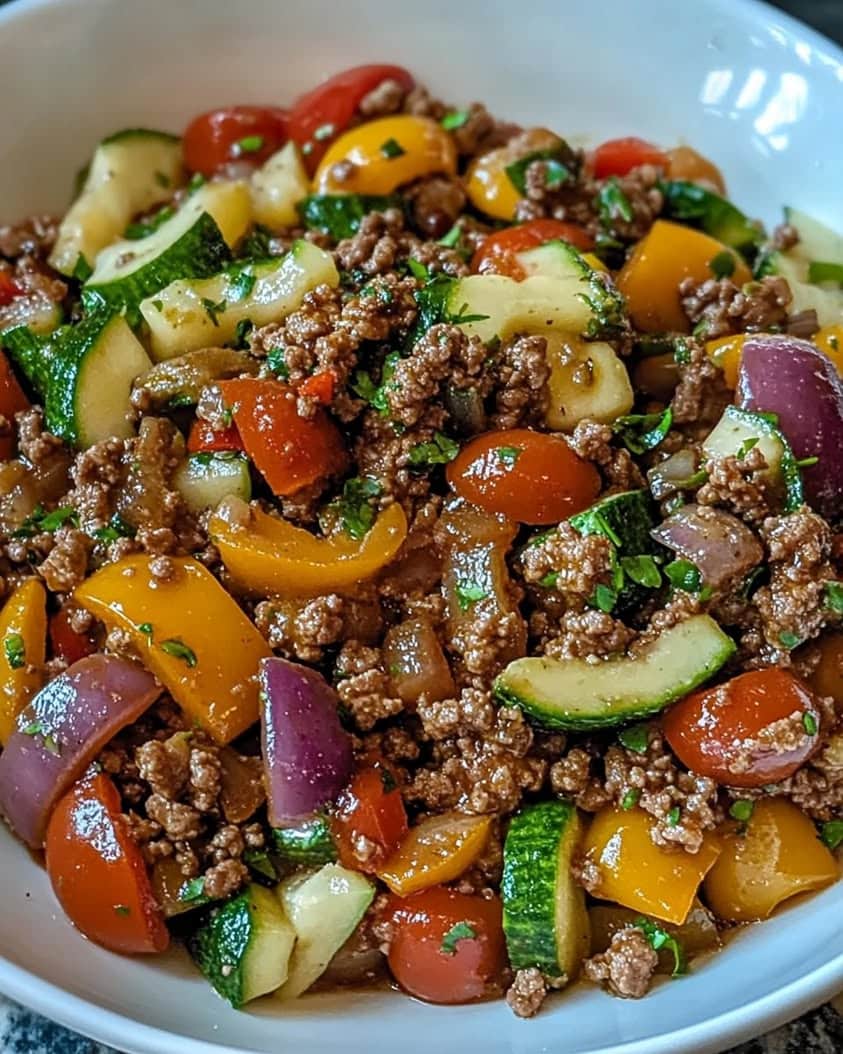
- Visual Appeal: This dish is a feast for the eyes with its vibrant color palette. The deep red of the tomatoes, the bright green of the herbs and peppers, the purple onions, and the rich brown beef create a stunning, appetizing mosaic in your pan that is perfect for serving.
- Skill Level Needed: This recipe is genuinely beginner-friendly. It requires only basic knife skills for chopping and simple stovetop cooking techniques like browning meat and sautéing vegetables. Consequently, even novice cooks can achieve fantastic results with confidence.
- Special Equipment: You need only a large skillet or wok and a sturdy spatula. A good, heavy-bottomed pan ensures even heat distribution, which is crucial for properly browning the beef and cooking the vegetables without burning them.
Recipe Overview
- Difficulty Level: We rate this recipe as easy because it involves straightforward, sequential steps. You simply brown the meat, sauté the aromatics and vegetables, then combine everything with the sauce. There is no complicated timing or advanced techniques required, making it accessible for all home cooks.
- Category: This versatile dish fits multiple categories beautifully. It is a quick one-pan dinner, a healthy ground beef recipe, and a fantastic meal prep option. You can serve it over grains, with a salad, or even stuffed into pita bread for different meals throughout the week.
- Cuisine: While inspired by the broad flavors of the Mediterranean, this stir fry is a modern, week-friendly interpretation. It draws on core ingredients and flavor principles from Greek and Levantine cuisines—like oregano, lemon, olives, and fresh herbs—but prepares them in a fast, stir-fry format.
- Cost: This is a very budget-conscious meal. Ground beef is typically affordable, and the vegetables used are common and inexpensive, especially when in season. Overall, you can create this hearty, restaurant-quality dish for a fraction of the cost of dining out.
- Season: This recipe shines year-round but is particularly excellent in late summer. That is when bell peppers, tomatoes, and fresh herbs are at their peak of flavor and lowest price. However, its bright, fresh taste also makes it a wonderful way to combat the winter blues.
- Occasion: It is ideal for busy weeknights, casual family dinners, or effortless weekend lunches. Moreover, it scales easily for a crowd, making it a great option for informal gatherings or potlucks where you want to serve something healthy and flavorful.
Why You’ll Love This Recipe
First and foremost, the taste and texture of this easy Mediterranean ground beef stir fry recipe are utterly captivating. Each component brings its own character to the plate. The savory, spiced beef provides a deeply satisfying base. Simultaneously, the vegetables contribute layers of sweetness and crunch. Finally, the bright acidity from lemon and the salty punch from olives tie every flavor together. This combination creates a dish that is far greater than the sum of its parts, ensuring you will not get bored with a single bite.
Next, consider the sheer convenience and preparation benefits. This entire meal cooks in one pan, which means minimal cleanup—a major win on any night. The process is linear and intuitive: brown, sauté, and combine. Furthermore, the prep work is simple chopping, with no need for complicated marinating or pre-cooking. You can realistically go from fridge to table in half an hour, making it a reliable solution when time is short but you still crave a homemade, healthy meal.
From a nutritional standpoint, this stir fry is a powerhouse. Lean ground beef offers high-quality protein and essential nutrients like iron and B12. The medley of vegetables provides a wide spectrum of vitamins, minerals, and dietary fiber. By using olive oil and loading up on herbs, you also incorporate heart-healthy fats and antioxidants. Consequently, this dish supports balanced eating without requiring you to sacrifice flavor or satisfaction.
This recipe also holds significant social and entertaining value. It is visually stunning and smells incredible as it cooks, immediately setting a welcoming tone. Because it is so easy to double or triple, you can effortlessly feed a group. Serve it family-style with warm pita bread and a big salad, and you have the foundation for a relaxed, communal meal that encourages sharing and conversation.
Finally, its cost-effectiveness and accessibility are major advantages. You likely have many of the spices already in your pantry. The fresh ingredients are common in any grocery store. By choosing this easy Mediterranean ground beef stir fry recipe, you create a gourmet-tasting meal that is gentle on your wallet. It proves that eating well does not require expensive or hard-to-find ingredients, just a little know-how and this reliable formula.
Historical Background and Cultural Significance
The concept of quickly cooking meat and vegetables together over high heat has ancient roots across many cultures. In the Mediterranean region, however, the specific combination of these flavors tells a deeper story. The use of oregano, lemon, and olive oil is quintessentially Greek. Meanwhile, the inclusion of cumin and certain preparation styles nods to the culinary traditions of the Levant. This easy Mediterranean ground beef stir fry recipe is a modern fusion that honors these historical flavor pairings within a contemporary, fast-cooking framework.
These core ingredients carry immense cultural importance. Olive oil is more than a fat; it is a symbol of peace, prosperity, and health in Mediterranean societies. Herbs like oregano and mint were used for both culinary and medicinal purposes for millennia. The practice of combining protein with locally abundant vegetables and bright, acidic elements reflects a sustainable and balanced approach to eating that has defined the region’s famously healthy diet for centuries.
The recipe has evolved significantly with globalization and modern kitchen conveniences. Traditionally, similar flavor profiles might be found in stews, kebabs, or stuffed vegetables, which often require longer cooking times. The stir-fry method adapts these timeless tastes for the 21st-century home cook who values speed and simplicity. This evolution demonstrates how culinary traditions can stay vibrant and relevant by adapting to new lifestyles while preserving their soul.
Regional variations of this concept are plentiful. In Turkey, you might find “kıymalı biber,” a dish of ground meat with peppers and tomatoes. In Lebanon, “hashwet lahma” is a spiced meat mixture often used as a filling. Our easy Mediterranean ground beef stir fry recipe draws inspiration from these diverse traditions, creating a hybrid that is accessible worldwide. The beauty lies in its adaptability; you can adjust the spice level, herb choices, or vegetables to mirror the sub-region of the Mediterranean that most appeals to you.
Ingredient Deep Dive
Ground Beef (90% lean): Lean ground beef provides the protein foundation and rich, savory flavor known as umami. Culturally, beef is a prized protein in many Mediterranean mountain regions. Nutritionally, it is an excellent source of complete protein, iron, zinc, and B vitamins, crucial for energy and metabolism. For best results, choose a 90% lean blend to minimize excess grease. You can store it in the coldest part of your fridge for 1-2 days before use or freeze it for several months. For a substitute, ground lamb offers an authentic alternative, while ground turkey or chicken creates a lighter version.
Bell Peppers & Red Onion: These vegetables add essential sweetness, color, and crunch. Peppers and onions have been cultivated in the Mediterranean for thousands of years, featuring prominently in countless regional dishes. They are packed with vitamins A and C, antioxidants, and fiber. Select peppers that are firm with glossy skin and a heavy feel for their size. Choose red onions that are firm with dry, papery skins. Store them in a cool, dark place or the vegetable crisper. While green peppers work, red, yellow, or orange varieties are sweeter. Shallots or sweet onions can stand in for red onion.
Garlic & Spices (Cumin, Oregano, Paprika): This aromatic trio forms the flavor backbone. Garlic is ancient and revered for both its taste and purported health benefits. Cumin adds earthy warmth, oregano provides a characteristic piney note, and paprika offers subtle sweetness and color. Together, they create a deeply savory and complex spice profile. Always use fresh garlic cloves for the best flavor. For optimal taste, ensure your dried spices are not older than a year, as they lose potency. Store them in a cool, dark cabinet. You can experiment with adding a pinch of cinnamon or coriander for different regional twists.
Cherry Tomatoes & Kalamata Olives: These ingredients deliver bursts of juicy sweetness and briny saltiness. Tomatoes, though originally from the Americas, became central to Mediterranean cuisine. Olives are one of the region’s oldest cultivated fruits, symbolizing peace and wisdom. Tomatoes provide lycopene, while olives offer healthy monounsaturated fats. Pick cherry tomatoes that are plump and brightly colored. Choose Kalamata olives that are glossy and packed in brine. Refrigerate tomatoes and keep olives submerged in their liquid. Sun-dried tomatoes or diced Roma tomatoes can work in a pinch. For olives, you can substitute with another brine-cured variety like Castelvetrano.
Fresh Herbs (Parsley & Mint) & Lemon Juice: These are the “finishers” that add irreplaceable freshness. Parsley and mint are used abundantly across the Mediterranean as both garnish and integral ingredient. Lemon juice provides the essential bright acidity that lifts the entire dish. Fresh herbs are rich in vitamins and phytonutrients. Lemon juice is a good source of vitamin C. Always add fresh herbs at the very end to preserve their color and flavor. Use freshly squeezed lemon juice for the best, brightest taste. Store herbs with stems in a glass of water in the fridge. In a pinch, a teaspoon of red wine vinegar can substitute for some of the lemon’s acidity.
Common Mistakes to Avoid
- Overcrowding the Pan: Adding all the vegetables at once steams them instead of sautéing. This leads to soggy, limp peppers and onions. Instead, cook in batches if your pan is small to ensure each piece gets proper contact with the hot surface and develops a slight sear.
- Using Ground Beef with Too High Fat Content: While fat equals flavor, using 80/20 beef can make the final dish overly greasy. The excess fat will pool in the pan and coat the vegetables unpleasantly. Choosing 90% lean or draining excess fat after browning is crucial for a cleaner result.
- Burning the Garlic and Spices: Garlic burns in seconds and turns bitter. Similarly, dried spices can scorch if added to a dry, piping-hot pan. Always add garlic just before the liquid components, and consider adding spices to the cooked meat for a minute to “bloom” them before adding vegetables.
- Overcooking the Vegetables: The goal is tender-crisp vegetables, not mushy ones. Adding the tomatoes and olives too early will cause them to completely break down. Introduce them towards the end of cooking to preserve their texture and individual character in the final stir fry.
- Skipping the Deglazing Step: Those browned bits (fond) at the bottom of the pan after cooking the beef are packed with flavor. Failing to add a splash of broth or water and scrape them up means leaving the best taste behind. This simple step builds a more complex sauce.
- Adding Fresh Herbs Too Early: Delicate herbs like parsley and mint wilt and lose their vibrant color and fresh flavor if cooked for more than a minute. They should always be stirred in right at the end, off the heat, so they simply warm through.
- Forgetting to Season in Layers: Seasoning only at the end results in a bland beef layer and over-seasoned sauce. Season the meat lightly with salt and pepper while browning. Then, adjust the seasoning again after combining all ingredients and adding the lemon juice.
- Using Bottled Lemon Juice: The bright, clean acidity of fresh lemon is irreplaceable. Bottled juice often has a flat, metallic, or overly sour taste that can throw off the delicate balance of the dish. Always squeeze a fresh lemon for the best flavor outcome.
Essential Techniques
Proper Browning of Ground Beef: This technique, called the Maillard reaction, is fundamental. Do not just gray the meat; you want to develop deep, flavorful browning. To achieve this, ensure your pan is hot before adding the beef. Break it into chunks but resist the urge to stir constantly. Let it sit undisturbed for a minute or two to develop a crust before breaking it up further. This creates savory, complex flavors that form the foundation of your entire easy Mediterranean ground beef stir fry recipe.
Sautéing Vegetables to Tender-Crisp: The goal is to cook vegetables until they are softened but still retain a pleasant bite and bright color. Achieve this by using high heat and moving them frequently. Add longer-cooking vegetables like onions and peppers first. The visual cue for success is when the onions turn translucent and the peppers brighten in color but still snap when bitten. This technique preserves nutrients and texture.
Blooming Spices: This simple step unlocks the full potential of dried spices. After browning the meat, push it to the side and add the cumin, oregano, and paprika directly to a little hot oil in the pan. Stir for just 30-60 seconds until fragrant. This heat activates their essential oils, intensifying their aroma and flavor before they disperse into the dish. The pitfall is leaving them too long, which can lead to bitterness.
Deglazing the Pan: After sautéing, you will often find flavorful browned bits stuck to the pan. Deglazing is the process of adding a liquid (like broth or water) and using a spatula to scrape those bits loose. They dissolve into the liquid, creating an instant, rich sauce base. This technique captures every bit of flavor and prevents waste. The key is to use a liquid that complements the dish and to scrape thoroughly.
Pro Tips for Perfect Easy Mediterranean Ground Beef Stir Fry
- Prep all your ingredients before you turn on the stove. Stir-frying happens fast, and having everything chopped and measured (mise en place) prevents burning and ensures smooth execution.
- Pat your ground beef dry with a paper towel before adding it to the pan. Excess moisture steams the meat instead of allowing it to brown properly, which is crucial for flavor development.
- Let the beef sit for a minute after adding it to the hot pan. This allows the first side to sear and develop a fond (browned bits), which is the secret to a deeply flavorful base for your sauce.
- Use a wooden spatula or spoon to break up the beef. Metal utensils can scratch non-stick pans and are less effective for crumbling the meat into the ideal, bite-sized pieces.
- Resist the urge to add oil when cooking the peppers and onions if there’s enough residual fat from the beef. The vegetables will absorb those savory flavors, enhancing the overall taste of the dish.
- Add the cherry tomatoes and olives during the last 2-3 minutes of cooking. This preserves their structural integrity, ensuring the tomatoes stay juicy and the olives remain pleasantly firm.
- Finish the dish with the fresh herbs and lemon juice off the heat. The residual warmth is enough to wilt the herbs slightly and warm the lemon juice without cooking away their bright, fresh qualities.
- Let the stir fry rest for 5 minutes before serving. This allows the flavors to meld together and the sauce to thicken slightly, resulting in a more cohesive and delicious final product.
Variations and Adaptations
Regional Variations: To lean Greek, add a sprinkle of crumbled feta cheese at the end and use more oregano. For a Turkish twist, incorporate a pinch of cinnamon and use Aleppo pepper instead of paprika. A Lebanese version might include a tablespoon of pomegranate molasses for sweet-tart depth. These small changes can transport the basic framework of this easy Mediterranean ground beef stir fry recipe across the entire region.
Seasonal Adaptations: In summer, use zucchini, eggplant, and fresh garden tomatoes. For autumn, incorporate cubed sweet potato or butternut squash, adding them earlier to ensure they cook through. Winter calls for heartier greens like chopped kale or Swiss chard, stirred in at the end to wilt. Spring welcomes fresh peas, asparagus, and green garlic. Adapting the vegetables keeps the recipe exciting and aligned with what is freshest and most affordable.
Dietary Modifications: For a gluten-free version, ensure your broth is certified GF and serve with quinoa or rice. To make it dairy-free, simply omit any cheese garnish. For a lower-carb or keto adaptation, increase the beef portion slightly and serve over cauliflower rice or a bed of leafy greens instead of grains.
Flavor Variations: Add heat with a diced jalapeño or red pepper flakes. For smokiness, use smoked paprika instead of sweet. Introduce umami with a teaspoon of tomato paste cooked with the spices or a splash of soy sauce (use tamari for GF). A tablespoon of capers can add another layer of briny complexity alongside the olives.
Texture Modifications: For a saucier dish, increase the beef broth by 1/4 cup and consider adding a slurry of cornstarch and water at the end to thicken it. For a drier, more crumbly texture perfect for stuffing, reduce the broth and let the mixture cook until most liquid evaporates.
Presentation Alternatives: Instead of a bowl, serve the stir fry stuffed into hollowed-out bell peppers or zucchini boats and baked briefly. Use it as a hearty topping for a Mediterranean-style pizza on naan bread. Or, serve it cold over a crisp romaine salad with a lemony vinaigrette for a next-day lunch option.
Serving and Presentation Guide
Plating this dish beautifully enhances the eating experience. For a casual family meal, serve it directly from the skillet at the table. For individual plates, spoon a base of fluffy couscous, quinoa, or rice into a shallow bowl. Then, artfully pile the stir fry on top, allowing some of the grains to peek around the edges. This creates height and visual interest. Drizzle any remaining pan juices over the top to add gloss and flavor.
Garnishing is simple but effective. A final sprinkle of chopped fresh parsley or mint adds a pop of green. For extra richness, a crumbling of feta or goat cheese works wonderfully. A lemon wedge on the side allows guests to adjust the brightness to their taste. A light drizzle of high-quality extra virgin olive oil just before serving adds a fruity note and luxurious sheen.
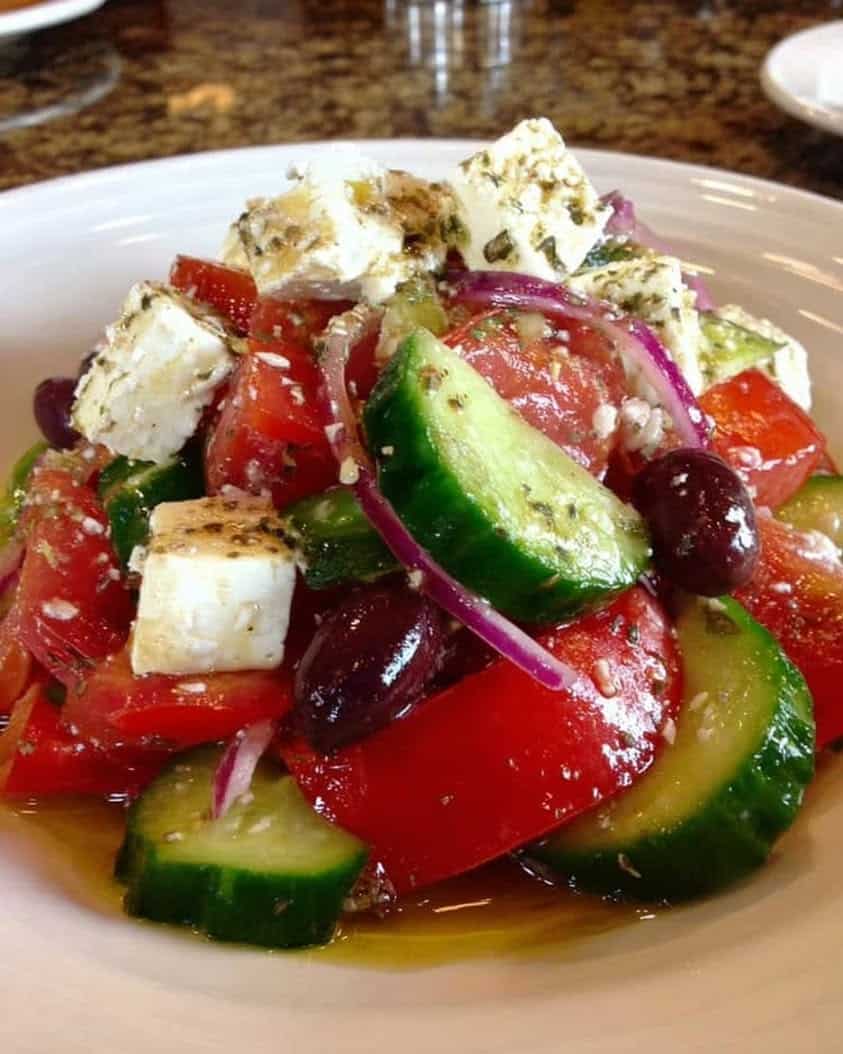
Traditional accompaniments include warm pita bread or crusty baguette for scooping. A simple side salad of chopped cucumber, tomato, red onion, and parsley dressed with lemon and olive oil (a quick Greek salad) complements the flavors perfectly. For a more substantial meal, consider roasted potatoes or a creamy tzatziki sauce on the side.
Modern serving suggestions include using the stir fry as a protein-packed filling for whole-wheat wraps or lettuce cups. You can also top a baked sweet potato with it for a nutrient-dense bowl. For a brunch option, serve it alongside scrambled eggs or as an omelet filling.
Temperature is key. This easy Mediterranean ground beef stir fry recipe is best served hot or very warm. The flavors are most vibrant and the textures are ideal when freshly made. If you must hold it, keep it covered in a warm oven, but note that the vegetables will continue to soften.
Portion control is easy with this balanced dish. A good rule of thumb is to aim for a portion roughly the size of your fist for the beef and vegetable mixture, plus a half-cup to a cup of your chosen grain. This provides a satisfying meal that is filling without being overly heavy.
Wine and Beverage Pairing
Wine pairings for this dish should complement its savory, herbal, and slightly acidic profile. A medium-bodied red like a Greek Agiorgitiko or a Spanish Garnacha works beautifully, as their soft tannins and red fruit notes won’t overwhelm the food. For white wine lovers, a crisp Assyrtiko from Santorini or a Sauvignon Blanc with its herbal notes is an excellent match. The wine’s acidity should mirror or slightly exceed the lemon juice in the dish to create harmony.
Non-alcoholic alternatives are plentiful. Sparkling water with a squeeze of lemon or lime is always refreshing. A minty iced tea complements the fresh herbs in the stir fry. For something more unique, try a pomegranate juice spritzer mixed with club soda; its tart sweetness plays nicely against the savory olives and beef.
While not traditional, certain coffees and teas can pair well if serving this for lunch. A light, bright Ethiopian coffee with citrusy notes can be a surprising and pleasant follow-up. For tea, consider a Moroccan mint tea, which echoes the mint in the dish, or a subtly smoky Lapsang Souchong, which can stand up to the savory, spiced beef.
Temperature considerations are straightforward. Serve red wines slightly below room temperature, around 60-65°F. White wines and sparklers should be well-chilled. Non-alcoholic beverages are best served cold to provide a refreshing contrast to the warm, savory food. Always have ice water on the table as a palate cleanser.
Serving suggestions include offering both red and white wine options if you have guests, as personal preference varies. For non-alcoholic drinks, present them in a nice pitcher with glasses. Encourage sipping throughout the meal rather than just at the beginning and end, as the interplay of flavors between food and drink is part of the enjoyment.
Storage and Shelf Life
Proper storage is essential for maintaining quality and safety. Allow the stir fry to cool completely to room temperature before storing, but do not leave it out for more than two hours. Transfer it to an airtight container. Glass containers are ideal as they do not absorb odors and allow you to see the contents. You can store it in the refrigerator for up to 3-4 days.
Temperature requirements are strict for food safety. The refrigerator must be at 40°F or below. When reheating, ensure the internal temperature of the food reaches 165°F to kill any potential bacteria. Never reheat the entire batch more than once. Instead, only reheat the portion you plan to eat immediately.
Signs of spoilage include an off or sour smell, a slimy texture on the meat or vegetables, or visible mold. If you see any of these signs, discard the entire batch immediately. When in doubt, it is always safer to throw it out. The fresh herbs will wilt and darken over time, which is normal and not a sign of spoilage, though it affects presentation.
Reheating instructions are simple. The best method is on the stovetop over medium heat with a splash of water or broth to prevent drying out and to recreate the saucy consistency. Stir frequently until piping hot throughout. You can also use a microwave, heating in one-minute intervals and stirring in between to ensure even warming.
Freezing guidelines: This dish freezes reasonably well for up to 2-3 months. However, note that the texture of the peppers and tomatoes will become softer upon thawing. To freeze, portion the cooled stir fry into freezer-safe bags or containers, removing as much air as possible. Thaw overnight in the refrigerator before reheating using the methods described above.
Make Ahead Strategies
You can efficiently break the prep into stages. The day before, chop all vegetables (onions, peppers) and store them in separate airtight containers in the fridge. Measure out your spices into a small bowl. You can even mince the garlic, though it is best used fresh. This “prep party” cuts your active cooking time on the day of serving to just 15 minutes.
Storage between steps is straightforward. Keep pre-chopped vegetables refrigerated. Do not mix the tomatoes and olives with the other veggies, as they have different moisture contents. Store fresh herbs wrapped in a damp paper towel inside a plastic bag in the crisper. Having everything organized and ready to go makes the cooking process seamless and stress-free.
The quality impact of make-ahead prep is minimal if done correctly. Chopped onions and peppers hold up very well overnight. The key is to keep everything dry and cold. The only element that suffers noticeably is freshly minced garlic, which can develop a sharper, harsher flavor. For the best taste, mince your garlic on the day you cook the easy Mediterranean ground beef stir fry recipe.
Assembly tips for a make-ahead meal are simple. If you want a fully pre-cooked meal, simply follow the recipe, let it cool completely, and refrigerate. When ready to serve, reheat gently on the stovetop. To maintain optimal texture, consider adding a final handful of fresh herbs after reheating to revive the bright, green flavor.
Reheating guidelines for pre-made batches are crucial. Always add a tablespoon or two of liquid (water, broth, or even a splash of tomato juice) to the pan when reheating. This replaces moisture lost during refrigeration and prevents the dish from tasting dry or overcooked. Cover the pan for the first few minutes to steam it gently, then uncover to allow any excess liquid to evaporate.
Fresh element additions are the secret to making a pre-made dish taste just-cooked. Even if you made the entire stir fry ahead, reserve some of the fresh herbs and lemon juice. Stir these in right after reheating, just before serving. This final burst of freshness elevates the dish and masks any “leftover” taste perfectly.
Scaling Instructions
Halving the recipe is simple for smaller households. Use half of every ingredient. The cook time may reduce slightly, so keep a close eye on the vegetables to avoid overcooking. Use a medium skillet instead of a large one to maintain the proper depth of ingredients in the pan, which affects cooking efficiency. The recipe will yield about two generous servings.
Doubling or tripling the recipe for a crowd requires some adjustments. Use the largest skillet or Dutch oven you have, or cook in two separate batches to avoid overcrowding. Overcrowding leads to steaming, not browning. You may need to increase the cook time by a few minutes to ensure the larger volume of beef browns properly and the vegetables cook through. Taste and adjust seasoning at the end, as scaling spices is not always linear.
Equipment adjustments are necessary when scaling. For a double batch, a 12-inch skillet or a wide Dutch oven is ideal. For tripling, consider using two pans simultaneously or cooking in sequential batches. Ensure you have a large enough bowl to hold the finished product if mixing batches together. Having all your scaled ingredients pre-measured and ready is even more critical with larger volumes.
Timing modifications are minimal but important. When browning a double batch of beef, do not try to do it all at once if your pan is crowded. Brown it in two stages for the best sear. The vegetable sauté time may increase by 2-3 minutes due to the larger volume. Always rely on visual and textural cues (onions translucent, peppers tender-crisp) rather than strictly following the clock.
Storage considerations for scaled-up recipes are practical. If you are not serving it all immediately, cool the extra portions quickly and store them in several smaller containers rather than one giant one. This allows for faster cooling (important for food safety) and makes it easier to reheat individual meals later in the week without thawing the entire batch.
Nutritional Deep Dive
This easy Mediterranean ground beef stir fry recipe offers a strong macro-nutrient balance. A typical serving provides a substantial amount of high-quality protein from the lean beef, essential for muscle repair and satiety. The carbohydrates come primarily from the vegetables and any accompanying grain, offering sustained energy and fiber. The fats are predominantly monounsaturated from the olive oil and olives, which are beneficial for heart health. This balance supports stable blood sugar levels and keeps you feeling full for hours.
The micronutrient profile is impressive. Bell peppers and tomatoes are loaded with vitamins A and C, powerful antioxidants. Onions and garlic provide quercetin and allicin, compounds with anti-inflammatory properties. The lean beef is an excellent source of bioavailable iron and zinc, crucial for immune function and energy metabolism. The fresh herbs, though used in small amounts, contribute trace minerals and phytonutrients.
Health benefits associated with this meal are numerous. The Mediterranean diet pattern it follows is consistently linked to reduced risk of heart disease, improved brain health, and better weight management. The high fiber content from vegetables supports digestive health. The combination of protein, healthy fats, and fiber promotes satiety, which can aid in portion control and prevent overeating later in the day.
Dietary considerations are generally positive. The recipe is naturally gluten-free if served with appropriate grains. It is also dairy-free unless you add a cheese garnish. For those monitoring sodium, you can control the salt level by using low-sodium broth and rinsing the olives. The dish is inherently rich in vegetables, aligning with recommendations to increase plant food intake.
Portion analysis shows that a serving (without grains) is typically around 1.5 to 2 cups by volume. This provides a visually satisfying plate that is nutrient-dense without being excessively high in calories. The volume from the vegetables adds bulk, meaning you eat a larger quantity of food for fewer calories compared to a meat-heavy dish with minimal veggies.
Weight management tips using this recipe include being mindful of the oil used for sautéing and the portion of grain you pair it with. To reduce calories slightly, use a spray oil for the pan. Load your plate with the stir fry first, then add a modest half-cup of whole grain like brown rice or quinoa. The high protein and fiber content will help manage hunger, making it easier to maintain a healthy weight.
Dietary Adaptations
Gluten-Free: This recipe is naturally gluten-free as written. The only potential hidden source is in the beef broth, so always choose a brand certified gluten-free. Serve it over gluten-free grains like rice, quinoa, or certified GF couscous. Ensure all other packaged ingredients, like spices, are from brands that guarantee no cross-contamination.
Dairy-Free: The base recipe contains no dairy. Simply avoid garnishing with feta or any other cheese. For a creamy element without dairy, consider a dollop of dairy-free yogurt alternative (like coconut or almond milk yogurt) mixed with garlic and cucumber as a side sauce.
Vegan/Vegetarian: Replace the ground beef with two cans of drained and rinsed brown lentils or a plant-based ground “meat” alternative. Use vegetable broth instead of beef broth. The olives, vegetables, and spices will provide plenty of flavor. You may want to add a tablespoon of soy sauce or tamari to boost the savory umami depth lost by omitting the beef.
Low-Carb/Keto: Increase the ground beef portion to 1.5 pounds to up the protein and fat. Significantly reduce or omit the onion, as it is higher in carbs. Use only low-carb vegetables like bell peppers (in moderation), and add mushrooms or spinach. Serve over cauliflower rice or simply in a bowl by itself. Ensure the broth used has no added sugar.
Paleo: Use 100% grass-fed beef if possible. Omit any dairy garnish. Ensure the broth is compliant (no soy, gluten, or additives). All other ingredients—vegetables, olives, herbs, spices, lemon—are paleo-friendly. This adaptation fits perfectly within the paleo framework of whole, unprocessed foods.
Low-FODMAP: This requires careful modification. Use only the green parts of scallions instead of onion. Omit garlic entirely or use a garlic-infused oil (with solids removed). Ensure the beef broth is onion- and garlic-free. Limit the serving of bell pepper to a small amount per the Monash University app guidelines. The olives, herbs, spices (except garlic powder), and lemon are low-FODMAP friendly.
Troubleshooting Guide
Issue: The dish is too watery. This usually happens if the vegetables release a lot of moisture or if you did not let the sauce reduce enough. Solution: Continue cooking over medium-high heat, uncovered, stirring frequently until the excess liquid evaporates. For future attempts, salt your vegetables lightly after chopping and let them sit for 10 minutes; then pat them dry with a paper towel to remove some moisture before cooking.
Issue: The beef
Print A quick and flavorful stir fry featuring ground beef, fresh vegetables, and Mediterranean-inspired herbs and spices, perfect for a healthy weeknight dinner. You can customize the seasonings to taste.Mediterranean Ground Beef Stir Fry
Description
Ingredients
Instructions
Notes