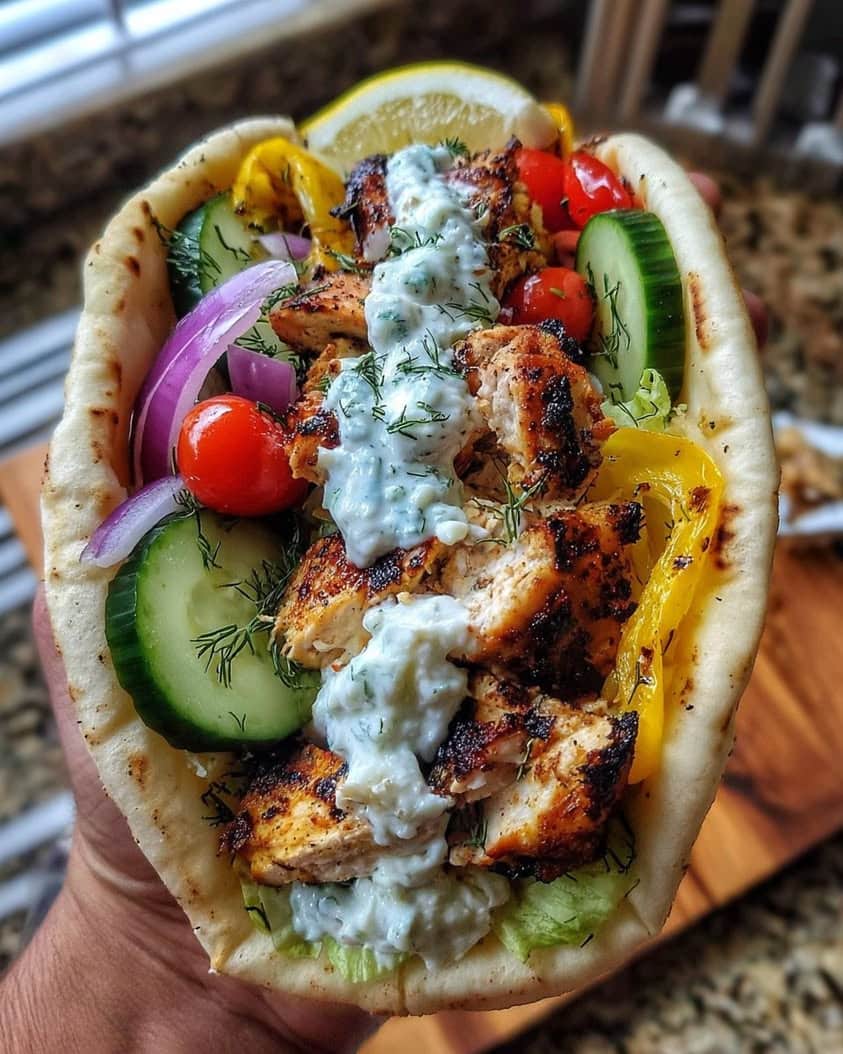
Mediterranean Chicken Gyros with Creamy Feta Tzatziki: A Flavorful Weeknight Feast
Imagine the vibrant, sun-drenched flavors of the Mediterranean coastline landing right on your dinner table in under 40 minutes. This Mediterranean Chicken Gyros with Creamy Feta Tzatziki recipe delivers exactly that experience. It transforms simple ingredients into a spectacular meal bursting with bright herbs, tangy lemon, and savory spices. Moreover, it brings the bustling energy of a Greek street food market into your own kitchen with minimal effort. The aroma alone will transport your senses, promising a meal that is as exciting to prepare as it is to eat.
This recipe focuses on creating tender, juicy chicken strips marinated in a classic Greek-inspired blend. The real star, however, is the luscious Creamy Feta Tzatziki sauce that drapes over everything. This dish is perfect for busy weeknights, casual weekend gatherings, or whenever you crave something healthy and utterly delicious. Furthermore, it is incredibly versatile, easily adapting to wraps, salads, or grain bowls. Ultimately, mastering this Mediterranean Chicken Gyros recipe means you have a crowd-pleasing, flavor-packed staple in your culinary repertoire.
Each component of this Mediterranean Chicken Gyros with Creamy Feta Tzatziki works in harmony. The chicken gets its signature taste from oregano, garlic, and lemon, while the tzatziki gets a rich, tangy upgrade from crumbled feta cheese. Assembled in a warm pita with crisp vegetables, every bite offers a perfect balance of textures and flavors. Consequently, this meal feels indulgent yet remains light and nutritious. It is a guaranteed way to make dinner the highlight of your day without spending hours in the kitchen.
Quick Recipe Highlights
- Flavor Profile: This Mediterranean Chicken Gyros recipe delivers a bold, savory taste from garlic, oregano, and lemon, perfectly complemented by the tangy, salty punch of the Creamy Feta Tzatziki. The combination creates a complex yet harmonious flavor that is distinctly Greek.
- Texture: You will enjoy tender, juicy chicken strips against the cool, creamy texture of the tzatziki sauce. Additionally, the crisp fresh vegetables and soft, warm pita bread provide a delightful contrast that makes every bite interesting.
- Aroma: As the chicken cooks, it releases an irresistible fragrance of garlic, lemon, and earthy oregano that fills your kitchen. Meanwhile, the tzatziki contributes fresh notes of dill and cucumber, creating an authentic Mediterranean aroma.
- Visual Appeal: The presentation is vibrant and colorful. Golden-brown chicken, white feta-flecked sauce, red onions, and green lettuce create a visually stunning plate that is perfect for sharing on social media or impressing guests.
- Skill Level Needed: This is an accessible recipe for cooks of all levels. It requires basic techniques like marinating, pan-searing, and mixing. No special skills are necessary, making it an excellent choice for beginners and weeknight cooks.
- Special Equipment: You only need a good skillet or grill pan, a few mixing bowls, and a box grater. A food processor can speed up the tzatziki preparation but is entirely optional for this straightforward Mediterranean Chicken Gyros.
Recipe Overview
- Difficulty Level: We rate this Mediterranean Chicken Gyros recipe as easy. The steps are simple and sequential, with no complicated techniques. The marinade comes together quickly, and the cooking process is straightforward pan-searing. Therefore, even novice cooks can achieve fantastic results on their first try.
- Category: This dish falls squarely into the main course category for lunch or dinner. It is also perfect for meal prep, as the components store well separately. Furthermore, it can easily be deconstructed into a hearty salad or grain bowl for a different presentation.
- Cuisine: This is a modern take on classic Greek street food, specifically the gyro. It draws directly from Mediterranean culinary traditions, emphasizing fresh herbs, olive oil, lemon, and yogurt. While not strictly authentic, it captures the essential flavors and spirit of the region beautifully.
- Cost: The recipe is very cost-effective. Chicken thighs are an affordable protein, and the marinade uses pantry staples. The tzatziki relies on yogurt, cucumber, and a block of feta, which are all reasonably priced. Overall, you can feed a family for less than the cost of takeout.
- Season: This Mediterranean Chicken Gyros is fantastic year-round. It is light and fresh for spring and summer, yet the warm, savory chicken is comforting in fall and winter. It is especially perfect for grilling outdoors during warmer months.
- Occasion: It is ideal for casual weeknight dinners, easy weekend lunches, or informal gatherings with friends. The interactive assembly of the gyros makes it fun for a family meal or a build-your-own dinner party spread.
Why You’ll Love This Recipe
First and foremost, the taste and texture of this Mediterranean Chicken Gyros are utterly irresistible. The chicken is marinated to perfection, resulting in juicy, flavorful bites in every piece. Paired with the cool, creamy, and tangy feta tzatziki, the combination is simply addictive. Each mouthful delivers a symphony of Mediterranean flavors that are bright, savory, and deeply satisfying. Consequently, this recipe will quickly become a requested favorite in your household, offering a restaurant-quality experience at home.
From a convenience standpoint, this recipe is a weeknight hero. With only 35 minutes from start to finish, it fits into even the busiest schedules. The prep work is minimal and mostly involves mixing the marinade and grating a cucumber. Additionally, you can prepare the tzatziki sauce ahead of time, allowing the flavors to meld and deepen. This Mediterranean Chicken Gyros with Creamy Feta Tzatziki proves that a spectacular meal does not require hours of labor.
Nutritionally, this dish is a well-balanced winner. It provides lean protein from the chicken, healthy fats from olive oil, and probiotics from the Greek yogurt. The fresh vegetables add fiber, vitamins, and crunch. By choosing whole-grain pitas or serving it over a salad, you can easily adjust the meal to fit various dietary goals. Ultimately, you can feel good about serving this delicious and wholesome Mediterranean Chicken Gyros to your family.
The social and entertaining value of this meal is exceptionally high. Serving these gyros creates an interactive, fun dining experience where everyone can build their own perfect wrap. It is casual yet impressive, making it ideal for feeding a crowd without stress. The colorful components look beautiful on a serving platter, and the aroma is guaranteed to draw people into the kitchen. Therefore, it is a perfect recipe for creating memorable meals with loved ones.
Finally, this Mediterranean Chicken Gyros with Creamy Feta Tzatziki is incredibly cost-effective and accessible. The ingredients are common and affordable, available at any standard grocery store. You get a high-yield, flavor-packed meal for a fraction of the cost of ordering similar food from a restaurant. This accessibility means you can enjoy the vibrant tastes of the Mediterranean anytime the craving strikes, without breaking the bank.
Historical Background and Cultural Significance
The gyro, a cornerstone of Greek street food, has a fascinating history rooted in the Ottoman Empire. Its name comes from the Greek word “gyros,” meaning “turn” or “revolution,” referring to the vertical rotisserie on which the meat is traditionally cooked. This method was likely influenced by the Turkish döner kebab. The modern gyro as we know it, featuring meat sliced from a vertical spit and served in pita with tzatziki, tomatoes, and onions, became popular in Greece in the mid-20th century. It was a quick, portable, and affordable meal for workers and families.
Culturally, the gyro is more than just fast food in Greece; it is a symbol of communal eating and culinary pride. It represents the ingenuity of taking simple, local ingredients—yogurt, cucumber, garlic, herbs, and meat—and transforming them into something extraordinary. The act of gathering around a street vendor for a freshly made gyro is a social ritual. This Mediterranean Chicken Gyros recipe honors that tradition by bringing those communal, celebratory flavors into the home kitchen, adapting the classic for easy preparation.
The recipe has evolved significantly as it traveled the globe. While traditional Greek gyros often use pork or a lamb-beef blend cooked on a spit, home cooks have adapted the concept using readily available proteins and cooking methods. This version with marinated and pan-seared chicken thighs is a popular modern adaptation that captures the essential flavors without specialized equipment. The addition of feta cheese to the tzatziki is another common variation that adds a richer, saltier dimension to the creamy sauce.
Regional variations of the gyro and its components abound throughout the Mediterranean and Middle East. In the Arab world, the shawarma uses similar spit-cooking techniques with different spice blends. Tzatziki itself has cousins like the Turkish cacık, which is often a thinner, soupier version. This Mediterranean Chicken Gyros with Creamy Feta Tzatziki sits within this rich tapestry of similar dishes, celebrating the shared culinary heritage of the region while offering a specific, accessible take that works beautifully for the home cook.
Ingredient Deep Dive
Let us start with the chicken. For the best Mediterranean Chicken Gyros, we recommend boneless, skinless chicken thighs. Thighs remain incredibly juicy and flavorful during the quick, high-heat cooking, much more so than breast meat. Their higher fat content carries the marinade’s flavors beautifully. From a nutritional standpoint, chicken thighs provide iron, zinc, and B vitamins. When shopping, look for plump, pink thighs with minimal visible fat. You can substitute chicken breasts if you prefer, but be vigilant to avoid overcooking. Always pat the chicken dry before marinating to ensure a good sear.
Greek yogurt is the non-negotiable base for authentic tzatziki. Its thick, strained texture provides the perfect creamy consistency without being runny. Culturally, yogurt has been a staple in Eastern Mediterranean diets for centuries, valued for its preservation properties and health benefits. Nutritionally, it is a fantastic source of protein, calcium, and probiotics for gut health. For this Creamy Feta Tzatziki, use full-fat Greek yogurt for the richest flavor and texture. Avoid regular yogurt, as it will make the sauce too watery. For a dairy-free version, a thick, unsweetened coconut or almond-based yogurt can work, though the flavor will differ.
Feta cheese is the star addition that elevates this tzatziki. Authentic Greek feta is made from at least 70% sheep’s milk, often blended with goat’s milk, and stored in brine. This gives it a tangy, salty, crumbly character that is unmistakable. It has been produced in Greece for thousands of years and is a Protected Designation of Origin (PDO) product. Feta adds protein, calcium, and beneficial fats to the sauce. For the best results in your Mediterranean Chicken Gyros, buy a block of feta in brine and crumble it yourself; pre-crumbled feta is often drier. If you cannot have dairy, a firm, salty tofu or a sprinkle of nutritional yeast can provide a different kind of savory note.
The herb profile is crucial. Dried oregano is essential for the chicken marinade, providing that classic, earthy Greek flavor. Fresh dill is key for the tzatziki, offering a bright, grassy note that pairs perfectly with cucumber and yogurt. Oregano has been used in Mediterranean cooking since ancient times, both for flavor and its purported medicinal properties. Dill also has a long history in the region. For the freshest taste, use high-quality dried oregano and chop your own fresh dill. Do not substitute dried dill in the tzatziki, as it lacks the necessary freshness. If you dislike dill, fresh mint makes a wonderful, refreshing alternative.
Common Mistakes to Avoid
- Not Patting the Chicken Dry: If you place wet chicken into the marinade or the hot pan, it will steam instead of sear. Always pat boneless chicken thighs thoroughly with paper towels before adding the marinade. This simple step ensures you get beautiful, caramelized edges on your Mediterranean Chicken Gyros.
- Over-marinating with Acid: The lemon juice in the marinade is fantastic for flavor, but leaving the chicken in it for more than a few hours can start to break down the proteins, giving the meat a mushy texture. Two hours is ideal; if marinating overnight, consider adding the lemon juice only for the last couple of hours.
- Using Watery Yogurt or Cucumber: This is the biggest threat to your Creamy Feta Tzatziki. If you do not strain regular yogurt or squeeze the grated cucumber, you will end up with a sad, runny sauce. Always use thick Greek yogurt and take the minute to wring out the cucumber pulp in a clean kitchen towel.
- Crowding the Pan: When cooking the chicken, give each piece space in the skillet. Crowding creates steam, which prevents proper browning and leads to boiled, rather than seared, chicken. Cook in batches if necessary to achieve that perfect golden crust for your gyros.
- Skipping the Resting Time: Let the cooked chicken rest for 5 minutes before slicing. This allows the juices to redistribute throughout the meat. If you slice immediately, all those flavorful juices will run out onto your cutting board, leaving the chicken drier.
- Using Cold Tzatziki: The flavor of tzatziki, especially this feta version, improves dramatically as it sits. Making it at least 30 minutes to an hour ahead allows the garlic to mellow and the flavors to marry. Serving it straight from the fridge can mute the taste and make it too cold against the warm chicken.
- Choosing the Wrong Pita: Not all pitas are created equal. Seek out Greek-style pitas, which are softer and more pliable, perfect for wrapping. If you can only find pocket pitas, gently slice them open to form a pouch instead of trying to split them fully.
- Overloading the Wrap: It is tempting to pile everything high, but an overstuffed gyro is impossible to eat neatly. Use a moderate amount of chicken, a generous spoonful of tzatziki, and a light hand with the veggies. The goal is a balanced, manageable wrap that you can actually hold.
Essential Techniques
Mastering the marinade is your first essential technique. A good marinade has three components: acid (lemon juice), fat (olive oil), and flavorings (garlic, herbs, spices). The acid helps tenderize and carry flavor into the surface of the chicken, while the fat coats the meat and helps prevent sticking during cooking. For this Mediterranean Chicken Gyros, whisk your marinade vigorously to create an emulsion, ensuring the oil and lemon juice combine. Coat the chicken evenly and let it marinate in the refrigerator. The key is balance; too much acid for too long will make the texture unpleasant.
Properly searing the chicken is non-negotiable for flavor. Heat your skillet or grill pan over medium-high heat until it is properly hot. You should see a slight shimmer in the oil. Add the chicken in a single layer, listening for that satisfying sizzle. Do not move the pieces for a few minutes, allowing a golden-brown crust to form. This crust, known as the Maillard reaction, creates complex, savory flavors that define a great gyro. The visual cue for flipping is when the edges of the chicken look opaque and it releases easily from the pan. If it sticks, it is not ready to turn.
Preparing the cucumber for tzatziki is a critical technique for texture. After grating the cucumber, you must remove the excess water. The most effective method is to place the grated pulp in the center of a clean, thin kitchen towel or several layers of cheesecloth. Gather the edges and twist tightly over the sink, squeezing out as much liquid as possible. This step prevents your Creamy Feta Tzatziki from becoming watery and diluting the vibrant flavors of garlic, dill, and feta. The result should be a dense, dry-ish mass of cucumber that will integrate perfectly into the thick yogurt.
Pro Tips for Perfect Mediterranean Chicken Gyros
For an extra layer of flavor, add a pinch of smoked paprika or a teaspoon of tomato paste to your chicken marinade. This adds a subtle depth that mimics some of the complexity you get from meat cooked on a traditional rotisserie.
Warm your pitas before assembling. You can quickly heat them in a dry skillet for 30 seconds per side, wrap them in a damp towel and microwave for 20 seconds, or pop them in a toaster oven. A warm pita is more pliable and flavorful.
Let your Creamy Feta Tzatziki sit at room temperature for 15 minutes before serving. This takes the chill off, allowing the flavors to be more pronounced and preventing it from cooling down your warm chicken too quickly.
Slice your chicken against the grain. After the meat rests, look for the direction of the muscle fibers and cut perpendicular to them. This shortens the fibers, making each piece of chicken in your gyro much more tender and easier to bite through.
If you have time, salt your grated cucumber lightly and let it drain in a colander for 15 minutes before squeezing. The salt draws out even more moisture, guaranteeing the creamiest possible tzatziki sauce for your Mediterranean Chicken Gyros.
Build your gyro with a strategic layer order. Spread a layer of tzatziki directly on the pita first. This acts as a glue. Then add the chicken, followed by the crisp vegetables. This method helps prevent soggy pita and ensures every bite has sauce.
Use a microplane to grate the garlic for the tzatziki. This creates a fine paste that distributes evenly throughout the sauce without leaving harsh, raw chunks of garlic in any one bite.
Do not discard the leftover marinade. Instead, bring it to a rapid boil in a small saucepan for a few minutes to kill any bacteria, then let it cool slightly. You can brush this reduced, flavorful liquid over the cooked chicken for an extra glaze.
Variations and Adaptations
For regional variations, you can explore different protein bases. Try this Mediterranean Chicken Gyros method with thinly sliced lamb leg steak, using rosemary in the marinade. For a seafood twist, use large shrimp marinated briefly in lemon, oregano, and olive oil. A vegetarian version is excellent with thick slices of halloumi cheese or seasoned chickpea patties. Each variation maintains the spirit of the dish while offering a new experience.
Seasonal adaptations are simple and fun. In summer, add grilled zucchini or eggplant slices to your gyro. In the fall, incorporate roasted red peppers or a spoonful of fig jam for sweetness. For a winter version, you could serve the chicken and tzatziki over a bed of warm, herbed rice or quinoa instead of in a pita. The core recipe for Mediterranean Chicken Gyros with Creamy Feta Tzatziki is a fantastic canvas for seasonal produce.
Dietary modifications are straightforward. For a gluten-free meal, use gluten-free pitas, lettuce wraps, or serve the components as a salad. To make it dairy-free, substitute the yogurt with a thick, plain coconut yogurt and use a vegan feta alternative or omit it. For a lower-carb or keto version, ditch the pita and serve the chicken and sauce over a bed of greens or in a low-carb tortilla. The flavorful chicken and sauce are the stars, making them easy to adapt.
Serving and Presentation Guide
Plating techniques can elevate this casual dish. For a family-style spread, place the sliced chicken on a large platter, with the bowl of Creamy Feta Tzatziki in the center. Arrange piles of sliced tomatoes, red onion, and lettuce on the side, with a stack of warm pitas wrapped in a cloth napkin to keep them soft. This encourages interaction and allows everyone to build their perfect Mediterranean Chicken Gyros.
Garnishing adds the final touch. A light drizzle of extra virgin olive oil over the plated chicken or a sprinkle of fresh oregano or dill on the tzatziki makes the colors pop. You can also add a few Kalamata olives and pepperoncini peppers to the serving platter for a traditional Greek touch. A wedge of lemon on each plate allows individuals to add a last-minute burst of fresh acidity.
Consider traditional and modern accompaniments. A simple Greek salad of cucumber, tomato, onion, and olives is a classic side. For something heartier, lemon-herb roasted potatoes or oregano fries are fantastic. For a lighter meal, the gyro components themselves are a complete dish. Modern presentations include deconstructing the gyro into a grain bowl with quinoa or farro, or serving the chicken and tzatziki as a appetizer with pita chips for dipping.
Wine and Beverage Pairing
Wine pairings for this Mediterranean Chicken Gyros should complement the bright, herbal, and tangy flavors. A crisp, dry white wine like Assyrtiko from Greece is a perfect regional match, with its citrus notes and high acidity cutting through the richness of the tzatziki. A Sauvignon Blanc or a dry Rosé also works beautifully. If you prefer red, choose a light-bodied, low-tannin option like a Beaujolais or a Greek Xinomavro, served slightly chilled.
For non-alcoholic alternatives, consider beverages that offer refreshment. Sparkling water with a squeeze of lemon or lime is always excellent. A homemade mint lemonade complements the herbal notes in the dish. Iced herbal tea, such as chamomile or verbena, can be a soothing and flavorful pairing. The goal is to choose a drink that cleanses the palate between bites of the flavorful chicken and creamy sauce.
Storage and Shelf Life
Store all components separately for the best results. The cooked Mediterranean Chicken Gyros chicken will keep in an airtight container in the refrigerator for 3-4 days. The Creamy Feta Tzatziki will last for up to 5 days, as the acidity from the lemon and yogurt acts as a mild preservative. Store it in a sealed container with plastic wrap pressed directly onto the surface to minimize oxidation.
Reheating instructions are important for quality. Reheat the chicken gently in a skillet over medium heat with a splash of water or chicken broth to prevent drying out. You can also use the microwave at a reduced power setting. Never reheat the tzatziki; always serve it cold. The pita is best reheated in a toaster or dry skillet. Assembled gyros do not store well and will become soggy, so only build what you will eat immediately.
Make Ahead Strategies
You can successfully make almost every component of this Mediterranean Chicken Gyros ahead of time. Marinate the chicken up to 24 hours in advance (add lemon juice for the last 2-4 hours if possible). Prepare the Creamy Feta Tzatziki 1-2 days ahead; the flavors improve. Chop your vegetables and store them in separate containers in the fridge. This advance prep turns the final cooking and assembly into a 15-minute task, making it perfect for easy entertaining or stress-free weeknights.
Scaling Instructions
Scaling this recipe is simple. To double or triple it for a crowd, simply multiply all ingredients accordingly. Use two large skillets to cook the chicken in batches to avoid steaming. You may need to make the tzatziki in two separate bowls if doubling, as one very large batch can be difficult to mix evenly. For halving the recipe, use a smaller skillet and keep a close eye on the cooking time, as it may be slightly shorter. The marinade and sauce ratios scale perfectly up or down.
Nutritional Deep Dive
This Mediterranean Chicken Gyros offers a balanced macronutrient profile. The chicken provides high-quality protein for muscle repair and satiety. The olive oil and yogurt contribute healthy fats, including monounsaturated fats and, in the case of full-fat yogurt, conjugated linoleic acid (CLA). The pita offers complex carbohydrates for energy. The vegetables add minimal calories but significant volume, fiber, and micronutrients, making this a nutrient-dense meal that supports sustained energy levels.
Micronutrient analysis reveals a wealth of vitamins and minerals. The dish provides B vitamins from the chicken and yogurt, vitamin C from lemon and vegetables, and vitamin K from leafy greens. You will also get important minerals like calcium from the feta and yogurt, iron from the chicken, and potassium from the cucumber and tomatoes. The herbs and garlic contain beneficial phytonutrients and antioxidants, contributing to the overall health-promoting qualities of this Mediterranean diet-inspired meal.
Dietary Adaptations
For a gluten-free Mediterranean Chicken Gyros, simply replace the pita bread with a certified gluten-free wrap, large lettuce leaves (like romaine or butter lettuce), or serve the components over a bed of rice or greens. Ensure your spices and other ingredients are certified gluten-free, as cross-contamination can sometimes occur.
To create a dairy-free version, substitute the Greek yogurt in the Creamy Feta Tzatziki with a thick, unsweetened plant-based yogurt. Coconut yogurt works well for its fat content. Omit the feta or use a store-bought vegan feta alternative made from tofu or almonds. The flavor will be different but still delicious and tangy.
Troubleshooting Guide
If your chicken is dry, the most likely cause is overcooking. Chicken thighs are forgiving, but they can still dry out if cooked too long over too high heat. Next time, use an instant-read thermometer and remove the chicken from the pan when it reaches 165°F internally. Also, ensure you let it rest before slicing. If the tzatziki is too runny, you can salvage it by straining it through a fine-mesh sieve lined with cheesecloth for an hour in the fridge to remove excess water.
If the flavors taste bland, you likely under-seasoned. The marinade and tzatziki both need adequate salt to make the herbs and garlic pop. Taste your tzatziki before serving and adjust with salt and a squeeze of lemon juice. For the chicken, ensure you use enough salt in the marinade and properly sear it to develop those flavorful browned bits.
Recipe Success Stories
Readers consistently report that this Mediterranean Chicken Gyros with Creamy Feta Tzatziki becomes a fast family favorite. Many love how the recipe simplifies what seems like a complex takeout dish into an easy home-cooked meal. One home cook shared that her teenagers now request it weekly and have learned to assemble their own, making dinner a collaborative effort. Another reader successfully doubled the recipe for a backyard gathering of 12, reporting that it was the first dish to disappear from the buffet. The versatility of the components for lunches the next day is also a frequently praised benefit.
Frequently Asked Questions
Can I use chicken breasts instead of thighs? Yes, you can. However, chicken breasts cook faster and are leaner, so they can dry out more easily. Pound them to an even thickness and reduce the cooking time by a few minutes. Use a meat thermometer to ensure they reach 165°F without overcooking.
How long can I marinate the chicken? For optimal texture, marinate the chicken for at least 30 minutes and up to 4 hours. If you need to marinate longer, you can do so for up to 24 hours, but consider adding the lemon juice only for the last 2-4 hours to prevent the meat from becoming mushy.
My tzatziki is too garlicky. What can I do? The garlic flavor will mellow as the tzatziki sits. If it is still too strong after resting, you can try adding a bit more yogurt and cucumber to dilute it. Next time, use one small clove or grate it finely so it distributes more evenly.
Can I make this recipe on the grill? Absolutely! Grilling adds fantastic smoky flavor. Thread the marinated chicken onto skewers or place directly on a well-oiled grill grate over medium-high heat. Grill for 5-7 minutes per side until cooked through and nicely charred.
What can I use if I don’t have fresh dill? Fresh mint is the best substitute, offering a different but equally refreshing flavor. You could also use a small amount of fresh parsley. Avoid using dried dill in the tzatziki, as it lacks the bright, fresh quality the sauce needs.
Is there a way to make the tzatziki ahead? Yes, making the Creamy Feta Tzatziki 1-2 days ahead is actually recommended. The flavors have time to meld and develop. Just store it in an airtight container in the refrigerator and give it a good stir before serving.
Can I freeze the cooked chicken? You can freeze the cooked, sliced chicken for up to 3 months. Thaw overnight in the refrigerator. Reheat gently in a skillet with a splash of broth or water to restore moisture. The tzatziki does not freeze well, as the yogurt and cucumber will separate when thawed.
What are the best sides to serve with this? A simple Greek salad, roasted lemon potatoes, or a rice pilaf are classic sides. For a lighter meal, it is complete on its own. You can also serve with hummus and pita chips or a bowl of olives as starters.
Mediterranean Chicken Gyros with Creamy Feta Tzatziki
- Total Time: 45 minutes
- Yield: 4
Description
Tender, marinated chicken wrapped in warm pita with a tangy feta-infused tzatziki sauce, fresh veggies, and Mediterranean herbs for a flavorful, easy meal.
Ingredients
- 1 lb boneless, skinless chicken thighs, sliced
- 2 tbsp olive oil
- 2 tbsp lemon juice
- 3 cloves garlic, minced
- 1 tsp dried oregano
- 1 tsp smoked paprika
- Salt and black pepper to taste
- 4 large pita breads
- 1 cup plain Greek yogurt
- 1/2 cup crumbled feta cheese
- 1/2 cucumber, grated and drained
- 1 tbsp fresh dill, chopped
- 1 tbsp fresh mint, chopped
- 1 tomato, sliced
- 1/2 red onion, thinly sliced
Instructions
- In a bowl, combine olive oil, lemon juice, garlic, oregano, paprika, salt, and pepper. Add chicken thighs, toss to coat, and marinate for at least 30 minutes.
- For the tzatziki, mix Greek yogurt, feta, grated cucumber, dill, mint, and a pinch of salt in a bowl. Chill until ready to serve.
- Heat a skillet over medium-high heat. Cook marinated chicken for 6-8 minutes per side until browned and cooked through.
- Warm pita breads in the skillet or oven for 1-2 minutes until soft.
- Assemble gyros: spread tzatziki on pita, add chicken, tomato, and red onion slices. Fold and serve immediately.
Notes
You can customize the seasonings to taste.
- Prep Time: 15 minutes
- Cook Time: 30 minutes
- Method: Main
- Cuisine: Mediterranean