Layered Zucchini Ricotta Melts with Marinara: A Cheesy, Low-Carb Marinara Delight
Imagine a dish that captures the comforting essence of lasagna but skips the heavy pasta, focusing instead on fresh, vibrant vegetables. That is exactly what you get with these incredible Layered Zucchini Ricotta Melts with Marinara. This recipe transforms humble zucchini into a stunning, flavorful casserole that feels both indulgent and nourishing. Moreover, each bite delivers a perfect harmony of creamy ricotta, savory marinara, and melted cheese, creating a truly satisfying meal. Ultimately, this dish is a fantastic answer for anyone seeking a delicious, vegetable-forward dinner that the whole family will love.
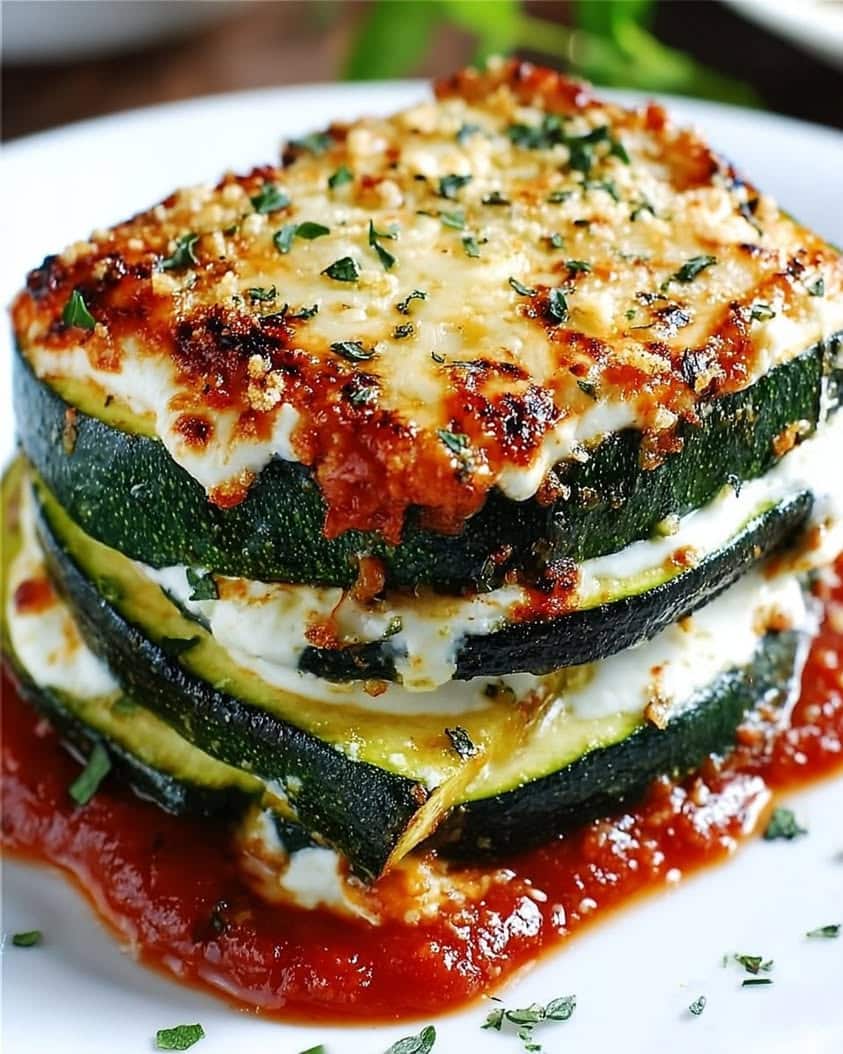
The magic of these Layered Zucchini Ricotta Melts lies in their beautiful simplicity and incredible depth of flavor. Firstly, thinly sliced zucchini acts as a tender, low-carb base that soaks up the rich tomato sauce. Next, a creamy, herbed ricotta mixture adds a luxurious texture and a burst of fresh flavor. Finally, a blanket of gooey mozzarella cheese browns to perfection under the broiler, creating that irresistible, crispy-cheesy top everyone craves. Consequently, you end up with a meal that is visually impressive, incredibly tasty, and surprisingly easy to prepare, making it a perfect weeknight winner or a standout dish for guests.
This recipe is a celebration of seasonal produce and smart cooking. Because it uses zucchini as the main structure, it is naturally lighter than traditional pasta bakes, yet it remains deeply comforting. The marinara sauce provides a tangy, umami-rich foundation that ties all the elements together beautifully. Additionally, the aromatic blend of garlic and fresh herbs in the ricotta filling elevates the entire dish to restaurant-quality status. Therefore, whether you are following a specific diet or simply looking for a delicious way to eat more veggies, these Layered Zucchini Ricotta Melts with Marinara are guaranteed to become a new favorite in your kitchen.
Quick Recipe Highlights
- Flavor Profile: These Layered Zucchini Ricotta Melts offer a robust and satisfying taste. The savory, slightly sweet marinara sauce perfectly complements the creamy, garlic-herb ricotta. Simultaneously, the nutty, browned mozzarella cheese adds a final layer of rich, salty flavor that brings everything together.
- Texture: This dish is a masterclass in contrasting textures. You get the tender, almost silky bite of the roasted zucchini slices. Then, you encounter the lush, spreadable creaminess of the ricotta filling. Finally, the experience finishes with the irresistible pull and slight crunch of the golden, bubbly cheese topping.
- Aroma: As these Layered Zucchini Ricotta Melts bake, your kitchen will fill with an irresistible fragrance. The scent of roasting garlic and onions from the marinara mingles with the earthy aroma of fresh basil and oregano. Ultimately, the nutty perfume of browning cheese signals that dinner is ready, creating an anticipation that is part of the joy.
- Visual Appeal: This casserole is a feast for the eyes with its beautiful layers visible from the side. The vibrant red marinara, bright white ricotta, and green zucchini create a stunning striped effect. Once baked, the golden-brown, speckled cheese crust on top makes the dish look professionally crafted and incredibly inviting.
- Skill Level Needed: This is a beginner-friendly recipe designed for home cooks of all levels. The techniques involve simple slicing, mixing, and layering—no advanced skills required. However, paying attention to salting the zucchini and broiling at the end are the only slightly nuanced steps that ensure a perfect result.
- Special Equipment: You need only basic kitchen tools. A sharp knife or mandoline for even zucchini slices is highly recommended. Additionally, a good baking dish and a mixing bowl are essential. Finally, having a broiler-safe dish is crucial for achieving that perfect, restaurant-style melted cheese finish.
Recipe Overview
- Difficulty Level: We classify these Layered Zucchini Ricotta Melts as an easy recipe. The steps are straightforward and logical, involving preparation of individual components followed by simple assembly. While there is a technique to removing moisture from zucchini, it is simple and explained clearly. Consequently, even a novice cook can achieve impressive, delicious results with minimal stress.
- Category: This versatile dish fits into multiple meal categories beautifully. It serves perfectly as a satisfying vegetarian main course for lunch or dinner. Alternatively, it can act as a substantial side dish alongside grilled chicken or fish. Furthermore, it makes an excellent appetizer or party food when prepared in smaller, individual ramekins.
- Cuisine: The dish draws clear inspiration from Italian-American cuisine, reminiscent of a deconstructed, low-carb zucchini lasagna. The use of marinara, ricotta, mozzarella, and herbs like basil and oregano are classic hallmarks. However, the preparation is modern and health-conscious, focusing on vegetable layers instead of pasta, giving it a contemporary, clean-eating twist.
- Cost: This is a very budget-friendly recipe, especially during summer when zucchini is plentiful and inexpensive. The ricotta and mozzarella are affordable dairy options, and a jar of quality marinara keeps costs down. Overall, you can create this impressive, restaurant-style meal for a fraction of the cost of dining out, making it fantastic for family budgets.
- Season: This recipe shines brightest in late summer when zucchini is at its peak of flavor, sweetness, and affordability. However, it is a wonderful year-round comfort food because zucchini is readily available. During colder months, it provides a taste of summer and a lighter alternative to heavy stews and casseroles.
- Occasion: These Layered Zucchini Ricotta Melts are perfect for casual family dinners, potlucks, or meal prep. They are also elegant enough for a dinner party when plated individually. The dish is comforting for a cozy night in yet feels special enough for a weekend gathering. It is truly an all-occasion winner.
Why You’ll Love This Recipe
First and foremost, the taste and texture of these Layered Zucchini Ricotta Melts are utterly irresistible. Each forkful delivers a complex symphony of flavors: the sweet-acidic tang of marinara, the creamy, herbal punch of the ricotta, and the savory, salty richness of melted mozzarella. The zucchini becomes tender and almost sweet when roasted, providing a perfect vehicle that soaks up all the surrounding flavors. Unlike mushy vegetable casseroles, this dish maintains defined layers and pleasing textural contrasts, from the creamy filling to the crispy cheese top. It satisfies the deepest cravings for cheesy, baked pasta dishes but leaves you feeling energized, not weighed down.
From a convenience standpoint, this recipe is a dream for busy cooks. The preparation is simple, methodical, and doesn’t require any fancy techniques. You can easily prep components ahead of time; for instance, slice the zucchini and salt it earlier in the day. Assembly is as easy as spreading and layering, making it a stress-free process. Furthermore, it bakes largely unattended, freeing you up to prepare a side salad or set the table. The active hands-on time is minimal compared to the impressive, gourmet result you pull from the oven. It is the definition of a high-reward, moderate-effort meal that makes you look like a kitchen superstar.
Nutritionally, these Layered Zucchini Ricotta Melts with Marinara offer significant advantages. By using zucchini as the base, you pack multiple servings of vegetables into a single dish, increasing your fiber and nutrient intake effortlessly. Zucchini is low in calories and carbohydrates but high in vitamin C, potassium, and antioxidants. Choosing part-skim ricotta and mozzarella provides ample protein and calcium while managing fat content. Compared to traditional lasagna, this version is significantly lower in carbs and calories, aligning well with low-carb, gluten-free, or simply healthier eating patterns. It is a delicious way to enjoy comfort food while nourishing your body.
For entertaining, this dish is a true asset. It is universally appealing to vegetarians and meat-eaters alike, solving the common dilemma of what to serve a mixed group. The casserole format means it can be prepared completely in advance and simply popped in the oven when guests arrive, filling your home with an amazing aroma. It presents beautifully straight from the baking dish, requiring no last-minute fussing. Guests will be impressed by the beautiful layers and professional appearance, often assuming it was far more difficult to make than it actually was. It is a surefire crowd-pleaser that sparks conversation and requests for the recipe.
Finally, this recipe is incredibly cost-effective and accessible. Zucchini is one of the most affordable vegetables, especially in season. The other core ingredients—ricotta, mozzarella, marinara, and basic herbs—are pantry and fridge staples for many households. You do not need any expensive, hard-to-find items. This accessibility means you can whip up a comforting, impressive meal without a special trip to the store or blowing your grocery budget. It demonstrates how simple, wholesome ingredients can be transformed into something extraordinary with a little creativity and care.
Historical Background and Cultural Significance
The story of these Layered Zucchini Ricotta Melts is deeply intertwined with the global journey of the zucchini itself and the timeless appeal of baked, cheesy casseroles. Zucchini, a type of summer squash, has its origins in the Americas, but the variety we commonly eat today was developed in Italy in the late 19th century. Italian immigrants brought their culinary traditions and love for this versatile vegetable to America. Here, it merged with the growing mid-20th century American trend of convenient, one-dish casseroles. The dish is a direct descendant of classic Italian melanzane alla parmigiana (eggplant Parmesan) and lasagna, reimagined for a modern, health-conscious palate that seeks to reduce carbohydrates without sacrificing flavor or comfort.
Culturally, the recipe represents a beautiful fusion of Old World technique and New World innovation. The use of ricotta, marinara, and mozzarella is a direct homage to Southern Italian cuisine. However, the substitution of zucchini for pasta or eggplant reflects a contemporary Western dietary shift towards lower-carb and gluten-free eating. This adaptation shows how immigrant food traditions are not static; they evolve and adapt to new ingredients, nutritional understandings, and lifestyle needs. The dish sits at a delicious crossroads, offering the soul-warming satisfaction of a traditional Italian nonna’s cooking through the lens of modern nutritional science.
The evolution of this specific recipe likely followed the rise of low-carb and gluten-free diets in the 1990s and 2000s. As people looked for alternatives to wheat-based pasta, vegetables like zucchini and spaghetti squash became popular stand-ins. Creative home cooks and food bloggers began experimenting, applying the layering principles of lasagna to thin strips of zucchini. The “zucchini lasagna” was born, and countless variations have since flourished. This particular version, emphasizing the “melt” quality of the cheese and a streamlined approach, refines that concept into a reliable, weeknight-friendly formula. It is a testament to the dynamic, collaborative nature of home cooking in the internet age.
Regional variations of this concept abound, showcasing local tastes and ingredients. In the Mediterranean, you might find similar baked zucchini dishes with feta cheese and mint. In Latin American cuisine, a version might incorporate cotija cheese and a spicier tomato sauce. The American Midwest might add a layer of seasoned ground beef or sausage, turning it into a more hearty “zucchini casserole.” The basic framework is wonderfully adaptable. This specific Layered Zucchini Ricotta Melts with Marinara recipe leans into its Italian-American roots, prioritizing the creamy ricotta and melted mozzarella combination that has become a beloved staple in homes and restaurants across the United States.
Ingredient Deep Dive
Zucchini is the star that makes these Layered Zucchini Ricotta Melts possible. This summer squash, known as “courgette” in many parts of the world, is prized for its mild flavor and high water content. Nutritionally, it is a powerhouse of vitamins A and C, manganese, and potassium, while being very low in calories. When selecting zucchini, look for firm, glossy skins free of blemishes, and choose medium-sized vegetables, as overly large ones can be seedy and bitter. Salting the sliced zucchini is a non-negotiable step; it draws out excess moisture, preventing a soggy casserole and concentrating the squash’s natural sweetness. If unavailable, yellow summer squash makes an excellent, colorful substitute.
Ricotta cheese provides the luxurious, creamy layer in this dish. This fresh Italian cheese, whose name means “recooked,” is made from the whey leftover from producing other cheeses. It is a fantastic source of protein and calcium. For the best texture and flavor in your Layered Zucchini Ricotta Melts, seek out whole-milk ricotta, which is richer and less grainy than part-skim versions. Always drain any excess liquid from the container before using. To store, keep it tightly sealed in its original container in the coldest part of your refrigerator. For a dairy-free version, well-drained, seasoned firm tofu blended with a little lemon juice and nutritional yeast can mimic the texture and tang.
Marinara sauce forms the flavorful, umami-rich foundation. A good-quality jarred sauce saves tremendous time, but the choice is crucial. Look for a sauce with a short ingredient list, ideally just tomatoes, olive oil, garlic, onions, and herbs. Avoid sauces with added sugar or excessive preservatives. You can absolutely use homemade marinara if you have it; in fact, it will elevate the dish tremendously. The acidity of the tomatoes balances the richness of the cheeses, while the herbs tie all the components together. For a deeper flavor, you can sauté the sauce briefly with an extra clove of minced garlic and a pinch of red pepper flakes before assembling.
Mozzarella cheese is responsible for the iconic “melt” and golden top. Fresh mozzarella is delicious but often too wet for baking; low-moisture, part-skim mozzarella (often sold in blocks) melts beautifully and browns perfectly. It provides stretch and a mild, milky flavor that doesn’t overpower the other ingredients. Shredding it yourself from a block is always preferable to pre-shredded cheese, which contains anti-caking agents that can hinder melting. For a more complex flavor, a blend of mozzarella and a little grated Parmesan or Pecorino Romano is excellent. Those avoiding dairy can use a high-quality, meltable plant-based mozzarella-style shred.
Common Mistakes to Avoid
- Skipping the Salting Step: Not salting the zucchini slices is the number one error. Consequently, the zucchini releases all its water during baking, creating a soupy, disappointing casserole. Salting draws this moisture out beforehand, ensuring defined layers and concentrated flavor.
- Using Wet Ricotta: Adding ricotta straight from the container without draining it introduces unnecessary liquid. Always spoon the ricotta into a fine-mesh strainer and let any watery whey drip off for a few minutes before mixing with other ingredients. This guarantees a thick, creamy filling.
- Overloading the Layers: Applying too-thick layers of marinara or ricotta can make the dish heavy and unbalanced. Instead, use a light, even hand when spreading. The goal is distinct, harmonious layers where each component can be tasted, not a monolithic block.
- Underseasoning the Ricotta Mixture: The ricotta layer needs ample seasoning to stand up to the bold marinara and mild zucchini. Do not be shy with salt, pepper, garlic, and fresh herbs. Taste the mixture before assembling to ensure it is flavorful on its own.
- Using Pre-Shredded Cheese Exclusively: Pre-shredded bagged cheese contains starches to prevent clumping, which can result in a gummy, less creamy melt. For the best texture, take a moment to shred a block of low-moisture mozzarella yourself.
- Not Preheating the Broiler: For the final cheese melt and browning, the broiler must be fully preheated and hot. Placing the dish under a lukewarm broiler will slowly dry it out without achieving that perfect golden-brown, bubbly top.
- Cutting Immediately After Baking: Like lasagna, these Layered Zucchini Ricotta Melts need a brief rest after coming out of the oven. This allows the layers to set slightly, making serving much cleaner and preventing a messy, runny presentation on the plate.
- Choosing Overly Large Zucchini: Giant zucchini tend to be watery, seedy, and less flavorful. Medium-sized zucchini (about 7-8 inches long) have the ideal flesh-to-seed ratio and a sweeter, more concentrated flavor for the best results.
Essential Techniques
Salting and Draining Zucchini is the cornerstone technique for success. This process, called “sweating,” uses salt to draw osmotic moisture out of the vegetable’s cells. To do it, layer the sliced zucchini on paper towels or a clean kitchen towel, sprinkle generously with kosher salt, and let it sit for 15-20 minutes. You will see beads of water form on the surface. Afterwards, firmly pat the slices dry with more paper towels. This step is crucial because it prevents a watery casserole, improves the zucchini’s texture, and helps it absorb the sauce’s flavors better instead of diluting them.
Creating a Flavorful Ricotta Filling is more than just spooning cheese. The goal is to transform ricotta from a bland ingredient into a seasoned, aromatic component. Start by thoroughly draining the ricotta. Then, mix it vigorously with an egg (which helps bind the layer), minced garlic, a generous amount of chopped fresh herbs like basil and parsley, salt, black pepper, and a pinch of nutmeg if desired. The mixing should be complete, ensuring every bite of the filling is uniformly seasoned. Tasting this mixture before assembly is your final quality control check to guarantee a delicious result.
Layering for Structural Integrity is what gives the dish its name and visual appeal. Begin with a thin smear of marinara on the baking dish bottom to prevent sticking. Then, create a single, slightly overlapping layer of the dried zucchini slices. Next, dollop and gently spread half the ricotta mixture over the zucchini. Follow with a moderate layer of marinara sauce. Repeat the sequence: zucchini, remaining ricotta, marinara, and a final layer of zucchini if you have enough. The key is even, moderate application—too much of any layer, especially sauce, will make the final product slump and become soggy.
Broiling for the Perfect Finish is the final, transformative technique. Baking cooks the casserole through, but the broiler is responsible for the beautiful, restaurant-style top. Once the dish is baked, switch your oven to broil on high. Move the rack to the upper third of the oven, but not the very top slot, to avoid burning. Sprinkle the shredded mozzarella evenly over the top and broil for 2-5 minutes, watching constantly. The cheese should melt, bubble, and develop deep golden-brown spots. This quick, high-heat blast creates texture and flavor complexity that baking alone cannot achieve.
Pro Tips for Perfect Layered Zucchini Ricotta Melts
Use a mandoline slicer for perfectly uniform zucchini slices. Consistent thickness ensures even cooking and professional-looking layers. If you use a knife, take your time and aim for slices about 1/8-inch thick. Thicker slices will be too firm; thinner ones may disintegrate.
Let the salted zucchini drain for the full time, even if you are in a hurry. Patting them thoroughly dry is equally important. For extra insurance, you can lightly press the slices between two layers of paper towels after the initial rest.
Season every component thoughtfully. Taste your marinara sauce; if it is a bit bland, simmer it with an extra clove of garlic before using. Ensure your ricotta mixture is well-salted and herby. Building flavor at each step creates a deeply satisfying final dish.
Allow the assembled casserole to rest for 10-15 minutes after it comes out from under the broiler. This rest period allows the hot cheeses to set slightly, making it infinitely easier to cut clean portions that hold their shape on the plate.
If your zucchini slices are very wide, consider cutting them in half lengthwise after slicing to create “half-moons.” This can make for easier, neater layering in a standard rectangular baking dish and ensures better coverage.
For a deeper flavor profile, add a layer of sautéed spinach or mushrooms between the zucchini and ricotta. Simply wilt spinach or brown sliced mushrooms in a pan, squeeze out any excess liquid, and spread them in a thin layer.
Always watch the broiler like a hawk. Broiling intensity varies greatly between ovens. What takes 2 minutes in one may take 4 in another. Stay by the oven door and remove the dish the moment the cheese is bubbly and perfectly browned to prevent burning.
Garnish with fresh herbs after baking. A sprinkle of chopped fresh basil, parsley, or even a few red pepper flakes added just before serving introduces a burst of fresh color, aroma, and flavor that cooked herbs cannot provide.
Variations and Adaptations
For regional variations, explore different cheese and herb profiles. A Greek-inspired version could use a mixture of ricotta and feta with fresh dill and mint, topped with Kalamata olives after baking. A Mexican-style adaptation might incorporate cumin and chili powder into the ricotta, use a salsa roja instead of marinara, and top with Monterey Jack cheese and fresh cilantro.
Seasonal adaptations are easy and rewarding. In spring, incorporate a layer of thinly sliced asparagus or fresh peas. For a fall twist, add a layer of roasted, thinly sliced butternut squash or sautéed kale. In winter, a mix of zucchini and eggplant works beautifully, leaning into the classic Parmigiana roots.
Dietary modifications are straightforward. For a keto version, ensure your marinara is sugar-free and consider adding more fat by using full-fat cheeses and mixing a tablespoon of cream cheese into the ricotta. To make it vegan, use a tofu-based “ricotta,” dairy-free mozzarella shreds, and a vegan marinara.
Flavor variations can take this dish in exciting new directions. Add a tablespoon of pesto to the ricotta mixture for a basil-forward punch. Mix sun-dried tomatoes or chopped artichoke hearts into the filling. For a meaty addition, a thin layer of cooked Italian sausage or ground beef between the zucchini and ricotta is delicious.
Texture modifications can cater to different preferences. For a crunchier top, mix panko breadcrumbs with a little olive oil and Parmesan cheese and sprinkle it over the mozzarella before broiling. For an ultra-creamy interior, add a quarter cup of grated Parmesan or Romano cheese directly into the ricotta mixture.
Presentation alternatives make the recipe fun for different occasions. Instead of a large casserole, layer the ingredients in individual oven-safe ramekins or small cast-iron skillets for personal “melts.” You can also roll the filling inside wide zucchini slices to create “zucchini roll-ups” baked in a dish of sauce.
Serving and Presentation Guide
Plating techniques start with a clean cut. Use a sharp knife to portion the Layered Zucchini Ricotta Melts. A thin, flexible spatula or pie server helps lift each portion out intact. For a restaurant-style plate, place a portion slightly off-center on a warm plate. You can drizzle a tiny pool of extra marinara around the base for visual appeal and extra sauciness.
Garnishing ideas should add freshness and color. A few whole or torn fresh basil leaves are classic and perfect. A light sprinkle of flaky sea salt or freshly cracked black pepper enhances flavor. A dusting of grated Parmesan or a few red pepper flakes adds sophistication. A small side salad placed directly on the plate next to the melt creates a balanced, complete presentation.
Traditional accompaniments keep the Italian theme. A simple green salad with a bright lemon vinaigrette cuts through the richness. Garlic bread or a crusty baguette is perfect for soaking up any extra sauce. For a heartier meal, serve with a side of Italian-style roasted vegetables or a simple white bean salad.
Modern serving suggestions embrace flexibility. Serve smaller portions as a sophisticated appetizer before a main course. Pack leftovers cold for a fantastic lunch that tastes even better the next day. Crumble the cold melt over a bed of fresh greens for a hearty “deconstructed” salad.
Temperature considerations are key. Serve the casserole hot from the oven, as the cheese’s stretch and the sauce’s warmth are central to the experience. Ensure your serving plates are warm to keep the food hot longer. If serving buffet-style, keep the baking dish on a trivet and provide a lid or foil tent to retain heat.
Portion control is naturally built-in. The layers provide visual cues for slicing. A standard 9×13 dish typically yields 6 generous or 8 moderate portions. For appetizer-sized servings, cut into 12 or more small squares. The dish is rich, so a moderate portion paired with a large salad is often perfectly satisfying.
Wine and Beverage Pairing
Wine pairings should complement the dish’s tomato acidity, herbal notes, and creamy cheese. A medium-bodied Italian red like Chianti Classico or Barbera is a classic choice, as their bright acidity cuts through the richness. A lighter, fruit-forward Zinfandel can also work well. For white wine lovers, a fuller-bodied option like an oaked Chardonnay has the weight to stand up to the flavors, or a Vermentino offers a crisp, herbal counterpoint.
Non-alcoholic alternatives provide refreshing balance. Sparkling water with a squeeze of lemon or lime cleanses the palate between bites. A tart cherry or pomegranate spritzer mimics the acidity of wine. For a more complex option, a virgin Bloody Mary or a tomato-based shrub soda can echo the marinara flavors in a fun, unexpected way.
While not traditional, certain coffee or tea pairings can work if serving for lunch. A light roast coffee with low acidity will not clash with the tomatoes. An herbal tea, like a mint or lemon verbena infusion served iced, can be a lovely, refreshing finish to the meal, especially on a warm day.
Temperature considerations for beverages are straightforward. Red wines should be served slightly below room temperature, around 60-65°F. White wines and sparkling waters are best chilled. Iced teas and spritzers should be very cold. The contrast between the hot, cheesy casserole and a cool, crisp beverage is part of the pleasure.
Serving suggestions focus on simplicity. Pour wine into appropriate glassware to enhance the aroma. For non-alcoholic drinks, use tall glasses with plenty of ice and a garnish—a citrus wedge or a sprig of basil ties the drink visually to the meal. Always offer water on the table to cleanse the palate and stay hydrated.
Storage and Shelf Life
Storage methods are simple but important for food safety. Allow any leftovers to cool completely to room temperature, which should take no more than two hours. Then, transfer portions to an airtight container or cover the baking dish tightly with plastic wrap or a fitted lid. Properly stored, Layered Zucchini Ricotta Melts will keep in the refrigerator for 3-4 days.
Temperature requirements are strict. The dish must be refrigerated at 40°F or below. Do not leave it on the counter for extended periods after serving. When reheating, ensure the internal temperature reaches 165°F to ensure safety and restore the best texture to the melted cheeses.
Container recommendations include glass or BPA-free plastic containers with tight seals. If storing in the original baking dish, a layer of plastic wrap pressed directly onto the surface of the food will help prevent the top from drying out and absorbing other refrigerator odors.
Signs of spoilage are typical for dairy-based dishes. Look for an off or sour smell, significant liquid separation that wasn’t there before, or any visible mold growth (often fuzzy spots in white, green, or blue). If you see any of these signs, discard the entire portion immediately.
Reheating instructions are best done gently to avoid overcooking the zucchini. The oven or toaster oven is ideal: cover with foil and reheat at 350°F until warmed through (about 15-20 minutes). For a single portion, the microwave works in a pinch—use medium power and reheat in 30-second intervals to prevent the cheese from becoming rubbery.
Freezing guidelines come with a caveat. You can freeze this casserole, but the texture of the zucchini will become softer upon thawing. For best results, freeze before baking. Assemble the dish in a freezer-safe container, wrap tightly, and freeze for up to 2 months. Thaw overnight in the fridge before baking as directed, adding a few extra minutes to the bake time.
Make Ahead Strategies
Prep timeline can be spread over two days for ultimate convenience. Day 1: Slice and salt the zucchini, pat dry, and store the dried slices between paper towels in a sealed container in the fridge. Prepare the ricotta mixture and store it separately. Grate the cheese. Day 2: Simply assemble the layers with your pre-prepped components and bake. This cuts active time on the day of serving to just 10 minutes.
Storage between steps is safe if handled correctly. The salted, dried zucchini can be refrigerated for 24 hours. The seasoned ricotta mixture can also be kept in an airtight container for a day. Keep the shredded cheese in a separate bag. Having everything chilled and ready makes assembly a breeze.
Quality impact assessment is positive for most components. The salting process actually benefits from a longer rest. The flavors in the ricotta mixture meld and deepen overnight. The only element best done fresh is shredding the mozzarella, as pre-shredded cheese has stabilizers, but you can still do it a day ahead if needed.
Assembly tips for make-ahead: If assembling the entire casserole a day in advance, cover it tightly and refrigerate. You may need to add 5-10 minutes to the baking time since you are starting with a cold dish straight from the fridge. Let it sit on the counter for 20-30 minutes before baking to take the chill off.
Reheating guidelines for a fully made-ahead casserole are simple. Bake covered with foil at 375°F for 25-30 minutes if refrigerated, then uncover, add cheese, and broil as directed. If the top seems dry after the initial bake, you can spray a tiny bit of olive oil on the cheese before broiling to help it melt beautifully.
Fresh element additions are the final touch. Even if you make everything ahead, always add a garnish of fresh herbs after the final broil. This adds a pop of color and a burst of fresh aroma that pre-cooked herbs lose. A final drizzle of high-quality extra virgin olive oil just before serving also elevates the finished dish.
Scaling Instructions
Halving the recipe is perfect for couples or small families. Use an 8×8 inch baking dish. All ingredient quantities are simply divided in half. The baking time may be slightly reduced; start checking for doneness around the 20-minute mark. The broiling time will be roughly the same, as it depends on surface area and oven heat.
Doubling or tripling the recipe is great for potlucks or large gatherings. Double all ingredients and use two 9×13 dishes or one very large roasting pan. Baking time will increase; expect the center to take 35-45 minutes to become bubbly. You may need to broil in batches if your oven cannot accommodate the large pan under the broiler evenly.
Equipment adjustments are necessary when scaling. A larger dish requires a stable baking sheet underneath to support it when moving in and out of the oven. When halving, a smaller dish means the layers will be taller, which is visually appealing but requires careful spreading to maintain balance.
Timing modifications are mostly relevant for the baking phase, not the prep. The salting time for the zucchini remains the same regardless of quantity. Assembly time increases linearly with the amount. The key is to ensure the center of the scaled-up casserole is hot and bubbly before proceeding to the broiler step.
Storage considerations for scaled recipes: A double batch yields more leftovers. Ensure you have enough appropriate-sized containers for refrigeration. If freezing, portion the unbaked casserole into meal-sized amounts in freezer-safe dishes for convenient future use.
Nutritional Deep Dive
Macro breakdown for a typical serving is favorable. A portion provides a good balance: high-quality protein from the cheeses and egg, moderate healthy fats primarily from the dairy, and low net carbohydrates thanks to the zucchini base. The exact numbers depend on specific brands and cheese fat content, but it’s a meal that supports stable energy levels.
Micronutrient analysis reveals a wealth of vitamins and minerals. Zucchini contributes vitamin C, potassium, and manganese. Ricotta and mozzarella are excellent sources of calcium and phosphorus for bone health. The tomato-based marinara adds lycopene, a powerful antioxidant. Using fresh herbs boosts the vitamin K and antioxidant content even further.
Health benefits are numerous. This dish is high in volume and fiber (from the zucchini), which promotes satiety and digestive health. The calcium supports bone density. The lycopene in cooked tomatoes is linked to heart health. As a lower-carb alternative to pasta dishes, it can help with blood sugar management for those who are insulin sensitive.
Dietary considerations are well-met. The recipe is naturally gluten-free. It can be adapted for keto by choosing a sugar-free marinara. It is vegetarian. For those monitoring sodium, you can control salt by using no-salt-added marinara, reducing salt in the ricotta, and using low-sodium cheeses.
Portion analysis shows that a single serving is quite satisfying due to the protein and fat content. It is calorically denser than a plain vegetable side but less so than a traditional lasagna. Pairing it with a large side salad creates a complete, balanced meal that feels indulgent without excessive calories.
Weight management tips include using part-skim cheeses, measuring cheese portions instead of piling it on, and ensuring you pat the zucchini very dry to avoid unnecessary moisture that can make portions seem smaller. The high protein and fiber content naturally help control hunger, making it a smart choice for those focusing on portion control.