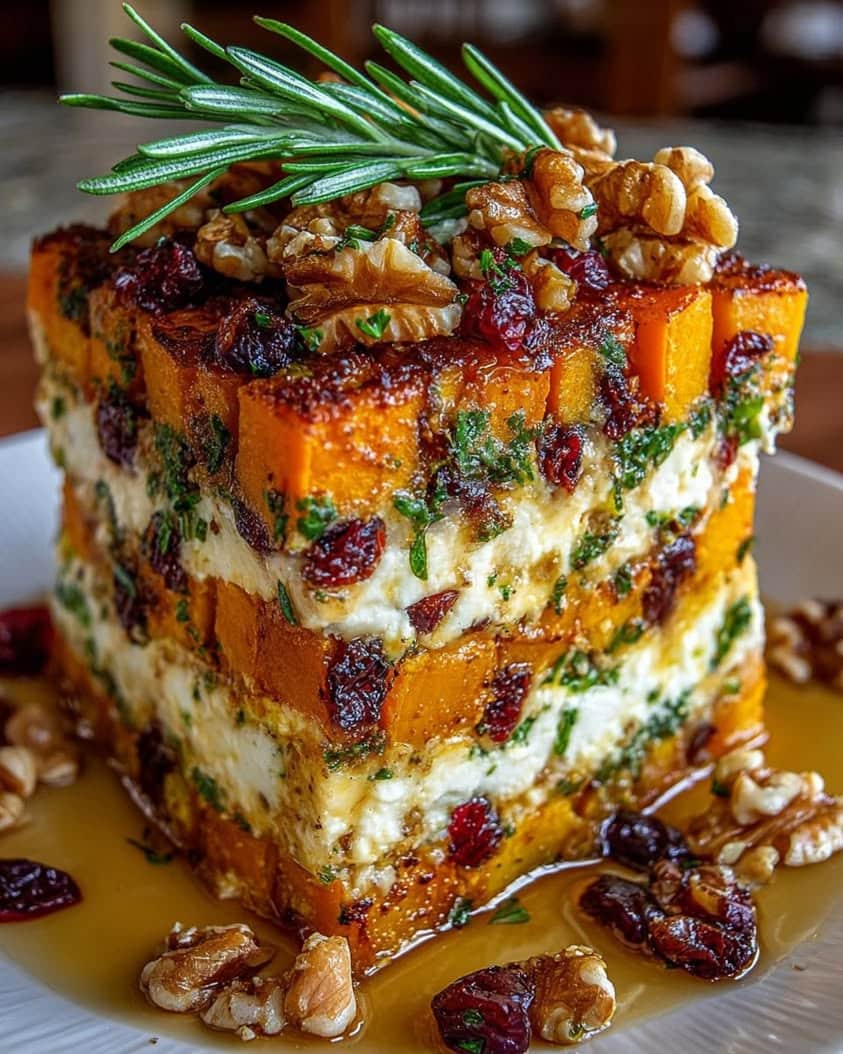
Layered Sweet Potato and Butternut Squash Lasagna with Honey Glaze: A Festive Vegetarian Masterpiece
Imagine a dish that captures the very essence of autumn on a plate. This Layered Sweet Potato and Butternut Squash Lasagna with Honey Glaze does exactly that. It transforms humble root vegetables and simple pantry staples into a stunning, multi-layered casserole that will become the star of your holiday table or any cozy family dinner. Moreover, it offers a beautiful symphony of sweet, savory, and tangy flavors in every single bite.
This recipe reimagines the classic Italian pasta bake by replacing noodles with thinly sliced sweet potatoes and butternut squash. Consequently, you get a naturally gluten-free main dish that is both hearty and nourishing. The layers are interspersed with creamy ricotta, salty feta, and earthy walnuts, then finished with a vibrant cranberry-honey glaze that caramelizes into a sticky, jewel-toned topping. Ultimately, it is a vegetarian showstopper that appeals to all palates.
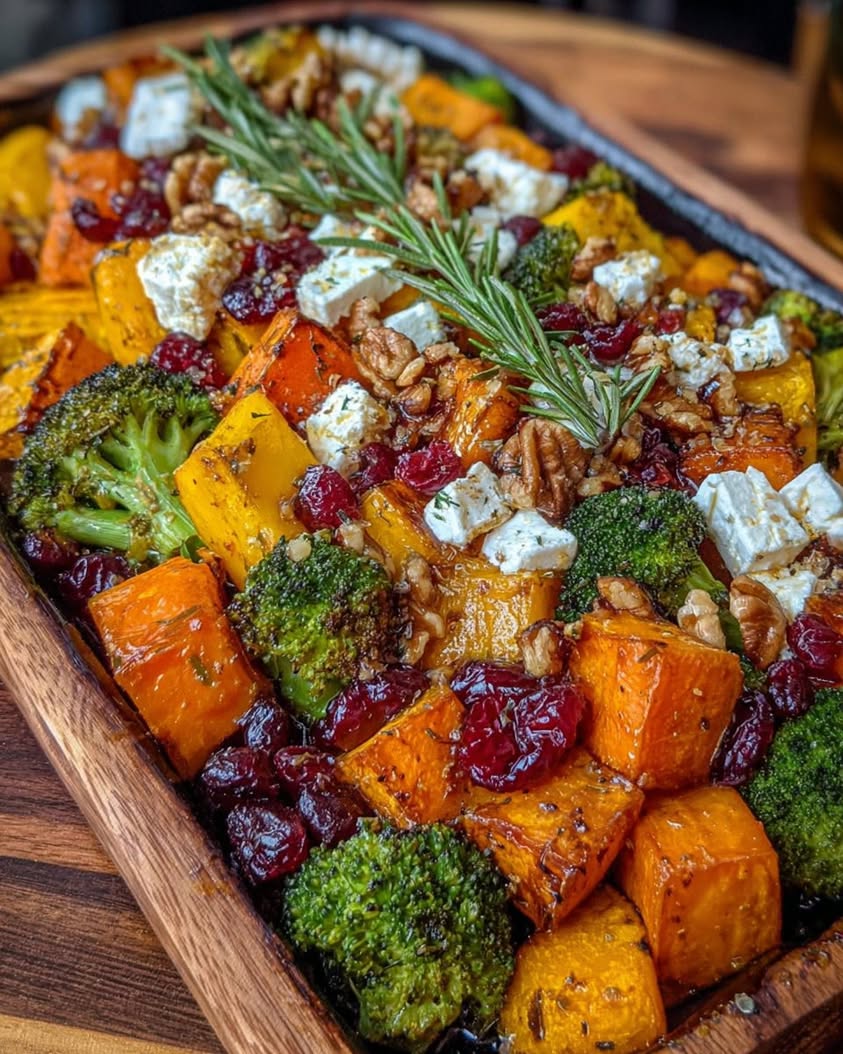
The visual appeal is undeniable. When you slice into this lasagna, you reveal beautiful stripes of orange squash, deep orange sweet potato, and white cheese. The golden-brown top, studded with ruby-red cranberries and crunchy walnuts, promises a delightful textural experience. This Layered Sweet Potato and Butternut Squash Lasagna with Honey Glaze is more than a meal; it is a celebration of seasonal produce and thoughtful cooking.
Quick Recipe Highlights
- Flavor Profile: This dish masterfully balances the natural sweetness of roasted root vegetables with the salty punch of feta cheese. The cranberry-honey glaze introduces a necessary tartness and floral note, while toasted walnuts add a rich, nutty depth that ties everything together.
- Texture: You will experience a wonderful contrast between the tender, almost melt-in-your-mouth layers of roasted sweet potato and squash and the creamy, crumbly cheeses. The walnuts provide a crucial crunchy element, and the glaze adds a delightful sticky finish that makes each bite complex and satisfying.
- Aroma: As it bakes, your kitchen will fill with the warm, comforting scents of roasting squash and sweet potato, mingled with the earthy fragrance of toasted nuts and the sweet-tart perfume of bubbling cranberries and honey. It is an aroma that promises a delicious and hearty meal.
- Visual Appeal: The cross-section of this lasagna is a work of art, featuring distinct bands of vibrant orange and yellow from the vegetables. The top is a gorgeous mosaic of golden-brown cheese, dark walnut pieces, and glossy red cranberries, making it perfect for serving directly at the table.
- Skill Level Needed: This recipe requires basic knife skills for slicing vegetables and a bit of patience for layering. However, the techniques are straightforward, making it accessible for confident home cooks looking to impress. It is an excellent project for a weekend or a special occasion.
- Special Equipment: A mandoline slicer is highly recommended to achieve uniformly thin slices of sweet potato and squash, which ensures even cooking. You will also need a standard 9×13 inch baking dish, a good baking sheet for toasting nuts, and a small saucepan for making the simple glaze.
Recipe Overview
- Difficulty Level: We rate this Layered Sweet Potato and Butternut Squash Lasagna with Honey Glaze as intermediate. The challenge lies not in complex techniques but in organization and precision. Slicing the vegetables thinly and evenly is crucial, and building the layers requires a bit of time and care. The result, however, is well worth the focused effort.
- Category: This dish firmly sits in the main course category. It is substantial enough to be the centerpiece of a vegetarian feast. Additionally, it can be served as a luxurious side dish for a larger holiday spread alongside a roast or turkey. It is versatile for many dining situations.
- Cuisine: While inspired by the layered structure of an Italian lasagna, this recipe is a modern fusion of global flavors. It uses New World vegetables like sweet potatoes and squash, incorporates Greek feta cheese, and finishes with a sweet-tart glaze common in American holiday cooking. It is a beautiful blend of traditions.
- Cost: This is a moderately priced dish, especially when root vegetables are in season during the fall and winter. The most significant costs are the cheeses and nuts. You can control costs by buying block feta and crumbling it yourself and by purchasing walnuts in bulk. Overall, it delivers restaurant-quality presentation at a fraction of the price.
- Season: This Layered Sweet Potato and Butternut Squash Lasagna with Honey Glaze is quintessential autumn and winter fare. These vegetables are at their peak sweetness and affordability during these cooler months. The warm, comforting nature of the baked casserole is perfectly suited for chilly evenings and festive gatherings.
- Occasion: It is an ideal centerpiece for Thanksgiving, Christmas, or a Friendsgiving dinner. Furthermore, it makes a spectacular Sunday family dinner or a potluck contribution that is guaranteed to draw compliments. Any event where you want to serve a beautiful, satisfying vegetarian main is the right occasion for this recipe.
Why You’ll Love This Recipe
First and foremost, the taste and texture are utterly captivating. Each forkful delivers a harmonious blend of sweet, savory, creamy, and crunchy elements. The tender vegetable layers soak up the subtle flavors of the herbs and cheese, while the cranberry-honey glaze provides a bright, acidic counterpoint that cuts through the richness. This Layered Sweet Potato and Butternut Squash Lasagna with Honey Glaze keeps your palate interested from the first bite to the last. It is a dish that feels both indulgent and wholesome simultaneously.
From a convenience standpoint, this recipe offers significant preparation benefits. You can slice the vegetables and prepare the cheese mixture a day in advance, drastically reducing your active time on the day of serving. The assembly itself is a relaxing, almost meditative process. Once in the oven, the lasagna requires little attention, allowing you to focus on other dishes or guests. It is the perfect make-ahead centerpiece for stress-free entertaining.
Nutritionally, this dish is a powerhouse. Sweet potatoes and butternut squash are loaded with beta-carotene, vitamin C, and fiber. Walnuts contribute healthy omega-3 fatty acids and protein. Using part-skim ricotta and a moderate amount of feta keeps the saturated fat content in check while delivering plenty of flavor and calcium. This Layered Sweet Potato and Butternut Squash Lasagna with Honey Glaze proves that celebratory food can also be nourishing.
For social gatherings, its value is immense. It serves a crowd beautifully and caters to various dietary preferences, being naturally gluten-free and vegetarian. The stunning presentation sparks conversation and makes everyone feel special. Serving a homemade, visually impressive dish like this Layered Sweet Potato and Butternut Squash Lasagna with Honey Glaze shows a high level of care and culinary skill, elevating any meal into an event.
Finally, it is cost-effective and accessible. The base ingredients are simple and readily available. You likely have many of the pantry staples like honey, dried herbs, and breadcrumbs on hand. Investing in a good block of feta and fresh produce yields a dish that rivals any expensive restaurant entree. This Layered Sweet Potato and Butternut Squash Lasagna with Honey Glaze allows you to create a gourmet experience at home without a gourmet price tag.
Historical Background and Cultural Significance
The concept of layering ingredients is ancient and appears in many cultures, from Greek pastitsio to Middle Eastern moussaka. The Italian lasagna, with its pasta, cheese, and sauce layers, became the direct inspiration for this vegetable-based version. This Layered Sweet Potato and Butternut Squash Lasagna with Honey Glaze is part of a modern culinary movement that reinterprets classic dishes using alternative, often gluten-free or vegetable-forward, components. It reflects a growing desire for food that is both traditional in comfort and innovative in ingredients.
Culturally, the use of sweet potato and squash connects the dish to the Americas, where these crops have been staples for thousands of years. Incorporating them into a European-style baked casserole represents the beautiful fusion that defines contemporary American cooking. The addition of a honey-fruit glaze also nods to traditional preservation methods and sweet-savory pairings found in many historical cuisines, where fruit was used to balance rich meats and cheeses.
The recipe has evolved significantly from its pasta-based ancestor. Initially, vegetable lasagnas used zucchini or eggplant. The use of sweet potato and butternut squash is a more recent innovation, capitalizing on their vibrant color, natural sweetness, and sturdy texture that holds up well to baking. The cranberry-honey glaze is a distinctly New World addition, incorporating native berries and a natural sweetener to create a flavor profile that is particularly resonant with North American holiday traditions.
Regional variations of this concept are endless. In the Southern United States, you might find a version with pecans instead of walnuts and a bourbon-infused glaze. A Mediterranean twist could include spinach and kalamata olives in the layers. Some cooks add a béchamel sauce for extra creaminess, while others keep it light with just cheese. This Layered Sweet Potato and Butternut Squash Lasagna with Honey Glaze serves as a fantastic template for personalization based on local ingredients and taste preferences.
Ingredient Deep Dive
Sweet Potato: Originally cultivated in Central and South America over 5,000 years ago, sweet potatoes are now a global staple. They are incredibly rich in beta-carotene, which the body converts to vitamin A, essential for vision and immunity. They also provide vitamin C, potassium, and fiber. Select firm potatoes with smooth, unblemished skin. Avoid any with soft spots or sprouts. Store them in a cool, dark, well-ventilated place—not the refrigerator. For a different flavor, you can substitute with golden beets or parsnips, though the color and sweetness will vary.
Butternut Squash: A type of winter squash, butternut squash is known for its sweet, nutty flavor and bright orange flesh. It is a fantastic source of vitamins A and C, as well as magnesium and potassium. Its thick skin allows it to be stored for months in a cool pantry. Choose a squash that feels heavy for its size with a firm, matte skin and a long, solid neck. You can substitute with acorn squash or pumpkin, but butternut’s fine texture and easy-to-peel shape make it ideal for this Layered Sweet Potato and Butternut Squash Lasagna with Honey Glaze.
Feta Cheese: Feta is a brined curd cheese with a history dating back to ancient Greece. Traditionally made from sheep’s milk or a sheep-goat blend, it has a tangy, salty flavor and a crumbly texture. It is a good source of calcium and protein. For the best flavor, buy feta in a block stored in brine. Pre-crumbled feta often contains anti-caking agents and can be drier. If you need a substitute, ricotta salata or a firm goat cheese would work, though the flavor profile will shift.
Walnuts: Walnuts are among the oldest tree foods, with remnants found in Neolithic sites. They are uniquely high in alpha-linolenic acid, a plant-based omega-3 fatty acid. Toasting walnuts is non-negotiable for this recipe; it deepens their flavor and improves their crunch. Always taste walnuts before using to ensure they are not rancid. Store them in the freezer to maintain freshness. For a different nutty crunch, pecans or hazelnuts would be excellent alternatives in this Layered Sweet Potato and Butternut Squash Lasagna with Honey Glaze.
Cranberry-Honey Glaze: Cranberries are one of North America’s native fruits, historically used by Indigenous peoples for food and medicine. They are packed with vitamin C and unique antioxidants called proanthocyanidins. Honey, one of humanity’s first sweeteners, has natural preservative qualities and varies in flavor based on the flowers visited by bees. The combination creates a glaze that is both tart and sweet, with a beautiful glossy finish. For a vegan version, maple syrup can replace honey. Fresh or frozen cranberries work perfectly here.
Common Mistakes to Avoid
- Slicing Vegetables Too Thick: This is the most common error. Thick slices will not become tender during baking and will make the lasagna difficult to cut and eat. Always aim for 1/8-inch thick slices using a mandoline or a very sharp knife and steady hand.
- Skipping the Toasting of Walnuts: Raw walnuts can taste bitter and have a soft texture. Toasting them in a dry pan or the oven for a few minutes unlocks their rich, nutty flavor and ensures they provide a satisfying crunch in the final dish.
- Overloading the Cheese Layer: While tempting, using too much ricotta mixture between layers can make the lasagna overly dense and heavy. A thin, even spread is all you need to bind the vegetable layers and provide creamy pockets of flavor.
- Not Seasoning Each Layer: Vegetables and cheese need seasoning throughout. Do not rely solely on the saltiness of the feta. Lightly season each layer of vegetables with salt and pepper as you assemble to build depth of flavor from the bottom up.
- Using a Baking Dish That’s Too Small: Crowding the layers prevents even cooking and steam escape, leading to a soggy lasagna. A standard 9×13 inch dish is essential for allowing the heat to circulate properly around each component.
- Neglecting to Let it Rest: Cutting into the lasagna immediately after baking causes it to fall apart. Let it rest for at least 20 minutes. This allows the layers to set, the cheese to firm up slightly, and makes for clean, beautiful slices.
- Boiling the Glaze Instead of Simmering: Cooking the cranberry-honey glaze over too high heat can cause the honey to burn or the cranberries to explode violently. A gentle simmer is all that’s needed to burst the berries and thicken the syrup to a perfect glaze consistency.
- Forgetting to Oil the Baking Dish: Even with the vegetable layers releasing moisture, the cheeses can stick to the sides and bottom. A light coating of olive oil or a non-stick spray on the baking dish guarantees easy serving and cleanup.
Essential Techniques
Using a Mandoline Slicer: This tool is crucial for achieving paper-thin, uniform slices of sweet potato and squash. Uniformity ensures even cooking, so every layer is perfectly tender. Always use the hand guard to protect your fingers. If you do not have a mandoline, use a very sharp chef’s knife and take your time. The goal is slices thin enough to be pliable but not so thin they disintegrate.
Layering for Structure: The order and technique of layering determine the final texture of your Layered Sweet Potato and Butternut Squash Lasagna with Honey Glaze. Start with a base layer of vegetables to prevent sticking. Overlap the slices slightly like shingles to create a solid foundation. Spread cheese mixtures thinly and evenly. Repeat, pressing down gently every few layers to eliminate large air pockets. A well-structured lasagna holds its shape when sliced.
Creating the Glaze: The key to a perfect cranberry-honey glaze is controlled heat and patience. Combine the ingredients in a saucepan over medium-low heat. As the cranberries heat, they will begin to pop and release their pectin, which naturally thickens the mixture. Stir occasionally to prevent sticking. The glaze is done when it coats the back of a spoon and has a syrupy consistency. It will thicken further as it cools.
Testing for Doneness: Since there is no pasta to gauge, you must test the vegetables. The lasagna is done when the top is golden brown, the edges are bubbly, and a sharp knife inserted into the center meets little to no resistance from the vegetable layers. The vegetables should be completely tender. If the top is browning too quickly before the center is done, tent the dish loosely with aluminum foil.
Pro Tips for Perfect Layered Sweet Potato and Butternut Squash Lasagna
First, pat the sliced sweet potato and squash dry with paper towels before assembling. This removes excess surface moisture and helps prevent a watery final dish.
Second, mix a tablespoon of cornstarch into your ricotta cheese filling. This little trick helps absorb any additional liquid released during baking and keeps the cheese layer firm.
Third, for deeper flavor, toss the vegetable slices with a tiny amount of olive oil, salt, and pepper and roast them on sheet pans for 10-15 minutes before layering. This step concentrates their sweetness.
Fourth, reserve some of the toasted walnuts and whole cranberries from the glaze to sprinkle on top after baking. This adds fresh texture and a vibrant visual pop to your finished lasagna.
Fifth, if your feta cheese is very salty, you can rinse it briefly under cold water and pat it dry before crumbling. This allows you to control the salt level more precisely.
Sixth, let all components—the sliced veggies, cheese mix, and glaze—come to room temperature before assembly. This promotes more even baking from edge to center.
Seventh, use the back of a spoon or a small offset spatula to spread the ricotta mixture. It gives you more control and prevents tearing the delicate vegetable layers underneath.
Eighth, for a golden, crispy top, switch your oven to broil for the final 2-3 minutes of cooking. Watch it closely to prevent burning.
Variations and Adaptations
Regional Variations: For a Southern twist, use pecans instead of walnuts and add a splash of bourbon to the cranberry glaze. A Mediterranean version could include layers of sautéed spinach with garlic and substitute the feta for a briny Greek cheese like kasseri. In the Northeast, adding a layer of sautéed wild mushrooms would complement the earthy squash beautifully.
Seasonal Adaptations: In spring, try thin slices of zucchini and yellow squash with fresh herbs like dill and mint in the cheese mixture. For summer, a version with layers of roasted eggplant and red pepper with a basil pesto swirl would be fantastic. The core technique of this Layered Sweet Potato and Butternut Squash Lasagna with Honey Glaze adapts to any season’s bounty.
Dietary Modifications: For a vegan version, use a plant-based ricotta (made from almonds or tofu), omit the feta or use a vegan alternative, and replace the honey in the glaze with maple syrup. Ensure your breadcrumbs are vegan. For a nut-free dish, substitute toasted sunflower seeds or pumpkin seeds for the walnuts.
Flavor Variations: Add a layer of caramelized onions between the vegetables for incredible sweetness and depth. Incorporate different herbs like sage or thyme into the ricotta. A pinch of smoked paprika or cumin in the cheese mixture can add a warm, smoky note that pairs wonderfully with the squash.
Texture Modifications: For a creamier interior, add a thin layer of béchamel sauce between the vegetable layers. For more crunch, sprinkle panko breadcrumbs mixed with Parmesan cheese between layers in addition to the top. You can also add a layer of cooked lentils or quinoa for extra heartiness and protein.
Presentation Alternatives: Instead of a large pan, assemble individual portions in small ramekins or oven-safe bowls for a personalized touch. You can also deconstruct the elements: serve roasted vegetable stacks with a dollop of herbed ricotta, a sprinkle of walnuts, and a drizzle of the cranberry glaze on the side.
Serving and Presentation Guide
Plating Techniques: Use a sharp, thin-bladed knife to cut clean portions. A flat, wide spatula is your best friend for transferring slices to plates without them falling apart. For a restaurant-style presentation, place a slice slightly off-center on a warm plate. Wipe any drips from the plate edge for a clean look.
Garnishing Ideas: Beyond the walnuts and cranberries from the recipe, consider fresh herb sprigs like rosemary or thyme. A light dusting of finely grated orange zest adds color and fragrance. A small drizzle of high-quality balsamic reduction around the plate creates visual interest and a flavor boost.
Traditional Accompaniments: This rich lasagna pairs beautifully with simple, clean sides. A crisp green salad with a lemony vinaigrette cuts through the richness. Garlicky sautéed greens like kale or Swiss chard also make an excellent companion. For a holiday meal, classic cranberry sauce on the side echoes the glaze flavors.
Modern Serving Suggestions: Serve a small cup of the extra warmed cranberry-honey glaze on the side for guests to add more if desired. Offer a variety of textured salts (like Maldon flake salt) for finishing. A dollop of tangy crème fraîche or Greek yogurt on top provides a cool contrast.
Temperature Considerations: This dish is best served warm, not piping hot. The resting period allows the flavors to settle and the temperature to become ideal for eating. If serving buffet-style, keep it covered with foil on a warming tray. Leftovers are also delicious at room temperature.
Portion Control Tips: A 9×13 inch pan typically yields 8 generous servings or 12 more modest side-dish portions. Consider your menu; if serving multiple rich sides, smaller slices are appropriate. For a main course with a light salad, the larger portion is perfect.
Wine and Beverage Pairing
Wine Pairings: The sweet and savory profile of this lasagna calls for wines with good acidity to balance the richness. A dry Riesling or Gewürztraminer with their slight stone fruit notes complement the squash beautifully. For red wine lovers, a light-bodied Pinot Noir with its red fruit and earthy character won’t overpower the dish. An off-dry rosé is another fantastic, versatile option.
Non-Alcoholic Alternatives: Sparkling apple cider is a classic and celebratory pairing. For something more complex, try a ginger beer with its spicy kick, which cuts through the creamy cheese. A homemade cranberry spritzer (cranberry juice, soda water, and a squeeze of lime) echoes the glaze flavors perfectly.
Coffee and Tea Pairings: After the meal, a cup of coffee with notes of nut or caramel can be a lovely finish. For tea, consider a rooibos tea, which is naturally slightly sweet and nutty, or a gentle chamomile tea to aid digestion after a rich meal.
Temperature Considerations: Serve white wines and sparkling beverages well-chilled. Red wines should be served slightly cooler than room temperature, around 60-65°F. Non-alcoholic sparklers are best ice-cold to provide a refreshing contrast to the warm, baked lasagna.
Serving Suggestions: Always offer water on the table. For a full pairing experience, you might start with a sparkling beverage, move to wine with the main course, and finish with coffee or tea. Provide options so guests can choose what best suits their taste.
Storage and Shelf Life
Storage Methods: Cool the lasagna completely before storing. Cover the baking dish tightly with plastic wrap or aluminum foil, or transfer individual portions to airtight containers. Proper storage is key to maintaining the texture and flavor of your Layered Sweet Potato and Butternut Squash Lasagna with Honey Glaze.
Temperature Requirements: Refrigerate leftovers promptly. The lasagna will keep in the refrigerator for 3-4 days. Do not leave it at room temperature for more than two hours, as the dairy and vegetable composition can promote bacterial growth.
Container Recommendations: Glass containers with tight-fitting lids are ideal as they do not absorb odors and allow you to see the contents. If storing in the original baking dish, ensure the wrap is sealed tightly over the entire surface to prevent the top from drying out.
Signs of Spoilage: Discard the lasagna if you notice an off or sour smell, significant liquid separation, or any signs of mold. The vegetables should still look vibrant; a drastic dulling of color can also indicate it is past its prime.
Reheating Instructions: For best results, reheat individual portions in the oven at 350°F until warmed through (about 15-20 minutes). You can also use a toaster oven. The microwave is quick but can make the texture slightly soggy; use a lower power setting and cover with a damp paper towel.
Freezing Guidelines: This lasagna freezes well. Wrap the entire cooled pan or individual slices tightly in plastic wrap, then in foil. Label with the date. Freeze for up to 2 months. Thaw overnight in the refrigerator before reheating in the oven. The vegetable layers may release a bit more water upon thawing, but the flavor remains excellent.
Make Ahead Strategies
Prep Timeline: You can prepare nearly every component 1-2 days in advance. Slice the sweet potatoes and squash, store them in water in the refrigerator to prevent browning. Make the ricotta cheese mixture and keep it covered. Toast the walnuts and make the cranberry glaze; store separately. On the day of serving, drain and pat the veggies dry, then assemble and bake.
Storage Between Steps: Keep pre-sliced vegetables submerged in cold water in an airtight container. The cheese mixture should be in a sealed bowl. The glaze can be kept at room temperature if used within a day, or refrigerated. Bring all components to near room temperature before assembly for even baking.
Quality Impact Assessment: Making components ahead has minimal impact on flavor and can even improve it, as the cheese mixture’s herbs infuse. The key is ensuring the sliced vegetables are kept moist (in water) so they do not oxidize or dry out. The assembled but unbaked lasagna can sit in the fridge for several hours before baking.
Assembly Tips for Make-Ahead: If assembling the entire lasagna a day ahead, cover it tightly and refrigerate. You may need to add 10-15 minutes to the baking time since it will be going into the oven cold. Let it sit on the counter for 30 minutes before baking to take the chill off.
Reheating Guidelines for Pre-Baked: If you bake the lasagna completely ahead of time, let it cool, cover, and refrigerate. To reheat, cover with foil and warm in a 325°F oven for 25-35 minutes, until heated through. Remove the foil for the last 10 minutes to re-crisp the top if desired.
Fresh Element Additions: If making ahead, add any fresh herb garnishes or a final sprinkle of extra nuts and cranberries just before serving. This ensures they retain their vibrant color, texture, and flavor, giving the dish a just-made appearance.
Scaling Instructions
Halving the Recipe: To make a smaller batch, simply divide all ingredient quantities by two. Use an 8×8 inch or 9×9 inch baking dish. The baking time may be slightly reduced, so start checking for doneness around the 50-minute mark. All other techniques remain the same.
Doubling or Tripling: Doubling is straightforward for a crowd. Use two 9×13 inch pans. You may need to bake them in sequence unless you have a double oven, as placing both on the same rack can affect air circulation. Triple the recipe for a very large gathering, using three pans. The assembly time will increase significantly.
Equipment Adjustments: When scaling up, ensure you have a large enough bowl for mixing the cheese filling and a large skillet or pot for making a bigger batch of glaze. A commercial-sized mandoline can speed up vegetable slicing for large quantities.
Timing Modifications: The prep time scales almost linearly—double the ingredients, double the prep time. Baking time for larger pans does not double; it may only increase by 10-15 minutes. Always rely on the visual and textural doneness cues (golden top, tender vegetables) rather than the clock alone.
Storage Considerations: A double batch means more leftovers. Plan your storage containers in advance. Consider freezing a portion of the baked lasagna immediately if you do not plan to consume it all within a few days. Label everything clearly with the date and contents.
Nutritional Deep Dive
Macro Breakdown: A serving of this Layered Sweet Potato and Butternut Squash Lasagna with Honey Glaze provides a balanced mix of macronutrients. The vegetables and honey contribute complex carbohydrates for sustained energy. The ricotta and feta offer a good amount of protein and fat, which promote satiety. The walnuts add healthy fats and a bit more protein. It is a satisfying meal that covers multiple nutritional bases.
Micronutrient Analysis: This dish is exceptionally rich in vitamin A (from the orange vegetables), crucial for eye health and immune function. It also provides significant vitamin C, calcium from the cheese, and manganese from the walnuts and sweet potatoes. The cranberries add a dose of antioxidants and vitamin K.
Health Benefits: The high fiber content from the vegetables and nuts supports digestive health. The anti-inflammatory properties of the omega-3s in walnuts and the antioxidants in cranberries and squash contribute to overall wellness. The dish is also naturally free of refined sugars, relying on the natural sweetness of the produce and a modest amount of honey.
Dietary Considerations: As written, the recipe is vegetarian and gluten-free (ensure your breadcrumbs are certified GF). It is not suitable for vegans or those with dairy or nut allergies without modifications. The sodium content is moderate, primarily from the cheese, which can be adjusted by using low-sodium feta or reducing the amount.
Portion Analysis: One serving (1/8th of the pan) is a substantial and filling portion. Given its nutrient density, it can be a complete meal. If serving as part of a larger spread with multiple sides, a slightly smaller portion is appropriate. Listen to your hunger cues, as the fiber and protein will help you feel full.
Weight Management Tips: This is a nutrient-dense dish that supports weight management by being high in volume and fiber, which promotes fullness. To reduce calories slightly, you can use part-skim ricotta, reduce the amount of walnuts on top by half, and use a light hand with the olive oil during assembly.
Dietary Adaptations
Gluten-Free: This recipe is naturally gluten-free as it uses vegetable layers instead of pasta. The only potential source of gluten is the breadcrumbs. Simply ensure you use certified gluten-free breadcrumbs or omit them entirely. The top will be slightly less crunchy but still delicious.
Dairy-Free: Replace the ricotta with a firm, blended tofu seasoned with nutritional yeast, lemon juice, and salt. Use a vegan feta cheese alternative or omit it. For the topping, use a dairy-free Parmesan-style sprinkle. The glaze remains the same, making this Layered Sweet Potato and Butternut Squash Lasagna with Honey Glaze easily adaptable.
Vegan: Follow the dairy-free adaptations and also replace the honey in the glaze with maple syrup or agave nectar. Ensure all other ingredients, like breadcrumbs, are vegan. You can add a layer of lentils for extra protein and heartiness to compensate for the missing cheese.
Low-Carb/Keto: This recipe is not naturally low-carb due to the starchy vegetables and honey. For a keto version, replace the sweet potato and squash with layers of zucchini and eggplant. Use a sugar-free sweetener in the glaze, such as monk fruit or erythritol, and fresh or sugar-free dried cranberries sparingly.
Paleo: Omit all dairy. Use a cashew-based “ricotta” (soaked blended cashews with lemon). Omit the breadcrumbs or use a sprinkle of almond flour mixed with herbs. Ensure the honey is raw and the cranberries are unsweetened. This adaptation stays true to paleo principles while keeping the layered concept.
Low-FODMAP: Butternut squash is low-FODMAP in 1/2 cup servings, so portion control is key. Omit the sweet potato (high in fructans) and use only butternut squash. Use a garlic-infused oil for flavor instead of fresh garlic. Omit the honey and use maple syrup in the glaze. Ensure the ricotta is lactose-free.
Troubleshooting Guide
Texture Issues (Soggy Bottom): A soggy bottom layer usually means excess moisture. Ensure you pat the vegetable slices very dry before assembly. You can also sprinkle a thin layer of breadcrumbs or almond flour on the bottom of the oiled dish before adding the first vegetable layer to absorb any liquid. Finally, let the baked lasagna rest fully so the layers set.
Flavor Balance (Too Sweet or Too Savory): If the lasagna tastes too sweet, balance it with a squeeze of fresh lemon juice over the top before serving or add a pinch more salt to the ricotta mixture next time. If it is too savory, ensure you are using the full amount of honey in the glaze and that your squash and sweet potatoes are fully ripe, as under-ripe vegetables are less sweet.
Temperature Problems (Undercooked Center): If the top is browned but the center is still hard, the oven temperature may be too high, causing the exterior to cook too fast. Print
Layered Sweet Potato, Butternut Squash, Carrot Lasagna with Feta, Walnuts, and Cranberry-Honey Glaze
- Total Time: 45 minutes
- Yield: 4
Description
A vibrant, savory-sweet vegetarian lasagna featuring thinly sliced root vegetables layered with creamy feta, crunchy walnuts, and a tangy cranberry-honey glaze.
Ingredients
- 2 medium sweet potatoes, peeled and thinly sliced
- 1 small butternut squash, peeled and thinly sliced
- 3 large carrots, peeled and thinly sliced
- 8 oz feta cheese, crumbled
- 1 cup walnuts, chopped and toasted
- 1 cup fresh cranberries
- 1/4 cup honey
- 2 tbsp olive oil
- 3 cloves garlic, minced
- 1 tsp dried thyme
- 1 tsp dried rosemary
- Salt and black pepper to taste
- 1/2 cup vegetable broth
- Fresh parsley for garnish
Instructions
- Preheat oven to 375°F (190°C). Lightly grease a 9×13 inch baking dish.
- In a bowl, toss sweet potato, butternut squash, and carrot slices with olive oil, garlic, thyme, rosemary, salt, and pepper until evenly coated.
- Arrange a single layer of vegetable slices in the baking dish, overlapping slightly. Sprinkle with a third of the feta and walnuts.
- Repeat layering vegetables, feta, and walnuts two more times, ending with a vegetable layer on top.
- Pour vegetable broth over the lasagna, cover with foil, and bake for 25 minutes.
- Meanwhile, combine cranberries and honey in a small saucepan. Cook over medium heat until cranberries burst and sauce thickens, about 10 minutes.
- Remove foil from lasagna, spoon cranberry-honey glaze over the top, and bake uncovered for 5 more minutes until vegetables are tender.
- Let rest for 10 minutes, garnish with fresh parsley, and serve warm.
Notes
You can customize the seasonings to taste.
- Prep Time: 15 minutes
- Cook Time: 30 minutes
- Method: Main
- Cuisine: American