Honey Lime Shrimp with Pineapple Rice: A Tropical Weeknight Dinner
Imagine a dish that instantly transports you to a sun-drenched beach with its vibrant colors and irresistible aroma. This honey lime shrimp with pineapple rice does exactly that. It masterfully combines sweet, tangy, and savory notes into a stunning meal that looks as incredible as it tastes. Moreover, it brings a burst of tropical sunshine to your dinner table, making any ordinary weeknight feel like a special occasion. Ultimately, this recipe proves that gourmet flavor doesn’t require hours in the kitchen.
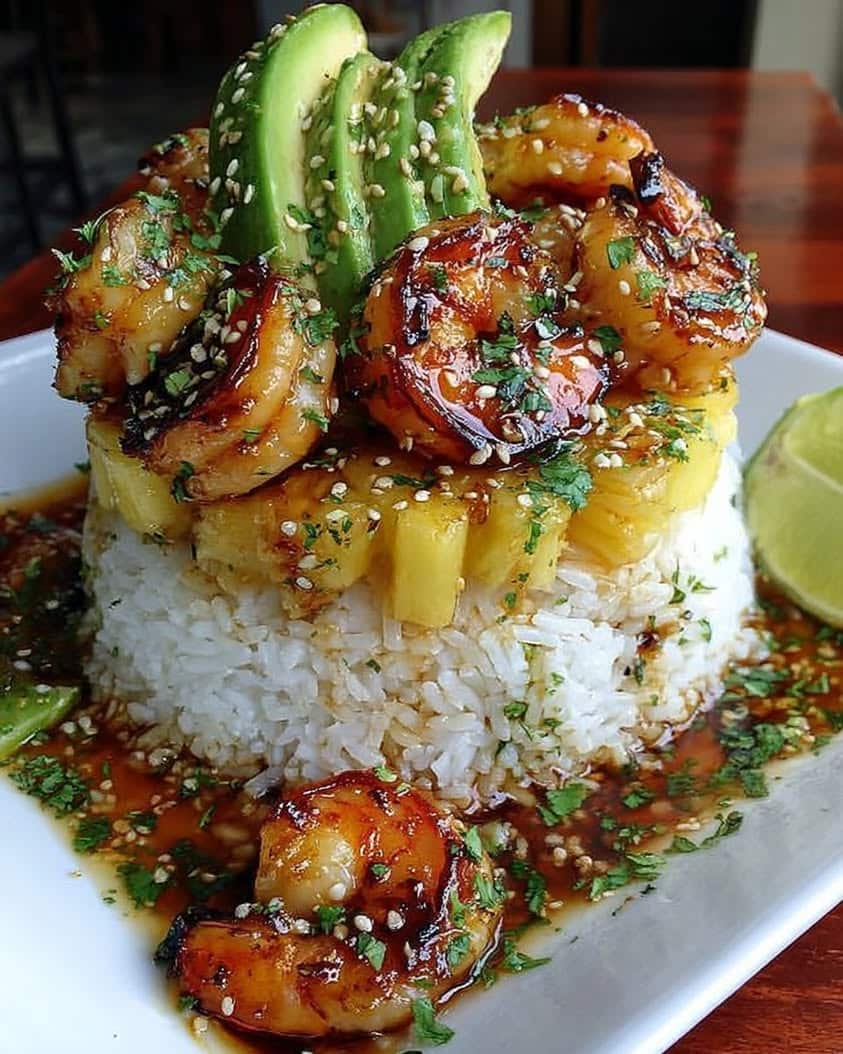
The magic of this honey lime shrimp recipe lies in its perfect balance. Juicy shrimp get a quick sear in a sticky, glossy glaze of honey, fresh lime juice, and a hint of garlic. Meanwhile, fluffy rice cooks with sweet pineapple chunks, creating a fragrant and colorful base. When you stack the glazed shrimp atop the vibrant rice, you create a visually stunning presentation. Consequently, this dish is guaranteed to impress family and guests alike, all while being deceptively simple to prepare.
Furthermore, this meal is a fantastic solution for busy cooks seeking healthy, flavorful options. It relies on fresh, whole ingredients that come together in one pan for the shrimp and one pot for the rice. The result is a complete, satisfying dinner with minimal cleanup. Whether you’re craving a taste of the tropics or need a reliable, quick dinner recipe, this honey lime shrimp with pineapple rice delivers on every promise. It’s a versatile dish that suits casual family dinners and elegant entertaining with equal grace.
Quick Recipe Highlights
- Flavor Profile: This dish offers a beautiful harmony of sweet honey, bright lime, and savory garlic coating the succulent shrimp. The pineapple rice provides a subtle, natural sweetness and a touch of acidity that complements the shrimp perfectly. Additionally, a sprinkle of fresh cilantro or green onion adds a final layer of freshness.
- Texture: You’ll enjoy the delightful contrast between the firm, slightly caramelized exterior of the shrimp and their tender interior. The rice is fluffy and light, with occasional juicy bursts from the pineapple chunks. Altogether, each bite delivers a satisfying mix of textures that keeps your palate engaged.
- Aroma: As the honey lime glaze reduces, it fills your kitchen with an incredible scent of caramelizing honey and zesty citrus. The cooking pineapple rice releases a sweet, tropical fragrance. Combined, these aromas create an irresistible invitation to the table that is simply mouthwatering.
- Visual Appeal: The presentation is stunning, featuring golden-brown shrimp glistening with glaze stacked against bright yellow rice studded with pineapple. Typically, garnishes of green herbs or red pepper flakes add pops of color. Therefore, this dish is naturally photogenic and perfect for sharing.
- Skill Level Needed: This is a beginner-friendly recipe that teaches fundamental skills like making a simple pan sauce and cooking rice. It requires basic knife work for mincing garlic and dicing pineapple. Essentially, anyone comfortable following sequential steps can achieve fantastic results.
- Special Equipment: You only need everyday kitchen tools: a large skillet or sauté pan for the shrimp and a medium saucepan with a lid for the rice. A microplane or fine grater for zesting the lime is helpful but not mandatory. Otherwise, standard measuring cups, spoons, and a stirring utensil are all you require.
Recipe Overview
- Difficulty Level: We classify this honey lime shrimp recipe as “Easy” because it uses straightforward techniques and common ingredients. The steps are sequential and logical, with minimal multitasking required. Most importantly, the cooking times are short and forgiving, making it hard to overcook components if you follow the guide. This accessibility makes it a perfect recipe for cooks of all experience levels to build confidence.
- Category: This dish fits neatly into the “Main Course” or “Entree” category, providing a complete protein and starch in one meal. It can also be considered a “Quick & Easy” dinner or a “Healthy” weeknight option due to its lean protein and vegetable content. For entertaining, it serves beautifully as part of a “Tropical” or “Summer” themed menu.
- Cuisine: While not strictly authentic to one region, this recipe draws inspiration from Polynesian, Hawaiian, and Caribbean flavor profiles that celebrate sweet and savory combinations. The use of shrimp, pineapple, and citrus is common across many coastal and island cuisines. Ultimately, it’s a modern fusion dish designed to deliver big, sunny flavors with American kitchen convenience.
- Cost: This is a moderately priced meal, with the largest cost typically being the fresh shrimp. Canned or frozen pineapple and pantry staples like honey, lime, and rice help keep the overall cost manageable. By shopping sales for shrimp and using frozen pineapple, you can make this an affordable gourmet experience. It offers restaurant-quality taste at a fraction of the price.
- Season: This honey lime shrimp recipe shines brightest in spring and summer when you crave lighter, brighter meals. However, its tropical vibe makes it a wonderful antidote to winter blues, bringing sunshine to your plate year-round. Fresh pineapples are sweetest in summer, but frozen pineapple works perfectly in any season. Consequently, it’s truly a versatile all-season dish.
- Occasion: It’s ideal for busy weeknights when you need a fast, impressive dinner. Simultaneously, it’s elegant enough for casual weekend entertaining, dinner parties, or even a festive date night at home. The beautiful presentation makes it suitable for potlucks or family gatherings where you want to bring a standout dish. It’s a universally appealing recipe for many occasions.
Why You’ll Love This Recipe
First and foremost, the taste and texture appeal is immediate and profound. The honey lime glaze caramelizes on the shrimp, creating a sticky-sweet coating with a sharp citrus kick that cuts through the richness. Meanwhile, the pineapple rice is not just a side; it’s an integral part of the flavor experience, absorbing the tropical juices and providing a sweet, fluffy counterpoint to the savory shrimp. Every forkful is a balanced explosion of sweet, tangy, and savory, with contrasting textures that make the eating experience truly delightful. You’ll find yourself savoring each bite and scraping the plate clean.
From a convenience standpoint, this honey lime shrimp recipe is a weeknight superhero. It comes together in about thirty minutes from start to finish, using primarily one pan and one pot. The prep work is minimal—mostly just mincing garlic and cooking rice—which means you can have a gourmet-tasting meal on the table with very little active effort. Furthermore, the ingredients are easy to find at any standard grocery store, and many, like frozen shrimp and canned pineapple, can be kept on hand for last-minute meals. This recipe eliminates the stress of dinner planning with its reliable speed and simplicity.
Nutritionally, this dish is a powerhouse of lean protein, vitamins, and antioxidants. Shrimp provides high-quality protein and important minerals like selenium and iodine with very little fat. Pineapple is rich in vitamin C, manganese, and bromelain, an enzyme that aids digestion. Using whole grain rice instead of white adds fiber and complex carbohydrates for sustained energy. By controlling the amount of honey and oil, you can easily tailor this meal to fit various health goals. It’s a delicious way to eat well without feeling like you’re on a restrictive diet.
For social and entertaining value, this dish is a guaranteed crowd-pleaser. Its vibrant colors and restaurant-quality presentation make it look like you spent far more time than you actually did. It’s a conversation starter that feels special and indulgent. You can easily double or triple the recipe to feed a larger group, and it pairs wonderfully with a variety of simple sides like a green salad or grilled vegetables. Serving this honey lime shrimp at a dinner party conveys thoughtfulness and culinary skill, impressing your guests with minimal host stress.
Finally, its cost-effectiveness and accessibility are major wins. Compared to ordering similar seafood dishes at a restaurant, making this at home saves a significant amount of money. Ingredients like rice, honey, and lime juice are pantry staples for many, and shrimp and pineapple are regularly available and often on sale. The recipe is also highly adaptable; if fresh pineapple is expensive, canned works beautifully. If shrimp isn’t your preference, the honey lime glaze can work with chicken or tofu. This flexibility ensures that the recipe remains accessible and affordable for cooks on any budget.
Historical Background and Cultural Significance
The combination of seafood with sweet and sour flavors has deep roots across many coastal and island cultures. In Polynesian cuisine, the use of fresh seafood like shrimp paired with native fruits such as pineapple and citrus is a centuries-old tradition. These combinations likely arose from the natural abundance of these ingredients and the desire to create balanced, preserving sauces using honey or sugar and acidic lime or vinegar. While this specific “honey lime shrimp” recipe is a modern creation, its flavor profile respectfully echoes these ancient culinary practices that celebrated the harmony of land and sea.
Culturally, dishes featuring shrimp and pineapple often appear in celebratory and festive contexts. In Hawaii, shrimp trucks serving garlic shrimp plates are iconic, and pineapple is a symbol of hospitality and welcome. Throughout the Caribbean, shrimp is frequently marinated in citrus-based “mojos” or glazes, reflecting African, Spanish, and indigenous Taíno influences. This honey lime shrimp recipe taps into that universal cultural association of tropical ingredients with relaxation, celebration, and generosity. It carries the spirit of aloha and island time into your home kitchen.
The evolution of this recipe is a story of globalization and fusion. As ingredients like pineapple and lime became widely available worldwide, home cooks and chefs began experimenting with these bright flavors. The American fascination with “Hawaiian” and tropical flavors in the mid-20th century, often seen in dishes like Hawaiian pizza, paved the way for more sophisticated combinations. Today’s honey lime shrimp recipe represents an evolution towards lighter, healthier preparations that emphasize fresh, whole ingredients over heavy, syrupy sauces. It’s a contemporary take on a classic flavor pairing.
Regional variations of this concept are fascinating. In the Florida Keys, you might find a similar dish using key lime juice and local spiny lobster. In Southeast Asia, a version might include fish sauce, chili, and lemongrass alongside the pineapple. Some Latin American versions could incorporate aji amarillo peppers or cilantro more prominently. This particular recipe with its straightforward honey-lime glaze represents a streamlined, accessible version that focuses on the core flavor contrast. It invites cooks to use it as a base for their own cultural interpretations and ingredient swaps.
Ingredient Deep Dive
Shrimp: Shrimp have been a crucial food source for coastal communities worldwide for millennia. Nutritionally, they are an excellent source of lean protein, selenium, vitamin B12, and iodine. When selecting shrimp, look for firm, translucent flesh with a mild sea smell; avoid any with a strong ammonia odor. For this recipe, medium to large (31/40 or 21/25 count) shrimp work best, peeled and deveined for convenience. Store fresh shrimp in the coldest part of your fridge and use within 1-2 days, or freeze for up to 3 months. For a substitution, try chicken breast or firm tofu, adjusting cook time accordingly.
Fresh Pineapple: Pineapple originated in South America and was spread globally by European explorers, becoming a symbol of luxury and later, hospitality. It’s packed with vitamin C, manganese, and bromelain, an enzyme with anti-inflammatory properties. Choose a pineapple that feels heavy for its size and has fragrant, green leaves. To store, keep whole at room temperature for 1-2 days; once cut, refrigerate in an airtight container. Canned pineapple in juice (not syrup) is a perfect, year-round substitute that saves prep time. Frozen pineapple chunks also work well when thawed and drained.
Honey: As one of humanity’s oldest sweeteners, honey has been used in cooking and medicine for over 8,000 years. It contains antioxidants and has natural preservative qualities. The flavor of your honey will influence the dish; a mild clover or wildflower honey lets the lime shine, while a stronger buckwheat honey adds depth. Store honey at room temperature in a sealed container. If your honey crystallizes, gently warm the jar in a bowl of hot water. For a vegan substitute, agave nectar or maple syrup can be used, though they will impart a slightly different flavor profile.
Fresh Lime: Limes are believed to have originated in Southeast Asia and were carried by Arab traders into the Mediterranean. They are a powerhouse of vitamin C and flavonoids. You’ll use both the zest and juice for maximum flavor impact. Choose limes that feel heavy and have smooth, bright green skin. Roll them on the counter under your palm before juicing to get more yield. Store at room temperature for a week or in the fridge for up to a month. In a pinch, bottled lime juice can be used, but fresh is vastly superior for both flavor and aroma.
Jasmine Rice: Jasmine rice, a long-grain variety from Thailand, is prized for its delicate floral aroma and slightly sticky texture when cooked. It provides a good source of energy through carbohydrates. Rinsing the rice before cooking removes excess surface starch, preventing gumminess. Store uncooked rice in a cool, dry pantry. For this pineapple rice, the fragrant jasmine variety complements the tropical theme beautifully. Substitutions include basmati rice for a drier, separate grain, or brown jasmine rice for added fiber and nutrients, noting a longer cook time and more liquid may be needed.
Common Mistakes to Avoid
- Overcooking the Shrimp: Shrimp cook incredibly quickly and turn rubbery when overdone. They are ready as soon as they turn opaque and form a loose “C” shape. Always have your honey lime sauce ingredients ready before you start cooking the shrimp, as the process moves fast.
- Not Patting Shrimp Dry: Adding wet shrimp to the hot pan will cause them to steam instead of sear. Thoroughly pat the shrimp dry with paper towels before seasoning. This step is crucial for achieving a nice caramelization on the exterior.
- Using Pineapple Packed in Syrup: Canned pineapple in heavy syrup will make your rice overly sweet and sticky. Always opt for pineapple packed in its own juice. Drain it well, and consider using the juice as part of the cooking liquid for the rice for extra flavor.
- Neglecting the Lime Zest: The zest contains potent aromatic oils that provide a huge burst of lime flavor without extra acidity. Always zest your lime before juicing it. Incorporating the zest into the glaze or the rice elevates the entire dish.
- Crowding the Pan: Adding too many shrimp to the skillet at once lowers the pan temperature and causes the shrimp to release liquid. Cook in batches if necessary to ensure each shrimp gets proper contact with the hot surface for a good sear.
- Letting the Glaze Burn: Honey has a high sugar content and can burn quickly over high heat. Once you add the honey, lime juice, and garlic to the pan, reduce the heat to medium and stir frequently. The sauce should thicken and bubble gently, not smoke.
- Forgetting to Season in Layers: Season the shrimp before cooking, season the rice cooking water, and taste the final glaze for balance. Building layers of seasoning at each stage ensures the final dish is perfectly seasoned throughout, not just on the surface.
- Using Pre-Cooked Shrimp: Pre-cooked shrimp are meant to be eaten cold or just warmed through. Trying to sear or glaze them will result in a tough, rubbery texture. Always start with raw shrimp for this recipe to control the cooking process.
Essential Techniques
The Quick Sear: Achieving a good sear on the shrimp is foundational. It creates flavorful browning (the Maillard reaction) and a pleasing texture. To master it, ensure your pan is properly preheated over medium-high heat before adding oil. Pat the shrimp completely dry and avoid overcrowding. The shrimp should sizzle upon contact. A common pitfall is moving them too soon; let them cook undisturbed for about 1 minute to develop a golden crust. Visual cues for success are opaque sides and a caramelized, slightly browned exterior without being blackened.
Building a Pan Sauce/Glaze: This technique transforms simple pan drippings into a luxurious coating. After searing the shrimp, you use the same pan to cook garlic briefly, then deglaze with lime juice and honey. The key is to scrape up any browned bits (fond) from the pan bottom, as they hold immense flavor. The mixture will bubble and reduce, thickening as the water evaporates and the sugars concentrate. The pitfall is walking away, as it can go from perfect to burnt in seconds. Success is a glossy, syrupy sauce that coats the back of a spoon and clings to the shrimp.
Cooking Fragrant Rice: For perfect pineapple rice, the technique of toasting the rice briefly in a little oil or butter before adding liquid enhances its nutty flavor. Then, using a combination of water and pineapple juice as the cooking liquid infuses the grains with sweetness. The essential step is bringing it to a boil, then immediately reducing to the lowest simmer and covering tightly. Do not peek or stir, as this releases steam. The rice is done when the liquid is absorbed and the grains are tender. Fluffing it with a fork after cooking separates the grains for a light texture.
Pro Tips for Perfect Honey Lime Shrimp
First, use a microplane to zest your lime directly over the pan when making the glaze. This captures all the fragrant oils and ensures none are wasted on your cutting board. Second, let your shrimp come to room temperature for about 10 minutes before cooking. This promotes even cooking and prevents the center from being cold while the outside is done. Third, reserve a tablespoon of the pineapple juice from the can to add to the honey lime glaze. It introduces a subtle fruity complexity that deepens the tropical flavor.
Fourth, add a pinch of red pepper flakes to the glaze for a gentle heat that balances the sweetness beautifully. Fifth, finish the cooked rice by folding in the pineapple chunks and a handful of chopped cilantro or green onion off the heat. This preserves the fresh texture and color of the add-ins. Sixth, if your sauce breaks or looks too thin, remove the shrimp and let the sauce bubble for another minute or two to reduce further. It will thicken as it cools slightly.
Seventh, for an extra restaurant-quality touch, brush a little extra honey lime glaze over the stacked shrimp just before serving for maximum shine. Eighth, consider using butter instead of oil for the final minute of cooking the glaze. Swirling in a tablespoon of cold butter creates a richer, silkier sauce that clings exceptionally well to the shrimp.
Variations and Adaptations
For regional variations, give the dish a Thai twist by adding a tablespoon of red curry paste to the glaze and finishing with Thai basil. A Caribbean version might include a teaspoon of jerk seasoning on the shrimp and black beans folded into the rice. In a Mexican-inspired take, use orange juice with the lime, add a pinch of cumin, and serve with avocado slices.
Seasonal adaptations are simple. In summer, grill the shrimp and pineapple chunks for a smoky flavor. For a winter version, add warm spices like a cinnamon stick to the rice while it cooks or a dash of ground ginger to the glaze. Use frozen mango or peaches instead of pineapple when they are out of season for a different but equally delicious fruit note.
Dietary modifications are straightforward. For a gluten-free meal, ensure your soy sauce (if using) is a certified gluten-free brand like Tamari. To make it dairy-free, use oil instead of butter in the sauce. For a vegan adaptation, use extra-firm tofu or king oyster mushrooms in place of shrimp and maple syrup instead of honey. A low-carb or keto version would replace the rice with cauliflower rice and use a sugar-free honey substitute sparingly.
Flavor variations can keep this recipe exciting. Try using orange or lemon instead of lime. Incorporate minced ginger or lemongrass into the glaze. Add a splash of coconut milk to the rice cooking liquid for a creamier, richer base. For an umami boost, add a teaspoon of fish sauce or soy sauce to the honey lime glaze.
Texture modifications can cater to personal preference. For crunchier rice, use less liquid and let the bottom develop a slight crust (tahdig). For extra tender shrimp, brine them in salt water for 15 minutes before patting dry and cooking. Add chopped water chestnuts or bell peppers to the rice for additional crunch.
Presentation alternatives include serving the shrimp and rice in a hollowed-out pineapple half for a dramatic effect. Alternatively, layer the rice and shrimp in a glass bowl or mason jar for a portable “stack.” You can also chop the cooked shrimp and mix them directly into the rice for a easy, one-bowl meal perfect for lunches.
Serving and Presentation Guide
Plating techniques make this dish shine. For the classic stack, pack warm rice into a small bowl or measuring cup, then invert it onto the center of a plate to create a neat mound. Artfully arrange the glazed shrimp around and atop the rice, allowing some to lean against the stack. Drizzle any remaining glaze from the pan over the shrimp and rice. This method creates height and visual interest on the plate.
Garnishing ideas are essential for color and freshness. A sprinkle of finely chopped fresh cilantro, sliced green onion, or chives adds green. Thinly sliced red chili or a pinch of red pepper flakes provide a red accent. Toasted sesame seeds or chopped roasted macadamia nuts offer a finishing crunch and nutty flavor. A final wedge of lime on the side invites guests to add an extra burst of acidity.
Traditional accompaniments might include a simple green salad with a citrus vinaigrette to complement the main flavors. Steamed or grilled vegetables like asparagus, sugar snap peas, or bok choy work beautifully. For a more substantial meal, fried plantains or sweet potato fries echo the tropical theme. A light, brothy soup can start the meal without overwhelming the palate.
Modern serving suggestions embrace casual elegance. Serve family-style from a large platter with the rice spread out and shrimp piled on top. For individual servings, use shallow pasta bowls. You can also deconstruct the dish for a build-your-own bowl setup, with rice, shrimp, and various toppings like avocado, edamame, and extra sauce in separate containers.
Temperature considerations are key. Serve this dish immediately after cooking while the shrimp are hot and the glaze is still glossy. The rice should be steaming hot as well. If you must hold components, keep the rice covered in a warm oven and the shrimp tented with foil, but note the glaze may lose some of its sheen. Cold components like a side salad provide a pleasant contrast.
Portion control tips are helpful for meal planning. A standard serving is about ¾ cup of rice and 5-6 medium shrimp per person. When serving as part of a larger multi-course meal, you can reduce the rice portion to ½ cup. For heartier appetites, increase the shrimp count or serve with an extra side vegetable. The recipe scales easily to adjust portions up or down.
Wine and Beverage Pairing
Wine pairings should complement the sweet, tangy, and savory notes. A slightly off-dry Riesling or Gewürztraminer is a classic choice, as their fruity sweetness and acidity mirror the pineapple and lime. A crisp, citrusy Sauvignon Blanc, particularly from New Zealand, cuts through the richness and highlights the herbal notes. For rosé lovers, a dry Provençal rosé with its strawberry and mineral notes provides a beautiful counterpoint. If you prefer red, opt for a light, chilled Pinot Noir with low tannins to avoid clashing with the sweetness.
Non-alcoholic alternatives can be just as sophisticated. Sparkling water with a squeeze of lime and a splash of pineapple juice is refreshing and thematic. Iced hibiscus or passion fruit tea offers tartness and color. A virgin mojito, with muddled mint, lime, and soda water, echoes the citrus and herbal elements of the dish. For a creamy option, a coconut water-based smoothie or a pineapple lassi is delightful.
Coffee and tea pairings work well if serving the dish for lunch. A light, floral green tea like jasmine or sencha cleanses the palate between bites. After the meal, a cup of coffee with low acidity, such as a Brazilian or Sumatran brew, can be pleasant without overwhelming the lingering sweet flavors. Avoid heavily roasted or bitter coffees that might clash.
Temperature considerations are straightforward. White wines, rosés, and non-alcoholic sparklers should be served well-chilled, around 45-50°F. This coolness refreshes the palate against the warm, glazed shrimp. Iced beverages should be cold but not diluted; use large ice cubes to prevent watering down. Serve all drinks in appropriate glassware to enhance the overall dining experience.
Serving suggestions include placing a bottle of chilled wine or a pitcher of signature non-alcoholic drink on the table for guests to help themselves. For a formal setting, pour wines just before serving the main course. Always ensure water glasses are full, as the dish’s flavors encourage sipping. Pairing thoughtfully elevates the entire meal from simple dinner to a cohesive culinary experience.
Storage and Shelf Life
Storage methods are crucial for food safety and quality. Allow the honey lime shrimp and pineapple rice to cool completely before storing. Place them in separate airtight containers to prevent the shrimp from becoming soggy. The rice can develop harmful bacteria if left at room temperature for too long, so refrigerate within two hours of cooking. For best results, use shallow containers to promote rapid, even cooling.
Temperature requirements are non-negotiable. Both components must be stored in the refrigerator at 40°F or below. Do not leave the assembled dish sitting out for extended periods, especially during warmer months. If you’re transporting the meal, use an insulated cooler with ice packs to keep it at a safe temperature until you can refrigerate it.
Container recommendations include glass or BPA-free plastic with tight-fitting lids. Separating the shrimp and rice is highly recommended. If you must store them together, place the shrimp on top of the rice to keep them from steaming in their own condensation. Label the containers with the date to track freshness easily.
Signs of spoilage include a sour or off smell, a slimy texture on the shrimp, or visible mold. If the rice becomes exceptionally dry, hard, or develops an unusual odor, it should be discarded. When in doubt, follow the golden rule: if you’re unsure about its safety, it’s better to err on the side of caution and throw it out.
Reheating instructions require care to preserve texture. Reheat the rice sprinkled with a tablespoon of water in the microwave, covered, in 30-second intervals, fluffing with a fork between. Reheat the shrimp gently in a skillet over low heat with a splash of water or broth to loosen the glaze. Avoid the microwave for the shrimp, as it can make them rubbery. Reheat only the portion you plan to eat immediately.
Freezing guidelines are possible but with caveats. The pineapple rice can be frozen for up to 2 months, though the pineapple texture may become softer upon thawing. The cooked shrimp do not freeze well, as they become watery and tough when reheated. If you must freeze, freeze the components separately and expect some quality loss. Thaw overnight in the refrigerator before reheating.
Make Ahead Strategies
Prep timeline can streamline your cooking. The day before, you can cook the rice, let it cool, and store it in the fridge. Chop the pineapple (if using fresh) and store it separately. Make the honey lime glaze mixture by combining honey, lime juice, and minced garlic in a jar; store it in the fridge. Pat the shrimp dry and store them on a paper towel-lined plate, covered, in the fridge. This leaves only cooking the shrimp and reheating the rice for dinner time.
Storage between steps is simple with proper planning. Keep prepped ingredients in clearly labeled containers. The uncooked, seasoned shrimp should be kept on the bottom shelf of the fridge to prevent cross-contamination. The pre-mixed sauce can sit for 24 hours, allowing the flavors to meld. Keep chopped herbs like cilantro in a damp paper towel inside a bag to maintain freshness.
Quality impact assessment is important. Pre-cooked and refrigerated rice will be slightly drier; reheating with a splash of liquid restores it. The pre-mixed sauce loses no quality and may even improve. The shrimp are best cooked fresh, but prepping them (peeling, deveining, drying) saves crucial minutes. Avoid pre-cooking the shrimp, as they will overcook upon reheating.
Assembly tips for make-ahead meals: When ready to serve, reheat the rice first. While the rice is warming, quickly cook the shrimp and glaze in a pan. The active cooking time is reduced to just 10 minutes. You can also assemble individual stacks in microwave-safe containers for next-day lunches, keeping the glaze separate to add before reheating to maintain shine.
Reheating guidelines for pre-assembled portions: If you’ve stored combined servings, reheat gently in a covered skillet with a tablespoon of water over low heat, stirring occasionally. The microwave can be used on medium power, but cover the dish and check frequently to prevent the shrimp from toughening. Always ensure the internal temperature reaches 165°F.
Fresh element additions are the final touch. Even with make-ahead components, always add fresh garnishes after reheating. Sprinkle with fresh herbs, a squeeze of lime juice, or a drizzle of extra virgin olive oil just before serving. This restores brightness and texture that can be lost during storage and reheating, making the dish taste freshly made.
Scaling Instructions
Halving the recipe is straightforward for smaller households. Simply divide all ingredient quantities by two. Use a medium skillet to ensure the sauce reduces properly even with less volume. The cook time for the shrimp may decrease slightly, so watch closely for the opaque color. The rice can be cooked in a small saucepan; ensure you still use at least ¾ cup liquid total to prevent burning. Halving works perfectly without any other adjustments.
Doubling or tripling requires some forethought. For the shrimp, cook in batches to avoid overcrowding the pan, which leads to steaming. You may need to make the honey lime glaze in two batches as well, or use a very large skillet or wok. For the rice, it’s best to cook it in separate batches or use a rice cooker with a larger capacity. Standard pots may not cook large volumes of rice evenly. Increase simmering time slightly and check for doneness.
Equipment adjustments are necessary when scaling up. For a doubled recipe, a 12-inch skillet or large wok is essential for the shrimp. For rice, a Dutch oven or large saucepan with a tight-fitting lid works better than a standard pot. Ensure you have a large enough serving platter. When tripling for a crowd, consider using two skillets simultaneously to manage the shrimp cooking efficiently.
Timing modifications are minimal when scaling. The prep time will increase linearly with the amount of shrimp to peel and pineapple to chop. The active cook time for the shrimp may increase due to batch cooking, but each batch still only takes 4-5 minutes. The rice will take the same amount of time to cook regardless of quantity, as long as the pot size is appropriate for the grain depth.
Storage considerations change with scale. Larger batches will take longer to cool, which is a food safety concern. Spread the cooked rice in a thin layer on a baking sheet to cool quickly before refrigerating. For large parties, consider serving the shrimp and rice from chafing dishes to keep them at a safe serving temperature above 140°F.
Nutritional Deep Dive
Macro breakdown for one serving (approx. ¾ cup rice + 5-6 shrimp) is favorable. It provides a balance of approximately 25-30 grams of lean protein from the shrimp, 35-40 grams of carbohydrates primarily from the rice and pineapple, and 8-10 grams of fat from cooking oil. The honey adds simple sugars, but in a modest quantity per serving. This balance supports energy levels, muscle repair, and satiety, making it a well-rounded meal.
Micronutrient analysis reveals a wealth of vitamins and minerals. Shrimp contribute selenium, vitamin B12, iodine, and phosphorus. Pineapple is an excellent source of vitamin C and manganese. Lime juice adds more vitamin C and flavonoids. Using brown rice instead of white increases the magnesium, B vitamins, and fiber content significantly. Together, these micronutrients support immune function, thyroid health, bone strength, and antioxidant defense.
Health benefits are numerous. The lean protein aids in metabolism and muscle maintenance. The bromelain in pineapple may reduce inflammation and aid digestion. The antioxidants in honey, lime, and garlic support overall cellular health. The dish is naturally low in saturated fat, especially if cooked with olive oil. The fiber from the pineapple and potential whole-grain rice promotes gut health and stable blood sugar levels.
Dietary considerations are easily addressed. The recipe is naturally dairy-free. For gluten-free, ensure no cross-contamination and use Tamari if adding soy sauce. For low-sodium diets, reduce or omit added salt and use low-sodium broth for the rice. For diabetic considerations, moderate the portion of rice and honey, and increase the non-starchy vegetable side portion.
Portion analysis shows this is a satisfying single-meal portion. The protein portion is generous, promoting fullness. The carbohydrate portion provides energy without being excessive. The fats are primarily healthy unsaturated fats from olive oil. To adjust for weight management, you can slightly reduce the rice portion to ½ cup and increase the shrimp or add a large side of non-starchy vegetables like broccoli or a salad.
Weight management tips include using a spray oil to coat the pan lightly instead of pouring. Measure the honey precisely rather than eyeballing it to control added sugar. Bulk up the plate with extra steamed vegetables to increase volume and fiber without significantly increasing calories. Using cauliflower rice for half or all of the base dramatically reduces the carbohydrate and calorie count while maintaining the flavor profile.
Dietary Adaptations
Gluten-Free: This honey lime shrimp recipe is naturally gluten-free as written. The primary concern is hidden gluten in sauces. If you choose to add soy sauce Print
Honey Lime Shrimp & Pineapple Rice Stack
- Total Time: 45 minutes
- Yield: 4
Description
A vibrant and flavorful dish featuring succulent honey-lime glazed shrimp layered over fragrant pineapple-infused rice, perfect for a quick and impressive meal.
Ingredients
- 1 lb large shrimp, peeled and deveined
- 2 cups cooked jasmine rice
- 1 cup fresh pineapple, diced
- 1/4 cup honey
- 3 tbsp fresh lime juice
- 2 cloves garlic, minced
- 1 tbsp soy sauce
- 2 tbsp olive oil
- 1/4 cup chopped cilantro
- Salt and pepper to taste
Instructions
- In a bowl, whisk together honey, lime juice, minced garlic, and soy sauce. Marinate shrimp in half of the mixture for 10 minutes.
- Heat olive oil in a skillet over medium-high heat. Cook shrimp for 2-3 minutes per side until pink and glazed. Remove and set aside.
- In the same skillet, add diced pineapple and cook for 2-3 minutes until slightly caramelized. Gently fold pineapple into cooked jasmine rice.
- To serve, layer pineapple rice in bowls or on plates, top with honey-lime shrimp, and garnish with chopped cilantro.
Notes
You can customize the seasonings to taste.
- Prep Time: 15 minutes
- Cook Time: 30 minutes
- Method: Main
- Cuisine: American