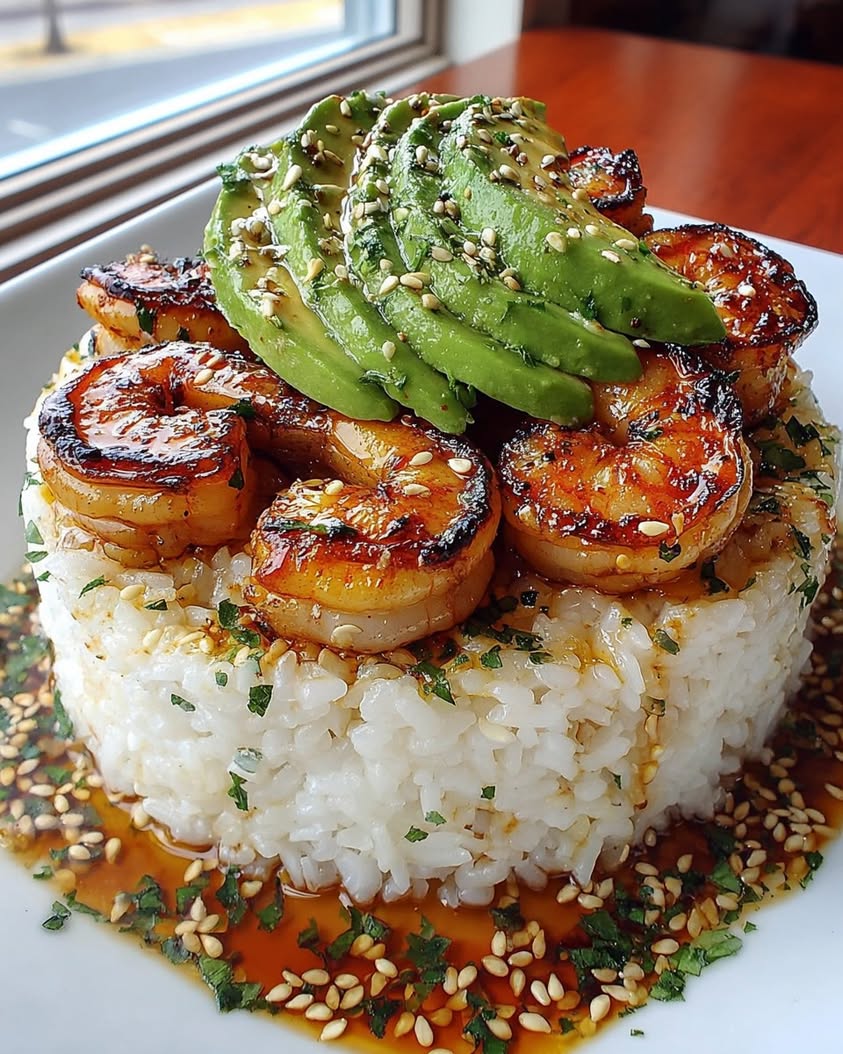
Honey Lime Shrimp and Avocado Rice Stack: A Fresh 20-Minute Meal
Imagine a meal that bursts with vibrant, fresh flavors and assembles in less time than it takes to order takeout. This Honey Lime Shrimp and Avocado Rice Stack is exactly that kind of culinary magic. It combines succulent shrimp glazed in a sweet and tangy sauce with creamy avocado and fluffy rice, all presented in a stunning, restaurant-worthy tower. Consequently, you get a dish that feels indulgent and special, yet it relies on simple, wholesome ingredients and lightning-fast cooking techniques.
The beauty of this recipe lies in its perfect harmony of textures and tastes. You experience the tender bite of quickly seared shrimp, the cool creaminess of ripe avocado, and the satisfying base of warm rice. Meanwhile, the honey lime marinade ties everything together with its bright acidity and subtle sweetness, creating a flavor profile that is both refreshing and deeply satisfying. This dish is a true testament to how a few quality ingredients can transform into something extraordinary with minimal effort.
Furthermore, this Honey Lime Shrimp and Avocado Rice Stack is incredibly versatile. It works beautifully as an elegant appetizer for a dinner party, a light yet fulfilling lunch, or a quick and healthy weeknight dinner. The visual appeal of the stacked layers makes it impressive, while the straightforward process ensures it’s completely approachable for cooks of any skill level. Ultimately, it’s a recipe you’ll return to again and again when you crave something delicious, nutritious, and fast.
Quick Recipe Highlights
- Flavor Profile: This dish delivers a brilliant balance of sweet and savory notes. The honey provides a mellow sweetness that caramelizes on the shrimp, while the fresh lime juice and zest add a necessary burst of citrusy tang. Additionally, a hint of garlic and cilantro in the background creates a savory, aromatic depth that makes every bite complex and exciting.
- Texture: You will enjoy a wonderful contrast of textures in every forkful. The shrimp offers a firm, juicy bite, while the avocado contributes a luxurious, buttery softness. The rice acts as the perfect neutral, fluffy base that soaks up the delicious honey lime glaze, ensuring a cohesive and satisfying mouthfeel from the top layer to the bottom.
- Aroma: As you cook, the kitchen will fill with an irresistible fragrance. The sizzling shrimp releases sweet, caramelized notes from the honey, immediately followed by the bright, zesty scent of fresh lime. Finally, the fresh cilantro and minced garlic add a final layer of savory aroma that promises a flavorful meal.
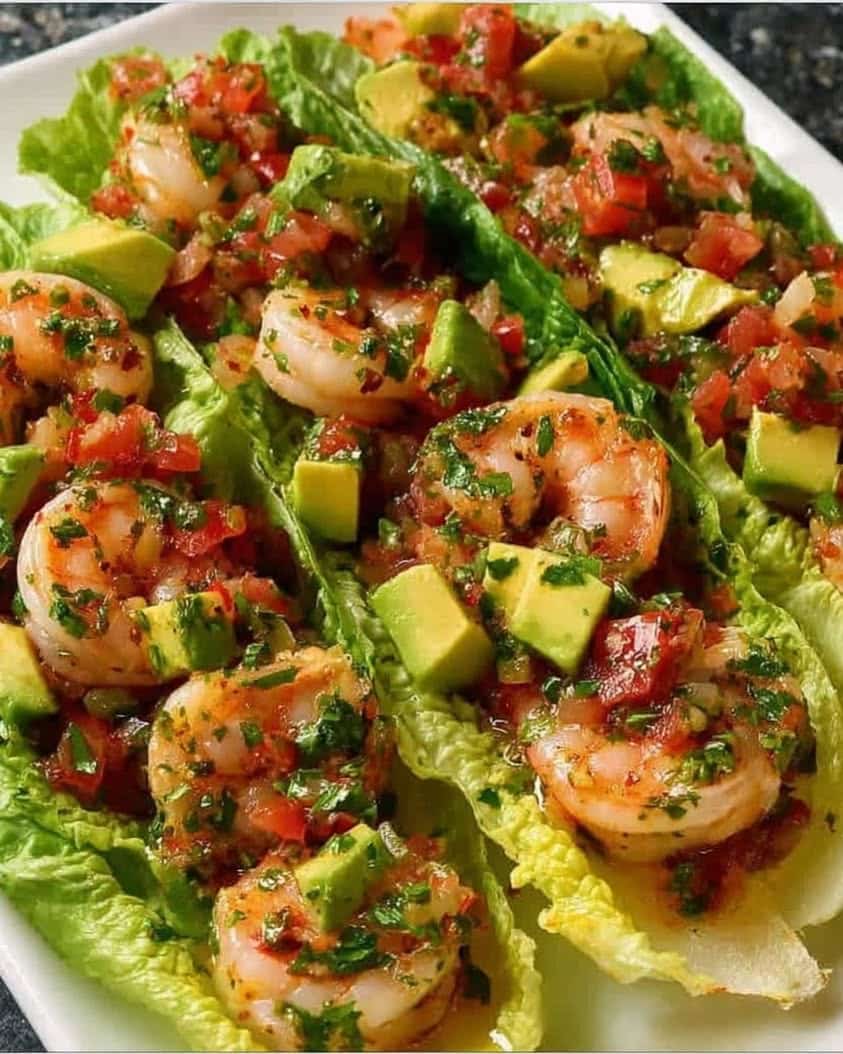
- Visual Appeal: This recipe is a feast for the eyes with its vibrant color palette. The pink, glazed shrimp sits atop the rich green avocado and bright white rice, creating a stunning vertical presentation. Garnished with extra lime wedges and cilantro, the stack looks professional and inviting, perfect for photographing or impressing guests.
- Skill Level Needed: This is a beginner-friendly recipe that requires only basic kitchen skills. You need to know how to cook rice, sauté shrimp, and use a knife safely for dicing avocado. There are no advanced techniques, making it an excellent choice for novice cooks or anyone seeking a stress-free, impressive meal.
- Special Equipment: You only need common kitchen tools. A medium skillet or frying pan for the shrimp, a small bowl for the marinade, a pot for the rice, and a circular mold like a biscuit cutter or a clean tin can with both ends removed are essential for creating the signature stack shape.
Recipe Overview
- Difficulty Level: We classify this Honey Lime Shrimp and Avocado Rice Stack as easy because it involves straightforward, sequential steps without complicated techniques. The most challenging aspect is timing the shrimp cooking perfectly to avoid rubberiness, but with clear instructions, even a first-timer can achieve excellent results. Essentially, if you can stir a marinade and operate a stove, you can master this dish.
- Category: This versatile dish fits multiple meal categories beautifully. It serves as a complete and balanced main course, providing protein, healthy fats, and complex carbohydrates. Alternatively, you can present smaller stacks as an elegant appetizer or a standout side dish for a summer barbecue or potluck gathering.
- Cuisine: While not tied to one specific tradition, this recipe draws inspiration from coastal and tropical cuisines that emphasize fresh seafood and bright citrus flavors. It echoes the simplicity of California cuisine and the vibrant, zesty profiles found in many Latin American and Asian seafood dishes, resulting in a modern fusion feel.
- Cost: This is a moderately priced meal that delivers high value. Shrimp is typically the most expensive component, but you only need a half-pound for two servings. Staples like rice, lime, honey, and garlic are very affordable. Overall, you can create this restaurant-quality dish for a fraction of the cost of dining out.
- Season: This recipe shines brightest in the spring and summer months when you crave lighter, fresher meals. However, its bright flavors also make it a wonderful antidote to heavy winter cooking. Since shrimp and avocados are available year-round, you can enjoy this Honey Lime Shrimp and Avocado Rice Stack anytime you need a quick flavor boost.
- Occasion: It’s perfect for busy weeknights, romantic date nights at home, or casual lunches with friends. The impressive presentation elevates it for special occasions, while the 20-minute timeline makes it practical for everyday life. It’s also an excellent choice for meal prep, as the components store and assemble quickly.
Why You’ll Love This Recipe
First and foremost, the taste and texture combination is utterly irresistible. Each bite delivers a party of flavors: the sweet stickiness of the honey glaze, the sharp zing of fresh lime, the savory depth of garlic, and the rich, cooling creaminess of avocado. The textures play off each other perfectly, from the satisfying sear on the shrimp to the soft give of the avocado against the fluffy rice. Consequently, your palate never gets bored, making this a meal you’ll genuinely look forward to eating.
From a practical standpoint, the convenience factor is a major win. This entire Honey Lime Shrimp and Avocado Rice Stack comes together in just 20 minutes, faster than most delivery services. The steps are simple and mostly involve assembly rather than complicated cooking. Moreover, you can easily prep components ahead of time, making last-minute assembly a breeze. This efficiency is a game-changer for busy individuals and families who want a healthy, homemade meal without spending hours in the kitchen.
Nutritionally, this dish is a powerhouse. Shrimp provides lean protein and important nutrients like selenium and iodine. Avocado contributes heart-healthy monounsaturated fats, fiber, and a wealth of vitamins. Meanwhile, brown rice offers complex carbohydrates and additional fiber for sustained energy. Together, they create a balanced meal that fuels your body deliciously. Therefore, you can feel good about serving this to yourself and your loved ones, knowing it’s as nourishing as it is tasty.
For entertaining, this recipe offers tremendous social value. The stunning stacked presentation always draws compliments and makes guests feel special. It looks like you spent far more time and effort than you actually did. Furthermore, the recipe scales up easily for a crowd, and you can prepare the elements in advance to minimize stress during your party. Serving this Honey Lime Shrimp and Avocado Rice Stack signals thoughtfulness and culinary flair, enhancing any gathering.
Finally, it’s remarkably cost-effective and accessible. You likely have many of the pantry staples like honey, lime, and garlic on hand already. Shrimp and avocado are accessible in most grocery stores year-round. Compared to ordering a similar seafood dish at a restaurant, making it at home saves a significant amount of money. Ultimately, this recipe proves that eating well doesn’t require exotic ingredients or a large budget, just a little creativity and about twenty minutes of your time.
Historical Background and Cultural Significance
The concept of stacking food for presentation has roots in many culinary traditions, from French terrines to Asian rice bowls. However, the modern “stack” presentation gained popularity in the 1990s and early 2000s in upscale Californian and fusion restaurants. Chefs sought ways to present familiar ingredients in a novel, vertical form that maximized visual drama on the plate. This Honey Lime Shrimp and Avocado Rice Stack is a direct descendant of that trend, focusing on fresh, high-quality components arranged for both beauty and optimal flavor combination in each bite.
Culturally, the dish is a fusion that reflects contemporary global pantries. The use of honey and lime as a glaze for seafood is common in many tropical and subtropical coastal regions, from the Caribbean to Southeast Asia. Avocado, once a regional specialty, has become a global superfood staple. Combining these elements with a base of rice—a universal carbohydrate—creates a meal that feels both familiar and excitingly new. It signifies a modern approach to cooking where geographic boundaries blur in favor of delicious harmony.
The recipe has evolved significantly from its restaurant origins to become a beloved home-cooked meal. Initially, such stacks might have featured more exotic ingredients or complex sauces. The home kitchen adaptation prioritizes simplicity and speed without sacrificing core appeal. The marinade has been streamlined to a quick mix of pantry staples, and the cooking method focuses on fast, high-heat searing. This evolution demonstrates how professional techniques trickle down and become accessible, empowering home cooks to create restaurant-worthy plates.
Regional variations of this concept abound, showcasing its adaptability. In the American Southwest, you might find a stack with cilantro-lime rice, black beans, and a chipotle glaze. A Hawaiian-inspired version could incorporate pineapple and a teriyaki sauce. Mediterranean takes might use oregano, lemon, and feta cheese. This particular Honey Lime Shrimp and Avocado Rice Stack sits comfortably in a broad “coastal fusion” category, celebrated for its clean flavors and quick preparation. Its versatility ensures it can morph to suit local tastes and available ingredients while maintaining its essential character.
Ingredient Deep Dive
Shrimp: Shrimp is one of the world’s most popular seafoods, cultivated and harvested for thousands of years. Nutritionally, it’s a fantastic low-calorie source of high-quality protein and provides selenium, which supports thyroid function and antioxidant defenses. For this recipe, select medium to large shrimp (31/40 or 21/25 count per pound) that are peeled and deveined for convenience. Look for firm, translucent flesh with a mild sea smell. Avoid any with black spots or a strong ammonia odor. For best results, pat them very dry before cooking to ensure a good sear. You can substitute with scallops or even firm tofu for a different protein.
Avocado: Originating in south-central Mexico, the avocado has been cultivated for over 5,000 years. It’s rich in monounsaturated fats (the “good” kind), fiber, potassium, and vitamins C, E, and K. Choose an avocado that yields slightly to gentle pressure at the stem end. If it’s rock hard, it will need days to ripen; if it’s mushy, it’s overripe. To speed ripening, place it in a paper bag with a banana. Once cut, store with the pit and a squeeze of lime juice pressed directly on the flesh to prevent browning. For a substitution in a pinch, a very ripe, mashed mango could offer a different sweet creaminess.
Rice: Rice is a staple food for more than half the world’s population, with a history of cultivation stretching back over 10,000 years. It provides energy-sustaining complex carbohydrates. Jasmine or basmati rice works wonderfully here for their fragrant, fluffy quality. For a healthier twist, use brown rice or quinoa for extra fiber and nutrients. The key to perfect rice is the ratio (usually 1:1.5 rice to water for white rice) and letting it steam off the heat, covered, after cooking. Leftover rice from takeout works perfectly, making this an excellent next-day meal.
Honey: Honey, produced by bees from flower nectar, is one of humanity’s oldest sweeteners, with evidence of its use dating back 8,000 years. It contains trace enzymes, minerals, and antioxidants. Its flavor can vary dramatically based on the flowers the bees visit. For this glaze, a mild, light honey like clover or orange blossom is ideal as it won’t overpower the lime. In a pinch, pure maple syrup or agave nectar can work, though they will impart a different flavor profile. Remember, honey should not be given to children under one year of age.
Lime: Limes are believed to have originated in Southeast Asia and were carried across the world by traders and explorers. They are an excellent source of immune-boosting vitamin C and add crucial acidity that brightens the entire dish. Always use fresh lime juice and zest; bottled juice lacks the vibrant flavor and aromatic oils. Roll the lime firmly on the counter before juicing to get the most juice. The zest (the green outer skin) contains potent essential oils, so be careful to avoid the bitter white pith beneath it.
Common Mistakes to Avoid
- Using Wet Shrimp: Failing to pat the shrimp thoroughly dry before adding them to the hot pan is a critical error. Excess moisture will steam the shrimp instead of searing them, resulting in a rubbery texture and preventing the beautiful caramelization of the honey glaze. Always use paper towels and press gently to remove all surface moisture.
- Overcooking the Shrimp: Shrimp cook incredibly fast and continue to cook from residual heat after being removed from the pan. Overcooking makes them tough and chewy. Cook just until they turn pink and opaque, which usually takes only 1-2 minutes per side. They should form a loose “C” shape, not a tight “O”.
- Choosing an Underripe Avocado: An avocado that is too hard will be difficult to slice neatly and won’t provide the desired creamy texture. It will also lack flavor. Plan ahead and purchase avocados a few days before you need them, or use the paper bag ripening trick to accelerate the process.
- Adding the Honey Too Early: If you add the honey to the marinade with the lime juice and then cook it for too long, the sugars can burn and become bitter. The technique of adding the honey in the last 30 seconds of cooking allows it to warm through, become sticky, and coat the shrimp without burning.
- Neglecting to Zest the Lime: The zest holds a tremendous amount of fragrant citrus oil. Using only the juice misses half the flavor potential. Always zest your lime before you cut and juice it. This simple step adds a powerful aromatic layer that makes the honey lime glaze truly exceptional.
- Packing the Stack Too Tightly: When assembling the stack, gently press the rice into the mold, but do not compact it into a dense brick. You want the layers to hold together loosely so they separate easily with a fork. Over-packing makes the stack difficult to eat and can crush the delicate avocado underneath.
- Skipping the Resting Time for Rice: Fluffing the cooked rice and letting it sit covered, off the heat, for 5-10 minutes is crucial. This allows the grains to steam fully and become separate and fluffy. Skipping this step can lead to gummy, clumpy rice that won’t form a nice base layer.
- Using a Dull Knife for Avocado: Slicing avocado with a dull knife mashes the flesh and ruins its clean appearance. Use a sharp chef’s knife for clean cuts. To dice, score the flesh in a grid pattern while still in the skin, then scoop it out with a spoon.
Essential Techniques
Proper Searing of Shrimp: Searing is the high-heat cooking that creates a flavorful crust on the surface of the shrimp. To master it, ensure your pan is properly preheated over medium-high heat before adding oil. The shrimp should sizzle immediately upon contact. Do not overcrowd the pan, as this lowers the temperature and causes steaming. Leave space between each piece to allow moisture to evaporate. The visual cue for success is a light golden-brown color on the cooked surfaces and the shrimp curling into a relaxed “C” shape.
Creating a Quick Pan Sauce/Glaze: This technique involves using the flavorful bits left in the pan after cooking the shrimp (the fond) and combining them with a liquid to create a cohesive sauce. After removing the shrimp, you quickly add the honey to the hot pan. It will loosen the fond and bubble. Tossing the shrimp back in for just 30 seconds coats them evenly. The key is to work quickly over medium heat to avoid burning the honey. The sauce should be glossy and just thick enough to cling to the shrimp.
Layering and Stacking: This presentation technique builds height and visual interest. The key is using a mold, like a round cookie cutter or a cleaned can. Place the mold on the serving plate. Add the rice first, pressing gently. Next, add a layer of diced avocado. Finally, top with the glazed shrimp. Gently lift the mold straight up. The goal is a stable tower that holds its shape but isn’t compressed. If it falls, your rice may be too dry or your layers too loose; adjust pressure slightly.
Zesting Citrus: Zesting is the act of removing the colorful outer skin of a citrus fruit, avoiding the bitter white pith beneath. Use a fine-holed microplane grater for the best results. Gently drag the lime across the grater in one direction, rotating the fruit. Stop when you see white. The zest contains aromatic oils that provide intense flavor without the acidity of the juice. This technique is essential for maximizing the lime flavor in your Honey Lime Shrimp and Avocado Rice Stack marinade.
Pro Tips for Perfect Honey Lime Shrimp and Avocado Rice Stack
For the most flavorful shrimp, marinate them in the lime juice, garlic, and a pinch of salt for 10-15 minutes in the refrigerator before cooking. This brief soak allows the acid and seasoning to penetrate slightly, resulting in more deeply seasoned seafood.
Use slightly warm or room temperature rice for stacking. Cold rice from the fridge can be too firm and won’t hold the shape as well, while hot rice might be too sticky. Freshly made, slightly cooled rice is the ideal texture.
Add a teaspoon of toasted sesame oil or a pinch of red pepper flakes to the honey lime marinade for an extra layer of flavor. This small addition can introduce a subtle nuttiness or a gentle heat that complements the sweet and sour notes beautifully.
If your avocado is very ripe and soft, consider mashing it lightly with a fork and seasoning it with a pinch of salt and lime juice before layering. This creates a more stable, spreadable layer that acts like a creamy mortar between the rice and shrimp.
Warm your serving plates slightly before assembling and serving. A warm plate keeps the stack at an ideal eating temperature longer, especially since the avocado and rice can be cool. You can briefly place plates in a warm oven or run them under hot water and dry them.
For an extra professional touch, garnish the finished plate with a drizzle of the remaining pan sauce or a light swirl of high-quality olive oil around the base of the stack. This adds sheen and directs the eye to your beautiful creation.
If you don’t have a ring mold, you can create a free-form stack by placing a mound of rice in the center of the plate, topping it with avocado, and artfully arranging the shrimp on top. The taste is identical, and it still looks lovely.
Always taste your avocado and shrimp separately for seasoning before assembling. The rice may need an extra pinch of salt, or the shrimp might benefit from another squeeze of lime. Final seasoning adjustments before stacking ensure every component is perfect.
Variations and Adaptations
Regional Variations: You can easily adapt this stack to reflect different regional flavors. For a Tex-Mex twist, use cilantro-lime rice, add a layer of black beans, and mix a little chipotle powder into the honey lime glaze. A Thai-inspired version could use a glaze with fish sauce, chili, and palm sugar, and top the stack with chopped peanuts and fresh mint. A Mediterranean adaptation might feature oregano and lemon in the marinade, with a layer of crumbled feta cheese and chopped kalamata olives.
Seasonal Adaptations: While the core recipe is seasonless, you can incorporate seasonal produce. In summer, add a layer of fresh, sweet corn kernels or diced heirloom tomatoes. For fall, consider using roasted sweet potato cubes instead of half the rice. In winter, a sprinkle of pomegranate arils adds festive color and a juicy burst. Spring might welcome a layer of lightly sautéed asparagus tips or fresh peas.
Dietary Modifications: This dish is naturally gluten-free. For a vegan version, substitute the shrimp with thick slices of pan-seared king oyster mushroom or crispy baked tofu, and use maple syrup instead of honey. To make it lower-carb or keto-friendly, replace the rice with a base of cauliflower rice sautéed until dry. For a paleo version, use cauliflower rice and ensure your honey is raw and unprocessed.
Flavor Variations: Experiment with the core glaze ingredients. Substitute the honey with pure maple syrup for a deeper sweetness, or use orange juice and zest instead of lime for a sweeter citrus note. Add a tablespoon of soy sauce or coconut aminos to the marinade for umami depth. A teaspoon of grated fresh ginger would introduce a warm, spicy element that pairs wonderfully with both the shrimp and lime.
Texture Modifications: If you prefer more textural contrast, consider using chilled, cooked quinoa or farro instead of rice for a chewier base. You could also add a crunchy element like a small handful of tortilla strip crumbles between the avocado and shrimp layers, or a sprinkle of toasted sesame seeds or chopped macadamia nuts on top.
Presentation Alternatives: Instead of a single tall stack, create two smaller stacks for an appetizer portion. You can also deconstruct the dish into a vibrant bowl: fill a bowl with rice, top with sliced avocado and shrimp, and drizzle the glaze over everything. For a handheld option, serve the components in warm corn or flour tortillas as gourmet tacos.
Serving and Presentation Guide
Plating Techniques: The classic presentation uses a circular mold to create a neat, vertical stack in the center of a wide, shallow bowl or plate. This focuses attention and looks elegant. For a more rustic, family-style approach, you can present the components separately in attractive bowls and let everyone build their own stack or bowl at the table. Alternatively, use a rectangular plate and create a linear composition with a line of rice, a row of avocado, and shrimp arranged neatly on top.
Garnishing Ideas: Garnishes should be edible and enhance flavor. A final sprinkle of finely chopped fresh cilantro or thinly sliced green onion adds color and freshness. A lime wedge on the side is both functional and decorative. For extra color, add a few microgreens or edible flowers. A very light dusting of smoked paprika or chili powder over the shrimp adds a visual pop and a hint of flavor.
Traditional Accompaniments: While the stack is a complete meal, a simple side salad complements it perfectly. A light mix of greens with a citrus vinaigrette echoes the lime flavors without overwhelming the main dish. In a more casual setting, a bowl of tortilla chips and salsa or a black bean soup would make excellent starters that lead into the main event.
Modern Serving Suggestions: For a trendy brunch, serve a smaller version of the stack topped with a poached egg, letting the yolk become a rich sauce. As part of a shared plates dinner, pair it with other small dishes like ceviche, grilled street corn, and plantain chips. You can also serve it deconstructed in a mason jar for a stylish, portable lunch.
Temperature Considerations: Aim to serve the stack immediately after assembly. The shrimp and rice should be warm, and the avocado should be cool but not ice-cold. If the avocado is too cold, it can make the entire dish feel chilly. Let it sit out for 5-10 minutes after dicing to take the fridge chill off before assembling.
Portion Control Tips: The recipe as written makes two generous servings. To adjust for appetizer portions, use a smaller mold (about 2 inches in diameter) and make four stacks. For a lighter meal, you can reduce the rice portion by a quarter and increase the volume of diced avocado. The ring mold itself is a great tool for controlling portion size consistently.
Wine and Beverage Pairing
Wine Pairings: The sweet, tangy, and savory notes of this dish pair beautifully with wines that have good acidity and a touch of sweetness. A crisp, dry Riesling or a Sauvignon Blanc from New Zealand are classic choices, as their citrus and mineral notes mirror the lime. For a rosé, opt for a dry Provençal style. If you prefer red, a light, chilled Pinot Noir with low tannins can work surprisingly well without overpowering the shrimp.
Non-Alcoholic Alternatives: Sparkling water with a squeeze of lime and a few muddled mint leaves is a refreshing and complementary choice. For something sweeter, a ginger beer or a homemade honey-lemon iced tea echoes the glaze flavors. A cucumber-mint infused water would provide a clean, cooling contrast to the dish’s richness.
Coffee/Tea Pairings: While not a typical pairing for this meal, if serving for brunch or lunch, a light roast coffee with citrusy notes could be interesting. For tea, a green tea like Sencha or a herbal citrus tisane would be lovely after the meal, cleansing the palate with their clean, astringent finish.
Temperature Considerations: White and rosé wines should be served well-chilled, between 45-50°F (7-10°C). Non-alcoholic sparkling drinks are also best served cold. Iced teas or infused waters can be kept in a pitcher with ice. The goal is to have beverages that refresh the palate between bites of the flavorful, slightly rich stack.
Serving Suggestions: Always offer water alongside any other beverage. For a dinner party, consider setting out both a white wine and a non-alcoholic sparkling option so guests have a choice. Present wines in appropriate stemware to enhance the tasting experience, and keep bottles chilled in an ice bucket if the meal will extend over time.
Storage and Shelf Life
Storage Methods: It is best to store the components separately for optimal quality. Place cooled cooked shrimp in a shallow airtight container in the refrigerator. Store diced avocado with a squeeze of lime juice pressed directly on the surface and covered tightly with plastic wrap. Keep rice in a separate sealed container. The assembled stack does not store well, as the avocado will brown and the textures will degrade.
Temperature Requirements: All components must be refrigerated at 40°F (4°C) or below. Do not leave the cooked shrimp or assembled dish at room temperature for more than two hours. The avocado is particularly perishable and should be kept cold until the moment of assembly.
Container Recommendations: Use glass or BPA-free plastic containers with tight-fitting lids. For the avocado, a small container where the plastic wrap can sit directly on the surface is ideal to limit air exposure. Shallow containers allow for faster, more even cooling of the shrimp.
Signs of Spoilage: Discard the shrimp if it develops a strong, sour, or ammonia-like odor, or if it becomes slimy. Browned avocado is typically safe to eat but may have off-flavors; discard if it smells sour or fermented. Rice should be discarded if it smells sour or shows any signs of mold. When in doubt, throw it out.
Reheating Instructions: Only reheat the shrimp and rice. Gently reheat shrimp in a skillet over low heat just until warmed through to avoid overcooking. Reheat rice with a splash of water in the microwave, covered, to restore moisture. Do not reheat the avocado; add it fresh when assembling.
Freezing Guidelines: Freezing is not recommended for this dish. The cooked shrimp can become rubbery upon thawing, and the avocado will turn to mush. The rice can be frozen, but its texture will change, becoming drier and grainier. For best results, enjoy this as a fresh-made meal.
Make Ahead Strategies
Prep Timeline: You can prep almost everything 1 day in advance. Cook the rice and let it cool completely before refrigerating. Prepare the honey lime marinade (minus the honey if you prefer) and store it in a jar. Peel and devein the shrimp, pat them dry, and store them on a paper towel-lined plate covered in the fridge. Dice the avocado the day of serving for the best color and texture.
Storage Between Steps: Keep all prepped ingredients in their separate containers in the refrigerator. Bring the rice to room temperature or warm it slightly before assembling, as cold rice is too hard to shape. Take the shrimp out of the fridge 10-15 minutes before cooking to take the chill off, which promotes even cooking.
Quality Impact Assessment: Prepping the rice and marinade ahead has no negative impact and may even allow flavors to meld. Pre-prepping the shrimp is fine, but ensure they are very dry before storing. The avocado is the only component that must be prepped just before assembly to prevent oxidation and texture loss.
Assembly Tips: When ready to serve, cook the shrimp—this takes just minutes. While the shrimp rest, assemble your stacks: warm rice first, then fresh avocado, then top with the hot shrimp. This workflow ensures every component is at its ideal temperature and texture when the dish hits the table.
Reheating Guidelines: If you pre-cook the shrimp (not recommended, but possible), reheat them very gently in the pan with a tiny bit of water or stock to create steam, just until warm. Avoid the microwave, which will overcook them instantly. Reheat the rice as described in the storage section.
Fresh Element Additions: The fresh lime zest and cilantro garnish should always be added at the very end, just before serving. Their volatile oils and bright green color fade quickly, so adding them fresh maximizes their contribution to the dish’s aroma and appearance.
Scaling Instructions
Halving the Recipe: Halving this Honey Lime Shrimp and Avocado Rice Stack is straightforward for a single serving. Simply divide all ingredient quantities by two. Use a smaller skillet for the shrimp to maintain proper pan heat. The assembly process remains identical, though you may only get one tall stack or two smaller ones. Cooking times for the shrimp will be slightly shorter since there are fewer in the pan, so watch them closely.
Doubling or Tripling: For a crowd, doubling or tripling works well. The key is to cook the shrimp in multiple batches to avoid overcrowding the pan, which leads to steaming. Keep cooked batches warm on a plate tented with foil. You may need to make the honey lime glaze in a separate batch or wipe the pan and make a fresh glaze for each batch to prevent burning. Prepare a large bowl of rice and have your avocado diced and ready in a big bowl tossed with lime juice.
Equipment Adjustments: When scaling up, you’ll need a larger pot for more rice. Consider using two skillets simultaneously to cook shrimp faster. Have multiple ring molds or clean cans ready for efficient assembly. For a large party, a buffet-style setup where guests build their own stacks or bowls can be more practical than plating dozens of individual towers.
Timing Modifications: While prep time increases linearly with scale, active cooking time does not. Cooking shrimp in batches adds time. Factor this in so your first batch isn’t cold by the time the last one is done. You can hold cooked shrimp in a 200°F (95°C) oven for a short time. Assemble stacks just before serving to maintain texture.
Storage Considerations: Scaling up often means leftovers. Remember to store components separately as advised. Cooked shrimp from a doubled batch will keep for 2 days in the fridge. Consider if you want to cook all the shrimp at once or cook fresh batches for subsequent meals, as freshly cooked shrimp always has the best texture.
Nutritional Deep Dive
Macro Breakdown: One serving of this Honey Lime Shrimp and Avocado Rice Stack provides a balanced macronutrient profile. The shrimp offers approximately 20-25 grams of high-quality, lean protein essential for muscle repair and satiety. The avocado contributes 15-20 grams of primarily monounsaturated fat, which supports heart health and nutrient absorption. The rice provides around 45-50 grams of complex carbohydrates, fueling your body with sustained energy. This balance helps keep you full and satisfied for hours.
Micronutrient Analysis: This dish is rich in essential vitamins and minerals. Shrimp is an excellent source of selenium, iodine, and vitamin B12. Avocado delivers a significant amount of potassium (more than a banana), vitamin K, folate, and vitamins C and E. Lime juice is packed with vitamin C. Together, they support immune function, bone health, energy metabolism, and provide antioxidant protection against cellular damage.
Health Benefits: The combination of lean protein, healthy fats, and fiber promotes cardiovascular health by helping to manage cholesterol levels. The antioxidants (like selenium and vitamins C & E) combat inflammation. The meal is also naturally low in saturated fat and sodium (depending on seasoning), making it a heart-smart choice. The fiber from the avocado and brown rice (if used) supports digestive health and stable blood sugar levels.
Dietary Considerations: This recipe is naturally gluten-free and dairy-free. It can fit into Mediterranean, DASH, and other heart-healthy dietary patterns. For those monitoring carbohydrates, using cauliflower rice significantly reduces the carb Print
Honey Lime Shrimp & Avocado Rice Stack
- Total Time: 45 minutes
- Yield: 4
Description
A vibrant and refreshing layered dish featuring succulent shrimp marinated in honey and lime, stacked with creamy avocado and fluffy rice for a light yet satisfying meal.
Ingredients
- 1 lb large shrimp, peeled and deveined
- 2 tbsp honey
- Juice and zest of 2 limes
- 2 cloves garlic, minced
- 1 tsp chili powder
- Salt and pepper to taste
- 2 cups cooked white rice, cooled
- 2 ripe avocados, diced
- 1/4 cup chopped fresh cilantro
- 1 tbsp olive oil
- Lime wedges for serving
Instructions
- In a bowl, whisk together honey, lime juice, lime zest, garlic, chili powder, salt, and pepper. Add shrimp and toss to coat. Marinate for 10 minutes.
- Heat olive oil in a skillet over medium-high heat. Add shrimp and cook for 2-3 minutes per side until pink and cooked through. Remove from heat.
- In a separate bowl, gently mix cooked rice with diced avocado and chopped cilantro. Season with salt to taste.
- To assemble stacks, use a ring mold or small bowl. Layer rice mixture at the bottom, then top with cooked shrimp. Press gently and remove mold. Garnish with extra cilantro and lime wedges.
Notes
You can customize the seasonings to taste.
- Prep Time: 15 minutes
- Cook Time: 30 minutes
- Method: Main
- Cuisine: American