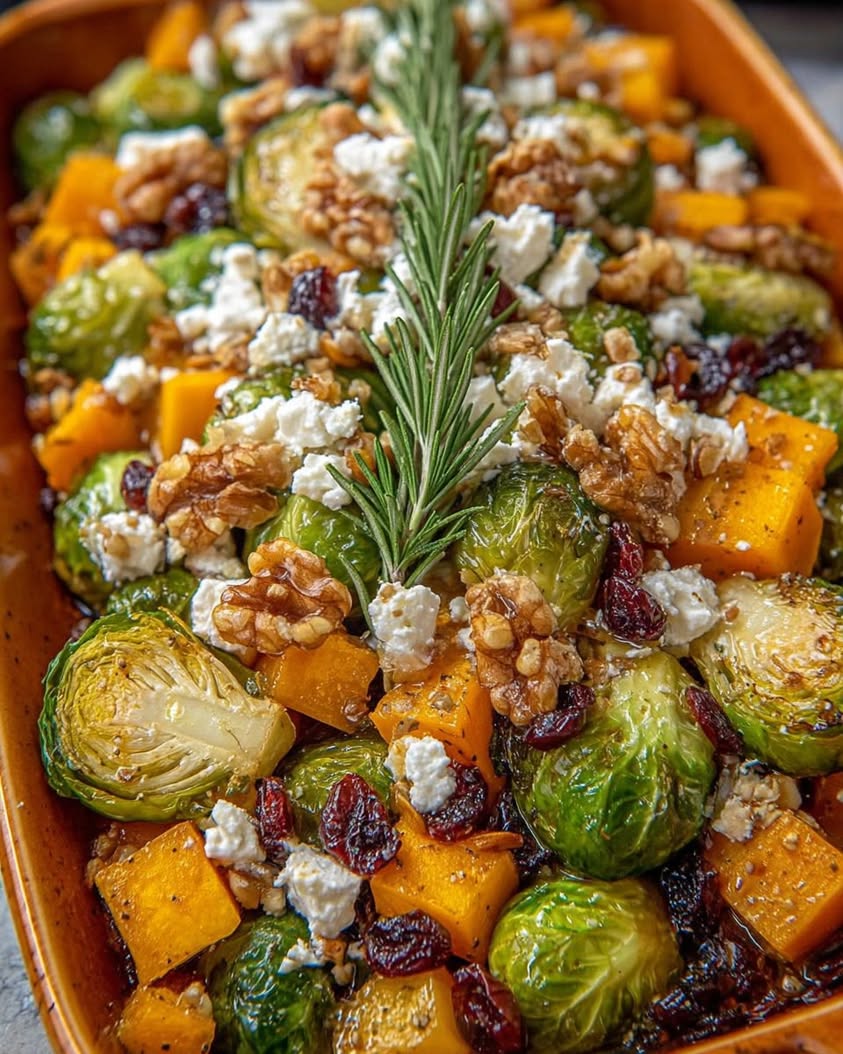
Honey-Glazed Brussels Sprouts and Squash with Walnuts and Feta: The Ultimate Fall Side Dish
Welcome to your new favorite side dish. This recipe for Honey-Glazed Brussels Sprouts and Squash with Walnuts and Feta is a celebration of autumn on a single sheet pan. Consequently, it transforms humble vegetables into a stunning, flavor-packed masterpiece. The natural sweetness of butternut squash and the earthy depth of Brussels sprouts roast to caramelized perfection. Meanwhile, a simple honey glaze amplifies their inherent sugars, creating sticky, golden edges that are utterly irresistible.
This dish masterfully balances a symphony of textures and tastes. You get the tender, almost creamy bite of the squash contrasted with the slightly crisp leaves of the sprouts. Then, toasted walnuts add a crucial crunch, and a generous crumble of salty, tangy feta cheese brings everything into sharp, delicious focus. Ultimately, it’s a side dish that confidently stands up to a holiday roast but is simple enough for a cozy weeknight dinner. Without a doubt, it will make even the most skeptical vegetable eater a believer.
Quick Recipe Highlights
- Flavor Profile: This dish offers a perfect sweet and savory balance. The honey glaze caramelizes the vegetables, creating a rich, deep sweetness that is expertly cut by the salty, briny feta. Additionally, subtle savory notes from olive oil and roasting round out every bite.
- Texture: You experience a wonderful contrast in every mouthful. Expect tender-crisp Brussels sprouts, soft and creamy butternut squash cubes, and the satisfying crunch of toasted walnuts. The feta crumble adds a delightful creamy yet crumbly element that ties it all together.
- Aroma: As it roasts, your kitchen will fill with the warm, nutty scent of caramelizing vegetables and toasting walnuts. The honey adds a gentle floral sweetness to the air, while the final sprinkle of feta introduces a tangy, salty note just before serving.
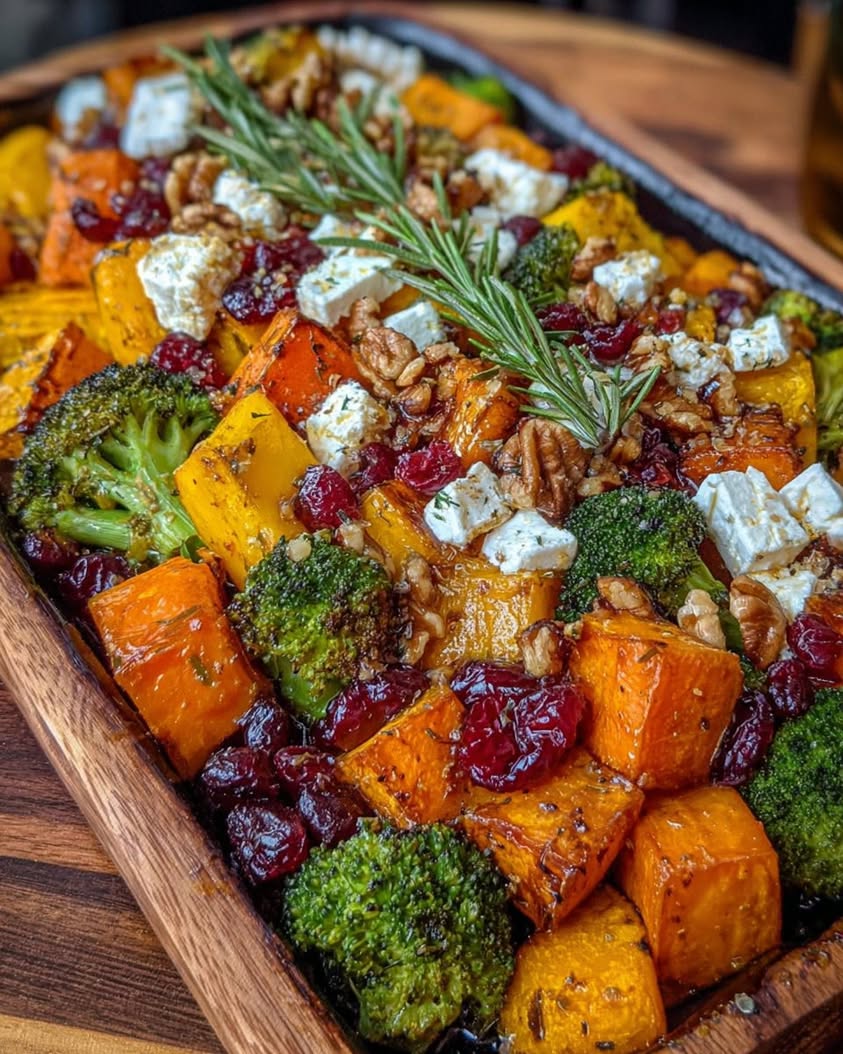
- Visual Appeal: This dish is a feast for the eyes with its vibrant color palette. You see deep green Brussels sprouts, bright orange squash, golden-brown toasted walnuts, and snowy white feta crumbles. It looks rustic, abundant, and incredibly inviting on any table.
- Skill Level Needed: This is a beginner-friendly recipe requiring only basic kitchen skills. You need to know how to chop vegetables evenly and operate an oven. The process is straightforward: chop, toss, roast, and assemble. No advanced techniques are necessary for success.
- Special Equipment: A large, rimmed baking sheet is essential for proper roasting. Parchment paper is highly recommended for easy cleanup and to prevent sticking. Otherwise, you only need a good chef’s knife, a cutting board, and a couple of mixing bowls.
Recipe Overview
- Difficulty Level: We rate this recipe as easy because it involves fundamental techniques like chopping and roasting. The steps are sequential and simple to follow. Furthermore, the margin for error is wide, as slight variations in roasting time still yield delicious results. It’s an excellent recipe for building kitchen confidence.
- Category: This dish fits perfectly into the side dish or vegetable side category. It can also serve as a hearty vegetarian main course when paired with a grain like quinoa or farro. For holiday meals, family dinners, or potlucks, it’s always a welcome addition.
- Cuisine: While not tied to one specific tradition, it draws inspiration from modern American and Mediterranean cuisines. The use of honey, walnuts, and feta cheese nods to Mediterranean flavor profiles. The roasting technique is a universal, health-conscious cooking method popular worldwide.
- Cost: This is a cost-effective recipe, especially in the fall and winter when Brussels sprouts and squash are in season. Walnuts and feta are the priciest components, but they are used as impactful garnishes. Overall, it delivers restaurant-quality taste for a fraction of the price.
- Season: This recipe is ideal for autumn and winter. These are the peak seasons for both Brussels sprouts and butternut squash, meaning you get the best flavor and value. The warm, roasted flavors are also perfectly suited to cooler weather comfort food.
- Occasion: It’s incredibly versatile for any occasion. Serve it at Thanksgiving or Christmas dinner for a show-stopping side. Alternatively, it’s perfect for a weeknight family meal, a dinner party with friends, or a meal-prep lunch option.
Why You’ll Love This Recipe
First and foremost, the taste and texture combination is absolutely unbeatable. Each forkful delivers a complex experience. You get the caramelized sweetness from the honey-glazed vegetables, immediately balanced by the sharp, salty punch of feta. The walnuts provide a necessary textural contrast that keeps every bite interesting. Consequently, this dish satisfies multiple cravings at once, making it universally appealing. It’s the kind of side that people will ask for seconds of, and you’ll happily oblige because it’s just that good.
From a convenience standpoint, this recipe is a true weeknight hero. It primarily uses a single sheet pan, which means minimal cleanup. The active prep time is short, involving mostly chopping and tossing. Once the tray is in the oven, you have thirty minutes to prepare the rest of your meal or simply relax. Therefore, it’s a stress-free path to an impressive and healthy dinner. Even better, the ingredients are easy to find at any standard grocery store year-round.
Nutritionally, this Honey-Glazed Brussels Sprouts and Squash with Walnuts and Feta is a powerhouse. Brussels sprouts are loaded with vitamins C and K, fiber, and antioxidants. Butternut squash provides a huge dose of vitamin A, crucial for eye health. Walnuts add healthy omega-3 fatty acids and protein. Even the honey offers natural antioxidants. Together, they create a side dish that supports your immune system, aids digestion, and promotes heart health. You can feel great about serving it to your family.
For entertaining, this dish is a guaranteed crowd-pleaser. Its vibrant colors make it visually stunning on a buffet or dinner table. It accommodates various dietary needs with simple modifications, which we’ll cover later. Moreover, it pairs beautifully with almost any protein, from roast turkey and chicken to pork tenderloin and salmon. It elevates a simple meal to something special without requiring hours of complicated work. Your guests will be impressed, and you’ll be calm knowing you have a reliable recipe in your arsenal.
Finally, it’s incredibly cost-effective. You’re turning affordable, seasonal vegetables into a dish that tastes luxurious. A small amount of honey, walnuts, and feta goes a long way in terms of flavor impact. Compared to pre-made sides or dining out, making this at home saves significant money. You also control the quality of ingredients, opting for organic produce or local honey if you choose. It’s a delicious testament to how simple, whole foods can create extraordinary meals.
Historical Background and Cultural Significance
The individual components of this dish have rich and varied histories. Brussels sprouts, believe it or not, have been cultivated in Belgium for hundreds of years, with their name derived from the country’s capital. They gained popularity across Europe before becoming a staple, albeit sometimes a dreaded one, in American diets. Modern cooking techniques, like high-heat roasting, have revolutionized their reputation, transforming them from mushy, boiled vegetables into the caramelized gems we love today.
Butternut squash is a New World vegetable, cultivated by Indigenous peoples long before European colonization. It was a vital food source due to its hardiness and nutritional value. The practice of sweetening squash with maple syrup or honey has roots in early American cooking, where natural sweeteners were used to enhance the vegetable’s mild flavor. Combining it with Old World ingredients like walnuts and feta is a beautiful example of modern fusion cuisine.
The concept of glazing roasted vegetables with honey is a technique that spans cultures. In many Middle Eastern and Mediterranean cuisines, glazing vegetables with pomegranate molasses or honey is common. The addition of cheese and nuts as a finishing garnish is also a hallmark of these regions. This recipe, therefore, doesn’t belong to one culture but respectfully borrows and combines effective flavor strategies from several. It represents a contemporary, global approach to home cooking.
Ultimately, the evolution of this recipe mirrors a broader trend in home cooking: the elevation of the vegetable side dish. No longer an afterthought, sides like this Honey-Glazed Brussels Sprouts and Squash with Walnuts and Feta are often the star of the meal. This shift celebrates plant-based ingredients, emphasizes texture and balance, and prioritizes big, bold flavors. It’s a dish that feels both timeless in its use of whole foods and completely modern in its execution.
Ingredient Deep Dive
Let’s start with Brussels sprouts. These miniature cabbages are packed with vitamins C and K, fiber, and antioxidants like kaempferol, which may reduce inflammation. When selecting them, look for firm, bright green heads with tightly packed leaves; avoid any that are yellowing or feel soft. Store them unwashed in an open bag in your refrigerator’s crisper drawer. For a substitution, broccoli or cauliflower florets can work, though the cooking time may vary slightly.
Butternut squash is the sweet, orange backbone of this dish. It’s an excellent source of beta-carotene, which your body converts to vitamin A, vital for vision and immune function. Choose a squash that feels heavy for its size with a firm, matte skin and no soft spots. You can store whole squash in a cool, dark place for months. Pre-cut cubes from the grocery store are a fantastic time-saver. As an alternative, sweet potato or acorn squash would roast beautifully here.
The honey glaze is more than just a sweetener. Raw, local honey contains trace enzymes, antioxidants, and pollen. When heated, it caramelizes, creating complex flavors and that beautiful sticky glaze. For the best flavor, use a mild, runny honey like clover or wildflower. In a pinch, pure maple syrup makes a wonderful vegan substitute. Agave nectar can also work, though it has a milder caramelization effect.
Walnuts bring essential crunch and nutrition. They are one of the best plant-based sources of omega-3 fatty acids, which support brain and heart health. Always taste a walnut before using; they can turn rancid due to their high oil content. Store them in an airtight container in the freezer for longevity. For a different nutty flavor and crunch, pecans or pepitas (pumpkin seeds) are excellent alternatives, especially for those with tree nut allergies.
Finally, the feta cheese provides the crucial salty, tangy counterpoint. Traditional Greek feta is made from sheep’s milk or a sheep/goat blend, giving it a distinctive sharpness. It’s a good source of calcium and protein. Look for feta stored in brine for the best flavor and texture. For a dairy-free version, a firm, salty tofu crumble or a sprinkle of nutritional yeast can mimic the salty, umami role, though the flavor profile will differ.
Common Mistakes to Avoid
- Crowding the Pan: This is the most common error. If the vegetables are piled on top of each other, they will steam instead of roast. You need space for hot air to circulate. Always use a large enough baking sheet and spread the veggies in a single layer, even if it means using two trays.
- Uneven Chopping: Cutting your Brussels sprouts and squash into wildly different sizes guarantees uneven cooking. The smaller pieces will burn before the larger ones are tender. Aim for uniformity: halve or quarter sprouts so they are similar in size, and cut squash into consistent ¾-inch cubes.
- Skipping the Toast on Nuts: Adding raw walnuts straight from the bag misses an opportunity for deep, nutty flavor. Toasting nuts in a dry pan or in the oven for a few minutes wakes up their oils and intensifies their taste and crunch. It’s a simple step with a big payoff.
- Adding Feta Before Baking: If you mix the feta in before roasting, it will melt into a greasy, unappealing mess. Feta is a finishing ingredient. Always crumble it over the hot vegetables just before serving so it retains its shape and tangy bite.
- Neglecting to Season in Layers: Don’t just rely on the honey for flavor. Season the vegetables with salt and pepper before roasting. This draws out moisture and builds a foundational savory layer that the sweet glaze can then play against.
- Using a Weak Honey: A highly processed, flavorless honey won’t contribute much. Opt for a raw or locally sourced honey with character. The floral or herbal notes will come through in the final dish, adding complexity beyond mere sweetness.
- Not Preheating the Oven: Putting your tray into a cold oven leads to soggy, steamed vegetables. A properly preheated oven (at least 400°F) is essential for that immediate sear and caramelization that creates flavorful, crispy edges.
- Forgetting to Toss Midway: Set a timer to toss the vegetables halfway through roasting. This ensures all sides get exposure to the hot pan and oven heat, promoting even browning and preventing any pieces from burning on one side.
Essential Techniques
High-Heat Roasting: This technique is the engine of the recipe. Roasting at 400°F or above causes the natural sugars in the vegetables to caramelize, creating deep, complex flavors and appealing browned edges. The high heat also quickly evaporates surface moisture, leading to a tender interior with a slightly crisp exterior. The key is to not overcrowd the pan, as mentioned. A visual cue for success is seeing golden-brown, blistered spots on the vegetables and smelling a rich, nutty aroma.
Creating an Emulsified Glaze: Whisking the honey with olive oil, salt, and pepper before tossing is crucial. This creates a loose emulsion that coats the vegetable pieces evenly. If you just drizzle honey on top, it can pool and burn in spots. The oil helps the honey distribute thinly and promotes all-over gloss and caramelization. Master this by whisking vigorously in a bowl until the mixture looks smooth and homogenous before adding your veggies.
Toasting Nuts: Toasting nuts is a dry-heat technique that transforms their flavor and texture. You can do this in a dry skillet over medium-low heat, shaking frequently, or on a separate small baking sheet in the oven for 5-7 minutes. Watch them closely, as they go from perfectly toasted to burnt very quickly. The nuts are done when they become fragrant and take on a slightly darker color. Always let them cool before chopping to retain their crispness.
Pro Tips for Perfect Honey-Glazed Brussels Sprouts and Squash
1. Dry Your Veggies: After washing your Brussels sprouts, pat them thoroughly dry with a kitchen towel. Excess water will create steam on the pan, hindering the roasting process and preventing that desirable caramelization.
2. Cut for Flat Surfaces: When halving Brussels sprouts, always cut through the stem. This creates a flat surface that makes direct contact with the hot pan, leading to a beautiful sear and preventing them from rolling around.
3. Warm Your Honey: If your honey is thick or crystallized, gently warm the jar in a bowl of hot water for a few minutes. This will make it much easier to whisk with the oil and ensure a smooth, even coating.
4. Use Parchment Paper: Lining your baking sheet with parchment paper isn’t just for easy cleanup. It provides a slight buffer between the pan and the food, reducing the risk of scorching the honey glaze on direct metal.
5. Finish with Freshness: For a bright pop, consider adding a final garnish of fresh herbs after plating. A sprinkle of chopped parsley, thyme, or even a little mint can cut through the richness and add a new flavor dimension.
6. Taste and Adjust at the End: Once the dish is assembled, taste it. You might find it needs another small pinch of flaky sea salt or a crack of black pepper to make all the flavors sing in harmony.
Variations and Adaptations
For regional twists, consider a Mediterranean version by adding chopped Kalamata olives and a sprinkle of dried oregano to the roasting pan. A North African-inspired variation could include a dusting of ras el hanout or cumin with the vegetables and a garnish of pomegranate arils instead of walnuts. An Asian-fusion take might swap the honey for a mix of maple syrup and a dash of soy sauce, using toasted sesame seeds in place of walnuts.
Seasonal adaptations are easy. In spring, try this with asparagus and radishes. Summer welcomes zucchini and bell peppers. The core technique remains the same. For dietary modifications, to make it vegan, use maple syrup and omit the feta or use a vegan feta alternative. For a nut-free version, substitute toasted sunflower seeds or pepitas. A lower-carb option would focus on increasing the Brussels sprouts and slightly reducing the amount of squash.
Flavor variations are endless. Add minced garlic or shallots to the oil and honey mixture. Incorporate a tablespoon of whole grain mustard or balsamic vinegar into the glaze for tang. Sprinkle with crispy fried onions or bacon bits for added savory depth. For an herby version, toss the roasted veggies with fresh chopped rosemary, sage, or tarragon before adding the cheese and nuts.
Serving and Presentation Guide
Plating is key for visual impact. Transfer the roasted Honey-Glazed Brussels Sprouts and Squash to a large, shallow serving bowl or platter. This creates a beautiful, abundant mound. Scatter the toasted walnuts and crumbled feta generously over the top, allowing them to cascade down the sides. For a more elegant presentation, you can arrange the vegetables neatly in rows or a circular pattern, but the rustic, piled-high look is often most appealing.
Consider your garnishes. Beyond the walnuts and feta, a final drizzle of high-quality extra virgin olive oil or a balsamic reduction adds shine and acidity. Fresh herbs like parsley, thyme, or chives provide a color contrast. For a special occasion, edible flowers or microgreens make it truly restaurant-worthy. Serve it warm, as the feta will soften slightly but not melt completely. If preparing for a buffet, keep the nuts and cheese separate in small bowls for guests to add themselves, ensuring the nuts stay crunchy.
Wine and Beverage Pairing
The sweet and savory profile of this dish pairs wonderfully with wines that have good acidity. A crisp, unoaked Chardonnay or a French Chablis complements the richness without overpowering the vegetables. A dry Riesling is another fantastic choice, as its acidity cuts through the glaze and its subtle stone fruit notes harmonize with the squash. For red wine lovers, a light-bodied Pinot Noir with low tannins works beautifully, especially if you’re serving it alongside a roasted meat.
For non-alcoholic pairings, sparkling water with a twist of lemon or lime cleanses the palate between bites. An apple cider, either warm or chilled, echoes the autumn flavors. A tart cranberry spritzer made with cranberry juice and soda water provides a refreshing counterpoint to the dish’s sweetness. Iced herbal tea, like mint or chamomile, is also a lovely, calming accompaniment.
Storage and Shelf Life
Store leftovers in an airtight container in the refrigerator for up to 4 days. It’s best to store the components separately if possible: keep the roasted vegetables, walnuts, and feta in their own containers. This preserves the walnuts’ crunch and prevents the feta from dissolving. The vegetables will soften upon storage but remain flavorful.
Reheating is best done in the oven or toaster oven at 350°F until warmed through. This helps re-crisp the edges. The microwave is a quicker option but will make the vegetables soggier. If you stored everything mixed, the walnuts will soften and the feta will melt in upon reheating, which is still tasty but texturally different. This dish does not freeze well, as the thawed vegetables become mushy and the walnuts lose all texture.
Make Ahead Strategies
You can significantly speed up dinner time by prepping components ahead. Chop the Brussels sprouts and butternut squash 1-2 days in advance. Store them separately in airtight containers or resealable bags in the fridge. Whisk together the honey-oil glaze and keep it in a jar at room temperature. Toast the walnuts up to a week ahead and store them at room temperature in an airtight container.
On the day of serving, simply toss the pre-chopped veggies with the glaze, spread on your pan, and roast. The active time drops to just minutes. You can even fully roast the vegetables a few hours ahead, let them cool, and then gently reheat them in a 350°F oven for 10-15 minutes before adding the cold toppings. This strategy is perfect for stress-free holiday cooking or dinner parties.
Scaling Instructions
This recipe scales beautifully. To halve it, simply use half of all ingredients and consider using a smaller baking sheet. The cook time may be slightly shorter, so start checking for doneness around the 20-minute mark. To double or triple for a crowd, use multiple baking sheets and rotate their positions in the oven halfway through cooking to ensure even roasting. You may need to add a few extra minutes to the total cook time due to the increased volume of food in the oven.
The key is to maintain the single-layer rule. Never pile extra vegetables onto a single pan; always use an additional tray. Your oven’s capacity is the main limiting factor. If making a very large batch for a potluck, you can roast in successive batches and keep the finished ones warm in a low oven (200°F) until all are ready to combine.
Nutritional Deep Dive
This dish is a nutrient-dense choice. A serving provides a substantial amount of fiber from both the Brussels sprouts and squash, promoting digestive health and satiety. The vitamins A and C are powerful antioxidants that support immune function and skin health. The healthy fats from the olive oil and walnuts are heart-healthy and aid in the absorption of the fat-soluble vitamins present in the vegetables.
While the honey adds sugars, they are natural and unrefined, and the fiber in the dish helps moderate blood sugar response. The feta contributes protein and calcium. For those monitoring calories or macros, this is a vegetable-forward dish that is relatively low in carbohydrates per serving compared to starch-based sides, making it a favorable option for balanced eating plans.
Dietary Adaptations
Gluten-Free: This recipe is naturally gluten-free. Just ensure all packaged ingredients, like pre-chopped squash or pre-crumbled feta, are certified gluten-free if you have celiac disease or a severe sensitivity.
Dairy-Free/Vegan: Omit the feta cheese. For a similar salty, tangy element, try a drizzle of tahini mixed with lemon juice, or a sprinkle of dairy-free “feta” made from tofu or almonds. Use maple syrup instead of honey to keep it fully plant-based.
Low-Carb/Keto: Increase the ratio of Brussels sprouts to butternut squash, as squash is higher in carbs. Consider substituting half the squash with low-carb vegetables like radishes or turnips. Use a sugar-free maple-flavored syrup instead of honey.
Paleo: Omit the feta cheese and ensure your honey is raw and unprocessed. All other ingredients are Paleo-friendly.
Low-FODMAP: This one is tricky, as both Brussels sprouts and butternut squash can be high in FODMAPs in larger servings. A strict Low-FODMAP serving would be very small. Consider making a version with carrots and green beans instead, using maple syrup and omitting the walnuts if sensitive.
Troubleshooting Guide
Vegetables Are Soggy: This is almost always due to overcrowding the pan or under-heating the oven. Next time, ensure your vegetables are in a single layer with space between them and that your oven is fully preheated. Patting the sprouts dry before roasting also helps immensely.
Glaze Burned: If the honey is burning before the veggies are tender, your oven rack might be too high, or your honey may have a low burn point. Try roasting at 375°F instead of 400°F, and position your rack in the center of the oven. Using parchment paper can also create a buffer.
Uneven Cooking: Inconsistent vegetable size is the culprit. Take care to cut everything uniformly. Also, remember to toss the vegetables thoroughly at the halfway point to expose all sides to the heat. If some pieces are done early, you can remove them and let the rest continue cooking.
Dish Tastes Bland: You likely under-seasoned. Remember to salt the vegetables before roasting. The salt draws out moisture and builds flavor from within. Don’t be shy with the black pepper either. Finally, taste and adjust seasoning with a pinch of flaky salt right before serving.
Recipe Success Stories
Readers consistently report that this Honey-Glazed Brussels Sprouts and Squash with Walnuts and Feta becomes a permanent part of their recipe rotation. Many have shared that it was the dish that made their family finally enjoy Brussels sprouts. One home cook used it as the centerpiece of a vegetarian Thanksgiving, pairing it with wild rice stuffing, to rave reviews. Another found that adding a splash of balsamic vinegar to the glaze took it to another level of flavor complexity.
Photography tips from our community: shoot this dish in natural light to capture the vibrant colors. A dark, rustic wooden board or a white ceramic platter makes a beautiful backdrop. Sprinkle a few extra walnuts and feta crumbles around the plate for a styled, abundant look. A sprig of fresh rosemary or thyme adds a professional touch. The key is to highlight the beautiful caramelization on the vegetables.
Frequently Asked Questions
Q: Can I use frozen Brussels sprouts and butternut squash?
A: You can, but the results will be different. Frozen vegetables release more water, so they won’t get as crispy. Thaw and pat them very dry before tossing with oil. Expect a softer final texture, though the flavor will still be good.
Q: My squash is still hard after the suggested time. What should I do?
A: Vegetable density can vary. Simply return the pan to the oven and check every 5 minutes. If the Brussels sprouts are getting too dark, you can remove them and let the squash continue roasting alone until tender.
Q: Can I make this without nuts?
A: Absolutely. For a nut-free version, simply omit the walnuts. You could add toasted sunflower seeds or pumpkin seeds (pepitas) for a similar crunch, or just enjoy the contrast of the soft veggies and creamy feta.
Q: Is there a way to make this less sweet?
A: Yes. Reduce the amount of honey by half. You can also add a tablespoon of Dijon mustard or balsamic vinegar to the glaze to balance the sweetness with more savory or tangy notes.
Q: Can I prep this entire dish ahead of time and reheat it?
A: You can roast the vegetables ahead and reheat them gently. However, for the best texture, add the toasted walnuts and cold feta crumble just before serving after reheating. This keeps the nuts crunchy and the feta distinct.
Q: What’s the best way to cut a whole butternut squash?
A: Carefully slice off the top and bottom. Use a sharp peeler to remove the skin. Cut it in half where the neck meets the bulb. Cube the neck, then scoop seeds from the bulb and cube that portion. A sharp, sturdy chef’s knife is essential.
Q: Can I use a different type of cheese?
A: Definitely. Goat cheese crumbles would be lovely. For a richer flavor, try shaved Parmesan or Pecorino Romano. A firm aged gouda or sharp cheddar, cubed small, could also work well.
Q: How do I prevent the walnuts from burning when toasting?
A: Use medium-low heat and shake the pan constantly. They toast quickly in just 3-5 minutes. The moment you smell their nutty aroma and see a slight color change, transfer them to a plate to stop the cooking.
Additional Resources
If you loved this recipe, explore other sheet-pan wonders on the site. Our Maple-Roasted Carrots with Thyme and our Lemon-Herb Chicken and Potato Bake use similar convenient techniques. For more Brussels sprouts inspiration, try our Shaved Brussels Sprouts Salad with Apple and Bacon or our Crispy Brussels Sprouts with Garlic Aioli.
To master your knife skills for faster, safer chopping, check out our guide to dicing onions and squash. We also have a comprehensive article on selecting and storing seasonal produce to get the most flavor and value from your ingredients. Finally, for entertaining help, our guide to building a stress-free holiday menu features this dish as a star player.
PrintHoney-Glazed Brussels Sprouts & Butternut Squash with Toasted Walnuts and Feta Crumble
- Total Time: 45 minutes
- Yield: 4
Description
A vibrant, sweet-and-savory side dish featuring roasted Brussels sprouts and butternut squash tossed in a honey glaze, topped with crunchy toasted walnuts and tangy feta crumbles.
Ingredients
- 1 lb Brussels sprouts, trimmed and halved
- 1 lb butternut squash, peeled and cubed
- 3 tbsp olive oil
- 2 tbsp honey
- 1 tbsp balsamic vinegar
- 1/2 cup walnuts, roughly chopped
- 1/2 cup crumbled feta cheese
- 1 tsp garlic powder
- Salt and black pepper to taste
- Fresh thyme for garnish (optional)
Instructions
- Preheat oven to 400°F (200°C). Line a baking sheet with parchment paper.
- In a large bowl, toss Brussels sprouts and butternut squash with olive oil, garlic powder, salt, and pepper until evenly coated. Spread in a single layer on the baking sheet.
- Roast for 25-30 minutes, stirring halfway, until vegetables are tender and lightly browned.
- While vegetables roast, toast walnuts in a dry skillet over medium heat for 3-5 minutes, stirring frequently, until fragrant. Set aside.
- In a small bowl, whisk together honey and balsamic vinegar to make the glaze.
- Remove vegetables from oven, drizzle with honey glaze, and toss to coat. Return to oven for 3-5 minutes to caramelize slightly.
- Transfer to a serving dish, top with toasted walnuts and crumbled feta. Garnish with fresh thyme if desired.
Notes
You can customize the seasonings to taste.
- Prep Time: 15 minutes
- Cook Time: 30 minutes
- Method: Side
- Cuisine: American