
Honey-Glazed Acorn Squash with Creamy Goat Cheese and Cranberry Drizzle: A Festive Fall Masterpiece
Welcome to the ultimate fall side dish that will steal the show at any dinner table. This recipe for Honey-Glazed Acorn Squash with Creamy Goat Cheese and Cranberry Drizzle perfectly captures the essence of autumn in every single bite. Imagine tender, caramelized squash, a sweet and sticky honey glaze, tangy goat cheese, and a vibrant cranberry drizzle all coming together in a symphony of flavor. This dish is not just food; it’s a celebration of the season’s best produce.
Moreover, this Honey-Glazed Acorn Squash with Creamy Goat Cheese and Cranberry Drizzle is incredibly versatile. It works beautifully as an elegant side for a holiday feast, a stunning centerpiece for a vegetarian meal, or even a special weeknight treat. The combination of sweet, savory, and tart elements creates a complex flavor profile that feels both rustic and refined. The visual appeal is undeniable, with the deep orange squash, white cheese, and ruby-red drizzle creating a plate that looks as good as it tastes.
Finally, this recipe is surprisingly simple to master. With minimal hands-on time, you can create a dish that looks and tastes like it came from a professional kitchen. The roasting process deepens the natural sugars in the squash, while the honey glaze adds a beautiful sheen. The creamy goat cheese provides a cool, tangy contrast, and the cranberry drizzle introduces a festive, tart finish. This Honey-Glazed Acorn Squash with Creamy Goat Cheese and Cranberry Drizzle is guaranteed to become a new seasonal favorite.
Quick Recipe Highlights
- Flavor Profile: This dish delivers a perfect balance. The natural sweetness of the roasted acorn squash and honey glaze meets the tangy punch of creamy goat cheese. Subsequently, the tart and slightly spiced cranberry drizzle cuts through the richness, creating a harmonious and memorable taste experience.
- Texture: You will enjoy a wonderful contrast of textures. The roasted acorn squash becomes beautifully tender and almost creamy inside while developing slightly caramelized edges. Meanwhile, the crumbled goat cheese adds a soft, creamy element, and the cranberry drizzle provides a lovely, glossy finish.
- Aroma: As it roasts, your kitchen will fill with the warm, comforting scent of caramelizing squash and cinnamon. The honey glaze adds a floral sweetness, and the simmering cranberries release a bright, fruity fragrance that signals the holidays.
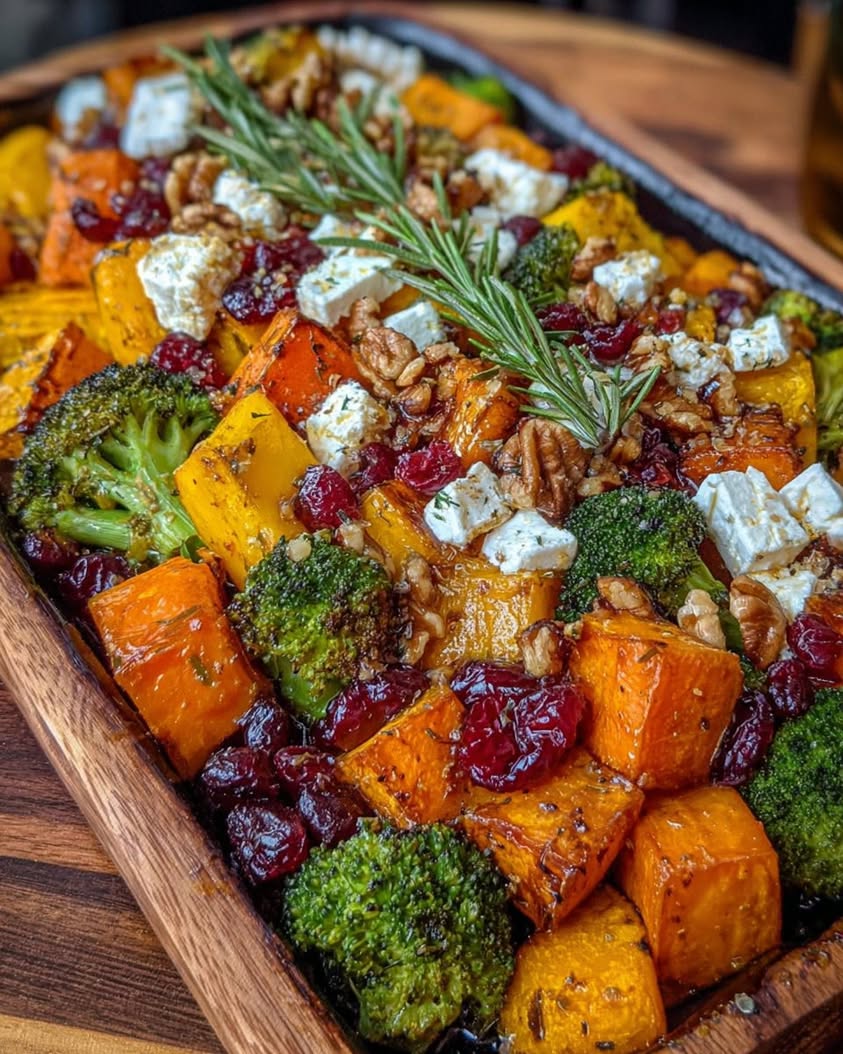
- Visual Appeal: This dish is a feast for the eyes. The vibrant orange squash halves are stunning on their own. Then, the snowy white goat cheese and the deep red cranberry drizzle create a festive color palette that is perfect for holiday tables and autumn gatherings.
- Skill Level Needed: This is an accessible recipe for cooks of all levels. The techniques are straightforward: slicing, roasting, and making a simple sauce. Therefore, even a beginner can achieve impressive results with minimal stress and basic kitchen tools.
- Special Equipment: You only need a few key items. A sturdy baking sheet, a sharp chef’s knife for safely cutting the squash, and a small saucepan for the drizzle are essential. A spoon or melon baller for seeding the squash is also very helpful.
Recipe Overview
- Difficulty Level: We rate this recipe as easy because it involves fundamental cooking techniques. Cutting and seeding the squash is the most challenging step, but with a sharp knife and caution, it’s simple. The rest is mostly hands-off roasting and easy stovetop simmering for the drizzle.
- Category: This dish fits multiple categories beautifully. It is primarily a spectacular side dish for autumn and holiday meals. Furthermore, it can serve as a satisfying vegetarian main course when paired with a hearty grain salad or some crusty bread.
- Cuisine: This recipe draws inspiration from modern American fall and holiday cooking. It utilizes classic seasonal ingredients like squash and cranberries in a contemporary, elegant way. The use of goat cheese adds a touch of European influence to this rustic dish.
- Cost: This is a moderately priced dish, largely dependent on seasonal produce. Acorn squash and fresh cranberries are very affordable in the fall. Goat cheese and honey may be the pricier components, but a little goes a long way in terms of flavor impact.
- Season: This recipe is quintessentially autumnal. Acorn squash and fresh cranberries are at their peak from late September through December. Consequently, this dish is perfect for Thanksgiving, Christmas, and any cozy fall dinner party.
- Occasion: It is ideal for festive gatherings like Thanksgiving, Friendsgiving, or Christmas dinner. Additionally, it makes a wonderful special weekend meal or a impressive dish to bring to a potluck where you want to showcase beautiful, seasonal cooking.
Why You’ll Love This Recipe
First and foremost, the taste and texture are absolutely divine. Each component of this Honey-Glazed Acorn Squash with Creamy Goat Cheese and Cranberry Drizzle plays a crucial role. The squash becomes meltingly tender and sweet, the honey forms a sticky-sweet crust, the goat cheese offers a creamy tang, and the cranberry adds a necessary pop of acidity. Together, they create a complex flavor journey that is both comforting and exciting. Every forkful delivers a perfect balance that will have everyone asking for the recipe.
Next, consider the convenience and preparation benefits. Despite its impressive appearance, this dish is remarkably simple to prepare. The active prep time is short, and the oven does most of the work. You can easily prepare the cranberry drizzle while the squash roasts, making efficient use of your time. This makes it an ideal choice for entertaining, as you can socialize with guests instead of being stuck at the stove. The recipe is also very forgiving, allowing for slight variations in roasting time without ruining the result.
Furthermore, the nutritional advantages are significant. Acorn squash is a powerhouse of vitamins A and C, fiber, and potassium. Using honey as a natural sweetener is a better alternative to refined sugars. Goat cheese is often easier to digest than cow’s milk cheese for some people and provides protein and calcium. Cranberries are famous for their antioxidant properties. Therefore, this beautiful dish is also a genuinely wholesome addition to your meal.
Additionally, the social and entertaining value is through the roof. This Honey-Glazed Acorn Squash with Creamy Goat Cheese and Cranberry Drizzle is a guaranteed conversation starter. Its stunning presentation makes it the centerpiece of any table. It caters beautifully to vegetarians as a substantial option, and its sophisticated flavor profile pleases even the most discerning palates. Serving this dish shows thoughtfulness and culinary skill, making your guests feel truly special.
Finally, it is cost-effective and accessible. The main ingredients are humble winter vegetables and pantry staples. When in season, acorn squash and cranberries are very affordable. You can often find good-quality goat cheese at reasonable prices in most grocery stores. This recipe proves that you do not need expensive or exotic ingredients to create a restaurant-quality dish that feels luxurious and special.
Historical Background and Cultural Significance
The story of this dish begins with its individual components, each with a rich history. Acorn squash, like all winter squash, is native to the Americas and has been cultivated for thousands of years by Indigenous peoples. These hardy vegetables were a vital food source through the winter due to their excellent storage capabilities. European colonists adopted squash into their cooking, and it became a staple of early American cuisine. The practice of roasting squash with sweeteners like maple syrup or honey has deep roots in these early, resourceful methods of preparation.
Cranberries hold a particularly significant place in North American food culture, especially in the United States and Canada. Native Americans used them for food, dye, and medicine long before the Pilgrims arrived. They introduced the tart berry to the colonists, and it eventually became synonymous with Thanksgiving celebrations. The tradition of making a cranberry sauce or relish for the holiday table dates back centuries. In this recipe, the cranberry drizzle is a direct nod to that history, transforming a traditional condiment into an elegant garnish.
p>Goat cheese, or chèvre, brings an Old World element to the dish. With origins dating back thousands of years in the Mediterranean and Middle Eastern regions, goat cheese is one of the oldest known crafted cheeses. Its inclusion in modern American cooking represents the fusion of global food traditions. The tangy, creamy quality of goat cheese provides a perfect counterpoint to the sweetness of squash and honey, a balancing technique used by chefs worldwide to create more complex and satisfying dishes.
The evolution of this specific recipe is a testament to modern culinary trends that emphasize seasonal, whole ingredients and beautiful plating. It takes classic, rustic elements—roasted squash, a fruit sauce, and cheese—and elevates them into a composed, restaurant-style presentation. This Honey-Glazed Acorn Squash with Creamy Goat Cheese and Cranberry Drizzle reflects a contemporary desire for food that is both nourishing and aesthetically pleasing, bridging the gap between home cooking and gourmet dining.
Ingredient Deep Dive
Let’s start with the star: acorn squash. This winter squash is named for its distinctive acorn-like shape. Cultivated for centuries, it is a good source of dietary fiber, vitamin C, potassium, and magnesium, and it’s particularly high in vitamin A. When selecting acorn squash, look for one that is heavy for its size with a deep, dark green rind and a patch of orange; avoid any with soft spots or cracks. Store it in a cool, dark place for up to a month. For a variation, you can substitute delicata squash (which doesn’t need peeling) or even sweet potato halves.
Next, consider the honey. As a natural sweetener produced by bees, honey has been prized by humans for millennia. It contains trace enzymes, minerals, and vitamins, and local raw honey is often sought for its potential allergy-fighting properties. For this glaze, a mild, floral honey like clover or orange blossom works beautifully. Avoid strongly flavored honeys like buckwheat, as they can overpower the squash. For a vegan version, maple syrup is an excellent substitute, adding its own distinct, warm flavor that complements the autumn theme perfectly.
Now, for the creamy goat cheese. Goat cheese is made from goat’s milk and is known for its tangy, earthy flavor. It is often easier to digest than cheese from cow’s milk due to different protein structures. Nutritionally, it provides protein, calcium, and healthy fats. Look for a fresh, soft log of goat cheese (chèvre) for easy crumbling. If you’re not a fan of goat cheese, feta cheese makes a fine, briny substitute, or for a milder flavor, try ricotta salata or even a dollop of whole-milk ricotta.
Finally, the cranberry drizzle relies on fresh cranberries. These native North American berries are packed with vitamin C and unique antioxidants called proanthocyanidins. Choose cranberries that are firm, shiny, and bright red; discard any soft or discolored ones. They freeze beautifully, so you can buy extra bags in season and use them year-round. For the drizzle, the cranberries are simmered with orange juice and a touch of sugar or maple syrup until they burst and thicken into a lovely sauce. This component can be made ahead, making final assembly a breeze.
Common Mistakes to Avoid
- Not using a sharp knife: A dull knife is dangerous for cutting hard winter squash. Always use a sharp chef’s knife and a stable cutting board. You can also microwave the whole squash for 2-3 minutes to slightly soften the skin before cutting.
- Skipping the oil on the baking sheet: Lining your sheet with parchment is fine, but you must still lightly oil it or use a silicone mat. The honey glaze can caramelize and stick fiercely to an ungreased surface, making cleanup difficult and potentially tearing your beautiful squash.
- Overcrowding the pan: Give each squash half plenty of space on the baking sheet. If they are too close together, they will steam instead of roast. Steaming prevents the edges from caramelizing properly and can result in a soggy texture rather than a tender, roasted one.
- Underseasoning the squash: Do not forget to season the cut sides of the squash with salt and pepper before adding the honey glaze. This foundational seasoning is crucial for building layers of flavor. Without it, the dish can taste one-dimensionally sweet.
- Applying glaze too early: If you brush the honey glaze on at the beginning of roasting, it is likely to burn in the hot oven. Instead, roast the squash until it is almost tender, then apply the glaze for the last 10-15 minutes. This allows it to caramelize without burning.
- Overcooking the cranberry drizzle: Simmer the cranberries just until they pop and the mixture thickens slightly. If you cook it too long, it can become overly thick and jam-like, making it difficult to drizzle. Remember, it will continue to thicken as it cools.
- Adding cheese before serving: Crumble the goat cheese over the hot squash just before serving. If you add it before the squash goes into the oven or too long before serving, the cheese will melt completely and lose its distinct creamy, crumbly texture.
- Forgetting to let it rest: Allow the roasted squash to sit for 5 minutes after it comes out of the oven. This lets the flesh firm up slightly, making it easier to handle and ensuring the flavors settle. Then, add the cheese and drizzle.
Essential Techniques
First, mastering the squash cut is key. Halving a hard acorn squash requires a stable surface and a sharp knife. Place the squash on a damp towel on your cutting board to prevent slipping. Carefully insert the tip of your knife at the stem end and use a rocking motion, applying steady pressure to cut down through the center. Scoop out the seeds and stringy pulp with a sturdy spoon. This technique ensures even halves that will roast uniformly and look beautiful on the plate.
Next, perfect roasting is essential. Roasting at a high temperature (around 400°F) is crucial for developing flavor. It caramelizes the natural sugars in the squash, creating a deeper, richer taste than boiling or steaming. The visual cue for doneness is a fork-tender interior and slightly browned, caramelized edges. The squash should yield easily when pierced but not be mushy. This technique transforms the humble vegetable into something sweet, complex, and deeply satisfying.
Furthermore, creating the cranberry drizzle requires a gentle simmer. Combine the cranberries, liquid, and sweetener in a saucepan over medium heat. As the liquid heats, the cranberries will begin to pop and release their pectin, which naturally thickens the sauce. Stir occasionally to prevent sticking. The sauce is done when most berries have burst and the liquid has reduced to a syrupy consistency that coats the back of a spoon. This technique preserves the bright, tart flavor of the fruit.
Finally, the art of assembly matters. Let the roasted squash cool slightly on the pan so the glaze sets. Then, transfer it to a serving platter. Crumble the cold goat cheese over the warm squash so it softens slightly but retains its shape. Just before serving, drizzle the cranberry sauce over everything. This order ensures optimal textures: warm squash, slightly melted cheese, and a glossy, cool drizzle. Each component remains distinct yet harmonizes on the fork.
Pro Tips for Perfect Honey-Glazed Acorn Squash with Creamy Goat Cheese and Cranberry Drizzle
For extra flavor, mix a pinch of cinnamon or a dash of cayenne pepper into your honey before brushing it on the squash. This adds a warm, spicy note that complements the sweetness beautifully.
To ensure even cooking, use a spoon to gently scrape out a bit of the squash flesh after seeding, creating a slightly deeper “bowl.” This creates a more uniform thickness for roasting.
If your squash halves wobble on the baking sheet, slice a tiny piece off the bottom to create a flat, stable surface. This prevents tipping and ensures the glaze pools nicely inside.
For a more savory edge, sprinkle the squash with a little smoked paprika or chopped fresh thyme before roasting. Herbs and spices can bridge the gap between the sweet and tangy elements.
Make the cranberry drizzle ahead of time and store it in the fridge. Gently reheat it with a splash of water or orange juice to return it to a drizzling consistency before serving.
Toast some pecans or walnuts and sprinkle them over the finished dish for an added crunch. The nutty texture provides a wonderful contrast to the creamy cheese and tender squash.
Use a piping bag or a small zip-top bag with the corner snipped off to drizzle the cranberry sauce. This gives you maximum control for creating beautiful, artistic lines over the dish.
Let guests add their own extra drizzle and cheese at the table. This keeps the presentation pristine and allows everyone to customize their portion to their taste.
Variations and Adaptations
For regional variations, consider the ingredients local to your area. In the South, you might use sorghum syrup instead of honey. In the Northeast, pure maple syrup is a natural choice. For a Mediterranean twist, substitute the goat cheese with feta and add a sprinkle of za’atar or oregano to the squash before roasting. These small changes can root the dish in different culinary traditions while keeping its core structure intact.
Seasonal adaptations are easy and fun. In late fall, add finely chopped rosemary to the honey glaze. For a winter holiday version, stir a hint of orange zest and a pinch of cloves into the cranberry drizzle. If making this in early fall when cranberries aren’t available, a pomegranate molasses drizzle makes a fantastic, similarly tart substitute. You can also roast apples or pears alongside the squash for an extra fruit component.
Dietary modifications are straightforward. For a vegan version, use maple syrup or agave instead of honey and a vegan cream cheese or a cashew-based “cheese” crumble. To make it nut-free, simply omit any nut garnishes. For a lower-sugar option, reduce the honey by half and use a sugar substitute in the cranberry drizzle, or rely solely on the natural sweetness of the roasted squash.
Flavor variations can personalize the dish immensely. Add a tablespoon of bourbon or orange liqueur to the cranberry drizzle as it simmers. Infuse the honey with a sprig of fresh thyme or a slice of ginger before glazing. Swap the goat cheese for blue cheese for a stronger, saltier punch. A balsamic reduction drizzled alongside the cranberry adds a wonderful sweet-tart complexity.
Texture modifications can cater to different preferences. For more crunch, sprinkle with toasted pumpkin seeds (pepitas) or breadcrumbs fried in olive oil. For ultimate creaminess, mix the goat cheese with a tablespoon of plain yogurt or mascarpone before dolloping it on. You can also chop the roasted squash into cubes after cooking for a more rustic, salad-style presentation.
Presentation alternatives offer creative freedom. Instead of serving halves, slice the roasted squash into crescents after cooking. Arrange the slices on a platter, then top with cheese and drizzle. For individual servings, use smaller, personal-sized acorn squashes. For a deconstructed approach, puree the roasted squash as a base on the plate, then top with cheese crumbles, a cranberry swirl, and a garnish of microgreens.
Serving and Presentation Guide
Plating techniques can elevate this dish from homey to haute. For a family-style presentation, arrange the squash halves cut-side up on a large, rustic wooden board or a beautiful ceramic platter. Alternatively, for individual plates, place one half slightly off-center on a warm plate. Use a spoon to create a swipe of the cranberry drizzle across the plate before placing the squash, then add another drizzle on top for visual drama.
Garnishing ideas add the final touch of polish. Fresh herbs like thyme sprigs, rosemary, or chopped parsley provide color and a fresh aroma. Toasted nuts like pecans, walnuts, or pumpkin seeds add golden-brown color and crunch. A light flake of sea salt over the finished dish just before serving enhances all the flavors and adds a subtle sparkle. A few whole, fresh cranberries scattered around the plate reinforce the seasonal theme.
Traditional accompaniments for this dish lean into the fall and holiday canon. It pairs wonderfully with a simple roast chicken or turkey, allowing the squash to shine as the star side. For a vegetarian feast, serve it alongside wild rice pilaf, lentil loaf, or a massaged kale salad. Buttery mashed potatoes or a creamy gratin provide a comforting, rich counterpoint to the squash’s brightness.
Modern serving suggestions might include turning it into a salad. Let the squash cool, then cube it and toss with baby arugula, the crumbled goat cheese, the cranberry drizzle as a dressing, and some toasted nuts. You can also flake the squash flesh with a fork and use it as a topping for crostini or a filling for a savory tart or galette.
Temperature considerations are important. The squash and drizzle are best served warm. The goat cheese should be cold when crumbled so it softens perfectly upon contact with the warm squash. If the entire dish sits out before serving, the cheese may melt too much and the squash can cool. Aim to assemble just minutes before bringing it to the table for the ideal textural experience.
Portion control is simple with this recipe. One acorn squash half is a standard serving as a side dish. For a larger appetite or as a main course, consider serving a whole half per person alongside a substantial grain or protein. If the squash are particularly large, you can cut each half into two pieces to serve more people or for lighter portions.
Wine and Beverage Pairing
Wine pairings should complement the dish’s sweet, tangy, and earthy notes. A slightly off-dry white wine like a Riesling or Gewürztraminer is a classic choice, as its sweetness mirrors the honey and its acidity cuts through the richness. For red wine lovers, a light-bodied, low-tannin red like a Pinot Noir or Beaujolais works well; its fruity notes will harmonize with the cranberry. An oak-aged Chardonnay can also pair nicely, as its buttery quality matches the squash’s creaminess.
Non-alcoholic alternatives can be just as sophisticated. A sparkling apple cider provides festive bubbles and autumnal flavor. A ginger beer or spicy ginger ale complements the warm spices and cuts the richness. For a more refined option, try a tart cranberry spritzer made with muddled cranberries, soda water, and a splash of lime. Herbal teas like cinnamon-orange or peppermint served iced or hot also make lovely accompaniments.
Coffee and tea pairings are excellent for a brunch or late-autumn lunch setting. A medium-roast coffee with notes of caramel or nut will echo the roasted, sweet elements of the squash. For tea, a black tea like Earl Grey (with its citrusy bergamot) or a spiced chai latte complements the warm spices often used in the glaze or drizzle. Avoid overly bitter coffees or teas, as they may clash with the dish’s inherent sweetness.
Temperature considerations for beverages are key. If serving the squash warm, offer warm or room-temperature beverages to maintain comfort. Iced drinks can create an unpleasant temperature contrast. However, a lightly chilled white wine or a cool sparkling cider is perfectly acceptable and refreshing. Ultimately, match the beverage temperature to the mood of the meal—cozy and warm for a dinner, slightly cooler for a festive afternoon gathering.
Serving suggestions for beverages should enhance the experience. Pour wine into appropriate glassware to appreciate its aroma. For non-alcoholic options, use pretty glasses and consider garnishes like an orange twist for cider or a cinnamon stick in tea. Offering a choice between two beverages—like a wine and a sparkling cider—caters to all your guests and makes the meal feel even more special and considered.
Storage and Shelf Life
Storage methods depend on whether the dish is assembled. Unassembled components keep best. Store leftover roasted squash (without toppings) in an airtight container in the refrigerator for up to 4 days. The cranberry drizzle can be stored separately in a sealed jar or container for up to 7 days. Keep the goat cheese in its original wrapping or a separate container. This prevents the squash from becoming soggy and allows you to reheat components properly.
Temperature requirements are straightforward. All components must be refrigerated if not consumed within 2 hours of cooking. The squash and drizzle should be cooled to room temperature before covering and refrigerating to prevent condensation, which can make the squash mushy. Goat cheese should always be kept cold. Do not leave the assembled dish at room temperature for extended periods due to the dairy component.
Container recommendations are important for maintaining quality. Use shallow containers for the squash so it cools quickly and evenly. Glass containers are ideal as they don’t absorb odors and allow you to see the contents. For the cranberry drizzle, a small mason jar is perfect. Ensure all containers have tight-fitting lids to prevent the transfer of flavors in your fridge and to keep the food from drying out.
Signs of spoilage to watch for include an off or sour smell, especially from the squash or cheese. The squash may become excessively soft or slimy. Mold growth, even small spots, on any component means it should be discarded. If the cranberry drizzle develops an unusual fermentation smell or visible bubbles, it has likely started to ferment and should not be eaten. When in doubt, throw it out.
Reheating instructions are simple but crucial. Reheat the squash halves in a 350°F oven for 10-15 minutes until warmed through. You can also use an air fryer for a quicker re-crisp. The microwave will work but can make the squash rubbery. Gently reheat the cranberry drizzle in a small saucepan with a splash of water or juice to loosen it. Always add the cold goat cheese fresh after reheating the squash.
Freezing guidelines are possible with some components. You can freeze the roasted, unglazed squash flesh (scooped from the skin) in a freezer bag for up to 3 months. The cranberry drizzle also freezes well for 2-3 months. Thaw both in the refrigerator overnight before reheating and assembling. Do not freeze the assembled dish with goat cheese, as the cheese’s texture will become grainy and unpleasant upon thawing.
Make Ahead Strategies
A prep timeline can turn this into a stress-free entertainer’s dream. Two days ahead, make the cranberry drizzle and store it in the fridge. One day ahead, wash, cut, and seed the squash. Wrap the halves tightly in plastic wrap and refrigerate. You can also measure out your honey and have your spices ready. On the day of serving, all you need to do is roast, glaze, and assemble, cutting your active kitchen time dramatically.
Storage between steps is simple with proper planning. Keep the pre-cut squash in the refrigerator in a container or tightly wrapped. The cranberry drizzle stays in a jar in the fridge. Have your goat cheese crumbled and ready in a small bowl covered with plastic. By separating the components, you maintain the integrity of each element. The squash won’t get soggy, and the drizzle’s flavor will actually deepen.
Quality impact assessment is positive for make-ahead. The cranberry drizzle benefits from resting, as the flavors meld. Pre-cutting the squash has no negative effect if it’s wrapped well to prevent drying. The only element that must be done at the last minute is adding the goat cheese. This strategy ensures peak freshness and texture for every component, resulting in a better final dish than one made entirely in a rushed manner.
Assembly tips for last-minute finishing are key. Have your serving platter ready. Once the squash is roasted and glazed, let it rest on the pan for 5 minutes, then transfer to the platter. Immediately crumble the cold goat cheese over the hot squash so it softens slightly. Give the chilled cranberry drizzle a good stir, then use a spoon or piping bag to artfully drizzle it over everything. Serve within 10 minutes for the best temperature and texture.
Reheating guidelines for pre-cooked components are easy. If you pre-roast the squash without glaze, reheat it in a 375°F oven for about 10 minutes, then apply the glaze and finish for the last 5-10 minutes. The cranberry drizzle can be reheated gently in a saucepan or even in the microwave in short bursts, stirring between each. Always add the cheese after the final reheat.
Fresh element additions are the final touch. Even with make-ahead components, consider a last-minute garnish to add vibrancy. A sprinkle of fresh chopped parsley, thyme leaves, or a few reserved whole cranberries added just before serving makes the dish look freshly made. A final grind of black pepper or a flake of sea salt over the top just before carrying it to the table elevates the flavors and presentation instantly.
Scaling Instructions
Halving the recipe is simple for smaller households. Use one medium acorn squash, halved. Halve all other ingredient quantities proportionally. The roasting time may decrease slightly, so start checking for doneness around the 30-minute mark. Use a smaller baking sheet to ensure the oven environment stays hot and efficient. The cranberry drizzle can still be made in the same batch and stored for another use, or you can simply simmer a smaller quantity in a small saucepan.
Doubling or tripling the recipe for a crowd is very manageable. You will need multiple baking sheets. Roast the squash in batches if your oven cannot accommodate two sheets with proper air circulation, or use the convection setting if you have it. Rotate the sheets front-to-back and top-to-bottom halfway through cooking for even browning. For the glaze and drizzle, simply multiply the ingredients in a larger saucepan. Consider setting up an assembly line for topping the squash to streamline the process.
Equipment adjustments are necessary when scaling. For larger batches, a large rimmed baking sheet (half-sheet pan) is essential. You may need a larger saucepan for the multiplied cranberry drizzle. If you’re making a very large quantity, consider using a disposable piping bag for the drizzle for speed and consistency. Ensure you have enough serving platters or consider serving directly from the baking sheets lined with parchment for a rustic, family-style presentation.
Timing modifications come into play with scale. When roasting multiple sheets at once, the total oven time may increase by 5-10 minutes due to the added moisture and lower average oven temperature. Start checking at the original time, but be prepared to add time. For the drizzle, a larger batch will take slightly longer to come to a simmer and reduce. Stir it more frequently to prevent scorching on the bottom of the larger pot.
Storage considerations for scaled recipes are important. If you have leftovers from a doubled batch, store components separately as advised. You may need more containers. Label them with the date. Remember that the cranberry drizzle has the longest fridge life (up to a week), so you can use it on other dishes like oatmeal, yogurt, or with roasted meats throughout the week, maximizing your prep effort.
Nutritional Deep Dive
The macro breakdown of this dish is well-balanced. One serving provides complex carbohydrates from the squash for sustained energy, healthy fats from the olive oil and goat cheese, and a moderate amount of protein from the cheese. The honey and cranberry drizzle contribute natural sugars. This combination helps prevent blood sugar spikes due to the presence of fiber from the squash and fat/protein from the cheese, which slow sugar absorption.
A micronutrient analysis reveals a wealth of vitamins and minerals. Acorn squash is exceptionally high in vitamin A (in the form of beta-carotene), crucial for vision and immune health, and vitamin C. It also provides potassium for heart health and magnesium for muscle function. Goat cheese contributes calcium and phosphorus for bone health. Cranberries add more vitamin C and unique antioxidants. Together, they make a nutrient-dense side dish.
Health benefits are significant. The high fiber content aids digestion and promotes satiety. The antioxidants in the squash and cranberries combat oxidative stress and inflammation. The vitamins support a robust immune system, which is especially valuable in the fall and winter months. The healthy fats aid in the absorption of the fat-soluble vitamins (A, D, E, K) present in the squash and cheese, making this a synergistic, health-supportive combination.
Dietary considerations are mostly positive. This dish is naturally gluten-free. It is vegetarian but not vegan due to the honey and cheese. For those monitoring sodium, the salt content is controllable and primarily comes from the seasoning you add. The dish contains dairy, which may be an issue for some. The overall calorie count is moderate for a side dish, making it a satisfying but not overly heavy addition to a meal.
Portion analysis shows that one acorn squash half is a substantial serving. It provides volume and fiber, which helps you feel full. The addition of cheese and a controlled amount of healthy fat from oil further enhances satiety. This makes it an excellent choice for those practicing mindful eating, as a single portion is visually satisfying and nutritionally complete without being excessive.
Weight management tips include being mindful of the amount of honey glaze and cheese used. You can lightly brush the glaze rather than drenching the squash. Measure your cheese crumbles—a little goes a long way in terms of flavor. The dish is inherently filling, so it can help prevent overeating of other, potentially less nutritious, sides. Pairing it with a lean protein like grilled chicken or fish creates a balanced, weight-conscious meal.
Dietary Adaptations
For a gluten-free version, this recipe is already perfect. All ingredients are naturally gluten-free. Simply ensure that any pre-packaged items like cranberries or goat cheese are certified gluten-free if you have celiac disease or a severe sensitivity, as cross-contamination can sometimes occur in processing facilities. No other modifications are needed for this adaptation.
For a dairy-free adaptation, replace the goat cheese. Excellent options include a dollop of dairy-free cream cheese, a sprinkle of nutritional yeast for a cheesy flavor, or a crumble of firm tofu that has been marinated in lemon juice and salt. For the creamy element, a cashew-based “cheese” made by blending soaked cashews with lemon juice and nutritional yeast works wonderfully. The rest of the recipe remains unchanged.