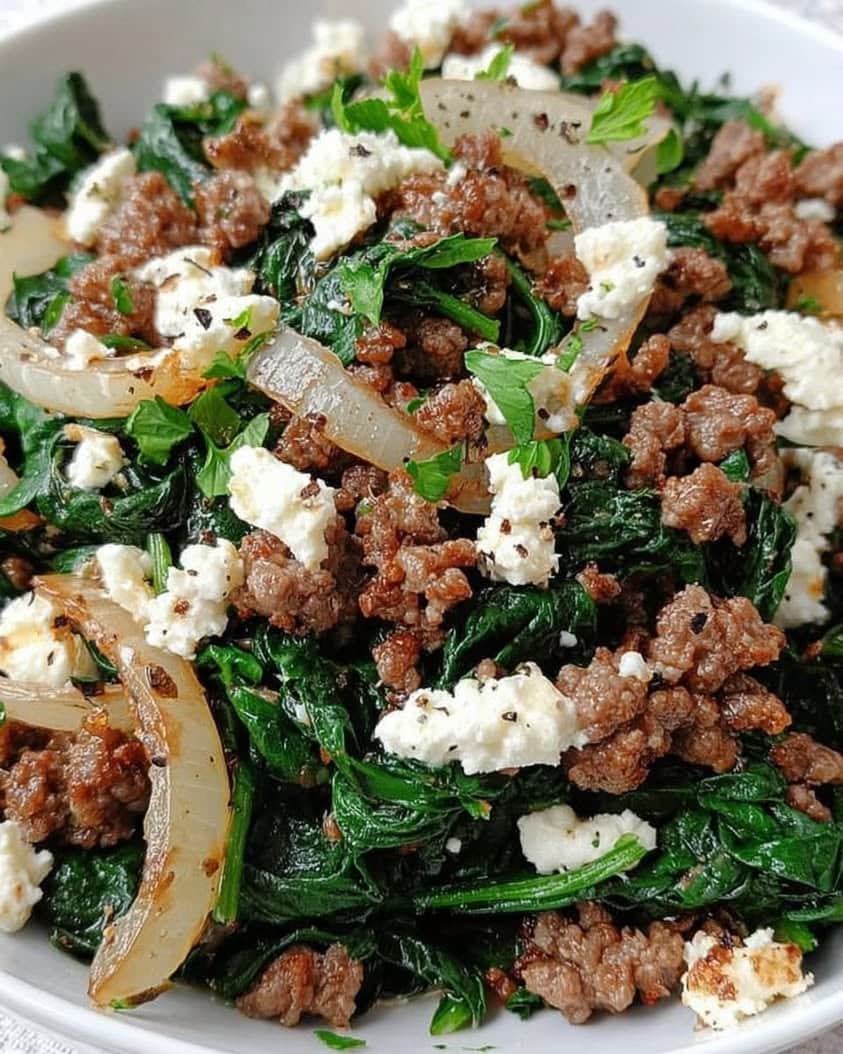
One-Pan Ground Beef and Spinach Skillet with Creamy Feta: Your New Weeknight Hero
Imagine a dinner that delivers maximum flavor with minimal cleanup. This One-Pan Ground Beef and Spinach Skillet with Creamy Feta is exactly that kind of magical meal. It transforms simple, wholesome ingredients into a comforting and satisfying dish that feels both rustic and elegant. The savory ground beef mingles with tender spinach and sweet tomatoes, all brought together by a tangy, creamy feta sauce that melts into every bite. Ultimately, it’s a complete, balanced dinner that comes together in one skillet, making it the ultimate solution for busy evenings.
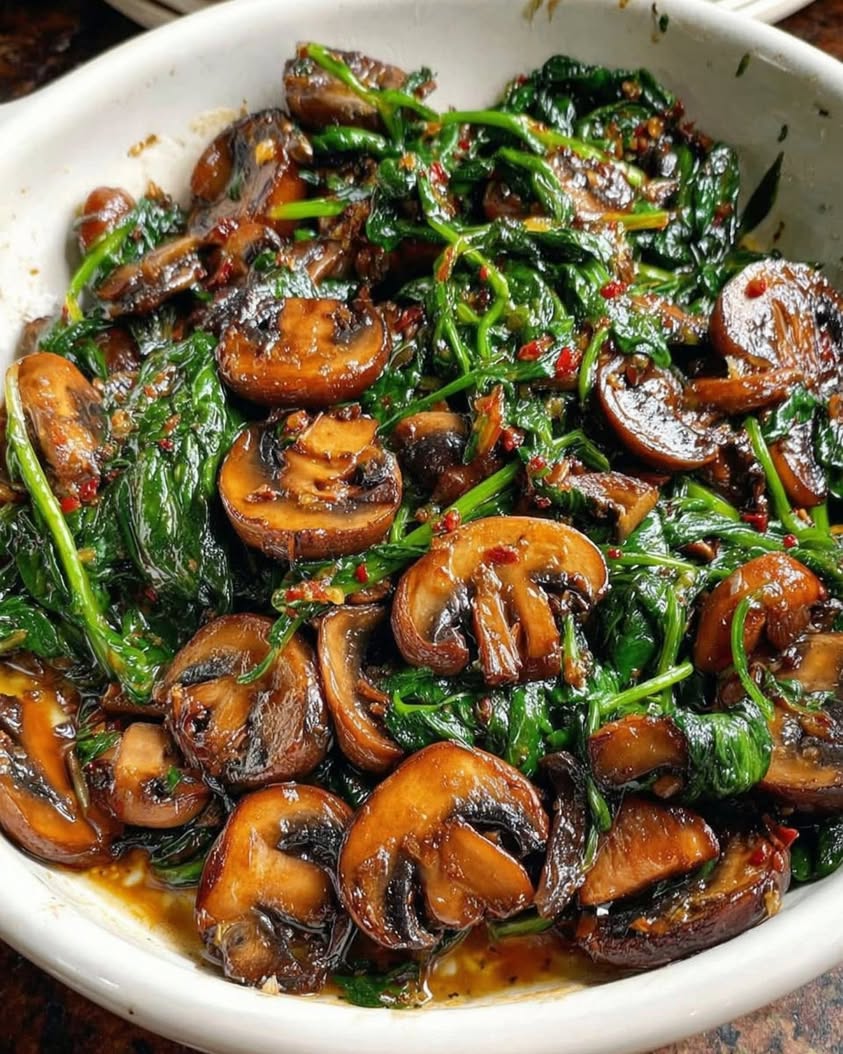
Furthermore, the aroma that fills your kitchen while this cooks is absolutely irresistible. You’ll smell the savory beef browning, the garlic and onion becoming fragrant, and finally, the fresh, earthy scent of spinach wilting into the mix. Visually, the dish is a feast of colors: deep green spinach, rich red tomatoes, and creamy white feta crumbles create a beautiful presentation right in the pan. This One-Pan Ground Beef and Spinach Skillet with Creamy Feta proves that you don’t need complicated techniques or a mountain of dishes to create something truly delicious and memorable for your family.
Quick Recipe Highlights
- Flavor Profile: This dish boasts a robust, savory foundation from the ground beef, perfectly balanced by the bright acidity of tomatoes and the distinctive tang of feta cheese. The garlic and onion add aromatic depth, creating a complex and satisfying taste experience in every forkful.
- Texture: You get a wonderful contrast of textures: the hearty, crumbled beef, the silky, wilted spinach, and the creamy, slightly crumbly pockets of melted feta. The sauce thickens slightly from the tomatoes and cheese, coating everything in a rich, velvety consistency.
- Aroma: Key aromatic notes start with the savory scent of browning beef, followed by the sweet, pungent fragrance of sautéing onions and garlic. Finally, the earthy aroma of fresh spinach and the sharp, salty note from the feta complete the inviting olfactory profile.
- Visual Appeal: The presentation is vibrant and rustic. The deep green of the spinach pops against the rich brown beef and red tomatoes, while the white feta cheese adds beautiful creamy accents, making it look as good as it tastes directly from the skillet.
- Skill Level Needed: This recipe requires only basic cooking expertise, such as browning meat and sautéing vegetables. It’s an excellent recipe for beginners to build confidence and for experienced cooks to enjoy a quick, foolproof meal.
- Special Equipment: The only special tool you need is a large, oven-safe skillet, preferably 10 to 12 inches in diameter. A cast iron or stainless steel skillet works perfectly for achieving a good sear on the beef and transitioning from stovetop to broiler if desired.
Recipe Overview
- Difficulty Level: We rate this recipe as “Easy” because it involves straightforward techniques like browning meat and wilting greens. The steps are sequential and simple, with minimal prep work. There’s no intricate knife work or complex sauce-making, making it accessible for cooks of all levels. The one-pan method also simplifies the process significantly.
- Category: This versatile dish fits into multiple meal categories. It’s a hearty main course, a perfect quick dinner, and an excellent meal prep option. Additionally, it can be served as a substantial filling for wraps or pitas, or even as a topping for baked potatoes or rice bowls.
- Cuisine: While not strictly authentic to one region, this skillet draws inspiration from Mediterranean and Greek culinary traditions. The combination of spinach, tomato, and feta cheese is classic in Greek cuisine. The one-pan cooking method, however, gives it a modern, American weeknight dinner twist, making it a fusion of comforting flavors and convenient technique.
- Cost: This is a very cost-effective meal. Ground beef is typically an affordable protein, and spinach and canned tomatoes are inexpensive, especially when in season or purchased frozen. Feta cheese is the premium ingredient, but a little goes a long way. Overall, you can expect to feed a family of four for a fraction of the cost of takeout.
- Season: This recipe is fantastic year-round. In colder months, it provides a hearty, warming comfort food. During spring and summer, it feels lighter than a heavy stew but still substantial. You can easily adapt it with seasonal produce, like adding fresh summer tomatoes or zucchini.
- Occasion: It’s ideal for casual weeknight family dinners, effortless weekend lunches, or even informal gatherings with friends. Because it’s so quick and requires little active attention, it allows the cook to spend more time with guests. It’s also a reliable potluck contribution that travels well.
Why You’ll Love This Recipe
First and foremost, the taste and texture appeal is undeniable. This One-Pan Ground Beef and Spinach Skillet with Creamy Feta delivers a symphony of flavors that comfort and satisfy. The savory, umami-rich beef forms a perfect base, while the spinach adds a fresh, slightly bitter counterpoint that cuts through the richness. Meanwhile, the feta cheese doesn’t just sit on top; it melts into the warm ingredients, creating little pockets of salty, tangy creaminess that elevate the entire dish. Every bite offers a harmonious blend of hearty, silky, and creamy elements that will have everyone reaching for seconds.
Next, consider the sheer convenience and preparation benefits. In our busy lives, a recipe that minimizes cleanup is worth its weight in gold. This entire meal cooks in a single skillet, meaning you’re not juggling multiple pots and pans. The prep work is minimal—mostly just chopping an onion and mincing garlic. From start to finish, you can have a complete, healthy dinner on the table in about 30 minutes. This efficiency makes it a go-to recipe for those nights when time is short but you still want a homemade meal that feels special.
Moreover, the nutritional advantages are significant. This skillet is a well-rounded meal packed with protein from the lean ground beef, essential vitamins and minerals from the fresh spinach, and lycopene from the tomatoes. Using a leaner beef blend can reduce fat content without sacrificing flavor. Spinach is a powerhouse of iron, vitamin K, and folate. By cooking everything in one pan, you also retain more of the nutrients that can sometimes be lost in cooking water. It’s a delicious way to feed your body well.
Additionally, this dish holds great social and entertaining value. Its rustic, family-style presentation is incredibly inviting. You can place the skillet right in the center of the table, allowing everyone to serve themselves. It’s a conversation starter that feels generous and homey. For entertaining, you can easily double the recipe in a larger pan or use two skillets. It pairs wonderfully with simple sides like crusty bread or a light salad, making menu planning effortless. It’s impressive enough for guests but simple enough to keep the host stress-free.
Finally, the cost-effectiveness and accessibility are major wins. The ingredients are pantry staples and widely available at any grocery store. You can often find sales on ground beef, and frozen spinach is a fantastic, budget-friendly alternative to fresh. This recipe demonstrates how to create a restaurant-quality, flavor-packed meal without a restaurant price tag. It’s a fantastic example of how smart cooking with simple ingredients can yield extraordinary results, making it a sustainable choice for regular meal rotation.
Historical Background and Cultural Significance
The concept of combining meat, greens, and cheese in a single pot has ancient roots across many cultures. Specifically, the combination of spinach and feta cheese is deeply embedded in the culinary traditions of Greece and the broader Eastern Mediterranean. Dishes like spanakopita (spinach and feta pie) showcase this classic pairing that dates back centuries. The addition of ground meat to this duo likely evolved from rustic, home-style cooking where families used available, affordable proteins to create hearty, one-pot meals. This skillet recipe is a modern, simplified descendant of those traditional, resourceful cooking practices.
Culturally, one-pan meals hold significant importance as symbols of practicality and nourishment. Before the era of multiple kitchen appliances, cooking over a single fire or in one pot was the norm. These dishes were designed to be complete meals, maximizing flavor and nutrition from limited ingredients. The Mediterranean emphasis on fresh vegetables, savory meats, and tangy cheeses naturally lent itself to this style of cooking. Our One-Pan Ground Beef and Spinach Skillet with Creamy Feta honors this heritage by prioritizing wholesome ingredients and efficient cooking methods, reflecting a timeless approach to family dining.
The evolution of this recipe is also a story of adaptation. Traditional Greek recipes might use lamb instead of beef and include herbs like dill or mint. The American adaptation, using ground beef, speaks to the ingredient’s availability and popularity in Western home cooking. The “skillet meal” itself became a cornerstone of mid-20th century American cookery, celebrated for its simplicity. This recipe sits at a delicious crossroads, blending Old World flavor combinations with New World convenience, evolving into a global weeknight staple that respects its origins while adapting to modern kitchens.
Regional variations of this concept are fascinating. In Turkey, a similar dish might include spices like cumin and red pepper flakes, served with yogurt. In the Balkans, it could be baked with an egg topping. Italian versions might incorporate ricotta or mozzarella and serve it over pasta. The beauty of the basic formula—meat, greens, cheese, tomato—is its incredible versatility. Our version with creamy feta leans into the Greek profile, but it invites customization. This adaptability is key to its enduring popularity, allowing each cook to imprint their own cultural or personal preferences onto the foundational recipe.
Ingredient Deep Dive
Let’s start with ground beef, the protein foundation. Culturally, ground beef became a staple in American cooking due to its affordability and versatility in the 20th century. Nutritionally, it’s an excellent source of complete protein, iron, zinc, and B vitamins. For this recipe, choose a 85% to 90% lean blend; it has enough fat to carry flavor and keep the meat moist without making the dish greasy. Store ground beef in the coldest part of your fridge and use within 1-2 days of purchase, or freeze for longer storage. For a substitution, ground turkey, lamb, or a plant-based crumble work wonderfully.
Next, fresh spinach is the vibrant green hero. Historically, spinach is believed to have originated in Persia, spreading to the Mediterranean and becoming a dietary cornerstone. It’s packed with iron, calcium, vitamins A, C, and K, and antioxidants. For selection, choose bunches with deep green, crisp leaves, avoiding any that are yellowed or slimy. Store it unwashed in a plastic bag in the crisper drawer. If you need to substitute, kale (stems removed and chopped) or Swiss chard are great alternatives, though they may require a slightly longer cooking time to become tender.
Now, for the star: feta cheese. This brined cheese has been made in Greece for thousands of years, protected by EU designation of origin. It offers a significant calcium boost along with protein and beneficial fatty acids. Its tangy, salty flavor is irreplaceable. Always seek out authentic Greek feta made from sheep’s milk or a sheep/goat blend for the best flavor and creamier texture. Store feta in its brine in the refrigerator to maintain moisture. If you must substitute, crumbled goat cheese or a salty queso fresco can work, though the flavor profile will shift.
Finally, the supporting cast: canned diced tomatoes, onion, and garlic. Canned tomatoes are a pantry savior, providing consistent flavor and lycopene year-round. Use fire-roasted diced tomatoes for a smoky depth. Yellow onion adds a sweet, aromatic base; chop it finely for even cooking. Fresh garlic is non-negotiable for its pungent, aromatic quality—mince it yourself for the best flavor. For the onion, a white or red onion can be used. In a pinch, ½ teaspoon of garlic powder can substitute for one fresh clove, but fresh is highly preferred for the aromatic foundation it provides.
Common Mistakes to Avoid
- Overcrowding the Skillet with Beef: Adding all the ground beef at once to a cold or small skillet steams the meat instead of browning it. For proper browning, ensure your pan is hot first and cook the beef in batches if necessary. This creates flavorful fond on the pan’s bottom, which deglazes into the sauce.
- Using Pre-Crumbled, Dry Feta: Pre-crumbled feta often contains anti-caking agents that prevent it from melting properly. For a truly creamy feta sauce, always buy a block of feta in brine and crumble it yourself just before adding it to the hot skillet. The higher moisture content allows it to melt into the dish beautifully.
- Adding Raw Garlic with the Onion: Garlic burns much faster than onion. If you add minced garlic at the same time as chopped onion, it will likely become bitter and acrid by the time the onion softens. Always add garlic after the onion is translucent, cooking it for just 30-60 seconds until fragrant.
- Not Draining Excess Fat from the Beef: After browning 80/20 ground beef, there can be a lot of rendered fat. Leaving it all in the skillet will make the final dish greasy. Carefully tilt the skillet and spoon out all but about a tablespoon of the fat before proceeding with the onions and garlic.
- Overcooking the Spinach: Fresh spinach wilts incredibly quickly. If you cook it for more than a minute or two, it becomes mushy and loses its vibrant color and nutritional value. Stir it in at the very end, just until it’s wilted and incorporated. It will continue to cook slightly from residual heat.
- Forgetting to Season in Layers: Seasoning only at the end results in a bland dish. Build flavor by seasoning the beef with salt and pepper while browning. Then, season the onion and garlic layer. Finally, taste and adjust the seasoning after adding the tomatoes and again before serving.
- Using a Skillet That’s Too Small: A crowded skillet prevents proper evaporation and can lead to steaming instead of sautéing. Use a large (10-12 inch) skillet to give all ingredients enough space. This is crucial for browning the beef properly and for being able to stir in the spinach effectively.
- Skipping the Deglazing Step: After browning the beef, those browned bits (fond) stuck to the pan are pure flavor. When you add the tomatoes, use their juice to scrape up all those bits with your spoon. This simple step incorporates deep, savory notes into your sauce.
Essential Techniques
Proper Browning of Ground Beef: This technique, called the Maillard reaction, is crucial for developing deep, savory flavor, not just gray meat. To master it, ensure your skillet is hot before adding the beef. Break the beef into large chunks first, letting them sear undisturbed for a minute before breaking them down further. This creates a caramelized crust. A common pitfall is stirring constantly, which lowers the pan temperature and steams the meat. Look for a rich, brown color and crispy edges on the meat pieces as your visual cue for success.
Sweating Aromatics (Onion & Garlic): Sweating means cooking vegetables in a little fat over medium heat until they soften and release their moisture and sugars without taking on color. This builds a sweet, aromatic base for the entire dish. The key is patience—cook the onions until they are fully translucent and soft, which can take 5-7 minutes. Adding the garlic too early is the main pitfall, as it burns quickly. The visual cue is softened, fragrant onions with no brown edges, and garlic that is just golden and aromatic.
Wilting Leafy Greens: Wilting spinach quickly in a hot pan reduces its volume while preserving color, texture, and nutrients. The technique is simple: add the clean spinach to the hot skillet and use tongs to gently toss and fold it into the other ingredients. The heat and moisture from the dish will wilt it in under two minutes. The pitfall is adding it too early and cooking it to death. Success is marked by bright green, limp leaves that are evenly distributed throughout the skillet.
Melting Cheese into a Sauce: For the feta to become creamy, it needs gentle heat and moisture. Crumble the cheese and scatter it over the hot beef and spinach mixture. Do not stir vigorously immediately. Let it sit for a minute to warm through and begin to soften from the bottom, then gently fold it in. The pitfall is using high heat, which can cause the proteins to tighten and seize, making it grainy. Success is achieved when the feta integrates into the dish, creating creamy pockets rather than remaining completely distinct crumbles.
Pro Tips for Perfect One-Pan Ground Beef and Spinach Skillet with Creamy Feta
For an extra flavor boost, brown the ground beef in two batches. This prevents steaming and ensures each piece gets a proper sear, creating more fond (those tasty browned bits) on the bottom of the pan for your sauce.
After browning the beef, drain the excess fat but leave about a tablespoon. This remaining fat will carry the flavor of the beef into your aromatics, making your onion and garlic even more delicious.
Let your block of feta cheese sit at room temperature for 15-20 minutes before crumbling. Slightly warmer feta will melt more readily and evenly into the hot skillet, creating a creamier texture throughout the dish.
If using fresh spinach, ensure it is thoroughly washed and dried. Excess water on the leaves will dilute your sauce and can make the final dish watery. A salad spinner is the perfect tool for this job.
For a richer, thicker sauce, let the skillet simmer uncovered for an extra 3-5 minutes after adding the tomatoes. This allows some of the liquid to evaporate, concentrating the flavors and improving the texture.
Finish the dish with a final brightening element. A squeeze of fresh lemon juice or a sprinkle of lemon zest added just before serving can cut through the richness and make all the flavors pop.
If you love herbs, stir in a handful of fresh chopped dill, oregano, or parsley with the spinach. The fresh herbs add a layer of fragrance and complexity that dried herbs cannot match.
For a beautiful presentation and textural contrast, reserve a small handful of feta crumbles and fresh spinach leaves to garnish the top of the finished skillet just before bringing it to the table.
Variations and Adaptations
Regional Variations: Travel your taste buds by tweaking the spices. For a Turkish twist, add a teaspoon of cumin and a pinch of red pepper flakes (pul biber). An Italian version could include dried oregano, basil, and a swap to ricotta or mozzarella cheese. For a Mexican-inspired skillet, use taco seasoning with the beef, black beans instead of tomatoes, and top with cotija cheese and avocado.
Seasonal Adaptations: Embrace produce at its peak. In summer, use fresh, ripe chopped tomatoes instead of canned and add diced zucchini or yellow squash. During fall, incorporate roasted cubes of butternut squash and a pinch of nutmeg. For a winter warmer, use hearty kale instead of spinach and add a splash of beef broth for extra richness.
Dietary Modifications: This recipe is wonderfully adaptable. For a gluten-free meal, ensure your canned tomatoes have no additives and serve with rice or a gluten-free grain. To make it low-carb or keto, simply enjoy it on its own or over cauliflower rice. For a dairy-free version, omit the feta and finish with a drizzle of good olive oil and nutritional yeast for a cheesy flavor.
Flavor Variations: Experiment with different umami and acid components. Add a tablespoon of tomato paste when cooking the onions for a deeper tomato flavor. A splash of balsamic glaze or red wine vinegar at the end can add brightness. For a smoky note, use fire-roasted diced tomatoes or add a chipotle pepper in adobo sauce, finely chopped.
Texture Modifications: Play with the mouthfeel. For a thicker, stew-like consistency, sprinkle a teaspoon of flour over the cooked onions before adding the tomatoes to create a roux. For a chunkier texture, use ground beef with a higher fat content and avoid breaking it down too finely. To add a crunchy element, top the finished dish with toasted pine nuts or slivered almonds.
Presentation Alternatives: Think beyond the skillet. Serve the mixture stuffed inside hollowed-out bell peppers and baked until tender. Use it as a hearty topping for baked sweet potatoes or polenta. Alternatively, let it cool slightly and use it as a filling for homemade hand pies or empanadas, creating a portable meal.
Serving and Presentation Guide
Plating Techniques: For individual servings, use a shallow bowl to contain the delicious sauce. Spoon a generous portion into the center, allowing the vibrant colors to show. For family style, present the entire skillet at the table on a trivet—the rustic look is part of the charm. Ensure you provide a large serving spoon so guests can easily scoop up the beef, spinach, and sauce together.
Garnishing Ideas: A simple garnish elevates the visual appeal instantly. A final sprinkle of fresh crumbled feta, a few whole leaves of baby spinach, or a drizzle of high-quality extra virgin olive oil adds professionalism. Freshly chopped herbs like parsley, dill, or chives provide a pop of green and fresh flavor. A light dusting of smoked paprika adds both color and a subtle smoky note.
Traditional Accompaniments: In the Mediterranean spirit, warm pita bread or crusty baguette is essential for soaking up every last bit of the creamy sauce. A simple side salad of cucumber, tomato, red onion, and olives with a lemon-oregano vinaigrette complements the richness perfectly. Alternatively, a bowl of plain Greek yogurt or tzatziki on the side offers a cool, tangy contrast.
Modern Serving Suggestions: For a contemporary twist, serve the skillet mixture over a bed of creamy mashed cauliflower, quinoa, or couscous. You can also use it as a high-protein topping for a baked potato or sweet potato. For a low-carb option, serve it in lettuce cups or over zucchini noodles (zoodles) for a complete meal.
Temperature Considerations: This dish is best served piping hot, straight from the skillet. The heat is what keeps the feta soft and creamy. Ensure your serving bowls are warmed to prevent the food from cooling too quickly. If you need to hold it for a few minutes, cover the skillet with a lid to retain heat, but avoid leaving it on high heat as the spinach will overcook.
Portion Control Tips: This recipe reliably serves four as a main course. To stretch it further for larger appetites or more guests, focus on hearty sides. Serving it over a grain like rice or farro easily extends it to feed five or six. You can also bulk up the skillet itself by adding an extra can of drained white beans or chickpeas when you add the tomatoes.
Wine and Beverage Pairing
Wine Pairings: The savory beef and tangy feta create a versatile palate for wine. A medium-bodied red like a Greek Agiorgitiko, an Italian Chianti, or a Spanish Tempranillo pairs beautifully, as their acidity cuts through the richness. If you prefer white wine, opt for a fuller-bodied option with good acidity, such as a Greek Assyrtiko or a California Viognier, which can stand up to the robust flavors without being overwhelmed.
Non-Alcoholic Alternatives: Sparkling water with a squeeze of lemon or lime provides a refreshing, palate-cleansing effervescence. For a more crafted option, a tart cherry or pomegranate juice spritzer (mixed with club soda) mirrors the fruity acidity of wine. Iced herbal tea, like mint or rosemary-infused tea, offers a sophisticated, flavor-complementing choice that won’t compete with the meal.
Coffee/Tea Pairings: While not a traditional pairing, a post-meal coffee or tea can be delightful. A medium-roast coffee with low acidity would complement the savory notes without clashing. For tea, consider a smoky Lapsang Souchong to echo any smoky notes from the tomatoes, or a simple peppermint tea to aid digestion and provide a clean, fresh finish.
Temperature Considerations: Serve red wines slightly below room temperature, around 60-65°F. White wines and sparkling waters should be well-chilled. Non-alcoholic spritzers are best served over ice. The key is to have beverages that provide a refreshing contrast to the warm, hearty skillet, enhancing the overall dining experience.
Serving Suggestions: Always offer water as a baseline. When serving wine, pour a small taste first to allow guests to experience the pairing. For non-alcoholic options, consider presenting them in a nice pitcher with garnishes like citrus slices or herb sprigs to make them feel special. The goal is to have a beverage that cleanses the palate between bites of the flavorful, creamy dish.
Storage and Shelf Life
Storage Methods: Allow the skillet to cool completely to room temperature before storing, but do not leave it out for more than two hours. Transfer the leftovers to an airtight container. You can store the entire batch in one large container or divide it into single-serving portions for easy grab-and-go meals.
Temperature Requirements: This dish must be refrigerated promptly. Store it in the main body of your refrigerator, not in the door, where temperatures fluctuate more. The ideal fridge temperature is at or below 40°F (4°C) to safely inhibit bacterial growth.
Container Recommendations: Glass containers with tight-sealing lids are ideal as they don’t absorb odors and allow you to see the contents. Alternatively, BPA-free plastic containers work well. If using the original skillet, cover it tightly with plastic wrap or aluminum foil, though transferring to a container is better for even cooling and stacking.
Signs of Spoilage: Before eating leftovers, always check for off-putting sour or rancid odors. Visually, look for any unusual mold growth, which may appear as fuzzy spots. If the spinach has turned a slimy, dark olive green, it’s a sign of spoilage. When in doubt, err on the side of caution and discard the food.
Reheating Instructions: For best results, reheat gently on the stovetop over medium-low heat, adding a splash of water or broth to loosen the sauce. Stir frequently until heated through. You can also reheat in the microwave in a microwave-safe container, covered loosely, stirring every 60 seconds to ensure even heating. Avoid high heat, which can make the beef tough and the spinach mushy.
Freezing Guidelines: This skillet freezes reasonably well for up to 2-3 months. Cool it completely, then portion into freezer-safe bags or containers, leaving about an inch of headspace for expansion. Thaw overnight in the refrigerator before reheating. Note that the texture of the spinach may become softer upon thawing, but the flavor will remain excellent.
Make Ahead Strategies
Prep Timeline: You can prep components 1-2 days in advance. Brown the ground beef and drain it. Chop the onion and mince the garlic, storing them together in a container. Wash and dry the spinach. Crumble the feta cheese. Having everything ready turns the actual cooking into a simple 10-minute assembly process on a busy night.
Storage Between Steps: Store pre-cooked beef and pre-chopped vegetables in separate airtight containers in the refrigerator. Keep the crumbled feta in a small container, and store the dry spinach in a salad spinner or a bag lined with a paper towel to absorb moisture. This prevents cross-contamination and maintains the quality of each ingredient.
Quality Impact Assessment: Pre-browning the beef has minimal negative impact and can even deepen flavors as they meld. Pre-chopping onions and garlic is perfectly fine. The only component best left to the last minute is wilting the spinach, as it can become soggy if cooked and stored. Pre-crumbling feta is acceptable if stored airtight.
Assembly Tips: When ready to cook, start by sautéing your pre-chopped aromatics in the pan. Add the pre-cooked beef just to warm it through before adding the tomatoes. This method is faster than cooking from raw and helps the flavors integrate quickly. Follow the remaining steps as written for the freshest final texture.
Reheating Guidelines: If you fully cook the entire dish ahead, reheat it gently as described in the storage section. To refresh the flavors, consider adding a small handful of fresh spinach just before serving to reintroduce a bright green color and fresh texture. A final sprinkle of fresh feta as a garnish also helps.
Fresh Element Additions: The best make-ahead strategy is a hybrid approach. Prepare the beef and tomato base ahead of time. When ready to serve, reheat that base, then stir in the fresh spinach to wilt and finish with the fresh feta. This guarantees the vibrant color and optimal texture of the greens and cheese, giving you the convenience of prep with the quality of a fresh-cooked meal.
Scaling Instructions
Halving the Recipe: To serve two, simply divide all ingredient quantities by two. Use a medium (8-10 inch) skillet to maintain the proper cooking environment where ingredients can brown, not steam. Cooking times will be slightly shorter, so keep a close eye on the beef browning and spinach wilting steps, as they may take 1-2 minutes less.
Doubling or Tripling: For a crowd, multiply the ingredients accordingly. The key here is equipment: you will likely need to brown the beef in multiple batches to avoid overcrowding, or use two large skillets simultaneously. A very large Dutch oven can also work. Expect the total cooking time to increase by 5-10 minutes, primarily for browning all the meat and for the larger volume of sauce to heat through.
Equipment Adjustments: Scaling up requires proportional pan space. Do not overfill a single skillet. If doubling, using two 12-inch skillets is ideal. If you only have one large pan, cook the recipe in two separate batches and combine them at the end. For tripling, a large stockpot or roasting pan used on the stovetop might be necessary.
Timing Modifications: When scaling up, the initial browning of the beef will take the most additional time. The wilting of the spinach may also take an extra minute due to the larger volume. The simmering time after adding the tomatoes may need to be extended by 3-5 minutes to allow the extra liquid to reduce and the flavors to concentrate properly.
Storage Considerations: A larger batch means more leftovers. Plan your storage containers in advance. Portioning the scaled-up recipe into meal-prep containers before serving can make weeknight dinners effortless. Remember that a large, deep container of hot food will take longer to cool to a safe refrigerator temperature; consider dividing it into several shallow containers for faster, safer cooling.
Nutritional Deep Dive
Macro Breakdown: This One-Pan Ground Beef and Spinach Skillet with Creamy Feta provides a balanced macronutrient profile. A serving offers a high-quality source of protein from the beef and feta, essential for muscle repair and satiety. The fat content, primarily from the beef and cheese, provides energy and aids in the absorption of fat-soluble vitamins from the spinach. The carbohydrates are minimal and come primarily from the tomatoes and onions, making this a relatively low-carb meal option, especially if served without a starchy side.
Micronutrient Analysis: This dish is a micronutrient powerhouse. Spinach delivers a massive dose of Vitamin K for bone health, Vitamin A for vision, and folate. The tomatoes contribute Vitamin C and the antioxidant lycopene. Ground beef is an excellent source of highly absorbable heme iron, zinc, and B vitamins, particularly B12. Feta cheese adds a significant amount of calcium and phosphorus, supporting bone strength.
Health Benefits: The combination of ingredients supports overall wellness. The iron from the beef and spinach can help prevent anemia. Lycopene from tomatoes is linked to heart health. The protein and fat promote sustained energy and fullness, which can aid in weight management by reducing the urge to snack. The dish is also naturally gluten-free and can be adapted to be low-carb very easily.
Dietary Considerations: For those monitoring sodium, be mindful that feta cheese and canned tomatoes can be high in salt. Look for low-sodium canned tomatoes and reduce the amount of feta or rinse it briefly. For heart-healthy adaptations, use 93% lean ground beef and reduce the feta by half, replacing the richness with a drizzle of olive oil.
Portion Analysis: One serving, as outlined in the recipe, is a satisfying and appropriate main course portion. To visually gauge a serving, aim for a portion roughly the size of your clenched fist. This provides a balanced amount of protein, vegetables, and fat. Serving it with a whole grain like brown rice or quinoa can add beneficial fiber and complex carbohydrates for a more complete meal.
Weight Management Tips: This skillet is an excellent ally for weight management due to its high protein and vegetable content, which promote satiety. To reduce calories, use extra-lean ground beef (96% lean) and measure your feta cheese (stick to 1-2 ounces per serving). Load up on the spinach—it’s incredibly low in calories but high in volume and nutrients. Avoid high-calorie sides like but Print
Ground Beef and Spinach Skillet with Feta
- Total Time: 45 minutes
- Yield: 4
Description
A quick and flavorful one-pan meal featuring seasoned ground beef, fresh spinach, and creamy feta cheese, perfect for a weeknight dinner.
Ingredients
- 1 lb ground beef
- 1 onion, diced
- 2 cloves garlic, minced
- 4 cups fresh spinach
- 1 can (14.5 oz) diced tomatoes
- 1 tsp dried oregano
- 1/2 tsp salt
- 1/4 tsp black pepper
- 1/2 cup crumbled feta cheese
- 2 tbsp olive oil
Instructions
- Heat olive oil in a large skillet over medium heat. Add onion and cook until softened, about 5 minutes.
- Add ground beef and garlic to the skillet. Cook until beef is browned, breaking it up with a spoon, about 7-10 minutes.
- Stir in diced tomatoes, oregano, salt, and pepper. Simmer for 5 minutes, then add spinach and cook until wilted, about 3 minutes.
- Remove from heat and sprinkle feta cheese over the top. Serve warm.
Notes
You can customize the seasonings to taste.
- Prep Time: 15 minutes
- Cook Time: 30 minutes
- Method: Main
- Cuisine: American