Greek Loaded Hummus: A Vibrant Mediterranean Appetizer Recipe
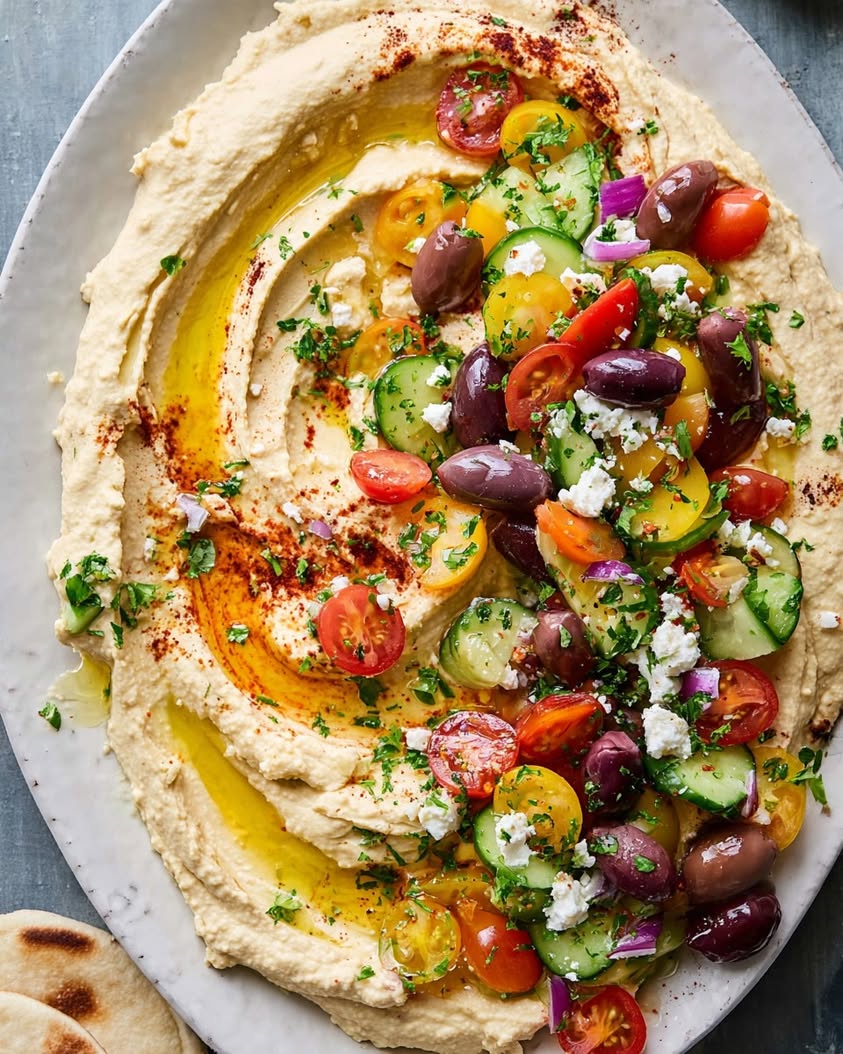
Imagine a creamy, dreamy canvas of hummus, transformed into a stunning, edible landscape of Greek flavors. This Greek Loaded Hummus recipe is not just a dip; it is a vibrant centerpiece for your table that promises to wow every guest. Consequently, it brings the sun-drenched essence of the Mediterranean straight to your kitchen. Moreover, this dish combines the familiar comfort of classic hummus with the bright, fresh toppings of a Greek salad.
This Greek Loaded Hummus recipe is perfect for anyone seeking a healthy, impressive, and incredibly delicious appetizer. The process is wonderfully simple, requiring no cooking and just a bit of chopping. Ultimately, you will create a shareable masterpiece that looks like it came from a gourmet restaurant. The combination of textures and flavors is truly magical, making it a guaranteed crowd-pleaser for any gathering.
Furthermore, this dish is a celebration of fresh ingredients. Each component, from the protein-rich chickpeas to the juicy tomatoes and briny olives, plays a crucial role. The result is a harmonious blend that is both satisfying and nutritious. Whether you are hosting a party or simply treating yourself, this Greek Loaded Hummus recipe delivers a taste of summer and sunshine in every single bite.
Quick Recipe Highlights
- Flavor Profile: This Greek Loaded Hummus recipe delivers a perfect balance of creamy, tangy, and savory notes. The rich tahini and garlic base is beautifully offset by the salty feta and Kalamata olives. Finally, a bright splash of lemon juice and fresh herbs ties everything together.
- Texture: Enjoy a luxurious contrast of smooth, velvety hummus against crunchy cucumbers and crisp red onions. The creamy feta cheese crumbles add a delightful softness, while the chickpeas provide a satisfying, substantial bite. This combination creates a truly engaging mouthfeel.
- Aroma: The moment you prepare this dish, the air fills with the earthy scent of tahini and the sharp, inviting fragrance of fresh garlic. Subsequently, the aroma of chopped dill and oregano adds a layer of herbal freshness that is unmistakably Mediterranean.
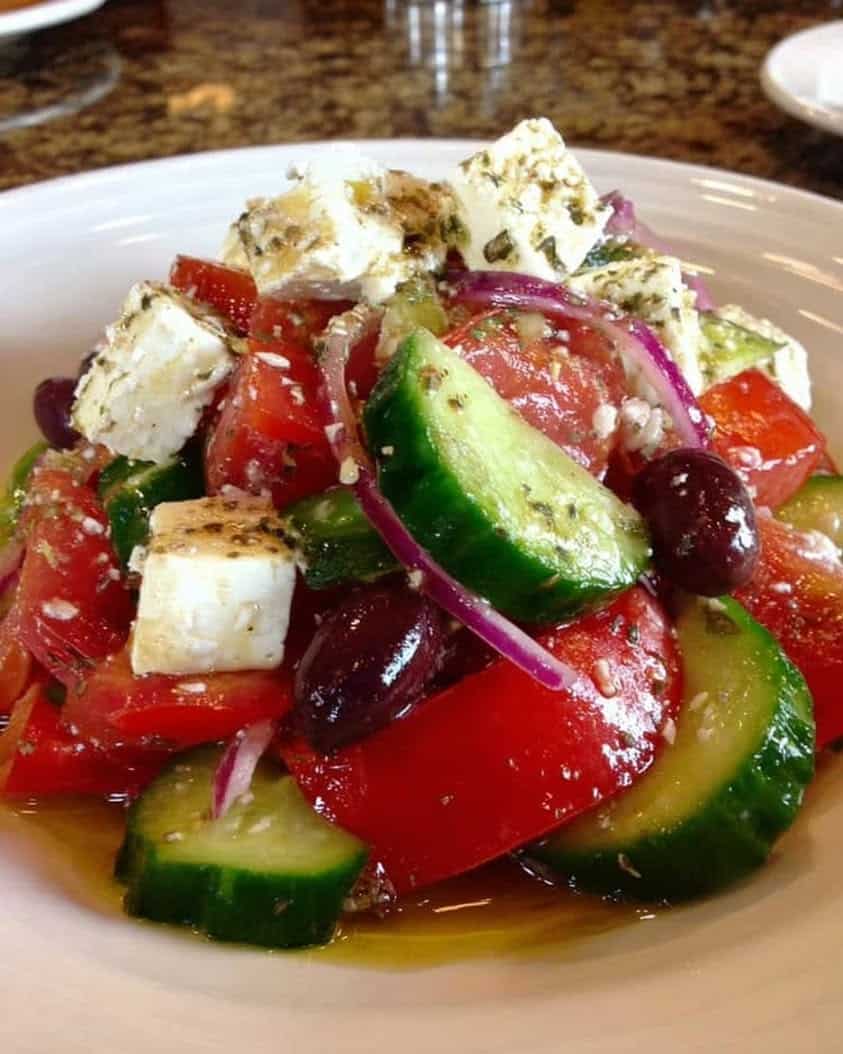
- Visual Appeal: This recipe is a feast for the eyes with its stunning array of colors. The white hummus acts as a canvas for the red tomatoes, green cucumbers, purple onions, and black olives. The vibrant presentation is instantly inviting and perfect for social media.
- Skill Level Needed: This is a fantastic beginner-friendly recipe. Absolutely no advanced cooking techniques are required. The primary skills involve simple chopping, mixing, and artful arranging, making it accessible to cooks of all experience levels.
- Special Equipment: You only need a food processor or high-speed blender to achieve the creamiest hummus base. Other than that, a good knife and cutting board are your main tools. No other specialized kitchen gadgets are necessary.
Recipe Overview
- Difficulty Level: We rate this Greek Loaded Hummus recipe as “Easy” for several compelling reasons. First, there is zero cooking involved, eliminating any stress about timing or doneness. Second, the techniques are fundamental: blending and chopping. Finally, assembly is intuitive and forgiving, allowing for personal creativity without risk of failure.
- Category: This versatile dish fits beautifully into multiple categories. Primarily, it serves as an outstanding appetizer or meze. Additionally, it can be a light lunch or a fantastic side dish alongside grilled meats. It is also perfect for potlucks and picnics.
- Cuisine: This recipe is firmly rooted in Mediterranean and Greek culinary traditions. It draws direct inspiration from classic Greek salad (horiatiki) and the Levantine staple, hummus. The fusion creates a modern, shareable dish that honors its cultural origins while being universally appealing.
- Cost: Preparing this Greek Loaded Hummus recipe is remarkably cost-effective. Canned chickpeas and most vegetables are pantry-friendly and inexpensive. While tahini and good feta are investment items, they are used sparingly and last for multiple recipes. Overall, it is a high-value, low-cost culinary showstopper.
- Season: This dish shines brightest in the late spring and summer months when tomatoes and cucumbers are at their peak flavor. However, it is truly a year-round recipe because it relies on ingredients that are consistently available. It brings a much-needed burst of freshness to winter tables.
- Occasion: It is ideal for casual gatherings, game day parties, holiday appetizer spreads, and healthy weeknight snacks. Furthermore, it is a stellar choice for outdoor dining, baby showers, and book clubs. Its make-ahead nature makes it a stress-free option for busy hosts.
Why You’ll Love This Recipe
First and foremost, the taste and texture of this Greek Loaded Hummus recipe are utterly irresistible. The creamy, garlicky hummus base provides a rich foundation that is perfectly complemented by the array of fresh, crunchy toppings. Each bite offers a symphony of flavors: the saltiness of feta, the tang of lemon, the sweetness of tomato, and the herbal notes of oregano and dill. This complex flavor profile keeps you coming back for more, ensuring the platter is always the first to empty at any party.
From a convenience standpoint, this recipe is a true lifesaver. Since there is no cooking required, you can assemble this stunning dish in about fifteen minutes flat. This makes it perfect for last-minute guests or when you simply do not feel like turning on the stove. Moreover, you can prepare the hummus base a day or two in advance, storing it in the fridge until you are ready to add the fresh toppings. This do-ahead strategy streamlines your party prep significantly.
Nutritionally, this Greek Loaded Hummus recipe is a powerhouse. Chickpeas are an excellent source of plant-based protein and fiber, promoting satiety and digestive health. The olive oil provides heart-healthy monounsaturated fats, while the vegetables contribute essential vitamins and antioxidants. Consequently, this dish is not only delicious but also fuels your body with wholesome, nourishing ingredients. It is a snack or appetizer you can feel genuinely good about serving to family and friends.
For social and entertaining value, this dish is virtually unmatched. Its dramatic, colorful presentation is guaranteed to elicit compliments and spark conversation. It encourages communal eating, as guests gather around the platter with pita bread or veggie sticks. This shared experience fosters a warm, welcoming atmosphere. Additionally, it is naturally vegetarian and can be easily adapted for other dietary needs, making it inclusive for all your guests.
Finally, the cost-effectiveness and accessibility of this Greek Loaded Hummus recipe are major wins. You can create a lavish, restaurant-quality appetizer for a fraction of the price you would pay dining out. The ingredients are easy to find at any standard grocery store. This accessibility means you can whip up a taste of the Mediterranean anytime the craving strikes, without any special shopping trips or exotic ingredients.
Historical Background and Cultural Significance
The origin story of this dish is a beautiful fusion of two ancient culinary traditions. Hummus, whose name simply means “chickpea” in Arabic, has roots stretching back centuries across the Levant. Historical records suggest a precursor was enjoyed in ancient Egypt. Meanwhile, the combination of tomatoes, cucumbers, olives, and feta is the hallmark of the Greek salad, a peasant dish reflecting the fresh, local produce of the Greek countryside. This Greek Loaded Hummus recipe is a modern, creative marriage of these two beloved staples.
Cultural importance is deeply woven into both parent dishes. Hummus is more than food; it is a cultural icon and a symbol of shared heritage and hospitality in Middle Eastern cultures. It is traditionally served as part of a meze spread, meant for sharing and social connection. Similarly, the Greek salad represents the Mediterranean diet’s core principles: simplicity, freshness, and seasonality. By combining them, this recipe honors the communal, health-focused dining ethos of both regions.
The evolution of this specific loaded hummus recipe is a testament to contemporary global fusion cuisine. As food trends moved towards bold, shareable appetizers and “superfood” bowls, creative cooks began elevating classic hummus. The act of loading it with flavorful toppings transformed it from a simple dip into a complete, visually striking meal component. This evolution mirrors our modern desire for food that is Instagram-worthy, nutritious, and packed with diverse flavors and textures.
Regional variations of this concept are endless. In the Eastern Mediterranean, you might find hummus topped with spiced ground lamb (hummus bil lahme). In Israel, a popular style is hummus masabacha, featuring whole chickpeas and a generous pool of tahini. Our Greek Loaded Hummus recipe offers a distinct Hellenic twist. Other global interpretations could include Mexican-inspired toppings with corn and jalapeño, or an Italian version with sun-dried tomatoes and basil. The basic formula is wonderfully adaptable to any flavor profile you love.
Ingredient Deep Dive
Chickpeas (Garbanzo Beans): Chickpeas are one of the oldest cultivated legumes, with a history spanning over 7,000 years in the Middle East. They are a cornerstone of Mediterranean, Middle Eastern, and Indian cuisines. Nutritionally, they are a superstar, packed with plant-based protein, dietary fiber, folate, iron, and phosphorus. For the creamiest hummus in this Greek Loaded Hummus recipe, use canned chickpeas and reserve the liquid (aquafaba). However, you can also cook dried chickpeas from scratch for maximum flavor. If you need a substitute, canned white beans like cannellini or great northern beans will work, though the flavor will be milder.
Tahini: Tahini is a paste made from ground sesame seeds and is essential for authentic hummus flavor and texture. It has been a staple in Levantine cooking for millennia. This ingredient adds a rich, nutty, and slightly bitter depth that balances the chickpeas. It is also a great source of healthy fats, calcium, and B vitamins. Always stir your tahini well before using, as the oil separates. For a smoother hummus, use a high-quality, runny tahini. In a pinch, you could substitute natural, unsweetened creamy almond butter, but the flavor profile will shift noticeably.
Extra Virgin Olive Oil: The choice of olive oil is critical in any Mediterranean recipe. Opt for a good-quality extra virgin olive oil (EVOO) for both the hummus and the final drizzle. EVOO is rich in monounsaturated fats and antioxidants, linked to heart health. Its fruity, peppery notes elevate the entire dish. For the hummus base, a standard EVOO is fine. For the finishing drizzle, use your best, most flavorful bottle. Store olive oil in a cool, dark place to prevent it from becoming rancid. There is no true substitute for its distinctive flavor in this context.
Feta Cheese: Authentic Greek feta is a Protected Designation of Origin (PDO) product, made from at least 70% sheep’s milk, often blended with goat’s milk. It has a tangy, salty, and crumbly character that is irreplaceable. Feta provides a creamy texture and a sharp flavor contrast in this Greek Loaded Hummus recipe. Nutritionally, it is a good source of calcium and protein. For the best results, buy a block of feta in brine and crumble it yourself; pre-crumbled feta is often drier. For a dairy-free version, use a firm tofu crumbled with lemon juice and salt, or a store-bought vegan feta alternative.
Kalamata Olives: These dark purple, almond-shaped olives are named after the city of Kalamata in Greece. They are typically preserved in wine vinegar or olive oil, giving them a rich, fruity, and slightly smoky flavor compared to standard black olives. They add a essential briny, salty punch to the topping mix. Look for olives with the pit still in for better flavor and texture, then pit them yourself. They are a source of healthy fats and antioxidants. If unavailable, other brine-cured black olives like Gaeta or Niçoise can be used, though the distinct Kalamata taste is preferred for authenticity.
Common Mistakes to Avoid
- Using Low-Quality Tahini: A bitter or stale tahini can ruin your entire hummus base. Always taste your tahini before using it. If it tastes unpleasantly bitter or rancid, it is past its prime. Investing in a fresh, high-quality brand makes a world of difference in flavor and creaminess.
- Not Peeling the Chickpeas: While optional, peeling the chickpeas by rubbing them in a towel is the single best trick for achieving ultra-smooth, restaurant-style hummus. The skins can create a slightly grainy texture. If you have the extra two minutes, this step is highly recommended for a luxurious result.
- Under-Seasoning the Hummus Base: Hummus needs ample seasoning to taste vibrant. Do not be shy with the salt, lemon juice, and garlic. Remember, the cold hummus will mute flavors slightly. Always taste and adjust the seasoning after blending, and again after it chills, to ensure it is perfectly balanced.
- Adding Toppings Too Early: If you assemble the fully loaded platter hours in advance, the vegetables will release water and make the hummus soggy. Prepare the hummus base and chop the toppings ahead, but store them separately. Assemble the Greek Loaded Hummus recipe just before serving for the best texture.
- Overprocessing the Hummus: Blending the hummus for too long can actually cause it to become stiff and pasty due to the heat from the food processor motor. Blend just until supremely smooth and creamy. If it gets warm, let it rest before continuing.
- Skipping the Ice Water Trick: Adding a few tablespoons of ice-cold water while blending is a chef’s secret for light, fluffy hummus. The cold water helps emulsify the tahini and chickpeas, creating a whipped, airy texture that is far superior to a dense blend.
- Using Wilted or Out-of-Season Vegetables: The beauty of this dish lies in the freshness of the toppings. Using pale, flavorless tomatoes or soft cucumbers will detract from the final experience. Seek out the crispiest cucumbers and the ripest, reddest tomatoes you can find, even if it means paying a little more.
- Forgetting the Final Drizzle: That last generous swirl of extra virgin olive oil over the assembled platter is not just for looks. It adds a crucial layer of fruity flavor and richness. It also helps the toppings glisten, making the dish look professionally finished. Never skip this final flourish.
Essential Techniques
Blending for Ultimate Creaminess: The key to perfect hummus lies in the blending technique. Start by processing the tahini and lemon juice first; this “whitens” the tahini and creates a smooth foundation. Then, add the chickpeas, garlic, and spices. Stream in the ice-cold water while the processor is running. This gradual addition allows for proper emulsification, creating a light, fluffy, and creamy texture rather than a thick paste. Blend for a full two to three minutes, scraping down the sides as needed, to ensure no gritty bits remain.
Balancing Flavors: Mastering the flavor balance is what separates good hummus from great hummus. After blending, you must taste and adjust. Is it tangy enough? Add more lemon juice. Does it need more savory depth? Add a pinch of cumin or more garlic. Is it missing brightness? A bit more salt can make all the difference. Remember that flavors will meld and mellow slightly after chilling. Therefore, it is wise to slightly over-season the warm hummus from the blender, knowing it will perfect itself in the fridge.
Artful Arrangement (Plating): The presentation of this Greek Loaded Hummus recipe is part of its appeal. Use the back of a spoon to create swoops and wells in the hummus on your serving platter; this creates texture and pockets for the olive oil to pool. Do not just dump the toppings in the center. Instead, arrange them in distinct, colorful sections or scatter them artfully. This thoughtful plating makes the dish look abundant, intentional, and incredibly appetizing, elevating it from a simple dip to a culinary centerpiece.
Pro Tips for Perfect Greek Loaded Hummus
Chill Your Base: For the best flavor and texture, make your hummus base at least an hour before serving and let it chill in the refrigerator. This resting time allows the flavors to fully develop and meld together beautifully. Consequently, the garlic flavor will also mellow slightly, creating a more rounded taste.
Reserve the Aquafaba: Do not pour the liquid from the chickpea can down the drain. This starchy water, called aquafaba, is a magical ingredient. Use it to thin your hummus if it becomes too thick, instead of adding more olive oil or water. It blends seamlessly and enhances the chickpea flavor.
Soak Your Onions: To take the harsh, raw bite out of your red onions, soak the sliced pieces in a bowl of ice water for 10 minutes before assembling. This simple step crisps them up and mellows their flavor, making them more palatable and refreshing in the final dish.
Use Fresh Herbs Liberally: While dried oregano is traditional, do not underestimate the power of fresh herbs. Fresh dill or parsley sprinkled over the top just before serving adds an incredible layer of fragrance and a pop of green color that dried herbs simply cannot match.
Warm Your Pita: Serving companions matter. Lightly toast or warm your pita bread before cutting it into triangles. The warmth and slight crispness provide a wonderful textural contrast to the cool, creamy hummus and make the overall eating experience more satisfying.
Garnish with Smoked Paprika: For an extra touch of color and a subtle smoky flavor, dust the assembled platter very lightly with sweet or smoked paprika just before the final olive oil drizzle. This adds visual depth and a hint of complexity that guests will notice.
Variations and Adaptations
Regional Variations: Explore the Mediterranean by changing your toppings. For a Turkish twist, add chopped pistachios, a drizzle of pomegranate molasses, and a sprinkle of sumac. For a Lebanese style, top with sautéed ground beef or lamb with pine nuts (hummus bil lahme). An Italian-inspired version could feature chopped sun-dried tomatoes, fresh basil, and ribbons of prosciutto.
Seasonal Adaptations: Adapt the toppings to what is fresh. In fall, add roasted cubes of butternut squash and toasted pumpkin seeds. In winter, use roasted red peppers and marinated artichoke hearts. Spring welcomes blanched peas, fresh mint, and radish slices. This flexibility makes the Greek Loaded Hummus recipe a year-round favorite.
Dietary Modifications: For a vegan version, simply omit the feta cheese or use a plant-based alternative. To make it gluten-free, ensure your tahini is certified GF and serve with gluten-free crackers or vegetable crudités. For a lower-carb option, focus on vegetable dippers like bell pepper strips, celery, and cucumber rounds instead of pita bread.
Flavor Variations: Infuse your hummus base with different flavors before loading it. Blend in roasted red peppers, a handful of fresh spinach, a spoonful of harissa paste for heat, or some roasted garlic for sweetness. This allows you to customize the foundational flavor to your personal preference or theme of your meal.
Texture Modifications: If you prefer more texture in your base, reserve a quarter cup of the chickpeas, roughly chop them, and fold them in after blending. You can also add a sprinkle of everything bagel seasoning or za’atar on top of the hummus before adding the vegetable toppings for an extra crunchy element.
Presentation Alternatives: Instead of one large platter, consider serving individual portions in small bowls or on plates for a more composed appetizer. You can also create a “hummus bar” where guests build their own loaded hummus with a variety of topping choices, which is especially fun for interactive gatherings.
Serving and Presentation Guide
Plating Techniques: Choose a wide, shallow bowl or a large platter to give your toppings room to shine. Use the back of a large spoon or an offset spatula to create dramatic swirls and valleys in the hummus. This textured surface not only looks beautiful but also helps the toppings and olive oil settle into the crevices, ensuring every scoop gets a bit of everything.
Garnishing Ideas: Beyond the standard toppings, consider edible flowers, a few whole chickpeas, lemon zest, or fresh herb sprigs for a final touch. A light sprinkle of flaky sea salt (like Maldon) over the finished platter adds a delightful crunch and enhances all the other flavors just before serving.
Traditional Accompaniments: Warm, soft pita bread is the classic and perfect vehicle for this dip. Cut pita rounds into triangles or tear them into rustic pieces. Additionally, serve with a variety of raw vegetable crudités such as carrot sticks, bell pepper strips, radishes, and endive leaves for a refreshing, healthy option.
Modern Serving Suggestions: Transform this appetizer into a light meal by serving it alongside grilled chicken skewers or shrimp. You can also use it as a lavish spread in a wrap or sandwich. For a brunch option, serve it with soft-boiled eggs and crispy pita chips on the side.
Temperature Considerations: The hummus base should be served chilled or at cool room temperature. The vegetable toppings should be fresh and crisp, straight from the refrigerator. This contrast between the cool dip and the ambient-temperature pita is part of the appeal. Avoid letting the assembled platter sit out for more than two hours for food safety and quality.
Portion Control Tips: This recipe generously serves 6 as an appetizer. If serving as part of a larger meze spread with other dips and small dishes, it can easily stretch to 8-10 people. For a main component of a light lunch for two, the recipe can be halved successfully, though leftovers are always welcome.
Wine and Beverage Pairing
Wine Pairings: The bright acidity and herbal notes of this dish pair wonderfully with crisp, dry white wines. A Greek Assyrtiko, with its citrus and mineral notes, is a fantastic regional match. Alternatively, a Sauvignon Blanc, Pinot Grigio, or a dry Rosé would complement the flavors beautifully. For a red option, choose a light-bodied, low-tannin wine like a Beaujolais or a Greek Xinomavro rosé to avoid overpowering the dish.
Non-Alcoholic Alternatives: Sparkling water with a squeeze of lemon or lime is a refreshing and cleansing choice. For something more special, try a homemade lemon-mint iced tea or a pomegranate spritzer. These drinks mirror the fresh, tangy, and herbal elements of the Greek Loaded Hummus recipe without any alcohol.
Coffee/Tea Pairings: While not a typical pairing for this dish, if serving as part of a brunch or lunch, a medium-roast coffee or a pot of mint tea would be lovely afterward. The clean finish of mint tea, in particular, can be a delightful palate cleanser following the rich and savory flavors of the hummus and feta.
Temperature Considerations: White and rosé wines should be served well-chilled, between 45-50°F. Non-alcoholic spritzers and iced teas should also be very cold to provide a refreshing contrast. Having cold beverages on hand is essential, as they balance the richness of the tahini and olive oil perfectly.
Serving Suggestions: Offer a variety of beverage options to cater to all guests. Place bottles of chilled white wine in ice buckets and have carafes of infused water and iced tea readily available. This allows everyone to choose their preferred drink to accompany this versatile and flavorful appetizer.
Storage and Shelf Life
Storage Methods: Store any leftovers, or the hummus base made in advance, in an airtight container in the refrigerator. It is best to store the hummus and the vegetable toppings separately. If the platter has already been assembled, carefully scoop the hummus and wet toppings into a container, though the vegetables will soften considerably.
Temperature Requirements: This dish must always be refrigerated when not being served. Do not leave it at room temperature for more than two hours total (including prep and serving time) to prevent bacterial growth. The ideal refrigerator temperature is below 40°F.
Container Recommendations: Use glass or BPA-free plastic containers with tight-fitting lids. Glass is preferable as it does not absorb odors and allows you to see the contents. For the hummus base, pressing a piece of plastic wrap directly onto the surface before sealing the lid can help prevent a dried-out skin from forming.
Signs of Spoilage: Discard the hummus if you notice an off or sour smell, significant discoloration (like gray or pink spots), or if mold develops. If the vegetables on top become slimy or excessively watery, they should be removed and the underlying hummus assessed separately.
Reheating Instructions: Hummus is meant to be served cold or at cool room temperature. Do not reheat it, as this can cause the oils to separate and create an unpleasant texture. Simply take it out of the refrigerator 15-20 minutes before serving to take the chill off.
Freezing Guidelines: You can freeze the plain hummus base (without toppings) for up to 3 months. Store it in a freezer-safe container, leaving some headspace for expansion. Thaw overnight in the refrigerator. The texture may be slightly grainier after freezing; simply stir it well or give it a quick re-blend with a little fresh lemon juice or water to restore creaminess.
Make Ahead Strategies
Prep Timeline: The ultimate make-ahead dish. You can prepare the hummus base up to 3 days in advance. Chop the vegetables (except tomatoes, which get watery) 1 day ahead and store them in separate airtight containers in the fridge. Crumble the feta a day ahead as well. This leaves only the final assembly for party day, which takes mere minutes.
Storage Between Steps: Keep all components isolated. Store the hummus in its own container. Keep the diced cucumbers, onions, and olives in a separate container, perhaps layered with a paper towel to absorb excess moisture. Store tomatoes at room temperature until the day of, then dice them just before assembling.
Quality Impact Assessment: Making the hummus ahead actually improves its flavor, as the ingredients have time to marry. The vegetables will lose a small amount of crispness after chopping, but soaking the onions and keeping cucumbers very cold mitigates this. The overall impact on quality is minimal, and the trade-off in saved time is immense.
Assembly Tips: When ready to serve, give the hummus a good stir to loosen it. Spread it on your platter. Pat the chopped vegetables dry with a paper towel if they have released any moisture. This crucial step prevents a watery platter. Then, artfully arrange all your pre-prepped components.
Reheating Guidelines: As noted, no reheating is needed. If the hummus is very cold and stiff from the fridge, let it sit out for 15-20 minutes and stir in a teaspoon of warm water or lemon juice to bring it back to a spreadable, creamy consistency before plating.
Fresh Element Additions: Always add the most delicate fresh herbs (like dill or parsley) and the final drizzle of olive oil at the very last moment before serving. This ensures the herbs look vibrant and the oil glistens, giving the Greek Loaded Hummus recipe its signature fresh, just-made appearance.
Scaling Instructions
Halving the Recipe: Halving this Greek Loaded Hummus recipe is straightforward for smaller gatherings. Use half a can of chickpeas (or measure 3/4 cup), and halve all other ingredients precisely. The blending method remains the same. A mini food processor works perfectly for a smaller batch. The assembly on a smaller plate or bowl will look just as abundant and beautiful.
Doubling or Tripling: Doubling or tripling is easy for a crowd. Simply multiply all ingredients accordingly. You may need to blend the hummus in batches if your food processor is small. Mix the batches together in a large bowl at the end to ensure consistent seasoning. Use an extra-large platter or serve it on two separate platters for a grand presentation.
Equipment Adjustments: For a single batch, a standard 7-cup food processor is ideal. For doubled batches, a 14-cup processor or a powerful blender may be necessary. If blending in batches, ensure you divide the liquid ingredients (lemon juice, water, oil) proportionally between batches for consistent texture.
Timing Modifications: The prep time will increase slightly when scaling up, primarily due to the increased volume of vegetable chopping. However, the actual hands-on time per serving decreases. Blending a double batch does not take twice as long; it may only add an extra minute or two of processing.
Storage Considerations: A larger batch of hummus base will stay fresh for the same 3-4 days in the fridge. Ensure you have a large enough airtight container or divide it into multiple containers. For leftovers from a large party, consider storing the hummus and toppings separately to maximize freshness for next-day snacking.
Nutritional Deep Dive
Macro Breakdown: This Greek Loaded Hummus recipe is a well-balanced dish. The chickpeas and tahini provide healthy fats and plant-based protein. The olive oil contributes additional monounsaturated fats. The vegetables add minimal calories but significant volume and fiber. A serving offers a satisfying mix of macros that can help stabilize energy levels, making it more than just an empty-calorie snack.
Micronutrient Analysis: This dish is a micronutrient treasure trove. Chickpeas offer iron, folate, and phosphorus. Tahini is rich in calcium, copper, and manganese. Olive oil is packed with antioxidants like vitamin E and polyphenols. The fresh vegetables provide vitamins A, C, and K, along with potassium. Together, they support bone health, immune function, and reduce inflammation.
Health Benefits: Regularly consuming dishes like this aligns with the heart-healthy Mediterranean diet, linked to reduced risk of chronic diseases. The fiber promotes gut health and satiety. The healthy fats support brain function and hormone production. The antioxidants combat oxidative stress. It is a delicious way to nourish your body comprehensively.
Dietary Considerations: This recipe is naturally vegetarian and can be made vegan and gluten-free with simple swaps. It is also nut-free (tahini is a seed butter). For those monitoring sodium, you can reduce the salt in the hummus and use less feta and olives, relying more on herbs and lemon for flavor.
Portion Analysis: A standard serving (about 1/6th of the recipe) is satisfying without being overly heavy. It is designed to be part of a spread or a pre-meal appetizer. For those using it as a light meal, combining a double portion with a side salad creates a complete, nutritious lunch that will keep you full for hours.
Weight Management Tips: This is an excellent food for weight management due to its high protein and fiber content, which increase feelings of fullness. To reduce calories further, you can slightly reduce the amount of olive oil in the hummus and focus on using more vegetable crudités than pita bread for dipping.
PrintGreek Style Loaded Hummus
- Total Time: 15 minutes
- Yield: 4
Description
A creamy and flavorful hummus topped with fresh Greek-inspired ingredients like tomatoes, cucumbers, olives, and feta cheese, perfect as a dip or appetizer.
Ingredients
- 1 can (15 oz) chickpeas, drained and rinsed
- 1/4 cup tahini
- 2 tablespoons fresh lemon juice
- 2 cloves garlic, minced
- 2 tablespoons olive oil
- 1/4 teaspoon salt
- 1/4 teaspoon black pepper
- 1/2 cup diced cucumber
- 1/2 cup diced cherry tomatoes
- 1/4 cup sliced Kalamata olives
- 1/4 cup crumbled feta cheese
- 1 tablespoon chopped fresh parsley
- 1 teaspoon dried oregano
Instructions
- In a food processor, combine chickpeas, tahini, lemon juice, garlic, olive oil, salt, and pepper. Blend until smooth and creamy, adding a tablespoon of water if needed to reach desired consistency.
- Spread the hummus evenly on a serving plate or shallow bowl.
- Top the hummus with diced cucumber, cherry tomatoes, Kalamata olives, and crumbled feta cheese.
- Sprinkle with chopped parsley and dried oregano for garnish.
- Serve immediately with pita bread, crackers, or vegetable sticks for dipping.
Notes
You can customize the seasonings to taste.
- Prep Time: 15 minutes
- Cook Time: 0 minutes
- Method: Appetizer
- Cuisine: Greek