Authentic Greek Potato Salad Recipe with Lemon and Fresh Herbs: A Taste of the Mediterranean Sun
This authentic Greek potato salad recipe is a vibrant departure from its mayonnaise-heavy cousins. Moreover, it bursts with the bright, clean flavors of the Mediterranean. Picture tender, golden potatoes tossed in a zesty lemon and olive oil dressing, then generously studded with briny Kalamata olives, crisp red onion, and a confetti of fresh herbs. Consequently, every bite is a refreshing symphony of textures and tastes.
This dish is a staple of Greek tavernas for good reason. It is incredibly versatile, wonderfully satisfying, and surprisingly light. Furthermore, it captures the essence of Greek cooking, which celebrates simple, high-quality ingredients. Ultimately, this Greek potato salad is more than a side dish; it is a celebration of sunshine on a plate.
Whether you are hosting a summer barbecue, need a standout potluck contribution, or simply crave a healthy and flavorful lunch, this recipe delivers. It requires minimal hands-on effort, yet the result is profoundly delicious. Let us dive into this culinary journey to the Greek isles.
Quick Recipe Highlights
- Flavor Profile: This authentic Greek potato salad recipe masterfully balances tangy, savory, and herbal notes. The sharpness of fresh lemon juice and red onion beautifully cuts through the richness of extra virgin olive oil. Meanwhile, the salty punch of feta and olives provides a perfect counterpoint to the potatoes’ earthy sweetness.
- Texture: Expect a delightful contrast in every forkful. You get creamy, soft potatoes against the satisfying crunch of diced cucumber and red onion. Additionally, the crumbled feta offers a soft, briny bite, and the fresh herbs contribute a delicate, leafy texture that makes the salad feel alive.
- Aroma: The moment you toss the salad, the kitchen fills with an irresistible fragrance. First, the bright, citrusy scent of fresh lemon zest and juice takes center stage. Then, the earthy, pungent aroma of chopped oregano and parsley mingles with the fruity notes of high-quality olive oil, creating an olfactory preview of the flavors to come.
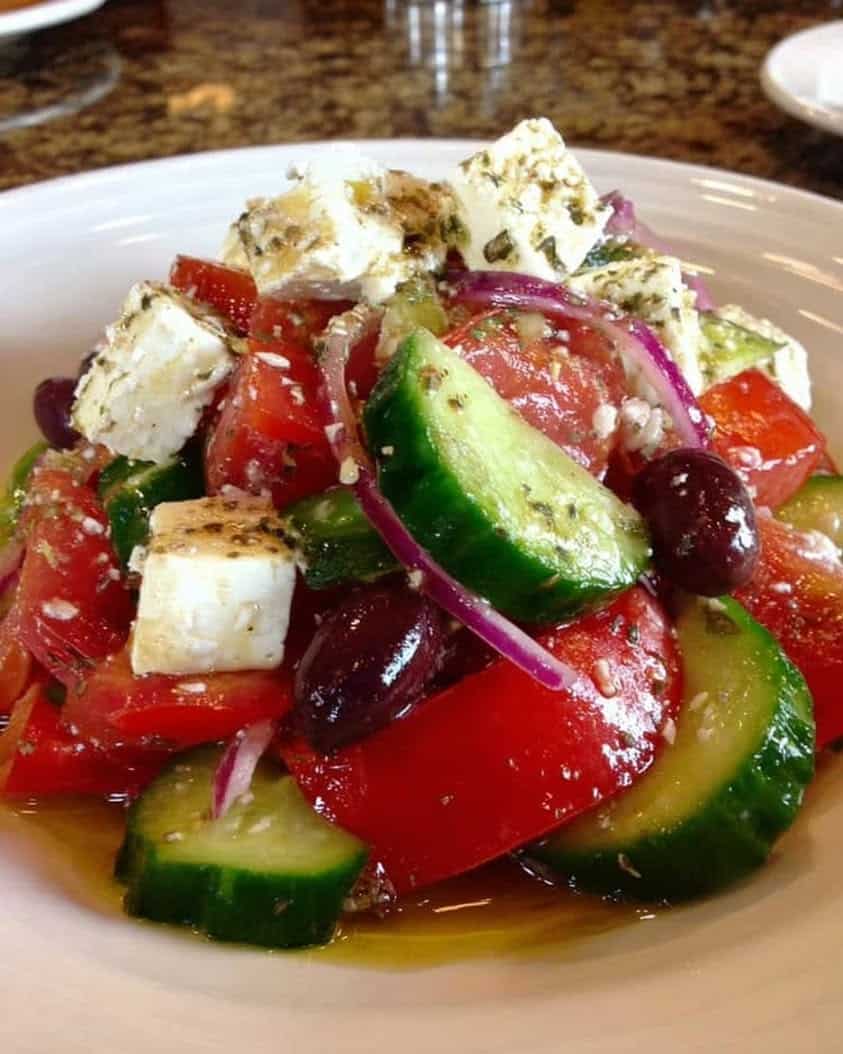
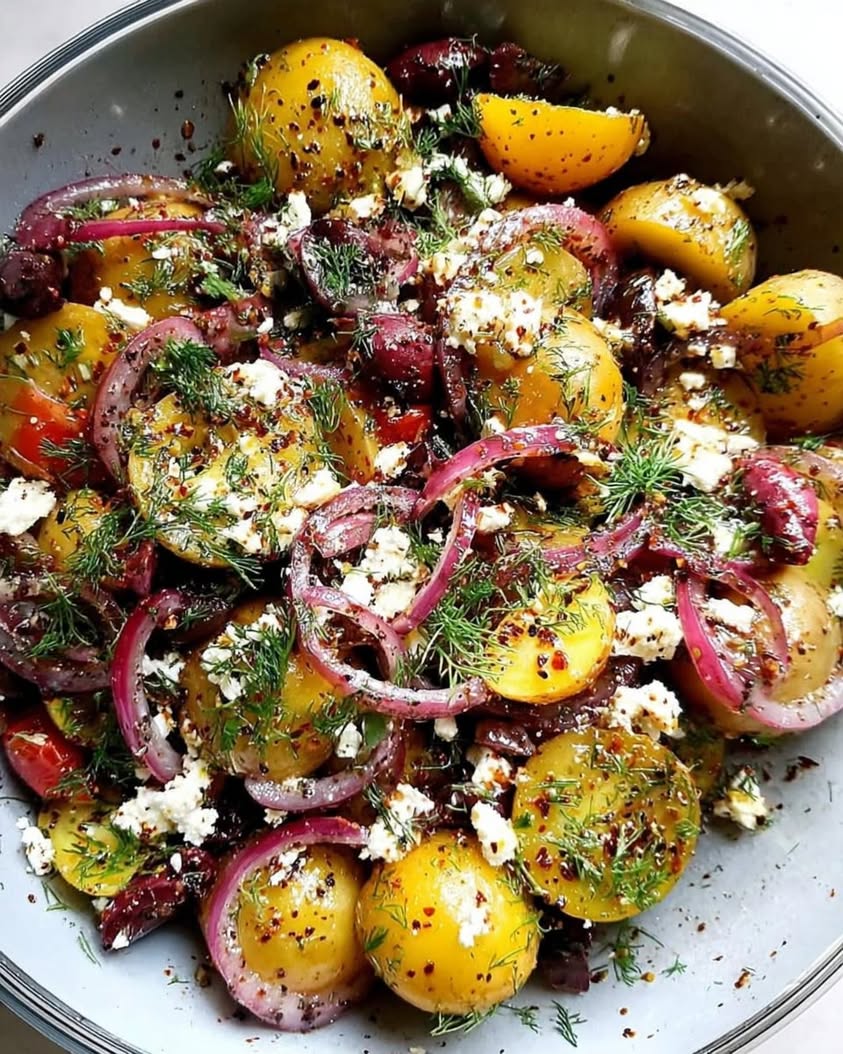
- Visual Appeal: This salad is a feast for the eyes with its vibrant color palette. The golden-yellow potatoes provide a warm base, punctuated by the deep purple of Kalamata olives, the stark white of feta, the green of fresh herbs, and the bright red of onion. Consequently, it looks as spectacular on a picnic table as it does on a dinner plate.
- Skill Level Needed: This is a beginner-friendly recipe perfect for novice cooks. The techniques are straightforward: boiling, chopping, and whisking. Importantly, there is no complex knife work or precise temperature control required. The focus is on fresh ingredients and simple assembly.
- Special Equipment: You need only basic kitchen tools. A large pot for boiling potatoes, a sturdy colander for draining, a sharp knife and cutting board for prep, and a large mixing bowl are essential. A whisk for the dressing and a microplane or fine grater for the lemon zest are helpful but not mandatory.
Recipe Overview
- Difficulty Level: We rate this authentic Greek potato salad recipe as “Easy.” The steps are sequential and simple: boil, chop, whisk, and combine. There is no fancy technique or special equipment required. The primary skill is in selecting good ingredients and not overcooking the potatoes. Even a first-time cook can achieve excellent results by following the clear instructions.
- Category: This dish is incredibly versatile. It functions perfectly as a hearty side dish for grilled meats like lamb, chicken, or fish. Alternatively, it can be the star of a vegetarian meze platter. For a light lunch, serve it over a bed of greens. It truly spans categories from side to salad to appetizer.
- Cuisine: This recipe is firmly rooted in the culinary traditions of Greece, specifically the broader Mediterranean diet. It embodies the region’s philosophy of using fresh, local produce, healthy fats like olive oil, and bold, simple flavors from herbs and citrus. It is a direct reflection of the sun-drenched, coastal cuisine of the Greek islands.
- Cost: This is a very cost-effective dish to prepare. Potatoes, onions, and cucumbers are inexpensive staples. While extra virgin olive oil, good feta, and Kalamata olives represent the main costs, they are used purposefully and provide immense flavor payoff. Overall, you can feed a crowd for a fraction of the cost of a meat-centric main course.
- Season: While delicious year-round, this authentic Greek potato salad truly shines in the warmer months. It is ideal for spring and summer gatherings, picnics, and barbecues because it is served at room temperature or chilled. The bright, refreshing flavors are a welcome contrast to heavy, hot-weather meals.
- Occasion: This salad is the ultimate social food. It is perfect for casual weeknight dinners, festive holiday meals like Easter, potlucks, picnics, and backyard barbecues. Its make-ahead nature and crowd-pleasing flavor profile make it a reliable choice for any event where good food and good company are the priorities.
Why You’ll Love This Recipe
First and foremost, the taste of this authentic Greek potato salad recipe is utterly addictive. Unlike creamy salads that can feel heavy, this version is light and invigorating. The tangy lemon dressing soaks into the warm potatoes, creating an incredibly flavorful base. Every subsequent ingredient, from the salty feta to the herbal oregano, builds upon that foundation. Consequently, you experience a complex flavor journey in a single, satisfying bite. It is a dish that delights the palate without overwhelming it.
Secondly, the convenience factor is a major win. This salad requires minimal active cooking time. You can boil the potatoes and prepare the other components simultaneously. Furthermore, it actually improves as it sits, allowing the flavors to meld. This make-ahead quality is a game-changer for busy hosts. You can prepare it hours before your guests arrive, freeing you up to focus on other tasks. Ultimately, it eliminates the last-minute scramble that often accompanies entertaining.
From a nutritional standpoint, this Greek potato salad is a powerhouse. It is packed with whole-food ingredients that offer real health benefits. Potatoes provide vitamin C, potassium, and fiber, especially if you leave the skins on. Meanwhile, extra virgin olive oil contributes heart-healthy monounsaturated fats. Fresh herbs are loaded with antioxidants, and vegetables like cucumber and red onion add vitamins and hydration. It is a side dish that nourishes your body as much as it pleases your taste buds.
Socially, this dish is a proven crowd-pleaser. Its vibrant appearance immediately draws people in, and its familiar-yet-exotic flavor profile appeals to almost everyone. It pairs seamlessly with a wide variety of main courses, from burgers to elegant seafood. Serving this authentic Greek potato salad often sparks conversation about travel, food memories, and the simple joy of sharing a delicious meal. It has a way of bringing people together around the table.
Finally, it is remarkably cost-effective and accessible. The ingredients are easy to find at any standard grocery store. You do not need rare or expensive items to create something spectacular. This accessibility means you can enjoy a taste of the Mediterranean anytime you wish. Whether you are cooking on a budget or simply value smart spending, this recipe delivers maximum flavor and satisfaction for a minimal investment.
Historical Background and Cultural Significance
The roots of potato salad in Greece are intertwined with the introduction of the potato itself to the region. Potatoes arrived in Europe from the Americas in the 16th century but took longer to become a staple in Greek cuisine. However, once integrated, they were embraced for their hardiness and versatility. The concept of a “patatosalata” (potato salad) evolved naturally, reflecting the core principles of Greek cooking: seasonal produce, olive oil, lemon, and wild herbs. This authentic Greek potato salad recipe is a modern incarnation of that rustic, resourceful tradition.
Culturally, this dish is a fixture in the Greek “meze” culture. Meze refers to a collection of small dishes shared among friends and family, often alongside drinks. A bowl of this potato salad is a common sight in tavernas, served with crusty bread to soak up the glorious dressing. It represents communal eating and the celebration of simple pleasures. Importantly, it is not considered a heavy side but a refreshing component of a larger, shared feast, emphasizing connection and conversation.
The recipe has evolved with regional touches across Greece. On islands like Crete, you might find capers or a heavier hand with oregano. In other regions, a splash of red wine vinegar might join the lemon. The version with feta and Kalamata olives has become an international favorite, symbolizing Greek flavors for a global audience. This evolution shows the adaptability of the dish while maintaining its essential character: potatoes dressed in the bright, clean flavors of the Mediterranean.
Today, this authentic Greek potato salad recipe holds significance as an ambassador of the healthy Mediterranean diet. It showcases how a plant-forward dish can be deeply satisfying and flavorful without relying on heavy creams or processed ingredients. It connects modern eaters to a long tradition of wholesome, vegetable-centric cooking. For many, it is a delicious entry point into exploring Greek cuisine and its celebrated emphasis on freshness, balance, and joy in eating.
Ingredient Deep Dive
Yukon Gold Potatoes: These are the ideal choice for this authentic Greek potato salad recipe. Their naturally buttery flavor and creamy, waxy texture hold up beautifully after boiling, meaning they stay intact when tossed. Unlike starchy russets, they absorb the dressing without becoming mushy. Nutritionally, they are a good source of vitamin C, potassium, and vitamin B6. Select firm potatoes without sprouts or green tinges. Store them in a cool, dark, well-ventilated place. For a variation, you can use red-skinned potatoes, which also have a waxy texture and add a pop of color.
Extra Virgin Olive Oil: This is the soul of the dressing. A robust, fruity Greek extra virgin olive oil will impart authentic flavor and richness. It provides healthy monounsaturated fats and antioxidants. Always choose oil labeled “extra virgin” for its superior taste and quality from the first cold pressing. Store it in a cool, dark cupboard away from heat to prevent rancidity. Do not substitute with lighter oils like vegetable or canola; the flavor is essential. If needed, a good quality regular olive oil can work in a pinch.
Fresh Lemon Juice and Zest: The lemon provides the essential bright, tangy backbone. Freshly squeezed juice is non-negotiable; bottled juice lacks vibrancy and can taste metallic. The zest contains potent aromatic oils that intensify the citrus flavor exponentially. Lemons are rich in vitamin C and aid in digestion. Choose heavy, firm lemons with smooth, bright skin for the most juice. Roll them on the counter before cutting to maximize yield. Store lemons in the refrigerator. There is no true substitute for fresh lemon in this recipe.
Feta Cheese: Authentic Greek feta, made from at least 70% sheep’s milk (often blended with goat’s milk), is key. It is tangier, creamier, and less salty than many cow’s milk versions. It provides protein, calcium, and a distinctive briny punch. Look for feta packed in brine for the best texture and flavor. Crumble it yourself for irregular, delicious pieces. Store leftover feta submerged in its brine in the refrigerator. For a dairy-free version, omit it or use a firm, brined vegan cheese alternative.
Kalamata Olives: These iconic Greek olives are prized for their deep purple color, almond shape, and rich, winey flavor. They add a crucial salty, umami element. Purchase them pitted for convenience, or pit them yourself. They are a source of healthy fats and antioxidants. Avoid using canned black olives, as their flavor profile is completely different and will not deliver an authentic taste. Store opened olives in their liquid in the refrigerator.
Common Mistakes to Avoid
- Overcooking the Potatoes: This is the most critical error. Mushy, waterlogged potatoes will fall apart and make the salad soggy. Always test for doneness with a fork; it should pierce the potato with slight resistance. They will continue to cook slightly as they cool.
- Using Bottled Lemon Juice: The flavor difference is dramatic. Bottled juice lacks the bright, fresh acidity and can impart a chemical aftertaste. Freshly squeezed lemon juice is essential for the vibrant flavor profile of an authentic Greek potato salad recipe.
- Dressing Cold Potatoes: Potatoes absorb flavor best when they are still warm. Tossing the dressing with hot or warm potatoes allows them to soak up the lemon and olive oil, creating a more flavorful base for the entire dish.
- Skipping the Lemon Zest: The zest contains aromatic oils that provide intense lemon flavor without additional acidity. Omitting it results in a dressing that tastes sharp but lacks depth and fragrance.
- Using Pre-Crumbled Feta: Pre-crumbled feta is often coated in anti-caking agents, which can make it dry and chalky. For the best texture and flavor, always buy a block of feta in brine and crumble it yourself just before adding.
- Not Salting the Potato Water: Potatoes need to be seasoned from the inside out. Salting the boiling water generously (like pasta water) is the first and most important step in seasoning the potatoes themselves.
- Adding Ingredients Too Early: Delicate ingredients like fresh herbs and cucumber can wilt and lose their texture if added while the potatoes are too hot. Let the dressed potatoes cool slightly before folding in these fresh components.
- Using a Mild Olive Oil: A bland or refined olive oil will not contribute the necessary fruity, peppery notes. Invest in a good-quality extra virgin olive oil; it is the foundation of the dressing’s flavor.
- Not Tossing Gently: Once all ingredients are combined, use a wide, flexible spatula to fold everything together gently. Aggressive stirring will break the potatoes and crush the softer ingredients.
- Serving Immediately: While you can serve it right away, this salad benefits immensely from resting for 30-60 minutes. This allows the flavors to marry and develop fully.
Essential Techniques
Boiling Potatoes to Perfect Doneness: This technique is crucial for texture. Start with cold, salted water and bring it to a boil with the potatoes. This ensures even cooking from the outside in. A rolling boil can cause the outsides to disintegrate before the insides are done. Test by piercing a potato chunk with a fork or paring knife; it should meet slight resistance in the center. Immediately drain and let steam evaporate for a minute to prevent sogginess. Perfectly cooked potatoes are tender but hold their shape.
Creating an Emulsified Dressing: While simple, whisking the dressing properly creates a cohesive sauce. In a bowl, combine the lemon juice, zest, minced garlic, oregano, salt, and pepper. Whisk vigorously while slowly drizzling in the extra virgin olive oil. This gradual incorporation helps the oil and acid bind into a lightly thickened, uniform dressing. An emulsified dressing coats the potatoes evenly rather than separating into pools of oil and lemon juice on the plate.
Marinating While Warm: This is the secret to deeply flavored potatoes. As soon as the potatoes are drained and slightly cooled, transfer them to your mixing bowl and pour the dressing over them. Gently toss to coat. The warm potatoes act like a sponge, absorbing the lemony, herby dressing into their surface. This step ensures the potato itself is seasoned throughout, not just on the outside.
Pro Tips for Perfect Greek Potato Salad
Cut your potato pieces into uniform sizes, about 1-inch chunks. This guarantees they will all finish cooking at the same time, preventing some pieces from being overcooked while others remain hard.
After draining the boiled potatoes, let them sit in the colander for 2-3 minutes. This allows excess steam to escape, which helps dry the surface slightly so the dressing adheres better.
If your red onion is particularly sharp, soak the diced pieces in a bowl of cold water for 10 minutes after chopping. This simple step mellows the pungent bite while retaining its crisp texture and color.
Add the fresh herbs in two stages. Stir half into the dressed potatoes while they are still warm to infuse their flavor, then fold in the remaining herbs just before serving for a burst of fresh color and aroma.
For an extra layer of flavor, add a teaspoon of high-quality dried oregano to the dressing along with the fresh. Dried oregano has a more concentrated, earthy flavor that complements the fresh herb beautifully.
Always taste and adjust the seasoning after the salad has rested. Potatoes can absorb salt, so you may need an extra pinch just before serving to make all the flavors pop.
If making ahead, reserve a little of the crumbled feta and some whole herbs for garnish. Sprinkling these on top just before serving makes the presentation look freshly made and extra inviting.
For a creamier texture without mayonnaise, mash a few of the warm potato pieces into the dressing before tossing with the rest. This creates a thicker, clingier coating on the other potatoes.
Variations and Adaptations
Regional Variations: Across Greece, you will find delightful tweaks to this authentic Greek potato salad recipe. In some areas, a tablespoon of capers adds a briny pop. Others might include thin slices of green bell pepper for extra crunch. A Cretan version might feature a generous amount of their famed wild thyme or oregano. Exploring these variations is a delicious way to taste the diversity within Greek cuisine.
Seasonal Adaptations: In spring, add a handful of fresh peas or chopped asparagus tips. For summer, incorporate sweet cherry tomatoes or grilled corn kernels. In autumn, roasted red peppers or a pinch of smoked paprika can add warmth. Winter versions might include heartier additions like artichoke hearts or cannellini beans for extra substance, adapting the salad to cooler weather.
Dietary Modifications: For a vegan Greek potato salad, simply omit the feta cheese. You can add nutritional yeast or chopped, marinated almonds for a savory, umami element. To make it gluten-free, ensure all packaged ingredients like olives are certified gluten-free, though the recipe is naturally gluten-free. For a lower-carb option, reduce the potato quantity and add more cucumber, celery, and bell peppers.
Flavor Variations: Introduce a teaspoon of Dijon mustard to the dressing for a subtle sharpness and creamier emulsion. A pinch of red pepper flakes will add a gentle heat. For a more aromatic profile, add a tablespoon of chopped fresh dill or mint along with the parsley. A splash of red wine vinegar alongside the lemon can deepen the acidity.
Texture Modifications: For extra crunch, add toasted pine nuts or slivered almonds. For a creamier salad, stir in a few tablespoons of Greek yogurt or tzatziki sauce. If you prefer a smoother potato experience, you can partially mash the potatoes after dressing them for a chunkier, more cohesive texture.
Presentation Alternatives: Serve individual portions in hollowed-out bell peppers or tomatoes for a stunning presentation. Layer the salad in a clear glass trifle dish to showcase the colorful ingredients. For a party, serve it in endive leaves or on small cucumber rounds as a bite-sized appetizer.
Serving and Presentation Guide
Plating this authentic Greek potato salad is part of the enjoyment. For a family-style presentation, use a wide, shallow bowl or a colorful platter. This allows the vibrant ingredients to be seen. Gently mound the salad, creating some height for visual appeal. Avoid over-handling or packing it down, as this can crush the potatoes and make the salad look muddy.
Garnishing is simple but effective. A final drizzle of extra virgin olive oil over the top adds a beautiful sheen. Sprinkle with a few extra crumbles of feta, some whole Kalamata olives, and a generous flurry of freshly chopped parsley or oregano. A twist of black pepper and a thin lemon slice on the side completes the picture. The goal is to look abundant and fresh.
Traditional accompaniments include grilled meats like souvlaki (skewered pork or chicken) or whole fish. It is also perfect alongside spanakopita (spinach pie) or dolmades (stuffed grape leaves). Do not forget plenty of crusty bread, like a rustic sourdough or pita, to soak up every last drop of the delicious dressing left on the plate.
For modern serving, consider it as a main course for a light lunch. Serve it over a bed of peppery arugula with grilled shrimp or chickpeas on top. Alternatively, pack it into a pita pocket or wrap with some greens for a portable meal. It also makes an excellent topping for a grain bowl with quinoa or farro.
Temperature is flexible but important. This salad is best served at room temperature. If refrigerated, take it out about 30 minutes before serving to allow the olive oil to loosen and the flavors to wake up. Serving it too cold mutes the flavors and hardens the fats.
Portion control is easy. As a side dish, plan for about 1 to 1.5 cups per person. If serving as part of a meze spread with many other dishes, a half-cup portion is sufficient. Because it is so flavorful and satisfying, a little goes a long way, especially when paired with other items.
Wine and Beverage Pairing
Wine pairings for this authentic Greek potato salad should complement its bright acidity and herbal notes. A crisp, dry white wine is ideal. A Greek Assyrtiko from Santorini, with its citrus and mineral qualities, is a perfect match. Alternatively, a Sauvignon Blanc or a dry Pinot Grigio will also work beautifully. For rosé lovers, a dry Provençal rosé with its subtle red fruit and herbal hints pairs wonderfully. The key is to avoid oaky or overly sweet wines that would clash with the lemon and briny elements.
For non-alcoholic alternatives, consider beverages that are equally refreshing. Sparkling water with a squeeze of lemon or lime is a classic choice. Homemade lemonade, either traditional or infused with herbs like mint or basil, echoes the salad’s flavors. Iced herbal tea, such as a mint or chamomile tea, provides a soothing complement. A cucumber-mint spa water would also be a light and hydrating pairing.
If serving this salad as part of a larger Greek meal, traditional beverages like ouzo (an anise-flavored aperitif) or tsipouro (a grape-based pomace brandy) are cultural companions. They are typically served chilled with a small ice cube and a side of water. Their strong, anise flavor is a traditional counterpoint to the variety of meze dishes.
Temperature considerations are straightforward. White wines, rosés, and non-alcoholic sparklers should be served well-chilled. This crisp coldness contrasts pleasantly with the room-temperature salad. Water and teas should also be served cold or over ice to provide a refreshing palate cleanser between bites.
Ultimately, the best beverage is one you enjoy. The salad’s balanced flavor profile makes it friendly to a wide range of drinks. Encourage guests to sip and discover their own favorite pairing, making the meal a personalized and interactive experience.
Storage and Shelf Life
Proper storage is key to enjoying leftovers of this authentic Greek potato salad recipe. Always store it in an airtight container in the refrigerator. Glass containers are excellent because they do not absorb odors and allow you to see the contents. Ensure the salad has cooled to room temperature before covering and refrigerating to prevent condensation, which can make it soggy.
The ideal storage temperature is below 40°F (4°C). In the refrigerator, the salad will maintain its best quality for 3 to 4 days. The flavors will continue to meld, often tasting even better on the second day. However, the fresh herbs and cucumber will gradually lose their crispness over time.
Signs of spoilage include an off or sour smell, significant liquid separation that looks cloudy, or any visible mold. If the potatoes develop an unusually slimy texture, it is time to discard the salad. When in doubt, trust your senses; fresh ingredients should still smell bright and herbal.
This salad is not ideal for reheating, as it is meant to be served cool or at room temperature. If it seems too cold straight from the fridge, simply let it sit on the counter for 20-30 minutes before serving. Stirring it gently will help redistribute the dressing that may have settled.
Freezing is not recommended. Potatoes and cucumbers undergo significant textural changes when frozen and thawed, becoming watery and mushy. The emulsion in the dressing will also break. For the best experience, enjoy this salad fresh or within its refrigerated shelf life.
Make Ahead Strategies
This authentic Greek potato salad recipe is a make-ahead champion, perfect for stress-free entertaining. You can prepare the entire salad up to 24 hours in advance. In fact, the flavors improve as they mingle. The key is to store it properly. After assembling, press a piece of plastic wrap directly onto the surface of the salad before sealing the container. This minimizes air exposure and helps prevent the herbs from oxidizing and turning dark.
For optimal freshness, consider a staged prep approach. Cook the potatoes and prepare the dressing a day ahead. Store the cooled potatoes and dressing separately in the fridge. Chop the harder vegetables (onion, cucumber) and store them in a separate container. Wait to chop the fresh herbs and crumble the feta until the day of serving. About an hour before your event, combine the potatoes and dressing, let them come to room temperature, then fold in the remaining ingredients.
This staged method has minimal impact on quality. The potatoes may absorb the dressing even more deeply when combined ahead. The only potential downside is a slight softening of the cucumber and herbs, but the flavor payoff is worth it. If you are concerned, simply add half the herbs ahead of time and the rest just before serving for a fresh pop.
Final assembly tips: If you have made the salad completely ahead, give it a good gentle stir before serving to redistribute the dressing. Taste and adjust salt and pepper, as chilled flavors can be muted. Add a final drizzle of olive oil and a sprinkle of fresh herbs on top to refresh its appearance and aroma instantly.
Scaling Instructions
Scaling this authentic Greek potato salad recipe up or down is straightforward because it uses simple ratios. To halve the recipe, simply divide all ingredient quantities by two. Use a medium pot for boiling the smaller batch of potatoes. The prep and cook times will remain roughly the same, though the time to bring the water to a boil may be slightly shorter.
Doubling or tripling the recipe for a crowd is easy. Use a very large stockpot or boil the potatoes in two batches to ensure they cook evenly. When whisking a large batch of dressing, consider making it in a large liquid measuring cup for easy pouring. You will need an extra-large mixing bowl for combining everything. The total time will increase slightly for chopping larger volumes of vegetables, but the cook time for the potatoes remains constant per batch.
Equipment adjustments are important for large batches. Ensure your colander is large enough to drain a big batch of potatoes. A set of nesting mixing bowls is invaluable. For serving, consider using two large platters instead of one overcrowded bowl. This keeps the presentation appealing and makes it easier for guests to serve themselves.
Timing modifications are minimal. The potatoes will take the same time to cook per batch regardless of quantity. The primary time increase comes from prep work—chopping more vegetables and herbs. To manage this, you can use a food processor with a pulse function for uniformly dicing onions and cucumbers, but chop herbs by hand to prevent bruising.
Storage considerations change with scale. A large batch will take longer to cool to room temperature before refrigerating. Spread the salad in a shallow layer in a large baking dish to cool quickly and safely before transferring to storage containers. This prevents the center from staying warm too long, which is a food safety concern.
Nutritional Deep Dive
This authentic Greek potato salad recipe offers a balanced macronutrient profile. The primary carbohydrates come from the potatoes, providing sustained energy. The generous amount of extra virgin olive oil contributes healthy monounsaturated fats, which are beneficial for heart health. The feta cheese adds a modest amount of protein and fat. Overall, it is a dish with a good balance, though it is higher in fat from the olive oil and cheese, which are sources of quality calories and flavor.
A closer look at micronutrients reveals a wealth of benefits. Potatoes are an excellent source of vitamin C and potassium. Olive oil is rich in vitamin E and antioxidants. Fresh herbs like parsley and oregano provide vitamin K, vitamin A, and various phytonutrients. Red onions offer quercetin, an antioxidant with anti-inflammatory properties. Together, these ingredients create a nutrient-dense side dish that supports overall health.
The health benefits are aligned with the Mediterranean diet, one of the most studied and recommended eating patterns in the world. This diet is associated with reduced risk of heart disease, improved brain health, and better weight management. This salad encapsulates its principles: plenty of vegetables, healthy fats, herbs, and minimal processed ingredients. It is a delicious way to eat for wellness.
For dietary considerations, this salad is naturally vegetarian and can be made gluten-free and vegan with simple modifications. Those monitoring sodium intake should be mindful of the feta cheese, olives, and added salt; you can reduce these quantities or choose low-sodium olives. For diabetics, the glycemic impact can be moderated by leaving the potato skins on for extra fiber and ensuring the portion size is appropriate alongside protein and other non-starchy vegetables.
Portion analysis is helpful for weight management. A standard serving (about 1.5 cups) is satisfying due to the fiber from potatoes and vegetables and the satiating fats from olive oil and cheese. This can help prevent overeating. To make it even more weight-conscious, you can slightly reduce the olive oil by a tablespoon and increase the volume of non-starchy vegetables like cucumber and bell peppers.
Dietary Adaptations
Gluten-Free: This authentic Greek potato salad recipe is naturally gluten-free as written. Simply ensure that any pre-packaged ingredients, such as olives, are certified gluten-free, as cross-contamination can sometimes occur in processing facilities. There are no hidden sources of gluten in the standard ingredient list.
Dairy-Free/Vegan: For a dairy-free or vegan version, omit the feta cheese. To replace the salty, tangy element, consider adding a tablespoon of capers, chopped sun-dried tomatoes, or a handful of toasted, chopped nuts like almonds or walnuts. A sprinkle of nutritional yeast can add a cheesy, umami note. The rest of the recipe is already plant-based.
Low-Carb/Keto: To adapt for a low-carb or keto diet, significantly reduce the amount of potato. Replace the bulk with low-carb vegetables like cauliflower florets (steamed or roasted), chopped celery, radishes, and bell peppers. Increase the amounts of olives, feta, and olive oil to maintain richness and satisfaction while keeping net carbs low.
Paleo: For a Paleo version, omit the dairy (feta cheese) and ensure all other ingredients are whole, unprocessed foods. The potatoes are a point of debate in strict Paleo circles; some avoid them, while others include them. If avoiding potatoes, use a base of roasted sweet potatoes or cubed and roasted root vegetables like turnips or parsnips.
Low-FODMAP: This requires several changes. Potatoes are low-FODMAP in moderate servings. Omit the garlic and red onion, as they are high in FODMAPs. Use the green tops of scallions (green parts only) for onion flavor. Ensure the olives do not contain garlic. Feta cheese is typically low-FODMAP in servings of 1 oz or less per sitting, so measure carefully.
Troubleshooting Guide
Salad is Too Watery/Soggy: This usually results from overcooked potatoes or adding the cucumber before the potatoes have cooled. Solution: Ensure you boil potatoes just until fork-tender and let them drain and steam-dry thoroughly. If the salad is already made, you can try draining off excess liquid and adding a handful of breadcrumbs or extra crumbled feta to absorb moisture. Next time, consider salting the cucumber slices and letting them drain in a colander for 15 minutes before adding to the salad.
Lacking Flavor: If your authentic Greek potato salad tastes bland, the potatoes were likely under-seasoned. Solution: Remember to salt the boiling water generously. Also, ensure you are using enough salt in the dressing and allowing the salad to rest before serving so flavors develop. A final adjustment of salt, lemon juice, and a drizzle of robust olive oil just before serving can often rescue a bland batch.
Dressing Separated and Oily: This happens if the dressing was not emulsified properly or if the salad was stored for a long time. Solution: Give the salad a vigorous stir to recombine the ingredients. To prevent it, whisk the dressing slowly and steadily as you add the oil. If serving leftovers, stir well and let it sit for 10 Print
Greek Potato Salad
- Total Time: 45 minutes
- Yield: 4
Description
A refreshing and tangy potato salad with Mediterranean flavors, featuring olives, feta, and a lemon-herb dressing.
Ingredients
- 2 lbs baby potatoes, halved
- 1/2 cup Kalamata olives, pitted and sliced
- 1 cup cherry tomatoes, halved
- 1/2 red onion, thinly sliced
- 1 cup crumbled feta cheese
- 1/4 cup fresh dill, chopped
- 1/4 cup fresh parsley, chopped
- 1/3 cup extra virgin olive oil
- 1/4 cup fresh lemon juice
- 2 cloves garlic, minced
- 1 tsp dried oregano
- Salt and black pepper to taste
Instructions
- Boil the potatoes in salted water until tender, about 15-20 minutes. Drain and let cool slightly.
- In a large bowl, whisk together olive oil, lemon juice, garlic, oregano, salt, and pepper to make the dressing.
- Add the warm potatoes to the dressing and toss gently to coat.
- Fold in olives, tomatoes, red onion, feta, dill, and parsley until well combined.
- Chill in the refrigerator for at least 1 hour to allow flavors to meld before serving.
Notes
You can customize the seasonings to taste.
- Prep Time: 15 minutes
- Cook Time: 30 minutes
- Method: Side
- Cuisine: Greek