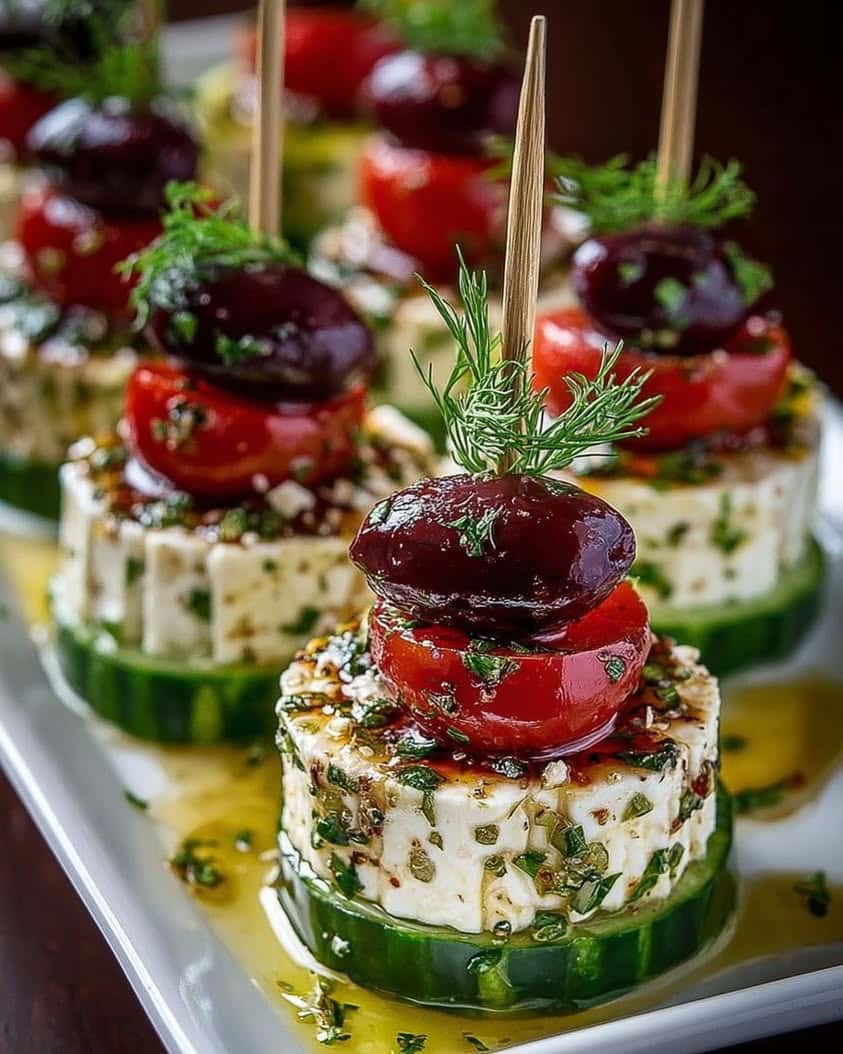
Easy Greek Feta & Cucumber Skewers: A Refreshing Appetizer Recipe
Imagine a perfect summer appetizer that bursts with fresh flavor and requires zero cooking. These Easy Greek Feta & Cucumber Skewers deliver exactly that experience. They combine crisp cucumber, creamy feta cheese, and juicy tomatoes in a single, elegant bite. Moreover, they capture the vibrant essence of Mediterranean cuisine with minimal effort. This recipe is your secret weapon for effortless entertaining.
The beauty of these skewers lies in their simplicity and stunning presentation. Each component brings a distinct texture and taste to the party. For instance, the cool cucumber provides a refreshing crunch. Meanwhile, the salty feta offers a creamy contrast. Ultimately, the sweet tomato ties everything together. A drizzle of olive oil and a sprinkle of oregano complete this classic flavor profile. Consequently, you create a dish that feels both gourmet and approachable.
Furthermore, these skewers are incredibly versatile. You can serve them at a casual backyard barbecue or a more formal dinner party. They travel well for picnics and potlucks too. Their no-cook nature means you can assemble them just before guests arrive. This ensures maximum freshness and visual appeal. In short, this recipe for Easy Greek Feta & Cucumber Skewers is a guaranteed crowd-pleaser that honors the timeless flavors of Greece.
Quick Recipe Highlights
- Flavor Profile: These skewers offer a bright and balanced taste. The salty, tangy feta cheese perfectly complements the sweet, acidic burst of cherry tomatoes. Fresh oregano and a hint of black pepper add an herby, savory depth that rounds out the experience.
- Texture: You will enjoy a delightful contrast in every bite. The cucumber delivers a satisfying, hydrating crunch. Meanwhile, the feta provides a soft, crumbly creaminess. The tomato skin offers a slight pop, leading to its juicy interior.
- Aroma: The aroma is clean and herbaceous. Fresh cucumber and tomato scents dominate initially. Then, the earthy, slightly peppery fragrance of oregano comes through, especially after drizzling with extra virgin olive oil.
- Visual Appeal: These skewers are a feast for the eyes with their vibrant color palette. The green cucumber, white feta, and red tomato create a stunning Greek flag-inspired presentation. They look artful and inviting on any platter.
- Skill Level Needed: Absolutely no advanced culinary skills are required. This is a simple assembly job. The only techniques needed are basic knife work for cutting and the ability to thread ingredients onto a skewer.
- Special Equipment: You only need toothpicks or small appetizer skewers. A sharp knife and a cutting board are essential for prepping the vegetables and cheese. A small bowl for mixing the olive oil and oregano is helpful but optional.
Recipe Overview
- Difficulty Level: We rate this recipe as “Easy” because it involves no cooking, baking, or complex techniques. The process is purely about assembly with pre-cut ingredients. Anyone, from kitchen novices to seasoned cooks, can achieve perfect results. The primary task is ensuring even, bite-sized pieces for consistent skewers.
- Category: This dish falls squarely into the appetizer and snack category. It is ideal for starting a meal or serving as part of a mezze platter. Additionally, it works wonderfully as a light, healthy snack or a component of a festive grazing board.
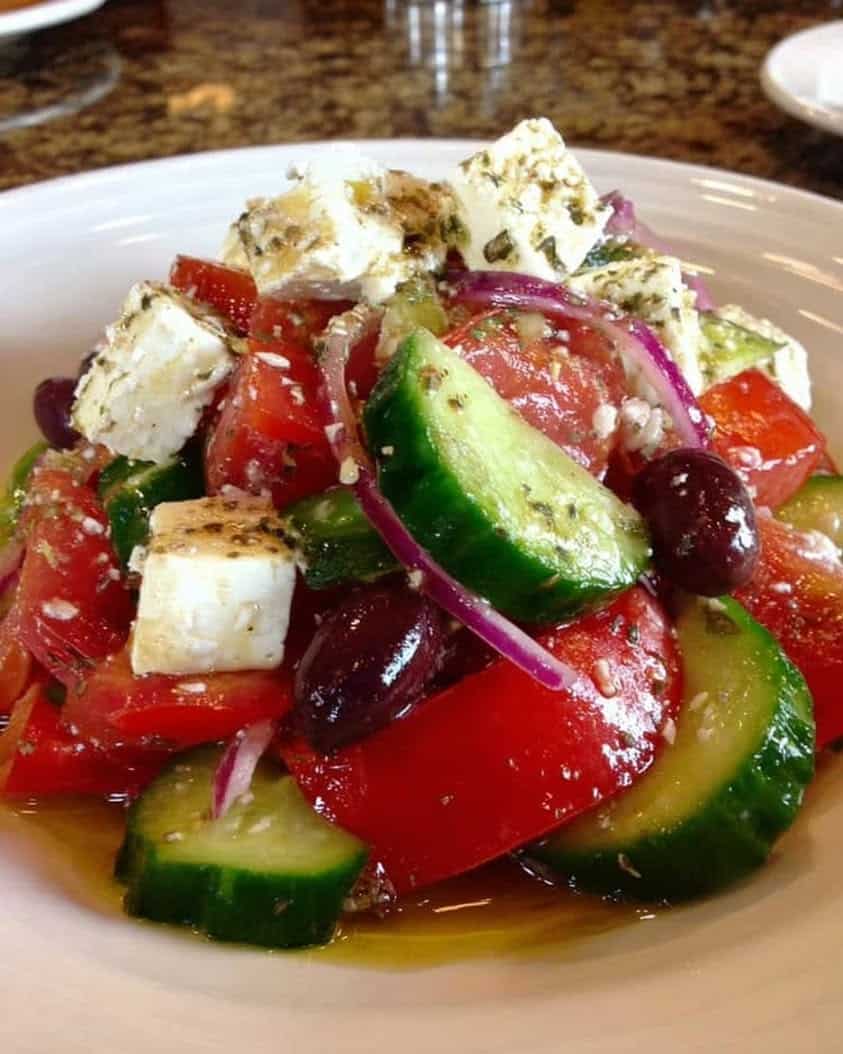
- Cuisine: This is a classic Greek and Mediterranean-inspired recipe. It draws directly from the tradition of Greek horiatiki, or village salad. The combination of feta, cucumber, tomato, oregano, and olive oil is a hallmark of the region’s fresh, health-focused culinary identity.
- Cost: This is a very budget-friendly recipe. Ingredients are common and inexpensive, especially in the summer. A block of feta, a cucumber, and a pint of tomatoes will yield many skewers for just a few dollars. Olive oil and dried herbs are pantry staples.
- Season: These skewers are perfect for spring and summer when cucumbers and tomatoes are at their peak freshness and flavor. However, they are a welcome burst of brightness year-round. Greenhouse cucumbers and cherry tomatoes are reliably available in any season.
- Occasion: They are supremely versatile for any gathering. Think summer cookouts, holiday parties, baby showers, or book club meetings. They also make an elegant passed hors d’oeuvre for more formal events. Ultimately, their appeal is universal.
Why You’ll Love This Recipe
First, the taste and texture appeal is immediate and undeniable. Each skewer delivers a powerful punch of Mediterranean flavor in one convenient bite. The cool, crisp cucumber cleanses the palate. Then, the rich, salty feta satisfies creamy cravings. Finally, the sweet tomato juice balances the saltiness beautifully. This harmonious combination is both refreshing and deeply satisfying. It is a flavor journey that feels gourmet yet familiar.
Second, the convenience factor is unmatched. You can prepare a large platter in under fifteen minutes with no heat required. This is a lifesaver during busy party preparation or on hot summer days when you do not want to turn on the oven. The assembly is so simple that you can enlist helpers, making it a fun activity. Cleanup is equally effortless, involving just a knife, a cutting board, and a few skewers.
Third, these skewers offer notable nutritional advantages. They are packed with hydrating vegetables and protein-rich cheese. Cucumbers provide vitamins K and C, plus beneficial antioxidants. Tomatoes are famous for their lycopene content. Meanwhile, feta cheese offers calcium and protein. Using olive oil adds heart-healthy monounsaturated fats. This makes the appetizer a guilt-free choice that contributes to a balanced diet.
Fourth, the social and entertaining value is incredibly high. Food on a stick is inherently fun and easy for guests to eat while mingling. The individual portions eliminate the need for serving utensils and plates, reducing mess. The colorful presentation sparks conversation and looks impressive. You demonstrate thoughtfulness and style without exhausting yourself in the kitchen. Guests always appreciate this kind of effortless elegance.
Fifth, the cost-effectiveness and accessibility are major benefits. The ingredients are humble and easy to find at any grocery store. You likely have olive oil and dried oregano in your pantry already. A single cucumber and block of feta can stretch to feed a crowd. This recipe proves that you do not need expensive, exotic items to create something special. It is an accessible taste of the Mediterranean for everyone.
Historical Background and Cultural Significance
The origin story of these flavors is deeply rooted in Greek agricultural tradition. For centuries, the Greek diet has revolved around its “Mediterranean triad”: wheat, olives, and grapes. However, the supporting cast of fresh vegetables, herbs, and cheeses like feta defines daily eating. The combination of cucumber, tomato, and feta is a deconstructed version of the iconic Greek salad, or “horiatiki.” This peasant salad originated in the early 1900s after tomatoes were introduced to Greece. Farmers would combine their garden vegetables with preserved cheese and olives for a hearty, portable lunch.
The cultural importance of these ingredients cannot be overstated. Feta cheese, protected by EU law as a product with a designated origin, is a source of national pride. It is traditionally made from sheep’s milk or a sheep-goat blend. Cucumbers and tomatoes symbolize the freshness and simplicity of the Greek table. Oregano grows wild on the country’s hillsides, its scent synonymous with the Greek landscape. Together, these elements represent a culinary philosophy centered on quality raw ingredients, simply prepared.
The evolution of this recipe from a rustic salad to a modern appetizer skewer reflects global trends in entertaining. The concept of “mezze,” or small shared plates, is central to Eastern Mediterranean and Middle Eastern dining. Skewering individual components is a natural progression for finger-food culture. It modernizes the traditional flavors for contemporary parties and events. This evolution shows how classic dishes adapt to new serving styles while preserving their soul.
Regional variations of this theme exist throughout the Mediterranean. In Turkey, you might find a similar bite with fresh mint and a drizzle of pomegranate molasses. In Lebanon, sumac might be sprinkled over the feta for a tangy twist. Italian versions could use mozzarella or bocconcini instead of feta, with fresh basil. These variations highlight the shared culinary language of the region, where fresh cheese, summer vegetables, and herbal accents are universal delights.
Ingredient Deep Dive
Let us start with Feta Cheese. This brined curd cheese has a history dating back to the Homeric era. True Greek feta is made with at least 70% sheep’s milk, often blended with goat’s milk, giving it a tangy, salty, and slightly earthy flavor. Nutritionally, it is a good source of calcium, protein, and vitamins B2 and B12. When selecting feta, look for blocks stored in brine for the best texture and flavor. Avoid pre-crumbled feta, which often contains anti-caking agents and dries out faster. For storage, keep it submerged in its brine in an airtight container in the refrigerator. If you need a substitution, try other brined cheeses like halloumi (for grilling) or a mild ricotta salata.
Next, the English Cucumber. These long, seedless cucumbers are ideal for this recipe because of their thin skin, minimal seeds, and mild flavor. They are over 95% water, making them incredibly hydrating and low in calories. They provide vitamin K for bone health and antioxidants like cucurbitacins. Choose a cucumber that is firm, deeply green, and free of soft spots. For the best crunch, use it the same day you buy it. Store it unwrapped in the crisper drawer of your refrigerator. If you cannot find English cucumbers, regular garden cucumbers work fine; just peel them and scoop out the watery seeds with a spoon before cubing.
Now, consider the Cherry or Grape Tomatoes. These small tomatoes are sweeter and less acidic than many larger varieties, perfect for balancing salty feta. They are packed with lycopene, a powerful antioxidant linked to reduced risk of heart disease and cancer. They also offer vitamins C and A. Select tomatoes that are plump, shiny, and firm with a deep, uniform color. Avoid any with wrinkled skin or cracks. Store them at room temperature until ripe to preserve flavor and texture; only refrigerate if they are very ripe and you need to slow further softening. For a substitution, try small heirloom tomato varieties or even diced ripe plum tomatoes.
Finally, Extra Virgin Olive Oil and Dried Oregano. High-quality extra virgin olive oil (EVOO) is the lifeblood of Mediterranean cooking. It provides healthy monounsaturated fats and antioxidants. Its fruity, peppery notes elevate the simple ingredients. Dried oregano, specifically the Greek variety called “rigani,” is more pungent and earthy than its Italian counterpart. It is rich in antioxidants and has antimicrobial properties. Choose a robust, green EVOO in a dark glass bottle. Store it in a cool, dark place. For oregano, buy whole dried leaves and crush them between your fingers just before using to maximize aroma. Fresh oregano can be used as a garnish, but dried offers a more authentic, concentrated flavor for the dressing.
Common Mistakes to Avoid
- Using Wet Ingredients: Do not assemble skewers with wet cucumber or tomato pieces. The moisture will make the feta slimy and dilute the olive oil dressing. Always pat your chopped vegetables thoroughly dry with a paper towel before skewering.
- Skewering Out of Order: Avoid haphazard assembly. The classic and most stable order is cucumber first, then feta, then tomato. This sequence creates a stable base with the cucumber and finishes with the colorful tomato on top for visual appeal.
- Choosing the Wrong Feta: Pre-crumbled feta is a common pitfall. It is often drier, less flavorful, and contains additives. Always buy a block of feta in brine and cube it yourself for the best creamy texture and authentic taste.
- Overcrowding the Skewer: Do not try to fit too many pieces onto one toothpick. Two to three pieces total is ideal. Overcrowding makes them difficult to eat in one bite and can cause the ingredients to fall apart when someone tries to take one.
- Skipping the Drying Step for Herbs: If using fresh oregano or other herbs as garnish, ensure they are completely dry after washing. Wet herbs will wilt quickly and can drip water onto your beautiful platter, making it look soggy.
- Assembling Too Far in Advance: While you can prep ingredients ahead, avoid fully assembling skewers more than an hour before serving. The salt in the feta will draw moisture out of the cucumber, making both components watery and less crisp.
- Using Bland Olive Oil: This recipe has few ingredients, so each one counts. Using a low-quality, flavorless olive oil will result in a bland skewer. Invest in a good bottle of extra virgin olive oil for dressing; it makes a dramatic difference.
- Forgetting to Season: Even with salty feta, a tiny pinch of flaky sea salt or a crack of black pepper over the finished platter can elevate the flavors. Do not assume the feta provides all the seasoning needed.
- Using Thick Cucumber Slices: Cutting cucumber rounds that are too thick makes them difficult to skewer and awkward to eat. Aim for slices about 1/4 to 1/3 inch thick so they are sturdy but still a pleasant, bite-sized crunch.
- Not Soaking Wooden Skewers: If you use longer wooden appetizer skewers instead of toothpicks, always soak them in water for 20-30 minutes first. This prevents them from burning if they are near a heat source and stops them from splintering.
Essential Techniques
Mastering the Cube for the feta is crucial. You want neat, bite-sized cubes that hold their shape on the skewer. Start with a cold block of feta straight from the brine; it firms up when cold. Use a sharp knife to cut it cleanly. Press down firmly but gently to avoid crushing the cheese. Aim for 1/2-inch cubes. This size provides a substantial taste of cheese without overwhelming the other ingredients. The visual of a clean, white cube is also part of the appetizer’s charm.
Even Slicing for the cucumber ensures consistent texture and presentation. Use a sharp chef’s knife. Trim off the ends of the cucumber first. Then, slice it into rounds of uniform thickness, about 1/3-inch. Consistent thickness means each skewer has the same structural base and crunch factor. It also makes for a more professional-looking platter. If your slices are uneven, some skewers will be wobbly and harder to pick up.
The Threading Technique seems simple but has a trick. Hold the skewer in one hand and the ingredient in the other. Pierce the center of the cucumber slice firmly. Then, slide the feta cube on, turning it slightly so the skewer goes through the center of the cube, not an edge which might crumble. Finally, pierce the tomato through its core (the tough area around the stem) for the most secure hold. This central piercing prevents the softer tomato from spinning or sliding off the skewer.
Pro Tips for Perfect Easy Greek Feta & Cucumber Skewers
Chill all ingredients before assembling. A cold cucumber is crisper, and cold fata is firmer and easier to cube. This also keeps the finished skewers refreshingly cool for longer on the serving platter.
Use a melon baller to create small, elegant spheres of feta. This is a beautiful alternative to cubes and adds a touch of sophistication to the presentation with very little extra effort.
Infuse your olive oil ahead of time. Warm the olive oil slightly and add dried oregano, a cracked pepperoncino, or a garlic clove. Let it steep for an hour, then strain. This creates a custom, flavorful dressing that will impress your guests.
Add a tiny surprise. Place a single pitted Kalamata olive or a small leaf of fresh mint or dill between the feta and tomato. This adds an extra layer of flavor and shows attention to detail.
For large parties, set up an assembly line. Place bowls of each pre-cut ingredient and a pile of skewers on the counter. Enlist family or friends to help you thread. This makes the process fast and fun.
Create a themed platter. Arrange the finished skewers on a large platter around a bowl of tzatziki or hummus for dipping. Add some marinated olives and warm pita bread wedges to turn the appetizer into a complete mezze experience.
If making these for a picnic, transport the components separately. Pack the cubed feta, cucumber slices, and tomatoes in their own containers with ice packs. Bring the dressing and skewers in a bag. Assemble on-site to guarantee perfect texture.
For a glossy, professional finish, use a small pastry brush to lightly coat the assembled skewers with the olive oil and oregano mixture. This gives more control than drizzling and ensures each skewer is evenly dressed.
Variations and Adaptations
Consider regional variations to take your skewers on a world tour. For an Italian twist, substitute fresh mozzarella pearls (bocconcini) for the feta and use fresh basil leaves. A balsamic glaze drizzle replaces the oregano. For a Middle Eastern version, use halloumi cheese, add a sprinkle of za’atar spice blend, and include a mint leaf. A Turkish variation might feature a dusting of sumac for tartness.
Seasonal adaptations keep this recipe exciting year-round. In fall, use persian cucumbers and roasted cherry tomatoes for a deeper flavor. Add a thin slice of fig or pear alongside the feta. For winter, consider using roasted beet cubes instead of tomato for an earthy, colorful twist. In spring, incorporate blanched asparagus tips or fresh sugar snap peas for a different crunch.
Dietary modifications are straightforward. For a vegan version, use a firm, marinated tofu cube or a commercial vegan feta alternative. Ensure your olive oil is vegan-friendly. For a lower-sodium option, seek out a “light” feta cheese, which is less salty, and be mindful of added salt in the dressing. To make it Paleo, omit the cheese and use a large, stuffed olive or a chunk of grilled chicken instead.
Experiment with flavor variations by changing the herb profile. Try fresh dill for a more Nordic feel, or use thyme and lemon zest for a brighter note. A pinch of smoked paprika or chili flakes on the finished platter adds a subtle heat. For a richer taste, wrap the feta cube in a thin slice of prosciutto or salami before skewering.
Texture modifications can add interest. Try using Persian cucumbers for a thinner, more delicate crunch. Use yellow or orange cherry tomatoes for a different visual and slightly fruitier taste. For a creamier element, spear a small ball of creamy goat cheese instead of feta, or add a tiny cube of avocado just before serving.
Presentation alternatives can elevate the dish. Instead of flat platters, arrange skewers standing upright in a hollowed-out cucumber “boat” or a small watermelon half for a stunning centerpiece. You can also deconstruct the skewers and serve the components in separate bowls on a large board, allowing guests to build their own bites.
Serving and Presentation Guide
Plating techniques matter for visual impact. Arrange the skewers in a radial sunburst pattern on a large, white platter for a clean, modern look. Alternatively, line them up in neat, parallel rows for a more formal presentation. For a rustic feel, use a slab of slate or a wooden board. Place a small bowl of extra olive oil or a sprinkle of sea salt in the center as an accent.
Garnishing ideas add the final touch. A light scattering of microgreens or edible flowers over the platter adds color and sophistication. A few whole Kalamata olives or caperberries scattered around the skewers hint at the flavors within. A final dusting of dried oregano or a zigzag of high-quality balsamic reduction can make the platter look restaurant-worthy.
Traditional accompaniments complete the Greek experience. Serve these skewers alongside other classic mezze like dolmades (stuffed grape leaves), spanakopita triangles, a bowl of tzatziki with pita chips, and a dish of marinated olives. This turns the appetizer into a full Mediterranean tasting experience that encourages sharing and conversation.
Modern serving suggestions include pairing them with cocktails. They are perfect with an aperol spritz, a gin and tonic with cucumber, or a glass of crisp Assyrtiko white wine. For a non-alcoholic option, serve with sparkling water infused with lemon and mint. Place the drink station near the food to create a cohesive party vibe.
Temperature considerations are simple but important. These skewers are best served cold or at cool room temperature. Avoid leaving them in direct sunlight or near a hot oven. If your party is outdoors, consider placing the serving platter on a larger tray filled with ice to keep them chilled and crisp throughout the event.
Portion control tips help with planning. Typically, plan for 2-3 skewers per guest as part of a larger appetizer spread. If they are the only hors d’oeuvre, plan for 4-5 per person. Since they are light and refreshing, people often eat more than you might expect, so it is better to have a few extras.
Wine and Beverage Pairing
Wine pairings are a delight with these skewers. The salty feta and fresh vegetables call for a high-acid, crisp white wine. A Greek Assyrtiko from Santorini is the perfect regional match, with its citrus and mineral notes cutting through the richness. Alternatively, a Sauvignon Blanc, Pinot Grigio, or a dry Spanish Albariño works beautifully. For a rosé option, choose a dry Provençal style with herbal notes that complement the oregano.
Non-alcoholic alternatives can be just as sophisticated. Sparkling water with a squeeze of lemon and a sprig of fresh oregano is a simple, elegant match. A cucumber-mint lemonade enhances the fresh flavors. For a more complex option, try a chilled herbal iced tea, like a mint or verbena tea, lightly sweetened with honey.
Coffee and tea pairings are less common but possible for a brunch setting. A light, bright Ethiopian Yirgacheffe coffee with its floral notes would not clash with the fresh flavors. A cup of hot or iced mint tea is always a refreshing companion to Mediterranean food, cleansing the palate between bites.
Temperature considerations are key for beverages. All drinks should be well-chilled. White wines and rosés should be served at 45-50°F. Non-alcoholic sparklers and lemonades should be icy cold. This contrast between the cool drink and the cool appetizer is incredibly refreshing, especially on a warm day.
Serving suggestions include setting up a dedicated drink station near the food. Offer a choice of the paired wine and a signature non-alcoholic option in clear dispensers or bottles on ice. Provide appropriate glassware—stemless wine glasses for casual affairs or highball glasses for sparkling drinks. Clear glass showcases the beautiful colors of the beverages.
Storage and Shelf Life
Storage methods are straightforward but important for quality. If you have leftovers, disassemble the skewers. Store the cucumber slices, tomato halves, and feta cubes separately in airtight containers in the refrigerator. The olive oil and oregano mixture can be kept in a small jar at room temperature. This prevents the vegetables from becoming soggy and the feta from dissolving.
Temperature requirements are non-negotiable. All components must be refrigerated at or below 40°F. Never leave assembled skewers at room temperature for more than two hours, or one hour if the ambient temperature is above 90°F. This is critical for food safety, especially since the cheese is dairy-based.
Container recommendations focus on preventing moisture buildup. For pre-cut cucumbers, place them in a container lined with a paper towel to absorb excess moisture. Feta should be stored in a small container, preferably covered with a bit of brine or milk to keep it moist. Tomatoes should be stored in a single layer if possible to prevent bruising.
Signs of spoilage to watch for include a slimy texture on the cucumber or tomato, an off or sour smell from any component, or feta that has developed an unusual color or excessive mold (beyond the normal harmless surface mold you can scrape off). When in doubt, throw it out.
Reheating instructions are not applicable, as this is a cold dish. However, if your ingredients have become too cold in the fridge, let them sit at room temperature for 5-10 minutes before assembling to allow the flavors to wake up. Do not microwave any part of this dish.
Freezing guidelines are not recommended. Freezing will completely destroy the texture of the cucumber and tomato, turning them mushy and watery upon thawing. Feta can be frozen, but it will become crumbly and is best used in cooked dishes like spanakopita after freezing. It is always best to enjoy this appetizer fresh.
Make Ahead Strategies
Prep timeline can save you stress on party day. Up to 24 hours in advance, cube the feta and store it in brine in the fridge. Wash and dry the cucumbers and tomatoes. The morning of your event, slice the cucumbers and halve the tomatoes. Store them separately in airtight containers with paper towels. Mix the olive oil and oregano dressing. This leaves only the quick, fun assembly for right before guests arrive.
Storage between steps is crucial for freshness. Keep the pre-cut vegetables in the coldest part of your refrigerator, not in the door where temperature fluctuates. The feta should remain submerged in liquid. The dressing can sit at room temperature, which actually helps the oregano infuse the oil.
Quality impact assessment is positive with proper make-ahead steps. Pre-cutting the vegetables may cause a very minor loss of crispness in the cucumber, but this is negligible if stored correctly with paper towels. The feta’s flavor and texture are unaffected. In fact, allowing the dressing to sit improves its flavor. The overall time savings far outweighs any minimal textural trade-off.
Assembly tips for last-minute work: Set up your workstation with all chilled components, skewers, and dressing. Work quickly to maintain the chill on the ingredients. As you finish each skewer, place it directly on your serving platter. Drizzle or brush with dressing immediately after arranging all skewers on the platter, not before, to keep the platter tidy.
Reheating guidelines do not apply, but “refreshing” might. If your pre-cut vegetables seem a bit limp, you can revive cucumber slices by soaking them in ice water for 5 minutes, then patting them bone dry. This can restore some crunch.
Fresh element additions are your final flourish. Even if you pre-assembled, add a last-minute garnish just before serving. A fresh sprinkle of flaky sea salt, a crack of black pepper, or a few fresh herb leaves added to the platter makes everything look and taste freshly made.
Scaling Instructions
Halving the recipe is simple for smaller gatherings. Use half a cucumber, 4 ounces of feta, and about 15 cherry tomatoes. Mix 1 tablespoon of olive oil with 1/4 teaspoon of dried oregano. The assembly process remains identical. This yield of about 6 skewers is perfect for a family snack or a dinner for two with a couple of extras.
Doubling or tripling for a crowd requires a bit more system. Keep your assembly line organized with separate large bowls for each ingredient. Work in batches to avoid the last skewers being made with ingredients that have warmed up. Use multiple platters for serving to avoid overcrowding, which can make skewers difficult to pick up. Consider assigning the skewering task to a helper to speed up the process.
Equipment adjustments may be needed when scaling up. For a very large batch, you might need a bigger cutting board or multiple boards. Ensure you have enough serving platters or boards. If using toothpicks, buy the longer, sturdier “appetizer pick” variety for easier handling. For a hundred skewers, you might even consider a small, portable assembly station you can set up at the venue.
Timing modifications are minimal since there is no cooking. However, assembly time scales almost linearly. Doubling the recipe roughly doubles assembly time. Factor this in so you are not rushing at the last minute. Prepping all ingredients ahead of time becomes even more critical for large batches.
Storage considerations change with scale. For a doubled or tripled recipe, you will have more pre-cut ingredients taking up fridge space. Plan ahead by clearing a shelf. Use large, shallow containers for cucumbers and tomatoes to prevent crushing. You may need to store components in multiple containers to fit.
Nutritional Deep Dive
Macro breakdown per skewer is favorable. Each skewer typically contains about 35-45 calories, with roughly 3 grams of fat (mostly healthy monounsaturated from olive oil), 1 gram of carbohydrates, and 2 grams of protein. The fat content comes primarily from the feta and olive oil, providing satiety. The carbs are from the vegetables, making them complex and fiber-rich. This balance makes it a satisfying snack that won’t cause a blood sugar spike.
Micronutrient analysis reveals a wealth of vitamins and minerals. Cucumbers provide vitamin K for blood clotting and bone health. Tomatoes are famous for vitamin C and the antioxidant lycopene. Feta cheese contributes significant calcium and phosphorus for strong bones, along with vitamin B12 for nerve function. The olive oil adds vitamin E, a potent antioxidant. Together, they offer a broad spectrum of nutrients in a small package.
Health benefits are linked to the Mediterranean diet pattern. Regular consumption of dishes like this is associated with reduced risk of heart disease, improved cholesterol levels, and better weight management. The monounsaturated fats in olive oil are anti-inflammatory. The antioxidants in the vegetables combat oxidative stress. The combination of fiber, healthy fats, and protein promotes stable energy levels.
Dietary considerations are mostly positive. The recipe is naturally gluten-free and grain-free. It is vegetarian and high in calcium. However, it contains dairy and is relatively high in sodium due to the feta cheese. For those with lactose intolerance, feta is often better tolerated than softer cheeses due to its aging process, but sensitivity varies.
Portion analysis shows that two to three skewers make a sensible snack, while four to five could serve as a light meal when paired with a side like a small salad. The individual portioning helps with mindful eating, as you can easily track how many you have consumed. This prevents the mindless overeating that can happen with dip-based appetizers.
Weight management tips include using these skewers as a pre-meal appetizer. Their protein and fiber content can help you feel fuller before the main course, potentially leading to eating less overall. They are also a fantastic alternative to higher-calorie, fried party foods. Keeping a batch in the fridge provides a go-to healthy snack that curbs cravings for less nutritious options.
Dietary Adaptations
For a Gluten-free adaptation, this recipe is naturally perfect. No ingredients contain gluten. Just ensure that any purchased dried oregano or other spices are certified gluten-free, as cross-contamination can sometimes occur in processing facilities. The skewers themselves are safe for those with celiac disease or gluten sensitivity.
Creating a Dairy-free or Vegan version requires a cheese substitute. Many excellent vegan feta alternatives are made from almond milk, tofu, or coconut oil. Choose a firm variety that can be cubed. Nutritional yeast can be added to the olive oil dressing for a cheesy flavor. Alternatively, use marinated artichoke hearts or large, firm olives as the central savory element on the skewer.
For a Low-carb or Keto adaptation, this recipe is already quite friendly. The primary carbs come from the tomato and cucumber, which are relatively low. To reduce further, you could use slightly less tomato or replace it with a small piece of bell pepper. Ensure you are using full-fat feta and a high-quality olive oil to meet keto fat macros. Count the tomato carbs into your daily allowance.
A Paleo adaptation requires omitting the cheese, as dairy is not Paleo. Replace the feta cube with a chunk of grilled chicken, a slice of avocado, or a small piece of compliant sausage. Check that your olive oil is 100% pure and that any dried herbs contain no additives. This turns the skewer into a more protein-focused Paleo snack.
For a Low-FODMAP adaptation, this recipe needs tweaking. Feta cheese is typically low in lactose and is often tolerated in 40g servings. Cherry tomatoes are low FODMAP in servings of 1 cup or less. Cucumber is safe. The issue is garlic or onion powder sometimes found in dried oregano blends. Use pure dried oregano leaves with no added ingredients. Monitor your personal tolerance to the feta portion size.
PrintGreek Feta & Cucumber Bite Skewers
- Total Time: 15 minutes
- Yield: 4
Description
A refreshing and easy appetizer featuring crisp cucumber, tangy feta, and juicy cherry tomatoes, all drizzled with a zesty lemon-herb dressing.
Ingredients
- 1 large cucumber, cut into 1-inch cubes
- 8 ounces feta cheese, cut into 1-inch cubes
- 1 cup cherry tomatoes
- 1/4 cup pitted Kalamata olives
- 1/4 cup extra virgin olive oil
- 2 tablespoons fresh lemon juice
- 1 teaspoon dried oregano
- Salt and black pepper to taste
- Fresh dill for garnish
- Wooden skewers (about 12)
Instructions
- In a small bowl, whisk together olive oil, lemon juice, oregano, salt, and pepper to make the dressing.
- Thread one piece each of cucumber, feta, cherry tomato, and olive onto each wooden skewer, repeating until all ingredients are used.
- Arrange the skewers on a serving platter and drizzle evenly with the prepared dressing.
- Garnish with fresh dill and serve immediately or chill until ready to serve.
Notes
You can customize the seasonings to taste.
- Prep Time: 15 minutes
- Cook Time: 0 minutes
- Method: Appetizer
- Cuisine: Greek