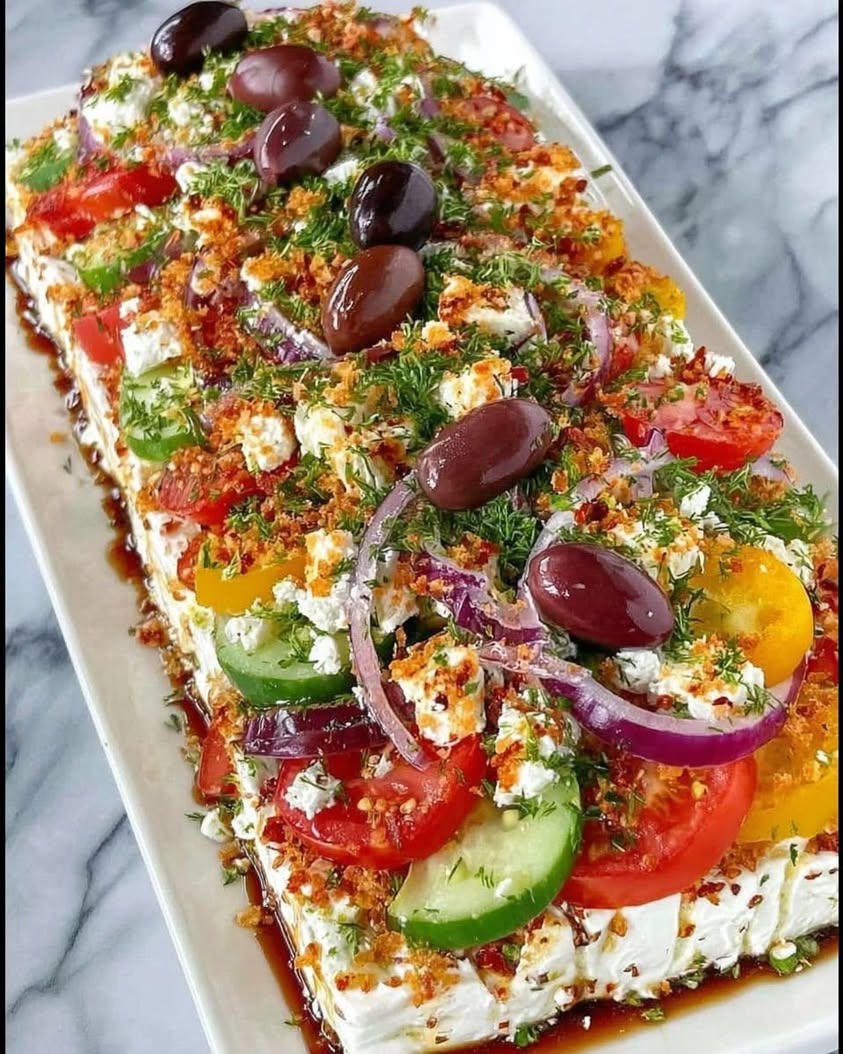
Greek Feta Board with Hot Honey and Crispy Fried Onions Recipe: The Ultimate Crowd-Pleasing Appetizer
Imagine a dish that perfectly captures the spirit of Mediterranean hospitality. This Greek Feta Board with Hot Honey and Crispy Fried Onions is exactly that. It is a stunning, shareable centerpiece that transforms simple ingredients into an unforgettable experience. The star is a beautiful block of creamy, briny feta cheese, lovingly drizzled with a spicy-sweet hot honey and crowned with a mountain of golden, crispy fried onions. Finally, it is surrounded by an array of vibrant accompaniments like juicy tomatoes, crisp cucumbers, and warm pita bread. This recipe is not just food; it is an event.
Furthermore, this Greek Feta Board is the ultimate solution for effortless entertaining. It requires minimal active cooking time, allowing you to focus on your guests. The combination of flavors and textures is absolutely magical. You get the cool, salty creaminess of the feta, the addictive crunch of the onions, and the complex kick from the hot honey. Each bite is a delightful contrast. Consequently, this board is guaranteed to be the talk of any gathering, from casual weeknight dinners to festive holiday parties.
Ultimately, this dish celebrates high-quality ingredients in their most delicious form. It is a testament to the power of a few well-chosen components. The hot honey adds a modern twist to a classic Greek flavor profile. Meanwhile, the crispy fried onions provide a satisfying texture that keeps everyone coming back for more. This Greek Feta Board with Hot Honey and Crispy Fried Onions is more than a recipe; it is your new favorite way to bring people together.
Quick Recipe Highlights
- Flavor Profile: This board delivers a masterful balance. You experience the salty tang of high-quality feta, the sweet heat of infused honey, and the savory depth of crispy onions. Additionally, fresh vegetables add a bright, clean note that ties everything together beautifully.
- Texture: The contrast in textures is key to its appeal. The creamy, crumbly feta meets the shattering crispness of the fried onions. Then, the juicy tomatoes and crunchy cucumbers provide a refreshing counterpoint, creating a truly dynamic eating experience.
- Aroma: As you prepare it, the kitchen fills with inviting scents. First, you smell the savory, toasty aroma of frying onions. Next, the warm honey and chili flakes mingle, releasing a sweet and spicy fragrance that promises a flavor explosion.
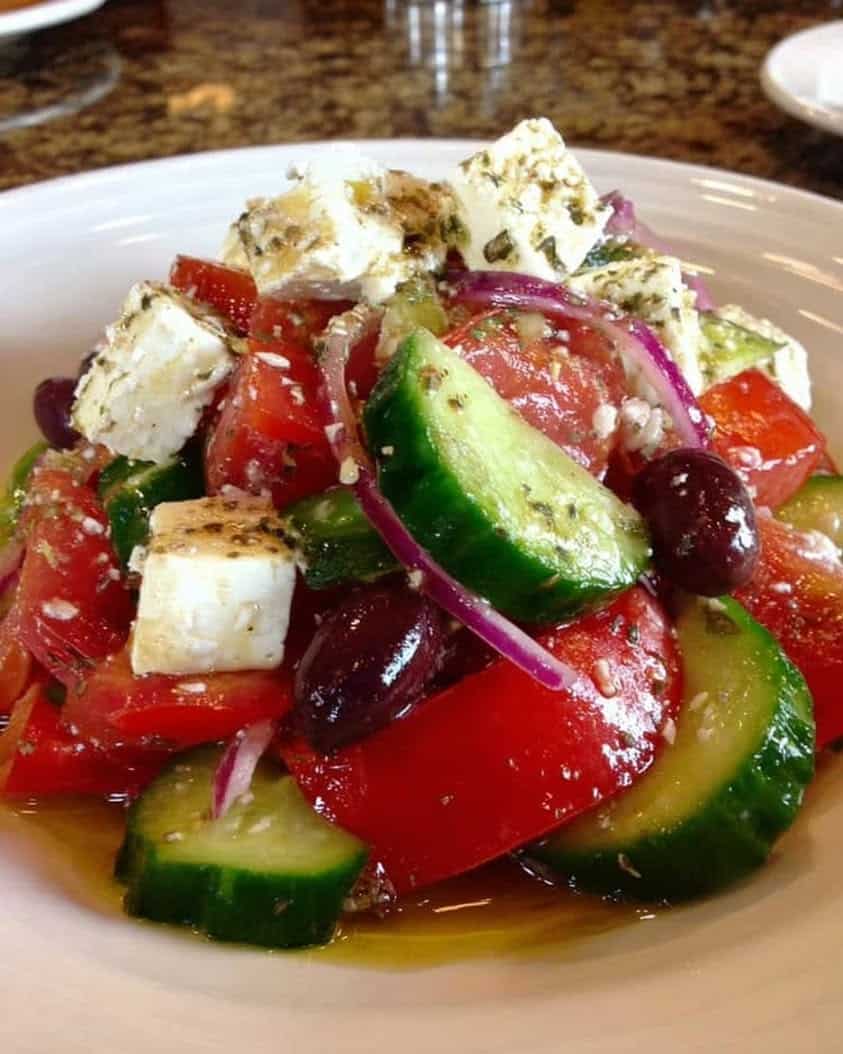
- Visual Appeal: This board is a feast for the eyes. The white feta, red tomatoes, green cucumbers, golden onions, and amber honey create a stunning color palette. It looks abundant, artistic, and incredibly inviting on any table.
- Skill Level Needed: This is a beginner-friendly recipe. The techniques are straightforward: frying onions and warming honey. Most importantly, the assembly is intuitive and forgiving, making it perfect for cooks of all experience levels.
- Special Equipment: You only need basic kitchen tools. A medium skillet for frying the onions and a small saucepan for the honey are essential. Otherwise, a large wooden board or platter for serving is the only special item required.
Recipe Overview
- Difficulty Level: We rate this Greek Feta Board recipe as easy. The steps are simple and sequential. For instance, frying the onions requires basic attention, but the process is quick. Similarly, making the hot honey is merely a gentle warming of two ingredients. The assembly is creative and has no strict rules, allowing for personal expression without pressure.
- Category: This dish fits multiple categories wonderfully. Primarily, it is a spectacular appetizer or meze platter. It also works brilliantly as a light lunch or a substantial snack. Moreover, it can serve as a stunning centerpiece for a grazing table or party spread.
- Cuisine: The recipe is rooted in Greek and Mediterranean culinary traditions, celebrating staples like feta, olive oil, and fresh vegetables. However, the hot honey introduces a modern, global fusion element. This blend creates a contemporary dish that honors its origins while feeling exciting and new.
- Cost: This is a cost-effective dish for its impressive impact. A block of good feta is the main investment. Otherwise, onions, honey, and seasonal vegetables are very affordable. You can easily feed a crowd without straining your budget, making it a smart choice for entertaining.
- Season: This board is truly versatile across seasons. It shines in summer with peak garden tomatoes and cucumbers. Conversely, in cooler months, it brings a welcome burst of freshness and color. The warm honey and fried elements also add a comforting touch perfect for autumn and winter gatherings.
- Occasion: It is ideal for almost any social event. Think casual game nights, elegant dinner party starters, holiday appetizers, or even a luxurious treat for yourself. Its shareable nature fosters conversation and communal eating, enhancing any occasion.
Why You’ll Love This Recipe
First, the taste and texture appeal is immediate and profound. The Greek Feta Board with Hot Honey and Crispy Fried Onions engages all your senses. Your teeth break through the crunchy onion topping into the soft, creamy cheese. Then, the hot honey coats everything with a sticky, sweet heat that lingers pleasantly. Each component supports the others, creating a harmonious bite that is both complex and utterly craveable. You will find yourself reaching for just one more piece of pita to scoop up every last crumb and drop of honey.
Next, consider the sheer convenience and preparation benefits. This recipe comes together in about twenty-five minutes with minimal fuss. You can fry the onions and make the honey ahead of time. Then, assembly takes mere moments before serving. This makes it a lifesaver for hosts who want to spend time with guests, not stuck in the kitchen. It is the epitome of low-effort, high-reward cooking. The board itself does the talking, requiring no complicated plating skills.
Additionally, there are notable nutritional advantages. Feta cheese is a good source of calcium and protein. The fresh vegetables provide vitamins, minerals, and fiber. Using olive oil for frying adds heart-healthy fats. While it is an indulgent treat, it is built on wholesome ingredients. You can feel good about serving it, knowing you are offering a balanced mix of macros and micronutrients in a delicious package.
Moreover, the social and entertaining value is unmatched. A Greek Feta Board is inherently communal. Placing it in the center of the table encourages sharing, conversation, and interaction. It breaks the formality of a plated course and lets people graze at their own pace. This style of eating is relaxed and festive, setting a wonderful tone for any gathering. It is a guaranteed conversation starter and a surefire way to impress your friends and family.
Finally, its cost-effectiveness and accessibility are major wins. You do not need expensive or rare ingredients. A trip to any standard grocery store will provide everything required. The recipe is also easily scalable. You can make a small board for two or a giant platter for a party by simply adjusting quantities. This flexibility, combined with the affordable ingredient list, makes the Greek Feta Board with Hot Honey and Crispy Fried Onions a practical choice for any budget or event size.
Historical Background and Cultural Significance
The story of this dish begins with ancient traditions. Feta cheese itself has a history dating back thousands of years in Greece. Homer’s Odyssey even references a cheese-making process similar to feta’s. Traditionally, feta was a way to preserve sheep’s and goat’s milk. It was stored in brine barrels, which gave it its characteristic salty tang and long shelf life. This humble cheese became a staple of the Greek diet, featured in everything from salads to pastries. The concept of serving cheese as a shared appetizer, or “meze,” is deeply embedded in Mediterranean and Middle Eastern food culture, emphasizing community and hospitality.
Its cultural importance is tied to the Greek “philoxenia,” or love of strangers. Sharing food is a fundamental expression of welcome. A spread of meze, featuring cheese, olives, bread, and vegetables, is a classic gesture of generosity. This Greek Feta Board modernizes that tradition. It takes the core elements of a meze platter and elevates them with contemporary touches. The dish honors the spirit of sharing and abundance that is central to Greek social life. It transforms simple peasant food into a celebratory centerpiece.
The evolution of the recipe reflects global food trends. The addition of hot honey is a relatively new innovation, borrowing from American culinary trends. Honey has always been used in Greek cuisine, often drizzled over cheeses or pastries. However, infusing it with chili peppers to create a spicy-sweet condiment is a modern fusion. Similarly, the crispy fried onion topping adds a texture more commonly associated with other cuisines. This evolution shows how traditional dishes can adapt and thrive, incorporating new flavors while staying true to their roots.
Regional variations of cheese boards are endless. In Greece, you might find a simpler “feta psiti” (baked feta) with just olive oil and oregano. Our version with hot honey and crispy onions is a more elaborate take. Other Mediterranean regions might use halloumi or kefalograviera cheese. Accompaniments also vary by locality, depending on what is fresh and available. The beauty of this Greek Feta Board recipe is its template-like nature. You can customize it with local olives, different nuts, or seasonal fruits, making it your own while respecting its culinary heritage.
Ingredient Deep Dive
Let us start with the star: Feta Cheese. Authentic Greek feta is a Protected Designation of Origin (PDO) product, meaning it must be made in specific regions from at least 70% sheep’s milk, often blended with goat’s milk. This gives it a tangy, complex flavor and a creamy yet crumbly texture that is superior to many imitations. Nutritionally, it is rich in calcium, phosphorus, and protein. When selecting feta, look for blocks stored in brine for the best flavor and texture. Avoid pre-crumbled feta, as it often contains anti-caking agents and dries out quickly. For storage, keep the cheese submerged in its brine in an airtight container in the refrigerator.
Next, the Hot Honey. Honey has been prized since ancient times for its sweetness and preservative qualities. Infusing it with chili peppers creates a condiment that balances sweet, spicy, and floral notes. The capsaicin in the chili flakes stimulates endorphins, adding a pleasurable kick. From a health perspective, local raw honey may contain pollen and enzymes beneficial for allergies, though the heat will destroy some of these. To make it, gently warm honey with dried chili flakes to infuse the flavor without boiling. You can adjust the heat level by using milder or hotter chilies. Store leftover hot honey at room temperature in a sealed jar.
Now, for the Crispy Fried Onions. Onions are a foundational vegetable in virtually every world cuisine, providing a savory depth known as “umami.” When sliced thinly and fried, their natural sugars caramelize, creating an irresistible crunch. Yellow onions are ideal here for their balanced sweetness and pungency. Frying them in olive oil not only cooks them but also flavors the oil, which can be saved for other uses. The key to perfect crispiness is slicing them uniformly and frying in hot enough oil so they sizzle immediately. Drain them on paper towels to remove excess grease. These onions can be made ahead and stored in an airtight container, though they are best the day they are made.
Finally, the Supporting Cast: Extra Virgin Olive Oil, Fresh Vegetables, and Pita Bread. High-quality extra virgin olive oil is non-negotiable. It provides the frying medium for the onions and adds a fruity, peppery note when drizzled. Fresh tomatoes and cucumbers offer hydration, crunch, and acidity that cut through the richness of the cheese and honey. Choose ripe, in-season produce for the best flavor. Warm pita bread is the vehicle that brings everything together. Its soft, chewy texture is perfect for scooping. You can briefly heat pitas in a dry skillet or oven to make them pliable and fragrant. Together, these elements create a complete and satisfying flavor experience.
Common Mistakes to Avoid
- Using Pre-Crumbled Feta: This is a critical error. Pre-crumbled feta is often drier, chalkier, and coated in anti-caking agents. It lacks the creamy, moist texture of a block stored in brine. Always buy a solid block and crumble it yourself just before serving for the best taste and mouthfeel.
- Overcrowding the Pan When Frying Onions: If you dump all the onions into the skillet at once, they will steam instead of fry. This results in soggy, greasy onions without proper crispiness. Cook them in batches to ensure each strand has contact with the hot oil and can brown evenly.
- Boiling the Hot Honey: Applying too much heat to the honey can destroy its delicate floral notes and cause it to become bitter. The goal is to warm it gently just enough to infuse the chili flavor. Simply heat it over low until it becomes runny and fragrant, then remove it from the heat immediately.
- Serving the Board Straight from the Fridge: Cold feta is firm and its flavor is muted. For the best experience, take the feta block out of the refrigerator about 20-30 minutes before assembling the board. This allows it to soften slightly and its full salty, tangy character to shine through.
- Adding the Crispy Onions Too Early: If you pile the hot fried onions onto the cheese and let the board sit, they will lose their crunch from the moisture of the feta and honey. Always add the crispy onion topping at the very last minute, right before you bring the board to the table.
- Neglecting to Season the Vegetables: While the feta and honey are seasoned, the fresh tomatoes and cucumbers can taste flat if not properly dressed. A light sprinkle of flaky sea salt and a drizzle of olive oil on the vegetables elevates their natural flavor and integrates them into the dish.
- Using Stale or Cold Pita Bread: Hard, cold pita is difficult to tear and less enjoyable to eat. Take the time to warm your pita bread. This makes it soft, pliable, and aromatic, transforming it from a mere vessel into a delicious component of the meal.
- Forgetting to Drizzle with Good Olive Oil: After assembling, a final generous drizzle of high-quality extra virgin olive oil over the entire board is essential. It adds a layer of fruity flavor, gloss, and richness that ties all the elements together beautifully.
Essential Techniques
Mastering the Fry for Crispy Onions: This technique is crucial for achieving the signature crunch. First, ensure your oil is at the right temperature, around 350°F (175°C). A breadcrumb should sizzle vigorously when dropped in. Slice your onions uniformly thin; a mandoline helps greatly but use a guard for safety. Fry in small batches to avoid dropping the oil temperature, which leads to greasy results. The onions are done when they turn a consistent golden brown, not dark brown. Immediately transfer them to a paper towel-lined plate and sprinkle with a pinch of salt while hot. The visual cue for success is a light, airy, and uniformly colored tangle of onions that shatter when bitten.
Infusing Honey with Chili Flakes: The goal here is flavor extraction without degradation. Gently warm the honey in a small saucepan over the lowest heat setting. You only want to make it more fluid, not hot. Once warm, add the chili flakes and swirl the pan. Let it sit off the heat for 5-10 minutes to steep. The heat from the warmed honey will open up the oils in the chilies. Avoid boiling, as high heat can make honey taste burnt and destroy the chili’s complex capsaicin flavors. The success cue is honey that is easily pourable and has a visible red hue from the chilies, with a spicy aroma that fills your kitchen.
Assembling an Aesthetically Pleasing Board: This technique is about visual balance and practicality. Start by placing your anchor item—the block of feta—slightly off-center. Drizzle the hot honey over it artistically. Create little “pockets” or groupings of your accompaniments: pile the tomatoes together, fan the cucumber slices, and place the warm pita in a stack. Scatter the crispy onions dramatically over the feta at the last second. Leave some negative space on the board; an overcrowded platter looks messy. The goal is an abundant, inviting, and colorful spread that guides the eye and makes every element easily accessible to guests.
Pro Tips for Perfect Greek Feta Board with Hot Honey and Crispy Fried Onions
Use a mix of chili flakes for complex heat. Combine a standard red pepper flake with a smoked chili powder like chipotle or a finer Asian chili flake. This layering creates a more interesting heat profile that builds gradually rather than hitting all at once.
Save your flavorful frying oil. After frying the onions, strain the cooled olive oil through a fine-mesh sieve into a jar. This onion-infused oil is fantastic for salad dressings, roasting vegetables, or drizzling over hummus.
Add a fresh herb garnish for brightness. Just before serving, sprinkle the entire board with finely chopped fresh dill, oregano, or mint. The green color pops visually, and the herbal aroma complements the other Mediterranean flavors perfectly.
Include a small bowl of high-quality olives. Place a bowl of Kalamata or Castelvetrano olives on the board. Their briny, salty punch offers another classic Greek flavor and gives guests something else to nibble on between bites of the rich feta.
Toast the pita with herbs. Brush the pita bread lightly with olive oil and sprinkle with dried oregano before warming it in the oven or skillet. This extra step adds incredible flavor and makes the bread even more irresistible.
Offer a textural contrast with nuts. Scatter a handful of toasted walnuts, almonds, or pistachios around the board. Their extra crunch and nutty flavor provide another delightful dimension and make the board feel even more generous.
Control the salt level wisely. Remember that feta and olives are already very salty. Therefore, season your fresh vegetables lightly and avoid adding extra salt to the fried onions if you used salted brine from the feta container for frying.
Prepare components in advance for stress-free entertaining. Fry the onions and make the hot honey a few hours ahead. Store onions in a paper-towel-lined container at room temp. Gently re-warm the honey before drizzling. Then, assembly takes just two minutes.
Variations and Adaptations
For regional variations, look to different Mediterranean traditions. A Turkish twist might use honey and crushed pistachios over the feta. A Lebanese version could include a sprinkle of za’atar spice blend and serve with labneh. In the style of a Spanish tapas board, you might pair manchego cheese with quince paste and Marcona almonds alongside the feta. These adaptations show how the core concept of a cheese board can travel and adapt to local tastes while maintaining its communal spirit.
Seasonal adaptations are easy and rewarding. In spring, add fresh radishes and snap peas. Summer calls for peak heirloom tomatoes and basil leaves. Autumn welcomes roasted grapes or fig jam on the side. Winter versions can include roasted squash cubes or a pomegranate aril garnish for a festive touch. Adjusting the accompaniments with the seasons keeps the Greek Feta Board feeling fresh and connected to the time of year.
Dietary modifications are straightforward. For a gluten-free board, serve with gluten-free crackers or sliced gluten-free bread instead of pita. To make it vegan, substitute the feta with a firm, brined vegan cheese alternative and use agave syrup instead of honey. For a lower-carb or keto version, focus on the cheese, onions, and vegetables, and serve with endive leaves or cucumber rounds for scooping instead of pita bread.
Flavor variations can personalize the dish immensely. Instead of chili flakes, infuse the honey with fresh thyme, rosemary, or orange zest. Swap the crispy fried onions for crispy fried shallots or leeks for a milder, sweeter crunch. Add a dollop of pepper jelly or mostarda next to the feta for a sweet-and-sour contrast. A drizzle of balsamic glaze alongside the hot honey offers a tangy alternative.
Texture modifications can cater to different preferences. For extra creaminess, add a small bowl of tzatziki or whipped feta dip to the board. For more crunch, include breadsticks, seed crackers, or toasted baguette slices. If you prefer not to fry, use store-bought crispy fried onions or shallots for a shortcut, though homemade will have superior flavor.
Presentation alternatives change the vibe. Instead of one large board, create individual mini boards on small plates for a seated dinner party. For a more rustic feel, serve everything on a large slab of slate or a piece of marble. You can also deconstruct it into a salad by crumbling the feta over a bed of tomatoes and cucumbers, then topping with the onions and hot honey dressing.
Serving and Presentation Guide
Plating techniques start with choosing the right canvas. A large wooden board, marble slab, or even a beautiful ceramic platter works well. Place the feta block first as your anchor. Drizzle the hot honey in a zigzag or circular pattern over it, allowing some to pool on the board. Artfully arrange the tomato and cucumber slices in clusters, not scattered randomly. Pile the warm pita bread in a neat stack or fan the pieces out. The key is organized abundance—it should look generous but intentional, not chaotic.
Garnishing ideas add the final professional touch. Fresh herb sprigs like dill, oregano, or mint are classic. A sprinkle of flaky sea salt (like Maldon) over the feta and tomatoes enhances flavor and sparkle. Edible flowers make a stunning impression for special occasions. A light dusting of sumac over the vegetables adds a tangy, crimson color. A final, generous drizzle of your best extra virgin olive oil over everything adds shine and richness just before serving.
Traditional accompaniments keep the theme authentic. Include a small bowl of Kalamata olives. Offer a side of hummus or tzatziki for dipping. Marinated artichoke hearts or pepperoncini add a tangy bite. These additions fill out the board and offer guests more variety, making it a more complete meze experience that celebrates Greek and Mediterranean flavors fully.
Modern serving suggestions can streamline the experience. Provide small plates, cheese knives for the feta, and plenty of napkins. Consider offering small spoons for the hot honey in case guests want to add more. If serving as part of a larger spread, position the Greek Feta Board as the centerpiece and surround it with other dips, cured meats, and drinks to create an irresistible grazing station.
Temperature considerations are vital for optimal enjoyment. The feta should be slightly cool but not ice-cold. The hot honey should be warm and fluid. The crispy onions must be at room temperature and dry to retain crunch. The pita bread should be served warm. The fresh vegetables are best at cool room temperature. Managing these temps ensures every element is at its peak when guests take their first bite.
Portion control tips help in planning. As an appetizer, this recipe serves about six people. If it is the main focus of a light meal, it will serve three to four. To scale up for a party, assume one block of feta for every six to eight guests. Provide more pita bread than you think you need, as it goes quickly. It is always better to have a slightly overfull, abundant-looking board than one that appears sparse.
Wine and Beverage Pairing
Wine pairings should complement the salty, creamy, and spicy-sweet notes. A crisp, acidic white wine like Assyrtiko from Santorini is a perfect Greek match—its citrus and mineral notes cut through the richness. A dry Rosé with strawberry notes also pairs beautifully. For red wine lovers, choose a light-bodied, low-tannin red like a Greek Xinomavro or a Beaujolais. The key is to avoid overly oaky or heavy wines that will clash with the feta’s saltiness and the honey’s sweetness.
Non-alcoholic alternatives can be just as sophisticated. Sparkling water with a squeeze of lemon or lime is always refreshing. A homemade mint lemonade balances the spice from the honey wonderfully. For a more complex option, try a chilled ginger beer or a tart pomegranate spritzer. These drinks provide the acidity and effervescence needed to cleanse the palate between rich, flavorful bites of the Greek Feta Board.
Coffee and tea pairings work well if serving this as a lunch or part of a brunch. A strong, dark Greek coffee complements the bold flavors. For tea, opt for a mint tea or a light, floral herbal blend like chamomile. These warm beverages offer a soothing contrast to the cool vegetables and creamy cheese, making the meal feel more complete and leisurely.
Temperature considerations for beverages are straightforward. White wines, rosés, and non-alcoholic spritzers should be served well-chilled. Red wines should be slightly cooler than room temperature. Have plenty of ice available for water and other drinks. The goal is to offer a refreshing counterpoint to the savory, rich elements on the board, helping to balance the overall tasting experience.
Serving suggestions for drinks enhance the communal feel. Offer drinks in large, shareable pitchers or bottles placed near the board. Provide a variety of glassware suitable for different beverage choices. Encourage guests to help themselves, fostering the same relaxed, interactive atmosphere that the Greek Feta Board itself creates. This approach makes the entire event feel effortless and welcoming.
Storage and Shelf Life
Storage methods depend on the component. Any leftover assembled board should be disassembled. Store the feta block separately, submerged in brine or wrapped tightly in its original liquid in an airtight container. Place the chopped vegetables in a separate container in the fridge. Keep the crispy fried onions in a paper-towel-lined airtight container at room temperature to preserve their crunch. Store the hot honey in a sealed jar at room temperature.
Temperature requirements are specific. Feta and vegetables must be refrigerated at or below 40°F (4°C). The crispy onions and hot honey are safe at cool room temperature, away from direct sunlight and heat sources. Do not refrigerate the onions, as humidity from the fridge will make them soggy. Do not refrigerate the honey, as it will crystallize and thicken excessively.
Container recommendations ensure longevity. Use glass or hard plastic containers with tight-fitting lids for the feta and veggies. A mason jar is perfect for the hot honey. For the crispy onions, a container that allows for some air circulation is best—a loosely covered bowl or a container with the lid slightly ajar prevents condensation from softening them.
Signs of spoilage to watch for include mold on the feta (discard immediately), slimy or off-smelling vegetables, and rancid-smelling oil from the onions. The hot honey is very shelf-stable, but if it develops an unusual odor or fermentation bubbles, it should be discarded. Generally, the fresh components are best consumed within 2-3 days.
Reheating instructions are minimal. The feta and vegetables are best served cold or at room temp. The hot honey can be gently warmed in a microwave for a few seconds or in a saucepan over low heat to make it pourable again. The crispy onions cannot be successfully reheated to regain crunch; enjoy them as is if they have softened.
Freezing guidelines are not recommended for this dish. Freezing will ruin the texture of the feta, making it grainy and crumbly. The vegetables will become mushy upon thawing. The crispy onions will lose all crispness. The hot honey can be frozen, but it is unnecessary due to its long shelf life. This is a dish best enjoyed fresh.
Make Ahead Strategies
Your prep timeline can span a full day. You can fry the crispy onions up to 24 hours in advance. Make the hot honey up to one week ahead. Wash and chop the vegetables the morning of your event. Take the feta out of the fridge 30 minutes before serving. This staggered approach means your actual work on the day of is just assembly, leaving you free to enjoy your company.
Storage between steps is crucial for quality. Keep the crispy onions in a single layer in an airtight container with paper towels at room temperature. Store the hot honey in a jar on the counter. Keep the chopped vegetables in a sealed container in the fridge. This separation prevents moisture migration, which is the enemy of the onions’ crunch.
Assessing quality impact is important. The onions will lose a bit of their peak crispness after a few hours but will still be delicious. The hot honey’s flavor actually improves as it steeps. The vegetables are best freshly cut but will hold for several hours if kept cold. The feta is fine at room temp for an hour or two. Overall, make-ahead prep has a very positive impact, reducing stress with minimal sacrifice.
Assembly tips for last-minute ease: Have all your prepped components lined up. Place the feta on the board first. Warm the honey briefly if it has thickened. Drizzle the honey over the feta. Arrange the vegetables and pita. Finally, in the very last step, crown the feta with the crispy onions. This order ensures the onions stay as crunchy as possible when served.
Reheating guidelines are simple. Only the honey might need gentle warming to become fluid again. Do not microwave the onions or feta. If the pita was made ahead, re-warm it in a 300°F oven for a few minutes wrapped in foil, or in a dry skillet. The goal is to bring everything to its ideal serving temperature without cooking anything further.
Fresh element additions are the final touch. Even if you pre-chopped herbs, add them at the very end. A last-minute drizzle of fresh olive oil makes everything glisten. If using nuts, toast them just before serving for maximum aroma. These fresh additions just before serving make the board look and taste freshly made, impressing your guests with your attention to detail.
Scaling Instructions
Halving the recipe is simple for a smaller gathering. Use a half-block of feta (about 4 oz). Use one small onion for frying. Reduce the honey to 1/4 cup and the chili flakes to 1/2 teaspoon. Scale down the vegetables and pita accordingly. All cooking times remain the same, as you are working with smaller quantities but the same techniques. This is perfect for a romantic appetizer for two or a small family snack.
Doubling or tripling the recipe for a crowd requires some adjustments. Use multiple skillets or fry the onions in larger, but still manageable, batches to avoid steaming. You may need to make the hot honey in two separate pots to ensure even heating. For presentation, consider creating two separate boards or one massive platter. Ensure you have enough serving utensils and space for guests to gather around. The assembly time will increase slightly, but the component prep can still be done in stages.
Equipment adjustments may be necessary when scaling. For a double batch, a large Dutch oven or deep fryer is better for frying onions than a skillet. For a half batch, a small saucepan works fine. Ensure you have a board or platter large enough to hold your scaled quantity without looking overcrowded. If making a huge batch, you might use a clean kitchen counter or table covered with parchment as your “board.”
Timing modifications are minimal. Frying time per batch of onions remains constant, but you will have more batches. The honey infusion time is the same regardless of volume. The key is to start earlier to accommodate the extra batch work. Assembly time increases linearly with the size of the board, as you have more elements to arrange attractively.
Storage considerations change with scale. Leftovers from a large batch are more likely. Have plenty of appropriate containers ready for disassembly and storage. Label containers if you are storing components for future use. Remember that the crispy onions are best the day they are made, so try to fry close to serving time when scaling up for a big party.
Nutritional Deep Dive
A macro breakdown for a serving shows a balance of fats, proteins, and carbohydrates. The feta provides protein and fat. The olive oil contributes healthy monounsaturated fats. The honey and pita bread are carbohydrate sources. The vegetables add fiber and micronutrients with minimal calories. This combination provides sustained energy, making it satisfying as a shared appetizer or light meal. The exact values depend on portion sizes and specific brands used.
The micronutrient analysis is impressive. Feta is an excellent source of calcium, crucial for bone health, and phosphorus. Tomatoes provide vitamin C, potassium, and the antioxidant lycopene. Cucumbers offer hydration and vitamin K. Olive oil is rich in vitamin E and polyphenols. Onions contain quercetin, a flavonoid with anti-inflammatory properties. Together, they create a nutrient-dense snack that supports overall wellness.
Health benefits extend beyond basic nutrition. The probiotics in feta can support gut health. The healthy fats in olive oil are heart-protective. The fiber from vegetables aids digestion. The capsaicin in the chili flakes may boost metabolism. This dish is a great example of the Mediterranean diet principles, which are linked to longevity and reduced risk of chronic diseases. It is indulgence with purpose.
Dietary considerations are important to note. The dish contains dairy (feta) and gluten (pita). It is vegetarian but not vegan due to the cheese and honey. For those monitoring sodium, feta is high, so portion control is key. The honey adds natural sugars. Being aware of these factors allows individuals to enjoy the Greek Feta Board within their specific dietary frameworks or to make the modifications suggested earlier.
Portion analysis helps with mindful eating. As part of a shared board, it is easy to over-indulge. A reasonable portion might be one or two slices of pita with a few scoops of the feta mixture and a generous serving of vegetables. Listening to your body’s hunger cues is important, as the interactive nature of the board encourages grazing over a longer period.
Weight management tips focus on balance. Enjoy this as part of a varied diet. You can increase the vegetable-to-pita ratio on your plate to feel full with fewer calories. Use the olive oil and honey mindfully—they are healthy but calorie Print
Greek Feta Board with Hot Honey + Crispy Fried Onions
- Total Time: 45 minutes
- Yield: 4
Description
A vibrant, shareable board featuring creamy feta cheese drizzled with spicy hot honey and topped with crispy fried onions, served with fresh vegetables, olives, and warm pita bread.
Ingredients
- 1 block (8 oz) feta cheese
- 1/4 cup hot honey (store-bought or homemade)
- 1 large onion, thinly sliced
- 1/2 cup all-purpose flour
- 1/2 tsp salt
- 1/4 tsp black pepper
- Vegetable oil for frying
- 1 cup cherry tomatoes, halved
- 1 cucumber, sliced
- 1/2 cup Kalamata olives
- Fresh oregano leaves for garnish
- 4 pita bread rounds, warmed
Instructions
- Place the feta cheese block in the center of a large serving board or platter.
- In a bowl, toss the sliced onions with flour, salt, and pepper until coated. Heat oil in a skillet over medium-high heat and fry onions until golden and crispy, about 5-7 minutes. Drain on paper towels.
- Arrange the cherry tomatoes, cucumber slices, olives, and warm pita bread around the feta on the board.
- Drizzle the hot honey generously over the feta cheese, then top with the crispy fried onions and fresh oregano leaves.
- Serve immediately, encouraging guests to scoop feta and toppings onto pita bread.
Notes
You can customize the seasonings to taste.
- Prep Time: 15 minutes
- Cook Time: 30 minutes
- Method: Appetizer
- Cuisine: Greek