Greek Chicken Souvlaki Bowls with Creamy Garlic Sauce: A Flavorful Weeknight Feast
Imagine the vibrant, sun-drenched flavors of the Mediterranean arriving right on your dinner table. These Greek Chicken Souvlaki Bowls with Creamy Garlic Sauce bring the essence of a Greek taverna into your kitchen with stunning simplicity. Moreover, this recipe transforms humble ingredients into a colorful, nourishing, and utterly delicious meal. Consequently, you get tender, marinated chicken, crisp vegetables, and fluffy rice all united by a legendary garlic sauce.
This dish is a celebration of contrasts. For instance, the charred, savory chicken plays perfectly against the cool, crunchy cucumbers and tomatoes. Meanwhile, the tangy, creamy garlic sauce ties every element together with its bold, unforgettable flavor. Ultimately, these Greek Chicken Souvlaki Bowls are more than just dinner; they are a transportive experience. Therefore, whether you are seeking a healthy weeknight option or an impressive meal for guests, this recipe delivers on every level.
Quick Recipe Highlights
- Flavor Profile: These bowls deliver a bright, herbaceous punch from oregano and lemon, balanced by the smoky char of grilled chicken and the rich, tangy depth of the iconic garlic sauce. Every bite is a harmonious blend of savory, acidic, and creamy notes.
- Texture: You will enjoy a fantastic textural journey from the juicy, tender chicken to the crisp freshness of the vegetables and the creamy, smooth sauce. The optional warm pita adds a delightful chew that completes the experience.
- Aroma: As the chicken cooks, the air fills with the irresistible scent of garlic, lemon, and earthy oregano. Subsequently, the fresh aroma of diced tomatoes and onions adds a garden-fresh top note that is utterly inviting.
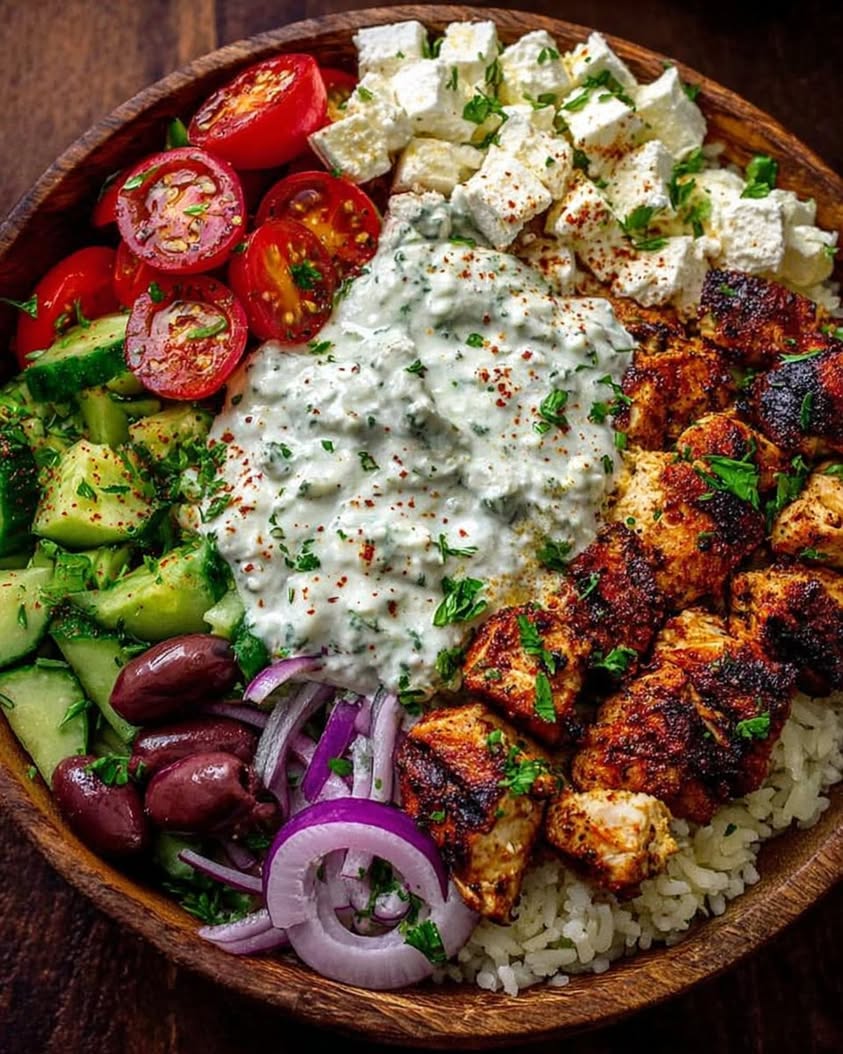
- Visual Appeal: The presentation is a feast for the eyes with vibrant red tomatoes, green cucumbers, white onion, and golden-brown chicken piled atop fluffy rice. It is a colorful, Instagram-worthy dish that looks as good as it tastes.
- Skill Level Needed: This is a beginner-friendly recipe requiring basic knife skills for chopping and simple techniques for marinating and grilling or pan-searing. No advanced culinary expertise is necessary for fantastic results.
- Special Equipment: You only need a grill, grill pan, or regular skillet to cook the chicken. Skewers are optional for authentic souvlaki presentation but not required for making the bowls.
Recipe Overview
- Difficulty Level: We rate this recipe as easy because it breaks down into very manageable steps: a simple marinade, straightforward vegetable prep, and quick cooking. The garlic sauce, often a point of anxiety, uses a reliable method for a smooth, emulsified result every time.
- Category: This dish fits perfectly into the categories of healthy dinner recipes, meal prep bowls, and high-protein meals. It is also an excellent option for a quick lunch or a casual yet impressive dinner party centerpiece.
- Cuisine: This recipe is firmly rooted in Greek cuisine, drawing directly from the street food tradition of souvlaki. It incorporates classic flavors like lemon, oregano, garlic, and olive oil that define the Mediterranean diet.
- Cost: Using chicken breast as the protein makes this a cost-effective meal. Additionally, the vegetables and pantry staples are inexpensive, resulting in a restaurant-quality dish for a fraction of the price.
- Season: This recipe is fantastic year-round. It is light and fresh for summer but hearty enough for winter, especially when you use a grill pan indoors. The bright flavors are particularly welcome during colder months.
- Occasion: These bowls are incredibly versatile. They work for a fast family dinner, a healthy meal prep lunch, or a fun, interactive build-your-own-bowl setup for entertaining friends on a casual weekend.
Why You’ll Love This Recipe
First and foremost, the taste is absolutely phenomenal. The marinade penetrates the chicken, ensuring every bite is packed with zesty lemon and aromatic oregano. Meanwhile, the creamy garlic sauce, known as tzatziki’s richer cousin, adds a cooling yet pungent element that is downright addictive. Furthermore, the combination of warm, savory components with cool, crisp vegetables creates a satisfying balance that keeps you coming back for another forkful. Ultimately, the flavor complexity rivals any restaurant dish but is achieved with simple, wholesome ingredients you can feel good about.
From a convenience standpoint, this recipe is a weeknight hero. The marinade comes together in minutes, and you can let the chicken soak up flavor while you prep the rest of the components. Additionally, the cooking process is fast, especially if you use a hot grill or skillet. Moreover, the entire meal assembles in a bowl, meaning minimal cleanup. Therefore, you can have a stunning, healthy dinner on the table in under forty-five minutes with ease, making it a perfect solution for busy evenings.
Nutritionally, these Greek Chicken Souvlaki Bowls are a powerhouse. They offer lean protein from the chicken, complex carbohydrates from the rice, and a wealth of vitamins and fiber from the fresh vegetable salad. The olive oil in the marinade and sauce provides heart-healthy monounsaturated fats. Consequently, this is a balanced meal that fuels your body without weighing you down. It aligns perfectly with the principles of the Mediterranean diet, which is celebrated for its long-term health benefits.
For social gatherings, this dish is a fantastic choice. You can easily set up a “souvlaki bowl bar” with separate containers of chicken, rice, veggies, sauce, and toppings like olives and feta. Then, guests can build their own perfect bowl, which is always a fun and interactive dining experience. It is also a crowd-pleaser that caters to various tastes and can be easily adapted for different dietary needs, which we will explore later.
Finally, this recipe is incredibly cost-effective. Chicken breast is an affordable protein, and the vegetables are seasonal and inexpensive. You likely have many of the marinade and sauce ingredients like olive oil, lemon juice, and garlic in your pantry already. So, for the price of one takeout order, you can feed your entire family a fresher, healthier, and more delicious meal. It is a smart choice for your taste buds and your budget.
Historical Background and Cultural Significance
The story of souvlaki stretches back to ancient Greece. Archaeologists have found stone barbecues used for cooking meat on skewers dating to the Bronze Age. The word “souvlaki” itself is a diminutive of the Greek “souvla,” meaning skewer. Historically, this method of cooking small pieces of meat over an open fire was practical and portable, making it a common food for soldiers and travelers. Consequently, this humble beginning laid the foundation for a dish that would become a cornerstone of Greek street food culture.
In modern Greece, souvlaki is more than just food; it is a cultural institution. You will find souvlaki stands on practically every corner in cities like Athens, serving it wrapped in soft pita bread with tomatoes, onions, and tzatziki sauce. It is the ultimate fast food, but one that is fresh and flavorful. Eating souvlaki is a social activity, often enjoyed late at night after time spent with friends. Therefore, it carries with it a sense of community and celebration.
The evolution of the souvlaki bowl is a more recent adaptation, likely influenced by the global popularity of grain bowls and meal prep culture. It takes the deconstructed elements of a classic souvlaki pita and presents them in an open bowl, often with a base of rice or greens. This format makes the meal more substantial and allows for greater customization. It is a perfect example of how traditional recipes adapt to contemporary dining trends while preserving their soul.
Regional variations of souvlaki exist throughout Greece. For example, in some areas, pork is the preferred meat, while in others, chicken or lamb is more common. The seasonings can also vary, with some regions adding a touch of cinnamon or allspice to the marinade. The accompanying sauce might be tzatziki, as in this recipe’s garlic sauce variation, or a simpler mustard-based condiment. Understanding these variations enriches our appreciation of the dish and encourages experimentation in our own kitchens.
Ingredient Deep Dive
Let us start with the star: chicken breast. This lean cut is a blank canvas for the vibrant marinade. For the best texture, look for plump, evenly sized breasts. To ensure tenderness, you can lightly pound the thicker ends to an even thickness before cubing. A key tip is to pat the chicken completely dry before adding it to the marinade; this helps the flavors adhere better and promotes superior browning during cooking. If you need a substitute, chicken thighs offer more fat and flavor, while for a vegetarian version, large chunks of portobello mushroom or firm tofu work wonderfully.
The marinade’s foundation is extra virgin olive oil. This is not just a cooking fat; it is a flavor carrier with deep cultural roots in the Mediterranean. Choose a good-quality, fruity olive oil for the best taste. It emulsifies with the lemon juice, creating a cohesive mixture that coats the chicken. Freshly squeezed lemon juice is non-negotiable for its bright, clean acidity. Meanwhile, dried oregano provides the quintessential earthy, aromatic note that defines Greek souvlaki. Fresh oregano can be used, but dried has a more concentrated flavor that stands up well to marinating.
Garlic is the undisputed king of this recipe, appearing in both the marinade and the iconic sauce. For the marinade, minced garlic infuses the oil. For the creamy garlic sauce, the preparation is crucial. You must mince the garlic very finely or even grate it into a paste. This step prevents large, harsh chunks and allows the garlic to fully integrate into the creamy base. Always use fresh garlic cloves for the most potent and authentic flavor; jarred minced garlic often has a dull, acidic taste that can ruin the sauce.
The vegetable salad, or “Greek salad” component, relies on freshness. Use ripe but firm Roma tomatoes and crisp English or Persian cucumbers. Red onion adds a sharp bite that mellows slightly when mixed with the other ingredients. The key is to dice everything to a similar, bite-sized scale. This ensures you get a perfect mix of flavors and textures in every spoonful. For the best results, prepare this salad just before serving to maintain maximum crunch and vitality.
The creamy garlic sauce is a simpler cousin to tzatziki, focusing purely on the garlicky, tangy essence. The base is typically Greek yogurt or a combination of yogurt and mayonnaise. Greek yogurt provides protein and tang, while mayonnaise adds richness and helps stabilize the emulsion. The critical technique is to add the oil very slowly while whisking constantly. This process, called emulsification, creates a thick, creamy, pale sauce that will not separate. Season it generously with salt and a little lemon juice to balance the richness.
Common Mistakes to Avoid
- Not Drying the Chicken: Adding wet chicken to the marinade dilutes the flavors and prevents proper browning. Always pat chicken cubes thoroughly with paper towels before marinating.
- Over-marinating with Lemon Juice: While lemon is essential, its acid can start to “cook” the chicken proteins if left for too long, resulting in a mushy texture. Marinate for the recommended 30 minutes to 2 hours, not overnight.
- Underseasoning the Marinade: The marinade must be aggressively seasoned because only a fraction of the seasoning will penetrate the meat. Do not be shy with the salt, oregano, and garlic.
- Crowding the Pan: When cooking the chicken, give the pieces space. Overcrowding creates steam instead of sear, leading to boiled, grey chicken rather than beautifully browned, juicy morsels.
- Using Pre-Crushed Garlic for the Sauce: The flavor of jarred garlic is inferior and often contains preservatives that can cause bitterness. Take the minute to finely mince or grate fresh garlic cloves.
- Adding Oil Too Quickly to the Sauce: Dumping the oil into the yogurt mixture all at once will cause it to separate. You must whisk vigorously and add the oil in a very slow, thin stream for a creamy emulsion.
- Skipping the Resting Time: Letting the cooked chicken rest for a few minutes before serving allows the juices to redistribute. Cutting into it immediately causes all those flavorful juices to end up on the cutting board.
- Prepping the Veggies Too Early: Dicing the tomatoes, cucumbers, and onion hours in advance makes them soggy and watery. For the best texture, chop your vegetables just before assembly.
Essential Techniques
Emulsifying the garlic sauce is the most crucial technique here. Emulsification is the process of combining two liquids that normally do not mix, like oil and water-based yogurt. The key is to add the oil extremely slowly while whisking constantly. This breaks the oil into tiny droplets that become suspended in the yogurt, creating a thick, creamy, stable sauce. If you add the oil too fast, the emulsion will break, and you will have a greasy, separated mess. A steady hand and patience are your best tools for success.
Properly cubing and marinating the chicken ensures flavor in every bite. Cut the chicken into uniform, one-inch pieces. Consistent size means even cooking; smaller pieces will dry out while larger ones remain raw inside. For the marinade, use a zip-top bag or a shallow dish, ensuring all pieces are coated. The acid in the lemon juice tenderizes the meat, while the oil carries the flavors of garlic and oregano into the fibers. Remember, marinating is about surface flavor and tenderizing, not deep penetration.
Achieving a perfect sear on the chicken requires high heat and patience. Whether using a grill, grill pan, or skillet, make sure it is very hot before adding the chicken. You should hear a strong sizzle upon contact. Do not move the pieces immediately; let them develop a golden-brown crust for a minute or two before turning. This Maillard reaction creates complex, savory flavors and an appealing texture. If you try to turn the chicken too soon, it will stick and tear, losing those precious browned bits.
Pro Tips for Perfect Greek Chicken Souvlaki Bowls
For an extra layer of flavor, add a tablespoon of red wine vinegar to the vegetable salad along with the olive oil and oregano. This little splash brightens the entire bowl.
If you have time, let the creamy garlic sauce rest in the refrigerator for at least 30 minutes before serving. This allows the garlic flavor to mellow and permeate the sauce beautifully.
Thread the marinated chicken onto skewers before grilling for the most authentic souvlaki experience and easy flipping. If using wooden skewers, soak them in water for 30 minutes first to prevent burning.
Warm your pita bread briefly in a dry skillet or oven. Then, brush it with a little olive oil and sprinkle with dried oregano before serving for a next-level accompaniment.
Reserve a spoonful of the marinade before adding the chicken. You can use this flavorful oil to drizzle over the assembled bowls for an extra punch.
For meal prep, store each component separately. Keep the sauce in its own container, and store the chicken, rice, and veggies in divided containers. Assemble just before eating to keep textures perfect.
Variations and Adaptations
For regional variations, try using pork shoulder or leg, the most traditional souvlaki meat in many parts of Greece. Marinate it the same way, but cook it a bit longer until tender. Alternatively, use lamb chunks for a richer, gamier flavor profile that is also deeply traditional. In Cyprus, souvlaki is often seasoned with a touch of cinnamon and coriander, which you can experiment with by adding a quarter teaspoon of each to your marinade.
Seasonal adaptations are simple and effective. In summer, add grilled zucchini or bell peppers to your bowl. In the fall, consider a base of roasted sweet potatoes or butternut squash instead of rice. For a winter twist, serve the components over a bed of warm, lemony lentils. Spring invites the addition of fresh artichoke hearts or asparagus. The recipe framework is flexible enough to showcase the best produce any time of year.
Dietary modifications are straightforward. For a gluten-free version, ensure your soy sauce or other condiments are certified GF and serve with gluten-free pita or over a salad. To make it dairy-free, create the garlic sauce using a thick, plain vegan yogurt and vegan mayonnaise. For a keto or low-carb adaptation, replace the rice with cauliflower rice and double the portion of non-starchy vegetables. A paleo version would use coconut yogurt for the sauce and omit any legumes or grains.
Serving and Presentation Guide
Plating is key to the wow factor. Start with a warm, shallow bowl. Place a fluffy bed of rice or grains slightly off-center. Artfully arrange the golden chicken pieces on one side of the rice. Then, spoon the bright vegetable salad on the other side, allowing the colors to contrast. Drizzle the creamy garlic sauce generously over the chicken, letting some pool into the rice. Finally, sprinkle with crumbled feta cheese and a few Kalamata olives for a salty, briny finish.
Garnishing adds the final professional touch. A light sprinkle of fresh chopped dill or parsley over the entire bowl adds color and a fresh herb note. A final drizzle of high-quality extra virgin olive oil adds shine and richness. You can also add a lemon wedge on the side for those who want an extra citrus kick. For texture, a small handful of toasted pine nuts or slivered almonds provides a delightful crunch.
Consider traditional accompaniments like warm, pillowy pita bread for scooping. A simple side of gigante beans in tomato sauce or a classic horiatiki salad completes the Greek feast. For a modern twist, offer small bowls of additional toppings like pepperoncini, pickled red onions, or even a spicy harissa drizzle for guests to customize their bowls. This interactive element makes the meal engaging and fun.
Wine and Beverage Pairing
Wine pairing for these vibrant bowls is a joy. A crisp, acidic Assyrtiko from Santorini is the classic Greek choice, cutting through the richness of the garlic sauce and complementing the lemon in the marinade. Alternatively, a Sauvignon Blanc with its grassy, citrus notes works beautifully. For red wine lovers, a light-bodied, low-tannin red like a Greek Xinomavro or a Beaujolais won’t overpower the chicken and will pair nicely with the charred flavors.
For non-alcoholic options, consider homemade lemonade infused with fresh mint or basil. Sparkling water with a squeeze of lemon and a cucumber ribbon is refreshing and thematic. Iced herbal teas, like chamomile or mint, are also excellent palate cleansers. For a creamy alternative, a tall glass of ayran, a savory yogurt drink popular in the Eastern Mediterranean, is authentically delightful and cools the spice of the garlic.
Storage and Shelf Life
Store all components separately for best results. Cooked chicken will keep in an airtight container in the refrigerator for 3-4 days. The vegetable salad is best eaten within 24 hours as it will release water and become soggy. The creamy garlic sauce can be stored in a sealed jar for up to 5 days; its flavor often improves overnight. Cooked rice should be cooled quickly and refrigerated, where it will last for 4-5 days. You can also freeze the cooked, marinated chicken in a freezer bag for up to 3 months.
Reheating requires care to preserve texture. Reheat the chicken gently in a skillet over medium heat or in the microwave at reduced power to prevent it from drying out. The rice is best reheated with a splash of water to restore moisture. The vegetable salad and garlic sauce should always be served cold. Do not freeze assembled bowls or the vegetable component, as the textures will be irreparably damaged upon thawing.
Make Ahead Strategies
You can efficiently break the work down over two days. On day one, cube the chicken and place it with the marinade in a zip-top bag in the refrigerator. It can marinate overnight, though remember the lemon may slightly alter the texture if left longer than 8 hours. Also, prepare the creamy garlic sauce and let it chill. Cook a large batch of rice. On day two, all you need to do is cook the chicken, dice the fresh vegetables, and assemble. This strategy cuts active prep time in half.
For meal prep, divide the cooked chicken, rice, and undressed chopped vegetables into separate compartments of your containers. Pack the garlic sauce in a small, leak-proof container. Keep everything refrigerated. When ready to eat, combine the cold veggies with a little olive oil and oregano, then assemble your bowl. This keeps the veggies crisp and the chicken from getting soggy. The sauce may thicken when cold; you can stir in a teaspoon of water or lemon juice to loosen it.
Scaling Instructions
Halving the recipe is straightforward for a smaller household. Simply divide all ingredient quantities by two. Use a smaller skillet for cooking the chicken to maintain proper heat distribution. The garlic sauce recipe can be tricky to halve because emulsifying a very small amount is difficult; consider making the full sauce batch as it keeps well and is delicious on everything.
Doubling or tripling for a crowd is easy. Use a large bowl or multiple bags for marinating the chicken. Cook the chicken in batches to avoid overcrowding the pan, which is crucial for getting a good sear. You may need to prepare the garlic sauce in two separate batches to ensure proper emulsification, as overloading your blender or bowl can cause the emulsion to break. Scale up the vegetable salad just before serving to maintain freshness.
Nutritional Deep Dive
This meal offers an excellent macro balance. The chicken breast provides high-quality, lean protein essential for muscle repair and satiety. The rice offers complex carbohydrates for sustained energy. The olive oil and yogurt-based sauce contribute healthy fats. Furthermore, the fresh vegetables add fiber, vitamins A and C, and antioxidants. This combination supports stable blood sugar levels, promotes digestive health, and provides long-lasting fuel without a heavy calorie load, making it ideal for active lifestyles.
From a micronutrient perspective, the dish is rich in several key areas. Garlic provides allicin, a compound with noted health benefits. Tomatoes are a great source of lycopene. Olive oil is packed with polyphenols and vitamin E. Greek yogurt offers calcium and probiotics. Together, these ingredients support heart health, immune function, and inflammation reduction. It is a nutrient-dense meal that truly aligns with the “food as medicine” philosophy of the Mediterranean region.
Dietary Adaptations
For a gluten-free version, confirm all your seasonings are gluten-free and serve the bowl over a base of certified gluten-free rice, quinoa, or a simple green salad. Skip the pita or use a gluten-free alternative. For dairy-free needs, the garlic sauce can be made with a thick, unsweetened plain coconut or almond yogurt blended with dairy-free mayonnaise. The rest of the recipe is naturally dairy-free if you omit the optional feta cheese garnish.
A vegan adaptation is entirely possible. Replace the chicken with extra-firm tofu, tempeh, or large king oyster mushroom slices. Press and cube the protein, then marinate as directed. For the garlic sauce, use a vegan yogurt and vegan mayo base. Ensure your sweetener, if used, is vegan. Load up the bowl with additional roasted vegetables like peppers and eggplants for a hearty, plant-based feast that loses none of the Greek flavor spirit.
Troubleshooting Guide
If your garlic sauce breaks and separates, do not panic. You can often fix it by starting with a fresh egg yolk or a teaspoon of Dijon mustard in a clean bowl (both are strong emulsifiers). Then, very slowly whisk the broken sauce into this new base. If that fails, accept it as a flavorful, broken vinaigrette and drizzle it over the bowl anyway—it will still taste great, though the texture will be different.
If the chicken is drying out, the likely culprit is overcooking. Chicken breast cooks quickly, especially in small cubes. Use an instant-read thermometer and pull it off the heat at 165°F; carryover cooking will bring it to the safe temperature. Next time, consider brining the chicken in a saltwater solution for 30 minutes before marinating, which helps it retain moisture during cooking. Also, ensure your cooking surface is properly preheated to sear the outside quickly and lock in juices.
Recipe Success Stories
Readers consistently report that this recipe becomes a regular in their dinner rotation. Many love how it impresses guests with minimal effort, often receiving “restaurant-quality” compliments. Home cooks with families appreciate that even picky eaters enjoy deconstructing the bowl and eating the components they like. Several have shared stories of using the marinade and sauce techniques for other proteins, like shrimp or fish, with great success, proving the foundational skills are highly transferable.
Adaptation successes are common. One reader made it low-carb by using cauliflower rice and added roasted red peppers. Another made a vegan version with chickpeas and reported it was a hit at a potluck. A common piece of feedback is to double the garlic sauce recipe because it is so delicious on sandwiches, salads, and as a veggie dip throughout the week. These stories highlight the recipe’s versatility and its role as a gateway to confident Mediterranean cooking.
Frequently Asked Questions
Can I make this recipe without a grill? Absolutely. A grill pan on your stovetop will give you excellent grill marks and flavor. Alternatively, a regular heavy-bottomed skillet or cast-iron pan works perfectly for searing the chicken cubes until golden brown and cooked through.
How long can I marinate the chicken? For best texture, marinate the chicken for a minimum of 30 minutes and a maximum of 2 hours. Marinating overnight, especially with the lemon juice, can cause the chicken to become mushy as the acid starts to break down the proteins.
What can I use instead of Greek yogurt in the sauce? You can use regular plain yogurt, but strain it through cheesecloth for an hour to thicken it. Sour cream is also a good substitute for a tangier, richer sauce. For a dairy-free version, use a thick, unsweetened plant-based yogurt.
Can I use chicken thighs instead of breasts? Yes, chicken thighs are a fantastic choice. They are more forgiving and stay juicier during cooking. Adjust cooking time slightly as thighs may take a minute or two longer, especially if they are bone-in or have more fat.
Is this recipe good for meal prep? It is excellent for meal prep. Store the chicken, rice, veggies, and sauce in separate containers. Assemble your bowl just before eating to keep the vegetables crisp and the chicken from getting soggy from the sauce.
My garlic sauce is too thick. How can I thin it? Simply whisk in a teaspoon of water, lemon juice, or milk at a time until you reach your desired consistency. Be careful not to add too much liquid, or you might break the emulsion.
Can I freeze the cooked chicken? Yes, the cooked, marinated chicken freezes well for up to 3 months. Let it cool completely, then store it in a freezer-safe bag or container. Thaw in the refrigerator overnight and reheat gently in a skillet.
What other vegetables can I add? Grilled bell peppers, red onions, or zucchini are wonderful additions. You can also include kalamata olives, pepperoncini, or a handful of fresh arugula or spinach for greens.
How do I know when the chicken is done? The safest way is to use an instant-read meat thermometer. Chicken is safely cooked at 165°F. Visually, the juices should run clear, and the meat should be opaque all the way through when cut.
Can I make the sauce in a blender? You can, but be cautious. Blending can incorporate too much air and make the sauce too frothy. If using a blender, pulse gently and scrape down the sides often. The traditional whisking method often yields a creamier, more luxurious texture.
Additional Resources
To expand your Greek cooking repertoire, explore recipes for classic tzatziki, spanakopita, or a traditional Greek lemon potato dish. Understanding the flavor profile of Greek cuisine—lemon, oregano, garlic, olive oil—will help you improvise. For technique guides, look into proper grilling methods or how to work with phyllo dough. Investing in a good grill pan, a sharp chef’s knife for chopping vegetables, and a microplane for grating garlic will make your Mediterranean cooking adventures much easier and more enjoyable.
PrintGreek Chicken Souvlaki Bowls with Garlic Sauce
- Total Time: 45 minutes
- Yield: 4
Description
A vibrant and healthy Mediterranean-inspired bowl featuring marinated grilled chicken, fresh veggies, and a creamy garlic sauce, served over fluffy rice or quinoa.
Ingredients
- 1 lb boneless, skinless chicken breast, cut into 1-inch cubes
- 1/4 cup olive oil
- 2 tbsp lemon juice
- 2 cloves garlic, minced
- 1 tsp dried oregano
- 1/2 tsp salt
- 1/4 tsp black pepper
- 2 cups cooked rice or quinoa
- 1 cucumber, diced
- 1 cup cherry tomatoes, halved
- 1/2 red onion, thinly sliced
- 1/2 cup pitted Kalamata olives
- 1/2 cup crumbled feta cheese
- Fresh parsley, chopped, for garnish
- For the Garlic Sauce: 1/2 cup Greek yogurt, 2 cloves garlic, minced, 1 tbsp lemon juice, 1 tbsp olive oil, Salt and pepper to taste
Instructions
- In a bowl, whisk together olive oil, lemon juice, minced garlic, oregano, salt, and pepper. Add chicken cubes, toss to coat, and marinate for at least 30 minutes in the refrigerator.
- While chicken marinates, prepare the garlic sauce by mixing Greek yogurt, minced garlic, lemon juice, olive oil, salt, and pepper in a small bowl. Refrigerate until ready to serve.
- Preheat grill or grill pan over medium-high heat. Thread marinated chicken onto skewers (if using wooden skewers, soak in water for 30 minutes first). Grill for 8-10 minutes, turning occasionally, until chicken is cooked through and slightly charred.
- Assemble bowls by dividing cooked rice or quinoa among four bowls. Top with grilled chicken, cucumber, cherry tomatoes, red onion, olives, and feta cheese. Drizzle with garlic sauce and garnish with fresh parsley.
Notes
You can customize the seasonings to taste.
- Prep Time: 15 minutes
- Cook Time: 30 minutes
- Method: Main
- Cuisine: Greek