Golden Herb Potatoes with Goat Cheese Crumble: An Easy Elegant Side
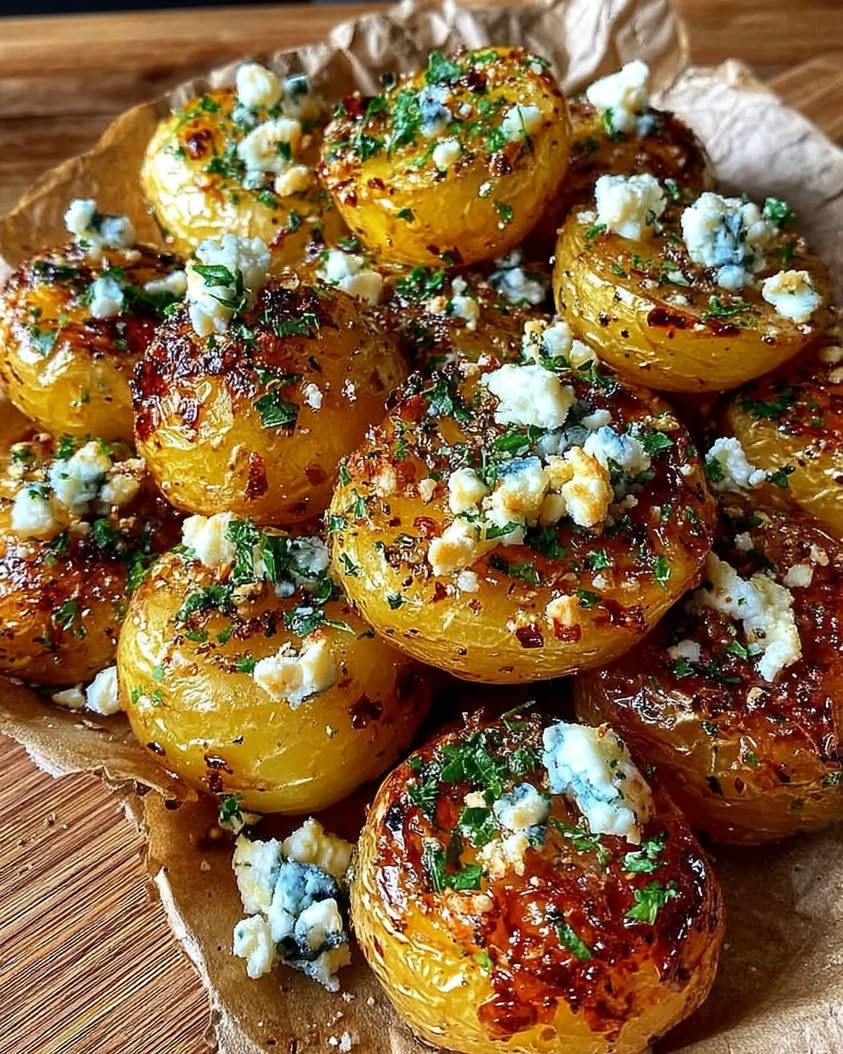
Imagine a side dish that steals the spotlight with minimal effort. This recipe for Golden Herb Potatoes with Goat Cheese Crumble delivers exactly that. It transforms humble potatoes into a stunning, restaurant-worthy creation. The secret lies in a simple yet brilliant combination. You roast baby potatoes until their skins crisp and their insides turn fluffy. Then, you crown them with a savory, herby crumble of tangy goat cheese, breadcrumbs, and fresh herbs. The result is a textural masterpiece that feels both rustic and refined.
Furthermore, this dish serves as the ultimate crowd-pleaser for any gathering. It pairs beautifully with everything from a simple roast chicken to a holiday prime rib. The aroma of roasting garlic and rosemary will fill your kitchen, promising a meal to remember. Importantly, the recipe requires only one sheet pan for easy cleanup. Consequently, you can focus on your guests instead of a sink full of dishes. Ultimately, these Golden Herb Potatoes with Goat Cheese Crumble offer a perfect balance of ease and elegance.
Finally, let’s talk about flavor. Each bite delivers a symphony of tastes and textures. You get the earthy sweetness of the potato, the sharp tang of the cheese, and the fragrant punch of fresh herbs. The golden, crispy topping provides a delightful contrast to the tender potato beneath. This dish proves that side dishes deserve just as much attention as the main course. Without a doubt, it will become a requested favorite in your recipe rotation.
Quick Recipe Highlights
- Flavor Profile: These potatoes boast a harmonious blend of earthy, savory, and tangy notes. The roasted garlic and herbs infuse the potatoes with deep flavor. Meanwhile, the goat cheese crumble adds a creamy, sharp accent that cuts through the richness.
- Texture: The texture journey is exceptional. You experience a crispy, golden exterior on the potatoes giving way to a fluffy interior. Additionally, the toasted breadcrumb and goat cheese topping provides a delightful, crumbly contrast that is utterly addictive.
- Aroma: As the dish roasts, your kitchen will fill with the warm, comforting scent of roasting garlic and woody rosemary. Hints of thyme and the nuttiness of toasting breadcrumbs complete the aromatic profile, building anticipation perfectly.
- Visual Appeal: This dish is a feast for the eyes with its beautiful golden-brown color palette. The vibrant green flecks of fresh herbs against the crispy potatoes and white goat cheese make for a stunning, Instagram-worthy presentation on any table.
- Skill Level Needed: This is a fantastic recipe for cooks of all levels. It requires basic knife skills for chopping herbs and simple mixing techniques. The oven does most of the work, making it nearly foolproof for beginners yet satisfying for experienced cooks.
- Special Equipment: You need only a standard baking sheet and basic kitchen tools. A good chef’s knife for chopping and a mixing bowl for the crumble are essential. Parchment paper is highly recommended for easy cleanup and to prevent sticking.
Recipe Overview
- Difficulty Level: We rate this recipe as easy because it involves straightforward techniques like chopping, mixing, and roasting. There are no complicated steps or precise temperatures to monitor. Essentially, you combine ingredients and let the oven work its magic. Consequently, even a novice cook can achieve impressive, delicious results.
- Category: This dish falls squarely into the side dish category, but it’s a star performer. It complements proteins like roasted chicken, grilled steak, or baked fish beautifully. Moreover, it can anchor a vegetarian spread alongside a hearty salad or roasted vegetables.
- Cuisine: While not tied to one specific tradition, the dish draws inspiration from rustic European and modern American farmhouse cooking. The use of fresh herbs, garlic, and goat cheese is classic Mediterranean. Meanwhile, the simple, hearty preparation speaks to comforting American home cooking.
- Cost: This is a very cost-effective dish to prepare. Potatoes and basic pantry items like oil, garlic, and breadcrumbs form the affordable base. Goat cheese and fresh herbs are the primary splurges, but a little goes a long way. Overall, it delivers high-end flavor on a modest budget.
- Season: This recipe shines year-round but feels particularly fitting in fall and winter. It pairs wonderfully with hearty roasts and holiday meals. However, using lighter herbs like parsley and chives makes it a fantastic spring or summer side for grilled meats.
- Occasion: Its versatility makes it perfect for everything from a casual weeknight dinner to a formal holiday feast. It’s an excellent choice for potlucks and dinner parties because it travels well and appeals to most palates. Truly, it’s an all-occasion side dish.
Why You’ll Love This Recipe
First, the taste and texture are absolutely irresistible. Each forkful delivers a perfect contrast. You get the creamy, fluffy interior of a perfectly roasted potato against its crisp, seasoned skin. Then, the savory, tangy crumble of goat cheese and herbs adds a burst of flavor and a delightful crunch. This combination creates a truly addictive eating experience that will have everyone reaching for seconds. The balance of earthy, savory, and sharp notes is simply masterful in its simplicity.
Next, consider the incredible convenience and preparation benefits. This entire dish comes together on a single sheet pan, meaning minimal cleanup. The active prep time is under 15 minutes, as you simply toss potatoes and mix a crumble. After that, the oven handles the rest, freeing you to prepare other components of your meal or relax with guests. It’s the definition of a “set it and forget it” side dish that doesn’t compromise on quality or presentation.
Additionally, this recipe offers several nutritional advantages. Potatoes are an excellent source of vitamin C, potassium, and fiber, especially when you eat the skin. Using olive oil adds heart-healthy monounsaturated fats. Goat cheese provides protein and calcium, and it’s often easier to digest than cow’s milk cheese for some people. By loading the dish with fresh herbs, you also incorporate beneficial antioxidants and phytonutrients without adding extra calories.
Furthermore, the social and entertaining value of this dish is sky-high. It looks incredibly impressive on a buffet or dinner table, suggesting you spent far more time than you actually did. The familiar yet elevated flavors appeal to a wide audience, pleasing both picky eaters and food enthusiasts. It’s a guaranteed conversation starter and a recipe that guests will eagerly ask you to share. Serving a beautiful, homemade side dish always makes a host feel proud and accomplished.
Finally, the cost-effectiveness and accessibility of the ingredients make this a practical staple. Potatoes are one of the most affordable and readily available vegetables globally. While goat cheese is a specialty item, you only need a small amount to make a big impact. The herbs and other components are standard pantry staples. This means you can create a dish that tastes luxurious without the luxury price tag, making it perfect for regular rotation in your meal planning.
Historical Background and Cultural Significance
The story of roasting potatoes spans continents and centuries. Potatoes, originally domesticated in the Andes of South America, traveled to Europe in the 16th century. Initially, people met them with suspicion. However, their hardiness and nutritional value eventually led to widespread adoption. Roasting potatoes over fire became a simple, effective cooking method for home cooks and peasants alike. This technique maximized flavor with minimal resources, creating a foundational dish in many culinary traditions.
In European cuisine, roasted potatoes gained particular cultural significance. In Britain, the crispy roast potato became the non-negotiable centerpiece of the Sunday roast dinner. Similarly, in Mediterranean countries, potatoes roasted with olive oil, garlic, and local herbs became a staple. These dishes represented comfort, family, and the ability to create something deeply satisfying from simple, earthy ingredients. The method celebrated the potato’s natural flavor while adding regional character through fats and seasonings.
The evolution towards adding a cheese crumble is a more modern, fusion-inspired twist. It reflects contemporary cooking’s love for contrasting textures and layered flavors. Goat cheese, or chèvre, has its own rich history in French and Mediterranean farming. Combining its tangy creaminess with the hearty potato is a natural yet innovative pairing. This evolution shows how classic peasant food can be elevated with a single, thoughtful addition, bridging rustic tradition and modern gourmet sensibility.
Today, dishes like these Golden Herb Potatoes with Goat Cheese Crumble represent a global pantry approach. They borrow technique from one tradition, ingredients from another, and presentation from modern culinary aesthetics. This recipe doesn’t belong to one culture but celebrates the best of many. It signifies how home cooking continues to evolve, taking timeless methods and updating them for today’s tastes and accessible ingredients. Ultimately, it’s a dish rooted in history but designed for the modern table.
Ingredient Deep Dive
Baby potatoes are the ideal foundation for this recipe. Also called creamers or new potatoes, they have a thin, delicate skin that crisps beautifully and a creamy, dense interior. Historically, “new” potatoes were simply young potatoes harvested early in the season. They contain more moisture and less starch than their mature counterparts, which prevents them from becoming mealy when roasted. Nutritionally, they are a great source of vitamin C, potassium, and vitamin B6. Their skin holds significant fiber. For the best results, choose potatoes that are firm, smooth, and uniform in size for even cooking. Store them in a cool, dark, well-ventilated place, but not in the refrigerator, as cold temperatures can convert their starch to sugar.
Goat cheese, or chèvre, brings the essential tangy, creamy element to the crumble. This cheese has been produced for thousands of years, particularly in the Mediterranean and Middle Eastern regions. It is made from the milk of goats, which are easier to raise in arid, mountainous areas than cows. Many people find goat cheese easier to digest because it contains different proteins and fatty acids than cow’s milk cheese. It provides a good amount of protein, calcium, and healthy fats. When selecting goat cheese for this recipe, opt for a fresh, soft log (chèvre) that will crumble easily. Avoid pre-crumbled varieties, as they often contain anti-caking agents that can affect melting and texture. Store it tightly wrapped in the coldest part of your refrigerator.
Fresh rosemary and thyme are the herbal workhorses of this dish. Rosemary, with its pine-like aroma, is native to the Mediterranean region and has been used both culinarily and medicinally since ancient times. It is rich in antioxidants and anti-inflammatory compounds. Thyme, a staple in European, Middle Eastern, and Mediterranean cooking, offers a subtle, earthy flavor. It has a long history of use for its purported antiseptic properties. Both herbs are incredibly potent when fresh, providing vibrant flavor that dried herbs cannot match. To select the best bunches, look for herbs with firm, brightly colored leaves and no signs of wilting or blackening. Store them loosely wrapped in a damp paper towel inside a plastic bag in your refrigerator’s crisper drawer.
Panko breadcrumbs are the secret to the crumble’s irresistible crunch. Panko is a Japanese-style breadcrumb made from crustless white bread, resulting in a lighter, flakier, and crispier texture than traditional breadcrumbs. They were adopted into Western cooking in the latter half of the 20th century and revolutionized the texture of baked toppings. Because they are coarser and airier, they create a shatteringly crisp coating that doesn’t become soggy as easily. For this recipe, they help bind the goat cheese while adding volume and texture without heaviness. You can find panko in the Asian aisle or breadcrumb section of most supermarkets. For a gluten-free version, use certified gluten-free panko. Store an opened package in a sealed container in the pantry.
Common Mistakes to Avoid
- Crowding the Pan: Placing potatoes too close together on the baking sheet is a major error. They will steam instead of roast, resulting in soggy skin. Always ensure there is space between each potato for hot air to circulate. This guarantees all-over crispiness.
- Using Cold Goat Cheese: Trying to crumble cold, hard goat cheese is difficult and messy. Let the cheese sit at room temperature for 15-20 minutes before mixing. It will soften slightly, making it much easier to break apart and combine evenly with the breadcrumbs and herbs.
- Skipping the Preheating Step: Putting potatoes into a cold oven drastically affects texture. A properly preheated oven ensures immediate searing and crispiness. Always allow your oven to reach the full specified temperature before adding your sheet pan for the best results.
- Not Drying the Potatoes: After washing, potatoes retain surface moisture. Failing to pat them thoroughly dry with a kitchen towel prevents proper oil adhesion and crispiness. The water will create steam, which is the enemy of a golden, crispy exterior.
- Over-mixing the Crumble: When combining the goat cheese, panko, and herbs, mix just until incorporated. Overworking the mixture can cause the goat cheese to become pasty and homogeneous. You want a loose, crumbly texture with distinct pieces of cheese and breadcrumb.
- Adding the Crumble Too Early: If you add the goat cheese crumble at the beginning of roasting, it will burn before the potatoes cook through. Always add the crumble during the last 10-15 minutes. This allows it to toast to a perfect golden brown without scorching.
- Using Dried Herbs Interchangeably: Dried rosemary and thyme are much more potent than fresh. If you must substitute, use only one-third the amount of dried herbs. However, the flavor profile will be different, and the fresh herbs contribute significantly to the dish’s bright, aromatic quality.
- Neglecting to Season in Layers: Seasoning only the potatoes or only the crumble is a missed opportunity. Season the potatoes with salt and pepper before roasting. Then, ensure your crumble mixture also has adequate seasoning. This builds depth of flavor throughout the entire dish.
Essential Techniques
Dry Roasting for Crispiness: The key to perfectly crispy potatoes is ensuring their surfaces are dry before they meet the oil. After washing, take the extra minute to pat them aggressively dry with a clean kitchen towel. This step removes the barrier of water, allowing the oil to coat the potato skin directly. Consequently, the oil can heat efficiently and create a crisp, sealed exterior. The visual cue for success is hearing a faint sizzle when the oiled potatoes hit the hot baking sheet, not a steamy sputter.
Creating a Loose Crumble: The texture of the topping is paramount. Use your fingertips to gently break the softened goat cheese into the bowl with the panko and herbs. Then, use a fork or your fingers to toss and combine, lifting the mixture to incorporate air. You are aiming for a mixture that resembles coarse sand with pea-sized lumps of cheese, not a uniform paste. The common pitfall is squeezing or pressing the mixture, which turns it dense. A loose crumble will toast evenly and provide a delightful, airy crunch.
Timed Topping Application: Knowing when to add the crumble is a crucial technique for balanced cooking. The potatoes need most of the cooking time to become tender inside and crispy outside. Adding the delicate cheese and breadcrumb mixture too early guarantees burning. The technique involves roasting the potatoes until they are almost fork-tender and nicely browned. Then, you quickly scatter the crumble over the top and return the pan to the oven for the final minutes. This allows the crumble to become fragrant and golden while the potatoes finish cooking perfectly.
Pro Tips for Perfect Golden Herb Potatoes with Goat Cheese Crumble
Uniform Potato Size: Take time to select potatoes that are all roughly the same size. If some are larger, cut them in half to match the smaller ones. This ensures every piece cooks at the same rate, preventing some from being undercooked while others burn.
Hot Sheet Pan Method: For extra-crispy bottoms, place your empty baking sheet in the oven as it preheats. Carefully add the oiled potatoes to the hot pan. This gives an immediate sear, jumpstarting the crisping process from the very first moment.
Fresh Garlic vs. Powder: Always use fresh minced garlic for the herb oil. Garlic powder can burn and taste bitter during roasting. The fresh garlic will mellow and caramelize, infusing the potatoes with a sweet, nutty flavor rather than a harsh one.
Don’t Skimp on the Oil: Use enough good-quality olive oil to generously coat every potato. The oil conducts heat, promotes browning, and helps the seasonings adhere. Potatoes that look lightly glossy before going in the oven will crisp up beautifully.
Test for Doneness with a Fork: The best way to know if the potatoes are done is to pierce the largest one with a fork. It should slide in and out with very little resistance. If it feels hard in the center, they need more time before adding the crumble.
Garnish with Fresh Herbs: After baking, sprinkle the finished dish with a small handful of additional chopped fresh parsley or chives. This adds a pop of fresh color and a burst of bright flavor that contrasts wonderfully with the deep, roasted notes.
Let it Rest Before Serving: Allow the potatoes to sit for 5 minutes after removing them from the oven. This lets the crumble topping set slightly and makes the potatoes easier to transfer to a serving platter without the topping scattering everywhere.
Variations and Adaptations
Regional Variations: You can easily adapt this recipe to taste like it came from a different region. For a French Provençal twist, use Herbes de Provence in the oil and add a sprinkle of Niçoise olives with the crumble. For an Italian version, substitute the goat cheese with ricotta salata or Parmesan, and use oregano and basil as the primary herbs. A Spanish-inspired take might include smoked paprika (pimentón) in the oil and Manchego cheese in the crumble.
Seasonal Adaptations: Embrace the seasons by changing up the herb profile. In spring, use tender herbs like chives, dill, and parsley. For summer, basil and oregano are fantastic. In fall, stick with the classic rosemary and thyme, or add a pinch of chopped sage. Winter calls for hearty herbs like rosemary and marjoram, and you could even add a teaspoon of finely chopped citrus zest to the crumble for brightness.
Dietary Modifications: This recipe is naturally vegetarian and easily adaptable. For a gluten-free version, use certified gluten-free panko breadcrumbs or crushed gluten-free crackers. To make it dairy-free, substitute the goat cheese with a firm, crumbly vegan feta or a mixture of nutritional yeast and ground almonds for a cheesy, crunchy topping. For a nut-free version, ensure your breadcrumb substitute is safe.
Flavor Variations: Don’t be afraid to experiment with different flavor infusions. Toss the potatoes with a tablespoon of pesto instead of plain oil and herbs. Add a teaspoon of lemon zest to the crumble mixture for a citrusy zing. For a spicy kick, mix a pinch of red pepper flakes or a dash of cayenne into the oil coating. A teaspoon of whole grain mustard whisked into the oil adds a wonderful tangy depth.
Texture Modifications: If you love extra crunch, add a quarter cup of chopped walnuts or pecans to the goat cheese crumble mixture. For a creamier interior, use Yukon Gold potatoes instead of baby potatoes. If you prefer a more integrated topping, you can gently press the crumble onto each potato halfway through roasting, though you’ll lose some of the loose, scattered texture.
Presentation Alternatives: For a more elegant individual presentation, use smaller, bite-sized baby potatoes and serve them in a shallow bowl with the crumble piled on top. Alternatively, smash the roasted potatoes lightly with a fork before adding the crumble, creating more nooks and crannies for the topping to settle into. You can also serve the potatoes family-style on a large wooden board for a rustic feel.
Serving and Presentation Guide
Plating Techniques: For a family-style presentation, transfer the hot potatoes and crumble to a wide, shallow serving bowl or a large lipped platter. Use a wide spatula to gently lift and turn the potatoes, allowing some of the crumble to fall between them. Avoid piling them high in a deep bowl, as this can steam the crispy topping. Instead, spread them out in a slightly overlapping single layer to showcase their golden color and texture.
Garnishing Ideas: A final garnish elevates the dish visually and adds a fresh flavor note. A light drizzle of high-quality extra virgin olive oil just before serving adds shine. A scattering of microgreens, additional chopped fresh herbs (like chives or parsley), or edible flowers provides a beautiful color contrast. For a touch of luxury, a few flakes of flaky sea salt sprinkled on top just before serving enhances every flavor.
Traditional Accompaniments: These potatoes are the ultimate companion to roasted and grilled meats. They pair classically with herb-roasted chicken, prime rib, lamb chops, or a simple pan-seared steak. For a vegetarian feast, serve them alongside a hearty lentil loaf, stuffed portobello mushrooms, or a large composed salad with a sharp vinaigrette to cut through the richness.
Modern Serving Suggestions: Think beyond the dinner plate. These potatoes make a fantastic, substantial appetizer for a cocktail party when served warm in a bowl with toothpicks. You can also chop any leftovers and fold them into a frittata or breakfast hash the next morning. For a casual meal, serve them in a bowl topped with a fried egg for a decadent brunch option.
Temperature Considerations: This dish is best served immediately, while the potatoes are hot and the topping is crisp. However, it still tastes very good at room temperature, making it suitable for buffets or picnics. If you must hold it, keep it in a warm oven (around 200°F) on the sheet pan, but note the crumble will soften slightly. Avoid covering it tightly with foil, as this traps steam and causes sogginess.
Portion Control Tips: As a side dish, plan for about ½ pound of potatoes per person, which typically translates to 8-10 small baby potatoes. The recipe as written serves 6 as a generous side. If serving as part of a larger spread with multiple sides, you can stretch it to 8 servings. Remember, the rich, flavorful topping makes a little go a long way in terms of satisfaction.
Wine and Beverage Pairing
Wine Pairings: The earthy potatoes and tangy goat cheese create a versatile palate for wine. A crisp, high-acid white wine like Sauvignon Blanc or Sancerre complements the herbal notes and cuts through the richness beautifully. For red wine lovers, a light to medium-bodied Pinot Noir with its earthy, cherry notes is an excellent match. If you’re serving the potatoes with a hearty red meat, you can follow the pairing for the protein, as the potatoes will be a friendly companion to most reds, especially those with herbal characteristics like a Cabernet Franc or Syrah.
Non-Alcoholic Alternatives: Sparkling water with a twist of lemon or lime provides a clean, palate-cleansing effervescence. For a more crafted option, a rosemary-infused lemonade echoes the herbal notes in the dish. A tart cherry or pomegranate spritzer made with club soda and a splash of juice can also stand up to the savory, tangy flavors without overwhelming them.
Coffee and Tea Pairings: While not a typical pairing for this savory dish, if serving at a brunch, a medium-roast coffee with low acidity would work well. The roasted notes of the coffee can mirror the caramelization on the potatoes. For tea, consider a smoky Lapsang Souchong, whose intense flavor can match the dish’s robustness, or a simple, brisk black tea to cleanse the palate.
Temperature Considerations: Always serve white wines well-chilled (45-50°F) and light reds slightly cool (55-60°F). Your non-alcoholic sparkling drinks should be very cold. This contrast between the warm, rich potatoes and a cool, refreshing beverage is part of the pleasure, as it refreshes the palate between bites and enhances the overall dining experience.
Storage and Shelf Life
Storage Methods: Store any leftovers in an airtight container in the refrigerator. For best results, let the potatoes cool completely at room temperature before transferring them to the container. This prevents excess steam from building up and making the topping soggy. Try to arrange them in a single layer if possible, but a shallow container is key. Properly stored, they will keep for 3-4 days.
Temperature Requirements: This dish must be refrigerated if not consumed within two hours of cooking. Do not leave it at room temperature for an extended period, as the dairy in the goat cheese can spoil. The ideal refrigerator temperature is at or below 40°F (4°C) to ensure food safety and slow the staling process of the breadcrumb topping.
Container Recommendations: A shallow glass or BPA-free plastic container with a tight-fitting lid is ideal. Avoid deep containers where the potatoes will be piled on top of each other, as the weight will compress the crispy topping. You can also use a plate covered tightly with plastic wrap, though this is less secure for preventing odor transfer in the fridge.
Signs of Spoilage: Discard the potatoes if you notice any off odors, such as a sour or unpleasant smell. Visible mold growth, especially on the cheese component, is an absolute sign to throw it away. If the potatoes develop an excessively slimy texture, they have likely spoiled and should not be consumed.
Reheating Instructions: To restore crispiness, avoid the microwave. Instead, reheat the potatoes on a baking sheet in a preheated 375°F oven for 10-15 minutes, or until heated through. You can also use an air fryer at 350°F for 5-8 minutes. This method will re-crisp the potatoes and topping far better than any other technique.
Freezing Guidelines: Freezing is not recommended for this recipe. The texture of the potatoes will become grainy and watery upon thawing due to their high moisture content. The goat cheese crumble will also suffer in texture, becoming soggy and unappealing. This is a dish best enjoyed fresh or refrigerated for a few days and reheated.
Make Ahead Strategies
Prep Timeline: You can accomplish several components a day in advance. Wash and dry the potatoes, then store them in a bowl of cold water in the refrigerator to prevent browning. You can also mix the dry components of the crumble—the panko, chopped herbs, salt, and pepper—in a small container. Keep the goat cheese separate. Mince the garlic and store it in a tiny covered container with a drizzle of oil to prevent drying out.
Storage Between Steps: Keep the pre-cut potatoes submerged in water in the fridge. Drain and pat them bone-dry just before you’re ready to toss them with oil and roast. The pre-mixed dry crumble ingredients can sit at room temperature in a sealed container. The goat cheese should remain wrapped and chilled until you’re ready to combine it with the dry mix and assemble the dish.
Quality Impact Assessment: Prepping the potatoes in water maintains their freshness and prevents oxidation with no negative impact. Pre-mixing the dry crumble ingredients actually allows the herb flavors to meld, which is a benefit. The key is to only combine the goat cheese with the dry mix right before baking to prevent the panko from becoming damp and losing its ability to crisp.
Assembly Tips: On the day of serving, drain and thoroughly dry the potatoes. Toss them with oil, garlic, and seasoning. Proceed with roasting. While the potatoes are in the oven, take your goat cheese out to soften slightly and combine it with the pre-mixed dry crumble ingredients using your fingers. When the potatoes are ready, scatter the fresh crumble over the top and finish baking.
Reheating Guidelines: If you fully cook the dish a few hours ahead, let it cool, then reheat it on a sheet pan in a 375°F oven for 10-12 minutes to restore warmth and crispiness. The texture will be best if the final bake with the crumble happens close to serving time, but reheating is a viable strategy for managing timing for a dinner party.
Scaling Instructions
Halving the Recipe: Halving this recipe is straightforward. Simply use half the amount of every ingredient. Use a standard quarter sheet pan or a smaller baking dish to maintain the proper potato spacing. The cook time may be slightly reduced by 5-7 minutes since there is less mass in the oven, so start checking for doneness a bit earlier. The crumble will still need the final 10-15 minutes to brown.
Doubling or Tripling: For larger crowds, you can easily double or triple the ingredients. The critical adjustment is to use multiple baking sheets. Do not overcrowd a single sheet by piling potatoes on top of each other; they must be in a single layer with space. Rotate the sheets top to bottom and front to back halfway through cooking to ensure even browning. You may need to add a few extra minutes to the total roasting time. Mix the crumble in batches to ensure even distribution of ingredients.
Equipment Adjustments: When scaling up, ensure your oven can accommodate multiple racks with enough space for air circulation between them. Using convection bake, if available, will promote better browning and more even cooking when using multiple pans. Have a large enough mixing bowl for tossing the increased quantity of potatoes with oil to ensure even coating.
Timing Modifications: While the prep time scales linearly, the cook time does not double when you double the recipe if using multiple pans. However, a larger volume of food in the oven can lower the overall temperature slightly. Expect the total cook time to increase by roughly 5-10 minutes for a doubled recipe. Always rely on visual and textural cues (fork-tender potatoes, golden-brown crumble) rather than strictly following the clock.
Nutritional Deep Dive
Macro Breakdown: A serving of these potatoes provides a balanced mix of macronutrients. The potatoes and breadcrumbs are the primary source of carbohydrates, offering sustained energy. The olive oil and goat cheese contribute healthy fats, including monounsaturated fats from the oil. Goat cheese also adds a modest amount of protein to the dish. This combination helps create a satisfying side that contributes to a feeling of fullness, preventing overeating.
Micronutrient Analysis: This dish is a good source of several essential vitamins and minerals. Potatoes, especially with their skin, provide vitamin C, potassium, and vitamin B6. Potassium is crucial for heart health and muscle function. Goat cheese adds calcium for bone health and phosphorus. The fresh herbs, while used in small quantities, contribute trace amounts of vitamins A, C, and K, along with various antioxidants and phytonutrients that support overall health.
Health Benefits: Consuming potatoes with their skin increases fiber intake, which aids digestion and supports gut health. The monounsaturated fats in olive oil are associated with improved heart health. The herbs offer anti-inflammatory and antimicrobial properties. As part of a balanced meal with lean protein and vegetables, this dish contributes to a nutrient-dense diet that supports energy levels and overall wellness.
Dietary Considerations: This recipe is naturally vegetarian and can be adapted for gluten-free needs. For those monitoring sodium, you can control the amount of added salt. While not low-carb, the carbohydrates provided are complex and come with fiber. Individuals with lactose intolerance sometimes tolerate goat cheese better than cow’s milk cheese, but this varies by person.
Dietary Adaptations
Gluten-Free: To make this recipe gluten-free, simply replace the panko breadcrumbs with an equal amount of certified gluten-free panko or crushed gluten-free crackers. Check that all other ingredients, like herbs and spices, are certified gluten-free to avoid cross-contamination. The cooking method and times remain exactly the same.
Dairy-Free/Vegan: For a dairy-free and vegan version, substitute the goat cheese. A great option is a firm, crumbly vegan feta cheese. Alternatively, create a crumble using ¾ cup of raw cashews or almonds pulsed with 3 tablespoons of nutritional yeast, 1 tablespoon of lemon juice, and the herbs and seasonings. The nuts will toast and provide a rich, cheesy flavor and crunchy texture.
Low-Carb/Keto: For a lower-carb version, replace the potatoes with cubed cauliflower or turnips. Their cooking time may be slightly less, so monitor closely. Substitute the panko breadcrumbs with a mixture of crushed pork rinds or almond flour for the crumble topping. The goat cheese remains an excellent keto-friendly ingredient. Adjust the roasting time as the vegetable base will cook faster than potatoes.
Paleo: A Paleo adaptation requires omitting the breadcrumbs and dairy. Use cubed sweet potatoes as a Paleo-approved starch base. For the topping, combine a mixture of chopped nuts (like almonds or pecans), coconut flakes, herbs, and a touch of nutritional yeast for a cheesy flavor. Use avocado oil or coconut oil instead of olive oil if preferred.
Troubleshooting Guide
Potatoes Are Soggy: If your potatoes lack crispiness, the most common culprit is Print
Golden Herb Potatoes with Goat Cheese Crumble
- Total Time: 45 minutes
- Yield: 4
Description
Crispy roasted potatoes tossed in a fragrant herb blend and topped with a creamy, tangy goat cheese crumble for a simple yet elegant side dish.
Ingredients
- 2 lbs baby potatoes, halved
- 3 tbsp olive oil
- 1 tsp garlic powder
- 1 tsp dried rosemary
- 1 tsp dried thyme
- 1/2 tsp paprika
- Salt and black pepper to taste
- 4 oz goat cheese, crumbled
- 2 tbsp fresh parsley, chopped
- 1 tbsp lemon zest
Instructions
- Preheat oven to 400°F (200°C). Line a baking sheet with parchment paper.
- In a large bowl, toss halved potatoes with olive oil, garlic powder, rosemary, thyme, paprika, salt, and pepper until evenly coated.
- Spread potatoes in a single layer on the baking sheet. Roast for 25-30 minutes, flipping halfway, until golden and crispy.
- While potatoes roast, combine crumbled goat cheese, fresh parsley, and lemon zest in a small bowl.
- Transfer roasted potatoes to a serving dish. Sprinkle the goat cheese mixture over the top and serve warm.
Notes
You can customize the seasonings to taste.
- Prep Time: 15 minutes
- Cook Time: 30 minutes
- Method: Side
- Cuisine: American