Crispy Parmesan Zucchini Potato Muffins: A Savory Snack Recipe
Imagine pulling a tray of golden, savory muffins from the oven. Their aroma fills your kitchen with the comforting scent of toasted cheese and herbs. These are not your average sweet muffins. Instead, they are a brilliant fusion of crispy potato, tender zucchini, and sharp Parmesan cheese. This recipe for Crispy Parmesan Zucchini Potato Muffins transforms simple vegetables into a handheld delight. Consequently, they are perfect for anyone seeking a delicious and satisfying snack or side dish.
The magic of these savory muffins lies in their contrasting textures. Each bite offers a satisfying crunch from the crispy exterior, followed by a soft, moist interior. Furthermore, the combination of starchy potato and watery zucchini creates a perfect balance. The potatoes provide structure and heartiness, while the zucchini adds freshness and moisture. Ultimately, these muffins are a versatile culinary creation. They work beautifully for breakfast, a lunchbox treat, or an elegant appetizer for your next gathering.
Creating these Crispy Parmesan Zucchini Potato Muffins is surprisingly straightforward. The process involves grating, mixing, and baking. You do not need any fancy equipment or advanced culinary skills. Essentially, this recipe is a fantastic way to use up summer garden zucchini or to add more vegetables to your family’s diet in a fun format. The result is a crowd-pleasing dish that appeals to both kids and adults alike. Let’s explore how to make these irresistible savory muffins.
Quick Recipe Highlights
- Flavor Profile: These muffins deliver a robust savory punch. The nutty, salty depth of Parmesan cheese is the star, perfectly complemented by the earthy potatoes and mild zucchini. Additionally, garlic and herbs like chives or parsley add aromatic layers that make each bite complex and delicious.
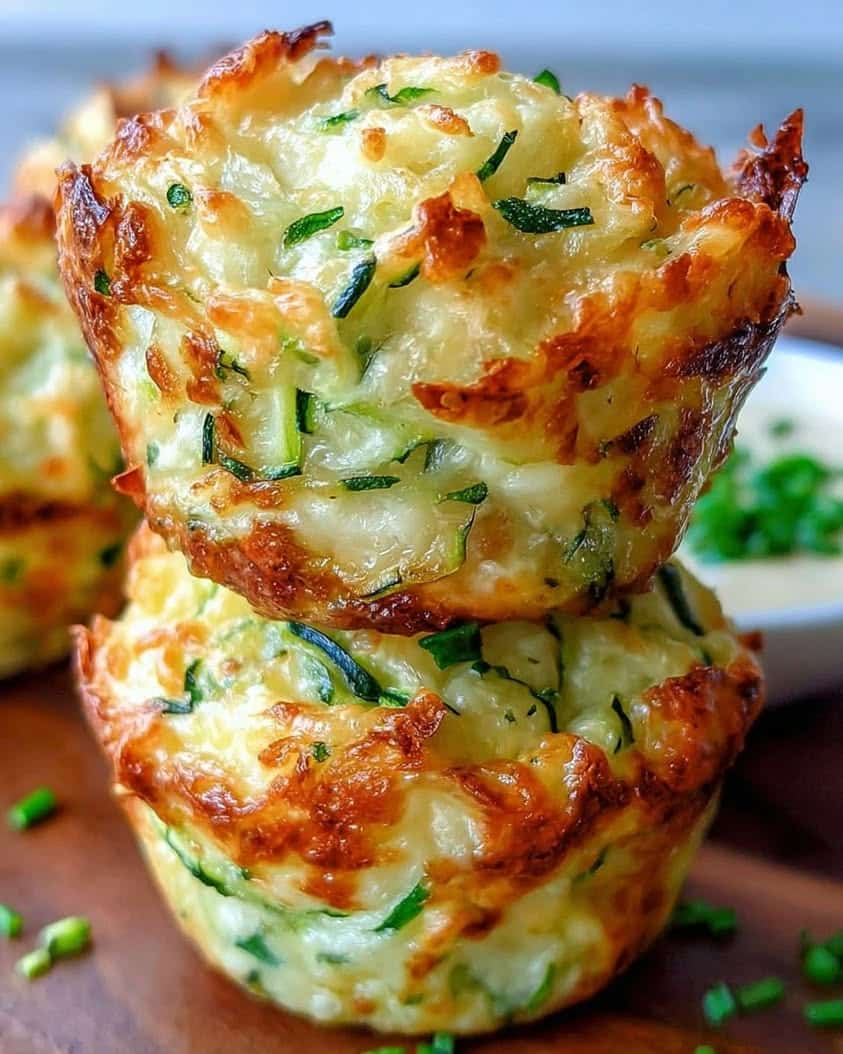
- Texture: The texture is a key highlight, featuring a wonderfully crispy, golden-brown crust that gives way to a tender, moist crumb. The shredded potatoes become delightfully crisp on the edges during baking, while the zucchini ensures the inside stays soft and never dry.
- Aroma: While baking, your kitchen will smell incredible. The primary aromatic notes are of toasting cheese and browning potatoes, with secondary hints of garlic and fresh herbs. This inviting scent is a sure sign of the delicious snack to come.
- Visual Appeal: These muffins boast a beautiful presentation with a rustic, golden-brown top speckled with green herbs and flecks of orange carrot. Their individual muffin form makes them easy to serve, and the crispy edges provide an attractive, appetizing look.
- Skill Level Needed: This is a beginner-friendly recipe. The techniques are simple: grating vegetables, squeezing out moisture, and mixing a batter. No special pastry skills are required, making it an excellent project for novice cooks or a quick fix for experienced ones.
- Special Equipment: You only need basic kitchen tools: a box grater or food processor for shredding, a mixing bowl, a muffin tin, and paper liners or cooking spray. A clean kitchen towel or cheesecloth is helpful for wringing moisture from the zucchini.
Recipe Overview
- Difficulty Level: We rate this recipe as “Easy” because it uses fundamental techniques accessible to all home cooks. The steps are sequential and logical, from prepping vegetables to combining wet and dry ingredients. There is no complex folding, proofing, or precise temperature control needed beyond standard oven baking.
- Category: These muffins fit multiple meal categories beautifully. They are an ideal savory breakfast or brunch item, a portable snack, a hearty side dish for soups and salads, or a passed appetizer for parties. Their versatility is one of their greatest strengths.
- Cuisine: While not tied to one specific tradition, the recipe draws inspiration from Western culinary styles that celebrate garden vegetables and cheese. It shares similarities with Italian fritters, American hash browns, and French vegetable tarts, creating a delicious fusion comfort food.
- Cost: This is a very budget-friendly recipe. The main ingredients—zucchini, potato, and eggs—are inexpensive, especially in season. Parmesan is the priciest component, but a little goes a long way for flavor. Overall, you can make a dozen muffins for just a few dollars.
- Season: These Crispy Parmesan Zucchini Potato Muffins are perfect for late summer and early fall when zucchini is abundant and inexpensive. However, they are truly a year-round treat because the core ingredients are always available at grocery stores.
- Occasion: Serve them for casual family dinners, weekend brunches, potlucks, picnics, or holiday gatherings. They are equally at home on a paper plate at a backyard barbecue or on a ceramic platter at a more formal cocktail party.
Why You’ll Love This Recipe
First and foremost, the taste and texture combination is utterly addictive. The crispy Parmesan crust provides a salty, cheesy crunch that gives way to a soft, vegetable-packed interior. Each bite is a harmonious blend of savory flavors where no single ingredient overpowers another. The garlic and herbs enhance the natural sweetness of the zucchini and potato. Consequently, you get a sophisticated flavor profile from very simple, wholesome components. These muffins satisfy cravings for something savory and substantial without being heavy or greasy.
From a convenience standpoint, this recipe is a winner. The prep is quick, and the muffins bake hands-off in the oven. You can mix the batter in one bowl for minimal cleanup. Moreover, they are perfectly portable. They hold their shape well, making them excellent for packed lunches, road trips, or after-school snacks. You can also bake a batch ahead of time and simply reheat them, which makes meal planning for a busy week incredibly easy. Essentially, they offer homemade quality with almost convenience-food ease.
Nutritionally, these Crispy Parmesan Zucchini Potato Muffins are a smart choice. They pack a serving of vegetables into a delicious format, which is a great strategy for picky eaters. Zucchini provides vitamins A and C, potassium, and fiber, while potatoes offer energy-sustaining complex carbohydrates. The eggs and cheese contribute protein and calcium, making these muffins a more balanced snack than many store-bought options. You are in control of the ingredients, so you can adjust salt levels or use whole-wheat flour for added fiber.
The social and entertaining value of this dish is high. When you bring a platter of these warm, cheesy muffins to a gathering, they disappear quickly. Their individual serving size makes them easy for guests to enjoy without needing plates or utensils. They are a fantastic conversation starter because people are always intrigued by a savory muffin. Furthermore, they pair wonderfully with a wide range of dips, from cool sour cream to spicy marinara, encouraging interaction and customization at your party.
Finally, these muffins are incredibly cost-effective and accessible. The ingredients are pantry staples and common vegetables. You likely have many of them on hand already. Even if you need to buy everything, the total cost is low compared to buying pre-made appetizers or snacks. This recipe democratizes good food, proving that you do not need expensive ingredients to create something special and delicious for your family and friends.
Historical Background and Cultural Significance
The concept of combining vegetables with a binding agent and baking them into a portable form has deep roots across many cultures. While this specific recipe for Crispy Parmesan Zucchini Potato Muffins is a modern creation, its inspiration comes from a long tradition of peasant cooking. Historically, cooks have always sought ways to make hearty, filling dishes from readily available, inexpensive ingredients. Dishes like potato pancakes, zucchini fritters, and savory bread puddings are all ancestors of this recipe, showcasing the ingenuity of home cooks through the ages.
Culturally, the use of zucchini and potato together speaks to agricultural practices in many temperate regions. Zucchini, a summer squash, and potatoes, a staple tuber, often reach harvest around similar times in home gardens. Combining them was a practical solution to abundance. The addition of Parmesan cheese points to Italian culinary influence, where hard, aged cheeses are frequently used to add umami and saltiness to vegetable dishes. This recipe is a fusion that celebrates garden bounty and the global pantry.
The evolution of this recipe follows the modern trend towards healthier, vegetable-forward, and gluten-conscious eating. The muffin format is a contemporary twist, taking the familiar idea of a savory fritter or pancake and baking it in a portion-controlled cup. This method reduces the need for frying in oil, aligning with current preferences for baked goods. The recipe also allows for easy adaptation, such as using gluten-free flour or dairy-free cheese, making it relevant for today’s diverse dietary needs.
Regional variations of this concept are endless. In the American South, you might find a version with cornmeal and sharp cheddar. In the Mediterranean, one could add sun-dried tomatoes, olives, and feta cheese. In Eastern Europe, dill and sour cream might be prominent flavors. This adaptability is a testament to the foundational soundness of the recipe. The basic formula of shredded vegetables, binder, cheese, and seasoning is a canvas for cultural and personal expression, allowing cooks around the world to make it their own.
Ingredient Deep Dive
Zucchini, also known as courgette, is a summer squash with a mild flavor and high water content. Cultivated for thousands of years, it originated in the Americas but became a staple in Italian cuisine, which popularized it worldwide. Nutritionally, it is low in calories but rich in antioxidants like vitamin C, manganese, and beneficial plant compounds. When selecting zucchini, choose firm, small to medium-sized ones with bright, glossy skin; larger zucchinis can be seedy and watery. Store them unwashed in a plastic bag in the refrigerator’s crisper drawer for up to a week. For this recipe, salting and squeezing the grated zucchini is a non-negotiable step to remove excess moisture and prevent soggy muffins.
Potatoes are one of the world’s most important food crops, providing sustenance across cultures. For these Crispy Parmesan Zucchini Potato Muffins, starchy potatoes like Russets or Idahos are ideal. Their high starch content helps bind the muffins and creates a desirable crispy texture when baked. Potatoes are an excellent source of vitamin C, potassium, and vitamin B6. Choose firm potatoes without sprouts or green spots. Store them in a cool, dark, well-ventilated place—not the refrigerator, as cold temperatures can convert their starch to sugar. Grating them just before mixing prevents discoloration, and their natural starch acts as a glue to hold the muffin structure together.
Parmesan cheese, or Parmigiano-Reggiano, is a hard, granular cheese from Italy with a history dating back to the Middle Ages. Its complex, nutty, umami-rich flavor is the cornerstone of this recipe’s savory profile. True Parmigiano-Reggiano is aged for at least 12 months and is protected by a DOP designation. It is a good source of protein and calcium. For the best flavor, buy a block and grate it yourself; pre-grated cheese often contains anti-caking agents that can affect melting and texture. Store leftover Parmesan tightly wrapped in the refrigerator. Its powerful flavor means you can use less compared to milder cheeses, making it a cost-effective flavor booster.
All-purpose flour provides the necessary structure in these muffins. It forms a light gluten network that traps air and steam during baking, helping the muffins rise and hold their shape. For a gluten-free version, a 1:1 gluten-free flour blend works well. Eggs are the primary binder, adding richness, moisture, and protein. They help coagulate the mixture during baking, setting the structure. Baking powder is the leavening agent that introduces air bubbles, ensuring the muffins are light and not dense. Using fresh baking powder (check the expiration date) is crucial for proper rise.
Common Mistakes to Avoid
- Skipping the Zucchini Draining Step: This is the most critical error. Zucchini is over 90% water. If you do not salt, drain, and squeeze it thoroughly, that water will release during baking, resulting in a soggy, dense muffin that may not cook through properly. Take the time to wring it out in a clean towel.
- Using the Wrong Potato: Waxy potatoes like red or fingerling potatoes have less starch and more moisture. They will not crisp up as well and can make the muffins gummy. Always opt for a high-starch potato like a Russet for the best texture and binding power.
- Overmixing the Batter: Once you combine the wet and dry ingredients, mix just until no large streaks of flour remain. Overmixing develops the gluten in the flour, leading to tough, chewy muffins instead of tender ones. A few small lumps are perfectly fine.
- Not Greasing the Muffin Tin Adequately: The crispy cheese edges are a highlight, but they can stick fiercely. Use paper liners or generously coat the tin with cooking spray or butter. Silicone muffin pans are also an excellent non-stick option.
- Under-seasoning the Batter: Potatoes and zucchini are mild canvases. Taste the batter before baking (it’s safe since there are no raw meat products) and adjust the salt, pepper, and herbs. Remember, the Parmesan adds saltiness, but you still need seasoning in the base mixture.
- Overfilling the Muffin Cups: Filling them more than 3/4 full can cause the batter to overflow during baking, creating a mess and making the muffins difficult to remove. They will rise, so give them space. Any extra batter can be baked in a second batch or a small ramekin.
- Under-baking: The muffins need enough time for the interior to set completely and the exterior to become golden and crispy. A toothpick inserted in the center should come out clean. If removed too early, the center may be wet and the structure may collapse.
- Not Letting Them Cool: It’s tempting to eat them straight from the oven, but allowing the muffins to cool in the tin for 5-10 minutes lets them firm up. This makes them much easier to remove without breaking apart.
Essential Techniques
Grating and Draining Vegetables is the foundational technique for success. Use the large holes of a box grater or a food processor with a shredding disk for uniform pieces. Immediately after grating the zucchini, toss it with a pinch of salt. The salt draws out moisture via osmosis. Let it sit for 5-10 minutes, then transfer the shreds to a clean kitchen towel or several layers of cheesecloth. Twist and squeeze forcefully over the sink until no more liquid drips out. This step concentrates the zucchini’s flavor and ensures a non-soggy final product. For the potato, grate it last to minimize oxidation (browning), and you can rinse and squeeze it too if it seems very starchy.
Proper Batter Mixing is crucial for texture. The goal is to combine ingredients without overworking the gluten. Start by whisking all dry ingredients (flour, baking powder, seasonings) in one bowl. In a larger bowl, mix the wet ingredients (eggs, oil) and the prepared vegetables and cheese. Make a well in the center of the dry ingredients and pour in the wet mixture. Using a spatula or wooden spoon, fold gently. Stir just until the flour is incorporated and no dry pockets remain. A lumpy batter is acceptable and even desirable. Overmixing leads to tunnel formation and toughness.
Achieving the Crispy Exterior relies on oven temperature and muffin tin preparation. Preheat your oven fully; a hot oven is necessary to create an immediate burst of steam and set the crust. Generously grease the muffin cups, especially the top rim, as the cheese will melt and caramelize there. Filling the cups adequately ensures good contact with the hot metal, promoting browning. The bake time must be sufficient to dry out the exterior and turn it golden brown. Visual cues include pulling away from the sides of the tin and a deeply golden, fragrant top. If the tops aren’t as crispy as you’d like, a final minute under the broiler can help, but watch closely to prevent burning.
Pro Tips for Perfect Crispy Parmesan Zucchini Potato Muffins
For extra crispiness, press the muffin batter down lightly into each cup with the back of a spoon before baking. This creates more surface contact with the hot pan. Additionally, a light sprinkle of extra Parmesan cheese on top of each muffin before they go in the oven creates an irresistible cheesy crust.
Let your squeezed zucchini sit for a few minutes after wringing it out, then give it one more good squeeze. You will be surprised how much additional liquid releases, guaranteeing the driest possible shreds for the crispiest muffins.
If you have time, let the mixed batter rest for 10 minutes before portioning it into the tin. This allows the flour to fully hydrate and the baking powder to begin reacting, which can lead to a more even rise and tender texture.
Use an ice cream scoop or large cookie dough scoop to portion the batter into the muffin tin. This ensures each muffin is the same size, which promotes even baking. It also keeps the process clean and quick.
For easy cleanup and guaranteed non-stick results, use high-quality paper liners. If you prefer the crispy edges directly on the muffin, grease the tin exceptionally well with a non-stick baking spray that contains flour.
Always test for doneness with a toothpick or thin knife. Insert it into the center of a muffin; it should come out clean or with a few dry crumbs attached. If there is wet batter, they need more time.
For a flavor boost, add a teaspoon of nutritional yeast to the dry ingredients. It amplifies the cheesy, umami flavor without adding more dairy, which is perfect for those who love a deep savory taste.
If your muffins stick, let the tin cool completely. Then, gently run a thin, flexible knife or offset spatula around the edges of each muffin to loosen them before attempting to lift them out.
Variations and Adaptations
For regional variations, consider adding crumbled cooked bacon and sharp cheddar for an American twist. A Mediterranean version could include chopped sun-dried tomatoes, kalamata olives, and feta cheese with a sprinkle of oregano. For an Indian-inspired take, add grated carrot, peas, and spices like cumin, coriander, and turmeric, using paneer instead of Parmesan.
Seasonal adaptations are simple. In fall, add finely diced sweet potato or butternut squash in place of some zucchini, and incorporate sage. For a winter version, use shredded Brussels sprouts and a touch of nutmeg. In spring, fresh asparagus tips and lemon zest brighten the flavor profile beautifully.
Dietary modifications are straightforward. For gluten-free Crispy Parmesan Zucchini Potato Muffins, use a certified gluten-free all-purpose flour blend. For dairy-free, omit the Parmesan and use a vegan hard cheese alternative or add 2 tablespoons of nutritional yeast for a cheesy flavor. Ensure your baking powder is gluten-free if needed.
Flavor variations can take this recipe in many directions. Add a pinch of smoked paprika or chipotle powder for heat and smokiness. Stir in a tablespoon of pesto for an herbal, garlicky punch. For an oniony flavor, mix in a packet of dry onion soup mix (reduce other salt accordingly).
Texture modifications can cater to different preferences. For a finer crumb, pulse the shredded vegetables a few times in a food processor after grating. For more crunch, add a handful of toasted pine nuts or chopped walnuts to the batter. For a creamier interior, mix in a quarter-cup of ricotta or cottage cheese.
Presentation alternatives include making mini muffins for perfect one-bite appetizers, adjusting the bake time downward. You can also press the batter into a greased baking dish to create a savory vegetable “bread” or sliceable casserole, baking until the center is set and the top is golden.
Serving and Presentation Guide
Plating techniques can elevate these humble muffins. For a casual family meal, serve them piled high in a rustic basket or bowl lined with a checkered napkin. For a more formal appetizer, place each muffin on a small, colorful appetizer plate and garnish with a single fresh herb sprig. You can also slice them in half horizontally to showcase the tender interior and arrange them on a platter with dips in the center.
Garnishing ideas are simple but effective. A dollop of herbed sour cream, Greek yogurt, or crème fraîche on top adds a cool, creamy contrast. A light sprinkle of flaky sea salt and freshly cracked black pepper right after baking enhances flavor and looks professional. Microgreens, additional chopped chives, or edible flowers add a touch of elegance and color.
Traditional accompaniments include a simple tomato soup or a hearty vegetable stew for dipping. They also pair wonderfully with a crisp green salad dressed with a lemony vinaigrette, which cuts through the richness of the cheese. For breakfast, serve alongside scrambled eggs and fresh fruit.
Modern serving suggestions feature them as part of a brunch charcuterie board with cured meats, cheeses, and fruit. You can also crumble them over a salad in place of croutons for a gluten-free crunch. Another idea is to use them as a base for eggs Benedict, replacing the English muffin with a split, toasted savory muffin.
Temperature considerations are key. These Crispy Parmesan Zucchini Potato Muffins are best served warm, when the cheese is slightly melty and the exterior is at its crispiest. If serving at room temperature, they will soften but remain delicious. Reheat leftovers in a toaster oven or air fryer to recrisp the exterior.
Portion control is built-in, as each muffin is a single serving. For a light snack, one muffin is sufficient. As a side dish, plan for two per person. For a main component of a vegetarian meal, such as with a large salad, two to three muffins would be appropriate.
Wine and Beverage Pairing
Wine pairings should complement the savory, cheesy, and slightly earthy notes of the muffins. A crisp, unoaked white wine like Sauvignon Blanc or Pinot Grigio cuts through the richness with its acidity. For red wine lovers, a light-bodied, low-tannin red such as Pinot Noir or Beaujolais works well without overpowering the dish. A dry rosé is also a fantastic all-around choice, offering the brightness of white wine with a hint of red fruit flavor that pairs with the herbs.
Non-alcoholic alternatives can be just as sophisticated. Sparkling water with a squeeze of lemon or lime provides a clean, palate-cleansing effervescence. A tart cherry or pomegranate juice spritzer mimics the acidity of wine. For a richer option, a virgin Bloody Mary with its savory, spicy, and tangy profile complements the muffins perfectly.
Coffee and tea pairings are excellent for a brunch setting. A medium-roast coffee with low acidity and nutty notes will not clash with the savory flavors. For tea, consider a robust black tea like English Breakfast or an earthy green tea such as Genmaicha (which has toasted rice notes). Herbal teas like rosemary or lemon verbena can also be delightful complements.
Temperature considerations are standard: serve white wines, rosés, and non-alcoholic spritzers well-chilled. Red wines should be served slightly below room temperature. Coffee and tea should be hot. The muffins themselves are best warm, creating a pleasant temperature contrast with cold beverages.
Serving suggestions include offering a variety of beverages to cater to different preferences. Set up a small drink station with a carafe of iced tea, a bottle of sparkling water, and a recommended wine. Always provide water as well to cleanse the palate between bites of these flavorful muffins.
Storage and Shelf Life
Storage methods are straightforward for these Crispy Parmesan Zucchini Potato Muffins. Once completely cooled to room temperature, transfer them to an airtight container. Place a paper towel at the bottom of the container to absorb any residual moisture that might soften the crust. You can store them at room temperature for up to one day, but for best quality, refrigeration is recommended.
Temperature requirements depend on duration. For eating within 24 hours, a cool kitchen counter in an airtight container is fine. For storage beyond one day, you must refrigerate them. The cold environment slows staling and prevents microbial growth. Always allow them to cool completely before sealing them in a container to prevent condensation from making them soggy.
Container recommendations include rigid airtight plastic or glass containers. Avoid storing them in a loose plastic bag, as they can get crushed and the crispy edges can become soft. If stacking them in a container, place parchment paper between layers to protect the tops.
Signs of spoilage include an off or sour smell, visible mold (often fuzzy green or white spots), or an excessively slimy texture. Due to the egg and vegetable content, these muffins should not be left at room temperature for more than two hours total. When in doubt, it is safest to discard them.
Reheating instructions are crucial for restoring texture. The oven or toaster oven is best: preheat to 350°F and warm for 5-10 minutes until heated through and re-crisped. An air fryer at 350°F for 3-4 minutes works wonders. The microwave will soften them drastically, so only use it if you must, and for no more than 15-20 seconds per muffin.
Freezing guidelines are excellent for long-term storage. Wrap each cooled muffin individually in plastic wrap, then place them all in a heavy-duty freezer bag. They can be frozen for up to 3 months. To reheat, thaw overnight in the refrigerator or directly from frozen in a 350°F oven for 15-20 minutes, until hot and crispy.
Make Ahead Strategies
Prep timeline can be stretched over two days for convenience. Day 1: Grate the zucchini and potato. Salt, drain, and squeeze the zucchini thoroughly. You can store the prepared, dry vegetables in separate airtight containers in the refrigerator overnight. This breaks up the work and can even improve flavor as the salt seasons the zucchini. Day 2: Simply combine the prepped veggies with the remaining ingredients and bake.
Storage between steps is simple. The squeezed-dry zucchini and grated potato can be refrigerated for up to 24 hours. Keep the potato in a bowl of cold water to prevent browning if prepping far in advance, but be sure to drain and squeeze it dry just like the zucchini before using. The dry ingredient mix can be whisked together and stored at room temperature. The wet ingredients (eggs, oil) can be beaten and kept in the fridge.
Quality impact assessment shows that make-ahead prep has minimal negative effect and can even be positive. Allowing the salted zucchini to rest can draw out more moisture, leading to a crispier final product. The key is ensuring all components are very dry before final mixing to avoid a dense texture.
Assembly tips for make-ahead: If you want to have the batter ready to bake, you can mix the complete batter and store it, covered, in the refrigerator for up to 12 hours. The baking powder will still be effective, though the batter may darken slightly from the potatoes. Give it a quick stir before portioning into the tin.
Reheating guidelines for fully baked make-ahead muffins are the same as for leftovers. To serve a batch made the day before, reheat in a 350°F oven for 8-12 minutes to restore warmth and crispiness. This is far superior to serving them cold or at room temperature if you desire the original texture.
Fresh element additions should be considered if doing long make-ahead. If you’ve pre-mixed dry ingredients including herbs, the flavor will hold. For the brightest herbal flavor, consider folding in freshly chopped herbs like chives or parsley into the batter just before baking, even if you used dried herbs in the initial mix.
Scaling Instructions
Halving the recipe is simple for smaller households. Precisely divide all ingredient quantities by two. Use a standard 6-cup muffin tin. The bake time may be slightly reduced by 2-3 minutes, so start checking for doneness earlier. All other techniques, like draining zucchini, remain exactly the same. This yields 6 perfect Crispy Parmesan Zucchini Potato Muffins.
Doubling or tripling the recipe is easy for crowds. Multiply all ingredients consistently. The main challenge is mixing volume; you may need a very large bowl. Bake in batches for the best results, as overloading the oven can affect heat circulation and cause uneven baking. If you must bake multiple trays at once, rotate them top-to-bottom and front-to-back halfway through the baking time.
Equipment adjustments may be necessary when scaling. For a double batch, you will need two standard 12-cup muffin tins or bake in two successive batches. Ensure you have enough grating capacity—a food processor saves significant time when scaling up. Have plenty of clean kitchen towels ready for squeezing the larger quantity of zucchini.
Timing modifications are minimal when scaling up the actual mixing. Grating and squeezing the vegetables will take proportionally longer. The bake time itself should remain roughly the same per batch, as the muffin size isn’t changing. Just account for the extra time needed to prepare the increased volume of ingredients.
Storage considerations become more important with larger batches. You will have more leftovers, so plan your storage containers and freezer space accordingly. Label and date freezer bags if freezing a large quantity. It’s also wise to let the muffins cool completely on wire racks before storing to prevent sogginess in a large, stacked container.
Nutritional Deep Dive
Macro breakdown per muffin (approximate): These muffins provide a balance of macronutrients. You can expect around 8-10 grams of carbohydrates, primarily from the potato and flour, offering energy. They contain about 4-5 grams of protein from the egg and cheese, which aids in satiety. Fat content is around 6-7 grams, coming from the oil, egg yolk, and Parmesan, contributing to the rich mouthfeel and helping absorb fat-soluble vitamins from the vegetables.
Micronutrient analysis reveals a good profile. Zucchini contributes vitamin A (from beta-carotene), vitamin C, and potassium. Potatoes are an excellent source of vitamin C and B6, and provide more potassium than a banana. Eggs add choline, important for brain health, and Parmesan cheese is rich in calcium and phosphorus for bone health. The use of fresh herbs can also provide trace minerals and antioxidants.
Health benefits are tied to the whole-food ingredients. The fiber from the zucchini and potato skins (if left on) promotes digestive health. The protein and fat help stabilize blood sugar by slowing the absorption of carbohydrates. The antioxidants in the vegetables combat oxidative stress. This makes them a more nutritious snack option compared to processed crackers or chips.
Dietary considerations include being vegetarian. They can be adapted to be gluten-free and dairy-free as discussed. For those monitoring sodium, you can reduce the added salt and rely more on the natural saltiness of the Parmesan. For lower-carb diets, the potato is the main source of carbs and could be partially replaced with riced cauliflower, though the texture will change.
Portion analysis shows that one muffin is a satisfying snack, while two can serve as a light meal component. The individual portioning helps with mindful eating, preventing overconsumption. Compared to a large slice of quiche or a plate of fries, these muffins offer built-in portion control with all the satisfying flavors.
Weight management tips include using these muffins as a planned snack to prevent reaching for less healthy options. Their protein and fiber content promote fullness. To reduce calories slightly, you can use a cooking spray to grease the tin instead of oil or butter, and reduce the oil in the batter by a tablespoon, replacing it with an extra egg white for moisture.
Dietary Adaptations
For a gluten-free version, substitute the all-purpose flour with an equal amount of a high-quality 1:1 gluten-free flour blend that contains xanthan gum. Brands like Bob’s Red Mill or King Arthur Measure for Measure work well. Ensure your baking powder is certified gluten-free. The texture will be nearly identical to the original recipe.
For a dairy-free adaptation, omit the Parmesan cheese. To replicate the umami flavor, add 2-3 tablespoons of nutritional yeast to the dry ingredients. For the cheesy texture, you can use a vegan Parmesan-style shred or sprinkle. The oil in the recipe is already plant-based, so no change is needed there.
For a vegan version, in addition to the dairy-free changes, replace the two eggs. A great binder for this recipe is a “flax egg”: mix 2 tablespoons of ground flaxseed with 6 tablespoons of water, let it gel for 5 minutes, and use it in place of the eggs. The muffins may be slightly more dense but will still hold together.
For a low-carb or keto adaptation, replace the all-purpose flour with 1/4 cup of almond flour or coconut flour (note: coconut flour is highly absorbent, you may need to adjust liquid). Omit the potato entirely or replace it with an equal amount of grated cauliflower that has been thoroughly squeezed dry. This significantly alters the texture but fits macronutrient goals.
For a paleo version, use almond flour as the base, omit the regular potato (sweet potato is often considered a paleo-friendly starch in moderation), and ensure your baking powder is aluminum-free. Nutritional yeast can stand in for the Parmesan, as traditional dairy is excluded on a strict paleo diet.
For a low-FODMAP adaptation, this recipe can be tricky due to the garlic and onion powder. Omit those seasonings entirely. Flavor with the green tops of scallions (green parts only), a dash of cumin, or infused garlic oil (the fructans aren’t oil-soluble). Ensure the Parmesan is a hard, aged cheese, as these are typically low in lactose.
Troubleshooting Guide
If your muffins are soggy or wet in the center, the issue is almost always insufficient moisture removal from the zucchini or potato. Solution: Next time, be more aggressive with squeezing. For this batch, you can salvage them by slicing them in half and toasting them cut-side down in a dry skillet or air fryer to evaporate the excess moisture and crisp them up.
If the flavor is bland, you likely under-seasoned the batter. Solution: Remember to taste the batter before baking (it’s safe). Enhance baked muffins by serving them with Print
Crispy Parmesan Zucchini Potato Muffins
- Total Time: 45 minutes
- Yield: 4
Description
Savory, golden-brown muffins made with grated zucchini and potatoes, mixed with Parmesan cheese and herbs, baked until crispy on the outside and tender inside. Perfect as a snack, side dish, or light meal.
Ingredients
- 2 medium zucchinis, grated and squeezed dry
- 2 medium potatoes, peeled and grated
- 1 cup grated Parmesan cheese
- 1/2 cup all-purpose flour
- 2 large eggs, beaten
- 2 cloves garlic, minced
- 1 teaspoon dried oregano
- 1/2 teaspoon salt
- 1/4 teaspoon black pepper
- 2 tablespoons olive oil for greasing
Instructions
- Preheat oven to 375°F (190°C). Grease a muffin tin with olive oil.
- In a large bowl, combine grated zucchini, potatoes, Parmesan, flour, eggs, garlic, oregano, salt, and pepper. Mix until well combined.
- Spoon the mixture into the prepared muffin tin, pressing down lightly. Bake for 25-30 minutes until golden and crispy.
- Let cool in the tin for 5 minutes, then transfer to a wire rack. Serve warm.
Notes
You can customize the seasonings to taste.
- Prep Time: 15 minutes
- Cook Time: 30 minutes
- Method: Main
- Cuisine: American