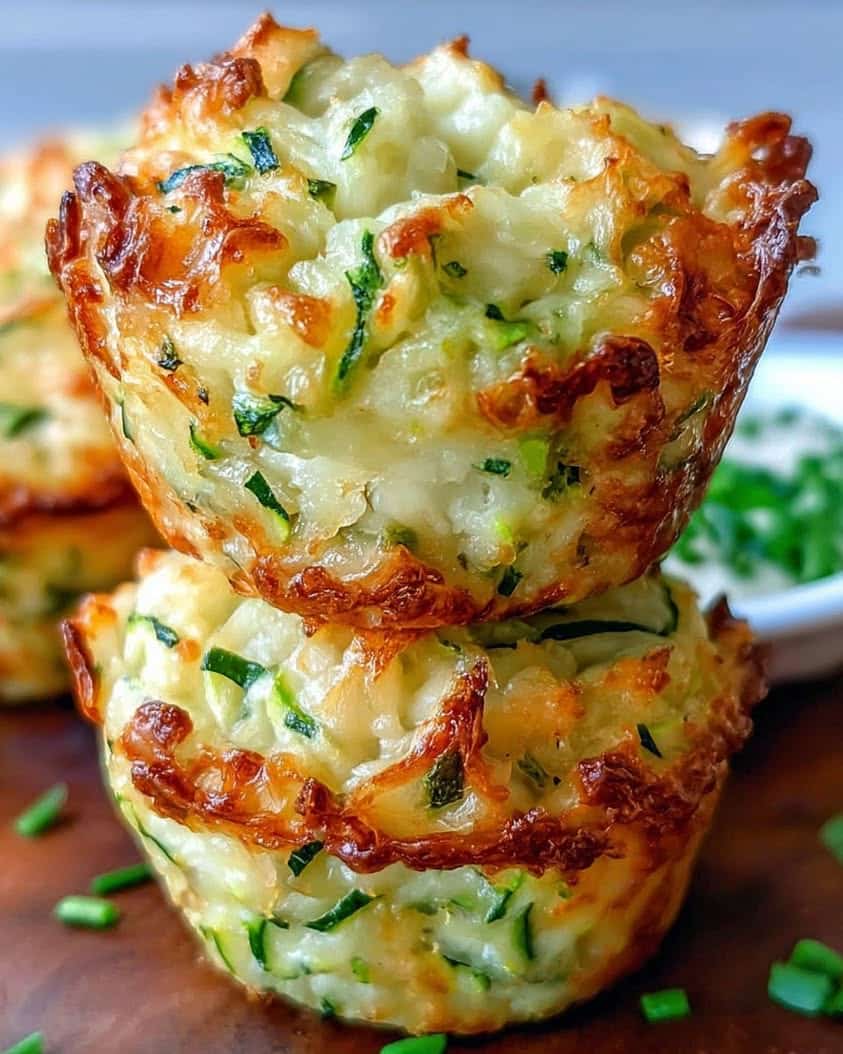
Crispy Parmesan Zucchini Potato Muffins: A Savory Snack Recipe
Imagine a savory muffin that perfectly combines the crispy, golden edge of a hash brown with the tender, moist interior of a vegetable fritter. That is exactly what you get with these Crispy Parmesan Zucchini Potato Muffins. This recipe transforms humble, garden-fresh ingredients into a handheld delight that is both comforting and surprisingly elegant. Moreover, they fill your kitchen with an irresistible aroma of baking cheese and herbs, promising a treat that is as enjoyable to make as it is to eat.
These savory zucchini potato muffins are the ultimate solution for anyone seeking a versatile snack, appetizer, or side dish. They cleverly use a muffin tin to create individual portions with maximum crispy surface area. Consequently, every bite delivers a satisfying contrast between the crunchy, cheesy exterior and the soft, flavorful center. Ultimately, this recipe is a fantastic way to use up summer zucchini and create a crowd-pleasing dish that appeals to both kids and adults.
Furthermore, the process of making these crispy parmesan zucchini potato muffins is straightforward and rewarding. You will grate, mix, and bake your way to a delicious result. The combination of russet potato for structure and zucchini for moisture creates a perfect balance. Additionally, the generous amount of Parmesan cheese ensures a rich, umami flavor that makes these muffins utterly addictive. They are a testament to how simple ingredients can create something truly special.
Quick Recipe Highlights
- Flavor Profile: These muffins boast a deeply savory and cheesy taste, primarily from the nutty, salty Parmesan. The onion and garlic powders add a warm, aromatic base, while the black pepper provides a subtle kick. Overall, the flavor is robust and comforting, reminiscent of a perfect potato pancake.
- Texture: The texture is the star here, featuring a wonderfully crispy, golden-brown crust that gives way to a tender, moist interior. The grated potato offers a slight bite, while the zucchini melts into the batter, ensuring the muffins are never dry. Importantly, the edges get delightfully crunchy.
- Aroma: As they bake, the kitchen fills with the mouthwatering scent of toasting cheese and browning potatoes. Hints of garlic and onion waft through the air, creating an anticipation that is richly rewarded upon the first bite. It is a truly homey and inviting fragrance.
- Visual Appeal: These muffins present beautifully with a rustic, golden-brown top speckled with darker crispy bits. The green flecks of zucchini skin add a pop of color, making them look fresh and homemade. They hold their shape perfectly in the muffin tin, making for an impressive presentation.
- Skill Level Needed: This is a beginner-friendly recipe requiring basic kitchen skills like grating and mixing. No advanced techniques are necessary. However, attention to properly squeezing the vegetables is crucial for success. Anyone comfortable following a simple recipe can achieve great results.
- Special Equipment: You will need a standard 12-cup muffin tin and paper liners or cooking spray. A box grater or food processor with a grating attachment makes quick work of the vegetables. Additionally, a clean kitchen towel or cheesecloth is essential for removing excess moisture.
Recipe Overview
- Difficulty Level: We rate this recipe as easy because it involves simple techniques like grating, squeezing, and mixing. The steps are sequential and logical, with no complicated procedures. However, achieving the perfect crispiness requires paying attention to moisture content. Overall, it is very approachable for cooks of all levels.
- Category: These crispy parmesan zucchini potato muffins fit multiple categories beautifully. They work wonderfully as a savory snack, a passed appetizer at parties, or a hearty side dish alongside grilled meats or a fresh salad. They are also perfect for a portable breakfast or lunchbox treat.
- Cuisine: While not tied to one specific tradition, these muffins draw inspiration from Italian flavors through the use of Parmesan and Mediterranean vegetable-focused cooking. The technique of combining grated potato and vegetable is seen in various global cuisines, from Swiss rösti to Jewish latkes, creating a delicious fusion.
- Cost: This is an extremely budget-friendly recipe. Potatoes and zucchini are inexpensive, especially in season. Parmesan cheese is the priciest component, but a little goes a long way in flavor. Overall, you can make a dozen impressive muffins for just a few dollars, offering fantastic value.
- Season: These muffins are ideal for late summer and early fall when zucchini is at its peak and most affordable. However, they are a welcome comfort food year-round. In winter, they bring a taste of garden freshness, and in spring, they make a lovely addition to brunch or picnic spreads.
- Occasion: They are incredibly versatile for events. Serve them at casual family dinners, holiday gatherings as a unique side, game day parties, or baby and wedding showers. They are also perfect for meal prep, providing ready-to-go snacks for busy weeks.
Why You’ll Love This Recipe
First and foremost, the taste and texture of these crispy parmesan zucchini potato muffins are utterly irresistible. The savory, cheesy flavor paired with the contrasting crunch and softness creates a deeply satisfying eating experience. Each bite delivers a familiar comfort with a gourmet twist, making them impossible to stop eating. Furthermore, the aroma that fills your home while they bake is pure comfort, promising a delicious reward for minimal effort. They hit all the right notes for a savory treat.
From a convenience standpoint, this recipe is a true winner. The preparation is straightforward, using common ingredients and simple techniques. You can easily mix the batter in one bowl, and the muffin tin does the work of creating perfect individual portions. Moreover, these savory zucchini potato muffins are equally delicious served warm from the oven or at room temperature, making them ideal for make-ahead situations. They simplify entertaining and snacking alike.
Nutritionally, these muffins offer a smarter choice compared to many store-bought snacks. They pack a serving of vegetables right into a delicious format, which is a great way to increase veggie intake. The eggs and cheese provide protein and calcium, while the potatoes offer energy-sustaining complex carbohydrates. Importantly, you control the ingredients, avoiding unnecessary preservatives or excess sodium. They are a wholesome, homemade option.
For social gatherings, these crispy parmesan zucchini potato muffins are a guaranteed hit. Their handheld size makes them perfect for parties, and their appealing look draws people in. They cater to various eating styles, working as an appetizer, side, or vegetarian main. Consequently, they often become the talking point of the table, with guests asking for the recipe. They elevate any casual or formal event with minimal stress.
Finally, the cost-effectiveness and accessibility of this recipe cannot be overstated. The ingredients are pantry staples and affordable fresh produce. You likely have most items on hand already. This accessibility means you can whip up a batch anytime a craving strikes. Ultimately, they deliver restaurant-quality flavor and presentation on a home-cook budget, proving that delicious food does not require expensive or hard-to-find components.
Historical Background and Cultural Significance
The concept of combining grated potato and other vegetables into a fried or baked cake has deep roots across many cultures. Dishes like latkes, rösti, and potato pancakes have been peasant food staples for centuries, providing a hearty, inexpensive way to stretch ingredients. Our crispy parmesan zucchini potato muffins are a modern, oven-baked iteration of this timeless idea. They borrow the technique of grating and binding starchy vegetables but present it in a convenient, individual muffin form suited to contemporary eating habits.
Culturally, the inclusion of zucchini connects this recipe to Mediterranean and Italian-American culinary traditions, where zucchini is frequently fried, baked, or stuffed. Parmesan cheese, with its rich history in the Parma region of Italy, adds a layer of umami depth that elevates the humble potato. This fusion creates a dish that, while not authentically tied to one region, respectfully combines elements from different food heritages to create something new and delicious. It is a celebration of vegetable-based, resourceful cooking.
The evolution of this specific recipe likely stems from the modern home cook’s desire for healthier, baked alternatives to fried foods and convenient, portion-controlled servings. The muffin tin method maximizes crispy edges while containing the mixture neatly. Over time, adding cheese and herbs became a natural way to boost flavor without complication. This recipe represents how traditional cooking methods adapt to new kitchen tools and dietary preferences, ensuring old-world techniques remain relevant and loved.
Regional variations of this concept are endless. In the American South, one might add corn and cheddar cheese. In Greece, feta and mint could be incorporated. The basic formula of grated vegetable, binder, and seasoning is a global canvas. Our version with Parmesan and zucchini offers a classic, crowd-pleasing flavor profile. Encouragingly, this adaptability is the recipe’s greatest strength, inviting cooks to put their own cultural spin on the foundational technique.
Ingredient Deep Dive
Russet Potatoes: Often called Idaho potatoes, russets are the ideal choice for these savory zucchini potato muffins due to their high starch content and low moisture. This starch is crucial for binding the ingredients together and creating a cohesive texture that holds its shape. Historically, potatoes were domesticated in the Andes and revolutionized European agriculture, becoming a global staple. Nutritionally, they provide vitamin C, potassium, and B6. Select firm, smooth potatoes without sprouts or green tinges. Store them in a cool, dark, well-ventilated place, not in the refrigerator. For substitutions, Yukon Gold potatoes can work but may yield a slightly less crispy result due to their waxier texture.
Zucchini: This summer squash brings essential moisture and a subtle, fresh flavor to the muffins. Zucchini originated in the Americas but was refined in Italy, where its name comes from the Italian “zucchina.” It is incredibly low in calories and a good source of vitamin A, manganese, and antioxidants. Choose small to medium-sized, firm zucchini with bright green skin. Larger zucchinis tend to be more watery and seedy. The critical step is squeezing out the excess water thoroughly; otherwise, your muffins will be soggy. If unavailable, grated yellow squash is a perfect substitute, offering a similar texture and mild taste.
Parmesan Cheese: Authentic Parmigiano-Reggiano, with its granular texture and complex, nutty flavor, is the flavor powerhouse here. It has been made in Italy for over 800 years under strict regulations. It provides a savory umami punch that elevates the entire dish. Nutritionally, it is rich in protein, calcium, and phosphorus. Always grate your own from a block for the best melt and flavor; pre-grated cheese contains anti-caking agents that can affect texture. Store wrapped tightly in the refrigerator. For a substitution, Pecorino Romano offers a saltier, sharper profile, while a good aged Asiago can provide a similar nuttiness.
Eggs: Eggs act as the primary binder in this recipe, holding the grated vegetables and cheese together as they bake. They are nutritional powerhouses, providing high-quality protein, choline, and vitamins B12 and D. Use large eggs at room temperature for best incorporation into the batter. The proteins in the eggs set during baking, giving structure to the muffins. For those with allergies, a “flax egg” (1 tbsp ground flaxseed mixed with 2.5 tbsp water per egg) can work as a binder, though the texture may be slightly denser.
All-Purpose Flour: A small amount of flour helps absorb any remaining moisture and contributes to the crispy exterior by aiding in browning. It provides just enough gluten structure to hold the muffins together without making them tough. For a gluten-free version, a 1:1 gluten-free flour blend works perfectly. You could also use almond flour for a grain-free option, though it will alter the texture and browning slightly. The key is to use just enough to achieve cohesion without making the batter pasty.
Common Mistakes to Avoid
- Not Squeezing Vegetables Enough: This is the most critical error. Excess water from the zucchini and potato will steam during baking, resulting in soggy, dense muffins that don’t crisp up. You must wring the grated vegetables in a clean towel until no more liquid drips out. The drier they are, the crispier your final product will be.
- Using Pre-Grated Cheese: Pre-grated Parmesan often contains cellulose to prevent clumping, which can inhibit melting and create a grainy texture. Always grate a block of Parmesan cheese fresh for this recipe. It melts beautifully and integrates into the batter, creating a superior flavor and consistency in your crispy parmesan zucchini potato muffins.
- Overmixing the Batter: Once you add the flour, mix just until the ingredients are combined. Overmixing can develop the gluten in the flour, leading to tough, chewy muffins instead of tender ones. A few dry streaks are fine; they will incorporate during the final stir. Gentle folding is the key.
- Skipping the Greasing Step: Even if you use muffin liners, greasing the tin (or the liners themselves) is essential. The cheese and potatoes can stick during baking, especially to paper liners. A light coating of cooking spray or butter ensures your savory zucchini potato muffins release cleanly and maintain their beautiful, crispy edges.
- Underbaking: Removing the muffins too early because the tops look done is a common pitfall. The interior, particularly the moist potato, needs time to cook through. They are done when the edges are deep golden brown and a toothpick inserted in the center comes out clean. Proper baking time ensures the ideal texture.
- Not Letting Them Rest: It is tempting to eat these crispy parmesan zucchini potato muffins immediately. However, allowing them to cool in the tin for 5-10 minutes lets them set and firms up their structure. This rest period makes them easier to remove and helps the flavors settle, resulting in a better eating experience.
- Using the Wrong Potato: Waxy potatoes like red or new potatoes have less starch and more moisture. They will not bind as well and can make the muffins gummy. Russet potatoes are ideal for their high starch content, which acts as a natural binder and promotes crispiness. Stick to russets for the best results.
- Forgetting to Season the Batter: Potatoes and zucchini need ample seasoning. Taste the batter before baking (it’s safe since the eggs are raw but minimal). Ensure it is adequately salted and peppered. Remember, the Parmesan adds saltiness, but the vegetables themselves need a flavor base to shine.
Essential Techniques
Grating and Squeezing: This two-step technique is the foundation of the recipe’s texture. Use the large holes of a box grater or a food processor to grate the potato and zucchini uniformly. Immediately after grating, transfer them to a clean kitchen towel, gather the corners, and twist tightly over the sink. Squeeze with force until no more liquid runs out. This removes excess water that would otherwise steam during baking, preventing sogginess and ensuring the muffins hold together and achieve maximum crispiness. The vegetables should look somewhat dry and matted after squeezing.
Combining the Batter: The mixing order matters for an even distribution. Start by thoroughly combining the squeezed vegetables, eggs, and cheese in a large bowl. This ensures the eggs coat everything before the flour is added. Then, sprinkle the flour, baking powder, and seasonings over the top. Use a fork or spatula to fold everything together gently until just combined. Overmixing at this stage is a common pitfall that leads to toughness. The batter will be thick and chunky, not smooth like cake batter.
Portioning and Baking: Use a spoon or cookie scoop to divide the thick batter evenly among the prepared muffin cups, pressing down slightly to compact it. This helps the muffins hold their shape. Bake in the preheated oven on the middle rack. The visual cue for success is a deeply golden-brown, crispy top and edges that pull slightly away from the tin. A toothpick inserted should come out clean. The high heat is crucial for creating that desirable crispy exterior while cooking the interior through.
Pro Tips for Perfect Crispy Parmesan Zucchini Potato Muffins
For the crispiest tops, lightly spray the top of the batter with cooking oil just before baking. This extra fat encourages browning and creates an irresistible crunch. Additionally, using well-greased muffin tins without liners can maximize direct contact with the hot metal for even more crispy edges.
Let your grated vegetables sit with a pinch of salt for 5 minutes before squeezing. The salt draws out even more moisture, making them easier to wring dry. This simple step is a game-changer for achieving the ultimate texture in your savory zucchini potato muffins.
For a flavor boost, add a teaspoon of fresh thyme or rosemary, finely chopped, to the batter. Fresh herbs introduce a bright, aromatic note that complements the Parmesan beautifully. Alternatively, a pinch of smoked paprika can add a subtle, warm complexity.
Ensure your oven is fully preheated before the muffins go in. A hot oven immediately starts the cooking and crisping process. If the oven is too low, the muffins will steam instead of bake, resulting in a pale, soft exterior.
Use an ice cream scoop with a release mechanism to portion the batter. It creates uniform muffins that bake at the same rate, and it’s much less messy than using two spoons. Consistency in size is key for consistent doneness.
If you have one, place a pizza stone or baking steel on the oven rack below the one you’re baking on. This helps regulate oven temperature and can promote a more intense bottom heat, leading to an extra-crispy base on your muffins.
For extra cheesy goodness, reserve a tablespoon of your grated Parmesan to sprinkle on top of each muffin before baking. This creates a delicious, flavorful crust that is incredibly appealing and adds another layer of texture.
Variations and Adaptations
For regional variations, consider adding cooked, crumbled bacon and sharp cheddar for an American twist. A Greek version could include crumbled feta, chopped kalamata olives, and a sprinkle of oregano. For a Southwest flair, mix in corn, diced green chiles, and pepper jack cheese, serving them with a dollop of cool sour cream or avocado crema.
Seasonal adaptations are easy. In fall, add finely diced sweet potato or butternut squash in place of some zucchini. For winter, incorporate leftover mashed potatoes for a creamier interior and add chopped kale. Spring versions can include fresh peas and mint. Summer is perfect for adding fresh corn off the cob and basil.
Dietary modifications are straightforward. For gluten-free crispy parmesan zucchini potato muffins, use a certified gluten-free 1:1 flour blend or almond flour. To make them dairy-free, substitute the Parmesan with nutritional yeast or a vegan Parmesan alternative. For a lower-carb option, increase the zucchini and decrease the potato, and use almond flour.
Flavor variations are endless. Add sun-dried tomatoes and Italian seasoning for a Mediterranean profile. Incorporate curry powder and peas for an Indian-inspired bite. For an herby garden muffin, load the batter with fresh dill, chives, and parsley. A spicy version can include diced jalapeño and a pinch of cayenne pepper.
Texture modifications can cater to different preferences. For a more uniform, tender muffin, pulse the grated vegetables a few times in a food processor to chop them finer. For added crunch, mix in a handful of panko breadcrumbs to the batter or sprinkle them on top before baking.
Presentation alternatives include making mini muffins in a mini muffin tin for perfect one-bite appetizers. You can also press the batter into a greased skillet to make one large, family-style “fritter cake” that you slice into wedges. For a free-form option, drop spoonfuls onto a parchment-lined baking sheet to make crispy vegetable patties.
Serving and Presentation Guide
For plating, serve these crispy parmesan zucchini potato muffins on a rustic wooden board or a simple white platter to let their golden color shine. Arrange them in a circular pattern or a casual pile. If serving as an appetizer, spear each with a decorative toothpick for easy grabbing. A small bowl of dipping sauce in the center adds visual interest and functionality. Consider garnishing the platter with fresh herb sprigs like rosemary or thyme for a touch of green.
Garnishing ideas can elevate the dish instantly. A light sprinkle of flaky sea salt and freshly cracked black pepper right after baking enhances flavor and looks professional. A dusting of extra grated Parmesan or a drizzle of high-quality olive oil adds richness. For a fresh contrast, top with a small dollop of herbed sour cream, a slice of cherry tomato, or a single fresh basil leaf.
Traditional accompaniments might include a simple marinara sauce for dipping, reminiscent of Italian arancini. A cool, creamy garlic aioli or tzatziki also pairs wonderfully, cutting through the richness. For a full meal, serve them alongside a crisp green salad with a lemony vinaigrette or a bowl of hearty soup like tomato basil or chicken noodle.
Modern serving suggestions include crumbling them over a breakfast hash with a fried egg on top. Slice them in half horizontally and use them as a “bun” for a mini slider with a beef patty or a piece of grilled chicken. Alternatively, break them into chunks and add them to a grain bowl with quinoa, roasted vegetables, and a tahini dressing.
Temperature considerations are flexible. They are best served warm, when the exterior is at its crispiest. However, they hold up remarkably well at room temperature, making them excellent for buffets or picnics. If you must reheat, avoid the microwave, which will steam them soft. Instead, use a toaster oven or conventional oven at 350°F for 5-10 minutes to recrisp the exterior.
Portion control is inherent due to the muffin shape. One to two muffins make a perfect side dish or snack. For a light lunch or appetizer, one muffin per person is sufficient when other items are served. If serving as a main component, plan for 3-4 muffins per adult. Their satisfying nature means people often feel full with fewer than expected.
Wine and Beverage Pairing
Wine pairings should complement the savory, cheesy, and slightly earthy notes of these muffins. A crisp, unoaked white wine like Sauvignon Blanc or Pinot Grigio cuts through the richness with its acidity. For red wine lovers, a light-bodied, low-tannin red such as Pinot Noir or Beaujolais works beautifully without overpowering the dish. A dry rosé is another fantastic option, offering the best of both worlds with bright fruit and refreshing acidity that pairs wonderfully with the crispy parmesan zucchini potato muffins.
Non-alcoholic alternatives can be just as sophisticated. A sparkling water with a squeeze of lemon or lime provides a clean, palate-cleansing effervescence. For something more complex, try a chilled herbal iced tea, like rosemary-lemon or mint. A tomato-based beverage like a Virgin Mary (non-alcoholic Bloody Mary) mirrors the savory notes and makes for a fun brunch pairing.
Coffee and tea pairings are excellent for a brunch setting. A medium-roast coffee with low acidity complements the earthy potato without clashing. For tea, a robust black tea like English Breakfast or Earl Grey stands up to the bold flavors. A green tea, such as Sencha, offers a grassy, slightly bitter note that can balance the cheese’s saltiness beautifully.
Temperature considerations are key for beverages. White wines, rosés, and non-alcoholic sparklers should be served well-chilled, between 45-50°F. Red wines should be slightly cooler than room temperature, around 55-60°F, to keep them refreshing. Iced teas and coffees should be cold but not watered down; use strong brews and large ice cubes.
Serving suggestions include offering a small flight of pairing options for guests to try, such as a glass of Sauvignon Blanc, a Pinot Noir, and a sparkling lemonade. Always provide water on the side to cleanse the palate. For a casual gathering, a self-serve beverage station with a few labeled options allows guests to choose their perfect match for the savory zucchini potato muffins.
Storage and Shelf Life
Storage methods are simple. Once completely cooled to room temperature, transfer the crispy parmesan zucchini potato muffins to an airtight container. You can separate layers with parchment paper to prevent sticking. Do not store them while still warm, as condensation will form and make them soggy. They can be kept at room temperature for up to one day, but for best quality, refrigeration is recommended.
Temperature requirements depend on duration. For eating within 24 hours, storing in a cool, dry place in an airtight container is fine. For longer storage, always refrigerate. The ideal refrigerator temperature is below 40°F. The cold environment significantly slows staling and microbial growth, preserving the texture and flavor of your savory zucchini potato muffins for several days.
Container recommendations include rigid, airtight plastic or glass containers. A zip-top bag with the air pressed out also works well. Avoid storing them loosely covered with foil or plastic wrap, as they will dry out. If you plan to freeze them, use a heavy-duty freezer bag and remove as much air as possible to prevent freezer burn.
Signs of spoilage include an off or sour smell, visible mold (often green or white fuzzy spots), or an excessively slimy texture. If the muffins develop an unpleasant odor or show any discoloration, it is safest to discard them. Properly stored, they should maintain their appealing aroma and firm texture.
Reheating instructions are crucial for restoring texture. The oven or toaster oven is your best friend. Preheat to 350°F and place muffins on a baking sheet for 5-10 minutes, until heated through and the exterior is recrisped. You can also use an air fryer at 350°F for 3-4 minutes. Avoid the microwave, as it will make them soft and rubbery.
Freezing guidelines are excellent for long-term storage. Wrap each cooled muffin individually in plastic wrap, then place them all in a freezer bag. They can be frozen for up to 2 months. To reheat, do not thaw. Place the frozen muffin directly in a 375°F oven or toaster oven for 15-20 minutes, until hot and crispy throughout.
Make Ahead Strategies
Your prep timeline can be spread over two days. Day 1: Grate the zucchini and potato. Squeeze them dry thoroughly, then store the dry shreds in an airtight container in the refrigerator. Grate the cheese and store it separately. Day 2: Combine the chilled ingredients with the eggs, flour, and seasonings, then bake. This split method saves active time and can even improve flavor as the vegetables settle.
Storage between steps is safe and effective. The squeezed-dry vegetables can be refrigerated for up to 24 hours before mixing and baking. Keep them in a sealed container, possibly with a paper towel on top to absorb any residual moisture. The dry ingredients (flour, baking powder, spices) can be mixed in a small bowl and covered at room temperature. Keep eggs and cheese refrigerated until ready to combine.
Quality impact assessment shows that making the batter ahead and refrigerating it is not recommended. The salt will continue to draw moisture from the vegetables, creating a watery batter that will not bake properly. The baking powder may also begin to activate prematurely. For the best rise and texture, mix the batter just before you are ready to bake your crispy parmesan zucchini potato muffins.
Assembly tips for a party include prepping the dry vegetables and cheese the day before. Then, 45 minutes before guests arrive, quickly mix the batter, fill the muffin tin, and bake. The muffins will be warm and perfectly crispy as people start to eat. You can even do a second batch halfway through the event if needed.
Reheating guidelines for make-ahead batches are the same as for storage. Bake the muffins completely, let them cool, and store them. Reheat in the oven to restore crispiness. The quality holds up very well, making this an ideal strategy for busy hosts who want to serve fresh-tasting food without last-minute stress.
Fresh element additions can be done after reheating. If you’ve added fresh herbs to the batter, consider garnishing with an extra sprinkle after reheating to boost the aroma. A final drizzle of good olive oil or a fresh grating of Parmesan right before serving can make pre-made muffins taste freshly prepared.
Scaling Instructions
Halving the recipe is straightforward for smaller households. Simply divide all ingredient quantities by two. Use a 6-cup muffin tin or fill every other cup in a 12-cup tin to ensure proper air circulation. The baking time may be slightly reduced by 2-3 minutes, so start checking for doneness early. This is a great way to test the recipe before making a full batch for guests.
Doubling or tripling the recipe is easy for a crowd. Multiply all ingredients consistently. Mix the batter in a very large bowl or in separate batches to ensure even mixing. You will need to bake in multiple batches unless you have multiple ovens and muffin tins. Rotate the tins in the oven halfway through baking for even browning. Keep the unbaked batter at room temperature while the first batch cooks; it will not suffer in the short time.
Equipment adjustments are necessary when scaling. For a double batch, you will obviously need two muffin tins. Ensure your oven can accommodate both with proper air flow; do not stack them. If tripling, consider using a large sheet pan and forming the batter into patties for a “muffin top” style, which bakes faster and in larger quantities. A commercial-sized scoop is invaluable for portioning large batches quickly and uniformly.
Timing modifications are minimal when scaling up. The bake time per batch remains roughly the same (25-30 minutes). The main increase in time comes from preparing the larger quantity of vegetables and the need for sequential baking. Plan for this extra active and passive time. You can keep the first batches warm in a 200°F oven while the later ones bake.
Storage considerations change with scale. A large batch means more leftovers. Plan your storage containers in advance. Consider freezing a portion of the baked muffins immediately after they cool for future quick meals. Label bags with the date. Scaling up successfully turns these savory zucchini potato muffins into a powerful meal-prep tool.
Nutritional Deep Dive
The macro breakdown per muffin is favorable. You get a balance of complex carbohydrates from the potato, providing sustained energy. The eggs and Parmesan contribute quality protein, essential for muscle repair and satiety. The fat content comes primarily from the eggs, cheese, and any oil used for greasing, offering richness and aiding in the absorption of fat-soluble vitamins. This balance makes them a satisfying snack that won’t cause a rapid blood sugar spike.
Micronutrient analysis reveals a good profile. Zucchini provides vitamin A, important for vision and immunity, and manganese for bone health. Potatoes are an excellent source of vitamin C and potassium, supporting heart health and fluid balance. Eggs contribute choline for brain function, and Parmesan is loaded with calcium and phosphorus for strong bones. Together, they make these crispy parmesan zucchini potato muffins a nutrient-dense choice.
Health benefits extend beyond basic nutrition. The fiber from the vegetable skins promotes digestive health. The protein and fat combination promotes fullness, which can aid in weight management by preventing overeating. Using the oven-baking method instead of deep-frying significantly reduces the overall fat content compared to traditional potato pancakes or fritters, making it a heart-friendlier option.
Dietary considerations are mostly positive. The recipe is naturally vegetarian. For those monitoring sodium, you can reduce the added salt and rely on the natural saltiness of the Parmesan. The muffins are not inherently low-carb due to the potato, but the zucchini adds volume and nutrients with very few carbs. They contain gluten from the flour, but this can be easily substituted for a gluten-free version.
Portion analysis shows that one muffin is a sensible serving. It provides enough substance to curb hunger but is not overly large. This built-in portion control is helpful for mindful eating. Because they are so flavorful and satisfying, you are less likely to reach for a second or third muffin compared to less nutrient-dense snacks, supporting overall calorie awareness.
Weight management tips include pairing one muffin with a large side salad or vegetable soup for a balanced, voluminous meal that is high in nutrients and fiber but moderate in calories. They can also be a pre-workout snack, providing energizing carbohydrates. Their high satisfaction factor helps prevent grazing on less healthy options later in the day.
Dietary Adaptations
For a gluten-free version, simply replace the all-purpose flour with an equal amount of a gluten-free 1:1 baking blend. Brands like Bob’s Red Mill or King Arthur work perfectly. Ensure your baking powder is certified gluten-free. The texture will be nearly identical to the original, making delicious gluten-free crispy parmesan zucchini potato muffins that everyone can enjoy.
Dairy-free adaptation requires replacing the Parmesan cheese. Use a store-bought vegan Parmesan or make your own from blended nuts, nutritional yeast, and salt. The flavor will be different but still savory and delicious. You may need to add a tablespoon of olive oil to the batter to compensate for the missing fat from the cheese. The muffins will still brown nicely.
A vegan version involves two key swaps. Replace the eggs with a “flax egg” (1 tbsp ground flaxseed mixed with 2.5 tbsp water per egg, let sit 5 mins). Use a vegan Parmesan alternative as mentioned above. The binding will be slightly different, and the muffins may be more delicate, but they will hold together. Bake them on a parchment-lined sheet as patties if they seem too fragile for a muffin tin.
Low-carb and keto adaptations focus on reducing the potato. Replace the grated potato with an equal volume of grated cauliflower, squeezed very dry. Replace the all-purpose flour with almond flour or coconut flour (use 1/3 the amount if using coconut flour, as it’s highly absorbent). The result will be a muffin with a different, more vegetal flavor and a softer texture, but it will align with low-carb dietary goals.
For a Paleo version, omit the dairy and grains. Use the egg, but replace the Parmesan with nutritional yeast for flavor. Substitute the all-purpose flour with almond flour or tapioca flour. Ensure all other ingredients are Paleo-compliant. Print
Crispy Parmesan Zucchini Potato Muffins
- Total Time: 45 minutes
- Yield: 4
Description
Savory, crispy muffins made with shredded zucchini and potatoes, baked with Parmesan cheese for a golden finish—perfect as a snack or side dish.
Ingredients
- 2 medium zucchinis, grated and squeezed dry
- 2 medium potatoes, peeled and grated
- 1/2 cup grated Parmesan cheese
- 1/2 cup all-purpose flour
- 2 large eggs, beaten
- 2 cloves garlic, minced
- 1 teaspoon dried oregano
- 1/2 teaspoon salt
- 1/4 teaspoon black pepper
- 2 tablespoons olive oil for greasing
Instructions
- Preheat oven to 375°F (190°C) and grease a muffin tin with olive oil.
- In a large bowl, combine grated zucchini, potatoes, Parmesan, flour, eggs, garlic, oregano, salt, and pepper. Mix until well combined.
- Spoon the mixture into the muffin tin, pressing down lightly. Bake for 25-30 minutes until golden and crispy on top.
- Let cool for 5 minutes before removing from the tin. Serve warm.
Notes
You can customize the seasonings to taste.
- Prep Time: 15 minutes
- Cook Time: 30 minutes
- Method: Main
- Cuisine: American