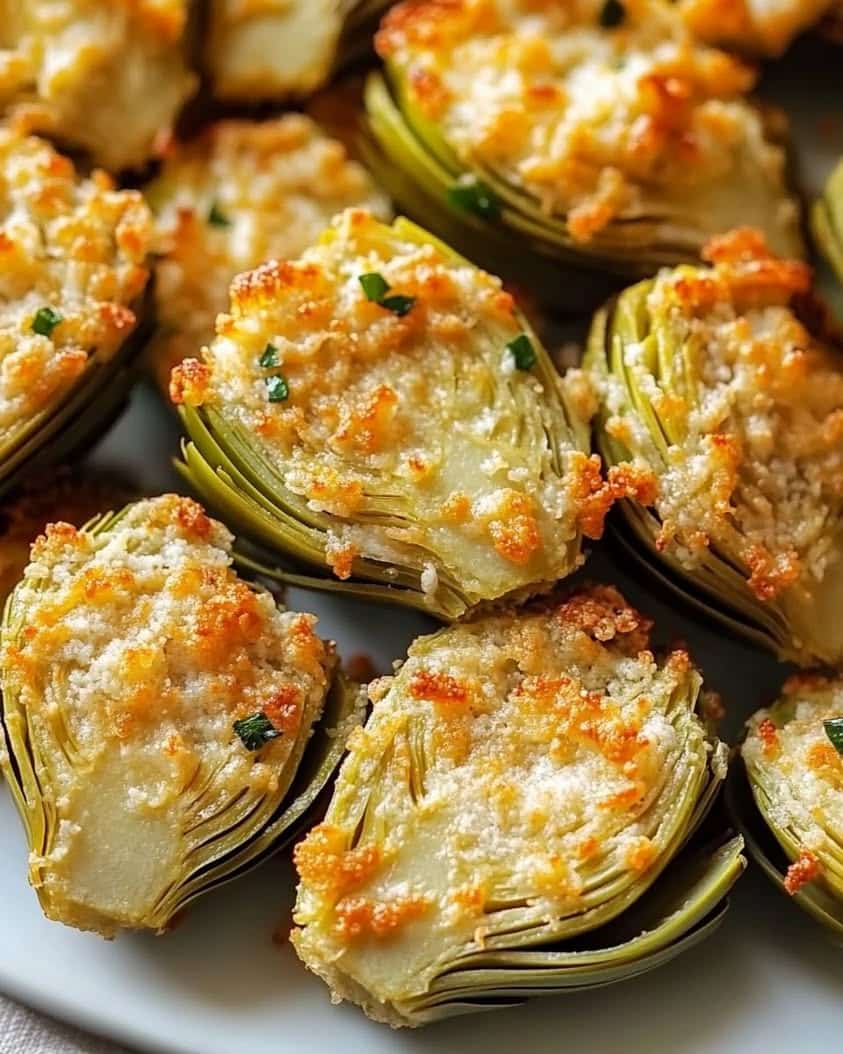
Crispy Parmesan Artichoke Hearts: An Irresistible Appetizer Recipe
Imagine biting into a golden, crunchy morsel that gives way to a tender, savory heart. This recipe for Crispy Parmesan Artichoke Hearts delivers exactly that perfect contrast. Moreover, these little bites are incredibly addictive, making them the ultimate crowd-pleasing appetizer. They combine the earthy, slightly tangy flavor of artichokes with the rich, salty punch of Parmesan cheese. Consequently, every single bite is a symphony of textures and tastes that will have your guests asking for the recipe.
Furthermore, this dish is surprisingly simple to prepare. In fact, you can whip up a batch of these crispy Parmesan artichoke hearts in just over half an hour. They are perfect for game day, holiday parties, or even a sophisticated snack with a glass of wine. Additionally, they use simple, accessible ingredients that you can find at any grocery store. Ultimately, this recipe transforms humble canned artichoke hearts into a gourmet-worthy treat that feels both special and comforting.
Finally, the versatility of these crispy bites is truly remarkable. For instance, you can serve them with a variety of dipping sauces, from a classic lemon aioli to a spicy marinara. They are a fantastic way to elevate your appetizer spread without spending hours in the kitchen. Therefore, whether you are a seasoned cook or a beginner, this recipe for Crispy Parmesan Artichoke Hearts is sure to become a staple in your entertaining repertoire.
Quick Recipe Highlights
- Flavor Profile: These artichoke hearts boast a savory, umami-rich taste from the Parmesan and garlic powder, balanced by the artichoke’s natural tang. A hint of paprika adds a subtle smoky warmth that rounds out the flavor perfectly.
- Texture: The exterior achieves a shatteringly crisp, golden-brown crust thanks to the panko and Parmesan coating. Meanwhile, the interior remains wonderfully tender and moist, creating an irresistible contrast in every bite.
- Aroma: As they bake, your kitchen will fill with the mouthwatering scents of toasting cheese, garlic, and herbs. This aromatic promise is a sure sign that delicious, crispy Parmesan artichoke hearts are moments away.
- Visual Appeal: The finished dish presents beautifully with a uniform, deep golden-brown crust that glistens. Served on a platter, they look both rustic and elegant, often disappearing from the plate before anything else.
- Skill Level Needed: This is a beginner-friendly recipe requiring only basic kitchen skills like draining, mixing, and coating. No special techniques are needed, making it an excellent project for cooks of all confidence levels.
- Special Equipment: You only need standard kitchen tools: a baking sheet, parchment paper, a few mixing bowls, and a whisk. A wire rack for cooling is helpful but not essential for achieving crispiness.
Recipe Overview
- Difficulty Level: We rate this recipe as “Easy” because it involves straightforward, sequential steps without complex techniques. The primary tasks are coating and baking, which are accessible to anyone. Furthermore, the ingredient list is short and forgiving, allowing for simple substitutions if needed.
- Category: This dish fits perfectly into the appetizer and snack categories, ideal for parties and gatherings. It can also serve as a tasty side dish for a Mediterranean-inspired main course, adding a crispy element to your meal.
- Cuisine: While artichokes are central to Mediterranean cuisine, this preparation with panko and Parmesan has a modern, fusion feel. It draws inspiration from Italian flavors but is presented in a simple, globally appealing finger-food format.
- Cost: This is a very budget-friendly recipe, especially when using canned artichoke hearts. The other ingredients—breadcrumbs, cheese, eggs—are pantry staples. Overall, you can create an impressive appetizer for a crowd without a significant grocery bill.
- Season: Artichokes are in peak season during spring, but using canned hearts makes this a fantastic year-round recipe. It’s particularly popular during the holiday season and for summer barbecues as a reliable, always-loved option.
- Occasion: These crispy bites are perfect for casual game-day spreads, potlucks, and holiday cocktail parties. They also make a great elevated snack for a movie night or a simple starter for a dinner party with friends.
Why You’ll Love This Recipe
First and foremost, the taste and texture are utterly irresistible. The combination of the salty, nutty Parmesan crust with the soft, flavorful artichoke heart inside is a match made in heaven. Each bite offers a satisfying crunch that gives way to a tender center, creating a dynamic eating experience. Additionally, the garlic and paprika infuse the coating with a depth of flavor that makes these impossible to stop eating. Consequently, they are always the first appetizer to vanish from any platter.
Secondly, the convenience factor is a major win. This recipe uses canned artichoke hearts, which are available everywhere and require no tedious trimming or prepping. The assembly process is simple: dip, coat, and bake. Therefore, you can have a gourmet-quality appetizer ready in about 35 minutes with minimal hands-on effort. Moreover, cleanup is a breeze, especially if you line your baking sheet with parchment paper.
Thirdly, let’s talk about nutritional advantages. Artichokes are a fantastic source of fiber, antioxidants, and vitamins like C and K. While this is a fried-style appetizer, baking it significantly reduces the fat content compared to deep-frying. You still get that crave-worthy crispiness but in a format that feels a bit more balanced. So, you can indulge in these crispy Parmesan artichoke hearts with less guilt.
Fourth, the social and entertaining value is through the roof. These are perfect finger food—easy to pick up, not too messy, and universally appealing. They pair wonderfully with a variety of dips and drinks, making them a versatile anchor for your party menu. Furthermore, they look impressive and taste even better, which is sure to earn you compliments from your guests. In short, they are a guaranteed hit that makes hosting feel effortless.
Finally, the cost-effectiveness and accessibility are key. As mentioned, canned artichokes are inexpensive, and the rest of the ingredients are common pantry items. You don’t need any special equipment or hard-to-find gourmet products. This means you can whip up a batch on a whim without a special trip to the store. Ultimately, this recipe for crispy Parmesan artichoke hearts delivers maximum flavor and joy for minimal cost and effort.
Historical Background and Cultural Significance
The story of the artichoke is a long and storied one, dating back to ancient times. Originally cultivated in the Mediterranean region, particularly around Naples, the artichoke was prized by the Romans and Greeks for its perceived medicinal and digestive properties. Interestingly, it was considered a food of the nobility and a potent aphrodisiac in some cultures. The plant itself is a member of the thistle family, and the part we eat is the immature flower bud. Over centuries, its cultivation spread throughout Europe and later to the Americas.
Culturally, the artichoke holds significant importance in Italian cuisine, where it is prepared in countless ways—stuffed, fried, grilled, or marinated. Festivals celebrating the artichoke, like the Sagra del Carciofo in various Italian towns, highlight its central role. In the United States, Castroville, California, famously dubbed the “Artichoke Center of the World,” has celebrated the vegetable with its own festival since 1947. The artichoke’s journey from a regional specialty to a global ingredient showcases its enduring appeal.
The evolution of recipes like these crispy Parmesan artichoke hearts is a modern phenomenon. It represents a fusion of traditional Italian ingredients—artichokes and Parmesan—with a Japanese-inspired technique using panko breadcrumbs for extra crunch. This style of preparation, coating and baking or frying vegetables and cheeses, became especially popular in American appetizer culture in the late 20th century. It taps into the love for crunchy, cheesy, shareable bar food while utilizing a convenient canned product.
Regional variations on this concept are plentiful. In the American South, you might find artichoke hearts coated in cornmeal and deep-fried. In a more Italian-focused preparation, they might be marinated and grilled. The specific combination of Parmesan and panko, however, creates a uniquely satisfying texture that has secured its place in modern party food canon. This recipe is a testament to how global ingredients can come together to create something new and universally loved.
Ingredient Deep Dive
Let’s start with the star: canned artichoke hearts. Choosing artichoke hearts packed in water is ideal for this recipe, as they have a neutral flavor that readily absorbs the seasoning. Before using, it’s crucial to drain them thoroughly and pat them dry with paper towels. Excess moisture is the enemy of crispiness. If you can’t find hearts, you can use quartered artichoke pieces, but hearts provide the perfect, pop-in-your-mouth size. For a special treat, you can use frozen and thawed artichoke hearts, but be sure to squeeze out any extra liquid.
Next, Parmesan cheese is non-negotiable for its flavor. Freshly grated Parmesan from a block will always yield superior results to the pre-grated kind found in shakers. Pre-grated cheese often contains anti-caking agents like cellulose, which can prevent it from melting and crisping as beautifully. The Parmesan adds a deep, savory, umami quality and helps form the deliciously golden crust. For the best crispy Parmesan artichoke hearts, take the extra minute to grate your own cheese.
Panko breadcrumbs are the secret to the incredible crunch. These Japanese-style breadcrumbs are made from crustless bread, resulting in a flakier, crispier, and lighter texture than traditional fine breadcrumbs. They create a craggy, shattering crust that holds up well to baking. For a gluten-free version, gluten-free panko works excellently. You can also mix in a little Italian-seasoned breadcrumb for extra herb flavor, but pure panko provides the ideal textural foundation.
The egg wash acts as the essential glue. It helps the dry coating mixture adhere to the slippery surface of the artichoke hearts. Beating the eggs well ensures a smooth, even layer that will seal in the artichoke’s moisture. Some recipes add a tablespoon of water or milk to thin the egg wash slightly for easier dipping. This simple step is what guarantees every bite of your crispy Parmesan artichoke hearts is fully coated and delicious.
Finally, the seasoning blend of garlic powder, paprika, salt, and pepper is deceptively simple. Garlic powder distributes flavor more evenly than fresh garlic, which can burn. Paprika, whether sweet or smoked, adds a subtle warmth and beautiful color. Seasoning both the flour and the panko mixture ensures the flavor penetrates every layer of the coating. Don’t be shy with the seasoning, as it needs to stand up to the bold flavors of the artichoke and cheese.
Common Mistakes to Avoid
- Skipping the Dry Step: Failing to pat the artichoke hearts completely dry is the top mistake. Any surface moisture will steam the coating instead of letting it crisp up. Always use paper towels and press gently to remove as much water as possible.
- Using Pre-Grated Parmesan: As mentioned, the cellulose in pre-grated cheese can inhibit browning and crispiness. For the best texture and melt, block Parmesan that you grate yourself is a small effort with a huge payoff.
- Crowding the Baking Sheet: Placing the coated artichoke hearts too close together on the pan will cause them to steam. Ensure they are in a single layer with space between each piece for proper hot air circulation and even browning.
- Neglecting to Preheat the Oven: Putting the pan into a cold oven drastically affects the cooking process. A properly preheated oven ensures the coating starts to set and crisp immediately, sealing in the interior moisture.
- Using a Cold Baking Sheet: Placing the coated pieces on a room-temperature pan can also hinder crisping. For an extra-crispy bottom, you can preheat your baking sheet in the oven for 5 minutes before adding the artichokes.
- Over-mixing the Coating: When combining the panko, Parmesan, and spices, mix just until incorporated. Overworking it can crush the panko flakes, leading to a denser, less crispy final texture on your artichoke hearts.
- Skipping the Flour Dip: The flour creates a dry base layer that helps the egg wash adhere. If you go straight from wet artichoke to egg, the coating may slide off. The flour-egg-breadcrumb sequence is a classic for a reason.
- Under-seasoning: Artichokes and breadcrumbs can be bland on their own. Taste your panko-Parmesan mixture before you start coating. It should taste delicious on its own, as seasoning will mellow slightly during baking.
- Not Flipping Halfway: For all-over golden perfection, a quick flip halfway through the baking time is essential. This ensures the bottom gets just as crispy and brown as the top, giving you uniformly perfect bites.
- Serving Immediately in a Pile: Let them cool for a few minutes on a wire rack after baking. If you pile them onto a plate straight from the oven, trapped steam will make the bottoms soggy very quickly.
Essential Techniques
The first essential technique is thorough drying. After draining your canned artichoke hearts, spread them on a thick layer of paper towels. Then, place more paper towels on top and press down gently. You may need to do this in batches. The goal is to remove every visible droplet of moisture from the surface. This step is the absolute foundation for achieving a crispy, non-soggy coating. If you rush this, you compromise the entire texture of the dish.
Next, master the standard breading procedure. Set up three shallow dishes in an assembly line: one with seasoned flour, one with beaten egg, and one with the panko-Parmesan mixture. Use one hand for the dry ingredients (flour and panko) and the other hand for the wet egg. This keeps your fingers from becoming a clumpy mess. Gently roll the artichoke in flour, shake off excess, dip in egg, let excess drip off, then press firmly into the panko mixture to ensure full, even coverage.
Understanding oven dynamics is another key technique. Baking at a high heat (400°F to 425°F) is crucial. This temperature is hot enough to quickly set the exterior and create steam from the interior, leading to a lift that makes the coating light and crispy. Using the middle rack ensures even heat distribution. Additionally, flipping the pieces halfway through baking exposes all sides to direct heat, promoting uniform browning and preventing a soft underside.
Finally, the technique of proper cooling should not be overlooked. As soon as the crispy Parmesan artichoke hearts come out of the oven, transfer them to a wire rack instead of a plate. The rack allows air to circulate on all sides, preventing condensation from forming underneath. Let them rest for about 5 minutes; this allows the crust to fully set and become even crispier. Then, serve immediately for the ultimate textural experience.
Pro Tips for Perfect Crispy Parmesan Artichoke Hearts
Chill Before Baking: After coating the artichoke hearts, place the baking sheet in the refrigerator for 15-20 minutes. This helps the coating set and firm up, which results in less falling off during baking and an even crispier texture.
Add a Spicy Kick: For a bit of heat, mix 1/2 teaspoon of cayenne pepper or red pepper flakes into your panko-Parmesan mixture. This adds a wonderful layer of complexity that pairs beautifully with the rich cheese and artichoke.
Use a Wire Rack on the Sheet: For maximum crispiness on all sides, bake the artichoke hearts on a wire rack set inside your baking sheet. This elevates them, allowing hot air to circulate completely around each piece.
Boost Umami with Powder: Add a teaspoon of mushroom powder or a tablespoon of nutritional yeast to the dry coating mix. This deepens the savory, cheesy flavor profile without being identifiable, making the taste even more addictive.
Double-Dip for Extra Crunch: For an ultra-thick, crunchy coating, after the first egg wash and panko dip, give them a second quick dip in the egg and then the panko again. This is especially effective for larger pieces.
Finish with Fresh Herbs and Zest: Right after baking, while still hot, sprinkle with a little finely chopped fresh parsley, basil, or a microplane grating of lemon zest. The fresh aroma and flavor elevate the dish instantly.
Make a Flavorful Flour: Don’t just use plain flour for the first step. Season your flour with a pinch of the same spices used in the panko mix. This ensures every single layer of your crispy Parmesan artichoke hearts is packed with flavor.
Check Your Oven’s Hot Spots: Ovens have hotter and cooler areas. Rotate your baking sheet front to back when you flip the artichokes to ensure even browning across the entire batch, preventing some from being darker than others.
Variations and Adaptations
For regional variations, consider a Greek twist by using crumbled feta cheese and dried oregano in the coating, served with tzatziki. A Southern-inspired version could use a cornmeal and Cajun spice blend for a different kind of crunch and heat. An Italian-American classic would involve mixing in finely chopped pepperoni or sun-dried tomatoes into the panko mixture.
Regarding seasonal adaptations, in the spring, serve these with a fresh pea shoot salad or a bright lemon-dill dipping sauce. For summer, pair them with a cool, creamy avocado ranch or serve alongside grilled meats. In fall, incorporate a pinch of sage or rosemary into the breading. During winter holidays, they are perfect with a cranberry-jalapeño dipping sauce for a festive touch.
For dietary modifications, a gluten-free version is easily achieved by using gluten-free all-purpose flour and gluten-free panko breadcrumbs. To make them dairy-free, substitute the Parmesan with an equal amount of nutritional yeast and use a vegan Parmesan alternative. For a vegan version, use a flax egg or aquafaba as the binder with the dairy-free cheese substitute.
Exploring flavor variations opens up endless possibilities. Add 2 tablespoons of everything bagel seasoning to the panko for a trendy, savory flavor. For a truffle lovers’ version, drizzle the baked hearts with a tiny bit of white truffle oil or mix truffle zest into the coating. A “pizza” version can include dried basil, a pinch of crushed red pepper, and a sprinkle of shredded mozzarella in the final minute of baking.
For texture modifications, try using crushed pork rinds or almond flour for a keto-friendly, ultra-crispy coating. For a lighter feel, use half panko and half finely grated Parmesan to reduce the breadcrumb volume while maximizing cheese flavor. You can also pulse the panko in a food processor for a few seconds to make it finer, which creates a different, more compact crunch.
Finally, for presentation alternatives, skewer two or three baked artichoke hearts on small appetizer picks for easy serving. Arrange them in a circular pattern around a central bowl of dipping sauce for a stunning platter. For individual servings, place a small portion on a lettuce cup or an endive leaf with a dollop of sauce. You can also toss the freshly baked hearts in a bowl with a light drizzle of flavored oil and fresh herbs for a glossy, finished look.
Serving and Presentation Guide
First, consider your plating technique. For a casual gathering, a simple rustic wooden board or a white ceramic platter works beautifully, allowing the golden-brown color of the crispy Parmesan artichoke hearts to shine. Arrange them in a loose, abundant pile rather than a perfect geometric pattern for an inviting, approachable look. If serving multiple appetizers, use small bowls or ramekins to create height and visual interest on your table.
Next, garnishing ideas can add a final touch of freshness and color. A light sprinkle of flaky sea salt right after baking enhances flavor and adds a slight sparkle. Fresh, finely chopped chives, parsley, or dill provide a green contrast. A light dusting of smoked paprika or a few grinds of black pepper also adds visual depth. Remember, garnish should complement, not overwhelm, the star of the dish.
For traditional accompaniments, a classic lemon wedge is always welcome, as a squeeze of fresh juice brightens the rich flavors. A simple marinara sauce for dipping is a crowd-pleasing favorite. A garlic aioli or a creamy remoulade also pairs wonderfully, adding a cool, tangy element that cuts through the richness of the cheese and fried texture.
Modern serving suggestions include pairing them with a whipped feta dip, a spicy sriracha mayo, or a roasted red pepper and walnut romesco sauce. You can also deconstruct the flavors by serving them with a small side salad of arugula dressed simply with lemon and olive oil. For a full appetizer spread, pair them with other Mediterranean bites like olives, cured meats, and marinated cheeses.
Pay close attention to temperature considerations. These are best served hot and fresh from the oven, when the crust is at its peak crispiness. If you must hold them, keep them in a single layer on a wire rack in a warm oven (about 200°F) for no more than 30 minutes. Avoid covering them with foil, as the trapped steam will immediately soften the coating.
Finally, for portion control tips, a standard recipe serving is about 5-6 artichoke hearts per person as an appetizer. If serving as part of a larger buffet with many other items, 2-3 pieces per person is sufficient. To help guests gauge portions, you can provide small plates or napkins. Offering a serving spoon or tongs specifically for the artichoke hearts can also help manage the flow and ensure everyone gets a taste.
Wine and Beverage Pairing
For wine pairings, you want something that can cut through the richness and complement the savory, salty flavors. A crisp, high-acid white wine like Sauvignon Blanc or Pinot Grigio is a classic and excellent choice. The citrus notes in these wines mirror a squeeze of lemon beautifully. Alternatively, a dry Prosecco or Champagne adds a festive touch, with the bubbles cleansing the palate between each crispy bite. For red wine lovers, a lighter-bodied, low-tannin red like a Beaujolais or a chilled Pinot Noir can work surprisingly well without overwhelming the dish.
When considering non-alcoholic alternatives, sparkling water with a twist of lemon or lime is always refreshing. A homemade lemonade or an iced herbal tea, such as mint or hibiscus, provides sweetness and acidity to balance the saltiness. For a more complex option, a virgin Bloody Mary or a spicy ginger beer mocktail can stand up to the bold flavors of the Parmesan and artichoke.
While not typical for an appetizer, coffee or tea pairings can be interesting for a brunch setting. A bright, citrusy black tea like Earl Grey can complement the dish nicely. A light roast coffee with fruity or nutty notes would not clash, though it’s a less conventional pairing. Generally, save the coffee for after the meal.
The key temperature consideration is to serve your beverages well-chilled (for whites, sparklings, and non-alcoholic options) or slightly below room temperature for light reds. Icy cold drinks contrast wonderfully with the hot, crispy food, making each bite and sip feel refreshing. Always have plenty of cold water available as well, as the salty cheese can make guests thirsty.
For final serving suggestions, set up a small beverage station near your appetizer spread. Offer a couple of options—perhaps a white wine and a signature mocktail—in clearly labeled dispensers or bottles. Provide appropriate glassware: wine glasses for wine, tumblers for mocktails, and small napkins. This thoughtful touch encourages guests to help themselves and creates a more interactive and welcoming atmosphere.
Storage and Shelf Life
For optimal storage methods, allow any leftover crispy Parmesan artichoke hearts to cool completely on a wire rack. Never store them while still warm, as condensation will form and make them soggy. Once cool, transfer them to a single layer in an airtight container. If you need to stack them, place a sheet of parchment paper between layers to prevent sticking and to absorb any minimal moisture. They are best stored in the refrigerator.
Regarding temperature requirements, the refrigerator is the only safe short-term storage option. Do not leave them at room temperature for more than two hours after cooking. The combination of dairy and vegetable products means they should be kept chilled to prevent bacterial growth. For longer storage, freezing is an option, though it will affect the texture of the coating.
For container recommendations, a shallow, wide airtight container is ideal as it minimizes stacking. Glass containers with locking lids are excellent because they don’t retain odors. You can also use a storage container specifically designed for keeping fried foods crispy, which often has a vented lid. Avoid using plastic bags, as they will trap steam and promote sogginess faster than a rigid container.
Learn the signs of spoilage. If the artichoke hearts develop an off or sour smell, discard them immediately. Visible mold is an obvious sign they are no longer safe. If the texture becomes unpleasantly mushy or slimy, even after reheating, it’s best to err on the side of caution and throw them away. When in doubt, remember the adage: when in doubt, throw it out.
For reheating instructions, the oven or toaster oven is your best friend to restore crispiness. Preheat to 375°F and spread the leftovers in a single layer on a baking sheet. Heat for 5-10 minutes, until hot and re-crisped. Avoid the microwave, as it will turn the coating soft and rubbery. An air fryer set to 350°F for 3-4 minutes also works wonders for reviving leftovers.
Finally, for freezing guidelines, freeze the baked and cooled artichoke hearts in a single layer on a parchment-lined baking sheet until solid (about 2 hours). Then, transfer the frozen pieces to a freezer-safe bag or container, removing as much air as possible. They can be frozen for up to 2 months. To reheat, bake from frozen at 400°F for 10-15 minutes, flipping halfway. This method helps preserve the texture better than freezing after storage in the fridge.
Make Ahead Strategies
You can implement an efficient prep timeline. The day before your event, drain and thoroughly dry the artichoke hearts. Store them in a covered container in the refrigerator. You can also grate the Parmesan and prepare the seasoned flour and panko mixtures, storing each in separate airtight containers or bags at room temperature. The morning of, you can complete the coating process, arrange the coated hearts on a baking sheet, cover with plastic wrap, and refrigerate for up to 8 hours before baking.
For storage between steps, keep your prepped components separate until the final assembly. Do not coat the artichokes in the breading mixture more than 8 hours in advance, as the moisture from the artichokes will begin to soften the panko. Keeping the dry mixtures and the wet artichokes separate until the last possible moment is key to maintaining the integrity of the crispy coating.
It’s important to assess the quality impact of make-ahead steps. Pre-drying and pre-measuring ingredients has no negative impact and saves valuable time. Coating and refrigerating a few hours ahead is generally safe and can even help the coating adhere better. However, holding the coated, unbaked hearts for more than 8-10 hours may result in a slightly denser final crust, as the panko can absorb moisture from the artichoke.
For final assembly tips, when you’re ready to bake, take the prepared baking sheet from the fridge and let it sit at room temperature for about 10 minutes while the oven preheats. This takes the chill off and promotes more even cooking. Check each piece to ensure no coating has fallen off in the fridge, pressing any loose bits back on before they go in the oven.
Your reheating guidelines for make-ahead are the same as for leftovers: always use an oven or air fryer. If you baked a batch completely ahead of time and need to reheat, the 375°F oven method for 5-10 minutes is perfect. For the best experience, however, try to time your baking so the crispy Parmesan artichoke hearts come out of the oven no more than 30 minutes before serving.
Finally, plan for fresh element additions after reheating or final baking. Any fresh garnishes like chopped herbs, lemon zest, or a sprinkle of flaky salt should be added right before serving. Similarly, prepare your dipping sauces ahead of time, but give them a stir and adjust seasoning just before your guests arrive. This ensures the brightest flavors and most appealing presentation.
Scaling Instructions
Halving the recipe is straightforward. Simply divide all ingredient quantities by two. Use one large egg, beat it well, and you will likely have enough egg wash even with half the other ingredients. The baking time may reduce by 2-3 minutes, so start checking for doneness around the 15-minute mark. Use a smaller baking sheet or just crowd the pieces a bit more on a half-sheet, as the smaller quantity won’t steam as easily.
For doubling or tripling the recipe, multiply all ingredients accordingly. The key here is to use multiple baking sheets and bake in batches, or use two oven racks and rotate the sheets top-to-bottom and front-to-back halfway through. Do not try to cram all the pieces onto one sheet, as overcrowding will lead to steaming and soggy coating. Your total active prep time will increase, but the baking time per batch will remain roughly the same.
Consider equipment adjustments when scaling up. If doubling, you’ll need two baking sheets, and it’s helpful to have two wire racks for cooling. Ensure you have enough shallow dishes for your breading assembly line, or plan to replenish the coating mixtures as needed. A large, rimmed baking sheet (half-sheet pan) is the ideal size for a single batch; for larger batches, having two of these is essential.
Regarding timing modifications, prep time scales almost linearly—doubling the recipe takes about twice as long to coat all the pieces. Baking time does not double; you simply need to bake multiple batches. Factor in the time to heat the oven between batches if necessary, though often you can bake two sheets at once. Allow extra cooling time if you have multiple hot sheets coming out of the oven.
Finally, storage considerations change with scale. A large batch will generate more leftovers. Plan your storage containers accordingly, preferring several shallow containers to one deep one. If making a huge batch for a party, you can hold finished batches in a warm oven (200°F) on a wire rack set over a baking sheet for up to 30 minutes. For longer holding, it’s better to under-bake slightly, cool, and then re-crisp in a hot oven for 5 minutes just before serving.
PrintCrispy Parmesan Artichoke Hearts
- Total Time: 45 minutes
- Yield: 4
Description
Golden, crunchy artichoke hearts coated in a savory Parmesan and breadcrumb mixture, baked to perfection for a delicious appetizer or snack.
Ingredients
- 1 (14 oz) can artichoke hearts, drained and patted dry
- 1/2 cup grated Parmesan cheese
- 1/2 cup panko breadcrumbs
- 1 teaspoon garlic powder
- 1/2 teaspoon paprika
- 1/4 teaspoon black pepper
- 2 large eggs, beaten
- 2 tablespoons olive oil
- Fresh parsley, chopped (for garnish)
Instructions
- Preheat oven to 400°F (200°C). Line a baking sheet with parchment paper.
- In a medium bowl, mix Parmesan cheese, panko breadcrumbs, garlic powder, paprika, and black pepper.
- Dip each artichoke heart into the beaten eggs, then coat thoroughly with the Parmesan breadcrumb mixture.
- Place coated artichoke hearts on the prepared baking sheet. Drizzle with olive oil.
- Bake for 20-25 minutes, flipping halfway through, until golden brown and crispy.
- Garnish with fresh parsley and serve warm with your favorite dipping sauce.
Notes
You can customize the seasonings to taste.
- Prep Time: 15 minutes
- Cook Time: 30 minutes
- Method: Appetizer
- Cuisine: American