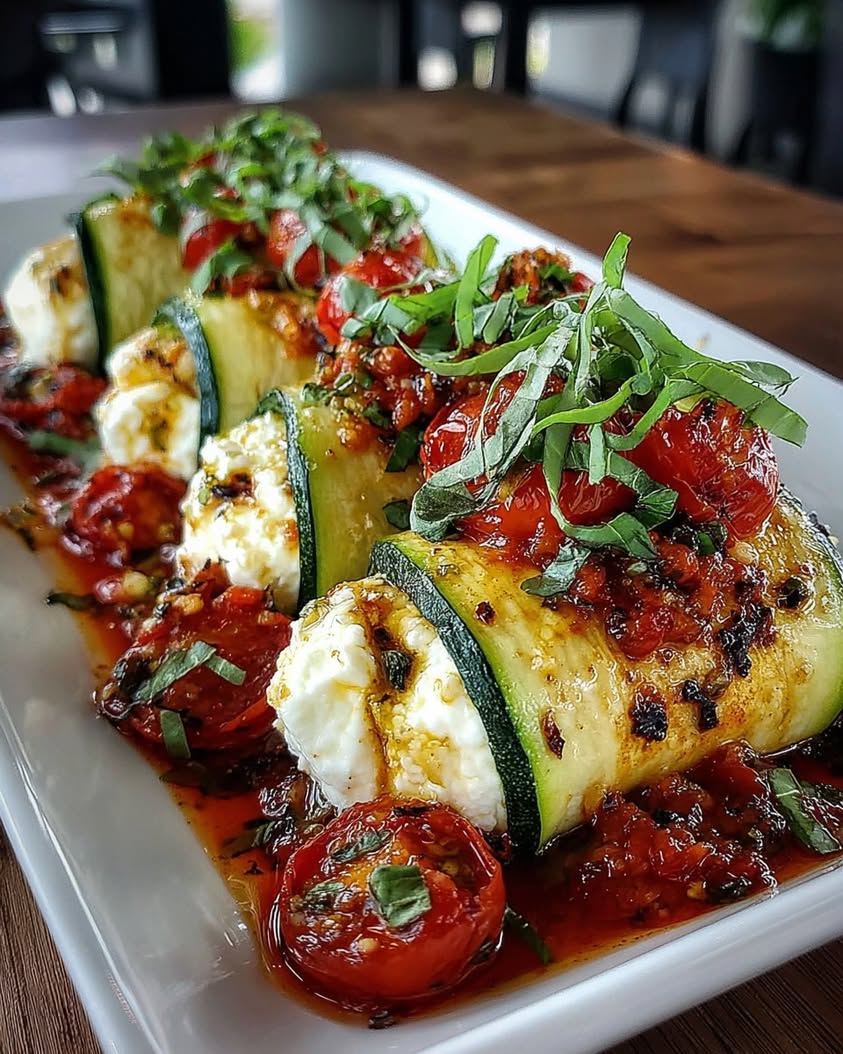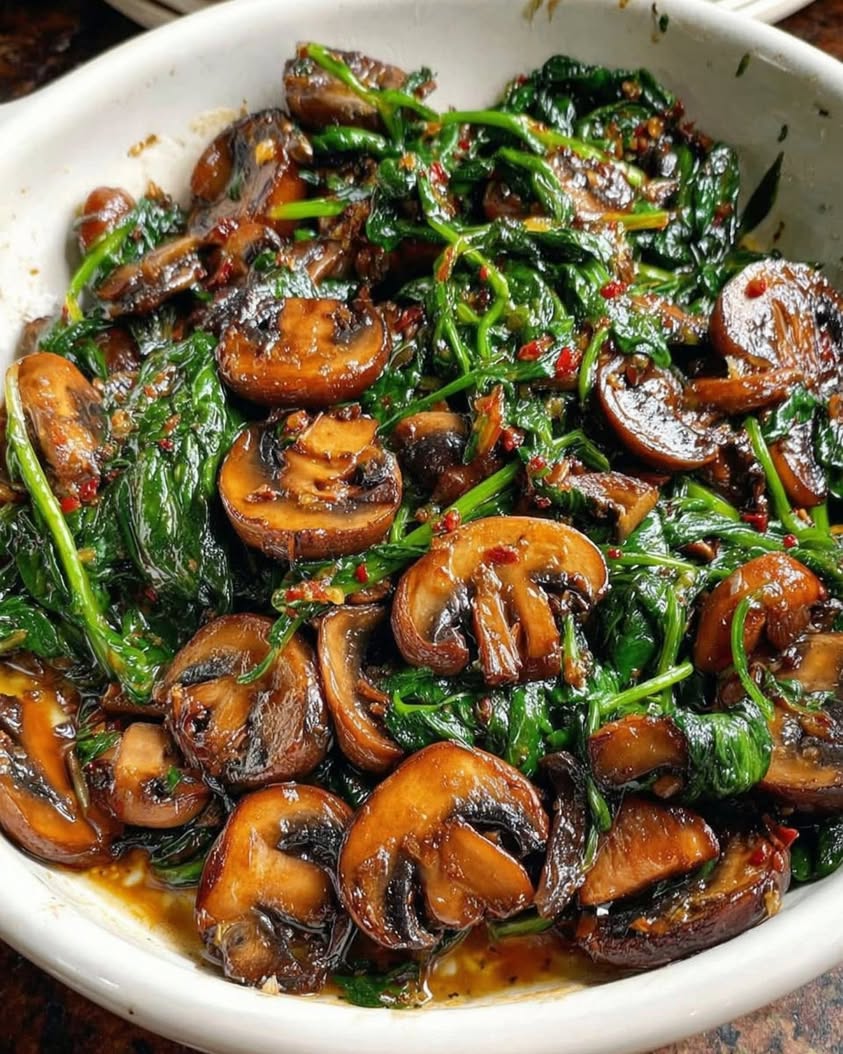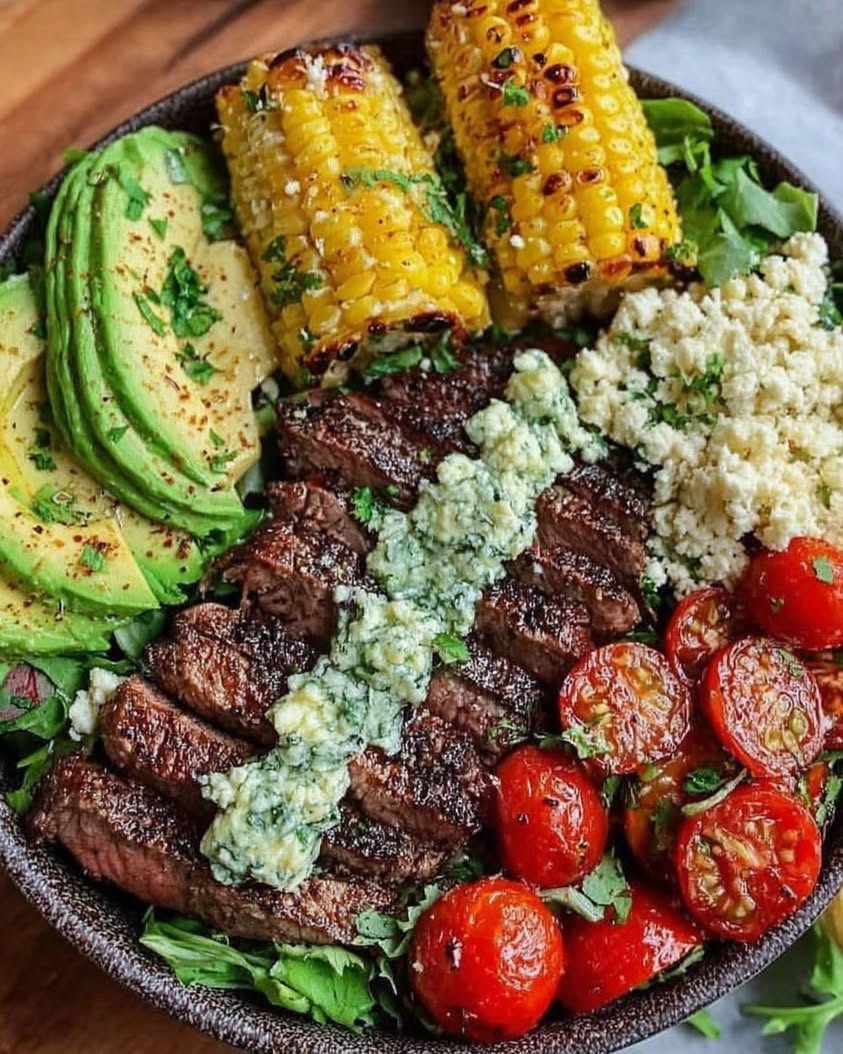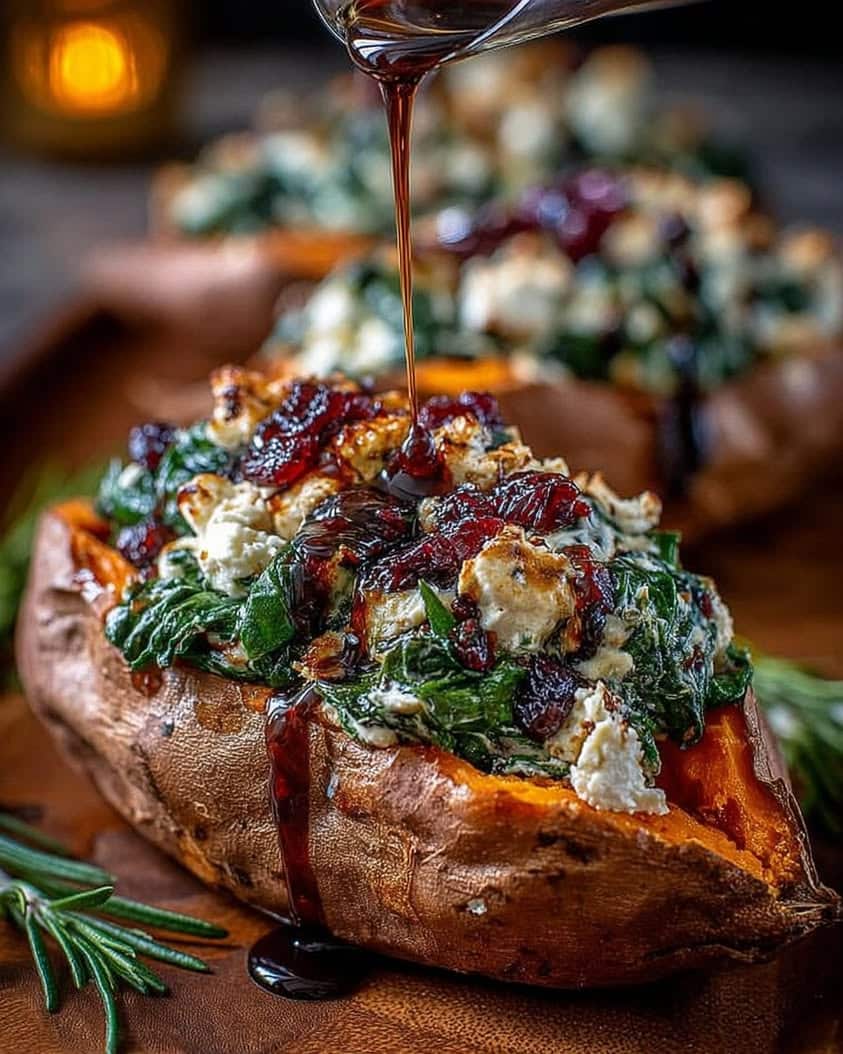
Creamy Ricotta & Spinach Stuffed Sweet Potatoes with Balsamic Cranberry Glaze: A Festive Vegetarian Feast
Imagine a dish that perfectly captures the cozy, festive spirit of the holiday season. These Creamy Ricotta Stuffed Sweet Potatoes with Balsamic Cranberry Glaze are exactly that. They transform simple, wholesome ingredients into a stunning centerpiece worthy of any dinner table. The natural sweetness of roasted sweet potatoes pairs beautifully with a rich, herbed ricotta and spinach filling. Finally, a glossy, tangy-sweet balsamic cranberry glaze is drizzled over the top, creating a symphony of flavors and textures in every bite.
This recipe is a fantastic choice for anyone seeking a satisfying vegetarian main dish. It is surprisingly simple to prepare, yet the final result looks and tastes incredibly elegant. The process involves roasting the sweet potatoes until they are tender and caramelized. Meanwhile, you can quickly whip up the creamy filling and the vibrant glaze. Consequently, you have a complete, impressive meal with minimal hands-on effort. Ultimately, these stuffed sweet potatoes offer a beautiful balance of comfort and sophistication.
Quick Recipe Highlights
- Flavor Profile: This dish masterfully balances sweet, savory, tangy, and creamy notes. The roasted sweet potato base offers deep caramelized sweetness. Meanwhile, the garlicky ricotta and spinach filling provides a savory, herbal contrast. Finally, the balsamic cranberry glaze adds a bright, tangy finish that ties everything together.
- Texture: You will enjoy a wonderful contrast of textures. The sweet potato skin becomes slightly crisp, while the interior is fluffy and soft. The ricotta filling is luxuriously creamy and smooth. Additionally, the cranberry glaze is silky and glossy, adding a luxurious mouthfeel to each forkful.
- Aroma: As these bake, your kitchen will fill with an irresistible fragrance. You will smell the earthy sweetness of roasting sweet potatoes. Simultaneously, aromas of garlic, thyme, and nutmeg will waft from the creamy filling. The reducing glaze adds a final note of tart fruit and rich balsamic vinegar.
- Visual Appeal: This dish is a feast for the eyes with its stunning color palette. The orange sweet potato boats are filled with bright white and green filling. The deep crimson glaze draped over the top creates a dramatic, festive presentation that is perfect for holidays.
- Skill Level Needed: This is an accessible recipe for cooks of all levels. The techniques are straightforward: roasting, mixing, and reducing a sauce. Therefore, even beginner cooks can achieve fantastic results. Importantly, the recipe is forgiving and allows for easy customization.
- Special Equipment: You only need basic kitchen tools. A baking sheet, a medium mixing bowl, and a small saucepan are essential. A fork for fluffing the potato flesh and a whisk for the glaze are also helpful. No fancy or specialized equipment is required to make this impressive meal.
Recipe Overview
- Difficulty Level: We rate this recipe as “Easy” because it uses fundamental cooking techniques. Roasting vegetables and mixing a filling are basic skills most home cooks possess. The glaze simply requires simmering ingredients together. There are no complicated steps or precision-based methods involved, making it very approachable.
- Category: This dish comfortably fits into several meal categories. It serves beautifully as a vegetarian main course for lunch or dinner. Alternatively, it can be a standout side dish alongside a roast or holiday ham. It also works wonderfully as part of a festive brunch or buffet spread.
- Cuisine: While not tied to one specific tradition, it draws inspiration from modern American and Mediterranean cooking. The use of ricotta and herbs nods to Italian flavors. The sweet potato is a beloved New World ingredient. The cranberry glaze adds a distinctly North American holiday touch, creating a delicious fusion.
- Cost: This is a very cost-effective recipe, especially considering its impressive presentation. Sweet potatoes and fresh spinach are typically affordable, nutrient-dense ingredients. Ricotta cheese and basic pantry items like balsamic vinegar round out the list. Overall, you can create a restaurant-quality meal for a fraction of the price.
- Season: This recipe shines brightest in the fall and winter months. Sweet potatoes and cranberries are at their peak during this time, offering the best flavor. The warm, comforting nature of the dish is ideal for cooler weather. However, it can certainly be enjoyed year-round with great success.
- Occasion: It is perfect for holiday gatherings like Thanksgiving, Christmas, or a festive Friendsgiving. It also makes an elegant yet easy weeknight dinner to impress family. Furthermore, it is an excellent option for a meatless Monday or a special vegetarian dinner party.
Why You’ll Love This Recipe
First and foremost, the taste and texture combination is absolutely divine. Each component brings something special to the plate. The sweet, fluffy potato perfectly complements the rich, savory filling. Then, the tangy glaze cuts through the richness, creating a perfectly balanced bite. Every forkful delivers a complex and satisfying experience that will delight your taste buds. You will love how the flavors evolve and meld together in your mouth.
From a practical standpoint, the convenience of this recipe is a major win. While the sweet potatoes roast, you have plenty of hands-off time to prepare the filling and glaze. The assembly is simple and even fun. Consequently, you are not stuck at the stove juggling multiple pans at the last minute. This makes it an ideal recipe for entertaining, as you can prepare components ahead of time. Ultimately, you get a stunning, gourmet-looking dish with a surprisingly relaxed cooking process.
Nutritionally, these stuffed sweet potatoes are a powerhouse. Sweet potatoes are loaded with beta-carotene, fiber, and vitamins. Spinach adds iron, folate, and more essential nutrients. Ricotta provides a good source of protein and calcium. Using olive oil and nuts contributes healthy fats. Therefore, this meal is not only delicious but also genuinely nourishing for your body. It is a fantastic way to enjoy a decadent-tasting dish that is actually packed with wholesome ingredients.
For social and entertaining value, this dish is a true showstopper. Its vibrant colors and elegant presentation make it a centerpiece on any table. It caters beautifully to vegetarian guests during holiday meals, ensuring everyone has a satisfying main course. The recipe is easy to scale up for a crowd. Moreover, it pairs wonderfully with a wide variety of other side dishes and wines. Serving this will undoubtedly earn you compliments and recipe requests from your guests.
Finally, the cost-effectiveness and accessibility of the ingredients make this a repeatable favorite. You likely have many of the pantry staples like olive oil, garlic, and balsamic vinegar on hand. The fresh ingredients are readily available at any grocery store year-round. There is no need for expensive or hard-to-find specialty items. This means you can create this luxurious-tasting meal on a regular budget. It proves that eating well does not have to be complicated or expensive.
Historical Background and Cultural Significance
The concept of stuffing vegetables is an ancient culinary practice found across many cultures. Historically, it was a practical method to extend precious fillings and create a more substantial meal. In the Americas, indigenous peoples have been cultivating and cooking sweet potatoes for thousands of years. They often baked them in the embers of fires, enjoying their natural sweetness. European settlers adopted the tuber, incorporating it into their own cooking traditions. The modern idea of stuffing them with dairy and herbs is a more recent fusion of these global influences.
Culturally, the sweet potato holds significant importance, especially in Southern United States cuisine. It is a staple ingredient associated with comfort, family, and celebration. Dishes like candied yams and sweet potato casserole are iconic on Thanksgiving tables. Our recipe takes this cultural touchstone and reimagines it in a savory, sophisticated way. It moves beyond the marshmallow-topped classic to highlight the vegetable’s natural flavor. This reflects a broader modern trend towards vegetable-forward, globally-inspired cooking.
The evolution of this specific recipe draws from several distinct culinary threads. The use of ricotta and spinach is reminiscent of Italian fillings for pasta like ravioli or cannelloni. The technique of roasting vegetables whole is a fundamental, healthy cooking method praised by modern chefs. The balsamic cranberry glaze combines the Italian tradition of *agrodolce* (sweet and sour sauce) with a quintessential North American berry. This fusion creates a dish that feels both familiar and excitingly new. It is a testament to how contemporary cooking blends traditions to create innovative flavors.
Regional variations of stuffed vegetables are endless. In the Mediterranean, bell peppers or tomatoes are stuffed with rice and herbs. In Eastern Europe, cabbage leaves are filled with meat and grains. Our recipe uses the sweet potato as a sturdy, edible vessel, perfect for its creamy texture and sweet flavor. You could easily adapt the filling based on regional preferences—using feta and olives for a Greek twist, or black beans and corn for a Southwestern flair. This versatility is part of the recipe’s enduring appeal and connection to a universal cooking practice.
Ingredient Deep Dive
Let us start with the star: the sweet potato. Botanically distinct from yams, sweet potatoes are native to Central and South America. They are incredibly nutrient-dense, providing high amounts of vitamin A (as beta-carotene), vitamin C, manganese, and fiber. Their natural sweetness comes from maltose, which forms during cooking. For the best results, choose firm sweet potatoes with smooth, unblemished skin. Store them in a cool, dark, well-ventilated place—not the refrigerator, as cold temperatures can alter their texture and flavor. For a substitution, you could use regular russet potatoes, though the flavor profile will be less sweet and more starchy.
Whole milk ricotta cheese is the base of our creamy filling. Ricotta, meaning “recooked” in Italian, is traditionally made from the whey leftover from cheesemaking. It is a fresh cheese with a mild, slightly sweet flavor and a grainy yet creamy texture. Nutritionally, it provides a good source of protein and calcium. For this recipe, whole milk ricotta yields the richest, creamiest result. Always drain any excess liquid from the container before using. Store ricotta in its original container in the refrigerator and use it by the date on the package. For a dairy-free version, a firm, blended tofu or a store-bought vegan ricotta can work well.
Fresh spinach adds color, flavor, and a major nutritional boost. Spinach is famously rich in iron, calcium, magnesium, and vitamins A, C, and K. When wilted, it reduces significantly in volume, making it easy to incorporate into the filling. Be sure to wash it thoroughly to remove any grit. You can use baby spinach for tenderness, or standard spinach, removing any tough stems. For storage, keep it unwashed in a plastic bag in the crisper drawer. If you need a substitute, other hearty greens like chopped kale or Swiss chard can be used; just sauté them a bit longer until tender.
The balsamic cranberry glaze is the flavor-packed finishing touch. Balsamic vinegar, from Modena, Italy, is made from reduced grape must and aged in wooden barrels. It contributes complex sweetness and acidity. Fresh cranberries provide tartness, pectin for thickening, and vibrant color. They are packed with antioxidants and vitamin C. When selecting cranberries, choose firm, plump, brightly colored berries. Avoid any that are shriveled or soft. You can store fresh cranberries in the refrigerator for weeks or freeze them for months. For a shortcut, a high-quality store-bought balsamic glaze can be used, though making it fresh allows you to control the sweetness and consistency.
Common Mistakes to Avoid
- Underseasoning the Filling: The ricotta mixture needs ample seasoning to stand up to the sweet potato and glaze. Do not be shy with salt, pepper, garlic, and herbs. Always taste the filling before stuffing the potatoes to ensure it is flavorful enough on its own.
- Overcrowding the Baking Sheet: Placing the sweet potatoes too close together on the pan will cause them to steam rather than roast. This prevents the skin from getting slightly crisp and the flesh from caramelizing properly. Give them plenty of space for the best texture and flavor development.
- Not Pricking the Potatoes: Forgetting to prick the sweet potatoes all over with a fork before baking is a safety risk. The steam building up inside can cause them to burst open in your oven. This simple step ensures they cook evenly and safely.
- Overcooking the Glaze: The balsamic cranberry glaze can go from perfectly syrupy to burnt and bitter quickly. Watch it closely as it simmers and remove it from the heat as soon as it coats the back of a spoon. It will continue to thicken as it cools.
- Stuffing the Potatoes While Too Hot: If you try to handle and stuff the sweet potatoes immediately out of the oven, you will burn your hands and potentially mash the flesh. Let them cool just enough to handle comfortably, which also helps the flesh set slightly for easier stuffing.
- Skipping the Olive Oil Rub: Rubbing the sweet potatoes with olive oil before roasting is not just for preventing sticking. The oil helps conduct heat, promotes caramelization, and makes the skin delicious. Do not skip this step for the best flavor and texture.
- Using Watery Ricotta: If your ricotta has a lot of liquid in the container, your filling can become soggy. Drain it in a fine-mesh strainer for a few minutes if needed, or simply spoon it out and avoid the liquid at the bottom. A drier ricotta makes a creamier, more cohesive filling.
- Neglecting to Fluff the Potato Flesh: After slicing the potatoes open, use a fork to gently fluff the interior. This creates texture and pockets for the filling to nestle into, ensuring you get filling in every bite rather than it just sitting on top.
Essential Techniques
Roasting the Sweet Potatoes: Proper roasting is crucial for developing the sweet potato’s deep, caramelized flavor. The high, dry heat of the oven converts the starches into sugars. Pricking the skin allows steam to escape, preventing bursting. Rubbing with oil ensures even cooking and a tasty skin. The visual cue for doneness is a skin that is slightly puckered and a flesh that yields easily when pierced with a fork. Do not under-roast, or the flesh will be difficult to fluff and stuff.
Wiltling the Spinach: Wilting spinach quickly cooks it down and concentrates its flavor while preserving its vibrant green color. The key is to use a hot pan and constant motion. As soon as the spinach is uniformly wilted and bright green, transfer it to a plate to stop the cooking. If you leave it in the hot pan, it will continue to cook, becoming dull and mushy. Squeezing out the excess liquid afterward is essential to prevent a watery filling.
Reducing the Glaze: Reducing a sauce means simmering it to evaporate water, concentrating the flavors and thickening the consistency. For the balsamic cranberry glaze, you start with more liquid volume than you need. As it simmers, the cranberries pop, the vinegar mellows, and the sauce thickens. The success cue is when the glaze coats the back of a spoon and leaves a clear path when you run your finger through it. Remember, it will thicken further as it cools, so err on the side of slightly thinner in the pan.
Fluffing and Stuffing: This technique ensures the filling integrates beautifully with the potato. Using a fork to gently rake the cooked sweet potato flesh creates a textured base. It also slightly cools the potato, making it easier to handle. When adding the filling, press it gently into the crevices but do not pack it down tightly. You want to maintain the light, fluffy texture of both the potato and the ricotta mixture for the best mouthfeel.
Pro Tips for Perfect Creamy Ricotta Stuffed Sweet Potatoes
For uniformly sized sweet potatoes that cook at the same rate, try to select ones that are similar in shape and weight. This prevents having some done early while others need more time. If sizes vary, you can remove the smaller ones from the oven a few minutes earlier.
Enhance the filling’s flavor by toasting the pine nuts in a dry skillet until golden and fragrant before adding them. This simple step unlocks their natural oils and adds a deeper, nuttier dimension to the entire dish.
If your ricotta seems particularly wet, place it in a fine-mesh strainer over a bowl for 15-30 minutes before mixing the filling. This drains excess whey, resulting in a thicker, creamier filling that will not water out during baking.
Make the balsamic cranberry glaze ahead of time. It stores wonderfully in the refrigerator for up to a week and reheats gently on the stove or in the microwave. This allows the flavors to meld and simplifies your day-of preparation.
For an extra flavor boost in the filling, add a teaspoon of finely grated lemon zest. The bright citrus note cuts through the richness of the cheese and complements the sweet potato and cranberry beautifully.
Let the stuffed potatoes rest for 5 minutes after assembling and before serving. This allows the fillings to set slightly, making them easier to transfer to plates without falling apart.
If you love a crispy top, place the stuffed potatoes under the broiler for 1-2 minutes after adding the final glaze drizzle. Watch them closely to prevent burning, but this can add a wonderful caramelized finish.
Variations and Adaptations
For regional variations, consider a Southwestern twist by adding black beans, corn, cumin, and chili powder to the filling, then topping with avocado and cilantro. A Greek version could use feta cheese, kalamata olives, and oregano. An Italian-inspired take might include sun-dried tomatoes and basil.
Seasonal adaptations are easy. In spring, use asparagus and peas in the filling with a lemon-herb ricotta. For summer, a filling with zucchini, corn, and fresh basil would be lovely. The cranberry glaze can become a blueberry or cherry glaze in warmer months.
Dietary modifications are straightforward. For a vegan version, use a firm, blended tofu or store-bought vegan ricotta and nutritional yeast. Ensure the glaze uses maple syrup instead of honey. For a gluten-free diet, this recipe is naturally compliant as written.
Flavor variations can keep this recipe exciting. Add cooked, crumbled Italian sausage or pancetta to the filling for a meaty version. Stir a tablespoon of pesto into the ricotta mixture. Incorporate different cheeses like goat cheese or feta for a tangier profile.
Texture modifications can cater to personal preference. For more crunch, add toasted walnuts or pecans to the filling. For a smoother filling, blend the ricotta, spinach, and herbs in a food processor until silky. You could also mix in cooked quinoa or farro for a heartier, grain-based stuffing.
Presentation alternatives offer creative freedom. Instead of stuffing whole potatoes, slice roasted sweet potato rounds and layer them with the ricotta filling and glaze in a baking dish for a “lasagna” style. For individual appetizers, use small sweet potatoes or even potato skins as bite-sized vessels.
Serving and Presentation Guide
Plating techniques matter for visual impact. Place each stuffed sweet potato boat slightly off-center on a warm plate or shallow bowl. Use a spoon to drizzle additional glaze in an artistic swoosh or dots around the plate. This creates a professional, restaurant-style presentation that delights guests before the first bite.
Garnishing adds the final touch of freshness and color. A sprinkle of fresh thyme leaves or chopped parsley over the top provides a green contrast. A few whole cranberries from the glaze or some extra toasted pine nuts add texture. A light dusting of flaky sea salt just before serving enhances all the flavors.
Traditional accompaniments might include a simple green salad with a sharp vinaigrette to cut the richness. Roasted Brussels sprouts or green beans would complement the earthy flavors. For a holiday meal, it pairs wonderfully with other classic sides like stuffing or mashed potatoes.
Modern serving suggestions could involve deconstructing the elements. Serve the sweet potato flesh as a base puree, topped with quenelles of the ricotta filling, and finished with the glaze and microgreens. Alternatively, present it as part of a grain bowl with farro or wild rice.
Temperature considerations are key. Serve the stuffed potatoes warm, not piping hot, to allow the flavors to be fully appreciated. The glaze can be at room temperature or slightly warm. If the potatoes have cooled after stuffing, a brief 5-minute warm-up in a hot oven is perfect before adding the final glaze.
Portion control is simple with this recipe, as each sweet potato is a natural single serving. For larger appetites or as a main course, one whole potato per person is ideal. As a substantial side dish, you can halve the potatoes lengthwise again to serve four people from two potatoes.
Wine and Beverage Pairing
Wine pairings should complement the dish’s balance of sweet, savory, and tangy. A dry Riesling or Gewürztraminer works beautifully, as their slight sweetness and acidity mirror the sweet potato and cranberry. For red wine lovers, a light-bodied Pinot Noir with its red fruit notes and low tannins will not overpower the meal. An oaked Chardonnay can also pair nicely, matching the richness of the ricotta with its buttery texture.
Non-alcoholic alternatives can be just as sophisticated. A sparkling apple cider provides effervescence and autumnal flavor. A tart cranberry spritzer made with club soda and a splash of cranberry juice echoes the glaze. For a warmer option, a ginger-turmeric tea would complement the earthy sweet potato and add a spicy note.
Coffee and tea pairings are excellent for a brunch or lunch serving. A medium-roast coffee with notes of caramel or nut will enhance the roasted sweetness of the potatoes. For tea, a rooibos blend with its natural sweetness and lack of bitterness is a perfect match. A chai tea with its warm spices would also be a cozy companion.
Temperature considerations for beverages depend on the meal context. For a dinner, serve white wines well-chilled and red wines slightly below room temperature. Non-alcoholic sparkling drinks should be ice-cold. Coffee and tea, of course, should be served hot to provide a comforting contrast to the warm food.
Serving suggestions include offering a choice to guests. You might set out a bottle of each recommended wine. Provide a carafe of sparkling water with citrus slices for a refreshing palate cleanser between bites. Always ensure water glasses are full, as the rich and flavorful dish will encourage sipping.
Storage and Shelf Life
Storage methods are straightforward for leftovers. Allow any uneaten stuffed potatoes to cool completely to room temperature. Then, place them in a single layer in an airtight container, or wrap each one individually in foil or plastic wrap. You can store the balsamic cranberry glaze separately in a small jar or container with a lid.
Temperature requirements are crucial for food safety. Refrigerate all components promptly. The stuffed potatoes and the glaze must be kept in the refrigerator at 40°F (4°C) or below. Do not leave them at room temperature for more than two hours after cooking.
Container recommendations include shallow airtight containers to prevent the potatoes from getting squashed. Glass containers are ideal as they do not absorb odors. For the glaze, a small mason jar or a container with a tight-sealing lid works perfectly to prevent spills and maintain freshness.
Signs of spoilage are important to recognize. Discard the potatoes if you notice any off odors, such as sourness or fermentation. Visible mold, an excessively slimy texture on the potato skin or filling, or a significant change in color are all clear indicators that the food should not be consumed.
Reheating instructions ensure the best texture. Reheat stuffed potatoes in a preheated 350°F (175°C) oven for 10-15 minutes, or until warmed through. You can also use an air fryer for a quicker result. Avoid the microwave if possible, as it can make the filling watery and the potato skin rubbery. Reheat the glaze gently in a small saucepan over low heat or in the microwave for short intervals, stirring in between.
Freezing guidelines are possible but with caveats. You can freeze the stuffed potatoes before adding the fresh thyme garnish. Place them on a baking sheet to flash freeze individually, then transfer to a freezer bag. The texture of the ricotta and potato may become slightly grainy upon thawing. The glaze freezes very well. Thaw both in the refrigerator overnight before reheating.
Make Ahead Strategies
A prep timeline can turn this into a stress-free meal. Up to two days ahead, you can roast the sweet potatoes, let them cool, wrap them tightly, and refrigerate. Make the balsamic cranberry glaze and store it in the fridge. You can also wash and dry the spinach. On the day of serving, you only need to make the filling, assemble, and reheat.
Storage between steps is simple. Keep the cooled, roasted sweet potatoes wrapped in the refrigerator. Store the glaze in a sealed jar. Keep pre-measured dry ingredients like nuts and spices ready. This “mise en place” approach makes final assembly a breeze, especially when entertaining.
Quality impact assessment is important. The roasted sweet potatoes hold up very well for 2-3 days refrigerated. The glaze’s flavor often improves after a day, allowing the flavors to meld. The filling is best mixed the day you plan to serve it, as the spinach can release water and the herbs can wilt if made too far in advance.
Assembly tips for make-ahead meals: If preparing entirely ahead, assemble the stuffed potatoes but wait to add the final drizzle of glaze and fresh herbs. Cover the baking dish with foil and refrigerate. Before serving, let them sit at room temperature for 20 minutes, then reheat in a covered dish in the oven. Add the final glaze and garnish just before serving.
Reheating guidelines for pre-assembled dishes are key. Reheat covered with foil in a 350°F (175°C) oven for 15-20 minutes, or until hot throughout. If the potatoes seem dry, you can sprinkle a tiny amount of water or vegetable broth over them before covering with foil. This creates steam to rehydrate them gently.
Fresh element additions should always be done last. Add any fresh herbs like thyme or parsley after reheating. Give the glaze a final stir and warm it slightly for easy drizzling. A last-minute sprinkle of flaky salt or a crack of black pepper will brighten up the pre-made dish perfectly.
Scaling Instructions
Halving the recipe is simple for smaller households. Use two medium sweet potatoes. Halve all other ingredient quantities precisely. The cook time for the potatoes may reduce slightly, so start checking for doneness around the 40-minute mark. The glaze will reduce more quickly due to the smaller volume, so watch it closely on the stove.
Doubling or tripling the recipe for a crowd is very manageable. Use multiple baking sheets to roast the sweet potatoes, ensuring they are not crowded. You may need to rotate the sheets halfway through cooking for even roasting. Mix the filling in a large bowl. For the glaze, use a wider saucepan to allow for faster evaporation, or make it in batches to ensure it reduces properly without burning.
Equipment adjustments may be necessary when scaling. For a large batch, a commercial-sized baking sheet or roasting pan is helpful. A stand mixer with a paddle attachment can quickly mix a large quantity of filling. Consider using a gravy boat or squeeze bottle for efficiently drizzling glaze over many servings.
Timing modifications are minimal when scaling up. The sweet potato roasting time remains the same per batch, as it depends on their individual size, not quantity. However, if your oven is very full with multiple trays, it may take slightly longer for all trays to cook through evenly. The filling and glaze preparation time will increase linearly with the quantity.
Storage considerations for large batches are important. If making a big quantity ahead of time, store the components separately until just before serving for the best texture. Use several smaller containers rather than one giant one to cool the food quickly and safely. Label containers with the date if you plan to have significant leftovers.
Nutritional Deep Dive
The macro breakdown of one serving is well-balanced. You get complex carbohydrates from the sweet potato for sustained energy. The ricotta and pine nuts provide healthy fats and a moderate amount of protein. The olive oil contributes monounsaturated fats. The dish is relatively low in saturated fat, especially if you use part-skim ricotta. It contains a good amount of dietary fiber from the sweet potato and spinach, aiding in digestion and satiety.
Micronutrient analysis reveals this dish is a vitamin and mineral powerhouse. Sweet potatoes are exceptionally high in Vitamin A (as beta-carotene), crucial for vision and immune health. Spinach provides iron, magnesium, and Vitamin K. Ricotta offers calcium and phosphorus for bone health. Cranberries are famous for their antioxidant properties and Vitamin C content. Garlic and herbs contribute various phytonutrients with anti-inflammatory benefits.
Health benefits extend beyond basic nutrition. The combination of fiber, healthy fats, and protein promotes stable blood sugar levels, preventing energy crashes. The antioxidants from the colorful vegetables and berries support cellular health and may reduce inflammation. The dish is heart-healthy, being low in sodium (if you control added salt) and containing cholesterol-managing fiber. It is also very filling, which can aid in weight management by preventing overeating.
Dietary considerations are mostly positive. The recipe is naturally gluten-free. It is vegetarian. For those monitoring carbohydrates, the sweet potato is a starchy vegetable, so portion awareness is key. The dish contains dairy from the ricotta and Parmesan. For low-sodium diets, you can reduce or omit the added salt and use a low-sodium cheese.
Portion analysis shows one stuffed sweet potato is a satisfying single meal. As a main course, it provides approximately 400-500 calories, depending on the exact size of the potato and amount of oil and cheese used. This makes it a substantial yet not overly heavy meal. The balance of macros ensures you feel full and energized for hours after eating.
Weight management tips include being mindful of the amount of olive oil and cheese used if you are strictly counting calories. You can use a light hand when drizzling the final glaze. Pairing the stuffed potato with a large side salad filled with non-starchy vegetables adds volume and nutrients with minimal calories, creating a very satisfying and balanced plate.
Dietary Adaptations
For a gluten-free diet, this recipe is perfect as written. All ingredients—sweet potatoes, ricotta, spinach, nuts, cranberries, balsamic vinegar—are naturally gluten-free. Always double-check labels on pre-packaged items like balsamic vinegar to ensure no gluten-containing additives have been used, but this is rare.
A dairy-free or vegan adaptation requires replacing the ricotta and Parmesan. Use a firm block of extra-firm tofu, crumbled and seasoned with nutritional yeast, lemon juice, and salt to mimic ricotta’s tang and texture. Many stores also sell excellent pre-made vegan ricotta alternatives. For the glaze, ensure you use maple syrup instead of honey to keep it plant-based.
For a low-carb or keto adaptation, the sweet potato presents a challenge due to its natural sugars. You could substitute the sweet potato with a large, roasted portobello mushroom cap or a halved and roasted acorn squash (which is lower in net carbs than sweet potato). Adjust the filling to be higher in fat, perhaps using full-fat cream cheese mixed with the spinach and herbs.
A Paleo adaptation would omit the dairy and grains. Use the tofu “ricotta” substitute mentioned above or a cashew-based cream. Ensure the balsamic vinegar is of high quality without added sugars (though traditional balsamic does contain cooked grape must). Use maple syrup or omit the sweetener in the glaze, relying on the cranberries’ natural pectin to thicken it.
For a Low-FODMAP diet, this requires several careful swaps. Sweet potato is low-FODMAP in servings of ½ cup (75g) mashed, so a whole potato may be too high. Use a smaller potato or just half. Replace garlic with garlic-infused oil for flavor without the fructans. Use only the green tops of scallions. Ensure the balsamic vinegar is a traditional one, as some commercial versions add high-FODMAP sweeteners like high-fructose corn syrup.
For other specific diets like Whole30, you would need to omit the ricotta (dairy), Parmesan (dairy), and honey (sweetener). The filling could be made with a compliant egg-and-nut-based “cream.” The glaze could use dates to sweeten instead of honey, though cranberries are tart enough that you might skip added sweetener altogether during the 30-day program.
Troubleshooting Guide
If your sweet potatoes are not getting tender inside, the oven temperature may be off, or the potatoes may be very large. Use an oven thermometer to verify your oven’s accuracy. If the outside is cooking but the inside is hard, wrap each potato in foil for the remainder of the cooking time. This will trap steam and help the interior cook through without further browning the skin.
If the ricotta filling is too runny, you likely did not squeeze enough moisture from the spinach, or the ricotta was very wet. For a quick fix, you can mix in a tablespoon of breadcrumbs, almond flour, or grated Parmesan to help absorb excess moisture. Next time, drain the ricotta and squeeze the spinach thoroughly. The filling should hold its shape when scooped.
If the balsamic cranberry glaze is too thin, continue simmering it over medium-low heat, stirring frequently, until more liquid evaporates. If it is too thick, simply whisk in a tablespoon of water or orange juice at a time until it reaches a drizzling consistency. Remember, it thickens as it cools, so aim for a sauce that coats the spoon but is still pourable when hot.
If the stuffed potatoes seem dry after reheating, the sweet potatoes may have been over-roasted initially, or they were reheated uncovered. To remedy, Print
Creamy Ricotta & Spinach Stuffed Sweet Potatoes with Balsamic Cranberry Glaze
- Total Time: 45 minutes
- Yield: 4
Description
A vibrant and comforting dish featuring roasted sweet potatoes stuffed with a creamy ricotta and spinach filling, topped with a tangy-sweet balsamic cranberry glaze.
Ingredients
- 4 medium sweet potatoes
- 1 cup whole milk ricotta cheese
- 2 cups fresh spinach, chopped
- 1/4 cup grated Parmesan cheese
- 2 cloves garlic, minced
- 1 tablespoon olive oil
- 1/2 teaspoon salt
- 1/4 teaspoon black pepper
- 1/4 teaspoon nutmeg
- 1/2 cup fresh cranberries
- 1/4 cup balsamic vinegar
- 2 tablespoons honey
- 1 tablespoon water
- Fresh thyme for garnish
Instructions
- Preheat oven to 400°F (200°C). Pierce sweet potatoes with a fork, place on a baking sheet, and roast for 45-50 minutes until tender.
- While potatoes roast, heat olive oil in a skillet over medium heat. Add garlic and sauté for 1 minute, then add spinach and cook until wilted, about 2-3 minutes. Remove from heat.
- In a bowl, combine ricotta, Parmesan, cooked spinach mixture, salt, pepper, and nutmeg. Mix well.
- For the glaze, combine cranberries, balsamic vinegar, honey, and water in a small saucepan. Bring to a simmer over medium heat, cook for 8-10 minutes until cranberries burst and sauce thickens slightly.
- Once sweet potatoes are cooked, let cool slightly, then slice open and fluff the insides with a fork. Stuff each potato generously with the ricotta-spinach mixture.
- Drizzle the balsamic cranberry glaze over the stuffed potatoes, garnish with fresh thyme, and serve warm.
Notes
You can customize the seasonings to taste.
- Prep Time: 15 minutes
- Cook Time: 30 minutes
- Method: Main
- Cuisine: American