Creamy Burrata Stuffed Zucchini Rolls with Tomato Glaze: An Elegant Summer Appetizer
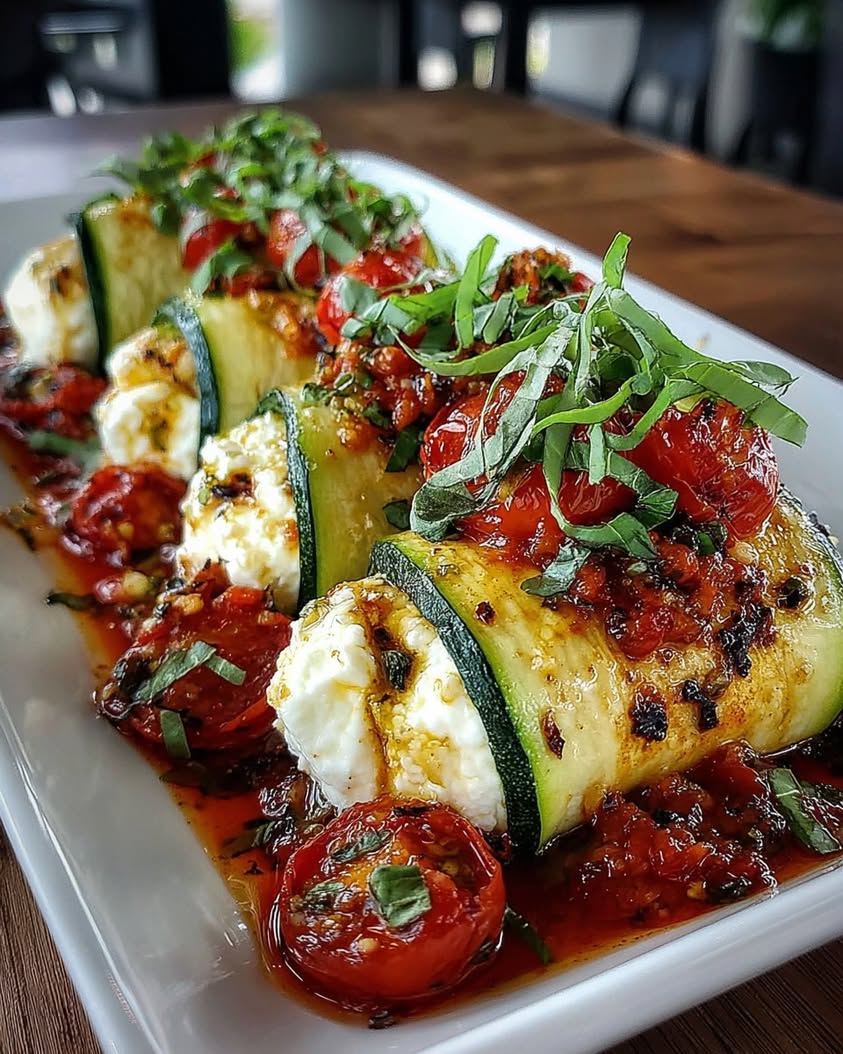
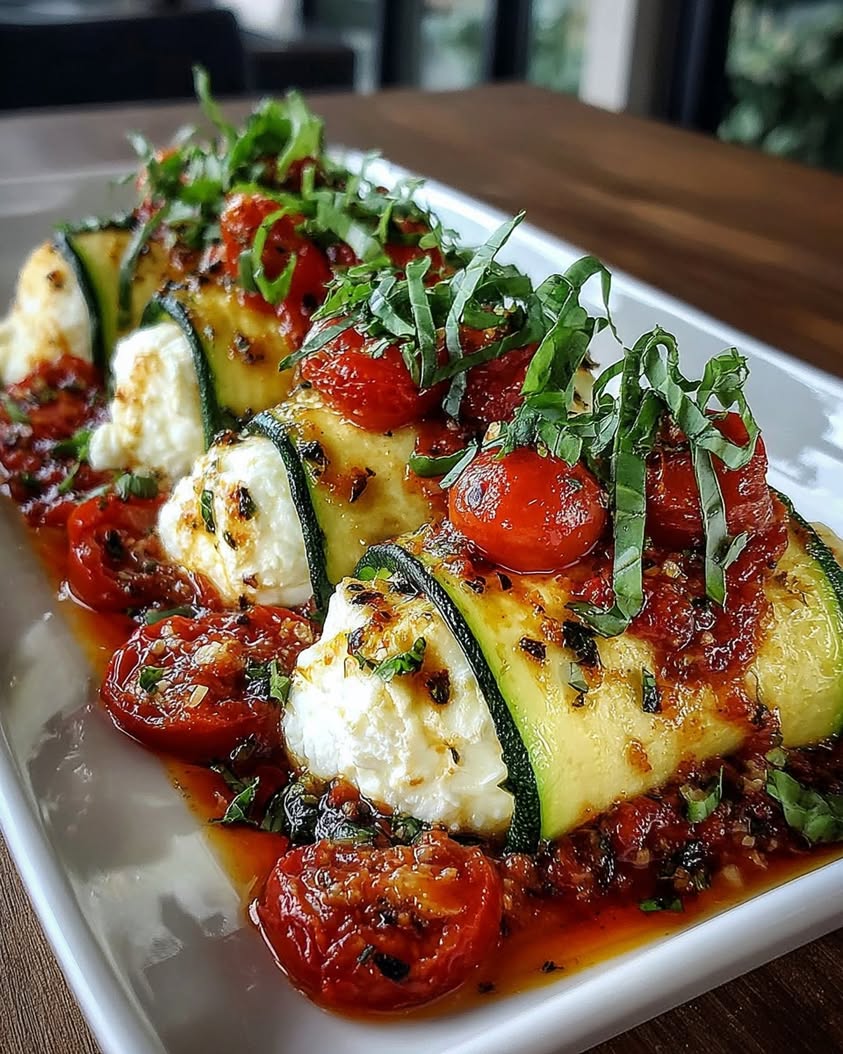
Imagine a dish that captures the essence of a sun-drenched Italian garden on a single plate. These Creamy Burrata Stuffed Zucchini Rolls with Tomato Glaze do exactly that, transforming humble summer vegetables into a stunning culinary masterpiece. Each delicate zucchini ribbon cradles a luxurious filling of creamy burrata and fresh herbs, all draped in a vibrant, sweet-tart tomato glaze. This recipe is a celebration of seasonal produce, offering a beautiful balance of textures and flavors that will impress any guest.
Furthermore, this dish is surprisingly approachable for its elegant appearance. While the final presentation looks like it came from a fine dining restaurant, the techniques are straightforward and rewarding. You will master a few simple skills, such as creating perfect zucchini ribbons and reducing a glaze to glossy perfection. Ultimately, the result is a versatile appetizer or light main that feels special yet is rooted in the wholesome goodness of fresh ingredients. The creamy burrata stuffed zucchini rolls with tomato glaze are a testament to how a few quality components can create magic.
Additionally, the sensory journey of this dish is unforgettable. Visually, the bright green rolls against the deep red glaze create a stunning color contrast. The aroma of roasting zucchini and simmering tomatoes with garlic will fill your kitchen with an irresistible Mediterranean fragrance. When you take a bite, the tender zucchini gives way to the rich, cool burst of burrata, all harmonized by the concentrated sweetness of the glaze. It is a dish designed to delight all the senses, making it perfect for a memorable meal.
Quick Recipe Highlights
- Flavor Profile: These rolls offer a sophisticated blend of sweet, savory, and creamy notes. The natural sweetness of the roasted zucchini and reduced tomato glaze perfectly complements the rich, milky flavor of the burrata. Fresh basil and a hint of garlic add aromatic depth, creating a well-rounded and irresistible taste.
- Texture: The experience begins with the tender-yet-firm bite of the roasted zucchini ribbon. Then, you encounter the glorious, creamy explosion of the burrata filling, which provides a luxurious, soft contrast. Finally, the sticky, slightly jammy tomato glaze adds a pleasant viscosity that ties every element together beautifully.
- Aroma: As the dish cooks, your kitchen will fill with the earthy scent of roasting zucchini and the sweet, tangy perfume of tomatoes and garlic caramelizing into a glaze. Fresh basil, added at the end, releases its bright, peppery fragrance, completing the aromatic profile that promises a delicious meal.
- Visual Appeal: This dish is a feast for the eyes with its striking color palette. The vibrant green zucchini rolls are visually captivating, especially when arranged neatly on a plate. The rich, glossy red tomato glaze draped over the top adds a professional finish, while fresh basil leaves provide the perfect green accent for a picture-perfect presentation.
- Skill Level Needed: This recipe is ideal for intermediate home cooks or confident beginners. It requires careful vegetable slicing and a watchful eye for reducing a glaze, but no overly complex techniques. With patience and attention to detail, anyone can achieve the elegant results that make these creamy burrata stuffed zucchini rolls so special.
- Special Equipment: A mandoline slicer is highly recommended for creating uniformly thin, pliable zucchini ribbons. Alternatively, a sharp vegetable peeler and a steady hand will work. You will also need a good non-stick skillet or saucepan for making the glaze and a baking sheet for roasting the zucchini.
Recipe Overview
- Difficulty Level: We rate this recipe as medium difficulty. The primary challenges involve handling the delicate zucchini ribbons without breaking them and properly reducing the tomato glaze to the correct syrupy consistency. However, each step is clearly explained and manageable. With a bit of practice, the process becomes intuitive and even enjoyable for a cook looking to expand their skills.
- Category: This dish is incredibly versatile. It shines most brightly as an impressive appetizer or starter for a dinner party. Alternatively, served with a side salad and crusty bread, it makes a fantastic light vegetarian main course or a elegant lunch. It fits beautifully into a mezze platter or as part of a larger Italian-inspired feast.
- Cuisine: The recipe is firmly rooted in Italian culinary traditions, celebrating core ingredients like zucchini, tomato, basil, and fresh cheese. The technique of stuffing and rolling vegetables is common in Italian cooking, showcasing a respect for seasonal produce. The creamy burrata stuffed zucchini rolls with tomato glaze are a modern, elegant take on these classic, rustic principles.
- Cost: This is a moderately priced dish, with cost largely dependent on the burrata. Zucchini and tomatoes are very affordable, especially in summer. Fresh herbs and pantry staples like olive oil and garlic add minimal cost. The star ingredient, burrata, is a splurge that elevates the dish, making it a cost-effective way to create a luxurious tasting experience without restaurant prices.
- Season: This recipe is perfect for late summer and early fall when zucchini and tomatoes are at their peak of flavor and abundance. Using in-season produce ensures the sweetest zucchini and the most flavorful tomatoes for your glaze. Consequently, the dish tastes its absolute best and is also the most economical to prepare during these warmer months.
- Occasion: These rolls are perfect for occasions that call for something special. They are ideal for dinner parties, holiday appetizers, date nights at home, or bridal showers. Their elegant appearance makes them suitable for celebratory meals, while their fresh flavors are also perfect for a light al fresco summer dinner with friends and family.
Why You’ll Love This Recipe
First and foremost, the taste and texture combination is simply divine. The creamy burrata stuffed zucchini rolls with tomato glaze deliver a symphony of flavors in every bite. You experience the savory, slightly charred note of the roasted zucchini, immediately followed by the cool, rich creaminess of the burrata. The tomato glaze then cuts through with a bright, sweet-tart acidity that balances the richness perfectly. This interplay of creamy, sweet, and savory is deeply satisfying and keeps you coming back for another bite. It is a sophisticated flavor profile that feels indulgent yet remains light and fresh.
From a convenience standpoint, this recipe is a winner for entertaining. You can prepare several components ahead of time, reducing last-minute stress. The zucchini ribbons can be roasted and cooled in advance. Similarly, the tomato glaze can be made and gently reheated. Then, assembly is quick and simple, allowing you to present a stunning dish with minimal fuss. This make-ahead flexibility is a huge benefit for hosts who want to enjoy their own party. The creamy burrata stuffed zucchini rolls with tomato glaze prove that impressive food does not have to be complicated at the moment of serving.
Nutritionally, this dish is a powerhouse of good-for-you ingredients. Zucchini is low in calories but high in fiber, vitamins A and C, and potassium. Tomatoes are renowned for their lycopene content, an antioxidant with numerous health benefits. Burrata provides a good source of protein and calcium, though it is richer, so a little goes a long way. Using olive oil adds heart-healthy monounsaturated fats. Altogether, you are serving a dish that is as nourishing as it is delicious, aligning with a balanced approach to eating well.
For social gatherings, this recipe has immense entertaining value. Its visual “wow” factor is guaranteed to draw compliments and spark conversation. The individual rolls are easy for guests to serve themselves, making them perfect for passed appetizers or a beautiful platter. Because the flavors are universally appealing but still feel gourmet, they cater to a wide range of palates. Serving these creamy burrata stuffed zucchini rolls with tomato glaze instantly elevates the occasion and shows your guests you have put thought and care into the meal.
Finally, the cost-effectiveness and accessibility are major advantages. While burrata is a specialty item, the rest of the ingredients are pantry staples or inexpensive seasonal vegetables. This recipe demonstrates how one luxurious ingredient can transform affordable components into a restaurant-quality dish. You likely already have olive oil, garlic, and basic seasonings. Therefore, with a quick trip to the store for fresh produce and cheese, you can create a meal that feels far more expensive than it actually was. It is an accessible way to bring a touch of culinary artistry to your home kitchen.
Historical Background and Cultural Significance
The story of these creamy burrata stuffed zucchini rolls with tomato glaze is a modern tale built on ancient foundations. Zucchini, a type of summer squash, has its origins in the Americas but was embraced and cultivated extensively in Italy after its introduction in the late 15th century. Italian cooks have a long history of stuffing and rolling various vegetables, from eggplant to cabbage leaves, a technique that maximizes flavor and minimizes waste. This recipe is a contemporary, elegant evolution of that thrifty and creative culinary tradition, applying it to the versatile zucchini.
Culturally, the dish embodies the core principles of Italian *cucina povera* or “poor kitchen,” which celebrates simplicity, quality ingredients, and resourcefulness. Transforming inexpensive, abundant summer squash into a special dish is classic Italian thinking. The addition of burrata, however, introduces a touch of luxury. Burrata itself is a relatively recent invention from the Puglia region in the early 20th century, created as a way to use up the scraps from mozzarella production. Its creamy center (*stracciatella*) was a delicious innovation. Combining this rich cheese with humble vegetables creates a beautiful balance of rustic and refined that is very characteristic of modern Italian cuisine.
The evolution of this specific recipe likely stems from the global popularity of vegetable “noodles” and low-carb alternatives. As zucchini noodles (zoodles) became a health trend, creative cooks began exploring other uses for the long, pliable ribbons. Stuffing and rolling them was a natural, beautiful progression. The tomato glaze is a refined take on classic tomato sauce, reduced to an intense, glossy syrup that clings perfectly to the rolls. This reduction technique concentrates flavor and elevates the presentation, moving the dish from a simple stuffed vegetable to a plated, restaurant-style appetizer.
Regarding regional variations, the concept is wonderfully adaptable. In different parts of Italy, you might find similar rolls made with eggplant (involtini di melanzane) or even thin slices of meat. The filling could vary from breadcrumbs and raisins in Sicily to ricotta and spinach in the north. Our version with burrata is distinctly influenced by the cheese-making traditions of Puglia. Outside of Italy, cooks might adapt the filling with local herbs, different soft cheeses like goat cheese or feta, or even add nuts for crunch. The creamy burrata stuffed zucchini rolls with tomato glaze provide a perfect template for culinary creativity while staying true to their Italian-inspired soul.
Ingredient Deep Dive
Zucchini: This summer squash is the structural hero of the dish. Choose medium-sized, firm zucchini with glossy, unblemished skin. Smaller zucchini often have fewer seeds and a more concentrated flavor. They are rich in water, fiber, and antioxidants like lutein. To prepare, wash thoroughly and slice lengthwise into thin ribbons using a mandoline for consistency. Avoid oversalting before roasting, as this can draw out too much moisture and make them limp. For storage, keep whole zucchini in the crisper drawer of your refrigerator for up to a week. If you cannot find zucchini, yellow summer squash makes an excellent, colorful substitute.
Burrata Cheese: Burrata is the star that provides the luxurious creamy center. Literally meaning “buttered” in Italian, it consists of a mozzarella pouch filled with soft, stringy curds and cream (*stracciatella*). Look for burrata that is stored in liquid and feels soft and supple. Its nutritional profile includes protein, calcium, and fat, making it rich and satisfying. Always bring burrata to room temperature for about 30 minutes before using to maximize its creamy texture. For storage, keep it in its original liquid in the refrigerator and consume by the “use by” date. If unavailable, a combination of fresh mozzarella and a dollop of ricotta or mascarpone can mimic the texture, though the experience will be different.
Tomatoes: We use canned crushed tomatoes for the glaze because they provide consistent flavor and texture year-round. They are packed at peak ripeness, offering a deep, sweet tomato base. Crushed tomatoes break down beautifully into a smooth glaze. Nutritionally, they are an excellent source of vitamin C, potassium, and the antioxidant lycopene, which is more bioavailable when cooked. For the best flavor, choose a high-quality brand of canned tomatoes with no added citric acid or seasonings. You can substitute with ripe, fresh Roma tomatoes that have been peeled, seeded, and crushed, but this adds significant prep time. A tablespoon of tomato paste can be added to intensify the flavor further.
Fresh Basil: Basil is the quintessential aromatic herb of Italian summer cooking. Its bright, peppery, and slightly sweet flavor is irreplaceable in this dish. Basil contains vitamins A and K, and its volatile oils have anti-inflammatory properties. Always choose vibrant green bunches with no black spots. To store, treat it like a bouquet of flowers: trim the stems and place in a glass of water on the counter, or wrap loosely in a damp paper towel and refrigerate. Tear the leaves by hand just before using to prevent bruising and blackening. If fresh basil is unavailable, fresh oregano or parsley can work in a pinch, but the flavor profile will shift.
Garlic and Olive Oil: These two pantry staples form the flavor foundation. Garlic adds a pungent, aromatic depth that mellows and sweetens as it cooks in the glaze. Use fresh, firm cloves for the best flavor. Olive oil is used for roasting the zucchini and sautéing the garlic, contributing its distinct fruity, peppery notes and healthy fats. For roasting, a regular extra virgin olive oil is fine. For finishing or in the filling, a higher-quality, fresh bottle will make a noticeable difference. Never let garlic burn, as it will turn bitter and ruin the delicate balance of the tomato glaze.
Common Mistakes to Avoid
- Cutting Zucchini Ribbons Too Thick or Too Thin: Ribbons that are too thick will not roll easily and may remain tough. Conversely, ribbons that are too thin will tear and cannot hold the filling. Aim for a consistent 1/8-inch thickness using a mandoline for the best results. This ensures pliability for rolling and a tender bite after roasting.
- Over-salting the Zucchini Before Roasting: While a light sprinkle of salt helps draw out moisture, excessive salting will dehydrate the ribbons, making them limp, overly salty, and difficult to handle. Lightly season them just before they go into the oven. You can always adjust seasoning later in the filling or glaze.
- Not Patting Zucchini Dry After Roasting: Zucchini releases water as it cooks. If you assemble the rolls while the ribbons are still wet or oily, the filling can become soggy and the rolls may fall apart. Always place the roasted ribbons on a paper towel-lined tray and gently pat the top side dry before adding the burrata filling.
- Using Cold Burrata Straight from the Fridge: Cold burrata is firm and less creamy, making it difficult to spread and resulting in a less luxurious texture in the final bite. Always allow the burrata to sit at room temperature for 20-30 minutes before handling. This softens the cheese, making it wonderfully spreadable and ensuring that creamy center bursts perfectly.
- Rushing the Tomato Glaze Reduction: The glaze needs time to simmer and thicken naturally. Cooking it over too high a heat can cause it to scorch or reduce too quickly before the flavors have a chance to meld and sweeten. Maintain a gentle simmer and stir occasionally until it reaches a syrup-like consistency that coats the back of a spoon.
- Overfilling the Zucchini Rolls: It is tempting to add a large scoop of burrata, but overfilling will cause the cheese to ooze out during rolling and baking, creating a messy presentation. Use a modest tablespoon-sized amount for each ribbon. Remember, the burrata is rich, so a little goes a long way in terms of flavor and creaminess.
- Adding Fresh Basil to the Glaze Too Early: The delicate flavor and vibrant green color of fresh basil are destroyed by prolonged cooking. If you add it while the glaze is still simmering, it will turn brown and bitter. Always stir in the torn basil leaves off the heat, right at the end, to preserve their fresh aroma and bright color.
- Skipping the Final Bake or Broil: The brief bake after assembling helps set the rolls and warm the filling through, melding the flavors. A quick broil at the end can add a beautiful, appetizing golden touch to the tops of the rolls. Skipping this step means serving the rolls lukewarm with a less integrated texture.
- Not Tasting and Adjusting Seasoning at Each Stage: Seasoning is not a one-time event. Taste your tomato glaze for salt and acidity after reducing. Taste the burrata mixture for balance. Finally, taste a finished roll before serving. This layered approach to seasoning ensures every component, and the final dish, is perfectly balanced.
- Using a Dull Knife or Mandoline Without a Guard: Slicing zucchini into long, even ribbons requires a very sharp blade. A dull knife will crush the vegetable. Always use the safety guard on a mandoline to protect your fingers. This is a non-negotiable safety step that also ensures uniform, professional-looking ribbons.
Essential Techniques
Creating Perfect Zucchini Ribbons: This technique is foundational for pliable, attractive rolls. Using a mandoline slicer set to 1/8-inch thickness is the most reliable method. Hold the zucchini firmly with the safety guard and make long, smooth strokes from end to end. If using a vegetable peeler, apply even pressure and rotate the zucchini slightly after each ribbon to get wide, flat slices. The goal is long, intact ribbons without the seedy core. Discard the first slice with the skin, then continue until you hit the seeds. This technique ensures the ribbons will roll without cracking and cook evenly.
Reducing a Glaze to Perfection: Reduction is a simple but crucial technique for concentrating flavor and creating a luxurious sauce. After sautéing garlic, you add the crushed tomatoes and simmer. The key is to maintain a gentle, steady bubble—not a rolling boil—which allows water to evaporate slowly. Stir occasionally to prevent sticking. The glaze is ready when it has thickened significantly, reduced by about half, and leaves a clear trail on the bottom of the pan when you drag a spatula through it. This process can take 15-20 minutes; patience is essential for developing deep, sweet flavor and a glossy, coating consistency.
Stuffing and Rolling Delicate Ingredients: This assembly technique requires a gentle touch. Place a roasted zucchini ribbon on a clean surface. Pat the top dry. Spread a thin, even layer of the room-temperature burrata mixture along one end, leaving a small border. Using your fingers, gently but firmly lift the edge and roll it over the filling, tucking it in slightly as you go. Continue rolling into a tight cylinder. The zucchini should be pliable enough to roll without breaking. If a ribbon tears, do not worry; it will still hold together once rolled. Place the roll seam-side down in your baking dish; the weight will help it hold its shape.
Pro Tips for Perfect Creamy Burrata Stuffed Zucchini Rolls
- For the most flexible zucchini ribbons, you can briefly blanch them in salted boiling water for 60 seconds instead of roasting. Immediately shock them in ice water, then pat completely dry. This method can make them even more pliable for rolling.
- Add a teaspoon of high-quality balsamic vinegar to the tomato glaze during the last few minutes of reduction. This adds a wonderful layer of complex sweetness and acidity that pairs magically with the creamy burrata.
- If your burrata seems very wet, drain it in a fine-mesh strainer for 10 minutes before mixing with herbs. Excess moisture can make the filling runny and cause the rolls to become soggy during the final bake.
- For a beautiful golden finish, lightly brush the assembled rolls with a little olive oil or sprinkle with a scant amount of grated Parmesan cheese before the final bake. This creates an attractive, appetizing color on top.
- Let the assembled rolls rest for 5 minutes after baking before serving. This allows the cheese to set slightly, making them easier to transfer to a plate without falling apart.
- Use the leftover seedy core of the zucchini. Do not throw it away. You can finely chop it and add it to the tomato glaze for extra texture and to minimize food waste.
- For a flavor boost in the filling, mix a pinch of lemon zest into the burrata along with the basil. The bright citrus note cuts through the richness and enhances the fresh, summery profile of the dish.
- When slicing the zucchini, if a ribbon breaks, you can often “patch” it by overlapping two shorter pieces slightly when you add the filling. The rolling process will hold them together.
Variations and Adaptations
Regional Variations: Travel through Italy with your filling. For a Sicilian twist, add toasted pine nuts, raisins, and a pinch of saffron to the burrata. From the north, mix in some sautéed spinach and a touch of nutmeg. For a Puglian focus, add chopped sun-dried tomatoes and a few capers to the cheese mixture. You can also substitute the tomato glaze with a simple *salsa verde* (herb sauce) or a roasted red pepper coulis for a different color and flavor profile.
Seasonal Adaptations: While summer is prime time, this recipe adapts well. In fall, use a roasted butternut squash puree mixed into the burrata and a sage-infused glaze. For winter, consider using thin slices of roasted delicata squash as the wrapper. In spring, substitute with large Swiss chard leaves, blanched to soften, and fill with a lemon-ricotta mixture instead of burrata, served with a light pea puree.
Dietary Modifications: For a vegan version, use a high-quality vegan mozzarella or ricotta alternative. A cashew-based cheese soaked and blended with nutritional yeast, lemon, and herbs can work wonderfully. For a dairy-free option that is not vegan, simply omit the cheese and fill with a mixture of roasted vegetables and breadcrumbs. To make it gluten-free, ensure no breadcrumbs are added to the filling; the recipe is naturally gluten-free as written.
Flavor Variations: Experiment with different herb profiles. Try mint and parsley instead of basil for a brighter note. Incorporate a teaspoon of pesto directly into the burrata filling. For a spicy kick, add a pinch of red pepper flakes to the tomato glaze or mix finely chopped Calabrian chili paste into the cheese. Smoked paprika or a drop of liquid smoke can add a subtle, intriguing depth.
Texture Modifications: Add textural contrast to the creamy filling. Mix in finely chopped toasted walnuts or almonds. Incorporate crispy, fried shallots or pancetta bits. For a more substantial roll, place a single, thin spear of roasted asparagus or a blanched green bean in the center of the burrata before rolling up the zucchini ribbon.
Presentation Alternatives: Instead of individual rolls, create a “lasagna” by layering zucchini ribbons, burrata mixture, and tomato glaze in a baking dish. You can also serve the components deconstructed: a swoosh of tomato glaze on a plate, topped with a mound of the herbed burrata, and the roasted zucchini ribbons artfully arranged around it. For a handheld appetizer, secure smaller rolls with a toothpick and serve upright in a shot glass with a drizzle of glaze.
Serving and Presentation Guide
Plating Techniques: For an elegant individual presentation, spoon a pool of the tomato glaze onto the center of a white plate. Arrange two or three zucchini rolls slightly overlapping on top of the glaze. Alternatively, for a family-style approach, arrange all the rolls snugly in a shallow serving dish, drizzle the glaze over the top, and let guests serve themselves. You can also plate them in a straight line down a rectangular plate for a modern, clean look.
Garnishing Ideas: Garnish is the final touch that elevates visual appeal. A few small, whole basil leaves are classic. A light drizzle of high-quality extra virgin olive oil adds shine. A sprinkle of flaky sea salt (like Maldon) or freshly cracked black pepper provides texture. For color, add edible flowers, microgreens, or a dusting of paprika. A few shavings of Parmesan cheese can also be a nice addition.
Traditional Accompaniments: In an Italian meal, these rolls would be served as an *antipasto* (starter). They pair beautifully with other small bites like marinated olives, cured meats, and crusty bread to soak up any extra glaze. A simple arugula salad dressed with lemon vinaigrette on the side provides a peppery, fresh contrast to the rich rolls.
Modern Serving Suggestions: For a light summer lunch, serve the rolls atop a bed of mixed greens or with a quinoa salad. They also make excellent passed appetizers for a cocktail party; simply make smaller rolls and secure each with a decorative toothpick. Consider serving them alongside a glass of Prosecco or a chilled white wine for a perfect pairing.
Temperature Considerations: These creamy burrata stuffed zucchini rolls with tomato glaze are best served warm or at room temperature. Serving them too hot can make the burrata overly runny. Conversely, serving them cold from the fridge will firm up the cheese and mute the flavors. Aim to serve them within 10-15 minutes of the final bake, when they have settled but are still pleasantly warm.
Portion Control Tips: As an appetizer, 2-3 rolls per person is a generous serving. As a light main course, plan for 4-5 rolls per person, accompanied by a substantial side salad or bread. Remember that burrata is rich, so the rolls are quite satisfying. It is better to have guests wanting one more than leaving them feeling overly full from a heavy starter.
Wine and Beverage Pairing
Wine Pairings: The creamy, rich burrata and sweet tomato glaze call for wines with good acidity to cut through the fat and complement the flavors. A crisp, unoaked Italian white like Vermentino or Falanghina is a perfect match. Pinot Grigio from Alto Adige works well. For a rosé, choose a dry Provençal style or a Italian Rosato. If you prefer red, opt for a light-bodied, low-tannin red like a chilled Frappato or a Bardolino. The key is to avoid overly oaky or high-alcohol wines that would overwhelm the dish’s delicacy.
Non-Alcoholic Alternatives: Sparkling water with a twist of lemon or a cucumber slice is always refreshing. For something more special, try a basil-infused lemonade or a virgin basil mojito (muddled basil, lime, and soda water). A high-quality tomato juice or a non-alcoholic sparkling grape juice can also mirror the sweet and savory notes of the dish beautifully.
Coffee/Tea Pairings: While not a traditional pairing for this course, if serving as part of a brunch or lunch, a light roast coffee with bright acidity would follow nicely. For tea, consider a green tea like Sencha, which has vegetal notes that echo the zucchini, or a floral white tea that would not clash with the dish’s delicate flavors.
Temperature Considerations: White and rosé wines should be served well-chilled, between 45-50°F (7-10°C). Light reds can be served slightly cooler than room temperature, around 55°F (13°C). Non-alcoholic beverages are best served cold or over ice to provide a refreshing counterpoint to the warm, rich rolls.
Serving Suggestions: Pour wine just before serving to preserve its temperature and freshness. For non-alcoholic drinks, consider serving in a pitcher with garnishes so guests can help themselves. Always provide a glass of still water on the table as well to cleanse the palate between bites of the flavorful creamy burrata stuffed zucchini rolls with tomato glaze.
Storage and Shelf Life
Storage Methods: Store leftover assembled rolls in a single layer in an airtight container in the refrigerator. If stacked, place parchment paper between layers to prevent sticking. Store any leftover tomato glaze separately in its own container. Properly stored, the rolls will keep for up to 2 days, but are best enjoyed within 24 hours for optimal texture.
Temperature Requirements: This dish must be refrigerated at or below 40°F (4°C) due to the dairy content. Do not leave assembled rolls at room temperature for more than 2 hours. When transporting for a potluck, keep them in a cooler with ice packs until ready to serve.
Container Recommendations: Use a shallow, glass or BPA-free plastic container with a tight-fitting lid. This prevents the rolls from being crushed and minimizes odor absorption. For the glaze, a small mason jar works perfectly and allows you to see the contents.
Signs of Spoilage: Discard the rolls if you notice any off smells, such as sourness or ammonia. Visible mold, excessive liquid separation, or a slimy texture on the zucchini are clear indicators of spoilage. The burrata will darken and may weep excess water when past its prime.
Reheating Instructions: Reheat gently to avoid overcooking the zucchini and melting the burrata into a pool. The best method is in a preheated 300°F (150°C) oven for 8-10 minutes, or until just warmed through. You can also use the microwave in short 15-second bursts, but this risks making the zucchini rubbery. Always reheat the tomato glaze separately in a saucepan or microwave and drizzle over the warmed rolls.
Freezing Guidelines: Freezing is not recommended for the fully assembled creamy burrata stuffed zucchini rolls. The high water content in the zucchini will cause it to become mushy upon thawing, and the dairy in the burrata will separate and become grainy. However, you can successfully freeze the tomato glaze for up to 3 months in a freezer-safe container.
Make Ahead Strategies
Prep Timeline: You can prepare nearly all components 1 day in advance. Roast the zucchini ribbons, let them cool, and store them layered between parchment paper in the fridge. Prepare the tomato glaze and refrigerate it in a sealed container. Mix the burrata filling, but store it separately. On the day of serving, simply assemble the rolls, warm the glaze, bake, and finish.
Storage Between Steps: Cool all components completely before refrigerating to prevent condensation. Keep the zucchini ribbons flat to maintain their shape. Store the burrata mixture in the coldest part of the fridge, not in the door. Bring the glaze to room temperature or gently reheat it before using to restore its pourable consistency.
Quality Impact Assessment: Pre-roasting the zucchini may make them slightly more tender but does not significantly harm the dish. The tomato glaze’s flavor often improves overnight as the flavors meld. The burrata filling is best mixed fresh, but a day ahead is acceptable if well-covered. Overall, make-ahead prep has a minimal negative impact and a major positive impact on stress reduction.
Assembly Tips: If assembling a few hours before baking, cover the baking dish tightly with plastic wrap and refrigerate. Remove the dish from the fridge 20-30 minutes before baking to take the chill off, which promotes more even heating. Drizzle with the glaze just before the final bake or broil to keep the presentation fresh.
Reheating Guidelines: For pre-assembled, chilled rolls, add 3-5 minutes to the baking time, covering loosely with foil if the tops begin to brown too much. Reheat the tomato glaze in a small saucepan over low heat, stirring until fluid and warm. If the glaze is too thick after refrigeration, thin it with a teaspoon of water or olive oil while reheating.
Fresh Element Additions: No matter how much you prep ahead, always add the final fresh garnishes just before serving. Tear the basil leaves, drizzle the extra virgin olive oil, and sprinkle flaky salt at the last moment. This ensures the brightest flavors, most vibrant colors, and best textures for your finished creamy burrata stuffed zucchini rolls with tomato glaze.
Scaling Instructions
Halving the Recipe: Halving is straightforward for a smaller yield. Use one medium zucchini, half a ball of burrata (about 4 oz), and half a can of crushed tomatoes. Keep the garlic at one clove, as it is a base flavor. Reduce the glaze in a smaller saucepan, as it will reduce faster. Watch the roasting time for the zucchini, as a less crowded pan may cook slightly quicker. This is perfect for a romantic dinner for two.
Doubling or Tripling: For a crowd, scale up confidently. Use multiple baking sheets for the zucchini, rotating them in the oven for even cooking. You may need to roast in batches. For the glaze, use a wide, heavy-bottomed pot to increase surface area and promote faster, more even reduction. Mix the burrata filling in a large bowl. When assembling, set up a production line for efficiency. Consider making the rolls in multiple smaller baking dishes rather than one enormous one to ensure even heating.
Equipment Adjustments: Scaling up requires planning. Ensure you have enough baking sheets and oven space. A large food processor can help if you are incorporating many herbs into the filling. A wider pot is essential for making a larger batch of glaze. If you only have small pans, make the glaze in two separate batches to avoid overcrowding and inefficient reduction.
Timing Mod
Print Elegant zucchini rolls filled with creamy burrata cheese and herbs, baked until tender and served with a rich tomato glaze for a light yet indulgent dish. You can customize the seasonings to taste.Creamy Burrata Stuffed Zucchini Rolls with Tomato Glaze
Description
Ingredients
Instructions
Notes