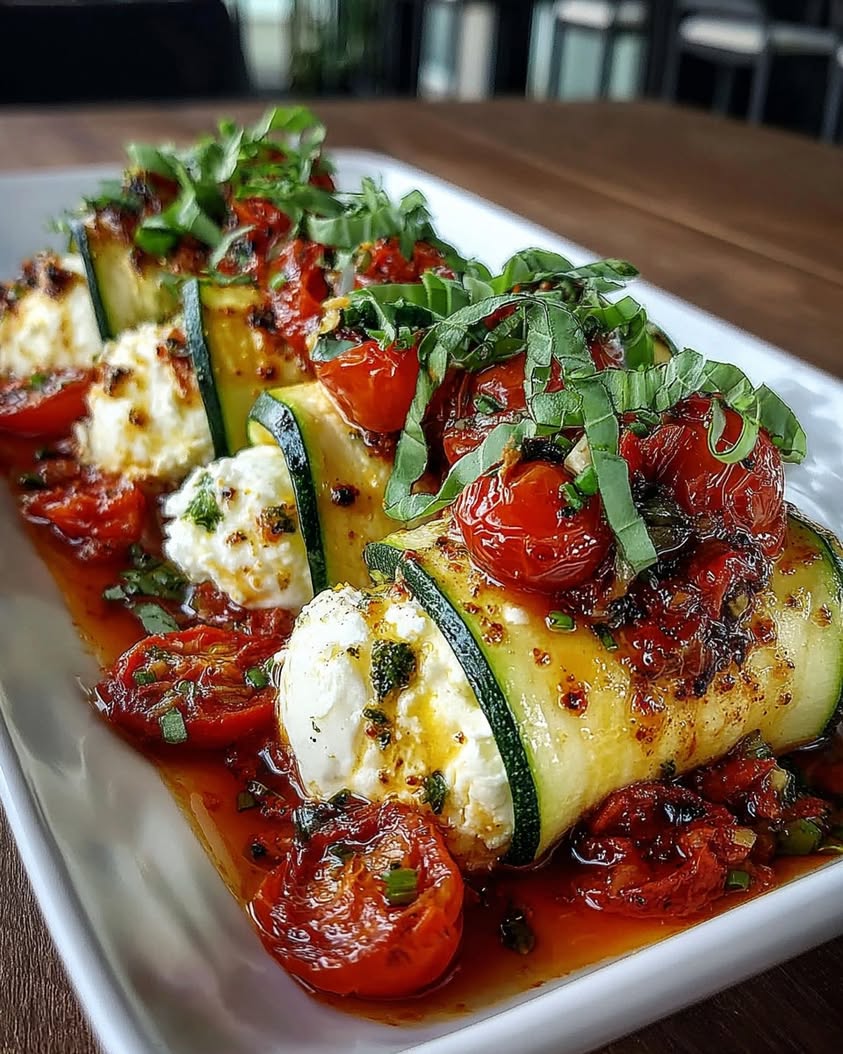
Creamy Burrata Stuffed Zucchini Rolls with Tomato Glaze: An Elegant Summer Appetizer
Imagine a dish that captures the essence of a sun-drenched Italian garden on a single plate. That is the magic of these Creamy Burrata Stuffed Zucchini Rolls with Tomato Glaze. This recipe transforms humble summer vegetables into a stunning, restaurant-worthy presentation. Each delicate zucchini ribbon cradles a luxurious filling of creamy burrata and fresh herbs. Ultimately, the entire creation is draped in a sweet, glossy tomato glaze that ties every flavor together beautifully.
These rolls are perfect for anyone seeking an impressive yet approachable appetizer. They feel special enough for a dinner party but simple enough for a flavorful weeknight treat. The process is a joyful exercise in seasonal cooking, highlighting peak summer produce. You will love the contrast of textures, from the tender zucchini to the rich, molten cheese center. Furthermore, the vibrant colors make this dish a true feast for the eyes before you even take a bite.
Creating these Creamy Burrata Stuffed Zucchini Rolls with Tomato Glaze is a rewarding culinary project. It involves a few key techniques that are fun to master, like making perfect vegetable ribbons. The result is a dish that feels both rustic and refined. It celebrates fresh ingredients in their purest form while allowing for creative presentation. Whether you are a seasoned cook or an enthusiastic beginner, this recipe guides you to a spectacular result.
Quick Recipe Highlights
- Flavor Profile: These rolls offer a beautiful harmony of sweet, savory, and creamy notes. The sweet tomato glaze perfectly balances the rich, milky burrata and the earthy zucchini. Additionally, fresh basil and a hint of garlic add aromatic depth that elevates the entire dish.
- Texture: You experience a wonderful textural journey with every bite. The zucchini ribbons are tender yet have a slight bite, contrasting the luxuriously soft and creamy burrata filling. Meanwhile, the tomato glaze adds a smooth, velvety finish that coats everything beautifully.
- Aroma: As these bake, your kitchen will fill with an irresistible fragrance. The sweet scent of reducing tomatoes and balsamic mingles with the earthy aroma of roasting zucchini. Finally, the fresh basil added at the end provides a bright, peppery top note that is simply heavenly.
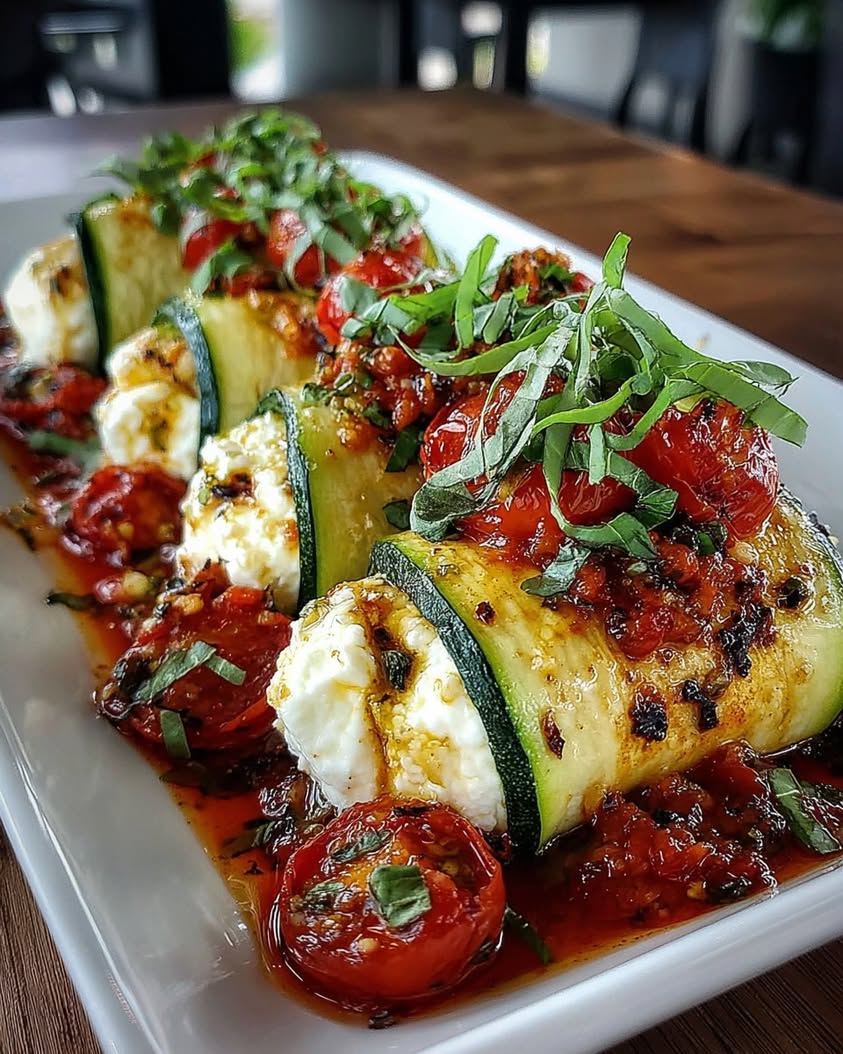
- Visual Appeal: This dish is a masterpiece of color and form. The vibrant green zucchini rolls, white burrata filling, and deep red tomato glaze create a stunning tri-color presentation. Arranged neatly on a platter, they look elegant, professional, and incredibly appetizing.
- Skill Level Needed: This recipe is ideal for intermediate home cooks comfortable with a knife and basic stovetop skills. You need patience for slicing zucchini thinly and a careful hand for rolling. However, the steps are straightforward and well-explained, making success very achievable.
- Special Equipment: A sharp chef’s knife or mandoline slicer is crucial for getting even, pliable zucchini ribbons. You will also need a good non-stick skillet for the glaze and a baking dish for finishing the rolls in the oven. Otherwise, standard kitchen tools are all you require.
Recipe Overview
- Difficulty Level: We rate this recipe as intermediate due to the technique involved in preparing the zucchini. Slicing uniform, thin ribbons without breaking them requires a bit of practice and a sharp tool. Additionally, managing the reduction of the tomato glaze to the perfect consistency needs attention. However, each step is broken down clearly, so a confident beginner can certainly achieve great results.
- Category: This dish fits wonderfully into multiple categories. Primarily, it serves as an exquisite appetizer or starter for a multi-course meal. Alternatively, you can present it as a elegant light lunch or a sophisticated side dish alongside grilled proteins. It is versatile enough for any meal where you want a touch of culinary artistry.
- Cuisine: The inspiration is firmly rooted in Italian cuisine, celebrating classic Mediterranean flavors. The use of burrata, zucchini, tomato, basil, and balsamic vinegar is a direct homage to Italian summer cooking. Consequently, the flavor profile is fresh, simple, and focused on high-quality ingredients, which is the heart of Italian culinary tradition.
- Cost: This is a moderately priced recipe that leverages seasonal affordability. When zucchini and tomatoes are in peak season, the cost is quite low. The burrata is the splurge ingredient, but a little goes a long way. Overall, you create a dish that looks and tastes far more expensive than it actually is to make.
- Season: This recipe is absolutely perfect for late spring through summer. That is when zucchini and tomatoes are at their sweetest, most abundant, and most affordable. The light, fresh nature of the dish also aligns perfectly with warmer weather dining. It is a fantastic way to showcase the best of your farmer’s market haul.
- Occasion: These rolls are ideal for special occasions that call for beautiful food. Think dinner parties, holiday gatherings, anniversary dinners, or bridal showers. They also make a wonderful project for a date night in, where cooking together is part of the fun. Essentially, any event where you want to impress with flavor and presentation is the right occasion.
Why You’ll Love This Recipe
First and foremost, the taste and texture combination is utterly irresistible. Each component brings something unique to the table, creating a complex eating experience. The creamy, cool burrata bursts against the tender zucchini, while the sweet-and-tangy tomato glaze adds a luxurious sauce. Every forkful is a balance of rich and fresh, making it deeply satisfying yet not heavy. You will find yourself savoring each bite, appreciating how the simple ingredients create magic together.
From a convenience standpoint, this recipe is wonderfully manageable for entertaining. You can prepare nearly every component ahead of time, reducing last-minute stress. The zucchini can be sliced and blanched, the filling can be mixed, and the glaze can be cooked and stored separately. When guests arrive, you simply assemble, bake briefly, and garnish. This make-ahead flexibility is a game-changer for hosting, allowing you to enjoy your own party.
Nutritionally, these Creamy Burrata Stuffed Zucchini Rolls offer several advantages. Zucchini is low in calories and a good source of vitamins A and C, as well as fiber. Using it as a wrap instead of pasta or dough significantly cuts carbohydrates. Tomatoes are rich in lycopene, a powerful antioxidant. While burrata is indulgent, a small amount provides rich flavor and protein. Therefore, you get a dish that feels decadent but is packed with vegetable goodness.
The social and entertaining value of this dish cannot be overstated. It is a true conversation starter that will have guests asking for the recipe. Presenting a beautifully plated, homemade appetizer shows care and culinary skill. It sets a tone of sophistication and warmth for any meal. Moreover, it is a versatile dish that pairs well with a variety of drinks and other courses, making menu planning easy.
Finally, this recipe is cost-effective and accessible. The main ingredients are vegetables and one special cheese, keeping the grocery bill reasonable. You do not need exotic or hard-to-find items. Even the burrata, once a gourmet rarity, is now commonly available in well-stocked supermarkets. By turning affordable seasonal produce into something extraordinary, you achieve maximum flavor and presentation on a sensible budget.
Historical Background and Cultural Significance
The origins of this dish are a modern fusion, but its roots dig deep into Italian culinary history. Using zucchini as a vessel or wrap is a contemporary, health-conscious twist on traditional pasta-making, or “sfoglia.” In Italian kitchens, nothing goes to waste; large zucchinis are often hollowed out and stuffed, a technique known as “ripieni.” This recipe elegantly updates that concept by using thin slices as delicate wrappers. The inspiration clearly comes from a desire to celebrate garden vegetables in a light, elegant format.
Culturally, the dish honors the Italian principle of “cucina povera” or “poor kitchen,” which transforms humble ingredients into extraordinary meals. Zucchini and tomatoes are summer staples in Italian home gardens. Burrata, however, is a relative newcomer with its own rich story from the Puglia region. Combining these elements represents a bridge between rustic tradition and modern gourmet sensibility. It is a celebration of regional Italian products and time-honored techniques focused on freshness.
The evolution of this specific recipe likely follows the global trend of vegetable-forward dining and low-carb alternatives. As home cooks and chefs sought ways to make vegetables the star, techniques like vegetable “noodles” and wraps became popular. The creamy burrata filling is a natural pairing, adding richness that contrasts the vegetable’s lightness. The sweet tomato glaze is a reduction-based sauce, a classic French technique applied to Italian flavors, showing how culinary ideas cross borders and evolve.
Regional variations of this concept abound throughout Italy and beyond. In Puglia, you might find burrata simply served with roasted zucchini and a tomato conserva. In other regions, the filling could include ricotta mixed with herbs or breadcrumbs. Some modern variations might incorporate sun-dried tomatoes or pesto into the filling. The basic framework is adaptable, allowing cooks to incorporate local cheeses, herbs, and even different summer squashes. This adaptability is key to the dish’s enduring appeal and relevance.
Ingredient Deep Dive
Let us start with zucchini, the star wrapper. This summer squash, native to the Americas, was brought to Italy in the late 19th century and embraced wholeheartedly. It is incredibly low in calories but high in water, fiber, and antioxidants like vitamin C and manganese. For this recipe, choose medium-sized, firm zucchini with glossy, unblemished skin. Avoid very large ones, as they can be seedy and watery. Store them unwashed in your refrigerator’s crisper drawer for up to a week. If you cannot find zucchini, yellow summer squash makes a beautiful and flavorful substitute.
Next, burrata is the luxurious heart of the filling. Meaning “buttered” in Italian, burrata originated in Puglia in the early 1900s as a way to use up mozzarella scraps. It consists of a mozzarella pouch filled with soft, creamy stracciatella and cream. Nutritionally, it provides protein, calcium, and fats that carry flavor beautifully. Always seek the freshest burrata possible, sold in liquid, and use it within a day or two of purchase. For a substitute, fresh mozzarella (mozzarella di bufala is excellent) mixed with a tablespoon of cream or ricotta can mimic the creamy texture.
The tomato glaze relies on simple ingredients. Use ripe, in-season Roma or plum tomatoes for the best flavor and lower water content. Canned San Marzano tomatoes are a fantastic year-round alternative, often more consistent than off-season fresh ones. Balsamic vinegar, originating from Modena, Italy, adds the essential sweet-tangy depth. A true Aceto Balsamico Tradizionale is aged for years, but a good quality “condimento” grade works perfectly here. The reduction process concentrates the natural sugars in the tomatoes and balsamic, creating that luxurious, glossy sauce without needing added thickeners.
Fresh basil and garlic are the aromatic pillars. Basil is synonymous with Italian summer cooking and pairs perfectly with both tomato and cheese. It contains antioxidants and anti-inflammatory properties. For the brightest flavor, add it fresh at the end of cooking. Garlic adds a foundational savory note. Use fresh, firm cloves for the best potency. Pine nuts in the filling contribute a subtle crunch and rich, buttery flavor, though toasted walnuts or almonds can stand in if needed. Finally, good extra-virgin olive oil is non-negotiable for sautéing and finishing, adding fruity, peppery notes that tie the dish together.
Common Mistakes to Avoid
- Slicing Zucchini Too Thick: This is the most common error. Overly thick slices will not roll properly and will remain too crunchy. Always use a mandoline on the thinnest setting or a very sharp knife and steady hand. The ribbons should be pliable enough to bend without snapping.
- Not Salting and Draining the Zucchini: Zucchini contains a lot of water. Skipping the salting step can lead to a soggy, watery final dish. Salting draws out excess moisture, ensuring your rolls hold their shape and the filling stays creamy, not diluted.
- Overfilling the Rolls: It is tempting to add a large scoop of burrata filling, but less is more. Overfilling causes the rolls to burst open during baking, creating a messy presentation. A modest teaspoon-sized amount spread along the ribbon is perfect.
- Rushing the Tomato Glaze: The glaze needs time to reduce and concentrate. Cooking it over too high a heat can cause it to burn or taste bitter. Instead, maintain a steady simmer and stir occasionally until it thickens to a syrup-like consistency that coats the back of a spoon.
- Using Stale or Low-Quality Burrata: The success of this dish hinges on the quality of the burrata. Burrata that is past its prime will be rubbery and lack the signature creamy center. Always check the date and buy from a reputable source where turnover is high.
- Skipping the Blanching Step: Blanching the zucchini ribbons in boiling water for just 60 seconds is crucial. It softens them just enough for easy rolling and sets their vibrant green color. If you skip this, the rolls may be difficult to handle and can turn dull after baking.
- Baking at the Wrong Temperature: Baking at too high a temperature can cause the burrata to leak out excessively and the zucchini to brown too quickly. A moderate 375°F (190°C) oven is ideal for gently heating the rolls through and melting the cheese without disaster.
- Adding Fresh Basil Before Baking: Basil is delicate and turns black when exposed to high heat for too long. Always add fresh basil as a garnish after the rolls come out of the oven. This preserves its bright color, aroma, and fresh flavor.
- Not Reducing the Glaze Enough: A runny glaze will pool on the plate rather than clinging to the rolls. Conversely, reducing it too much makes it sticky and hard to drizzle. Aim for a consistency similar to warm honey for perfect saucing.
- Forgetting to Pat Zucchini Dry: After blanching and shocking in ice water, you must thoroughly pat the zucchini ribbons dry with paper towels. Any residual water will steam in the oven and create excess liquid in your baking dish, making the rolls soggy.
Essential Techniques
Creating perfect zucchini ribbons is the foundational technique. Using a mandoline slicer is the most reliable method for achieving uniform, paper-thin slices lengthwise. If using a knife, ensure it is very sharp and focus on long, smooth strokes. The goal is a ribbon that is flexible enough to roll without cracking but sturdy enough to hold filling. This technique is important because it transforms the vegetable into an edible wrapper, replacing dough or pasta. The visual cue for success is a translucent, pliable ribbon that you can easily bend into a circle.
Blanching and shocking the zucchini is a critical two-step process. Blanching involves a brief plunge into boiling salted water, which softens the vegetable’s cell structure, enhances color, and makes it pliable. Immediately after, shocking in an ice water bath halts the cooking process, preserving that vibrant green and preventing mushiness. Mastering this technique ensures your rolls have the ideal tender-yet-firm texture and beautiful appearance. The pitfall is overcooking in the boiling water, which leads to ribbons that tear easily. Success is marked by a brighter green color and a ribbon that is soft but not limp.
Reducing the tomato glaze is a lesson in patience and concentration. This technique involves simmering a liquid to evaporate water, concentrating flavors and thickening the consistency naturally. For this glaze, you combine tomatoes, balsamic, and a touch of sugar, then let it bubble gently. The importance lies in developing a deep, complex sweetness and a luxurious, clingy texture that elevates the dish. A common mistake is rushing this over high heat, which can scorch the sugars. The visual cue for perfection is when the glaze coats the back of a spoon and leaves a clear trail when you run your finger through it.
Rolling and securing the stuffed zucchini requires a gentle touch. Place a small amount of filling at one end of a dried zucchini ribbon, then roll it up snugly but not tightly. The goal is a neat cylinder where the zucchini just overlaps itself, enclosing the filling. Placing them seam-side down in the baking dish uses their own weight to hold them together. This technique is important for the elegant final presentation. The pitfall is rolling too tightly, which forces filling out the ends. Success looks like a uniform, self-contained roll that holds its shape when lifted.
Pro Tips for Perfect Creamy Burrata Stuffed Zucchini Rolls
First, chill your burrata before handling it. Cold burrata is much firmer and easier to drain and chop without making a huge mess. Simply remove it from the liquid, pat it dry, and pop it in the freezer for 10-15 minutes before crumbling it into your filling mixture.
Second, use a pastry brush to lightly oil the zucchini ribbons before blanching. Adding a tiny bit of olive oil to the boiling water, or brushing the ribbons themselves, helps prevent them from sticking together in the pot. This makes it easier to fish them out individually with tongs.
Third, invest in a flexible, fish spatula for handling the blanched zucchini. Its thin, slotted edge slides perfectly under the delicate ribbons without tearing them, making transfer from ice bath to towel-lined tray effortless and tear-free.
Fourth, mix a teaspoon of cornstarch into your burrata filling if you are concerned about leakage. This little trick helps bind the creamy filling slightly, allowing it to melt beautifully without completely running out of the rolls during baking.
Fifth, reduce your tomato glaze in a wide, shallow pan rather than a small pot. The increased surface area allows for faster evaporation, giving you more control over the reduction process and helping you achieve the perfect consistency more quickly.
Sixth, create a flavor base for your glaze by sautéing a little minced shallot or garlic in olive oil before adding the tomatoes. This extra step adds another layer of savory depth to the sweet glaze, making it even more complex and delicious.
Seventh, let the assembled rolls rest at room temperature for 10 minutes before baking. This takes the chill off the filling, promoting more even heating and preventing the outside from overcooking before the center is warm.
Eighth, use the broiler for the final minute. After baking, a quick pass under the broiler can give the tops of the rolls a lovely, appetizing golden-brown spot. Watch them closely, as this happens in less than 60 seconds.
Variations and Adaptations
For regional variations, look to different Italian culinary traditions. A Sicilian twist could include adding toasted breadcrumbs, raisins, and pine nuts to the filling, reflecting “cucina arabo-sicula” influences. A Ligurian version might incorporate basil pesto mixed directly into the burrata. For a taste of Northern Italy, you could add sautéed mushrooms or a touch of truffle oil to the filling. Each region’s signature flavors can transform the core recipe into a new culinary journey.
Seasonal adaptations are easy and encouraged. In fall, substitute the tomato glaze for a roasted butternut squash or pumpkin puree thinned with a little cream. For a winter version, use a rich mushroom duxelle as the filling and a red wine reduction for the sauce. Spring might inspire a filling of fresh peas, mint, and ricotta with a lemon-butter drizzle. Let the calendar guide your ingredient choices while keeping the technique constant.
Dietary modifications are straightforward. For a vegan adaptation, use a high-quality vegan mozzarella or ricotta alternative mixed with nutritional yeast and olive oil. A dairy-free version can employ a creamy cashew or tofu-based “cheese” filling. To make it gluten-free, simply ensure all packaged ingredients like balsamic vinegar are certified GF, which most are. For a keto or low-carb focus, this recipe is already ideal, but confirm your tomato product has no added sugar.
Flavor variations can take this dish around the world. For a Greek spin, use feta and spinach in the filling and a lemon-oregano oil for drizzling. A Mexican-inspired version could feature zucchini rolls stuffed with cotija cheese and corn, served with a smoky chipotle crema. An Asian fusion idea might include a filling with ginger-scallion cream cheese and a sweet soy glaze. Do not be afraid to experiment with your favorite global flavor profiles.
Texture modifications can cater to personal preference. For more crunch, add finely chopped water chestnuts or toasted nuts to the filling. For an ultra-smooth filling, blend the burrata with a touch of cream cheese until silky. If you prefer a more rustic feel, chop the burrata roughly and mix in whole pine nuts and torn basil leaves. The basic structure is wonderfully forgiving of these textural tweaks.
Presentation alternatives offer creative freedom. Instead of individual rolls, you can layer the zucchini ribbons and filling in a baking dish like a lasagna, topping with the glaze. For a deconstructed version, serve a pile of grilled zucchini strips, a dollop of burrata, and a drizzle of glaze on the side. You can also make smaller, bite-sized rolls secured with a chive “tie” for passed appetizers. The core flavors shine through in any format you choose.
Serving and Presentation Guide
Plating techniques make all the difference. For a formal presentation, use a long, rectangular plate and arrange three rolls in a straight line, slightly overlapping. Drizzle the tomato glaze in a zig-zag or sweeping arc over the top. For a more rustic family-style serve, arrange all the rolls snugly in a shallow ceramic dish, pour the glaze over, and place the dish in the center of the table. Always leave a little space on the plate for visual appeal; crowding makes the dish look busy.
Garnishing is the final touch of elegance. A few small, whole basil leaves or a chiffonade of basil scattered over the top adds fresh color and aroma. A light sprinkle of flaky sea salt, such as Maldon, just before serving enhances flavors and adds a subtle crunch. A few cracks of black pepper, a tiny drizzle of your best extra-virgin olive oil, or some microgreens are all excellent finishing touches. Remember, garnish should complement, not overwhelm, the beautiful colors of the dish.
Traditional accompaniments would follow an Italian menu. These rolls pair beautifully with a simple arugula salad dressed in lemon and olive oil to cut the richness. They can precede a main course of grilled fish, chicken, or a simple pasta. A crusty baguette or focaccia on the side is perfect for soaking up any remaining glaze on the plate. Think of dishes that are light and fresh to maintain the summer theme.
Modern serving suggestions might include placing the rolls on a swipe of basil oil or pea puree for an extra color contrast. Serving them alongside a chilled soup, like gazpacho, makes for a stunning cold-and-hot appetizer duo. For a full vegetarian spread, pair them with a grain salad like farro with roasted vegetables. They also stand beautifully alone as the centerpiece of a light lunch with a glass of crisp white wine.
Temperature considerations are key. These Creamy Burrata Stuffed Zucchini Rolls are best served warm, not piping hot. This allows the flavors of the burrata and basil to be more pronounced. The tomato glaze should be warm or at room temperature when drizzled. If the glaze is too hot, it can melt the burrata filling further upon contact. Let the baked rolls rest for 3-5 minutes after removing them from the oven before saucing and serving.
Portion control is simple. As an appetizer, plan for 2-3 rolls per person. For a light lunch or main course, 4-5 rolls per person is appropriate, perhaps with a side salad. Since they are rich, a little goes a long way. When scaling for a crowd, you can easily prepare dozens, as they bake efficiently on a sheet pan. Just ensure they are not touching in the baking dish so they heat evenly.
Wine and Beverage Pairing
Wine pairings should complement the dish’s creamy, sweet, and fresh characteristics. A classic Italian pairing is a Vermentino or Vernaccia from Tuscany. These white wines have bright acidity that cuts through the burrata’s richness and notes of citrus and herbs that mirror the basil. A Pinot Grigio from Alto Adige, with its crisp minerality, is another excellent choice. For those who prefer red, a light, chilled Beaujolais or a Frappato from Sicily works wonderfully, as their low tannins and fruity notes will not overpower the delicate zucchini.
Non-alcoholic alternatives can be just as sophisticated. A sparkling lemonade or basil-infused soda provides a sweet and herbal counterpoint. For a more complex option, try a chilled, non-alcoholic ginger beer; its spice plays nicely with the sweet tomato glaze. A high-quality Italian blood orange soda (Sanbitter) offers bitter-sweet notes that cleanse the palate beautifully between bites. Iced herbal tea, like mint or lemon verbena, is also a refreshing and light companion.
Coffee and tea pairings are ideal if serving these rolls for a brunch or lunch. A medium-roast coffee with low acidity and notes of caramel or nut would complement the dish without bitterness. For tea, consider a green tea like Sencha, which has vegetal notes that echo the zucchini, or a floral white tea like Silver Needle. Avoid strong, tannic black teas or very dark roasts that could clash with the dish’s delicate flavors.
Temperature considerations for beverages are crucial. White wines and non-alcoholic sparklers should be well-chilled, around 45-50°F. Light reds meant to be chilled should go in the fridge for about 30 minutes before serving. Iced teas and sodas should be cold but not so icy that they numb the palate. The goal is for the beverage to refresh the mouth between bites of the rich, creamy rolls.
Serving suggestions include offering a choice. When entertaining, set out a bottle of the recommended white wine and a carafe of a crafted non-alcoholic option. Provide clear glassware to showcase the colors of the drinks. Always ensure water is abundantly available on the table as well, as it is the ultimate palate cleanser. Pairing is about enhancing the dining experience, so choose drinks you and your guests will enjoy.
Storage and Shelf Life
Storage methods for leftovers are important, though these rolls are best enjoyed fresh. If you have leftovers, let them cool completely, then place them in a single layer in an airtight container. Separate layers with parchment paper if stacking is necessary. Store the tomato glaze in a separate small container or jar. Properly stored, the assembled, unbaked rolls can last in the refrigerator for up to 24 hours before baking.
Temperature requirements are straightforward: always refrigerate. The dairy-based filling is perishable and must be kept at or below 40°F. Do not leave assembled rolls or leftovers at room temperature for more than two hours. When reheating, ensure the internal temperature reaches 165°F to guarantee food safety, especially when dealing with stuffed preparations.
Container recommendations include shallow glass or BPA-free plastic containers with tight-fitting lids. These prevent the rolls from being crushed and minimize air exposure, which can dry out the zucchini and cause the filling to discolor. For the glaze, a small mason jar is perfect, as you can see the contents and shake it to recombine if it separates.
Signs of spoilage are easy to spot. Discard the rolls if the zucchini develops a slimy texture, an off smell (sour or unpleasant), or visible mold. The burrata filling will darken as it oxidizes, but a slight color change is normal; a major shift to gray or green indicates spoilage. If the tomato glaze develops bubbles, fizz, or an alcoholic smell, it has begun to ferment and should be thrown out.
Reheating instructions are gentle to preserve texture. The best method is to place the rolls on a microwave-safe plate, cover loosely with a damp paper towel, and heat in 30-second intervals until warm. You can also reheat them in a 300°F oven, covered with foil, for 10-15 minutes. Reheat the glaze separately in a small saucepan over low heat or in the microwave, stirring until fluid again.
Freezing guidelines are not recommended for the fully assembled rolls. The high water content in the zucchini causes it to become mushy and watery upon thawing. The creamy burrata filling will also separate and become grainy. However, you can successfully freeze the tomato glaze for up to 3 months in an airtight container. Thaw in the refrigerator overnight and reheat gently, stirring well before using.
Make Ahead Strategies
Your prep timeline can be spread over two days for stress-free entertaining. Day 1: Prepare the tomato glaze and let it cool, then store it in the fridge. Slice and blanch the zucchini ribbons, pat them dry, layer them between paper towels, and store in a sealed container in the fridge. You can also make the burrata filling, but store it separately. Day 2 (3-4 hours before serving): Assemble the rolls, place them in the baking dish, cover, and refrigerate. One hour before baking: Remove dishes from fridge to take the chill off. Bake, garnish, and serve.
Storage between steps is key to maintaining quality. Keep all components—blanched zucchini, filling, glaze—in separate airtight containers. This prevents cross-contamination of flavors and textures. The zucchini may release a little more water overnight; simply pat the individual ribbons dry again with a paper towel before assembling. The chilled glaze will thicken; let it come to room temperature and stir well before using, or warm it gently.
Assessing the quality impact of make-ahead steps is positive. Blanching the zucchini ahead actually improves its pliability. The flavors in the tomato glaze meld and deepen when made a day in advance. The only component best made fresh is the burrata filling, as draining and mixing it takes just minutes. Assembling the rolls a few hours ahead is fine, but longer can make the zucchini release water into the filling, potentially making it soggy.
Assembly tips for make-ahead include arranging the rolls in their final baking dish, covering the dish tightly with plastic wrap, and refrigerating. Do not add the glaze before baking. If the dish is glass, avoid placing the cold dish directly into a hot oven; let it sit on the counter while the oven preheats to prevent thermal shock. You can also assemble on a parchment-lined tray for easy transfer to a serving platter after baking.
Reheating guidelines for pre-assembled rolls are simple. If you’ve assembled them cold, add 5-7 minutes to the baking time, checking for doneness when the filling is visibly melted and the rolls are hot throughout. Cover with foil if the tops begin to brown too quickly. The goal is to heat them through without overcooking the delicate zucchini.
Fresh element additions are your secret weapon. Even if everything else is prepped, always add the final garnishes—fresh basil, a drizzle of oil, flaky salt—after baking and just before serving. This ensures vibrant color, peak aroma, and the perfect textural contrast that makes the dish feel freshly made and alive.
Scaling Instructions
Halving the recipe is simple for a smaller meal. Use one medium zucchini, half a ball of burrata (about 4 oz), and simply halve all other ingredient quantities. Use a smaller skillet for the glaze, as a reduced volume in a large pan will evaporate too quickly and potentially burn. Baking time may be slightly reduced, so start checking at the 15-minute mark. A small ceramic gratin dish or loaf pan is perfect for baking a half-batch.
Doubling or tripling the recipe is excellent for a party. The key is to work in batches. Do not overcrowd the pot when blanching the zucchini; blanch in two or three batches to maintain water temperature and even cooking. Use multiple baking dishes or large sheet pans to avoid crowding the rolls, which leads to steaming instead of baking. The glaze can be made in a large, wide saucepan or Dutch oven to accommodate the increased volume. Stagger baking dishes in the oven, rotating them halfway through, for even cooking.
Equipment adjustments are necessary when scaling up. For a double batch, a large stockpot for blanching and a half-sheet pan for baking are ideal. For a triple batch or more, consider using two oven racks and multiple sheet pans. You may also need a larger food processor or a bigger bowl for mixing the filling. Planning your equipment needs ahead prevents last-minute scrambling and ensures consistent results across all batches.
Timing modifications are minimal when scaling. Blanching time per batch remains the same (60 seconds). Baking time may increase slightly if the baking dish is very full, as the mass of cold food is greater. Add 5-10 minutes and rely on the visual cue of melted, bubbling filling. The glaze reduction time will increase linearly with volume; a double batch will take nearly twice as long to reduce to the proper consistency.
Storage considerations for large batches are important. If making a huge quantity for an event, assemble the rolls in multiple smaller, shallow containers rather than one deep one. This allows for faster, more even chilling and reheating. Label containers with the date and contents. You can bake them in shifts to ensure some are always served hot and fresh, rather than trying to keep an entire large batch warm, which can lead to overcooking.
Nutritional Deep Dive
The macro breakdown per serving is favorable for a balanced diet. A serving of these Creamy Burrata Stuffed Zucchini Rolls provides a good balance of healthy fats from the olive oil, burrata, and pine nuts, moderate protein from the cheese, and low carbohydrates primarily from the vegetables. The exact numbers will vary, but the dish is inherently lower in carbs and higher in fiber than a traditional pasta-based dish. The fats are largely unsaturated, especially if you use high-quality olive oil.
Micronutrient analysis reveals a wealth of vitamins and minerals. Zucchini contributes vitamin A for eye health, vitamin C for immunity, and manganese for bone development. Tomatoes are famous for their lycopene content, a carotenoid linked to reduced risk of certain cancers and heart disease. Basil provides vitamin K, essential for blood clotting, and contains anti-inflammatory compounds. Print
Creamy Burrata Stuffed Zucchini Rolls with Tomato Glaze
- Total Time: 45 minutes
- Yield: 4
Description
Delicate zucchini slices rolled around a creamy burrata filling, topped with a rich tomato glaze for an elegant and flavorful dish.
Ingredients
- 2 large zucchinis, thinly sliced lengthwise
- 8 oz burrata cheese
- 1/4 cup fresh basil, chopped
- 1 clove garlic, minced
- 1 cup tomato sauce
- 1 tbsp balsamic vinegar
- 1 tsp honey
- 2 tbsp olive oil
- Salt and pepper to taste
Instructions
- Slice the zucchinis lengthwise into thin strips using a mandoline or sharp knife.
- Brush zucchini slices with olive oil, season with salt and pepper, and grill or pan-sear until tender, about 2-3 minutes per side.
- In a bowl, mix burrata, basil, and minced garlic until creamy.
- Spread a spoonful of the burrata mixture onto each zucchini slice and roll tightly.
- For the glaze, simmer tomato sauce with balsamic vinegar and honey until thickened, about 10 minutes.
- Arrange zucchini rolls on a plate and drizzle with the warm tomato glaze before serving.
Notes
You can customize the seasonings to taste.
- Prep Time: 15 minutes
- Cook Time: 30 minutes
- Method: Appetizer
- Cuisine: Italian