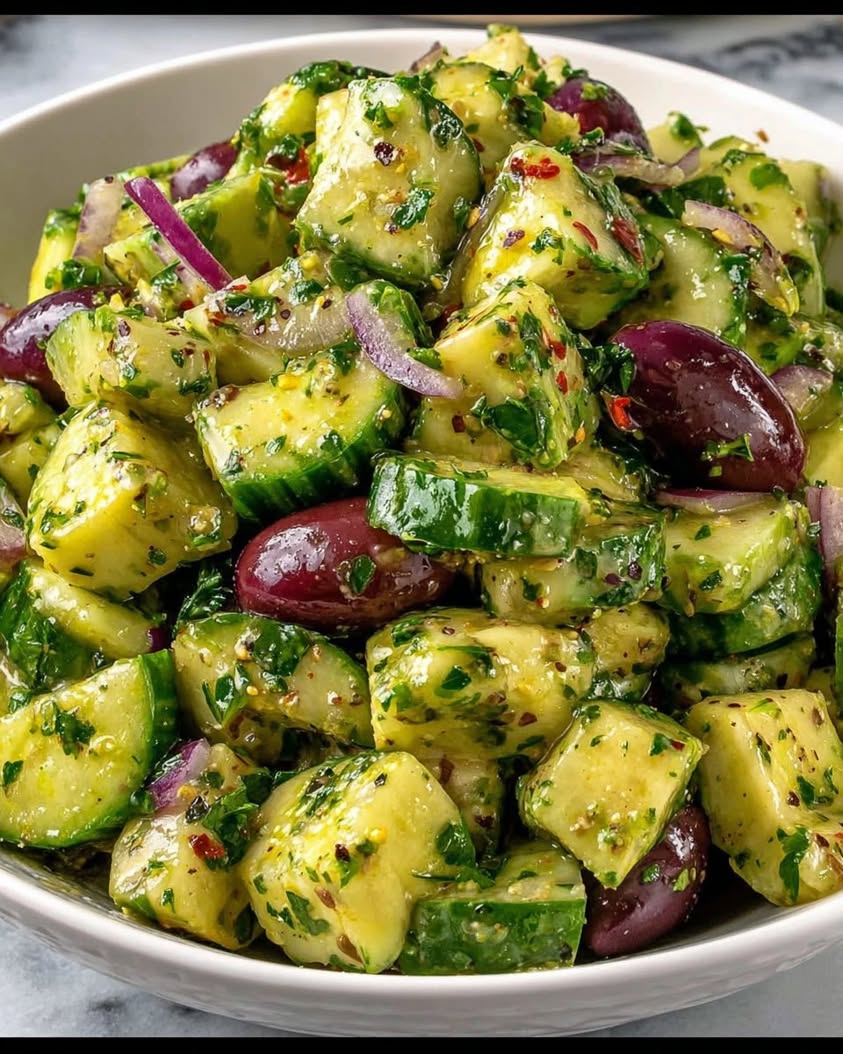
Creamy Avocado Cucumber Salad with Olives: A Refreshing Summer Dish
Imagine a dish that bursts with freshness and requires zero cooking. This creamy avocado cucumber salad with olives delivers exactly that experience. Moreover, it combines rich, buttery avocado with the crisp, watery snap of cucumber. The result is a textural masterpiece that feels both indulgent and incredibly light. Consequently, it has become a staple in my kitchen for quick lunches and impressive sides.
This particular creamy avocado cucumber salad with olives recipe shines with its simplicity and vibrant flavors. For instance, briny Kalamata olives and sharp red onion cut through the creamy base beautifully. Meanwhile, a simple dressing of lemon juice, olive oil, and herbs ties everything together. Ultimately, you get a healthy salad that is as beautiful on the plate as it is delicious. Therefore, it is perfect for anyone seeking a no-cook meal full of wholesome ingredients.
The beauty of this dish lies in its versatility. You can serve it as a standalone lunch, a vibrant side for grilled chicken or fish, or even as a dip with pita chips. Furthermore, it comes together in about fifteen minutes, making it an ideal solution for busy weeknights. In essence, this creamy avocado cucumber salad with olives is more than just a recipe; it is a reliable formula for fresh, satisfying eating all year round.
Quick Recipe Highlights
- Flavor Profile: This salad offers a brilliant balance. Creamy avocado provides a rich, buttery base, while cucumber adds a clean, refreshing note. Simultaneously, salty olives and sharp red onion introduce a savory, pungent kick that prevents the dish from feeling too heavy.
- Texture: The contrast in textures is a key highlight. You experience the lush, soft creaminess of mashed avocado against the satisfying, hydrating crunch of fresh cucumber. Additionally, the diced onion and whole olives provide further pops of texture that make every bite interesting.
- Aroma: Fresh herbs like dill or parsley release a bright, grassy scent when chopped. Meanwhile, the zest from fresh lemon juice adds a sharp, citrusy top note that awakens the senses before you even take a bite.
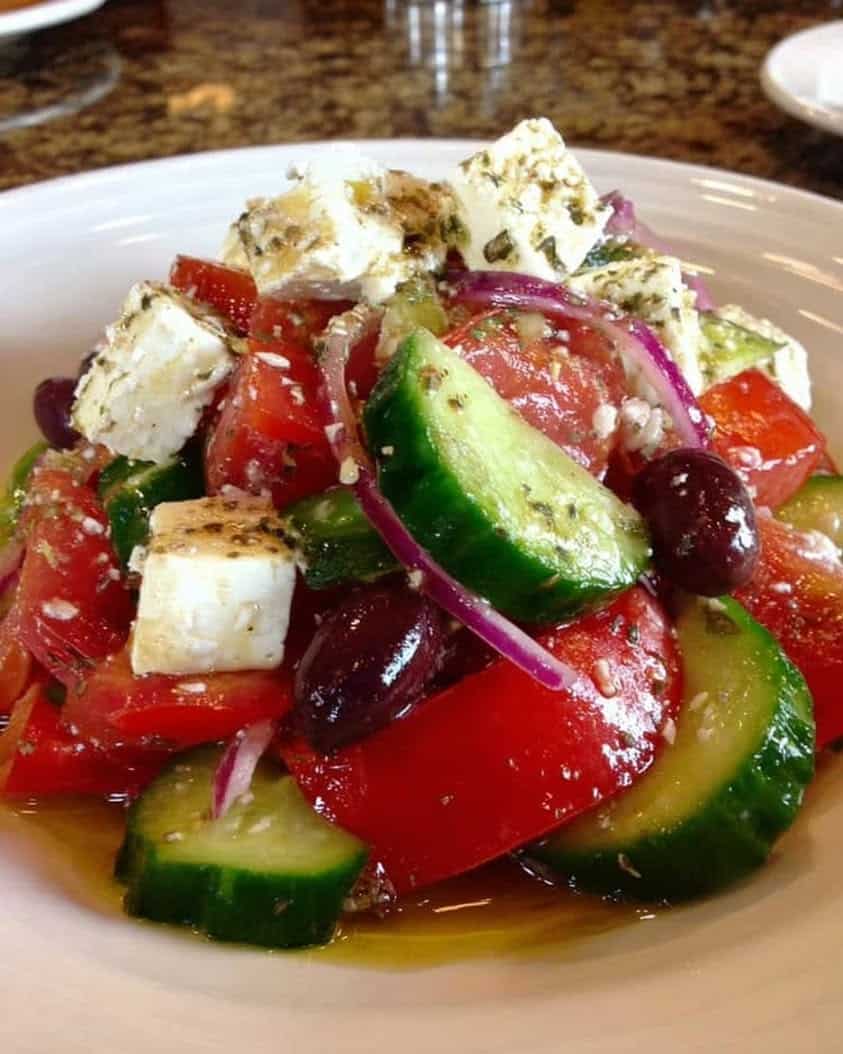
- Visual Appeal: The color palette is naturally stunning. Vibrant green avocado and cucumber mix with the deep purple of red onion and the black of Kalamata olives. Consequently, the salad looks incredibly fresh and appetizing on any table.
- Skill Level Needed: This is a beginner-friendly recipe requiring no specialized skills. Basically, you need the ability to chop vegetables and stir ingredients together. Therefore, it is an excellent starting point for new cooks or a stress-free dish for experienced ones.
- Special Equipment: No special tools are required. A good chef’s knife, a cutting board, a mixing bowl, and a fork for mashing are all you need. A citrus juicer can help, but squeezing lemon by hand works perfectly fine.
Recipe Overview
- Difficulty Level: We classify this creamy avocado cucumber salad with olives as “Easy” for clear reasons. Firstly, there is no cooking or complex techniques involved. Secondly, the ingredient list is short and forgiving. Finally, the assembly process is straightforward, involving simple chopping and mixing. Anyone can achieve great results on the first try.
- Category: This dish fits multiple categories beautifully. It functions perfectly as a light main course salad, especially for lunch. Alternatively, it serves as a fantastic cold side dish for barbecues and picnics. You can even treat it as a healthy, vegetable-based dip or spread.
- Cuisine: While not tied to one specific tradition, the flavors draw inspiration from Mediterranean and Californian cuisines. The use of olive oil, lemon, olives, and fresh herbs is classically Mediterranean. Meanwhile, the emphasis on fresh, raw avocado and quick preparation reflects a modern, health-conscious California style.
- Cost: This is a very cost-effective recipe. Avocados and cucumbers are typically affordable, especially in season. Olives, red onion, and lemons are pantry staples with a long shelf life. Overall, you can make a generous portion for four people for just a few dollars.
- Season: This salad is truly a year-round champion. However, it peaks in the summer when cucumbers are crispest and herbs are most abundant. It provides a cooling, hydrating effect on hot days. Conversely, its bright flavors can lift spirits during colder months.
- Occasion: Its versatility makes it suitable for countless occasions. It is quick enough for a casual weekday dinner yet elegant enough for a dinner party side. It travels well for potlucks and picnics. Furthermore, it is a stellar addition to any brunch or lunch spread.
Why You’ll Love This Recipe
First and foremost, the taste and texture combination is irresistibly satisfying. The creamy avocado cucumber salad with olives delivers a luxurious mouthfeel without any heavy dairy. Each forkful offers a cool crunch from the cucumber followed by the rich smoothness of avocado. The salty, briny pop from the olives and the gentle bite of red onion create layers of flavor that keep you coming back. Ultimately, it is a salad that feels decadent but is packed with whole-food ingredients, leaving you nourished and happy.
From a convenience standpoint, this recipe is a true lifesaver. Since there is zero cooking involved, you avoid heating up the kitchen, which is a major bonus in the summer. The prep is minimal, involving mostly chopping and simple mixing. You can literally go from fridge to table in fifteen minutes flat. This makes the creamy avocado cucumber salad with olives an ideal backup plan for busy nights or unexpected guests. It is the definition of fast, fresh, and fabulous.
Nutritionally, this dish is a powerhouse. Avocados contribute heart-healthy monounsaturated fats and nearly twenty vitamins and minerals. Cucumbers are incredibly hydrating and provide vitamin K. Olives offer antioxidants and anti-inflammatory compounds. Together, they create a meal that supports overall wellness. This creamy avocado cucumber salad with olives is a delicious way to incorporate more healthy fats and vegetables into your day. It is a guilt-free pleasure that truly fuels your body.
For entertaining, this salad is a social superstar. Its vibrant colors make it a beautiful centerpiece on a buffet table. The flavors are crowd-pleasing and familiar yet feel special. You can easily double or triple the recipe to feed a large group. Serving this creamy avocado cucumber salad with olives shows your guests you care about offering something fresh and homemade. It sparks conversation and often becomes the surprise hit of the meal.
Finally, its cost-effectiveness and accessibility are major wins. The ingredients are easy to find at any standard grocery store. You do not need expensive or exotic items. Even if avocado prices fluctuate, the rest of the salad remains very affordable. This creamy avocado cucumber salad with olives proves that eating well does not have to be complicated or expensive. It is an accessible recipe that delivers maximum flavor and nutrition with minimal investment.
Historical Background and Cultural Significance
The individual components of this salad have deep and ancient roots, though the combination is a modern innovation. Avocados originated in south-central Mexico over 10,000 years ago, cultivated by Mesoamerican peoples like the Maya and Aztec. They valued the fruit for its richness and believed it possessed aphrodisiac qualities. Conversely, cucumbers have a history tracing back to ancient India over 3,000 years ago, later spreading through Greece and Rome. Olives, of course, are synonymous with Mediterranean antiquity, symbolizing peace, wisdom, and prosperity. This dish is a beautiful fusion of these storied ingredients.
Culturally, the salad reflects a contemporary, global approach to eating. It borrows the Mediterranean principle of combining fresh vegetables with olive oil and lemon. Simultaneously, it celebrates the New World avocado, which has become a staple in modern health-conscious diets, particularly in places like California and Australia. The creamy avocado cucumber salad with olives does not belong to one specific tradition but rather to a modern culinary movement that prioritizes fresh, whole foods, vibrant colors, and simple preparation. It is a salad for our interconnected world.
The evolution of this recipe is tied to the rising popularity of the avocado in the late 20th and early 21st centuries. As avocados became more widely available globally, home cooks and chefs began experimenting beyond guacamole. The concept of using mashed avocado as a creamy salad base, eliminating the need for mayonnaise or dairy, gained traction. Pairing it with cucumber was a natural step for texture contrast. Adding olives and red onion provided the necessary savory and pungent notes to balance the fat. Thus, this creamy avocado cucumber salad with olives was born from culinary experimentation and a desire for healthier, fresher alternatives.
Regional variations are endless and encourage personalization. In the American Southwest, you might find additions like corn, black beans, or a sprinkle of chili powder. A Greek-inspired version could include cherry tomatoes, feta cheese, and oregano. In the Middle East, a sprinkle of sumac and some fresh mint would be delightful. Some versions keep the avocado in chunks rather than mashing it partially. Others add a pinch of cumin or smoked paprika. The basic framework of the creamy avocado cucumber salad with olives is wonderfully adaptable, inviting you to incorporate local flavors and personal preferences.
Ingredient Deep Dive
Avocado: This star ingredient is technically a berry! Cultivated for millennia, the avocado’s name comes from the Nahuatl word “āhuacatl.” Nutritionally, it is famous for its monounsaturated fats, which support heart health and nutrient absorption. A single avocado also provides nearly 20% of your daily fiber needs. For the best salad, choose avocados that yield slightly to gentle pressure near the stem. To speed ripening, place them in a paper bag with a banana. Store ripe avocados in the refrigerator to pause ripening. If you cannot find avocados, a ripe, mashed plantain or even edamame hummus can provide a different but pleasant creaminess.
English Cucumber: Often called “seedless” or “hothouse” cucumbers, this variety has a thinner skin and minimal seeds, making it ideal for salads without the need for peeling or seeding. They are over 95% water, making them incredibly hydrating and low in calories. Cucumbers contain antioxidants like flavonoids and tannins. Select firm cucumbers with a vibrant green color and no soft spots. Store them in the crisper drawer of your refrigerator. For a variation, Persian cucumbers work equally well. Standard garden cucumbers can be used if you peel them and scoop out the watery seed core to prevent a soggy salad.
Kalamata Olives: These distinctive almond-shaped olives hail from Greece and are cured in a brine of wine vinegar and olive oil, giving them a deep, fruity, and slightly winy flavor. They are a rich source of vitamin E, iron, and oleic acid. Look for olives sold in jars or at the deli counter, preferring those with pits for better flavor and texture. Store opened olives in their brine in the refrigerator. If you lack Kalamatas, other briny olives like Gaeta or Niçoise are good substitutes. In a pinch, capers can provide a similar salty, briny punch, though the flavor profile will shift.
Red Onion: The purple hue comes from anthocyanins, powerful antioxidants also found in berries. Red onions are typically milder and sweeter than yellow or white onions when used raw, especially if soaked briefly in cold water. They provide a crucial pungent note that cuts through the richness of the avocado. Choose onions that are firm with tight, shiny skin and no green sprouts. Store them in a cool, dark, well-ventilated place. Shallots or thinly sliced green onions (scallions) make excellent, even milder, substitutes. A quick soak in ice water for 10 minutes tames their bite if you find them too sharp.
Common Mistakes to Avoid
- Using Overripe or Underripe Avocados: An overripe avocado will turn brown and mushy too quickly, ruining the texture. An underripe one will be hard and lack creaminess. Aim for that perfect spot where the avocado yields gently to pressure. Test by removing the small stem nub; if it comes off easily and is green underneath, it is ready.
- Not Draining the Cucumber: English cucumbers have a high water content. If you do not drain the diced cucumber after salting it, you risk watering down the creamy avocado base and making the salad soupy. The salting step is crucial for crisp texture and concentrated flavor.
- Skipping the Acid: The lemon juice (or lime juice) is not just for flavor; it is essential for preventing the avocado from oxidizing and turning brown. Without enough acid, your beautiful green salad will start to look unappetizing within minutes. Always add the acid directly to the mashed avocado first.
- Over-Mashing the Avocado: The goal is a chunky-creamy texture, not a completely smooth puree. Leave plenty of small chunks of avocado for textural interest. Over-mashing can make the salad feel pasty rather than luxuriously creamy.
- Adding the Olives Whole: While leaving some olives whole is fine for presentation, halving or roughly chopping most of them ensures their briny flavor distributes more evenly throughout every bite. A whole olive can deliver an overwhelming salty punch in one mouthful.
- Forgetting to Season in Layers: Seasoning only at the end often leads to a bland salad. Season the avocado with salt and pepper as you mash it. Lightly salt the cucumbers as they drain. Finally, taste and adjust the seasoning once everything is combined.
- Using Dried Herbs Instead of Fresh: The bright, grassy notes of fresh dill or parsley are irreplaceable in this fresh salad. Dried herbs will taste dusty and lack the vibrant aroma that makes this dish so special. If you must substitute, use only a tiny fraction of the amount.
- Preparing It Too Far in Advance: This salad is best served within an hour or two of making it. While the acid helps, the avocado will still gradually oxidize, and the cucumbers will eventually lose their perfect crunch. Prepare your ingredients ahead but combine them just before serving.
Essential Techniques
Salting and Draining Cucumbers: This technique, called “maceration,” is vital for a non-watery salad. Salting the diced cucumber draws out excess moisture through osmosis. Consequently, the cucumber pieces become more concentrated in flavor and retain a firmer, crisper texture when mixed with the creamy avocado. To master it, simply toss the cucumber with a pinch of salt in a colander and let it sit for 5-10 minutes. Then, press gently with a paper towel to remove the released liquid. The common pitfall is skipping this step, leading to a diluted dressing. Success is visible when the cucumber remains crisp and the salad base stays thick.
Achieving the Perfect Chunky-Creamy Avocado Texture: The texture of the avocado base defines the salad. The goal is a rustic mash with plenty of small, identifiable chunks. Use a fork or a potato masher and stop when you have a heterogeneous consistency. Over-mashing with a food processor will create a smooth, baby-food-like paste that lacks character. This technique is important because it provides satisfying textural contrasts. Visual cues for success include seeing distinct pieces of avocado nestled in a creamy binding. Practice by starting with a slightly firmer avocado and using a gentle hand.
Balancing Acidity and Fat: This is the core flavor principle of the dish. The rich fat from the avocado and olive oil needs the bright, sharp contrast of citrus juice to balance it and prevent it from tasting heavy. The technique involves tasting and adjusting. After mixing the salad, let it sit for a minute, then taste. If it feels too rich or flat, add more lemon juice in small increments. The acid should lift the flavors without making the salad taste sour. Mastering this balance ensures a refreshing and moreish result every time.
Pro Tips for Perfect Creamy Avocado Cucumber Salad with Olives
For the ultimate flavor, use high-quality extra-virgin olive oil. Its fruity, peppery notes will shine through and complement the other ingredients beautifully.
Soak your thinly sliced red onion in ice water for 10 minutes before adding it to the salad. This simple step mellows its pungent bite while keeping its crisp texture and vibrant color.
If you need to prep ahead, store the diced, salted cucumber and the diced red onion separately in airtight containers in the fridge. Mash the avocado and combine everything at the last minute for the freshest result.
To easily halve and pit Kalamata olives, place them on a cutting board and press down firmly with the flat side of a chef’s knife. The flesh will split, allowing you to easily remove the pit.
For a flavor twist, substitute lime juice for the lemon juice and add a handful of chopped fresh cilantro instead of dill. This gives the salad a vibrant, Mexican-inspired profile.
Always taste your avocado for seasoning before adding other ingredients. This ensures the base of your salad is perfectly seasoned from the inside out.
If serving as a dip, present it in a hollowed-out bread bowl or with an array of raw vegetables and sturdy pita chips for scooping.
For a more substantial meal, top the finished salad with grilled shrimp, flaked salmon, or a can of drained and rinsed chickpeas to add protein.
Variations and Adaptations
Regional Variations: Take your creamy avocado cucumber salad with olives on a world tour. For a Greek twist, add crumbled feta cheese, cherry tomatoes, and dried oregano. A Mexican-inspired version could include corn, black beans, jalapeño, cilantro, and a pinch of cumin. In the Middle Eastern style, mix in some chopped mint, a sprinkle of sumac, and use pomegranate seeds for a jeweled finish.
Seasonal Adaptations: While perfect in summer, adapt it for other seasons. In fall, add roasted cubes of butternut squash and a drizzle of pumpkin seed oil. For winter, incorporate segments of citrus like blood orange or grapefruit. In spring, fresh peas, radishes, and microgreens make lovely additions that celebrate new growth.
Dietary Modifications: This salad is naturally gluten-free and vegetarian. To make it vegan, ensure no animal products are added (like feta in some variations). For a lower-carb or keto version, it is already ideal. To reduce fat slightly, you can use one avocado and add more cucumber, though this changes the creamy core of the dish.
Flavor Variations: Experiment with different acid sources like white wine vinegar or apple cider vinegar. Add minced garlic or a grated garlic clove for pungency. A teaspoon of Dijon mustard whisked into the dressing adds complexity. For heat, incorporate red pepper flakes or a dash of hot sauce.
Texture Modifications: For a chunkier salad, dice the avocado instead of mashing it. For a smoother, more dip-like consistency, use a food processor to blend the avocado with the lemon juice and olive oil until silky. Adding toasted pine nuts or sunflower seeds introduces a delightful crunch.
Presentation Alternatives: Serve it elegantly in individual lettuce cups or endive spears. For a party, pipe it onto cucumber rounds using a star tip. Alternatively, layer it in a clear glass trifle dish with the cucumbers and onions for a stunning, deconstructed presentation.
Serving and Presentation Guide
Plating Techniques: For a casual family meal, simply mound the creamy avocado cucumber salad with olives in a rustic serving bowl. For a more refined presentation, use a ring mold to create a neat, cylindrical tower on each plate. Alternatively, spread the salad in a thin layer on a large platter and artfully arrange the olive halves and herb sprigs on top.
Garnishing Ideas: A final drizzle of high-quality olive oil adds sheen. Fresh herb leaves like whole dill fronds, parsley, or chive blossoms add color and fragrance. A light dusting of smoked paprika, sumac, or freshly cracked black pepper provides visual contrast and a hint of extra flavor. Edible flowers make a stunning garnish for special occasions.
Traditional Accompaniments: This salad pairs classically with grilled proteins like chicken souvlaki, lamb chops, or simple white fish. It is also fantastic alongside other Mediterranean mezze like hummus, baba ganoush, and warm pita bread. For a light lunch, serve it with a hard-boiled egg or a slice of crusty, whole-grain bread.
Modern Serving Suggestions: Use it as a vibrant topping for grain bowls with quinoa or farro. Stuff it into a pita pocket with some spinach leaves for a portable lunch. Spoon it over a bed of mixed greens to turn it into a more substantial salad. It also makes an excellent, healthy alternative to mayonnaise on burgers or sandwiches.
Temperature Considerations: This salad is best served cold or at a cool room temperature. Avoid letting it sit in direct sunlight or in a warm room for extended periods, as the avocado will oxidize faster and the cucumbers may wilt. Chilling your serving bowl beforehand can help keep it cool longer.
Portion Control Tips: As a side dish, a generous ½ cup serving per person is perfect. As a main course, aim for 1 to 1½ cups. Remember that the healthy fats in avocado are satiating, so a little goes a long way. Serving it in smaller vessels, like ramekins or on small plates, can help with portion awareness.
Wine and Beverage Pairing
Wine Pairings: The creamy texture and bright acidity of this salad call for wines with good acidity and minimal oak. A crisp, herbaceous Sauvignon Blanc from New Zealand is a classic match, as its citrus notes echo the lemon juice. A dry Greek Assyrtiko or a Spanish Albariño, with their saline and mineral qualities, complement the briny olives beautifully. For a rosé, choose a dry Provençal style with its refreshing strawberry and citrus notes.
Non-Alcoholic Alternatives: Sparkling water with a squeeze of lemon or lime and a few cucumber slices is a refreshing and hydrating match. Iced herbal teas, like mint or lemon verbena, work wonderfully. For a more complex mocktail, try a ginger beer with a splash of lime juice; the spice plays nicely with the salad’s flavors.
Coffee/Tea Pairings: While not a typical pairing for this dish, if serving at a brunch, a light roast coffee with citrusy notes or a green tea like sencha could follow the meal nicely. Their clean, palate-cleansing qualities would work after the rich avocado.
Temperature Considerations: All beverages should be served well-chilled. The salad is cool and refreshing, so warm drinks would create an unpleasant contrast. Iced tea, cold wine, or sparkling water are the ideal temperature companions.
Serving Suggestions: For a dinner party, consider offering both a white wine and a sparkling water option. Present wines in chilled carafes or bottles in an ice bucket. For non-alcoholic options, a large pitcher of infused water with lemon and cucumber slices allows guests to help themselves elegantly.
Storage and Shelf Life
Storage Methods: Store any leftover creamy avocado cucumber salad with olives in an airtight container. Press a piece of plastic wrap directly onto the surface of the salad before sealing the lid. This minimizes the avocado’s exposure to air, which is the main cause of browning.
Temperature Requirements: Always refrigerate leftovers immediately. Do not leave the salad at room temperature for more than two hours. The ideal refrigerator temperature is at or below 40°F (4°C) to slow oxidation and bacterial growth.
Container Recommendations: A glass container with a tight-sealing lid is best. You can easily see the contents, and glass does not retain odors. If using plastic, ensure it is BPA-free and designed for food storage. Smaller containers are better than one large one if you have multiple portions, as you will expose less of the salad to air each time you serve it.
Signs of Spoilage: Discard the salad if you see excessive browning that penetrates deep below the surface, not just a thin top layer. Other signs include a sour or “off” smell, significant liquid separation, or a slimy texture on the avocado or cucumber. When in doubt, throw it out.
Reheating Instructions: This is a cold salad and should not be reheated. Serving it cold is part of its refreshing appeal. If it seems too cold straight from the fridge, let it sit on the counter for 5-10 minutes to take the chill off before serving.
Freezing Guidelines: Freezing is not recommended. The high water content in the cucumber will cause it to become mushy and watery upon thawing. The avocado will also undergo severe textural degradation, turning grainy and unappealing. This salad is best enjoyed fresh.
Make Ahead Strategies
Prep Timeline: You can prep almost all components up to a day in advance. The night before, dice the cucumber, salt it, drain it, and store it in a container. Dice the red onion and store it separately. Chop your fresh herbs and keep them wrapped in a damp paper towel in a bag. Juice your lemon. This leaves only mashing the avocado and combining everything on the day of serving.
Storage Between Steps: Keep the prepped cucumber and onion in separate airtight containers in the refrigerator. The lemon juice can be stored in a small jar. The whole avocado should be stored uncut at room temperature until ripe, then moved to the fridge if you need to hold it for a day before using.
Quality Impact Assessment: Prepping the vegetables ahead has minimal impact on quality; in fact, salting the cucumber ahead can improve its texture. The critical factor is the avocado. Mashing it more than an hour or two before serving will lead to oxidation and textural decline. Therefore, the final assembly should be your last step.
Assembly Tips: When ready to serve, mash the avocado in your serving bowl. Immediately mix in the lemon juice and seasonings. Then, fold in the pre-drained cucumber, onions, olives, and herbs. This sequential mixing ensures the avocado is protected by acid first and that the cucumbers don’t get soggy from sitting in the dressing too long.
Reheating Guidelines: Not applicable. Do not reheat.
Fresh Element Additions: If you prepped herbs ahead, give them a quick refresh by soaking them in ice water for a few minutes before chopping and adding. A final garnish of freshly cracked pepper or a last-minute drizzle of olive oil just before serving adds a perfect “just-made” touch.
Scaling Instructions
Halving the Recipe: Halving this creamy avocado cucumber salad with olives is straightforward. Use one medium avocado, half a large English cucumber, a quarter of a red onion, and adjust other ingredients proportionally. The technique and timing remain exactly the same. This is perfect for a solo lunch or a dinner for two.
Doubling or Tripling: For a crowd, doubling or tripling works well. Use a very large bowl for mixing. Be mindful when mashing the avocados; you may want to do them in batches to maintain a chunky texture. Taste diligently after mixing, as seasoning needs may not scale linearly—you might need slightly less salt per avocado when making a large batch.
Equipment Adjustments: When scaling up, a larger mixing bowl is essential. For mashing many avocados, a potato masher might be more efficient than a fork. Consider using multiple serving platters or bowls instead of one enormous one for better presentation and to keep portions cool.
Timing Modifications: Prep time will increase linearly with the quantity. Chopping more vegetables takes more time. The salting and draining time for the cucumber remains the same (5-10 minutes) regardless of quantity, as it’s about the process, not the volume.
Storage Considerations: A large batch of salad will oxidize at the same rate as a small one. Therefore, it is even more crucial to serve it soon after assembly. If making for a party, consider mixing the base (avocado, lemon, oil) and keeping the chopped veggies separate, then combining them just as guests arrive.
Nutritional Deep Dive
Macro Breakdown: A serving of this creamy avocado cucumber salad with olives is rich in healthy fats from the avocado and olive oil, making it a satiating choice. The cucumbers and onions contribute minimal carbohydrates, which are primarily fiber. Protein content is low, so consider adding a protein source if having it as a main. The overall calorie count is moderate, driven by the nutrient-dense fats.
Micronutrient Analysis: This salad is a micronutrient powerhouse. Avocados provide vitamin K, folate, vitamin C, potassium, and vitamin E. Cucumbers offer vitamin K and potassium. Red onions contribute vitamin C and the antioxidant quercetin. Olives add vitamin E and iron. Together, they support heart health, skin health, immune function, and reduce inflammation.
Health Benefits: The monounsaturated fats support healthy cholesterol levels. The high fiber content promotes digestive health and steady blood sugar levels. The antioxidants from all the vegetables combat oxidative stress. The hydration from the cucumber supports skin and kidney function. It is an anti-inflammatory, heart-healthy dish.
Dietary Considerations: Naturally gluten-free, grain-free, and vegetarian. It can easily be made vegan and is suitable for paleo and whole30 diets. For low-FODMAP diets, the onion and potentially the avocado (in large amounts) may need to be modified or omitted.
Portion Analysis: A standard serving (about 1 cup) provides a satisfying amount of food due to its fat and fiber content, which promote fullness. This helps with natural portion control. It is energy-dense from healthy fats, so while nutritious, those closely monitoring calorie intake should be mindful of serving size.
Weight Management Tips: This salad is an excellent addition to a weight management plan. The healthy fats and fiber help control hunger and prevent overeating later. To reduce calories slightly, you can increase the cucumber ratio to avocado. Avoid pairing it with high-carb, low-fiber sides; instead, combine it with lean protein.
Dietary Adaptations
Gluten-free: This recipe is naturally gluten-free as it contains no grains, bread, or soy sauce. Always check labels on pre-packaged olives to ensure no gluten-containing additives were used in the brine. It is a safe and delicious option for those with celiac disease or gluten sensitivity.
Dairy-free: The basic recipe contains no dairy. Be cautious with variations that add cheese, like feta. Simply omit the cheese or use a reputable vegan feta alternative made from almonds or tofu to keep the salad dairy-free while maintaining a similar flavor profile.
Vegan: The core recipe is vegan. Ensure all added ingredients align. For example, if using a store-bought vegetable broth powder for extra seasoning, check that it is vegan. The salad gets its creaminess from avocado, making it a perfect vegan alternative to mayonnaise-based salads.
Low-carb/Keto: This salad is an ideal fit for low-carb and ketogenic diets. Avocado and olive oil provide excellent healthy fats. Cucumbers and onions are low in net carbs. To make it strictly keto, just ensure you account for the carbs from the onion and cucumber within your daily macro limits.
Paleo: The recipe is paleo-friendly, consisting of whole, unprocessed foods. Use a high-quality olive oil and ensure your olives are cured without non-paleo additives like refined sugar or unnatural preservatives. It is a great way to include healthy fats and vegetables in a paleo meal plan.
Low-FODMAP: Onion and avocado (in servings over 1/8 of a whole) are high in FODMAPs. To adapt, replace the red onion with the green tops of scallions (green parts only). Use a smaller portion of avocado (e.g., 1/4 avocado per serving) and bulk up the salad with more low-FODMAP veggies like bell peppers.
Troubleshooting Guide
Texture Issues (Too Watery): This is almost always due to insufficiently draining the cucumber. Solution: Next time, salt the diced cucumber generously and let it drain in a colander for at least 10 minutes, then press with a towel. For the current batch, you can try draining the excess liquid from the bowl or serving it with a slotted spoon.
Flavor Balance (Too Bland): The salad likely needs more salt and acid. Solution: Add an extra squeeze of lemon juice and a pinch of salt, then mix and taste. Often, the fat from the avocado can mute seasonings, so be bold. A crack of fresh black pepper can also wake up the flavors.
Temperature Problems (Avocado Browned Too Fast): This happens with insufficient acid or exposure to air. Solution: Always mix lemon juice into the mashed avocado immediately. For serving, press plastic wrap on the surface. If it’s only surface browning, you can skim it off; the underneath is usually still fine.
Equipment Challenges (Avocado Not Mashing Well): If your avocado is too firm, it’s underripe. Solution: Unfortunately, you cannot fix this once cut. Try chopping it very finely instead of mashing. For future reference, plan your ripening time better. A ripe avocado should mash easily with a fork.
Creamy Avocado Cucumber Olive Salad
- Total Time: 15 minutes
- Yield: 4
Description
A refreshing and creamy salad featuring ripe avocados, crisp cucumbers, and briny olives, tossed in a zesty lime dressing.
Ingredients
- 2 ripe avocados, diced
- 1 large cucumber, sliced
- 1/2 cup pitted Kalamata olives, halved
- 1/4 cup red onion, thinly sliced
- 1/4 cup fresh cilantro, chopped
- 2 tablespoons olive oil
- Juice of 1 lime
- Salt and black pepper to taste
Instructions
- In a large bowl, combine the diced avocados, sliced cucumber, halved olives, red onion, and chopped cilantro.
- In a small bowl, whisk together the olive oil, lime juice, salt, and black pepper until well combined.
- Pour the dressing over the salad ingredients and gently toss to coat everything evenly, being careful not to mash the avocados.
- Serve immediately or chill in the refrigerator for 15 minutes to allow flavors to meld.
Notes
You can customize the seasonings to taste.
- Prep Time: 15 minutes
- Cook Time: 0 minutes
- Method: Side
- Cuisine: Mediterranean