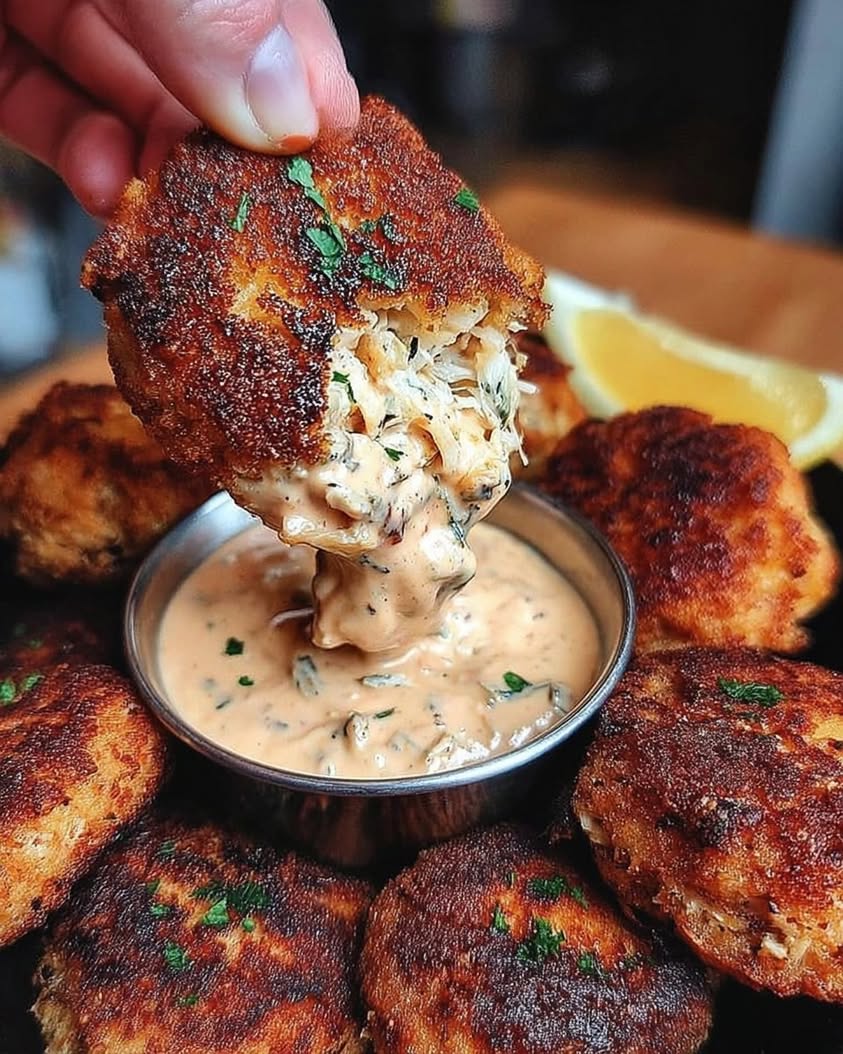
Easy Crab Cakes with Zesty Remoulade Sauce: A Restaurant-Quality Appetizer at Home
Imagine biting into a perfectly crisp, golden-brown crab cake where the first taste is sweet, succulent crab meat, not a mouthful of filler. This recipe for easy crab cakes with zesty remoulade sauce delivers exactly that restaurant-quality experience in your own kitchen. Moreover, it demystifies the process, showing you how simple ingredients and a few key techniques create an impressive appetizer or main course. Consequently, you can serve a dish that feels luxurious without spending hours in the kitchen or a fortune on ingredients.
The magic of this dish lies in its beautiful balance. The crab cakes themselves are tender and packed with flavor, featuring a blend of fresh herbs and a hint of spice. Meanwhile, the creamy, tangy remoulade sauce provides a cool, flavorful counterpoint that elevates every single bite. Ultimately, this combination creates a memorable eating experience perfect for a special dinner, a summer gathering, or simply treating yourself to something delicious. Therefore, let’s dive into how you can master this classic seafood favorite.
Quick Recipe Highlights
- Flavor Profile: These crab cakes boast a savory, briny sweetness from premium crab meat, perfectly complemented by the bright, tangy, and slightly spicy notes of the homemade remoulade sauce. The seasoning blend enhances the natural seafood flavor without overpowering it.
- Texture: Expect a delightful contrast between the crispy, golden-brown panko crust and the tender, flaky interior of the crab cake. The remoulade sauce adds a smooth, creamy element that coats the palate beautifully.
- Aroma: As the cakes cook, they release an irresistible fragrance of sweet crab, toasted breadcrumbs, and aromatic herbs like parsley and Old Bay seasoning. The sauce contributes a fresh, zesty aroma from lemon and capers.
- Visual Appeal: The finished dish is a feast for the eyes with golden-brown patties garnished with fresh herbs, served alongside a creamy white sauce often speckled with green herbs and capers. It’s an elegant presentation that promises great taste.
- Skill Level Needed: This is an accessible recipe for most home cooks. The process involves simple mixing, shaping, and pan-frying. No advanced techniques are required, making it a fantastic project for building kitchen confidence.
- Special Equipment: You only need basic kitchen tools: a mixing bowl, a skillet (preferably non-stick or cast iron), and a spatula. A food processor can help make the remoulade sauce extra smooth, but a bowl and whisk work perfectly.
Recipe Overview
- Difficulty Level: We rate this recipe as “Easy” because it uses straightforward techniques like mixing and pan-frying. The ingredient list is simple, and the steps are logical and sequential. Importantly, the recipe is forgiving; a slightly uneven shape or a less-than-perfect sear still yields a delicious result. Consequently, both beginners and experienced cooks can achieve success.
- Category: This dish is incredibly versatile. It functions brilliantly as an impressive appetizer for a dinner party, a light lunch served over a salad, or a satisfying main course with sides. Its flexibility makes it a valuable addition to your culinary repertoire for any meal occasion.
- Cuisine: Crab cakes are a celebrated part of American coastal cuisine, particularly associated with the Chesapeake Bay region and the Mid-Atlantic states. The remoulade sauce, however, has French and Creole roots, creating a beautiful fusion of culinary traditions that highlights the star ingredient: fresh crab.
- Cost: The primary cost driver is the crab meat. Using high-quality lump or jumbo lump crab meat will increase the price but significantly improves flavor and texture. Alternatively, claw meat offers a more budget-friendly option that is still delicious. The remaining ingredients are pantry staples, making the overall cost manageable for a special meal.
- Season: While you can make crab cakes year-round, they feel particularly perfect for spring and summer. They pair wonderfully with fresh, seasonal sides like corn salad, coleslaw, or grilled vegetables. Furthermore, their lighter nature makes them ideal for warmer weather entertaining.
- Occasion: This recipe shines for special occasions like date nights, anniversary dinners, or holiday appetizers (think Mother’s Day or Father’s Day). Simultaneously, it’s easy enough for a fancy Friday night dinner at home. It’s a crowd-pleaser that always feels celebratory.
Why You’ll Love This Recipe
First and foremost, the taste and texture are simply unbeatable. Each bite delivers the pure, sweet flavor of crab, enhanced by subtle seasoning and a fantastic crispy exterior. The homemade remoulade sauce, bursting with tangy, creamy, and herbal notes, ties everything together. Unlike many restaurant versions laden with breading, this recipe lets the crab be the star. Therefore, you experience a superior product that feels gourmet and satisfying.
Next, consider the convenience and preparation benefits. From start to finish, you can have these elegant crab cakes on the table in about thirty minutes. The ingredient list is straightforward, and the steps are simple to follow. Additionally, much of the prep can be done ahead of time. You can mix the crab cake base and prepare the sauce hours in advance, then simply shape and cook when ready to serve. This makes entertaining stress-free.
From a nutritional standpoint, crab meat is a fantastic source of high-quality, lean protein. It’s also rich in essential nutrients like vitamin B12, selenium, and zinc. When prepared with minimal filler and pan-fried (not deep-fried) in a moderate amount of oil, these crab cakes are a healthier alternative to many fried appetizers. You’re enjoying a meal that is both indulgent and nourishing.
The social and entertaining value of this dish is immense. Serving homemade crab cakes instantly elevates any gathering. They are universally loved and have a special-occasion aura. Presenting them on a platter with the sauce for dipping encourages sharing and conversation. Ultimately, they are a guaranteed way to impress your guests and make any meal feel like a celebration.
Finally, this recipe is cost-effective and accessible. While premium crab meat is an investment, making crab cakes at home is significantly cheaper than ordering them at a seafood restaurant. You control the quality of every ingredient. Furthermore, the recipe is adaptable; you can use different grades of crab meat based on your budget. This approach allows you to enjoy a luxury food experience without the luxury price tag.
Historical Background and Cultural Significance
The origin story of crab cakes is deeply intertwined with the culinary history of the Chesapeake Bay region. Native American tribes like the Powhatan were harvesting blue crabs long before European settlers arrived. Early English colonists adopted these practices, creating simple dishes of minced crab meat mixed with crumbs and spices. These humble beginnings evolved into the beloved crab cake we know today, a testament to the region’s abundant natural resources.
Culturally, crab cakes hold immense importance as a symbol of Mid-Atlantic identity, particularly in Maryland. They are a point of local pride, with fierce debates over the “proper” way to prepare them—minimal filler, specific seasonings (always Old Bay), and the preferred cooking method. Crab feasts are a social tradition, and the crab cake represents a way of life connected to the water, the seasons, and community gathering.
The evolution of the recipe mirrors changes in American foodways. Initially a practical way to use leftover crab and scraps, it transformed into a delicacy as transportation improved and demand grew. The introduction of commercial mayonnaise and prepared breadcrumbs in the 20th century simplified home preparation. Meanwhile, the remoulade sauce, with its French origins via New Orleans, became a popular accompaniment, adding a creamy, complex layer that now feels essential to many.
Regional variations abound across the United States. Maryland-style cakes are known for their simplicity, focusing on the crab. Conversely, some Southern versions might include bell pepper or a touch of heat. In the Gulf Coast, you might find a Cajun-inspired twist. These variations highlight local ingredients and tastes, demonstrating how a single concept can adapt and thrive in different culinary landscapes while maintaining its core appeal.
Ingredient Deep Dive
Lump Crab Meat: This is the star. Lump crab meat comes from the body of the blue crab and consists of large, tender pieces. Culturally, it’s the gold standard for Chesapeake Bay cuisine. Nutritionally, it’s low in fat and high in protein, vitamin B12, and phosphorus. When selecting, look for pasteurized cans or containers from the refrigerated section, checking for a sweet, ocean-fresh smell. Store it in the coldest part of your fridge and use it by the sell-by date. For a budget option, claw meat is a flavorful substitute, though the texture will be smaller and more shredded.
Panko Breadcrumbs: These Japanese-style breadcrumbs are essential for the perfect crispy coating. They are made from crustless white bread, resulting in a lighter, flakier, and crispier texture than traditional fine breadcrumbs. They absorb less oil, keeping the crab cakes from becoming greasy. You can find them in the Asian aisle or breadcrumb section of any grocery store. For a gluten-free version, use gluten-free panko. Store an opened package in a sealed container in your pantry to maintain crispness.
Mayonnaise (for binding and sauce): In the crab cake mixture, mayonnaise acts as a primary binder, adding moisture and richness without making the cakes heavy. For the remoulade, it’s the creamy base. Full-fat mayonnaise provides the best flavor and texture. From a cultural standpoint, its use in remoulade is a French culinary technique adapted into American cooking. For a dairy-free version, ensure your mayo is egg-based or use a vegan alternative. Store-bought is perfectly fine, but homemade elevates the sauce dramatically.
Old Bay Seasoning: This iconic blend is synonymous with Chesapeake Bay seafood. Created in Baltimore, it typically contains celery salt, paprika, black pepper, and other spices. It provides the signature flavor profile that defines a classic crab cake for many people. It’s a pantry staple that lasts for years. If you don’t have it, you can make a substitute with paprika, celery salt, pepper, and a pinch of cayenne, though the exact flavor is unique.
Dijon Mustard & Capers (for Remoulade): Dijon mustard adds a sharp, tangy depth to the remoulade sauce, while capers provide a briny, salty pop. Capers are the pickled flower buds of a Mediterranean plant and have been used in cooking for millennia. They are low in calories and add a burst of flavor. Rinse them lightly if you prefer less saltiness. Together, these ingredients create the complex, piquant character that makes remoulade the perfect partner for rich, sweet crab.
Common Mistakes to Avoid
- Overmixing the Crab Cake Base: Gently fold the ingredients together until just combined. Overmixing breaks down the delicate lump crab meat into a mushy paste, destroying the prized texture. Use a light hand to maintain those beautiful chunks.
- Using Too Much Filler: The purpose of breadcrumbs and binder is to hold the cakes together, not to dominate. An excess of filler results in a dense, bready cake that tastes more like a bread patty than crab. Follow the ratios in the recipe for the perfect balance.
- Skipping the Chilling Step: After shaping, chilling the crab cakes in the refrigerator for at least 30 minutes is non-negotiable. This step firms them up, preventing them from falling apart in the pan. It allows the breadcrumbs to absorb moisture, creating a cohesive mixture.
- Crowding the Pan: When pan-frying, give each crab cake plenty of space. Crowding the pan lowers the oil temperature, causing the cakes to steam instead of sear. Consequently, you get soggy, greasy cakes instead of a crisp, golden crust. Cook in batches if necessary.
- Flipping Too Often: Patience is key. Let the first side develop a deep golden-brown crust before you even think about flipping. This usually takes 3-4 minutes over medium heat. Flipping too early or too often will cause the cakes to break apart.
- Using a Blender for the Remoulade: For the best texture, whisk the remoulade sauce by hand or pulse very briefly in a food processor. Over-processing can make the sauce thin and runny. You want a creamy, slightly chunky consistency with visible bits of herb and caper.
- Not Tasting for Seasoning: Before you shape the final cakes, cook a tiny spoonful of the mixture in a skillet to test for seasoning. Crab meat salinity can vary, so this “test cake” allows you to adjust salt, pepper, or Old Bay before committing to the whole batch.
- Using Wet Crab Meat: Always drain your crab meat thoroughly and gently pat it dry with paper towels. Excess liquid will make the mixture too wet, requiring more filler to bind it, which again leads to dense cakes. Dry crab is essential for proper binding.
Essential Techniques
Gently Folding Ingredients: This technique is crucial for preserving the texture of lump crab meat. Use a rubber spatula or your hands to lightly combine the crab with the mayo, seasonings, and just enough breadcrumbs to bind. Imagine you are carefully turning the mixture over itself, not stirring or mashing. The goal is a cohesive but loose mixture where you can still see distinct pieces of crab. Overworking is the enemy of a tender crab cake.
Proper Pan-Frying for a Crisp Crust: Achieving a perfect sear requires the right pan, temperature, and oil. Use a heavy-bottomed skillet (cast iron or stainless steel are ideal) and heat a thin layer of neutral oil (like canola or vegetable) over medium heat until it shimmers. The oil should be hot enough that the cake sizzles upon contact but not so hot that the outside burns before the inside heats through. This medium heat allows for a deep golden-brown crust to form while gently cooking the interior.
Making an Emulsified Sauce (Remoulade): Remoulade is a form of cold emulsion, where ingredients that don’t normally mix (like oil in mayonnaise and acidic lemon juice) are combined into a stable, creamy sauce. The key is to start with your base (mayonnaise) and gradually incorporate the wet ingredients (lemon juice, hot sauce) while whisking constantly. Adding everything at once can cause the sauce to “break” or separate. Whisking vigorously encourages the tiny droplets of liquid to suspend evenly throughout the mayo base.
Pro Tips for Perfect Crab Cakes
First, for the crispiest exterior, lightly toast your panko breadcrumbs in a dry skillet before adding them to the crab mixture. This extra step removes moisture and deepens their flavor, resulting in an even more fantastic crunch after frying.
Second, when shaping the cakes, use a light touch. Form them gently into patties about 3/4-inch thick. Compacting them too firmly will make them dense. A loosely formed cake will be tender and flaky inside.
Third, use an ice cream scoop or a measuring cup to portion the mixture evenly. This ensures all your crab cakes are the same size, which means they will cook at the same rate and look professional on the plate.
Fourth, if your mixture feels too wet after chilling, you can add a small sprinkle of extra panko. Conversely, if it seems dry, add a teaspoon of extra mayonnaise. The mixture should hold together when gently pressed.
Fifth, keep your cooked crab cakes warm in a 200°F oven on a wire rack set over a baking sheet. This prevents the bottom from getting soggy while you finish cooking subsequent batches.
Finally, for a beautiful presentation, serve the remoulade sauce in a small bowl on the side or drizzle it artistically around the plate. Garnish with a lemon wedge and a sprig of fresh parsley or a sprinkle of paprika.
Variations and Adaptations
Regional Variations: Explore different American styles. For a Louisiana twist, add a teaspoon of Cajun seasoning to the crab mix and use a Creole remoulade with pickle relish and hot sauce. For a New England version, incorporate some finely chopped clams or use a lighter, lemon-herb binder instead of heavy mayo.
Seasonal Adaptations: In the summer, serve mini crab cake sliders on brioche buns with sliced tomato and lettuce. For a fall appetizer, top the crab cakes with a spoonful of apple-fennel slaw. In winter, pair them with a rich, creamy soup instead of a light salad.
Dietary Modifications: For gluten-free crab cakes, use gluten-free panko breadcrumbs and ensure your Old Bay and other seasonings are certified GF. For a dairy-free version, the recipe is naturally dairy-free as written—just confirm your mayonnaise brand aligns with your dietary needs (many are egg-based but dairy-free).
Flavor Variations: Infuse different flavors by adding 1/4 cup of finely chopped roasted red peppers, a tablespoon of prepared horseradish for a kick, or a pinch of saffron threads soaked in warm water for a luxurious touch. You can also swap the parsley for fresh dill or chives.
Texture Modifications: For an extra-crispy cake, double-coat them: first shape the patty, then dip it in beaten egg, then coat it in a separate bowl of panko before chilling and frying. For a softer, more delicate cake, use fresh breadcrumbs from a soft white loaf instead of dry panko.
Presentation Alternatives: Instead of traditional patties, make crab cake “poppers” by forming the mixture into small balls and frying them for a bite-sized appetizer. Alternatively, bake the mixture in a greased muffin tin for uniform “crab cake muffins” that are great for a crowd.
Serving and Presentation Guide
Plating is key to making this dish look restaurant-worthy. Start with a warm plate. Place a small pool of remoulade sauce slightly off-center. Then, carefully set one or two crab cakes atop or beside the sauce, leaning them slightly against each other for height. This creates visual interest and makes the sauce easily accessible.
Garnishing adds the final touch of freshness and color. A lemon wedge is essential for a bright squeeze of acidity. A sprinkle of finely chopped fresh parsley, chives, or a light dusting of paprika or Old Bay adds a pop of color. For a more elaborate garnish, consider a small tuft of microgreens or a single whole caper placed on top of each cake.
Traditional accompaniments keep the focus on the crab. A simple green salad with a lemon vinaigrette, classic coleslaw, or roasted corn salad are perfect sides. For a main course, consider creamy grits, roasted asparagus, or garlicky sautéed spinach. These sides complement without competing with the star of the plate.
Modern serving suggestions can refresh the classic. Try serving mini crab cakes as sliders on brioche buns. Alternatively, deconstruct the dish by flaking a crab cake over a bowl of she-crab soup or a Caesar salad. You can also serve them as part of a seafood tower with shrimp cocktail and oysters.
Temperature considerations are critical. Crab cakes are best served hot and fresh from the pan, with the remoulade sauce cold or at room temperature. The contrast between the hot, crispy cake and the cool, creamy sauce is part of the magic. Ensure your plates are warmed to keep the cakes hot longer.
Portion control is simple. As an appetizer, plan for one larger cake or two smaller cakes per person. For a main course, two substantial cakes are usually sufficient, especially when paired with sides. Remember, crab is rich, so portions don’t need to be huge to feel satisfying and special.
Wine and Beverage Pairing
Wine pairings should complement the sweet crab and tangy sauce without overpowering them. A crisp, high-acid white wine is ideal. A classic Chablis or other unoaked Chardonnay from Burgundy offers clean minerality. Alternatively, a Sauvignon Blanc from New Zealand or Sancerre provides zesty citrus notes that mirror the lemon in the remoulade. For a richer option, a sparkling wine like Champagne or Crémant cuts through the richness beautifully.
Non-alcoholic alternatives can be just as sophisticated. A tart lemonade or limeade echoes the citrus elements. Sparkling water with a twist of lemon or a few muddled cucumber slices offers a refreshing palate cleanser. For something more complex, try a virgin Bloody Mary or a ginger beer with a squeeze of lime, as the spice and acidity pair wonderfully with the Old Bay seasoning.
Coffee and tea are not typical pairings for this dish, but if serving at brunch, a light roast coffee or an herbal iced tea (like mint or lemon verbena) could work. Generally, however, the bright, acidic profile of white wine or citrus-based non-alcoholic drinks is the most harmonious choice to balance the meal’s flavors.
Temperature is paramount for beverages. White wines and sparkling wines should be served well-chilled, between 45-50°F. Non-alcoholic sparkling drinks should also be ice-cold. This chill provides a refreshing contrast to the warm, fried crab cakes and enhances the crisp, clean flavors of the drinks themselves.
Serving suggestions include offering a choice of pairings to guests. You can also set up a small beverage station with a bottle of chilled white wine, a pitcher of artisan lemonade, and a carafe of sparkling water with citrus slices. This allows everyone to choose their perfect match and adds an interactive element to your meal.
Storage and Shelf Life
Proper storage methods are essential for food safety and quality. Cooked crab cakes should be cooled completely on a wire rack (to prevent sogginess) before storage. Place them in a single layer in an airtight container, separated by parchment paper if stacking is necessary. Store them in the refrigerator for up to 2 days.
Temperature requirements are strict. Both cooked and uncooked crab mixtures must be kept refrigerated at 40°F or below. Never leave the crab mixture or cooked cakes at room temperature for more than two hours, as seafood is highly perishable. Always err on the side of caution with seafood storage.
Container recommendations include shallow airtight containers for the refrigerator. For freezing, use a heavy-duty freezer bag with all the air pressed out or vacuum-seal them. Glass containers also work well for the fridge but ensure they are sealed tightly to prevent odor transfer.
Signs of spoilage are important to recognize. Discard any crab cakes that have developed an off or sour smell, a slimy texture on the surface, or any visible mold. If you are unsure, it is always safer to throw it out. Seafood-related illness is not worth the risk.
Reheating instructions aim to restore crispness. The best method is to reheat in a 375°F oven on a wire rack set over a baking sheet for about 10-15 minutes, or until heated through. You can also re-crisp them in an air fryer for 5-7 minutes. Avoid the microwave, as it will make them soggy.
Freezing guidelines allow for longer storage. Freeze uncooked, shaped patties on a parchment-lined baking sheet until solid, then transfer to a freezer bag. They can be cooked directly from frozen, adding a few minutes to the cooking time. Cooked crab cakes can also be frozen but may lose a bit of texture upon reheating.
Make Ahead Strategies
A prep timeline makes entertaining effortless. You can prepare the remoulade sauce up to 3 days in advance; its flavors often improve as they meld. The crab cake mixture can be assembled (without the final panko coating) 1 day ahead and stored covered in the refrigerator. Shape and coat the cakes just before chilling and cooking for the freshest result.
Storage between steps is simple. Keep the mixed crab base in a bowl tightly covered with plastic wrap pressed directly onto the surface to prevent oxidation. Store the remoulade in a separate sealed container. Keep both on the bottom shelf of your refrigerator, which is the coldest part.
Quality impact assessment is positive for make-ahead. Chilling the mixture actually improves binding and flavor development. The remoulade sauce definitely benefits from resting. The only potential downside is that the crab itself can lose a tiny bit of its delicate sweetness if mixed with acidic ingredients (like lemon juice in the sauce) too far in advance, so add those to the sauce, not the crab mix, if prepping days ahead.
Assembly tips for the day-of are straightforward. When ready to cook, take the chilled crab mixture from the fridge, gently form into patties, and coat in the reserved panko. Let them chill again for at least 15-20 minutes to firm up. This second chill ensures they hold their shape perfectly in the hot oil.
Reheating guidelines for pre-cooked cakes follow the oven method mentioned earlier. If you’ve pre-cooked them for a party, reheat in a single layer on a rack in a 350°F oven until hot. This keeps them crisp. Avoid holding them in a warm oven for more than 30 minutes, as they will dry out.
Fresh element additions should be done last. If your make-ahead remoulade sauce contains delicate herbs like parsley, you might stir in an extra fresh sprinkle just before serving to brighten its appearance and flavor. Likewise, garnish the finished hot cakes with fresh herbs, not before reheating.
Scaling Instructions
Halving the recipe is simple for a smaller meal. Precisely divide all ingredients by two. The cooking process remains identical, though you will use a smaller skillet. The chilling time may be slightly less critical but is still recommended. This is perfect for a romantic dinner for two.
Doubling or tripling the recipe for a crowd requires a bit more planning. Use a very large bowl for mixing and consider mixing in batches to avoid overworking. You will need to cook in multiple batches to avoid crowding the pan; keep finished cakes warm in a low oven. Ensure your refrigerator has space for multiple baking sheets of shaped cakes to chill.
Equipment adjustments are necessary when scaling up. You may need two large skillets going simultaneously to manage volume. Use multiple baking sheets for chilling. A large ice cream scoop becomes invaluable for portioning dozens of cakes evenly and quickly.
Timing modifications are minimal for scaling. The individual cook time per batch does not change. However, the total active cooking time will increase linearly with the number of batches. Factor this into your party timeline, and don’t try to cook more than one or two batches at once, as managing multiple pans can lead to burning.
Storage considerations become more important for large batches. If making a huge quantity, you may need to freeze some of the uncooked, shaped patties. Label them clearly with the date. For a big event, cooking in stages and holding in a warm oven is acceptable, but for peak quality, cook in smaller, successive batches to serve throughout the event.
Nutritional Deep Dive
A macro breakdown for one crab cake (without sauce) typically shows a balance of high-quality protein from the crab, moderate carbohydrates from the panko binder, and fats from the mayonnaise and cooking oil. Crab is exceptionally lean, making these cakes a protein-forward choice. The remoulade sauce adds additional fats (from mayo) but in a controlled amount when used as a condiment.
Micronutrient analysis reveals crab meat as a powerhouse. It is an excellent source of Vitamin B12, crucial for nerve function and energy production. It also provides significant selenium (a powerful antioxidant), zinc (for immune support), and copper. These nutrients support overall metabolic health and cellular function.
Health benefits extend beyond basic nutrition. The omega-3 fatty acids in crab, though not as high as in fatty fish, still contribute to heart and brain health. The high protein and low carbohydrate profile can aid in satiety and blood sugar management. Choosing to pan-fry in a measured amount of oil controls unhealthy fat intake compared to deep-frying.
Dietary considerations are favorable. The recipe is naturally gluten-free with a simple swap and is dairy-free as written. It is low in sugar and can fit into many balanced eating plans. Those on sodium-restricted diets should be mindful of the Old Bay seasoning and capers, potentially using low-sodium versions or reducing quantities.
Portion analysis shows that one to two crab cakes provide a satisfying serving of protein without excessive calories, especially when paired with vegetable-based sides like a large salad. This makes it a meal that can align with weight management goals when consumed as part of a balanced plate.
Weight management tips include being mindful of the oil used for frying—use a measured tablespoon and a good non-stick pan. Control the portion of remoulade sauce by serving it on the side for dipping rather than slathering. Pairing with a large volume of non-starchy vegetables (like a big green salad) increases fullness and nutrient density without adding many calories.
Dietary Adaptations
Gluten-Free: This is an easy adaptation. Simply replace the panko breadcrumbs with an equal amount of gluten-free panko or crushed gluten-free crackers. Double-check that your Old Bay seasoning and other condiments are certified gluten-free, as some spice blends contain wheat-based anti-caking agents.
Dairy-Free: The standard recipe contains no dairy, as mayonnaise is typically made with eggs and oil. However, always confirm your specific mayonnaise brand’s ingredients. Many store-bought brands are dairy-free, but some specialty or flavored mayos might contain dairy derivatives like whey.
Vegan: Creating a vegan crab cake requires significant substitution. Use heart of palm or artichoke hearts, finely chopped and mixed with nori flakes or Old Bay to mimic a seafood flavor. Use vegan mayonnaise as the binder and for the remoulade. The texture will be different but can be delicious in its own right.
Low-Carb/Keto: For a very low-carb version, replace the panko breadcrumbs with crushed pork rinds or finely grated Parmesan cheese (for keto) or almond flour. Be aware that the binding power is different, so you may need an extra egg or tablespoon of mayo to hold the mixture together. The remoulade sauce is generally keto-friendly as is.
Paleo: Use almond flour or crushed plantain chips instead of panko. Ensure your mayonnaise is made with avocado oil or another Paleo-approved oil and contains no sugar or soybean oil. Omit the capers if following a strict Paleo protocol, as they are pickled.
Low-FODMAP: The primary FODMAP concern is the onion and garlic in Old Bay seasoning. Use a garlic-infused oil (where the fructans are not soluble in the oil) for cooking, and replace Old Bay with a mix of paprika, celery salt, and pepper. Ensure your mayonnaise does not contain garlic or onion powder.
Troubleshooting Guide
Crab Cakes Falling Apart: This is usually due to insufficient binder, over-wet mixture, or lack of chilling. Solution: Ensure you’ve used enough mayonnaise or egg as a binder. Thoroughly drain and pat the crab dry. Most importantly, never skip the chilling step; it is critical for structural integrity. If they still break, add one more tablespoon of binder or breadcrumbs to the mixture.
Soggy, Not Crispy Exterior: This occurs from overcrowding the pan, oil that isn’t hot enough, or flipping too early. Solution: Cook in batches, ensure the oil shimmers before adding cakes, and wait for a solid golden crust to form before attempting to flip. Using panko (which is drier and flakier than regular breadcrumbs) also prevents sogginess.
Bland Flavor: The crab itself is subtly sweet, so seasoning is key. Solution: Always do a “test fry” of a small bit of mixture to check seasoning before shaping all cakes. Don’t be shy with the Old Bay, salt, and pepper. The remoulade sauce should also be well-seasoned with lemon, mustard, and capers to provide a flavor punch.
Remoulade Sauce is Too Thin/Runny: This happens from over-mixing or adding too much liquid. Solution: Start with less lemon juice or hot sauce than the recipe calls for, then add to your desired consistency. If it’s already thin, whisk in an extra tablespoon or two of mayonnaise to thicken it back up. Chilling it will also help it firm up slightly.
Cakes are Burning Before Inside is Hot: The heat is too high. Solution: Crab cakes should cook over medium, not medium-high or high heat. This allows the interior to warm through while the exterior browns gradually. If the outside is browning too fast, reduce the heat slightly and cover the skillet for a minute to help the inside cook.
Recipe Success Stories
Community feedback on this easy crab cakes recipe has been overwhelmingly positive. Many home cooks report feeling empowered to tackle a dish they previously thought was reserved for restaurants. A common theme is surprise at how simple the process truly is. Several readers have mentioned that the tip to chill the mixture was a “game-changer” that solved their previous falling-apart issues. These stories highlight how a clear, technique-focused recipe can build kitchen confidence.
Variation successes from readers are inspiring. One cook added finely chopped jalapeño and cilantro for a Mexican-inspired twist, serving them with a lime crema. Another successfully made them gluten-free for a family member, reporting no loss in flavor or texture. A third reader baked a large batch for a wedding appetizer, freezing them ahead of time and reheating to perfection. These adaptations show the recipe’s fantastic flexibility.
Adaptation stories often involve ingredient swaps based on availability. Readers in landlocked areas have used high-quality canned crab with great results. Others have used different seafood, like salmon or cod Print
Crab Cakes with Remoulade Sauce
- Total Time: 45 minutes
- Yield: 4
Description
Crispy, golden crab cakes made with fresh lump crab meat and seasoned with herbs, served with a tangy homemade remoulade sauce for dipping.
Ingredients
- 1 lb fresh lump crab meat, picked over for shells
- 1/2 cup breadcrumbs
- 1/4 cup mayonnaise
- 1 large egg, lightly beaten
- 2 tablespoons Dijon mustard
- 2 tablespoons chopped fresh parsley
- 1 tablespoon Old Bay seasoning
- 2 tablespoons lemon juice
- 2 tablespoons butter, for frying
- Salt and pepper to taste
- For the Remoulade Sauce: 1/2 cup mayonnaise, 2 tablespoons capers, chopped, 1 tablespoon Dijon mustard, 1 tablespoon chopped pickles, 1 teaspoon hot sauce, 1 teaspoon lemon juice
Instructions
- In a large bowl, combine crab meat, breadcrumbs, mayonnaise, egg, Dijon mustard, parsley, Old Bay seasoning, and lemon juice. Gently mix until just combined, being careful not to break up the crab lumps.
- Form the mixture into 8 equal-sized patties, about 1/2-inch thick. Place on a plate, cover with plastic wrap, and refrigerate for at least 30 minutes to firm up.
- While the crab cakes chill, make the remoulade sauce by mixing all sauce ingredients in a small bowl. Cover and refrigerate until ready to serve.
- Heat butter in a large skillet over medium heat. Add crab cakes and cook for 3-4 minutes per side, until golden brown and crispy. Work in batches if needed to avoid overcrowding.
- Serve the crab cakes hot with the remoulade sauce on the side, garnished with extra parsley or lemon wedges if desired.
Notes
You can customize the seasonings to taste.
- Prep Time: 15 minutes
- Cook Time: 30 minutes
- Method: Main
- Cuisine: American