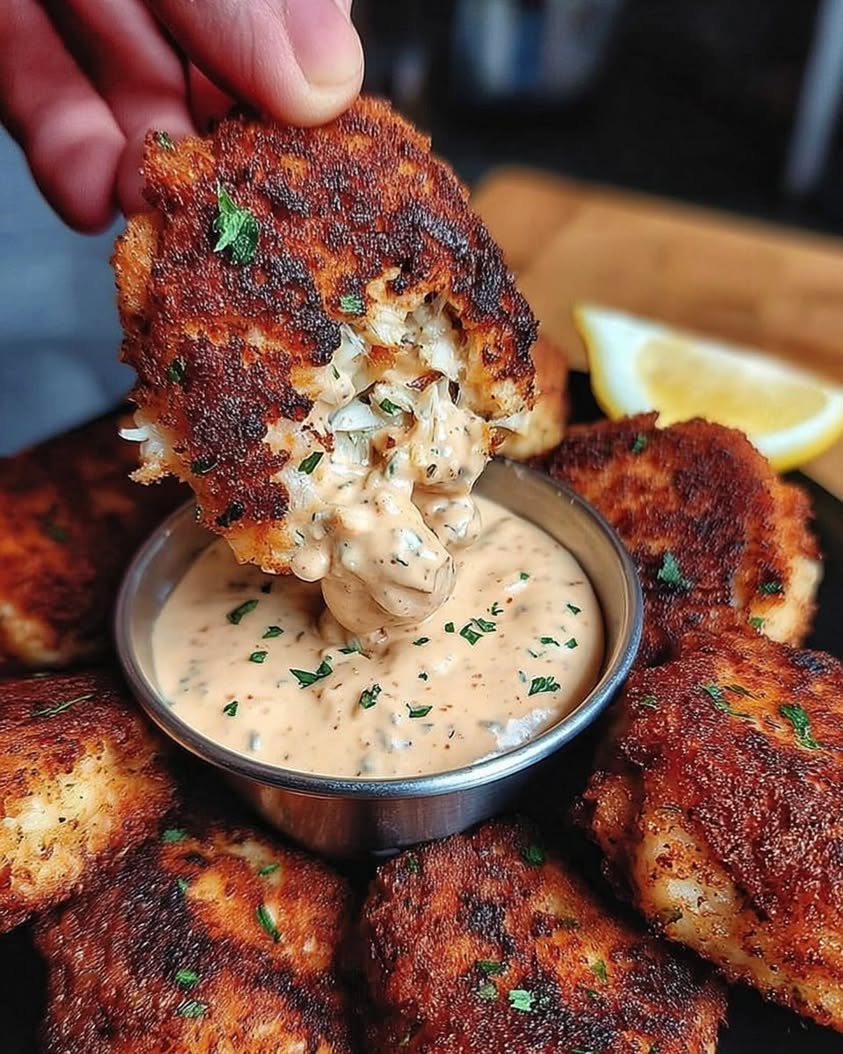
Crab Cakes with Remoulade Sauce: A Classic Seafood Recipe
Imagine biting into a perfectly golden crab cake. The exterior gives a satisfying crunch. Then, you discover a tender, flaky interior bursting with sweet, briny crab meat. This classic seafood recipe delivers that exact experience. Moreover, it pairs beautifully with a tangy, creamy remoulade sauce. Consequently, this dish transforms simple ingredients into an elegant meal. Ultimately, mastering this recipe brings a taste of the coast to your kitchen any night of the week.
Creating the perfect crab cake is an art. The goal is to highlight the delicate flavor of the crab. Therefore, the binder should be minimal and the seasoning thoughtful. This recipe uses fresh lump crab meat as the star. Additionally, it includes just enough breadcrumbs, egg, and aromatics to hold everything together. The remoulade sauce, a zesty condiment with roots in French cuisine, provides the ideal counterpoint. Its creamy texture and piquant flavor cut through the richness of the fried cake. As a result, every bite is a harmonious blend of textures and tastes.
This guide will walk you through every step. First, we will cover the essential techniques for handling crab meat. Next, we will discuss forming cakes that hold their shape. Finally, we will explore frying methods for a flawless crust. Along the way, you will find tips for sourcing ingredients and making ahead. Whether for a special occasion or a weeknight treat, these crab cakes with remoulade sauce promise to impress. Let us get started on this culinary journey.
Quick Recipe Highlights
- Flavor Profile: These crab cakes offer a primary taste of sweet, oceanic crab. Furthermore, Old Bay seasoning adds a warm, celery-like depth. The remoulade sauce contributes a bright, tangy kick from lemon and capers. Ultimately, the combination is savory, slightly spicy, and refreshing.
- Texture: Expect a crisp, golden-brown panko crust that shatters upon first bite. Inside, the lump crab meat remains tender and flaky. The remoulade sauce is luxuriously smooth and creamy. Consequently, the contrast between the crunchy exterior and soft interior is truly delightful.
- Aroma: As the cakes fry, they release a mouthwatering scent of toasted breadcrumbs and seafood. The Old Bay seasoning fills the kitchen with its distinctive aromatic blend. Meanwhile, the remoulade sauce smells fresh and herbal from the parsley and dill.
- Visual Appeal: The finished cakes are a beautiful, uniform golden-brown. They showcase visible chunks of pink and white crab meat. Served on a plate with a drizzle of vibrant remoulade and a lemon wedge, the presentation is restaurant-quality.
- Skill Level Needed: This is an intermediate recipe. It requires careful folding to maintain crab lumps and proper pan-frying technique. However, with clear instructions, a confident home cook can achieve excellent results.
- Special Equipment: You need a good non-stick or cast-iron skillet for even frying. Additionally, a mixing bowl, a small bowl for the sauce, and a spatula are essential. A cookie scoop or measuring cup helps form evenly-sized cakes.
Recipe Overview
- Difficulty Level: We rate this recipe as intermediate. The process involves gently combining fragile ingredients without overmixing. Also, pan-frying requires attention to heat control to achieve a crisp crust without burning. Following the chilling step is crucial for success. Therefore, while not overly complex, it demands a bit of finesse.
- Category: This dish fits into multiple categories. Primarily, it is a fantastic main course for a seafood dinner. Alternatively, you can serve smaller cakes as an impressive appetizer. It also works beautifully for brunch alongside a simple salad.
- Cuisine: The crab cake is a staple of American cuisine, particularly associated with the Chesapeake Bay region. The remoulade sauce has French origins but is famously adapted in Creole and Cajun cooking. This recipe represents a delicious fusion of these culinary traditions.
- Cost: Using high-quality lump crab meat is the main expense. Jarred or canned claw meat is a more budget-friendly alternative. The remaining ingredients, like breadcrumbs, eggs, and mayonnaise, are pantry staples. Overall, it is a splurge-worthy dish for a special meal.
- Season: Crab cakes are wonderful year-round. However, they feel especially fitting for summer gatherings and spring holidays. Fresh local crab seasons vary by region, so that can influence the best time to make them.
- Occasion: This recipe is perfect for date nights, dinner parties, or holiday meals like Mother’s Day. It elevates a casual weekend lunch. Furthermore, it makes a stunning centerpiece for a seafood-themed feast.
Why You’ll Love This Recipe
First, the taste and texture are simply unbeatable. Each bite delivers the pure, sweet flavor of crab, enhanced by aromatic herbs and spices. The remoulade sauce adds a layer of complexity that makes the dish sing. Moreover, the satisfying contrast between the crispy exterior and the tender, flaky interior is what defines a great crab cake. This recipe achieves that perfect balance. You will not find any filler-heavy, mushy cakes here. Instead, you get a celebration of the star ingredient in every mouthful.
Next, consider the convenience and preparation benefits. While the recipe requires care, the active hands-on time is relatively short. You can mix the crab cake base and make the sauce ahead of time. Then, simply form and fry when ready to serve. This makes it an excellent choice for entertaining. You get to spend time with your guests instead of being stuck in the kitchen. The process is also straightforward and teaches valuable kitchen skills like gentle folding and pan-frying.
From a nutritional standpoint, crab is a fantastic source of lean protein. It is also rich in essential nutrients like vitamin B12, selenium, and zinc. When prepared as in this recipe, the cakes are pan-fried, not deep-fried, using a moderate amount of oil. You can also bake them for a lighter option. The remoulade, made with mayonnaise, adds fat, but you can use a light mayo or Greek yogurt. Consequently, this dish can be part of a balanced diet.
The social and entertaining value of this dish is high. Serving homemade crab cakes with remoulade sauce feels special and indulgent. It shows your guests that you went the extra mile. The presentation is elegant enough for a formal dinner yet comforting enough for a family meal. It is a conversation starter and a guaranteed crowd-pleaser. Whether plated individually or served as passed appetizers, they always disappear quickly.
Finally, this recipe is cost-effective and accessible in its approach. While premium crab is pricey, we provide smart substitution tips. You can use different grades of crab meat based on your budget. All other ingredients are easy to find at any standard grocery store. The technique is more important than extravagant ingredients. Therefore, this classic seafood recipe is achievable for most home cooks wanting to create a restaurant-quality experience at home.
Historical Background and Cultural Significance
The origin of the crab cake is somewhat murry, but its heart lies in the Chesapeake Bay. Native American tribes like the Algonquians first utilized the blue crabs abundant in the Bay. Early English settlers adopted these practices. However, the concept of frying patties of minced meat or fish stretches back to ancient times. The modern crab cake, as we recognize it, likely evolved from these older traditions combined with the availability of crab. It became a practical way to use every part of the catch.
Culturally, the crab cake is deeply symbolic of the Mid-Atlantic United States, especially Maryland. It is a point of state pride and a major tourist draw. Restaurants compete for the title of best crab cake. Debates rage over the proper amount of filler, the best seasoning, and the ideal cooking method. The dish represents a connection to the local waters and a heritage of fishing and crabbing. It is comfort food with a rich, regional identity.
The recipe has evolved significantly over time. Originally, crabs were a cheap and plentiful food source. Cakes were often made with leftover crab and plenty of bread or cracker crumbs to stretch the meal. As crab became more prized, recipes shifted to highlight the meat. The introduction of commercial seasonings like Old Bay in 1939 standardized a key flavor profile. Today, gourmet versions showcase jumbo lump meat with minimal binder, reflecting modern tastes for purity of ingredient.
Regional variations are fascinating. Maryland-style cakes are typically seasoned with Old Bay and pan-fried. Louisiana versions might include Cajun spices and a remoulade with a hot sauce kick. Some areas, like New England, might use a different species of crab. Globally, similar concepts exist, like fish cakes in Thailand or korokke in Japan. The basic idea of combining seafood with a binder and frying it is a universal culinary solution. This particular recipe leans into the Chesapeake tradition with a Creole-inspired sauce.
Ingredient Deep Dive
Lump Crab Meat: This is the undisputed star. Lump crab meat comes from the body of the blue crab and consists of large, whole pieces. It offers superior sweetness and texture. Historically, blue crab harvesting has been central to the economy and culture of the Chesapeake Bay region. Nutritionally, it is low in fat and high in protein, vitamin B12, and phosphorus. When selecting, look for pasteurized canned or fresh refrigerated meat. Check for any shell fragments. Store it in the coldest part of your fridge and use by the date. For a budget option, claw meat is darker but flavorful. Do not use imitation crab (surimi).
Panko Breadcrumbs: These Japanese-style breadcrumbs are crucial for the perfect crust. They are made from bread without crusts, resulting in a lighter, flakier, and crispier texture than traditional fine breadcrumbs. They absorb less oil, keeping the cakes lighter. In the binder, they help absorb moisture without making the mixture pasty. You can find them in the Asian aisle of most supermarkets. For a gluten-free version, use gluten-free panko. Store an open package in a sealed bag in the pantry. Do not substitute with regular fine breadcrumbs for the coating, as they will not provide the same shattering crunch.
Old Bay Seasoning: This iconic blend is synonymous with Chesapeake Bay seafood. Created in Baltimore, it typically contains celery salt, paprika, black pepper, and crushed red pepper, among other spices. It provides a warm, savory, slightly peppery flavor that complements crab without overpowering it. While you can make a homemade blend, the commercial version is consistent and convenient. It contains salt, so be mindful when adding additional salt to your mix. For those with allergies, check the label for gluten or other concerns. A little goes a long way in enhancing the natural flavor of the crab.
Mayonnaise (for Remoulade): Mayonnaise forms the creamy base of the remoulade sauce. Its invention is often credited to the French, though similar emulsions exist worldwide. In this sauce, it carries the other flavors and provides a rich mouthfeel. For the best flavor, use a high-quality, full-fat mayonnaise. You can substitute with a light version or even plain Greek yogurt for a tangier, lighter sauce. The fat in the mayo helps carry the fat-soluble flavors of the herbs and spices. Always taste your mayonnaise first to ensure it is not overly sweet, as some brands can be.
Dijon Mustard & Capers: These two ingredients are key for the remoulade’s piquancy. Dijon mustard, from France, adds a sharp, clean heat and tang from white wine. It acts as an emulsifier, helping to stabilize the sauce. Capers are the pickled flower buds of a Mediterranean bush. They contribute a salty, briny, lemony pop that cuts through richness. For the mustard, do not substitute yellow mustard, as its flavor profile is different. For capers, you can use chopped cornichons in a pinch. Rinse capers briefly if you want to reduce their saltiness. Both ingredients have a long shelf life in the refrigerator.
Common Mistakes to Avoid
- Overmixing the Crab Cake Base: This is the most common error. Vigorously stirring breaks down the delicate lump crab meat into a stringy, mushy paste. Always use a gentle folding motion with a spatula. Mix just until the ingredients are combined. The mixture should look shaggy, not smooth.
- Skipping the Chilling Step: Forming the cakes and immediately frying them leads to disaster. The cold helps the cakes firm up and hold their shape in the hot oil. Chill for at least 30 minutes, or up to overnight. This step is non-negotiable for cohesive cakes.
- Using Too Much Binder: The purpose of the egg, mayonnaise, and breadcrumbs is to bind, not overwhelm. An excess creates a dense, bready cake that masks the crab’s flavor. Measure carefully and add breadcrumbs gradually until the mixture just holds together.
- Incorrect Pan Temperature: If the oil is not hot enough, the cakes will absorb oil and become greasy. If it is too hot, the outside will burn before the inside heats through. Heat the oil over medium heat until it shimmers. A breadcrumb dropped in should sizzle gently.
- Flipping the Cakes Too Often: Flipping them repeatedly prevents a proper crust from forming. Place the cake in the pan and let it cook undisturbed for 3-4 minutes. When the edges look golden brown and it releases easily, then flip it once.
- Pressing Down on the Cakes While Cooking: Using a spatula to press flattens the cake and squeezes out moisture. This makes it dense and can cause it to fall apart. Let the cakes cook without pressure to maintain their fluffy interior.
- Not Draining on Paper Towels: Transferring fried cakes directly to a plate lets residual oil pool. Always place them on a wire rack set over a baking sheet or a plate lined with paper towels. This keeps the bottom crust crisp.
- Using Imitation Crab Meat: Surimi is made from processed white fish and does not have the sweet, delicate flavor or flaky texture of real crab. It will result in a completely different, and often rubbery, product. Invest in real crab for this recipe.
- Forgetting to Season the Remoulade Ahead: The flavors in the remoulade sauce need time to meld. Making it right before serving means the flavors will taste separate. Prepare it at least 30 minutes ahead, or even the day before, and refrigerate.
- Ignoring the Crab Meat’s Liquid: Canned or fresh crab often sits in liquid. Before adding it to the mix, gently pick through the meat and drain off any excess liquid. You can also pat it lightly with a paper towel. Too much moisture makes the binder ineffective.
Essential Techniques
Gently Folding Ingredients: This technique is paramount for preserving the texture of lump crab meat. Use a large rubber spatula or your hands with a light touch. Combine the wet ingredients first in a bowl. Then, add the crab meat and panko. Use a sweeping motion from the bottom of the bowl up and over the top. Rotate the bowl as you go. Stop as soon as no dry pockets remain. The mixture should be cohesive but loose, with visible lumps. Overmixing is the primary cause of dense, pasty crab cakes.
Proper Pan-Frying: Achieving a golden, crisp crust without greasiness requires controlled heat. Use a heavy-bottomed skillet like cast iron or non-stick. Add enough neutral oil to coat the bottom about 1/8-inch deep. Heat over medium heat until the oil shimmers. Test with a small bit of panko; it should sizzle steadily. Carefully add the chilled cakes. Do not crowd the pan; cook in batches. Let them cook undisturbed for 3-4 minutes until deeply golden brown. They should release easily when shaken. Flip once and cook the other side. Adjust the heat if they are browning too quickly or slowly.
Forming and Chilling the Cakes: Use a 1/3-cup measure or a large cookie scoop for uniform size. Gently pack the mixture into the cup, then turn it out onto a parchment-lined baking sheet. Lightly pat the top to form a disc, but do not compact it. The edges can be slightly craggy. Once all cakes are formed, cover the tray with plastic wrap and refrigerate for at least 30 minutes. This chilling solidifies the fats and allows the breadcrumbs to absorb moisture. Consequently, the cakes will hold their shape perfectly during frying and develop a better crust.
Emulsifying the Remoulade: While this is a simple stir-together sauce, the order matters. Start by mincing your aromatics (shallot, capers, herbs) very finely. In a bowl, combine these with the Dijon mustard and lemon juice. This acidic base helps disperse the flavors. Then, add the mayonnaise and stir until completely smooth and uniform. Season with salt, pepper, and hot sauce to taste. Allowing the sauce to rest in the fridge lets the flavors penetrate the mayonnaise, creating a harmonious blend rather than a collection of separate ingredients.
Pro Tips for Perfect Crab Cakes with Remoulade Sauce
Pick through the crab meat with your fingers. This ensures you remove any tiny pieces of shell or cartilage without breaking up the lumps. It is a crucial step for both texture and safety.
Use a light hand when forming the cakes. Shape them just enough to hold together. A loosely packed cake will be more tender and flaky inside than a tightly compressed one.
Double-coat for extra crunch. After forming the cakes, you can lightly dredge them in a shallow dish of extra panko breadcrumbs. This creates an even thicker, crispier exterior.
Let the remoulade sauce mature. Make it the day before and let it sit overnight in the refrigerator. The flavors will deepen and meld beautifully, creating a more complex sauce.
Do not overcrowd the skillet. Leaving space between cakes allows for proper evaporation of moisture and even browning. Crowding steams the cakes and makes them soggy.
Keep cooked cakes warm in a low oven. If cooking in batches, place finished cakes on a wire rack set over a baking sheet in a 250°F oven. This keeps them warm and crisp without further cooking.
Serve with fresh lemon wedges. A squeeze of bright, fresh lemon juice just before eating elevates both the crab cake and the remoulade, cutting through the richness.
Experiment with fresh herbs. While parsley and dill are classic, try adding a little fresh tarragon or chives to the remoulade for a different aromatic profile.
Variations and Adaptations
Regional Variations: For a Louisiana twist, add 1/4 teaspoon of cayenne pepper and a dash of hot sauce to the crab cake mix. Replace the parsley in the remoulade with chopped scallions and add a teaspoon of Creole mustard. A New England version might use saltine cracker crumbs instead of panko and include chopped fresh tarragon.
Seasonal Adaptations: In summer, serve the crab cakes on a bed of heirloom tomato slices or with a fresh corn and avocado salsa. For a fall presentation, pair them with a butternut squash puree or a apple-fennel slaw. A light, citrusy salad works well in spring.
Dietary Modifications: For gluten-free crab cakes, use certified gluten-free panko breadcrumbs. For a dairy-free version, ensure your mayonnaise is dairy-free (most are). To make the remoulade egg-free, use a vegan mayonnaise base.
Flavor Variations: Add 1/4 cup of finely minced roasted red pepper or fresh sweet corn to the crab mixture. Incorporate different zest, like lime or orange, into the remoulade. A tablespoon of prepared horseradish in the sauce adds a wonderful kick.
Texture Modifications: For a finer-textured cake, pulse the panko in a food processor before adding it to the mix. For maximum chunkiness, use only jumbo lump crab meat and very coarse panko. Adding a small amount of finely diced water chestnut can introduce a subtle crunch.
Presentation Alternatives: Make mini crab cakes for elegant passed appetizers. Serve them slider-style on small brioche buns with lettuce and remoulade. Deconstruct the dish by serving a mound of crab salad on a crispy potato galette, topped with a dollop of remoulade.
Serving and Presentation Guide
Plating is key for visual appeal. Place one or two crab cakes slightly off-center on a warm plate. Drizzle the remoulade sauce in a zigzag pattern over and around the cakes, or serve it in a small ramekin on the side. Alternatively, use a spoon to create a swoosh of sauce on the plate before setting the cake on top. Garnish with a lemon wedge and a small sprig of fresh dill or parsley. A light sprinkle of paprika or Old Bay on the rim of the plate adds a professional touch.
Garnishing should be fresh and functional. Microgreens, a small arugula salad, or a few cherry tomatoes add color and freshness. Thinly sliced radishes provide a peppery crunch. Always include lemon wedges; their juice is an essential final seasoning. Avoid overly complicated garnishes that distract from the star of the plate.
Traditional accompaniments include coleslaw, french fries, or hushpuppies. A simple green salad with a vinaigrette balances the richness. For a more refined meal, serve with roasted asparagus, garlic sautéed spinach, or creamy polenta. Tartar sauce is a common alternative to remoulade, but the remoulade offers superior flavor complexity.
Modern serving suggestions lean lighter. Try serving the crab cake atop a quinoa or farro salad with a lemon-herb vinaigrette. For brunch, pair with a poached egg and Hollandaise for a decadent Benedict variation. They also make a fantastic topping for a Caesar salad in place of chicken or shrimp.
Temperature considerations are crucial. Crab cakes are best served hot and fresh from the pan. The remoulade sauce should be cold or cool, providing a refreshing contrast. Warm your serving plates slightly to keep the cakes hot longer. If preparing components ahead, have everything ready so cakes go from pan to plate quickly.
Portion control depends on the occasion. As a main course, two standard-sized cakes per person is typical. For an appetizer, one smaller cake (about two-bite size) is perfect. When serving as part of a multi-course meal, one cake as a seafood course is elegant and satisfying.
Wine and Beverage Pairing
Wine pairings should complement the sweet crab and tangy sauce without overpowering them. A crisp, high-acid white wine is ideal. A classic Chablis or other unoaked Chardonnay has the minerality to match the seafood. A Sauvignon Blanc, especially from New Zealand, offers citrus notes that echo the lemon in the dish. For a versatile choice, a dry Riesling or a Vinho Verde works beautifully. If you prefer rosé, a dry Provençal style with its herbal notes is excellent. Generally, avoid heavily oaked or buttery whites, as they can clash with the remoulade’s brightness.
Non-alcoholic alternatives can be just as thoughtful. Sparkling water with a twist of lemon or lime cleanses the palate. A homemade lemonade or ginger beer provides sweetness and zest. Iced tea, especially a citrus-infused black tea or an herbal mint tea, is a refreshing companion. For a more complex option, try a non-alcoholic sparkling wine or a crafted shrub soda.
While not traditional, certain light beers can pair well. A pilsner or a Kölsch-style beer offers crisp carbonation and a clean finish that cuts through the fried exterior. A witbier (white beer) with its coriander and orange peel notes can harmonize with the spices in the Old Bay. Avoid heavy, hoppy IPAs or dark stouts, as they will dominate the delicate crab flavor.
Temperature is critical for all beverages. White wines, rosés, and beers should be served well-chilled, typically between 45-55°F. Non-alcoholic sparkling drinks should be ice-cold. This coolness provides a refreshing contrast to the hot, rich crab cakes, making each bite and sip more enjoyable.
Serving suggestions include offering a couple of options if you are hosting. Place a bottle of chilled Sauvignon Blanc and a pitcher of sparkling cucumber-lemon water on the table. This allows guests to choose according to their preference and ensures everyone has a delightful pairing for this classic seafood recipe.
Storage and Shelf Life
Storage methods for leftovers are straightforward but time-sensitive. Allow cooked crab cakes to cool completely on a wire rack. Do not cover them while hot, as steam will make the crust soggy. Once cool, place them in a single layer in an airtight container, separated by parchment paper. Alternatively, wrap each cake individually in plastic wrap. Store in the refrigerator for up to 2 days. The remoulade sauce can be kept in a separate sealed container for up to 5 days.
Reheating instructions are key to restoring texture. The oven is best. Preheat your oven to 350°F. Place crab cakes on a wire rack set over a baking sheet. This allows hot air to circulate. Heat for 10-15 minutes, or until warmed through and the exterior is re-crisped. You can use a toaster oven for a few cakes. Avoid the microwave, as it will turn the cakes rubbery and soggy. The remoulade should be served cold straight from the fridge.
Freezing guidelines apply best to uncooked crab cakes. After forming and chilling, place them on a parchment-lined baking sheet and freeze until solid (about 2 hours). Then, transfer the frozen cakes to a heavy-duty freezer bag or airtight container, with parchment between layers. They can be frozen for up to 2 months. Cook from frozen, adding a few extra minutes to the cooking time. Freezing cooked crab cakes is not recommended, as the texture suffers greatly upon thawing and reheating.
Signs of spoilage are important to recognize. Discard crab cakes or remoulade if you detect any off or sour odors. Look for any signs of mold, especially in the sauce. If the crab cakes develop a slimy texture, they have gone bad. When in doubt, throw it out. Seafood is particularly perishable, so err on the side of caution.
Container recommendations include using shallow containers to avoid stacking and crushing the cakes. Glass containers are ideal as they do not retain odors. For the sauce, a small mason jar with a tight lid works perfectly. Always label containers with the date so you know when you made them.
Make Ahead Strategies
You can prep almost every component ahead of time. The remoulade sauce benefits most from advance preparation. Make it 1-2 days before, cover, and refrigerate. The flavors will meld and improve. For the crab cakes, you can mix the base (crab, mayo, egg, seasonings, and panko) up to a day in advance. Keep it covered tightly in the refrigerator. Do not form the cakes until you are ready to chill them before cooking, as the mixture can become too wet.
The ideal prep timeline is to make the sauce the day before. On the day of serving, mix the crab cake base in the morning. About 1.5 hours before serving, form the cakes and place them on a tray in the fridge to chill. This breaks the work into manageable stages and reduces last-minute stress.
Storage between steps is simple. Keep the mixed base in a covered bowl in the refrigerator. Once formed, the uncooked cakes can stay on their parchment-lined tray, covered with plastic wrap, in the fridge for up to 8 hours. Do not leave them at room temperature for more than 30 minutes during assembly due to the raw egg and seafood.
Quality impact assessment shows that making the sauce ahead is a positive. Making the base a few hours ahead is fine, but longer than 24 hours can cause the panko to over-absorb moisture, potentially leading to denser cakes. Forming and chilling the cakes for at least 30 minutes is essential and can be done hours ahead with no negative impact.
Assembly tips for a party include forming all cakes ahead and keeping them chilled. Have your skillet, oil, and tools ready. You can fry the first batch just before guests arrive and keep them warm in a low oven. Fry the second batch as the first is being eaten. This ensures everyone gets a hot, fresh cake.
Reheating guidelines for make-ahead are the same as for leftovers. The oven method is superior. If you must hold cooked cakes for a short period, keep them on a wire rack in a 200°F oven for no more than 30 minutes to prevent drying out.
Scaling Instructions
Halving the recipe is simple for smaller households. Precisely halve all ingredient quantities. Use a medium egg; beat it lightly and use half. The chilling and cooking times remain the same. Use a smaller skillet to maintain the proper oil depth. The yield will be 3 generous cakes, perfect for a dinner for two.
Doubling or tripling for a crowd requires a bit more planning. Double or triple all ingredients uniformly. Use a very large bowl for mixing to allow for gentle folding. You will likely need to cook in more batches; keep finished cakes warm in a low oven. Ensure your refrigerator has space for multiple baking sheets of formed cakes to chill. Consider using two skillets to speed up the cooking process.
Equipment adjustments are necessary when scaling up. You will need a larger mixing bowl. Have multiple baking sheets for chilling the formed cakes. If doubling, you may need to use two skillets simultaneously to manage cooking times. For tripling, consider borrowing an electric griddle to cook more cakes at once. Ensure you have a large enough oven to keep multiple batches warm.
Timing modifications are minimal for the actual cooking. Each batch will still take 6-8 minutes. The main increase in time comes from cooking in sequential batches. Factor in an extra 5-10 minutes per additional batch. The prep time will increase linearly as you have more ingredients to measure and mix.
Storage considerations change when making large quantities. Leftover cooked cakes should be stored in multiple shallow containers to avoid stacking. Uncooked, formed cakes freeze beautifully, so consider freezing half of the batch before cooking for a future easy meal. Label everything clearly with the date and quantity.
Nutritional Deep Dive
A standard crab cake from this recipe provides a good balance of macronutrients. The primary macro is protein from the crab and egg, essential for muscle repair and satiety. Carbohydrates come mainly from the panko breadcrumbs, providing energy. Fats are present from the mayonnaise, egg yolk, and frying oil, contributing to flavor and helping absorb fat-soluble vitamins. Using a measured amount of oil for pan-frying controls fat content better than deep-frying.
The micronutrient profile is impressive, largely due to the crab. Crab is an excellent source of vitamin B12, crucial for nerve function and red blood cell formation. It also provides significant selenium, a powerful antioxidant, and zinc, which supports immune health. The egg adds choline for brain health, and the herbs in the remoulade provide various phytonutrients.
Health benefits include supporting heart health due to the omega-3 fatty acids found in crab. The high protein and low carbohydrate count (relative to other fried foods) can aid in blood sugar management. Using panko creates a lighter crust, reducing overall calorie density compared to cakes made with dense fillers. The dish is naturally gluten-free if using GF panko, and dairy-free if using appropriate mayo.
Dietary considerations for specific plans: For a low-carb or keto adaptation, replace the panko with crushed pork rinds or almond flour. For a paleo version, use almond flour and ensure your mayonnaise is made with avocado oil. The recipe is naturally pescatarian. Always check labels on pre-made ingredients like Old Bay and mayonnaise for hidden allergens or non-compliant ingredients.
Portion analysis shows that one crab cake is a satisfying single serving for an appetizer or part of a larger meal. Two cakes make a robust main course. The remoulade sauce is calorie-dense, so portion control with the sauce is advised if you are watching calorie intake. A little dollop goes a long way in terms of flavor.
Weight management tips include baking the cakes instead of frying. Preheat oven to 400°F, place cakes on a parchment-lined baking sheet brushed with a little oil, and bake for 12-15 minutes, flipping halfway. For the remoulade, substitute half the mayonnaise with plain Greek yogurt to reduce fat and add protein. These small changes make this classic seafood recipe fit into a balanced eating plan.
PrintCrab Cakes with Remoulade Sauce
- Total Time: 45 minutes
- Yield: 4
Description
Crispy, golden crab cakes made with lump crab meat and savory seasonings, served with a tangy homemade remoulade sauce for a delicious seafood appetizer or main course.
Ingredients
- 1 lb lump crab meat, picked over for shells
- 1/4 cup mayonnaise
- 1 large egg, lightly beaten
- 2 tablespoons Dijon mustard
- 1 tablespoon Worcestershire sauce
- 1/2 cup breadcrumbs
- 2 tablespoons chopped fresh parsley
- 1 teaspoon Old Bay seasoning
- Salt and black pepper to taste
- 2 tablespoons vegetable oil for frying
- For the Remoulade Sauce: 1/2 cup mayonnaise, 2 tablespoons chopped pickles, 1 tablespoon capers, 1 tablespoon lemon juice, 1 teaspoon Dijon mustard, 1/2 teaspoon paprika, 1/4 teaspoon cayenne pepper
Instructions
- In a medium bowl, combine the crab meat, mayonnaise, egg, Dijon mustard, Worcestershire sauce, breadcrumbs, parsley, Old Bay seasoning, salt, and pepper. Gently fold until just mixed, being careful not to break up the crab lumps too much.
- Form the mixture into 8 equal-sized patties, about 1/2-inch thick. Place on a plate, cover, and refrigerate for at least 30 minutes to firm up.
- While the crab cakes chill, make the remoulade sauce: In a small bowl, whisk together the mayonnaise, pickles, capers, lemon juice, Dijon mustard, paprika, and cayenne pepper. Cover and refrigerate until ready to serve.
- Heat the vegetable oil in a large skillet over medium-high heat. Add the crab cakes in batches, cooking for 3-4 minutes per side until golden brown and crispy. Transfer to a paper towel-lined plate to drain.
- Serve the crab cakes warm with the remoulade sauce on the side, garnished with extra parsley or lemon wedges if desired.
Notes
You can customize the seasonings to taste.
- Prep Time: 15 minutes
- Cook Time: 30 minutes
- Method: Main
- Cuisine: American