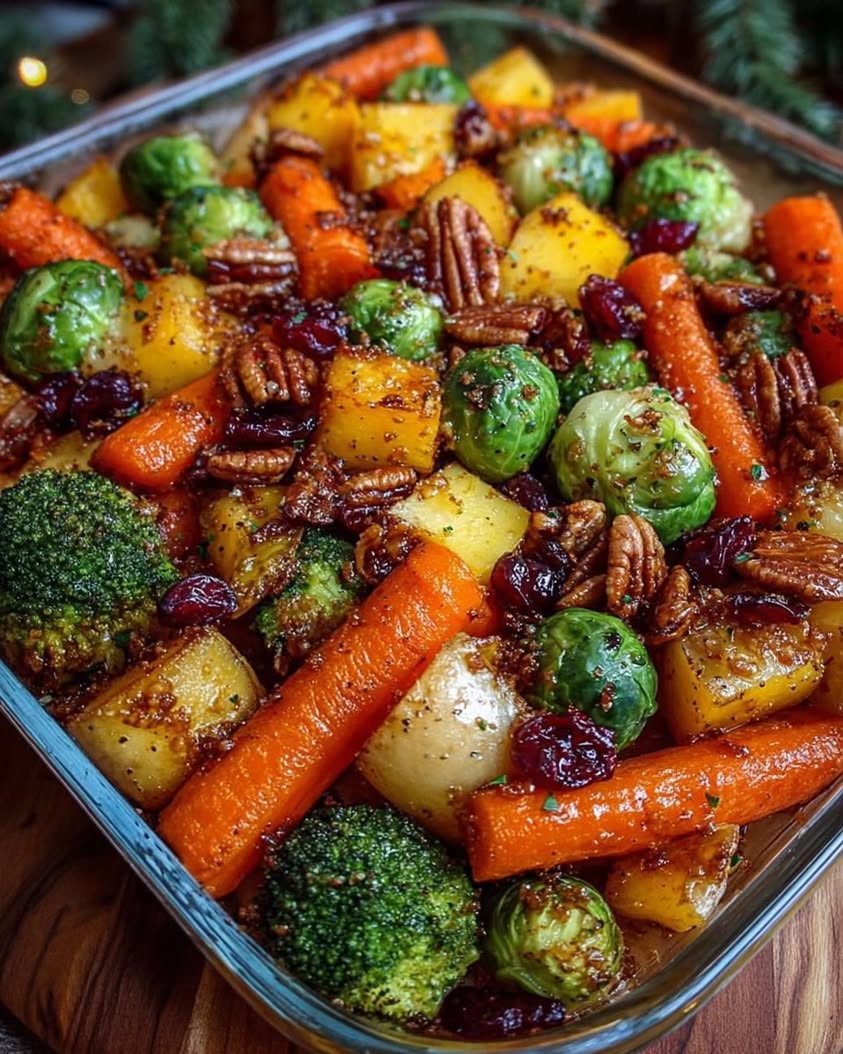
Caramelized Butternut Squash, Carrots, Broccoli & Yukon Potatoes with Feta, Pecans & Cranberry-Honey Glaze: A Festive Fall Harvest Bowl
This stunning recipe for Caramelized Butternut Squash, Carrots, Broccoli & Yukon Potatoes with Feta, Pecans & Cranberry-Honey Glaze is the ultimate celebration of autumn’s bounty. Moreover, it transforms humble root vegetables and broccoli into a spectacular, restaurant-worthy dish. Consequently, the natural sugars in the squash and carrots caramelize into sweet, crispy edges, while the potatoes become fluffy inside and golden outside. Ultimately, this recipe delivers a perfect harmony of sweet, savory, salty, and tangy flavors in every single bite.
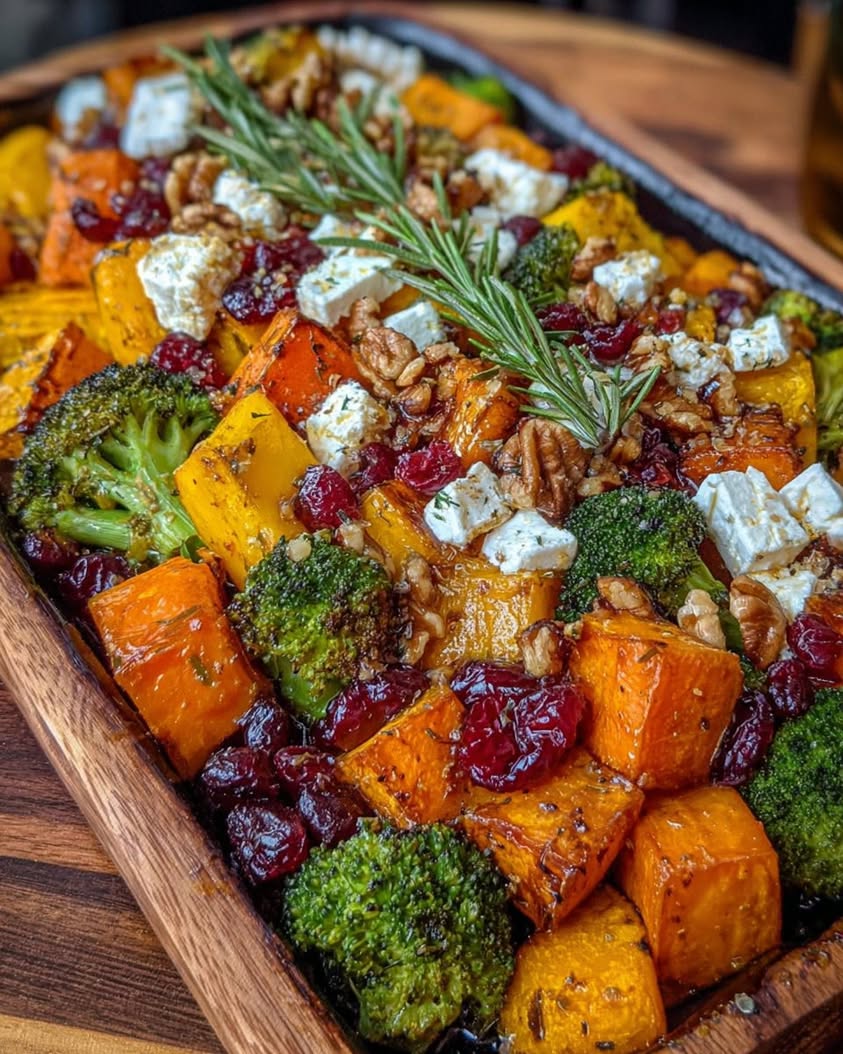
Imagine a vibrant platter where each vegetable shines. For instance, the deep orange of the squash, the bright green of the broccoli, and the rustic gold of the potatoes create a feast for the eyes. Then, a simple, shimmering cranberry-honey glaze adds a touch of festive tartness and sweetness. Finally, a generous sprinkle of creamy, salty feta and crunchy pecans provides the perfect finishing touch. This dish is not just a side; it’s a hearty, satisfying vegetarian main course that will impress any guest.
Furthermore, this recipe is incredibly versatile and forgiving. Whether you need a stunning centerpiece for Thanksgiving, a cozy weeknight dinner, or a standout dish for a potluck, it fits the bill perfectly. The process is straightforward, involving mostly hands-off roasting time. As a result, you can prepare other components of your meal while the oven works its magic. Let’s dive into why this caramelized butternut squash and vegetable medley will become your new fall favorite.
Quick Recipe Highlights
- Flavor Profile: This dish masterfully balances sweet caramelized vegetables with a tangy-sweet cranberry-honey glaze. The salty, creamy feta cheese and rich, buttery pecans create a complex and utterly satisfying taste experience that is both rustic and elegant.
- Texture: You get a wonderful contrast in every forkful: crispy, caramelized edges on the vegetables, tender-crisp broccoli florets, fluffy potato interiors, crunchy toasted pecans, and soft, crumbly feta. This variety makes the dish exciting and enjoyable to eat.
- Aroma: As the vegetables roast, your kitchen will fill with the warm, sweet scent of caramelizing squash and carrots, mingled with the earthy aroma of rosemary and garlic. The final drizzle of the warm honey glaze adds a final note of festive fragrance.
- Visual Appeal: The color palette is pure autumn: vibrant orange, deep green, golden brown, white, and red from the cranberry glaze. It’s a visually stunning dish that looks beautiful on any table, whether served family-style or plated individually.
- Skill Level Needed: This is a beginner-friendly recipe. The core skill is chopping vegetables evenly for consistent roasting. There’s no fancy knife work or complicated techniques, making it accessible for cooks of all levels who want to create something impressive.
- Special Equipment: You only need basic kitchen tools: a good chef’s knife, a large baking sheet (or two), and a small saucepan for the glaze. Parchment paper is highly recommended for easy cleanup and to prevent sticking.
Recipe Overview
- Difficulty Level: We rate this recipe as “Easy” because it relies on fundamental cooking techniques: chopping and roasting. The steps are sequential and simple. There is no need for constant supervision, as the oven does most of the work. Even a novice cook can achieve fantastic results by following the clear instructions for preparing these roasted vegetables.
- Category: This dish is incredibly versatile. It functions beautifully as a hearty vegetarian main course, a substantial side dish alongside roast chicken or turkey, or a featured item on a holiday buffet. Its robust nature means it can anchor a meal or complement other flavors.
- Cuisine: While not tied to one specific tradition, this recipe draws inspiration from modern American farm-to-table cuisine and Mediterranean flavors. The use of feta, olive oil, and herbs nods to Greek influences, while the cranberry glaze adds a classic North American holiday twist.
- Cost: This is a cost-effective recipe, especially in the fall and winter when root vegetables are in season and priced lower. Butternut squash, carrots, and potatoes are budget-friendly staples. Feta, pecans, and fresh cranberries are the “splurge” items, but a little goes a long way in terms of flavor impact.
- Season: This recipe is perfect for late fall and winter. These vegetables are at their peak sweetness and flavor during the cooler months. The warm, roasted qualities of the dish are ideal for comforting meals during colder weather, making it a seasonal standout.
- Occasion: It’s perfect for Thanksgiving, Christmas, or Friendsgiving dinners as a show-stopping side or vegetarian main. Equally, it’s excellent for a cozy Sunday family dinner or a meal-prep lunch for the week. Its flexibility makes it suitable for both casual and formal events.
Why You’ll Love This Recipe
First and foremost, the taste and texture appeal is undeniable. Each component brings something special to the table. The caramelized butternut squash and carrots offer a deep, natural sweetness. The Yukon gold potatoes provide a creamy, hearty base. Meanwhile, the broccoli adds a fresh, green element and pleasant bite. Topped with the pop of tart-sweet glaze, salty feta, and crunchy pecans, every mouthful is a delightful surprise. This combination ensures you won’t get bored, as the flavors and textures keep your palate engaged from start to finish.
Next, consider the convenience and preparation benefits. Once you’ve chopped your vegetables, the recipe is largely hands-off. You can toss everything on a sheet pan, pop it in the oven, and focus on other tasks. This makes it an ideal recipe for entertaining, as it minimizes last-minute stress. Furthermore, the ingredients are easy to find at any grocery store. You likely have olive oil, salt, and pepper on hand already. Consequently, this dish comes together with minimal fuss for maximum flavor impact.
Additionally, the nutritional advantages are significant. This caramelized butternut squash and vegetable bowl is packed with vitamins, minerals, and fiber. Butternut squash is rich in Vitamin A and antioxidants. Broccoli is a powerhouse of Vitamin C and K. Carrots provide beta-carotene. Together, they create a nutrient-dense meal that fuels your body beautifully. Using olive oil as the primary fat adds heart-healthy monounsaturated fats. Therefore, you can feel good about serving this dish to your family and friends.
Moreover, the social and entertaining value is high. This is a visually impressive dish that sparks conversation. Serving a beautiful, colorful platter of roasted harvest vegetables makes any meal feel special and thoughtfully prepared. It caters beautifully to mixed-diet groups, being naturally vegetarian and easily adaptable for vegan or gluten-free guests. Its crowd-pleasing flavors mean there’s something for everyone to enjoy, making you the host of a memorable and delicious gathering.
Finally, the cost-effectiveness and accessibility are major wins. Root vegetables and broccoli are typically affordable, especially in season. This recipe stretches those budget-friendly ingredients into a luxurious-tasting meal. You don’t need expensive equipment or hard-to-find items. A simple baking sheet and oven are all that’s required. This accessibility means anyone can recreate this restaurant-quality dish at home without breaking the bank, proving that eating well doesn’t have to be complicated or expensive.
Historical Background and Cultural Significance
The practice of roasting vegetables is ancient, rooted in cooking over open fires. However, the specific combination in this Caramelized Butternut Squash, Carrots, Broccoli & Yukon Potatoes dish is a modern invention. It reflects a contemporary culinary trend: the “harvest bowl” or “power bowl.” This trend emphasizes whole, seasonal ingredients combined for both nutrition and visual appeal. The recipe borrows from various traditions, merging them into a new, cohesive dish that celebrates autumnal produce in a globally-inspired way.
Culturally, it speaks to the modern emphasis on vegetable-centric eating. Dishes that feature vegetables as the star, rather than a side, have gained immense popularity. This shift is influenced by dietary trends, environmental awareness, and a desire for vibrant, healthful food. The inclusion of feta cheese nods to Mediterranean diets, long celebrated for their health benefits and flavorful use of simple ingredients like olive oil, herbs, and cheese. Consequently, this recipe sits at a delicious crossroads of tradition and modern wellness.
The evolution of this recipe is also tied to the rise of “sheet pan dinners.” This cooking method, which involves roasting an entire meal on one pan, gained popularity for its simplicity and ease of cleanup. Our recipe takes that convenient format and elevates it with a gourmet glaze and toppings. The cranberry-honey glaze itself is a festive twist, often associated with American Thanksgiving, showing how holiday flavors can be integrated into everyday vegetable preparations for a special touch.
Regarding regional variations, the core concept is endlessly adaptable. In the Mediterranean, one might find roasted vegetables with halloumi or goat cheese and pine nuts. In the American South, roasted sweet potatoes and pecans are a classic pairing. This recipe synthesizes these ideas, using widely available New World vegetables like squash and potatoes, a European cheese, and a North American berry glaze. It’s a testament to how global cuisine inspires new, delicious fusions that become staples in home kitchens.
Ingredient Deep Dive
Butternut Squash: Native to the Americas, butternut squash is a winter squash known for its sweet, nutty orange flesh. It’s incredibly rich in Vitamin A (as beta-carotene), which supports vision and immune health. It also provides a good amount of Vitamin C, fiber, and potassium. When selecting, choose a squash that feels heavy for its size with a firm, matte skin and no soft spots. Store whole squash in a cool, dark place for months. For this recipe, peeling and cubing it evenly ensures it roasts at the same rate as the other vegetables. As a substitute, sweet potato or acorn squash would work well.
Yukon Gold Potatoes: These potatoes are known for their naturally buttery flavor and creamy, moist texture, making them perfect for roasting. They have a thinner skin than russets, so they often don’t require peeling. They provide complex carbohydrates for energy, along with Vitamin C, B6, and potassium. Look for firm potatoes without sprouts or green tinges. Store them in a cool, dark, well-ventilated place (not the refrigerator). For even cooking in this caramelized vegetable medley, cut them to a similar size as the squash cubes. Red potatoes or fingerlings are excellent alternatives.
Carrots: Carrots have been cultivated for thousands of years, originally for their aromatic leaves and seeds rather than their roots. The sweet orange carrot we know today was developed in the Netherlands. They are famously high in beta-carotene and are a great source of fiber, Vitamin K1, and antioxidants. Choose firm, smooth carrots with vibrant color. Their natural sugars concentrate and caramelize beautifully during roasting, adding a key sweetness to the dish. If you find heirloom varieties in purple or yellow, they make a stunning color addition.
Broccoli: A member of the brassica family, broccoli is known for its potential cancer-fighting compounds like sulforaphane. It’s packed with Vitamins C and K, folate, and fiber. For roasting, select broccoli with tight, dark green florets and firm stalks. Avoid any with yellowing florets. Cutting the broccoli into even-sized florets ensures they cook through without burning. The stalks can be peeled and roasted too, minimizing waste. Broccoli adds a necessary fresh, green element and textural contrast to the softer roasted root vegetables in this harvest bowl.
Feta Cheese: Traditionally made from sheep’s or goat’s milk in Greece, feta is a brined curd cheese with a tangy, salty flavor and crumbly texture. It’s a good source of calcium and protein. The saltiness perfectly counterbalances the sweet vegetables and glaze in this recipe. For the best flavor, seek out authentic Greek feta in brine. If you need a dairy-free version, a firm tofu crumbled with salt and lemon juice or a vegan “feta” made from almonds can be used. Always add feta after roasting to preserve its texture.
Pecans: Pecans are the only major tree nut native to North America and are a staple in Southern U.S. cuisine. They are rich in healthy fats, particularly monounsaturated fats, and contain antioxidants. Toasting them before use intensifies their flavor and adds crucial crunch. Buy pecans in pieces or halves and store them in the freezer to prevent their oils from going rancid. In a pinch, walnuts or pepitas (pumpkin seeds) would provide a similar crunchy, nutritious topping for your roasted vegetables.
Cranberry-Honey Glaze: This simple glaze combines the tartness of cranberries with the floral sweetness of honey. Fresh cranberries are seasonal, packed with Vitamin C and unique antioxidants called proanthocyanidins. Honey has natural preservative qualities and has been used as a sweetener for millennia. Simmering them together creates a vibrant, glossy sauce that clings to the vegetables. For a vegan version, use maple syrup instead of honey. If fresh cranberries are unavailable, a tablespoon of cranberry sauce or a splash of pomegranate molasses can provide a similar tart-sweet note.
Common Mistakes to Avoid
- Overcrowding the Pan: This is the most common error. If the vegetables are piled on top of each other, they will steam instead of roast. Consequently, you won’t get those desirable caramelized, crispy edges. Always use two pans if necessary to give the pieces space.
- Uneven Vegetable Sizes: Chopping the vegetables into different sizes means some will burn while others remain undercooked. Aim for a uniform ¾-inch to 1-inch dice for the squash, potatoes, and carrots. Cut the broccoli florets to a similar size for even cooking throughout your roasted harvest vegetables.
- Not Preheating the Oven: A properly hot oven is essential for immediate searing and caramelization. Putting the pan into a cold oven will cause the vegetables to release their moisture too early, leading to soggy results. Always let your oven come to full temperature first.
- Skipping the Tossing Step: Tossing the vegetables in oil and seasonings halfway through roasting ensures all sides get exposed to the heat and seasonings evenly. If you skip this, one side may be perfectly browned while the other is pale and less flavorful.
- Adding the Glaze Too Early: If you pour the cranberry-honey glaze over the vegetables before roasting, the sugars will burn and become bitter. The glaze should always be a finishing element, drizzled over the hot vegetables just before serving to preserve its bright flavor and glossy sheen.
- Using Old, Stale Spices: Dried rosemary and garlic powder lose their potency over time. If your spices are more than a year old, they may not impart much flavor. For the best results in this caramelized butternut squash dish, use fresh rosemary if possible, and ensure your dried spices are relatively new.
- Forgetting to Toast the Pecans: Raw pecans are fine, but toasted pecans are transformative. They become fragrant, crisp, and deeply nutty. Simply tossing them in a dry skillet for a few minutes until fragrant elevates the entire dish. This small extra step makes a big difference in texture and taste.
- Not Seasoning Liberally Enough: Vegetables need a generous amount of salt to bring out their natural flavors. Don’t be shy with the kosher salt and black pepper during the initial tossing. Seasoning in layers is key to a well-balanced final dish.
Essential Techniques
Uniform Chopping: This is the foundational technique for successful roasted vegetables. Consistent size ensures even cooking, meaning every piece is tender and caramelized at the same time. Use a sharp chef’s knife for control. For butternut squash, first slice off the stem and bulbous end, then peel it with a sturdy vegetable peeler. Halve it lengthwise, scoop out the seeds, and then cut it into planks before dicing. Practice this technique to build speed and confidence in the kitchen.
High-Heat Roasting: Roasting at a high temperature (425°F) is crucial for caramelization. The intense heat causes the natural sugars in the vegetables to brown and develop complex flavors while driving off excess moisture. This technique creates a contrast between a crispy exterior and a tender interior. The visual cue for success is golden-brown, slightly blistered edges on the vegetables. If your vegetables are pale and soft, your oven may not be hot enough, or the pan may be overcrowded.
Making a Simple Reduction Glaze: A glaze adds a professional, finished touch. The technique involves simmering a liquid (here, cranberry and honey with water) until it thickens slightly and coats the back of a spoon. As it cools, it will thicken further. The key is to cook it just until the cranberries pop and the mixture becomes syrupy. Overcooking can make it too thick and sticky. Stir frequently and remove it from the heat once it reaches a saucy consistency perfect for drizzling over your caramelized vegetable medley.
Pro Tips for Perfect Caramelized Butternut Squash and Vegetables
First, line your baking sheets with parchment paper. This prevents sticking absolutely and makes cleanup a breeze, especially with the sticky honey glaze involved later.
Second, pat your chopped vegetables dry with a clean kitchen towel before tossing them in oil. Excess surface moisture can lead to steaming, so removing it promotes better browning.
Third, use a large, wide bowl to toss the vegetables with oil and seasonings. This ensures every piece gets an even, light coating, which is essential for consistent roasting and flavor.
Fourth, consider roasting the harder vegetables (squash, potatoes, carrots) for 15-20 minutes before adding the broccoli. Since broccoli cooks faster, this staggered approach prevents it from becoming mushy.
Fifth, don’t rinse the cranberries before making the glaze. Simply pick through them to remove any stems or soft berries. Rinsing can add unwanted water to your glaze.
Sixth, crumble the feta cheese with your hands for irregular, interesting pieces. Pre-crumbled feta often contains anti-caking agents and can be drier and less flavorful than a block you crumble yourself.
Seventh, let the roasted vegetables rest for 5 minutes after coming out of the oven before adding the glaze and toppings. This allows them to firm up slightly, making them less likely to fall apart when tossed.
Eighth, reserve a small handful of the toasted pecans and feta to sprinkle on top after plating. This adds a final layer of visual appeal and ensures every serving gets plenty of the delicious toppings.
Variations and Adaptations
For regional variations, try a Mediterranean twist by swapping the feta for crumbled goat cheese or halloumi, the pecans for pine nuts, and the rosemary for oregano. Use a lemon-oregano vinaigrette instead of the cranberry glaze. For a more autumnal American version, use sweet potatoes instead of butternut squash, add a pinch of cinnamon to the oil toss, and use maple syrup in the glaze instead of honey, topped with dried cranberries.
Seasonal adaptations are simple. In spring, use asparagus and new potatoes with a lemon-herb glaze. In summer, swap in zucchini, bell peppers, and cherry tomatoes with a basil oil finish. The core roasting technique remains the same, allowing you to enjoy a version of this dish year-round with the best produce each season offers.
Dietary modifications are straightforward. For a vegan dish, omit the feta or use a vegan alternative and substitute maple syrup for the honey. For a nut-free version, replace the pecans with toasted sunflower seeds or pepitas. To make it gluten-free, simply ensure all packaged ingredients (like spices) are certified gluten-free; the recipe is naturally free of gluten-containing grains.
Flavor variations can keep this recipe exciting. Add warmth with a sprinkle of smoked paprika or chili flakes on the vegetables before roasting. For an herby profile, use fresh thyme or sage instead of rosemary. A splash of balsamic vinegar in the glaze instead of lemon juice adds a deeper, sweeter tang.
Texture modifications can cater to preferences. If you love extra crunch, add raw, thinly sliced radishes or apple matchsticks just before serving. For a creamier element, dollop with plain Greek yogurt or tzatziki on the side. If you prefer softer broccoli, add it at the same time as the root vegetables.
Presentation alternatives include serving the dish in individual bowls for a casual “harvest bowl” meal, or arranging the vegetables artfully on a large platter for a family-style feast. You can also chop the vegetables smaller after roasting and serve them warm over a bed of quinoa or farro for a hearty grain bowl.
Serving and Presentation Guide
Plating techniques matter. For a family-style presentation, use a large, shallow platter or a rustic wooden board. Mound the warm roasted vegetables in the center. Drizzle the cranberry-honey glaze over the top in a zig-zag pattern, allowing it to pool in the crevices. Then, sprinkle the crumbled feta and toasted pecans generously over everything, letting some fall onto the platter for a casual, abundant look.
Garnishing ideas can elevate the dish further. A final flourish of fresh, finely chopped rosemary or parsley adds a pop of green and fresh aroma. A few whole fresh cranberries or a sprinkle of pomegranate arils adds vibrant color and a hint of the glaze’s flavor. A light drizzle of high-quality extra virgin olive oil just before serving adds shine and richness.
For traditional accompaniments, this caramelized butternut squash and vegetable dish pairs beautifully with a simple roast chicken, turkey, or pork tenderloin. It also stands up well to hearty vegetarian proteins like lentil loaf or stuffed mushrooms. A simple green salad with a bright vinaigrette on the side helps balance the richness of the roasted vegetables.
Modern serving suggestions include turning it into a grain bowl. Serve a scoop over warm farro, freekeh, or wild rice. Add a protein like chickpeas, grilled tofu, or shredded chicken for a complete meal. You can also stuff the warm vegetable mixture into a wrap or pita with a smear of hummus for a delicious lunch.
Temperature considerations are key. This dish is best served warm, immediately after assembling. The contrast between the hot vegetables, cool feta, and room-temperature glaze is delightful. If you must make it ahead, keep the components separate and assemble just before serving to maintain the ideal textures.
Portion control tips are simple. As a main course, plan for about one-quarter of the recipe per person. As a side dish, one-eighth of the recipe is a generous serving. Remember, the vegetables will shrink slightly during roasting, so what looks like a lot raw will yield a perfect amount for four hearty main-dish servings.
Wine and Beverage Pairing
Wine pairings should complement the sweet, savory, and tangy notes. A crisp, unoaked Chardonnay or a French White Burgundy has enough body to match the roasted vegetables and a bright acidity that cuts through the richness. A dry Riesling is another excellent choice, as its slight sweetness plays off the caramelized vegetables and cranberry glaze beautifully. For red wine lovers, a light-bodied Pinot Noir with its red fruit notes and low tannins won’t overwhelm the dish.
Non-alcoholic alternatives can be just as thoughtful. Sparkling water with a twist of orange or a few muddled cranberries feels festive. A tart cherry or pomegranate juice spritzer (half juice, half sparkling water) mirrors the fruitiness of the glaze. For a warm option, a lightly sweetened ginger tea or apple cider complements the autumnal flavors of the roasted harvest vegetables perfectly.
Coffee and tea pairings work well if serving this for a brunch or lunch. A medium-roast coffee with notes of caramel or nut would echo the flavors in the dish. A pot of herbal tea, such as cinnamon-orange or a rooibos blend, would be a cozy, caffeine-free accompaniment that doesn’t compete with the food’s delicate flavors.
Temperature considerations for beverages are standard: serve white wines and sparkling drinks chilled, red wines slightly below room temperature, and hot teas piping hot. The goal is to have the beverage provide a refreshing or comforting contrast to the warm, savory-sweet food on the plate.
Serving suggestions include offering a choice of two beverages to cater to different preferences. Always have still and sparkling water on the table to cleanse the palate. If serving wine, pour a small taste for guests to try with the food before filling glasses, ensuring the pairing is to their liking.
Storage and Shelf Life
Storage methods are straightforward but important for food safety and quality. Allow the roasted vegetables to cool completely before storing. Place them in an airtight container in the refrigerator, separate from the feta, pecans, and glaze. Store the toppings in their own small containers. This prevents the vegetables from becoming soggy and the pecans from losing their crunch.
Temperature requirements are simple: the refrigerator is essential. All components must be stored at or below 40°F (4°C). Do not leave the assembled dish at room temperature for more than two hours. The dairy-based feta is particularly perishable and must be kept cold.
Container recommendations include glass containers with tight-fitting lids, which are best for preventing odor transfer and are easy to clean. For the glaze, a small glass jar is perfect. Label containers with the date so you can keep track of freshness.
Signs of spoilage to watch for include an off or sour smell, visible mold (especially on the feta or glaze), or a slimy texture on the vegetables. If the pecans smell rancid or bitter, they have gone bad. When in doubt, throw it out. It’s better to be safe than sorry with leftover food.
Reheating instructions are key to restoring texture. Reheat only the plain roasted vegetables. Spread them in a single layer on a baking sheet and warm in a 350°F oven for 10-15 minutes until heated through. This method helps re-crisp them. Avoid the microwave, as it will make them soft and soggy. Add the fresh glaze, feta, and pecans after reheating.
Freezing guidelines are not recommended for the fully assembled dish. The texture of the roasted vegetables, especially the potatoes and broccoli, will become mushy and watery upon thawing. The glaze and feta also do not freeze well. It’s best to enjoy this caramelized butternut squash recipe fresh or refrigerated for short-term leftovers.
Make Ahead Strategies
Your prep timeline can save you stress on the day of serving. Up to two days ahead, chop all the vegetables (butternut squash, carrots, potatoes, broccoli). Store them in separate airtight containers or resealable bags in the refrigerator. The acid in the lemon juice for the glaze can be measured out. The pecans can be toasted and stored at room temperature.
Storage between steps is simple. Keep the pre-chopped vegetables chilled. The day of serving, simply toss them with oil and roast. You can also make the cranberry-honey glaze 1-2 days ahead. Let it cool, then store it in a jar in the fridge. Gently reheat it on the stove or in the microwave, adding a splash of water if it has thickened too much, before using.
Quality impact assessment is important. Pre-chopping vegetables may cause minimal moisture loss but won’t significantly affect the final roasted product. Making the glaze ahead often improves the flavor as the ingredients meld. However, toasting nuts and crumbling cheese should be done the day of serving for peak freshness and texture.
Assembly tips for a party are easy. Roast the vegetables up to 1-2 hours before guests arrive. Keep them warm, uncovered, in a low oven (200°F). Have the warm glaze, crumbled feta, and toasted pecans ready in separate bowls. Assemble the platter just before serving to maintain the ideal texture contrast in your roasted harvest vegetables.
Reheating guidelines for make-ahead components: If the vegetables have been refrigerated after roasting, reheat them on a sheet pan as described in the storage section. The glaze should be warmed until fluid. Never reheat the feta or pecans.
Fresh element additions are the final touch. Always add the feta, pecans, and any fresh herb garnish at the very last moment. This ensures the feta stays cool and crumbly and the pecans remain crunchy, providing the perfect finish to your make-ahead masterpiece.
Scaling Instructions
Halving the recipe is simple for a smaller household. Use one baking sheet and simply divide all ingredient quantities in half. The roasting time may be slightly reduced by 5-10 minutes since there will be less volume releasing steam. Keep a close eye on the vegetables after the 20-minute mark to prevent over-browning on your smaller batch of caramelized vegetables.
Doubling or tripling the recipe for a crowd requires planning. You will need multiple baking sheets. It’s crucial to roast in batches or on multiple oven racks, rotating the sheets top-to-bottom and front-to-back halfway through cooking. Do not attempt to roast triple the amount on one sheet, as severe overcrowding will lead to steaming and uneven cooking. The total time may increase slightly with more trays in the oven.
Equipment adjustments are necessary when scaling. For a double batch, you’ll likely need two large rimmed baking sheets. Ensure your oven can accommodate them with proper air circulation. If roasting in batches, have a large bowl ready to hold the first batch of roasted vegetables while the second batch cooks. Keep them in a warm oven loosely covered with foil.
Timing modifications are minimal but important. When doubling, the initial roast time before the first toss may remain the same, but the second phase of roasting might need an extra 5-10 minutes due to the increased moisture in the oven from the larger quantity of vegetables. Always rely on visual cues—golden-brown edges and tender flesh—rather than strictly on the clock.
Storage considerations for scaled-up recipes are similar. You will simply have more leftovers. Store components separately as always. Remember that a larger quantity of food will take longer to cool in the refrigerator. Spread the hot roasted vegetables in a thin layer on a baking sheet to cool quickly before transferring to storage containers to maintain food safety.
Nutritional Deep Dive
The macro breakdown of this dish is well-balanced. It provides complex carbohydrates from the squash, potatoes, and carrots for sustained energy. Healthy fats come from the olive oil and pecans, which support nutrient absorption and satiety. The feta cheese adds a modest amount of protein and fat. The broccoli contributes fiber and micronutrients. This combination makes the dish satisfying enough to be a main course without being overly heavy.
A micronutrient analysis reveals a wealth of vitamins and minerals. Butternut squash and carrots are exceptionally high in Vitamin A (as beta-carotene), crucial for eye and immune health. Broccoli is a top source of Vitamin C and Vitamin K. Potatoes provide potassium and Vitamin B6. The olive oil and pecans offer Vitamin E, an antioxidant. Together, they create a nutrient-dense meal that supports overall wellness.
Health benefits are numerous. The high fiber content from the variety of vegetables promotes digestive health and helps regulate blood sugar. The antioxidants (beta-carotene, Vitamin C, Vitamin E) combat oxidative stress and inflammation. The monounsaturated fats from olive oil are heart-healthy. This caramelized butternut squash recipe is a delicious way to consume a large portion of your daily vegetable intake, aligning perfectly with dietary guidelines for disease prevention.
Dietary considerations are mostly positive. The dish is naturally vegetarian and can be adapted to be vegan and gluten-free. It is not suitable for a strict low-carb or keto diet due to the starchy vegetables, but the portion of those can be adjusted. Those with nut allergies can omit the pecans. Individuals watching sodium intake can reduce the added salt and use a lower-sodium feta cheese.
Portion analysis shows that one serving (approximately one-quarter of the recipe) is a substantial and filling amount. It provides volume and satiety primarily from fiber-rich vegetables, which can aid in weight management by helping you feel full on fewer calories compared to a meal centered on refined grains or fatty meats. The addition of protein and fat from feta and pecans further enhances this feeling of fullness.
Weight management tips include being mindful of the amount of olive oil and feta used if you are strictly counting calories. You can reduce the oil by a tablespoon and use a light hand with the cheese. However, these fats are important for flavor and satisfaction, so including them in moderation is key to enjoying the meal and preventing overeating later. The dish’s high vegetable content is inherently supportive of a healthy weight.
PrintCaramelized Butternut Squash, Carrots, Broccoli & Yukon Potatoes with Feta, Pecans & Cranberry-Honey Glaze
- Total Time: 45 minutes
- Yield: 4
Description
A vibrant, sweet-and-savory roasted vegetable medley topped with tangy feta, crunchy pecans, and a glossy cranberry-honey glaze.
Ingredients
- 1 small butternut squash, peeled and cubed
- 3 large carrots, sliced into rounds
- 2 cups broccoli florets
- 4 Yukon Gold potatoes, quartered
- 3 tablespoons olive oil
- 1 teaspoon garlic powder
- 1 teaspoon smoked paprika
- Salt and black pepper to taste
- 1/2 cup crumbled feta cheese
- 1/3 cup chopped pecans
- 1/4 cup honey
- 2 tablespoons cranberry sauce or jam
- 1 tablespoon balsamic vinegar
Instructions
- Preheat oven to 400°F (200°C). Line a large baking sheet with parchment paper.
- In a large bowl, toss butternut squash, carrots, broccoli, and potatoes with olive oil, garlic powder, smoked paprika, salt, and pepper until evenly coated.
- Spread vegetables in a single layer on the baking sheet. Roast for 25-30 minutes, stirring halfway, until tender and caramelized at the edges.
- While vegetables roast, prepare the glaze: In a small saucepan over low heat, whisk together honey, cranberry sauce, and balsamic vinegar until smooth and slightly thickened, about 5 minutes. Remove from heat.
- Transfer roasted vegetables to a serving platter. Drizzle with cranberry-honey glaze, then sprinkle with feta and pecans. Serve warm.
Notes
You can customize the seasonings to taste.
- Prep Time: 15 minutes
- Cook Time: 30 minutes
- Method: Main
- Cuisine: American