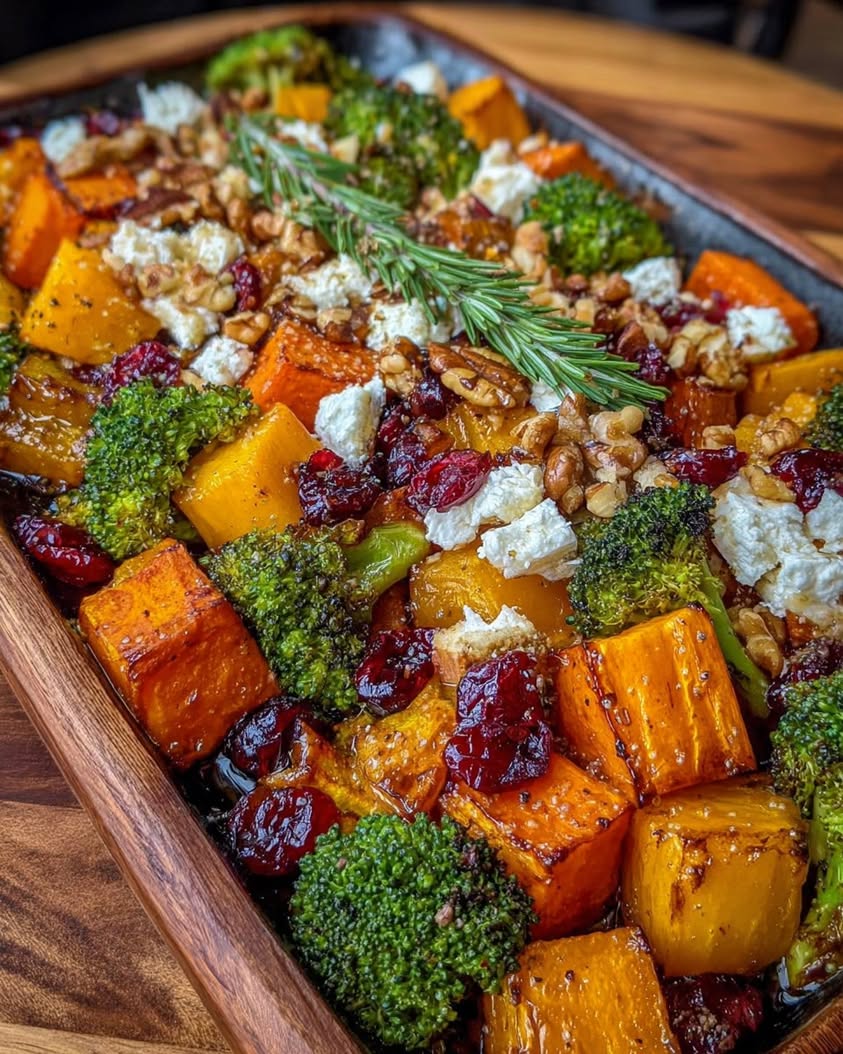
Roasted Harvest Veggies with Feta, Walnuts & Honey Glaze: The Ultimate Fall Side Dish
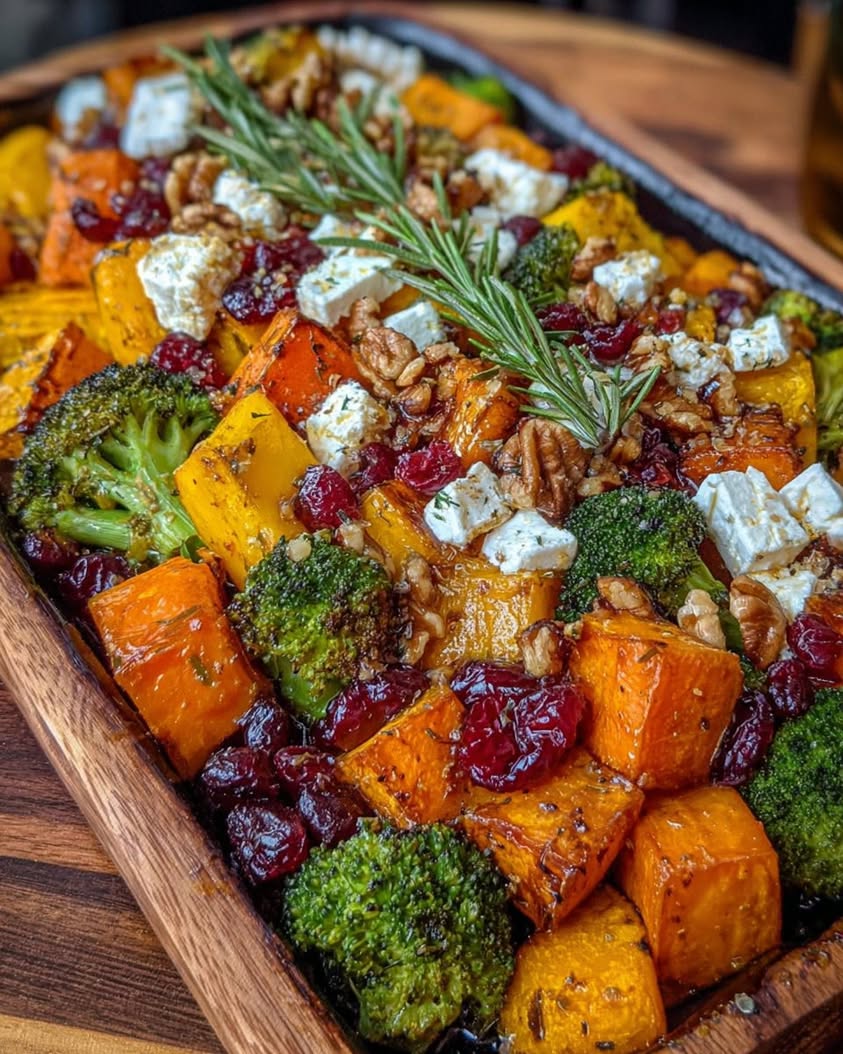
Imagine a sheet pan brimming with the most vibrant colors of autumn. This recipe for Roasted Harvest Veggies with Feta, Walnuts & Honey Glaze captures the essence of fall in every single bite. It transforms humble root vegetables and broccoli into a stunning, caramelized masterpiece. The natural sugars in the butternut squash and sweet potato deepen and concentrate in the oven’s heat. Meanwhile, the carrots become tender and sweet, and the broccoli florets develop deliciously crispy edges.
This dish is far more than just a simple side. It is a celebration of texture and flavor designed to be the star of your holiday table or a satisfying weeknight meal. The final drizzle of a sweet-tart cranberry-honey glaze and a generous sprinkle of salty feta and crunchy walnuts creates a perfect symphony. Each component plays a crucial role, resulting in a dish that is visually breathtaking and incredibly delicious. Ultimately, this recipe proves that healthy food can be the most exciting food on your plate.
Furthermore, the aroma that fills your kitchen as these vegetables roast is absolutely irresistible. It smells like warmth, comfort, and celebration all at once. This Roasted Harvest Veggies dish is incredibly versatile, pairing beautifully with a simple roast chicken, a holiday turkey, or even served over a bed of greens for a hearty salad. It is a foolproof way to impress guests and nourish your family with seasonal produce at its very best.
Quick Recipe Highlights
- Flavor Profile: This dish offers a beautiful balance of savory, sweet, and salty notes. The caramelized roasted vegetables provide a deep, earthy sweetness that is perfectly complemented by the tangy feta cheese. Finally, the cranberry-honey glaze adds a bright, fruity acidity that ties everything together.
- Texture: You get a wonderful contrast in every forkful. The butternut squash and sweet potato become beautifully soft and creamy inside with caramelized edges. In contrast, the broccoli gains a slight char and crispness. Additionally, the walnuts add a crucial crunchy element, and the feta provides little bursts of creamy saltiness.
- Aroma: As the vegetables roast, your kitchen will fill with the warm, sweet scent of caramelizing sugars from the squash and carrots. Hints of rosemary and garlic mingle with the nutty fragrance of toasting walnuts. The glaze introduces a final note of bright, berry-like aroma that makes the dish instantly inviting.
- Visual Appeal: This is a feast for the eyes with its stunning autumn palette. You see vibrant orange from the squash and carrots, deep green from the broccoli, and creamy white from the sweet potato. The red glaze, white feta crumbles, and brown walnuts create a confetti of color that is perfect for holiday plating.
- Skill Level Needed: This is a beginner-friendly recipe that requires only basic kitchen skills. The most important tasks are chopping vegetables evenly and remembering to stir the pan halfway through roasting. There is no fancy technique required, making it accessible for cooks of all levels.
- Special Equipment: You only need a few standard kitchen tools. A large, rimmed baking sheet is essential for allowing the vegetables to roast instead of steam. A good chef’s knife and cutting board make prep work easy. A small saucepan or microwave-safe bowl is needed for the simple glaze.
Recipe Overview
- Difficulty Level: This recipe is rated “Easy” because it involves straightforward techniques like chopping and roasting. The process is largely hands-off once the vegetables are in the oven. There is no intricate sauce work or precise temperature control needed. Success relies on even vegetable cuts and basic timing, which are simple skills to master.
- Category: This dish is incredibly versatile in its categorization. It shines as a spectacular side dish for Thanksgiving or Christmas dinner. Conversely, it can serve as a hearty vegetarian main course when served over quinoa or farro. It also works wonderfully as a meal prep component for lunches throughout the week.
- Cuisine: While not tied to one specific tradition, this recipe draws inspiration from modern American farm-to-table cooking and Mediterranean flavors. The use of feta cheese and walnuts nods to Greek cuisine. Meanwhile, the honey-glazed roasted vegetable concept is a staple of contemporary healthy eating trends across the United States.
- Cost: This is a cost-effective dish, especially when made in peak fall and winter seasons. Butternut squash, carrots, and sweet potatoes are typically very affordable. Broccoli, feta, walnuts, and cranberry sauce are pantry staples that can be purchased without breaking the bank. Overall, it delivers restaurant-quality presentation on a modest budget.
- Season: This recipe is perfect for late fall and winter. These vegetables are at their peak of flavor and lowest in price during these cooler months. The warm, hearty nature of the dish is ideal for cooler weather. It literally tastes like the season on a plate, making it a seasonal favorite.
- Occasion: It is perfect for a wide range of occasions. It is elegant enough for holiday feasts and festive dinner parties. Simultaneously, it is simple enough for a casual family weeknight dinner. You can also bring it to potlucks where it is guaranteed to be a colorful and popular choice.
Why You’ll Love This Roasted Harvest Veggies Recipe
First and foremost, the taste and texture combination is utterly addictive. Each bite delivers a complex experience that keeps you coming back for more. You get the deep, caramelized sweetness of the roasted root vegetables against the fresh, slightly bitter crunch of the broccoli. Then, the salty, creamy feta cuts through the richness, and the crunchy walnuts add a satisfying nuttiness. The sweet-tart glaze is the final flourish that brightens the entire dish and makes it truly special.
From a convenience standpoint, this recipe is a weeknight hero. Once the vegetables are chopped, the oven does most of the work. This hands-off cooking time allows you to prepare the rest of your meal or simply relax. The recipe uses just one sheet pan for easy cleanup, which is a major bonus after a long day. Additionally, the ingredients are easy to find at any grocery store, with no obscure or expensive items required.
Nutritionally, this dish is a powerhouse. It is packed with vitamins, minerals, and fiber from a diverse array of colorful vegetables. Butternut squash and sweet potatoes are excellent sources of Vitamin A and antioxidants. Broccoli provides Vitamin C and K, while carrots are famous for their beta-carotene. The walnuts add healthy fats and protein, and the feta offers a dose of calcium. This is a meal that makes you feel as good as it tastes.
For entertaining, this Roasted Harvest Veggies platter is a guaranteed crowd-pleaser. Its stunning visual appeal makes it the centerpiece of any buffet or dinner table. It caters to various dietary preferences, being naturally vegetarian and easily adaptable for vegans or those with gluten sensitivities. Guests will appreciate the thoughtful combination of flavors and the clear effort to serve something beautiful and healthy.
Finally, it is remarkably cost-effective. Root vegetables are some of the most affordable produce items, especially in bulk. This recipe stretches a small amount of pricier ingredients like feta and walnuts by using them as flavorful garnishes rather than the main component. You can feed a large group impressively without straining your grocery budget, making it a smart choice for holiday meals.
Historical Background and Cultural Significance
The practice of roasting vegetables is one of humanity’s oldest cooking methods. Historically, people around the world have cooked root vegetables and hardy greens in the embers of fires. This technique caramelizes natural sugars and concentrates flavors. Our modern version with a sheet pan is a direct descendant of those ancient practices. Specifically, using honey as a glaze has roots in many ancient cultures that prized its preserving and sweetening qualities.
In American culinary tradition, the combination of fall harvest vegetables holds deep cultural significance. Dishes featuring squash, sweet potatoes, and cranberries are central to the Thanksgiving narrative. They symbolize abundance, the autumn harvest, and Native American agricultural contributions. This recipe modernizes that tradition by incorporating global ingredients like feta and using a quicker, more reliable roasting method accessible to today’s home cook.
The recipe has evolved significantly from simple roasted roots. The addition of broccoli reflects a more modern understanding of including diverse vegetable families for nutrition and color. The use of feta cheese introduces a Mediterranean influence that has become hugely popular in contemporary American cooking. Similarly, the cranberry-honey glaze is a creative twist on classic cranberry sauce, bridging traditional holiday flavors with a quicker, smoother preparation.
Regional variations of this concept are endless. In the Southern United States, you might find pecans instead of walnuts and a bourbon-infused glaze. A New England version could include maple syrup instead of honey. Mediterranean variations might use olives and oregano. This adaptability is a testament to the recipe’s solid foundation. It provides a perfect template for incorporating local and seasonal ingredients from any region.
Ingredient Deep Dive
Butternut squash is a winter squash native to the Americas. Cultivated for thousands of years, it was a staple food for many Indigenous peoples. Nutritionally, it is incredibly rich in Vitamin A, Vitamin C, and fiber. When selecting one, choose a squash that feels heavy for its size with a firm, matte skin and no soft spots. Store it in a cool, dark place for up to a month. You can substitute with acorn squash or pumpkin if needed.
Sweet potatoes have a fascinating history, originating in Central or South America over 5,000 years ago. They are not related to white potatoes and are actually part of the morning glory family. They are an excellent source of beta-carotene, Vitamin C, and manganese. Look for firm potatoes with smooth skin and no signs of decay. Store them in a cool, dark, well-ventilated place but not in the refrigerator. Garnet yams make a perfect substitute.
Carrots have been cultivated since ancient times, originally for their aromatic leaves and seeds rather than their roots. The orange carrot we know today was developed in the Netherlands in the 17th century. They are famous for their beta-carotene content, which converts to Vitamin A. Choose carrots that are firm, smooth, and brightly colored. Remove their green tops before storing in the refrigerator’s crisper drawer. Parsnips can be used as a slightly sweeter, earthier alternative.
Broccoli is a man-made cultivar derived from wild cabbage, developed by Italians over 2,000 years ago. It is a nutritional superstar, packed with Vitamins C and K, folate, and sulforaphane, a compound with potent anti-inflammatory properties. Select broccoli with tight, dark green florets and firm stalks. Avoid any with yellowing buds. Store it unwashed in an open bag in the refrigerator. Cauliflower or broccolini can work as suitable replacements.
Feta cheese is a brined curd cheese with a history dating back to ancient Greece. Traditionally made from sheep’s milk or a sheep-goat blend, it has a tangy, salty flavor and crumbly texture. It provides calcium and protein. For the best flavor, buy feta packed in brine. Store it in its brine in the refrigerator. For a dairy-free version, use a firm tofu crumbled with salt and lemon juice, or a vegan feta alternative.
Walnuts are among the oldest tree foods, with remnants found in Neolithic sites. They are rich in omega-3 fatty acids, antioxidants, and melatonin. For optimal freshness, purchase walnuts from a store with high turnover and store them in the freezer to prevent rancidity. Toasting them before use enhances their flavor dramatically. Pecans or almonds can be substituted for a different but equally delicious crunch.
The cranberry-honey glaze combines two ancient ingredients. Cranberries are one of North America’s native fruits, used by Indigenous peoples for food, dye, and medicine. Honey has been harvested for over 8,000 years. This glaze adds a vital sweet and tart element. Use pure honey and whole-berry cranberry sauce for the best flavor. For a vegan version, use maple syrup. For a sugar-free option, a sugar-free cranberry sauce with a touch of monk fruit syrup works well.
Common Mistakes to Avoid
- Chopping vegetables unevenly. This is the most common error. If pieces are different sizes, they will cook at different rates. Consequently, some will burn while others remain hard. Always aim for a uniform ¾-inch to 1-inch dice for even caramelization and cooking.
- Crowding the baking sheet. Overfilling the pan causes the vegetables to steam instead of roast. They will become soggy and will not develop those desirable caramelized edges. For best results, use two sheets if necessary to ensure each piece has space.
- Neglecting to preheat the oven. A properly hot oven is crucial for immediate searing and caramelization. If you put the pan in a cold oven, the vegetables will start to steam and release water, leading to a mushy result. Always wait for the oven to reach the full temperature.
- Forgetting to stir or flip halfway through. The heat in most home ovens is not perfectly even. Without stirring, the pieces on the edges may burn while those in the center undercook. Stirring ensures all sides get exposure to the hot pan and heat for uniform color.
- Using old, dried-out walnuts. Stale nuts can have a bitter, unpleasant flavor that ruins the dish. Always taste your walnuts before adding them. For the best flavor, toast them fresh in a dry skillet for a few minutes until fragrant.
- Adding the feta before roasting. Feta cheese will melt and burn in the high heat of the oven, losing its creamy texture. It should always be added as a fresh garnish after the vegetables come out of the oven and have cooled slightly.
- Skipping the oil or using the wrong type. A moderate amount of oil is necessary to conduct heat and promote browning. Using a low-smoke-point oil like extra virgin olive oil can sometimes lead to burning. Avocado oil or regular olive oil is a better choice for high-heat roasting.
- Not seasoning in layers. Seasoning only at the end results in bland vegetables. Season the vegetables with salt and pepper before roasting to allow the seasoning to penetrate. Then, adjust the final seasoning after roasting and adding the glaze and garnishes.
Essential Techniques
Uniform chopping is the foundational technique for this recipe. Consistent size ensures even cooking, meaning every piece will be perfectly tender and caramelized at the same time. To master this, use a sharp chef’s knife and take your time. For butternut squash, first cut off the ends, peel it, slice it in half lengthwise, scoop out the seeds, then cut into planks and dice. The common pitfall is rushing and making pieces too large or uneven. Visual success is achieved when all the vegetable pieces look like they belong to the same family in size and shape.
High-heat roasting is the transformative technique that creates deep flavor. This method uses dry, concentrated heat to evaporate surface moisture and caramelize the natural sugars in the vegetables. To do it correctly, preheat your oven fully and use a rimmed baking sheet that allows for good air circulation. The common mistake is roasting at too low a temperature, which steams the vegetables. You will know it’s working when you hear a gentle sizzle and see the edges turning a deep golden brown.
Creating the cranberry-honey glaze involves a simple reduction technique. Simmering the cranberry sauce and honey together thickens the mixture slightly and melds the flavors. The key is to cook it just until it becomes syrupy but not so long that it turns into a hard candy. Use a gentle heat and stir frequently. The pitfall is overheating, which can cause the honey to burn or the glaze to become too thick to drizzle. Success is a glaze that coats the back of a spoon and falls in a ribbon.
Toasting walnuts is a quick but vital step for maximizing flavor. This dry-heat technique awakens the nuts’ natural oils and gives them a deeper, richer taste and crunch. Simply place the walnuts in a single layer in a dry skillet over medium heat. Shake the pan frequently until they become fragrant and slightly darkened. The common mistake is walking away, as they can burn in seconds. Visual and aromatic cues are your best guides; they are done when you can smell their nutty aroma.
Pro Tips for Perfect Roasted Harvest Veggies
For extra caramelization, give the vegetables a quick toss in a tablespoon of maple syrup or brown sugar along with the oil. This creates an even more delicious, crispy exterior on the sweet potatoes and squash.
If you have time, spread the chopped vegetables on the baking sheet and let them air-dry for 15-20 minutes before adding oil and seasoning. This reduces surface moisture and leads to better browning in the oven.
Add fresh herbs for complexity. Toss a few sprigs of fresh rosemary or thyme onto the pan with the vegetables. The herbs will infuse their flavor into the oil and the vegetables as they roast.
For a flavor boost, add a teaspoon of smoked paprika or ground cumin to the oil and spice mixture before tossing with the vegetables. This adds a warm, smoky depth that complements the sweetness beautifully.
Use parchment paper or a silicone baking mat for easier cleanup. However, note that vegetables may not get quite as crispy as they do directly on the metal pan, but the difference is minimal for most home cooks.
Let the roasted vegetables rest for 5 minutes after removing them from the oven before adding the glaze and garnishes. This allows them to firm up slightly so they do not get mushy when tossed.
If preparing for a crowd, you can roast the vegetables on two separate oven racks. Just be sure to switch the positions of the baking sheets and stir the contents halfway through the cooking time for even results.
For the walnuts, try candying them lightly. After toasting, toss them in a hot pan with a teaspoon of honey and a pinch of salt, then let them cool on parchment. They become an incredible sweet-and-salty garnish.
Variations and Adaptations
For regional variations, consider the ingredients local to your area. In the South, use pecans and a splash of bourbon in the glaze. A Pacific Northwest version could include hazelnuts and a maple-Dijon glaze. A Southwest twist might incorporate chili powder on the vegetables and pepitas instead of walnuts. The basic formula is wonderfully adaptable to celebrate any region’s harvest.
Seasonal adaptations are easy. In summer, swap the root vegetables for zucchini, bell peppers, and eggplant, and use a basil-infused oil. For spring, try asparagus, new potatoes, and radishes with a lemon-herb glaze. The cranberry-honey glaze can become a raspberry-honey glaze in summer or an orange-fig glaze in winter. Always let the season guide your produce choices.
Dietary modifications are straightforward. For a vegan version, omit the feta or use a vegan alternative, and ensure your honey is replaced with maple syrup. For a nut-free dish, use roasted pumpkin seeds (pepitas) or sunflower seeds. To make it gluten-free, simply verify that your cranberry sauce has no hidden gluten-containing additives; most are naturally gluten-free.
Flavor variations can keep this recipe exciting all year. Try a Moroccan-inspired version with ras el hanout spice on the vegetables and a pomegranate molasses glaze. An Italian version could use rosemary, garlic, and a balsamic glaze, finishing with shaved Parmesan. An Asian-inspired twist might include a miso-sesame oil marinade and a garnish of sesame seeds and scallions.
Texture modifications can cater to different preferences. For softer vegetables, cover the pan with foil for the first half of roasting. For extra crispiness, use the convection setting on your oven or broil for the last 2-3 minutes, watching carefully. If you prefer a smoother eating experience, you can puree half the roasted vegetables and mix them back in for a creamier base with chunks.
Presentation alternatives offer creative freedom. Instead of mixing everything, arrange the different roasted vegetables in distinct sections on a large platter. Drizzle the glaze in artistic swirls and place the feta and walnuts in neat piles. For individual servings, use small bowls or hollowed-out roasted acorn squash halves as edible containers.
Serving and Presentation Guide
Plating techniques can elevate this dish from casual to elegant. For a family-style presentation, pile the warm vegetables onto a large, rustic wooden board or a white ceramic platter to make the colors pop. Create height in the center for visual interest. For individual plates, use a ring mold to create a neat, vertical stack of vegetables in the center of the plate, then carefully remove the mold.
Garnishing is the final touch. Beyond the feta and walnuts, consider adding a sprinkle of fresh, chopped parsley, mint, or dill for a burst of green color and freshness. A few extra whole cranberries from the sauce or some pomegranate arils add beautiful red jewels. A final drizzle of high-quality extra virgin olive oil or a balsamic reduction around the plate adds a professional finish.
Traditional accompaniments for this dish include a simple roast turkey, chicken, or pork loin. The sweet and savory vegetables complement the richness of the meat perfectly. For a vegetarian feast, it pairs wonderfully with a lentil loaf, stuffed mushrooms, or a rich mushroom gravy. It also sits beautifully alongside classic sides like mashed potatoes and green bean casserole.
Modern serving suggestions are more flexible. Serve it warm over a bed of baby kale or arugula for a hearty fall salad—the residual heat will slightly wilt the greens. Spoon it over creamy polenta or cauliflower mash for a comforting bowl. Use it as a flavorful topping for grain bowls with quinoa or farro, adding a protein like chickpeas or grilled tofu.
Temperature considerations are important. This dish is best served warm, not piping hot. Allowing it to cool slightly lets the flavors settle and prevents the feta from melting into a mess. If you need to hold it, you can keep the roasted vegetables (without garnishes) in a warm oven (200°F) for up to 30 minutes. Add the cold garnishes just before serving to maintain their texture.
Portion control is easy with this nutrient-dense dish. As a side, a generous ¾ to 1 cup serving per person is appropriate. As a main course, aim for 1.5 to 2 cups per person. Remember that the walnuts and feta add significant flavor and richness, so a little goes a long way. You can always offer extra garnishes on the side for guests to add as they wish.
Wine and Beverage Pairing
Wine pairings for this dish should balance its sweet, savory, and tangy elements. A crisp, unoaked white wine like a Sauvignon Blanc or Pinot Gris works beautifully. Their acidity cuts through the richness and complements the tangy feta and cranberry. For red wine lovers, a light-bodied, low-tannin red like a Pinot Noir or Beaujolais is ideal. It will not overpower the vegetables and will harmonize with the earthy, sweet notes. Avoid heavily oaked Chardonnays or bold, tannic reds like Cabernet Sauvignon, which can clash with the sweetness.
Non-alcoholic alternatives can be just as sophisticated. A sparkling apple cider or a dry non-alcoholic brut mimics the celebratory feel of wine. For a still option, a tart cherry juice spritzer with a squeeze of lime complements the cranberry flavors. A warm, mulled apple cider with cinnamon and orange is a cozy fall pairing that echoes the dish’s seasonal spirit.
While not a classic coffee dish, certain warm beverages can work if serving this for a brunch or lunch. A light-roast coffee with bright, fruity notes can be pleasant. A black tea with stone fruit notes, like a peach or apricot black tea, can pick up on the sweet vegetable flavors. Avoid heavy, bitter coffees or teas that would contrast harshly with the dish’s sweetness.
Temperature considerations for beverages are standard. Serve white wines and spritzers well-chilled, around 45-50°F. Red wines should be served slightly cooler than room temperature, around 55-60°F, to keep them fresh. Non-alcoholic ciders and spritzers should be cold, while mulled cider should be served piping hot. The goal is for the beverage to refresh the palate between bites of the flavorful, textured vegetables.
Serving suggestions include offering a choice. For a dinner party, set out both a white and a red wine option. Provide a elegant non-alcoholic option in a carafe so all guests feel included. Always serve beverages in appropriate glassware to enhance the tasting experience—a wine glass for wine, a highball for spritzers, and a mug for warm cider.
Storage and Shelf Life
Storage methods are simple but important for maintaining quality. Allow the leftover roasted vegetables (without the feta and walnut garnishes) to cool completely to room temperature. This prevents condensation, which leads to sogginess. Transfer the cooled vegetables to an airtight container. Store the glaze, feta, and toasted walnuts in separate small containers. This prevents the walnuts from getting soggy and the feta from dissolving.
Temperature requirements are standard refrigerator cold. All components must be stored in the refrigerator at 40°F or below. The assembled vegetables with glaze (but still without feta and walnuts) will keep for 3-4 days. The separate garnishes will keep for up to a week. Do not leave the dish at room temperature for more than two hours to prevent bacterial growth.
Container recommendations focus on preventing moisture loss and odor transfer. Glass containers with tight-sealing lids are ideal for the vegetables. For the walnuts, a small glass jar or a zip-top bag with the air pressed out works well to keep them crisp. The feta should remain in its brine or be placed in a small container covered with water to prevent drying out.
Signs of spoilage are usually obvious. Discard the vegetables if you see any fuzzy mold growth, which can appear white, green, or black. A sour or off smell is a clear indicator. If the vegetables have become excessively slimy or mushy beyond their normal cooked texture, they have likely spoiled. Always err on the side of caution if in doubt.
Reheating instructions are key to restoring texture. To reheat the vegetables, spread them in a single layer on a baking sheet and warm them in a 350°F oven for 10-15 minutes until heated through. This method helps re-crisp the edges. Avoid using the microwave, as it will make the vegetables soft and steamy. Add the fresh garnishes of feta, walnuts, and a fresh drizzle of glaze only after reheating.
Freezing guidelines are possible but with caveats. You can freeze the plain roasted vegetables (without glaze or garnishes) for up to 3 months. However, the texture will become softer upon thawing, as the cell structure of the vegetables breaks down. They are best used from frozen in soups, stews, or blended into a sauce rather than served as a distinct side dish. Do not freeze the assembled dish with glaze or cheese.
Make Ahead Strategies
A prep timeline can turn this into a stress-free party dish. Up to two days ahead, chop all the vegetables. Store them in separate airtight containers or zip-top bags in the refrigerator. The day before, you can toast the walnuts and prepare the cranberry-honey glaze; store both in the fridge. On the day of serving, simply toss the pre-chopped vegetables with oil and roast. This strategy cuts active prep time to just 10 minutes before cooking.
Storage between steps is crucial for quality. Keep the chopped, uncooked vegetables very dry. You can place a paper towel in the containers with them to absorb any excess moisture that accumulates. The prepared glaze can be gently reheated on the stove or in the microwave until fluid again. The toasted walnuts should stay at room temperature in an airtight container to maintain crunch.
Quality impact assessment shows that some elements are better made fresh. While pre-chopping vegetables has minimal impact, adding oil and salt too far in advance can draw out moisture, leading to less caramelization. Therefore, only toss the vegetables with oil and seasoning right before they go into the oven. The feta should always be crumbled fresh to maintain its texture and prevent drying.
Assembly tips for make-ahead are simple. Roast the vegetables up to 2 hours before serving. Let them cool on the pan, then transfer to your serving platter. Cover loosely with foil and keep in a warm spot (like a turned-off oven). Right before serving, re-warm the glaze if needed, drizzle it over the vegetables, and then scatter the room-temperature walnuts and cold feta over the top. This keeps everything at its ideal texture.
Reheating guidelines for make-ahead components are gentle. If the vegetables have cooled completely, re-spread them on a baking sheet and warm in a 375°F oven for 5-8 minutes just to take the chill off. You want them warm, not cooking further. The glaze may thicken in the fridge; thin it with a teaspoon of warm water or orange juice and whisk until smooth before drizzling.
Fresh element additions are non-negotiable for the best result. The walnuts and feta must be added at the last moment. If you add them before holding the dish, the walnuts will lose their crunch from the steam and the feta will sweat and become unappealing. Even if everything else is prepped, treat these two garnishes as your “finishing touch” for maximum impact.
Scaling Instructions
Halving the recipe is simple for smaller households. Use exactly half of each ingredient. The key adjustment is to use a smaller baking sheet or quarter sheet pan. A crowded small batch on a large pan will not cook evenly. The cooking time may be reduced by 5-7 minutes, so start checking for doneness at the 25-minute mark. All other steps remain identical.
Doubling or tripling the recipe for a crowd requires planning. You must use multiple baking sheets. Do not pile the vegetables higher on one sheet; they will steam. Rotate the sheets between oven racks and swap their positions front-to-back halfway through roasting to ensure even cooking. Cooking time may increase slightly due to the added volume of food in the oven. Expect to add 5-10 minutes and rely on visual cues for doneness.
Equipment adjustments are necessary when scaling. For a double batch, you will need two large rimmed baking sheets. For a triple batch, you may need to roast in consecutive batches unless you have a commercial-sized oven. Ensure you have a large enough bowl to toss all the vegetables with oil evenly. A very large mixing bowl or even a clean kitchen sink (lined with a bag) can work for massive batches.
Timing modifications are minimal but important. When roasting multiple sheets at once, the total time may increase because the oven’s temperature drops each time you open the door. Factor in an extra 5-10 minutes of total roasting time. It is better to check for doneness more frequently than to rely strictly on the clock when the oven is full.
Storage considerations for scaled-up recipes are similar. You will simply have more leftovers. Store them in multiple smaller containers rather than one gigantic one. This allows for quicker cooling and easier reheating of single portions. Label containers with the date if you are preparing for a future event or for meal prep throughout the week.
Nutritional Deep Dive
A macro breakdown reveals a well-balanced dish. A serving provides complex carbohydrates from the vegetables for sustained energy. The olive oil and walnuts contribute healthy monounsaturated and polyunsaturated fats, including omega-3s. The feta cheese adds a modest amount of protein and fat. This combination helps keep you full and satisfied. The dish is naturally high in fiber, which aids digestion and promotes gut health.
The micronutrient analysis is impressive due to the variety of colorful vegetables. Butternut squash and sweet potatoes deliver a massive dose of Vitamin A (as beta-carotene), essential for vision and immune function. Broccoli is a top source of Vitamin C and Vitamin K. Carrots add more beta-carotene and potassium. Walnuts provide important minerals like manganese and copper. Together, they create a nutrient-dense profile that supports overall health.
Health benefits extend beyond basic nutrition. The antioxidants in the deeply colored vegetables combat oxidative stress and inflammation. The fiber supports heart health and healthy cholesterol levels. The healthy fats from the walnuts and oil are beneficial for brain health. The low glycemic index of the whole vegetables, combined with fiber and fat, helps regulate blood sugar levels, making it a good choice for many eating patterns.
Dietary considerations are mostly positive. The dish is naturally gluten-free and vegetarian. It can be adapted to be vegan and dairy-free with simple swaps. It is not inherently low-carb or keto due to the starchy vegetables, but the portion size can be adjusted. For those watching sodium, you can reduce the amount of salt added before roasting and choose a lower-sodium feta cheese.
Portion analysis shows that a standard serving as a side dish is both satisfying and calorie-conscious. It provides volume and satiety from fiber and water content, helping to prevent overeating of other, potentially less healthy, holiday dishes. As a main course, the portion increases, providing a complete and balanced meal that is filling without being overly heavy.
Weight management tips include being mindful of the oil and high-calorie garnishes. You can reduce the oil by a tablespoon and use an oil spray for lighter coating. Measure the walnuts and feta instead of sprinkling freely; a little provides plenty of flavor. Enjoying this as a primary component of your meal can help crowd out heavier, more calorie-dense options, supporting a healthy weight.
Dietary Adaptations
For a gluten-free adaptation, this recipe is already nearly perfect. The only ingredient to check is the cranberry sauce. Some canned or jellied cranberry sauces may contain modified food starch from wheat. Simply read the label or make your own glaze with fresh cranberries, honey, and a splash of orange juice to guarantee it is gluten-free. All other ingredients are naturally gluten-free.
A dairy-free version is easily achieved by omitting the feta cheese. For a similar salty, tangy element, make a “cheese” from crumbled firm tofu marinated in lemon juice, nutritional yeast, and salt. Alternatively, a store-bought Print
Caramelized Butternut Squash, Carrots, Broccoli & Sweet Potato with Feta, Walnuts & Cranberry-Honey Glaze
- Total Time: 45 minutes
- Yield: 4
Description
A vibrant, sweet-and-savory roasted vegetable medley with caramelized edges, topped with tangy feta, crunchy walnuts, and a glossy cranberry-honey glaze.
Ingredients
- 1 small butternut squash, peeled and cubed
- 2 large carrots, sliced into coins
- 1 head of broccoli, cut into florets
- 1 large sweet potato, peeled and cubed
- 3 tablespoons olive oil
- 1 teaspoon smoked paprika
- 1/2 teaspoon garlic powder
- Salt and black pepper to taste
- 1/2 cup crumbled feta cheese
- 1/3 cup chopped walnuts
- 1/4 cup dried cranberries
- 2 tablespoons honey
- 1 tablespoon balsamic vinegar
Instructions
- Preheat oven to 400°F (200°C). Line a large baking sheet with parchment paper.
- In a large bowl, toss butternut squash, carrots, broccoli, and sweet potato with olive oil, smoked paprika, garlic powder, salt, and pepper until evenly coated.
- Spread vegetables in a single layer on the baking sheet. Roast for 25-30 minutes, stirring halfway, until tender and caramelized at the edges.
- While vegetables roast, combine honey and balsamic vinegar in a small saucepan over low heat. Stir until warm and blended, then remove from heat.
- Once vegetables are done, transfer to a serving platter. Drizzle with the honey-balsamic glaze, then top with crumbled feta, walnuts, and dried cranberries. Serve warm.
Notes
You can customize the seasonings to taste.
- Prep Time: 15 minutes
- Cook Time: 30 minutes
- Method: Main
- Cuisine: American