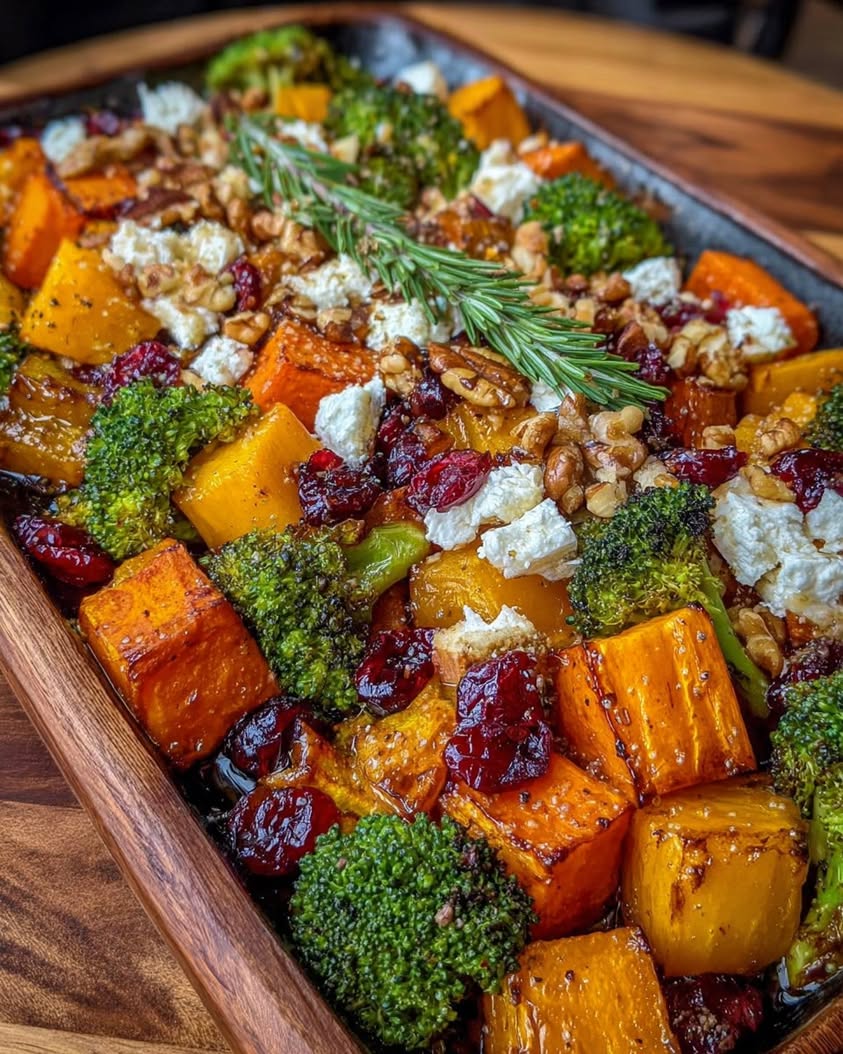
Caramelized Roasted Vegetables with Feta, Walnuts & Honey Glaze: A Festive Fall Harvest Bowl
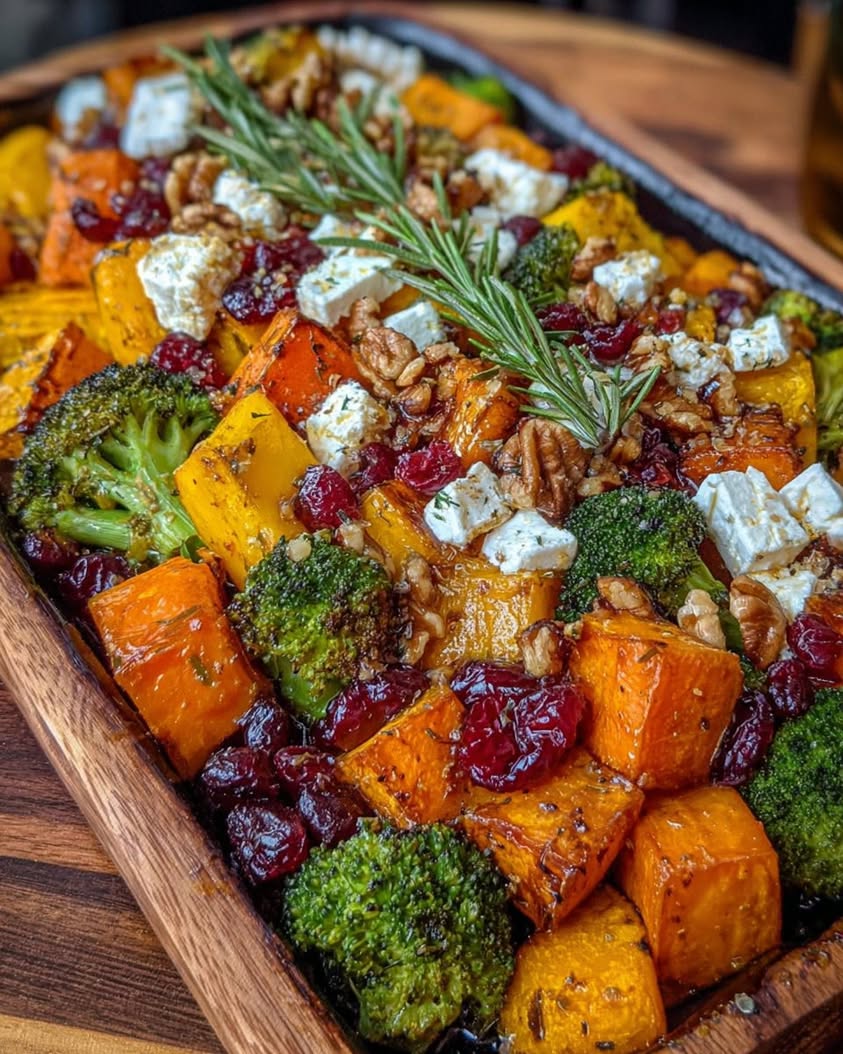
This Caramelized Roasted Vegetables with Feta, Walnuts & Honey Glaze recipe is the ultimate celebration of autumn’s bounty. Picture a vibrant sheet pan brimming with sweet butternut squash, earthy carrots, and hearty sweet potatoes, all roasted to caramelized perfection. Meanwhile, crisp-tender broccoli florets add a pop of green freshness. The real magic, however, happens when you finish the dish. You’ll drizzle everything with a sweet-tart cranberry-honey glaze and then generously scatter over creamy, salty feta and crunchy toasted walnuts. This dish is a masterclass in balancing textures and flavors, transforming simple roasted root vegetables into a stunning centerpiece worthy of any holiday table or cozy weeknight dinner.
Creating this Caramelized Roasted Vegetables with Feta, Walnuts & Honey Glaze is surprisingly straightforward. Essentially, you just need to chop, toss, and roast. The oven does the heavy lifting, slowly coaxing out the natural sugars in the vegetables until their edges become beautifully browned and crisp. Consequently, your kitchen will fill with an irresistible, warm aroma that promises a delicious meal. This recipe is incredibly versatile, acting as a magnificent vegetarian main, a standout side dish for roasted meats, or even a fantastic addition to a grain bowl. Ultimately, it delivers restaurant-quality presentation and taste with minimal hands-on effort, making it a reliable go-to for both special occasions and everyday nourishment.
Furthermore, the combination of ingredients in this Caramelized Roasted Vegetables with Feta, Walnuts & Honey Glaze is designed to delight every sense. Visually, it’s a mosaic of deep oranges, bright greens, and creamy whites. Texturally, it offers a wonderful play between the soft, caramelized vegetables, the crisp broccoli, the crunchy nuts, and the crumbly cheese. Flavor-wise, each bite is a harmonious blend of savory, sweet, salty, and tangy notes. This dish proves that eating your vegetables can be the most exciting part of the meal, offering a nutrient-dense plate that feels indulgent and deeply satisfying.
Quick Recipe Highlights
- Flavor Profile: This dish features a sophisticated balance where the natural sweetness of caramelized roasted vegetables meets the salty punch of feta and the rich, toasty depth of walnuts. The cranberry-honey glaze introduces a bright, tangy-sweet note that ties all the elements together beautifully, preventing the dish from feeling too heavy.
- Texture: You experience a delightful contrast in every forkful. The roasted vegetables become tender and slightly crisp on the edges, while the broccoli retains a pleasant bite. Meanwhile, the walnuts add a crucial crunchy element, and the feta cheese provides a soft, crumbly finish that melts slightly on the warm veggies.
- Aroma: As the vegetables roast, your kitchen will fill with the warm, earthy scents of caramelizing squash and sweet potato, underscored by the savory notes of olive oil and herbs. The final addition of the honey glaze and toasted nuts adds a layer of sweet, nutty fragrance that is utterly inviting.
- Visual Appeal: This recipe is a feast for the eyes, boasting a stunning color palette. The deep orange of the squash, the vibrant green of the broccoli, the white and pink of the feta, and the brown of the walnuts create a rustic yet elegant presentation that looks stunning on any table.
- Skill Level Needed: This is a beginner-friendly recipe perfect for home cooks of all levels. The techniques involved—chopping vegetables, tossing them in oil, and roasting—are fundamental. Success relies more on timing and ingredient preparation than on advanced culinary skills.
- Special Equipment: You only need a few basic kitchen tools: a large baking sheet, a good chef’s knife and cutting board for prepping the vegetables, a mixing bowl for tossing, and a small saucepan or microwave-safe bowl for making the simple glaze. Parchment paper is highly recommended for easy cleanup.
Recipe Overview
- Difficulty Level: We rate this recipe as “Easy” because it utilizes foundational cooking methods accessible to everyone. The primary skill is uniform vegetable chopping to ensure even cooking. Additionally, the process is forgiving; even if some pieces cook faster than others, the final dish still comes together wonderfully. There are no tricky techniques or precise temperatures to master, making it a confident first try for novice cooks.
- Category: This versatile dish comfortably fits into multiple categories. It shines as a hearty vegetarian and gluten-free main course when served over a grain like quinoa or farro. Simultaneously, it makes an impressive and colorful side dish for holiday feasts alongside turkey or ham. You can even enjoy it as a warm salad or a premium meal prep component for lunches throughout the week.
- Cuisine: While not tied to one specific tradition, this recipe draws inspiration from Mediterranean and modern American “bowl” cuisine. The use of olive oil, feta, and walnuts is classic to Greek and Middle Eastern cooking. The method of roasting vegetables to intensify flavor is a universal technique celebrated in many culinary traditions, especially during the harvest season.
- Cost: This is a cost-effective recipe, especially when you make it in the fall and winter when its core ingredients are in season and at their lowest price. Butternut squash, carrots, and sweet potatoes are typically very affordable. Feta, walnuts, and fresh broccoli may represent a slightly higher cost, but they are used in moderate amounts, providing big flavor and texture impact without breaking the bank.
- Season: This dish is quintessential autumn and winter fare. It features robust, storage-friendly vegetables that are harvested in the late fall. The warm, sweet, and savory flavors are perfectly suited to cooler weather, providing comfort and nourishment. It’s a fantastic way to enjoy the peak flavors of the harvest season.
- Occasion: Its flexibility makes it perfect for numerous occasions. It’s elegant enough for Thanksgiving, Christmas, or a festive dinner party. Conversely, it’s simple enough for a casual family weeknight meal. You can also easily scale it up for a potluck or scale it down for a cozy dinner for two.
Why You’ll Love This Recipe
First and foremost, you will adore the incredible taste and texture symphony in this Caramelized Roasted Vegetables with Feta, Walnuts & Honey Glaze. Each component is carefully chosen to create a perfect bite. The roasting process transforms the humble vegetables, concentrating their sugars and creating deep, complex flavors with deliciously caramelized edges. When you then add the creamy saltiness of the feta, the crunch of the walnuts, and the sweet-tart pop of the glaze, the result is far greater than the sum of its parts. This dish satisfies cravings for something both healthy and decadent, making it a crowd-pleaser for adults and children alike who might normally shy away from simple veggies.
From a practical standpoint, the convenience of this recipe is a major win. It’s primarily a hands-off, one-pan meal. After the quick prep work of chopping, you simply toss everything in oil and spices, then let the oven work its magic. This frees you up to set the table, prepare a simple grain, or simply relax. The make-ahead potential is also excellent; you can chop the vegetables hours in advance or even roast them ahead of time and simply reheat before adding the final toppings. This streamlined approach makes hosting stress-free and weeknight cooking a breeze.
Nutritionally, this dish is a powerhouse. It’s packed with vitamins, minerals, and fiber from its array of colorful vegetables. Butternut squash and sweet potatoes are rich in Vitamin A and antioxidants. Broccoli provides Vitamin C and K. Carrots contribute beta-carotene. The walnuts add healthy fats, protein, and omega-3s, while the feta offers a dose of calcium and protein. Using olive oil as the primary fat source contributes heart-healthy monounsaturated fats. This combination makes the meal not only delicious but also deeply nourishing and sustaining.
For entertaining, this Caramelized Roasted Vegetables with Feta, Walnuts & Honey Glaze offers tremendous social value. Its stunning visual presentation is guaranteed to draw compliments and spark conversation. It caters beautifully to diverse dietary needs, being naturally vegetarian and gluten-free, which takes the guesswork out of menu planning for mixed groups. Serving a beautiful, flavorful vegetable-centric dish can also inspire guests to explore more plant-based options. It creates a warm, abundant, and welcoming atmosphere on the dining table.
Finally, this recipe is remarkably cost-effective and accessible. The foundation is built on affordable, readily available root vegetables and broccoli. The “extras” like feta, walnuts, and cranberries are used as impactful garnishes, so a little goes a long way in terms of flavor and texture. You likely already have the core pantry staples like olive oil, honey, and basic spices on hand. This accessibility means you can create a restaurant-quality, impressive dish without a special trip to an expensive grocery store, making gourmet, healthy eating achievable on any budget.
Historical Background and Cultural Significance
The practice of roasting vegetables is one of humanity’s oldest cooking methods, dating back to when food was first cooked over open fires. This technique of applying dry heat to root vegetables and hardy greens to caramelize their natural sugars is a global tradition. Specifically, the combination of sweet and savory elements seen in this recipe has deep roots in many culinary cultures. For instance, Middle Eastern and Mediterranean cuisines have long paired sweet ingredients like honey and fruits with savory vegetables and salty cheeses, creating complex flavor profiles that are both ancient and timeless.
In terms of cultural importance, a dish centered around roasted autumn harvest vegetables speaks to traditions of gratitude and celebration. In North America, it evokes the spirit of Thanksgiving and harvest festivals, where the bounty of the land is showcased and shared. The use of native ingredients like squash, which has been cultivated for thousands of years in the Americas, connects the dish to indigenous foodways. Similarly, the inclusion of cranberries, a fruit native to North America, reinforces this seasonal and regional significance, tying the recipe to a sense of place and time.
The evolution of this specific recipe is a testament to modern “bowl” culture and the rise of vegetable-forward dining. While roasting vegetables is ancient, the contemporary presentation—arranging them artfully in a bowl or on a platter with strategic garnishes for maximum visual and textural impact—is a more recent trend. This reflects a growing culinary emphasis on plants as the star of the plate, not just a side. The addition of a quick, flavorful glaze and crunchy toppings transforms a simple roasted vegetable medley into a composed, restaurant-style dish suitable for today’s food-conscious home cook.
Regional variations of this concept are endless. In the Mediterranean, you might find roasted vegetables with halloumi or goat cheese and a drizzle of pomegranate molasses. In the American South, a similar dish might include pecans instead of walnuts and a bourbon-infused glaze. A North African twist could feature spices like cumin and cinnamon, with a garnish of toasted almonds and fresh herbs. This recipe serves as a fantastic template, encouraging cooks to incorporate local produce, cheeses, and nuts, making it a truly adaptable celebration of seasonal and regional abundance.
Ingredient Deep Dive
Butternut Squash: This winter squash, native to the Americas, has been a staple food for millennia. It’s incredibly versatile and stores well, making it a crucial harvest vegetable. Nutritionally, it’s a superstar, loaded with beta-carotene (which converts to Vitamin A), Vitamin C, fiber, and potassium. When selecting, choose a squash that feels heavy for its size with a firm, matte skin and no soft spots. Store whole squash in a cool, dark place for months. Once cut, wrap tightly and refrigerate for up to five days. For a substitution, try acorn squash or pumpkin, keeping in mind cooking times may vary slightly.
Carrots: Carrots have a long history, originally cultivated for their aromatic leaves and seeds before the orange root we know today was developed. They are famously rich in beta-carotene, essential for eye health, and also provide fiber, Vitamin K1, and antioxidants. Look for firm, smooth carrots with bright color and fresh, green tops if attached. Store them in the refrigerator’s crisper drawer in a plastic bag. You can substitute with parsnips for a more earthy, peppery flavor, or use rainbow carrots for a stunning visual effect.
Broccoli: A member of the brassica family, broccoli is known for its potential cancer-fighting compounds like sulforaphane. It’s also an excellent source of Vitamins C and K, folate, and fiber. Choose broccoli with tight, dark green or purple-tinged florets and firm stalks. Avoid any with yellowing or flowering heads. Store it unwashed in a loose plastic bag in the refrigerator. For a variation, broccoli rabe (rapini) would add a pleasant bitterness, or cauliflower can be used for a milder, similar texture.
Sweet Potato: Often confused with yams, sweet potatoes are a distinct root vegetable prized for their sweetness and vibrant color. They are packed with beta-carotene, Vitamin C, manganese, and fiber. Select firm potatoes with smooth skin and no signs of decay. Store them in a cool, dark, well-ventilated place—not the refrigerator, as cold temperatures can alter their texture and taste. Garnet yams can be used as a direct substitute, though they are often sweeter and more moist.
Feta Cheese: This brined curd cheese has Protected Designation of Origin status in Greece, meaning true feta must be made there with sheep’s milk or a sheep/goat milk blend. It adds a tangy, salty creaminess that contrasts perfectly with sweet vegetables. It provides calcium and protein. For the best flavor, buy feta in a block stored in brine. Pre-crumbled feta often contains anti-caking agents. Store it in its brine in the refrigerator. For a dairy-free version, use a firm, salty tofu crumble or omit it. For a different cheese, goat cheese or ricotta salata would work beautifully.
Walnuts: One of the oldest tree foods, walnuts have been foraged and cultivated for thousands of years. They are an excellent source of plant-based omega-3 fatty acids, antioxidants, and minerals like copper and manganese. Toasting them is non-negotiable for this recipe, as it deepens their flavor and improves crunch. Store walnuts in an airtight container in the refrigerator or freezer to prevent their oils from going rancid. Pecans or hazelnuts make fine substitutes, each bringing a unique flavor profile.
Cranberry-Honey Glaze: This simple glaze combines the tartness of cranberry with the floral sweetness of honey. Cranberries, native to North America, are packed with Vitamin C and unique antioxidants called proanthocyanidins. Honey has been used as a sweetener and preservative since ancient times. Use pure maple syrup or agave nectar for a vegan version. The dried cranberries can be substituted with chopped dried cherries or apricots for a different fruity tang. Fresh orange or lemon zest added to the glaze can brighten it further.
Common Mistakes to Avoid
- Cutting Vegetables Unevenly: This is the most common error. If your vegetable pieces are different sizes, they will cook unevenly. Smaller pieces will burn before larger ones are tender. Take the time to chop everything into roughly uniform, bite-sized chunks to ensure they roast at the same rate and achieve that perfect caramelization together.
- Crowding the Baking Sheet: Overloading the pan steams the vegetables instead of roasting them. For proper caramelization, the vegetables need space for moisture to evaporate and for hot air to circulate. If necessary, use two baking sheets. Giving each piece a little room is the secret to achieving those beautifully browned, crisp edges rather than soggy, steamed veggies.
- Skipping the Walnut Toasting: Adding raw walnuts is a missed opportunity. Toasting nuts unlocks their oils and intensifies their flavor dramatically, adding a deeper, richer crunch to the final dish. It takes just a few minutes in a dry pan or a hot oven and makes a world of difference in the overall taste and texture profile.
- Using Old, Pre-Ground Spices: Ground spices lose their potency over time. If your paprika or garlic powder has been in the cupboard for years, it will contribute little flavor. For the best results, try to use relatively fresh spices. Consider toasting whole cumin or coriander seeds and grinding them yourself for an incredible aromatic boost.
- Neglecting to Toss Halfway Through: Roasting vegetables without turning or tossing them leads to uneven cooking. The bottoms may burn while the tops remain pale. Always take the time to remove the pan from the oven halfway through the cooking time and give everything a good stir or flip. This ensures all sides get exposure to the hot pan and air for even browning.
- Adding the Feta Too Early: If you add the feta cheese before or during roasting, it will melt into a greasy, unappealing mess. Feta is a finishing ingredient. Always add it after the vegetables come out of the oven and have cooled slightly. The residual heat will soften it just enough without causing it to lose its shape and delightful crumbly texture.
- Underseasoning the Vegetables Before Roasting: Salt is crucial for drawing out moisture and enhancing natural flavors. Don’t be shy with seasoning the vegetables before they go in the oven. Season each layer—the oil and spice mixture should be well-seasoned. Remember, you can always add a little more salt at the end, but you can’t take it out.
- Overcooking the Broccoli: Because broccoli cooks faster than dense root vegetables, adding it at the right time is key. If you roast it for the full 40 minutes with the squash and potatoes, it will become mushy, bitter, and lose its vibrant green color. Adding it during the last 15-20 minutes preserves its texture, color, and fresh flavor.
Essential Techniques
Uniform Vegetable Chopping: Mastering consistent chopping is the foundation of even cooking. The goal is to create pieces that are similar in size and shape, typically 1-inch cubes or chunks. This ensures that heat penetrates each piece at the same rate. Use a sharp chef’s knife for control and safety. A common pitfall is rushing this step, leading to a mix of large and small pieces. Visual success is seeing a tray of evenly sized vegetables that will roast to the same doneness, creating a cohesive texture in the final dish.
Dry Roasting (for Nuts): This technique uses a dry pan or oven to toast nuts, enhancing their flavor and crunch without added fat. The key is constant attention, as nuts can burn in seconds once they reach a certain temperature. Shake the pan or stir the nuts frequently for even color. You’ll know they’re done when they become fragrant and take on a slightly deeper golden-brown hue. The common pitfall is walking away, leading to burnt, bitter nuts. Properly toasted walnuts should smell nutty and warm, not acrid.
High-Heat Roasting: Roasting vegetables at a high temperature (400°F/200°C or above) is essential for caramelization, not just cooking. The high heat quickly evaporates surface moisture, allowing the vegetables’ natural sugars to brown and create complex flavors. The technique involves preheating the oven fully, using enough oil to coat, and not overcrowding the pan. A common mistake is roasting at too low a temperature, which steams the vegetables. Visual cues for success are golden-brown, slightly crisp edges and tender interiors when pierced with a fork.
Making a Simple Glaze: A glaze is a thin, flavorful coating that adds shine and concentrated flavor. The technique here involves gently heating liquid (honey) with a tart element (cranberry juice or chopped dried cranberries) until it slightly thickens and combines. The goal is to create a syrup that will cling to the vegetables. The common pitfall is overheating the honey, which can cause it to burn or become too hard when cooled. Success is a glossy, pourable syrup that tastes balanced between sweet and tart.
Pro Tips for Perfect Caramelized Roasted Vegetables
First, for the crispiest edges, make sure your vegetables are completely dry after washing before you toss them in oil. Any excess water will steam them instead of allowing them to roast properly. Pat them thoroughly with a clean kitchen towel.
Second, consider using two different oils for added flavor depth. Toss the vegetables in a neutral, high-heat oil like avocado oil, then finish the cooked dish with a drizzle of high-quality extra virgin olive oil for its fresh, fruity notes.
Third, line your baking sheet with parchment paper. This isn’t just for easy cleanup; it also prevents the natural sugars from the vegetables from sticking and burning directly on the metal, which can create a bitter flavor and a difficult scrubbing job later.
Fourth, get creative with your spices. While the recipe suggests a classic blend, try adding a pinch of smoked paprika for depth, a sprinkle of ground cumin for warmth, or some fresh rosemary or thyme sprigs tossed right onto the pan for an aromatic herbal note.
Fifth, let the roasted vegetables rest for 5 minutes after coming out of the oven before adding the glaze and toppings. This allows them to firm up slightly and absorb their own flavors, making them less likely to become mushy when tossed.
Sixth, if you want an extra layer of texture and freshness, add a final garnish of something bright right before serving. A handful of chopped fresh parsley, mint, or basil, or a sprinkle of pomegranate arils adds a beautiful color contrast and a burst of freshness.
Seventh, for the ultimate flavor, warm your serving platter or bowls before assembling the dish. This keeps the vegetables hot longer and makes the feta just slightly melty upon contact, enhancing the overall eating experience.
Eighth, reserve a small portion of each topping—a few walnut halves, a sprinkle of feta, a drizzle of glaze—to add on top after you’ve plated the main pile of vegetables. This “finished” look makes the presentation look professional and intentional.
Variations and Adaptations
Regional Variations: Travel your taste buds by incorporating global flavors. For a Moroccan twist, toss the vegetables with ras el hanout spice blend and garnish with toasted almonds and a drizzle of date syrup. For an Italian version, use rosemary and garlic, swap walnuts for pine nuts, and finish with shaved Parmigiano-Reggiano and a balsamic reduction. A Mexican-inspired bowl could feature a chili powder and lime zest seasoning, pepitas instead of walnuts, and a garnish of crumbled cotija cheese and fresh cilantro.
Seasonal Adaptations: This recipe is a perfect template for any season. In spring, use asparagus, baby carrots, new potatoes, and peas. Summer calls for zucchini, bell peppers, cherry tomatoes, and eggplant. In winter, stick with the hearty roots but also try adding cubed parsnips, turnips, or Brussels sprouts. The glaze can adapt too—use a maple-Dijon glaze in the fall or a lemon-herb vinaigrette in the summer.
Dietary Modifications: For a vegan version, omit the feta or use a vegan feta alternative and ensure the honey in the glaze is substituted with maple syrup or agave. For a nut-free dish, replace walnuts with roasted sunflower seeds or pumpkin seeds (pepitas). To make it paleo, ensure the feta is omitted and the honey is compliant. For Whole30, omit the honey and cheese, and rely on the natural sweetness of the roasted vegetables and perhaps a splash of orange juice in the glaze.
Flavor Variations: Change the profile by altering the acid and sweet components. Instead of a cranberry-honey glaze, try a pomegranate molasses drizzle, a balsamic-honey reduction, or a simple squeeze of fresh lemon juice. For the cheese, experiment with goat cheese for tanginess, blue cheese for boldness, or fresh mozzarella pearls for creaminess. Fresh herbs like dill, tarragon, or basil can also dramatically shift the flavor direction.
Texture Modifications: If you prefer a softer texture throughout, cover the baking sheet with foil for the first half of roasting to steam the vegetables, then uncover to brown. For maximum crunch, roast the vegetables on a preheated baking sheet and consider broiling for the last 2-3 minutes (watch closely!). Add extra textural elements like crispy fried shallots, crunchy chickpeas, or toasted breadcrumbs on top.
Presentation Alternatives: Instead of a mixed bowl, serve the components deconstructed on a large board or platter, allowing guests to build their own bites. For individual servings, layer the roasted vegetables over a base of quinoa, farro, or mixed greens in a bowl. For a more elegant presentation, use a ring mold to create a neat tower of vegetables on each plate before drizzling with glaze and scattering toppings around it.
Serving and Presentation Guide
Plating Techniques: For a family-style presentation, pile the warm roasted vegetables in the center of a large, shallow serving bowl or platter. Drizzle the glaze in a zigzag pattern over the top, then sprinkle the feta and walnuts evenly, allowing some to tumble down the sides. This creates height and visual interest. For individual plates, use a spoon to create a generous mound in the center, ensuring you get a bit of each vegetable type in every serving.
Garnishing Ideas: Beyond the core toppings, garnishes add the final touch. A flourish of fresh, finely chopped parsley or chives adds a pop of green and freshness. A light sprinkle of flaky sea salt (like Maldon) just before serving enhances flavors and adds a subtle crunch. For a festive touch in winter, a few fresh pomegranate arils or dried edible flowers make the dish look spectacular.
Traditional Accompaniments: This dish pairs wonderfully with simple proteins that don’t compete for attention. Serve it alongside a simply roasted chicken, a pan-seared salmon fillet, or grilled lamb chops. For a vegetarian feast, it’s perfect with a creamy lentil stew or a hearty grain pilaf like wild rice or pearl couscous.
Modern Serving Suggestions: Transform leftovers into a next-day grain bowl. Layer the cold roasted vegetables over a bed of greens or cooked farro, add a scoop of hummus or tzatziki, and a soft-boiled egg for extra protein. You can also chop the leftovers finely, mix with an egg and breadcrumbs, and form into patties to make delicious vegetable fritters.
Temperature Considerations: This dish is best served warm, not piping hot. Allowing it to cool for 5-10 minutes after adding the toppings lets the flavors meld and prevents the feta from completely melting away. It can also be served at room temperature, making it excellent for buffets or picnics. Avoid serving it cold from the refrigerator, as the fats in the olive oil and cheese will solidify, dulling the flavors.
Portion Control Tips: As a main course, plan for about 2 cups of the vegetable mixture per person. As a side dish, 1 to 1.5 cups is sufficient. Remember that the walnuts and feta add significant calories and richness, so a little goes a long way. If serving for a potluck, this recipe for four can easily serve six to eight as part of a larger spread of sides.
Wine and Beverage Pairing
Wine Pairings: The sweet, savory, and tangy elements in this dish call for versatile, food-friendly wines. A dry Riesling or Gewürztraminer is a fantastic choice, as their slight sweetness and acidity complement the caramelized vegetables and cut through the richness of the feta. For red wine lovers, a light-bodied, low-tannin red like a Pinot Noir or a Grenache works well; their red fruit notes echo the cranberry without overwhelming the vegetables. An oak-aged Chardonnay with notes of butter and vanilla can also pair nicely with the roasted, nutty flavors.
Non-Alcoholic Alternatives: Sparkling water with a twist of lemon or lime provides a clean, palate-cleansing effervescence. For something more special, try a tart cranberry spritzer made with unsweetened cranberry juice, sparkling water, and a sprig of rosemary. A warm, spiced apple cider also echoes the autumn flavors beautifully. Iced herbal tea, like mint or hibiscus, offers a refreshing and flavorful non-alcoholic option that won’t compete with the dish.
Coffee/Tea Pairings: While not a traditional pairing for the meal itself, a warm beverage afterwards can be lovely. A medium-roast coffee with low acidity would be a comforting finish. For tea, consider an earthy Pu-erh tea or a spiced chai, whose warm spices like cinnamon and cardamom complement the roasted vegetable flavors. A gentle, floral white tea could also provide a delicate, cleansing end to the meal.
Temperature Considerations: Serve white wines well-chilled (45-50°F) and light reds slightly cool (55-60°F). For non-alcoholic sparkling drinks, serve them very cold to maximize refreshment. If serving warm cider or tea alongside the meal, keep it in a thermal carafe to maintain the perfect temperature without needing to reheat.
Serving Suggestions: When hosting, offer both a white and a red wine option to cater to different preferences. For non-alcoholic options, present them in attractive pitchers or bottles with glasses so guests can help themselves. Always ensure water is abundantly available on the table to cleanse the palate between bites of the flavorful vegetables and rich toppings.
Storage and Shelf Life
Storage Methods: Allow the roasted vegetables to cool completely to room temperature before storing. Place them in an airtight container, separating the vegetable base from the toppings if possible. Store the plain roasted vegetables, the glaze, the toasted walnuts, and the feta cheese in separate containers. This prevents the walnuts from becoming soggy and the feta from dissolving into the vegetables.
Temperature Requirements: All components must be refrigerated. The roasted vegetables, glaze, and feta should be stored in the refrigerator at 40°F or below. The toasted walnuts can be stored at room temperature in a cool, dark pantry for short-term use, but for longer storage (over a week), refrigerate them as well to maintain freshness and prevent the oils from turning rancid.
Container Recommendations: Use glass containers with tight-sealing lids for the vegetables and glaze, as they won’t absorb odors or stains. For the walnuts, a simple zip-top bag or a small mason jar is perfect. For the feta, keep it in its original brine if possible, or place it in a small container and cover it with water or a light brine to prevent drying out.
Signs of Spoilage: Discard the vegetables if you notice an off or sour smell, significant sliminess, or mold. The glaze may ferment if not stored properly, developing bubbles or an alcoholic smell. Walnuts will smell stale, paint-like, or bitter when rancid. Feta that has developed an ammonia-like smell or an unusual color should be thrown away.
Reheating Instructions: To reheat the vegetables, spread them in a single layer on a baking sheet and warm in a 350°F oven for 10-15 minutes until heated through. This method helps restore some crispness. You can also reheat them in a skillet over medium heat, stirring occasionally. Avoid using the microwave, as it will make them soggy. Add the cold toppings (feta, walnuts, fresh glaze) only after reheating.
Freezing Guidelines: You can freeze the plain roasted vegetables (without toppings or glaze) for up to 3 months. Spread them on a baking sheet to flash-freeze, then transfer to a freezer bag. Thaw overnight in the refrigerator before reheating. Note that the texture of the broccoli may become softer after freezing. Do not freeze the assembled dish with cheese, nuts, or glaze.
Make Ahead Strategies
Prep Timeline: You can prep this dish extensively in advance. Up to 2 days ahead, chop all the vegetables (except broccoli) and store them in separate airtight containers or bags in the refrigerator. Make the glaze and store it in a jar in the fridge. Toast the walnuts and store at room temperature. Crumble the feta and keep it refrigerated. On the day of serving, you are just minutes away from having everything ready for the oven.
Storage Between Steps: Keep pre-chopped root vegetables (squash, carrots, sweet potato) in a bowl of cold water in the fridge to prevent browning, draining and patting them very dry before roasting. Store chopped broccoli separately in a dry container. The oil and spice mixture can even be mixed in a large bowl ahead of time; just add the dried vegetables when ready to toss.
Quality Impact Assessment: Pre-chopping vegetables may lead to minimal moisture loss but does not significantly impact final roasted quality. Making the glaze ahead allows the flavors to meld, often improving it. Toasting nuts ahead is ideal, as it saves time and they hold their crunch well if stored properly. The only element best done at the last minute is the final assembly with the cold toppings to preserve their distinct textures.
Assembly Tips: For a dinner party, roast the vegetables up to 2 hours in advance. Let them cool on the baking sheet, then loosely tent with foil. About 20 minutes before serving, pop them back into a hot oven (400°F) for 5-10 minutes to re-crisp and reheat. Then transfer to a serving dish and immediately add the toppings and glaze. This ensures a hot, fresh-tasting result with minimal last-minute stress.
Reheating Guidelines: As mentioned, oven reheating is superior. If the vegetables were stored assembled with the glaze, they will be softer upon reheating. For the best restored texture, reheat the plain vegetables first, then add the Print
Caramelized Butternut Squash, Carrots, Broccoli & Sweet Potato with Feta, Walnuts & Cranberry-Honey Glaze
- Total Time: 45 minutes
- Yield: 4
Description
A vibrant, sweet-savory roasted vegetable medley with caramelized edges, topped with tangy feta, crunchy walnuts, and a glossy cranberry-honey glaze.
Ingredients
- 1 small butternut squash, peeled and cubed
- 2 large carrots, peeled and sliced
- 1 head broccoli, cut into florets
- 1 large sweet potato, peeled and cubed
- 3 tablespoons olive oil
- 1 teaspoon smoked paprika
- 1/2 teaspoon garlic powder
- Salt and black pepper to taste
- 1/2 cup crumbled feta cheese
- 1/3 cup chopped walnuts
- 1/4 cup dried cranberries
- 2 tablespoons honey
- 1 tablespoon balsamic vinegar
Instructions
- Preheat oven to 400°F (200°C). Line a large baking sheet with parchment paper.
- In a large bowl, toss butternut squash, carrots, broccoli, and sweet potato with olive oil, smoked paprika, garlic powder, salt, and pepper until evenly coated.
- Spread vegetables in a single layer on the baking sheet. Roast for 25-30 minutes, stirring halfway, until tender and caramelized at the edges.
- While vegetables roast, prepare glaze: In a small saucepan over low heat, combine honey and balsamic vinegar. Stir until warm and slightly thickened, about 3-4 minutes. Remove from heat.
- Transfer roasted vegetables to a serving platter. Drizzle with cranberry-honey glaze, then top with crumbled feta, walnuts, and dried cranberries. Serve warm.
Notes
You can customize the seasonings to taste.
- Prep Time: 15 minutes
- Cook Time: 30 minutes
- Method: Main
- Cuisine: American