Roasted Harvest Vegetables with Feta, Walnuts & Honey Glaze: A Stunning Fall Side Dish
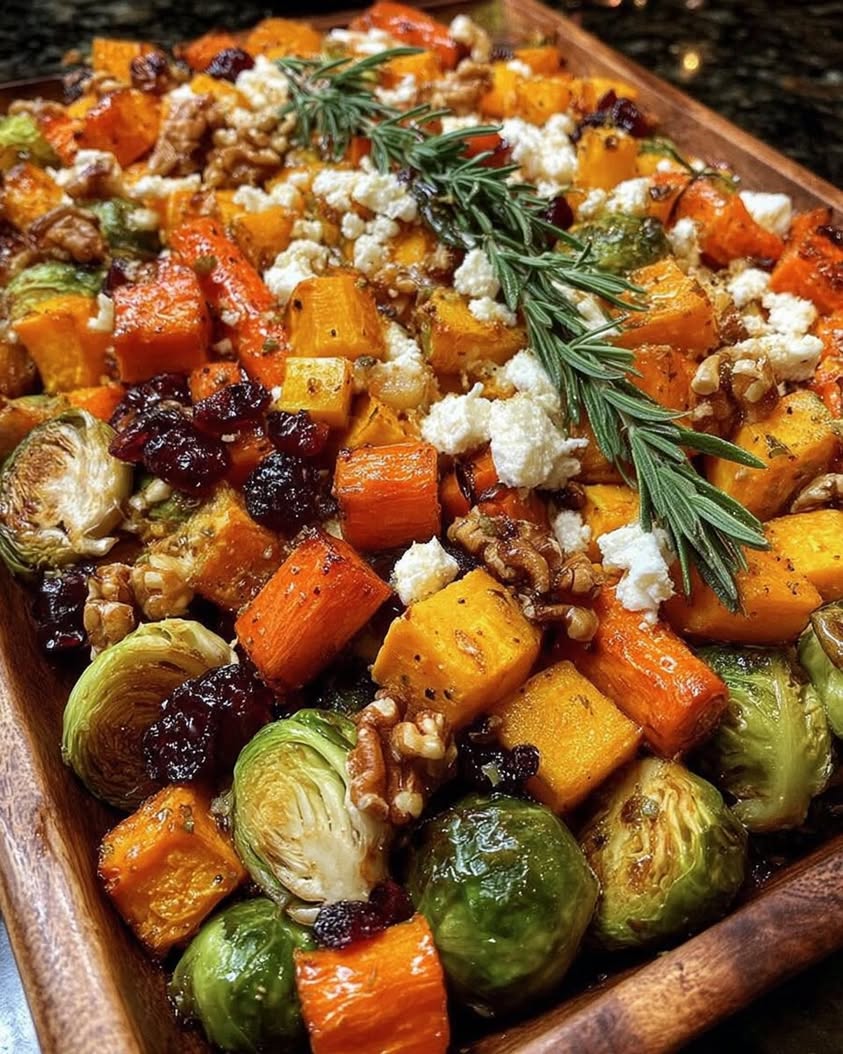
This recipe for Roasted Harvest Vegetables with Feta, Walnuts & Honey Glaze is the ultimate celebration of autumn’s bounty. Moreover, it transforms humble root vegetables into a spectacular, caramelized masterpiece. Imagine sweet butternut squash and carrots mingling with earthy Brussels sprouts and sweet potato, all roasted to perfection. Ultimately, a drizzle of cranberry-honey glaze and a sprinkle of salty feta and crunchy walnuts create a symphony of flavors and textures in every bite.
This dish is not just a side; it’s the star of any holiday table or cozy weeknight dinner. Consequently, the process is wonderfully simple, allowing the oven to do most of the work while you enjoy the incredible aromas filling your kitchen. The result is a vibrant, colorful platter that looks as impressive as it tastes. Therefore, whether you’re hosting a festive gathering or simply craving wholesome comfort food, these Roasted Harvest Vegetables deliver on every level.
The magic lies in the contrast: the deep, caramelized sweetness of the vegetables plays beautifully against the tangy, creamy feta. Meanwhile, the toasted walnuts add a necessary crunch, and the sweet-tart glaze ties everything together. This recipe is incredibly versatile and forgiving, welcoming substitutions based on what’s in season or in your pantry. In essence, it’s a foolproof formula for a stunning, nutritious, and deeply satisfying dish that will have everyone asking for seconds.
Quick Recipe Highlights
- Flavor Profile: This dish offers a perfect balance of sweet, savory, and tangy notes. The natural sugars in the vegetables caramelize during roasting, creating a deep, rich sweetness. Subsequently, the salty feta and the bright, tart-sweet cranberry-honey glaze provide a delightful counterpoint that elevates the entire experience.
- Texture: You’ll experience a wonderful medley of textures in every forkful. The roasted vegetables become tender and slightly crisp at the edges. Meanwhile, the walnuts contribute a satisfying, toasty crunch, and the crumbled feta offers a creamy, crumbly contrast that makes the dish truly exciting to eat.
- Aroma: As the vegetables roast, your kitchen will fill with the warm, comforting scents of caramelizing squash and sweet potato. Additionally, the earthy aroma of Brussels sprouts and the nutty fragrance of toasting walnuts create an irresistible olfactory preview of the delicious meal to come.
- Visual Appeal: This platter is a feast for the eyes with its stunning array of autumn colors. You’ll see vibrant orange from the squash and carrots, deep green from the Brussels sprouts, and rich hues from the sweet potato. Finally, the white feta, brown walnuts, and glossy red glaze make the presentation absolutely magazine-worthy.
- Skill Level Needed: This is a beginner-friendly recipe that requires minimal advanced technique. Essentially, you need basic knife skills for chopping and the ability to toss vegetables with oil and seasonings. The oven handles the complex work of caramelization, making it accessible for cooks of all levels.
- Special Equipment: You only need a few standard kitchen tools. A large, sturdy baking sheet is essential for ensuring the vegetables roast instead of steam. Furthermore, a good chef’s knife and cutting board will make prep work quick and safe. A small bowl for whisking the glaze is also helpful.
Recipe Overview
- Difficulty Level: We rate this recipe as “Easy” because it involves straightforward techniques like chopping and roasting. The steps are sequential and simple to follow. Importantly, there’s no fussy timing or complicated procedures. Even a novice cook can achieve fantastic results by following the basic instructions for preparing these Roasted Harvest Vegetables.
- Category: This dish fits beautifully into multiple categories. Primarily, it serves as an exceptional side dish for holiday meals like Thanksgiving or Christmas. Alternatively, it can be a hearty vegetarian main course when served over a grain like quinoa or farro. It’s also perfect for meal prep throughout the week.
- Cuisine: While not tied to one specific tradition, this recipe draws inspiration from modern American and Mediterranean cuisines. The use of olive oil, feta, and walnuts nods to Mediterranean flavors. Meanwhile, the combination of autumn harvest vegetables is deeply rooted in American seasonal cooking, making it a fusion that celebrates the best of both.
- Cost: This is a very cost-effective recipe, especially during the fall and winter months when the main vegetables are in season and plentiful. Butternut squash, carrots, and sweet potatoes are typically budget-friendly. Feta, walnuts, and cranberries might be considered “splurge” items, but a little goes a long way in terms of flavor impact.
- Season: This recipe is ideal for fall and winter. These seasons are when the featured vegetables are at their peak of flavor and sweetness. The warm, roasted nature of the dish is also perfectly suited to cooler weather, providing comfort and nourishment when temperatures drop.
- Occasion: It’s incredibly versatile for any occasion. Obviously, it’s a showstopper for Thanksgiving, Christmas, or Friendsgiving dinners. Simultaneously, it’s elegant enough for a dinner party yet simple enough for a casual family meal. You can also bring it to potlucks where it’s guaranteed to be a crowd-pleaser.
Why You’ll Love This Roasted Harvest Vegetables Recipe
First and foremost, you will adore the incredible taste and texture of this dish. Each bite delivers a complex harmony of flavors that is both sophisticated and comforting. The caramelized edges of the vegetables offer a hint of sweetness that is perfectly balanced by the salty feta. Furthermore, the cranberry-honey glaze adds a festive, tangy brightness that makes the entire plate sing. Ultimately, the combination of soft, tender vegetables with crunchy walnuts creates a mouthfeel that is endlessly satisfying and keeps you coming back for more.
Another major benefit is the sheer convenience and simplicity of preparation. This recipe requires mostly hands-off time. After you finish chopping and tossing the vegetables, the oven takes over. Consequently, you can use that time to prepare the rest of your meal, set the table, or simply relax. The process is straightforward and forgiving; you don’t need to babysit the pan. Therefore, it’s an ideal recipe for busy hosts or anyone who wants an impressive result without excessive stress in the kitchen.
From a nutritional standpoint, this dish is a powerhouse. These Roasted Harvest Vegetables are packed with vitamins, minerals, and fiber. Butternut squash and sweet potatoes are rich in Vitamin A and antioxidants. Brussels sprouts are a fantastic source of Vitamin C and K. Meanwhile, carrots add beta-carotene, and walnuts contribute healthy fats and protein. Together, they create a meal that supports overall health, boosts immunity, and provides sustained energy. It’s proof that eating your vegetables can be an absolute delight.
The social and entertaining value of this platter cannot be overstated. It presents beautifully on a large serving dish, making it a centerpiece that sparks conversation. Guests will be drawn to its vibrant colors and enticing aroma. Moreover, it caters to a wide range of dietary preferences; it’s naturally vegetarian and can easily be made vegan or gluten-free with minor adjustments. Serving a dish that is both stunning and inclusive ensures that everyone at your table feels considered and can enjoy the feast together.
Finally, this recipe is remarkably cost-effective and accessible. The base ingredients are humble root vegetables that are often very affordable, particularly in season. You can often find pre-cut butternut squash to save time. While feta and walnuts are pricier, you use them as garnishes, so a small amount has a big impact. Additionally, the recipe is flexible; you can swap in other vegetables you have on hand, like parsnips or red onion. This adaptability makes it a practical and economical choice for family dinners and large gatherings alike.
Historical Background and Cultural Significance
The practice of roasting root vegetables is ancient, spanning countless cultures and continents. Historically, roasting over fire was one of the earliest cooking methods, used to concentrate the natural sugars in vegetables and make them more digestible and palatable. In Europe, roasting autumn harvests was a crucial technique for preserving food and creating hearty meals for the winter months. Similarly, indigenous cultures across the Americas have long roasted squash, tubers, and other native produce. This modern recipe for Roasted Harvest Vegetables is a direct descendant of these timeless, global traditions of transforming earth’s bounty through fire and heat.
In American culinary culture, the combination of these specific vegetables holds particular significance for autumn and Thanksgiving. The Thanksgiving table itself is a celebration of the harvest, a concept brought by European settlers and blended with Native American agricultural knowledge. Dishes featuring squash, sweet potatoes, and other storage crops became staples because they were available late into the fall. Consequently, a platter of roasted autumn vegetables evokes a deep sense of tradition, bounty, and gratitude. It connects us to centuries of harvest celebrations and the simple, profound pleasure of sharing seasonal food.
The recipe has evolved significantly with modern tastes and available ingredients. Originally, such vegetables might have been simply boiled or baked. The contemporary emphasis on caramelization—achieved through high-heat roasting and a coating of oil—highlights a preference for deeper, more complex flavors. Furthermore, the addition of feta cheese and a sweet glaze reflects today’s fusion cooking style, where global ingredients are combined freely. The use of Brussels sprouts, once a often-maligned vegetable, showcases how culinary trends can revive and glorify specific ingredients through improved preparation methods.
Regional variations of roasted vegetable dishes are found worldwide. In the Mediterranean, you might find roasted vegetables with olive oil, lemon, and herbs like oregano or rosemary. In the American South, roasted sweet potatoes might be topped with pecans and a bourbon glaze. The version presented here, with its cranberry-honey glaze, has a distinctly North American festive character. However, the core technique remains universal. This adaptability is a testament to the recipe’s foundational role in human cuisine—a simple, delicious way to celebrate what the land provides in any season or region.
Ingredient Deep Dive
Butternut squash is a winter squash native to the Americas. Historically, it was a vital food source for indigenous peoples due to its hard shell, which allowed for long storage. Nutritionally, it’s a superstar, loaded with vitamin A (as beta-carotene), vitamin C, potassium, and fiber. When selecting, choose squash that feels heavy for its size with a firm, matte skin and no soft spots. Store whole squash in a cool, dark place for months. For a substitution, try acorn squash or pumpkin. To prepare, peel the tough skin, scoop out the seeds, and cut into uniform cubes for even roasting in your Roasted Harvest Vegetables.
Brussels sprouts are part of the Brassica family, cultivated in Belgium as early as the 16th century, hence their name. They are packed with nutrients, including vitamins K and C, folate, and antioxidants like kaempferol. Look for bright green, firm sprouts that are similar in size so they cook evenly. Avoid yellowing leaves. Store them unwashed in a plastic bag in the refrigerator’s crisper drawer. If you’re not a fan, broccoli florets or cauliflower make excellent substitutes. The key to delicious Brussels sprouts is ensuring they are thoroughly dried after washing and cut in half to create those delicious caramelized flat surfaces when roasted.
Feta cheese is a brined curd cheese with a history dating back to ancient Greece. Traditionally made from sheep’s milk or a sheep-goat blend, it’s known for its tangy, salty flavor and crumbly texture. It adds a creamy contrast and a punch of umami to the dish. For the best quality, look for feta labeled “PDO” (Protected Designation of Origin), which indicates it was made in Greece using traditional methods. Store feta in its brine in the refrigerator. For a dairy-free version, consider a firm, salty tofu crumble or a vegan feta alternative. Crumble it over the hot vegetables just before serving so it softens slightly but doesn’t melt.
Walnuts are among the oldest tree foods, with remnants found in Neolithic sites. They are an excellent source of omega-3 fatty acids, antioxidants, and protein. Toasting walnuts is a non-negotiable step; it deepens their flavor and improves their crunch. Always buy walnuts in small quantities from a source with high turnover, as their high fat content makes them prone to rancidity. Store them in an airtight container in the freezer for long-term freshness. For a nut-free version, roasted pumpkin seeds (pepitas) or sunflower seeds provide a similar crunchy texture and nutritional profile. They are the perfect finishing touch for these Roasted Harvest Vegetables.
Common Mistakes to Avoid
- Crowding the Pan: This is the most common error. If the vegetables are piled on top of each other, they will steam instead of roast. Consequently, you’ll miss out on the essential caramelization. Always use a large enough baking sheet or roast in batches to ensure each piece has space.
- Uneven Cutting: Chopping vegetables into wildly different sizes guarantees uneven cooking. Smaller pieces will burn before larger ones are tender. Therefore, take time to cut your butternut squash, carrots, and sweet potato into similarly sized cubes, and halve the Brussels sprouts uniformly.
- Skipping the Drying Step: If you wash your Brussels sprouts and don’t dry them thoroughly, the excess water will create steam on the pan. This steam hinders the browning process. Always pat vegetables completely dry with a clean kitchen towel before tossing them with oil.
- Using Old, Rancid Nuts: Walnuts have a high oil content and can go stale quickly. Using rancid walnuts will impart a bitter, unpleasant flavor to your entire dish. Always taste a walnut before using it, and store nuts in the freezer to maintain freshness.
- Adding the Glaze Too Early: If you drizzle the cranberry-honey glaze over the vegetables before roasting, it will burn in the high heat. The sugar content will carbonize and become bitter. Always add sweet glazes after the vegetables have finished roasting and are out of the oven.
- Neglecting to Season in Layers: Seasoning only at the end results in bland vegetables. Make sure to season the vegetables generously with salt and pepper when you toss them with oil. Then, taste and adjust the seasoning again after roasting, before the final assembly.
- Not Preheating the Oven: Starting with a cold oven drastically changes the cooking process. The vegetables will start to steam as the oven slowly comes to temperature. For proper roasting and browning, always place your pan in a fully preheated, hot oven.
- Forgetting to Toss Halfway: Roasting without turning or tossing the vegetables leads to uneven browning. One side will be overly dark, while the other remains pale. Use a spatula to gently flip and move the vegetables around at the halfway mark for all-over caramelization.
Essential Techniques
Uniform Cutting: This is the foundational technique for success. Consistently sized pieces ensure that every vegetable cooks at the same rate. For butternut squash and sweet potato, aim for 3/4-inch to 1-inch cubes. Halve Brussels sprouts through the stem end. Cut carrots into similar-sized chunks. Uniformity prevents the frustration of some pieces being mushy while others are still hard. Use a sharp chef’s knife and a stable cutting board for safety and precision. The visual cue for success is a baking sheet filled with evenly proportioned pieces before they even go into the oven.
High-Heat Roasting: This technique is what transforms soft vegetables into caramelized delights. High heat (around 425°F) causes the natural sugars in the vegetables to brown and intensify in flavor. It also creates a desirable contrast between a tender interior and a slightly crisp exterior. The key is to avoid steaming by not overcrowding the pan. The visual cue for mastery is a sheet of vegetables with golden-brown, slightly charred edges. You should hear a gentle sizzle when you first put the pan in the oven. If your vegetables are pale and soft, your oven temperature may be too low or the pan may be too crowded.
Making a Simple Glaze: A glaze adds a final layer of flavor and shine. The technique involves gently warming ingredients to combine and thicken them slightly. For this cranberry-honey glaze, you simply warm honey and cranberry sauce together until fluid. The goal is not to cook it extensively, just to blend it. Overheating can cause the honey to become too runny or lose its nuanced flavor. The visual cue for success is a glossy, pourable sauce that coats the back of a spoon. It should drizzle beautifully over the roasted vegetables, not pool at the bottom of the dish.
Pro Tips for Perfect Roasted Harvest Vegetables
First, toss your chopped vegetables with oil and seasoning in a large bowl, not directly on the pan. This ensures every piece gets an even, light coating, which promotes uniform browning and prevents dry spots.
For extra flavor, consider adding whole sprigs of fresh herbs like rosemary or thyme to the baking sheet. The herbs will infuse the vegetables with aromatic oils as they roast, and you can remove the woody stems before serving.
If you have convection setting on your oven, use it. The circulating air promotes faster, more even browning and can reduce cooking time slightly. Just keep a close eye on the vegetables during the last 10 minutes.
Let the roasted vegetables rest for 5 minutes on the pan after taking them out of the oven. This allows them to firm up slightly and makes them easier to transfer to a serving platter without falling apart.
Toast your walnuts in a dry skillet over medium heat for 3-5 minutes, shaking the pan often. This can be done while the vegetables roast. Toasted nuts have a far superior flavor and crunch compared to raw ones.
Use a microplane to zest a little orange or lemon over the finished platter. The bright citrus zest adds a surprising pop of freshness that cuts through the richness and elevates the entire dish.
For a deeper savory note, sprinkle a tiny pinch of smoked paprika or drizzle a few drops of balsamic glaze over the vegetables along with the cranberry-honey glaze.
If preparing for a party, you can roast the vegetables completely up to 2 hours ahead. Leave them at room temperature, then re-crisp in a 400°F oven for 5-10 minutes before adding the garnishes and glaze.
Variations and Adaptations
For regional variations, consider a Mediterranean twist by swapping the cranberry glaze for a lemon-oregano vinaigrette and using kalamata olives instead of walnuts. A Moroccan-inspired version could include spices like cumin, coriander, and cinnamon on the vegetables, with a garnish of pomegranate seeds and mint. These adaptations show how the base recipe for Roasted Harvest Vegetables can travel across culinary traditions while maintaining its core appeal of caramelized, seasonal produce.
Seasonal adaptations are simple and encouraged. In spring, use asparagus, radishes, and new potatoes. For summer, try zucchini, bell peppers, and cherry tomatoes. The roasting method remains the same, but the flavor profile shifts with the season. In winter, add hardy roots like parsnips or turnips. This flexibility is the recipe’s greatest strength, allowing you to enjoy a version of it year-round based on what’s freshest at the market.
Dietary modifications are straightforward. For a vegan version, omit the feta or use a vegan alternative, and ensure your cranberry sauce is made without gelatin. To make it gluten-free, simply confirm that all packaged ingredients (like cranberry sauce) are certified GF—most are naturally. For a nut-free dish, replace walnuts with toasted pumpkin seeds or omit them entirely. The recipe is naturally vegetarian and can easily accommodate most dietary needs without sacrificing flavor.
Flavor variations can keep the recipe exciting. Instead of the sweet glaze, try a savory option like a tahini-lemon sauce or a garlic-herb yogurt drizzle. Experiment with different cheeses: goat cheese, blue cheese crumbles, or shaved Parmesan all work beautifully. You can also change the herb profile by using dried herbs de Provence or Italian seasoning in the oil mixture before roasting.
Serving and Presentation Guide
Plating is key for visual impact. Transfer the warm Roasted Harvest Vegetables to a large, shallow serving platter or a rustic wooden board. Spread them out in an inviting, abundant layer rather than piling them high. This allows the colors and textures to be visible. Create little pockets and valleys with your serving utensil to naturally catch the glazes and garnishes. The goal is to make the dish look bountiful and artfully composed, not messy or haphazard.
Garnishing should be the final, thoughtful touch. Sprinkle the crumbled feta and toasted walnuts evenly over the top. Then, using a spoon, drizzle the cranberry-honey glaze in a zig-zag or circular pattern. Finally, add a final flourish of fresh herbs, like chopped parsley or thyme leaves, for a touch of green. Consider adding a few whole fresh cranberries or pomegranate arils for a burst of color and a hint of what’s in the glaze.
For traditional accompaniments, this dish pairs classically with roast turkey, baked ham, or a standing rib roast. It also complements other Thanksgiving sides like mashed potatoes and stuffing beautifully. For a modern, complete meal, serve it as a bed for pan-seared salmon or a grilled pork chop. Alternatively, spoon it over a bowl of creamy polenta or farro to soak up all the delicious juices and glaze.
Wine and Beverage Pairing
Wine pairings should complement the sweet, savory, and earthy notes. A medium-bodied white wine like an Oregon Pinot Gris or a French Viognier has enough acidity to cut through the richness and fruit notes that echo the glaze. For red wine lovers, a lighter, low-tannin red like a Pinot Noir or a Beaujolais works wonderfully. Their bright red fruit flavors and subtle earthiness won’t overpower the vegetables. Avoid heavily oaked Chardonnays or bold, tannic reds like Cabernet Sauvignon, as they can clash with the dish’s subtle sweetness.
Non-alcoholic alternatives can be just as sophisticated. A sparkling apple cider provides festive bubbles and autumnal flavor. For a warmer option, try a mulled cranberry juice simmered with cinnamon and orange peel. Iced hibiscus tea offers a beautiful ruby color and tartness that mirrors the cranberry glaze. These options ensure every guest can enjoy a special beverage with their Roasted Harvest Vegetables.
Storage and Shelf Life
Store leftover Roasted Harvest Vegetables in an airtight container in the refrigerator for up to 4 days. It’s best to store the components separately if possible: keep the plain roasted vegetables in one container, and the feta, walnuts, and glaze in their own small containers. This prevents the vegetables from becoming soggy and the walnuts from losing their crunch. The glaze may solidify when chilled; simply let it come to room temperature or warm it gently before using.
Reheating instructions are important for texture. To reheat the vegetables, spread them on a baking sheet and warm in a 375°F oven for 10-15 minutes until heated through. This method will help re-crisp them slightly. Avoid using the microwave, as it will make them soft and steamy. After reheating, then add the fresh garnishes of feta, walnuts, and glaze. The vegetables are not ideal for freezing, as the texture of the roasted squash and potatoes can become watery and mushy upon thawing.
Make Ahead Strategies
You can significantly streamline your day-of preparation with smart make-ahead steps. The day before, wash, peel, and chop all the vegetables. Store them in separate airtight containers or resealable bags in the refrigerator. This is the most time-consuming part, so having it done is a huge relief. You can also make the cranberry-honey glaze ahead and store it in a jar in the fridge. Simply bring it to room temperature or warm it slightly before serving.
On the day of serving, all you need to do is toss the pre-cut vegetables with oil and seasoning, then roast. The walnuts can be toasted ahead and stored at room temperature. Crumble the feta ahead of time and keep it chilled. This strategy turns an impressive dish into a simple assembly job, allowing you to focus on your guests or other parts of the meal. The quality impact is minimal if the vegetables are stored properly and roasted just before serving.
Scaling Instructions
Halving the recipe is simple for smaller households. Use half of all ingredients and a standard-sized baking sheet. The cook time may be reduced by 5-10 minutes, so start checking for doneness early. Doubling or tripling for a crowd requires planning. Use multiple baking sheets and rotate them between oven racks halfway through cooking. Do not try to pile double the amount on one sheet, or you will steam the vegetables. You may need to roast in batches, keeping the first batch warm in a low oven while the second cooks.
Nutritional Deep Dive
This dish is a nutrient-dense powerhouse. The macro breakdown is favorable: it’s rich in complex carbohydrates from the vegetables, providing sustained energy. The olive oil and walnuts contribute healthy monounsaturated and polyunsaturated fats. The feta adds a modest amount of protein and fat. Micronutrient-wise, it’s exceptionally high in Vitamin A (from the squash, carrots, and sweet potato), Vitamin C (from Brussels sprouts), and Vitamin K. It also provides potassium, manganese, and antioxidants from the colorful vegetables and cranberries.
The health benefits are extensive. The high fiber content supports digestive health and promotes satiety. The antioxidants help combat inflammation and support immune function. The healthy fats from the walnuts and olive oil are good for heart health. As a dietary consideration, it’s naturally vegetarian and can be adapted to be vegan and gluten-free. For portion control, a serving is about 1 to 1.5 cups of the vegetable mixture with garnishes. It’s a satisfying side that complements a protein source for a balanced meal.
Dietary Adaptations
For a gluten-free version, this recipe is naturally compliant. Simply double-check that your cranberry sauce or jelly contains no hidden gluten-based thickeners. Most major brands are safe. For dairy-free or vegan adaptation, omit the feta cheese. You can substitute with a commercial vegan feta, or make a “feta” from crumbled extra-firm tofu marinated in lemon juice, nutritional yeast, and salt. Ensure the cranberry sauce is made without gelatin. For a Paleo version, omit the feta (dairy) and ensure the cranberry sauce is sweetened only with fruit juice or honey, not refined sugar.
Troubleshooting Guide
If your vegetables are soggy and not browning, the oven temperature is likely too low, or the pan is overcrowded. Confirm your oven temperature with an independent thermometer. Always roast on a large, rimmed baking sheet with the vegetables in a single, uncrowded layer. If they are burning on the bottom before cooking through, your oven rack may be too low, or your baking sheet may be too dark (which absorbs more heat). Try moving the rack to the center position and using a lighter-colored aluminum sheet pan.
If the flavor seems bland, you likely under-seasoned. Season generously with salt and pepper at the oil-tossing stage. The salt helps draw out moisture and intensify flavors during roasting. Don’t forget to season again lightly after roasting if needed. If the glaze is too thick, warm it gently with a teaspoon of warm water or orange juice until it reaches a drizzling consistency. If it’s too thin, let it cool slightly; it will thicken as it sits.
Frequently Asked Questions
Can I use frozen vegetables? We don’t recommend it for this recipe. Frozen vegetables release too much water when roasting, which prevents proper caramelization and leads to steaming. For the best texture and flavor, fresh vegetables are essential for these Roasted Harvest Vegetables.
Can I make this recipe vegan? Absolutely. Omit the feta cheese or use a vegan alternative. Ensure your cranberry sauce is made without gelatin. The rest of the ingredients are plant-based. The dish will still be delicious with the sweet glaze and crunchy walnuts.
How do I know when the vegetables are done? The vegetables are done when they are tender enough to be easily pierced with a fork and have developed golden-brown, caramelized spots on the edges. The Brussels sprouts’ outer leaves may be slightly crispy. Total time is usually 35-45 minutes at 425°F.
Can I prepare the vegetables the night before? Yes, you can wash, peel, and chop all vegetables up to 24 hours in advance. Store them in separate airtight containers or bags in the refrigerator. This saves significant time on the day you plan to cook.
What can I use instead of butternut squash? Acorn squash, delicata squash (which doesn’t need peeling), or even sweet potato are excellent substitutes. Just aim to cut the substitute into a similar size for even cooking.
My walnuts are soft. How do I crisp them up? Toast them in a dry skillet over medium heat for 3-5 minutes, shaking the pan frequently until they become fragrant. Let them cool on the pan; they will crisp up as they cool.
Can I use a different cheese? Certainly. Goat cheese crumbles, blue cheese, or shaved Parmesan are all fantastic alternatives to feta. Each will bring a different flavor profile but will complement the sweet vegetables wonderfully.
Is there a substitute for honey in the glaze? For a vegan version, use maple syrup or agave nectar. The flavor will be slightly different but still delicious. You could also use a fruit-sweetened jam thinned with a little water or citrus juice.
Can I add other vegetables? Definitely. Parsnips, red onion wedges, or cauliflower florets would all be welcome additions. Just remember to cut them to a similar size and adjust roasting time if needed for denser vegetables.
How do I prevent the feta from melting into nothing? Crumble the feta over the vegetables after they have been plated and have cooled slightly from the oven. The residual heat will soften it pleasantly, but it won’t melt away if added at the right time.
Additional Resources
If you loved these Roasted Harvest Vegetables, explore other seasonal side dishes on our site. We have a fantastic recipe for a Maple-Roasted Acorn Squash Salad and a hearty Farro Salad with Roasted Root Vegetables. For technique guides, check out our post on “How to Perfectly Roast Any Vegetable” which covers oil choices, temperature guides, and seasoning blends. To learn more about the ingredients, our deep dives on “Selecting and Storing Winter Squash” and “The Health Benefits of Cruciferous Vegetables” provide valuable kitchen knowledge. For equipment, a good half-sheet pan is our most recommended tool for roasting success.
PrintCaramelized Butternut Squash, Carrots, Brussels Sprouts & Sweet Potato with Feta, Walnuts & Cranberry-Honey Glaze
- Total Time: 45 minutes
- Yield: 4
Description
A vibrant, sweet and savory roasted vegetable medley topped with tangy feta, crunchy walnuts, and a luscious cranberry-honey glaze.
Ingredients
- 1 small butternut squash, peeled and cubed
- 2 large carrots, peeled and sliced into rounds
- 1 lb Brussels sprouts, trimmed and halved
- 1 large sweet potato, peeled and cubed
- 3 tbsp olive oil
- 1 tsp salt
- 1/2 tsp black pepper
- 1 tsp dried thyme
- 1/2 cup crumbled feta cheese
- 1/2 cup chopped walnuts
- 1/4 cup honey
- 1/4 cup dried cranberries
- 2 tbsp balsamic vinegar
Instructions
- Preheat oven to 400°F (200°C). Line a large baking sheet with parchment paper.
- In a large bowl, toss butternut squash, carrots, Brussels sprouts, and sweet potato with olive oil, salt, pepper, and thyme until evenly coated.
- Spread vegetables in a single layer on the baking sheet. Roast for 25-30 minutes, stirring halfway, until caramelized and tender.
- While vegetables roast, combine honey, dried cranberries, and balsamic vinegar in a small saucepan. Heat over medium-low for 5-7 minutes, stirring until cranberries soften and glaze thickens slightly.
- Transfer roasted vegetables to a serving platter. Drizzle with cranberry-honey glaze, then top with crumbled feta and chopped walnuts. Serve warm.
Notes
You can customize the seasonings to taste.
- Prep Time: 15 minutes
- Cook Time: 30 minutes
- Method: Main
- Cuisine: American