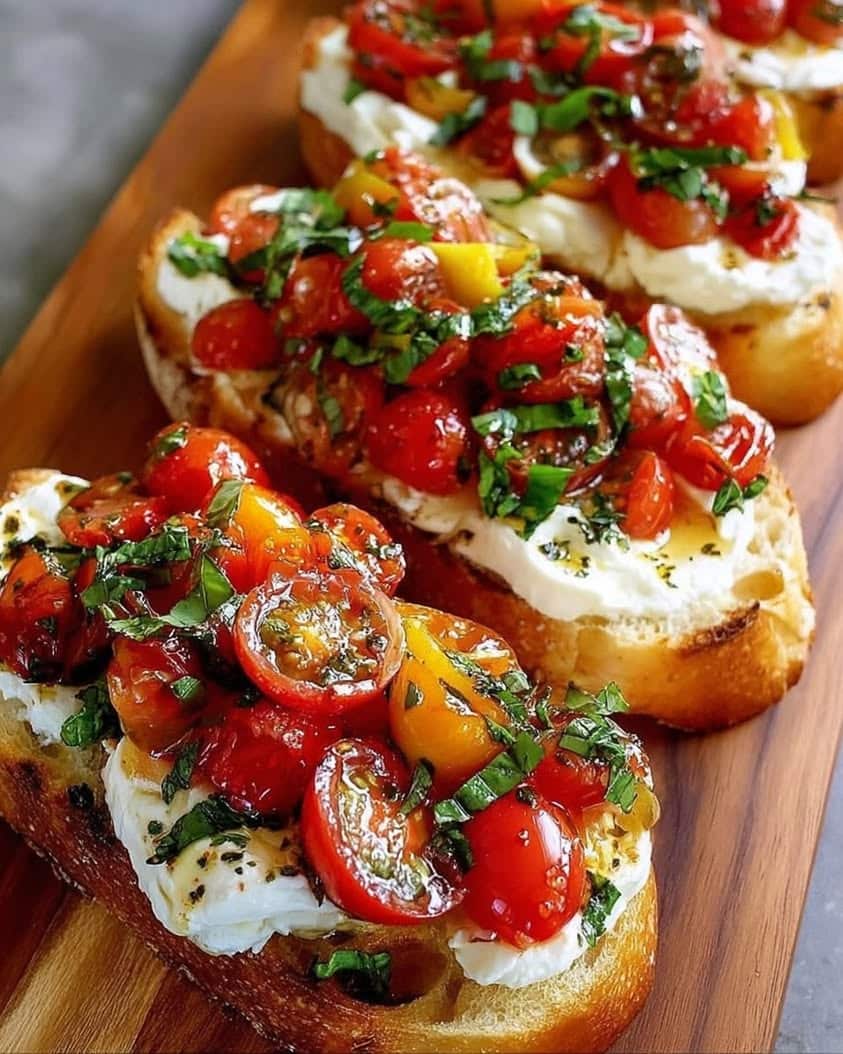
Creamy Burrata Bruschetta: An Elegant Appetizer Recipe
Imagine a dish that perfectly captures the essence of Italian summer on a single plate. This creamy Burrata bruschetta recipe does exactly that. It transforms humble ingredients into a show-stopping appetizer that feels both rustic and luxurious. The combination of ripe tomatoes, fragrant basil, and the star of the show, creamy burrata cheese, creates a symphony of fresh flavors. Consequently, this dish is a guaranteed crowd-pleaser, ideal for any gathering from a casual backyard barbecue to an elegant dinner party.
The magic of this easy Italian appetizer lies in its beautiful contrasts. You get the crunch of perfectly toasted bread against the impossibly creamy, rich center of the burrata. Simultaneously, the bright acidity of the tomatoes and the peppery bite of fresh basil cut through the dairy richness. This balance makes each bite incredibly satisfying. Moreover, the visual appeal is undeniable, with vibrant reds, lush greens, and pure white creating a stunning presentation. Ultimately, mastering this simple recipe will give you a go-to dish that impresses with minimal effort.
Furthermore, this recipe celebrates high-quality, seasonal ingredients. When you use the best summer tomatoes and fresh, milky burrata, the dish truly sings. It is a testament to the Italian culinary philosophy of letting fantastic ingredients shine with minimal interference. This approachable recipe requires no complex techniques, just an appreciation for fresh flavors. Therefore, it is the perfect starting point for novice cooks and a reliable favorite for seasoned chefs looking for a quick, beautiful starter.
Quick Recipe Highlights
- Flavor Profile: This bruschetta bursts with fresh, balanced flavors. You experience the sweet acidity of ripe tomatoes first, followed by the rich, buttery creaminess of burrata. Finally, the garlic-infused olive oil and fresh basil provide an aromatic, herbal finish that ties everything together perfectly.
- Texture: The texture journey is a key part of the experience. It begins with the satisfying crunch of the grilled or toasted bread. Then, you encounter the luscious, soft creaminess of the burrata and the juicy pop of the tomatoes. This delightful contrast is what makes the dish so memorable and enjoyable.
- Aroma: The aroma is instantly inviting and distinctly Mediterranean. As you prepare it, the scent of toasting bread and fruity olive oil fills the kitchen. Subsequently, the fresh, peppery scent of torn basil and the sweet scent of ripe tomatoes create an irresistible fragrance that promises a delicious bite.
- Visual Appeal: This dish is a feast for the eyes before it even reaches the table. The vibrant red of the tomatoes, the stark white of the burrata, and the bright green basil create a stunning color palette. Drizzled with golden olive oil, it looks rustic, fresh, and incredibly appetizing on any platter.
- Skill Level Needed: This is an absolutely beginner-friendly recipe. It requires no special culinary skills, just basic knife work for chopping and the ability to toast bread. The assembly is intuitive and forgiving, making it a fantastic first project for anyone new to cooking or entertaining.
- Special Equipment: You need almost no special equipment. A good chef’s knife and a cutting board are essential for prepping the tomatoes and basil. Additionally, a baking sheet or a grill pan for toasting the bread is helpful. A small bowl for mixing the tomato topping completes your toolkit.
Recipe Overview
- Difficulty Level: We rate this creamy Burrata bruschetta recipe as “Easy” for several compelling reasons. First, the steps are straightforward and sequential with no complicated techniques. Second, the ingredient list is short and recognizable. Third, there is very little margin for error, as the fresh ingredients are meant to be simply prepared and assembled. Finally, it requires minimal active cooking time, making it stress-free.
- Category: This dish falls squarely into the appetizer or starter category. It is designed to be served as the first course of a meal to stimulate the appetite. Alternatively, it functions beautifully as part of a larger antipasti spread or as a sophisticated finger food at a cocktail party. Its light yet satisfying nature makes it perfect for beginning a dining experience.
- Cuisine: This is a modern interpretation of classic Italian cuisine, specifically from the Apulia region where burrata originates. It takes the traditional tomato-basil bruschetta and elevates it with the luxurious addition of fresh burrata cheese. The dish honors the Italian principles of showcasing seasonal, high-quality ingredients with simplicity and respect.
- Cost: The cost is moderately variable, depending primarily on the quality of the burrata and olive oil. A good ball of fresh burrata is the main investment. Ripe, in-season tomatoes and a loaf of crusty bread are generally inexpensive. Overall, you can create an impressive appetizer for six people for a reasonable price, especially compared to restaurant offerings.
- Season: This recipe is truly at its peak in late summer. That is when tomatoes are at their sweetest, most flavorful, and most abundant. Fresh basil is also thriving in the warm weather. While you can make it year-round with grocery store ingredients, the flavor difference with summer produce is profound and worth waiting for.
- Occasion: This creamy Burrata bruschetta is incredibly versatile for entertaining. It is perfect for al fresco dinners, holiday gatherings, wine nights with friends, or even a romantic date night at home. Its elegant appearance belies its simple preparation, making you look like a culinary rockstar with very little effort.
Why You’ll Love This Recipe
First and foremost, you will adore the incredible taste and texture of this creamy Burrata bruschetta. Each bite delivers a perfect harmony. The cool, rich creaminess of the burrata melts in your mouth, contrasting spectacularly with the juicy, bright tomatoes and the crisp, garlic-rubbed toast. Furthermore, the aromatic basil and high-quality olive oil add layers of flavor that are both refreshing and deeply satisfying. This combination is universally appealing, guaranteed to please even the most discerning palates at your table.
Next, consider the sheer convenience and preparation benefits. This entire elegant appetizer comes together in about twenty minutes with minimal active cooking. You can easily prepare the tomato mixture ahead of time, toast the bread just before serving, and assemble in moments. Consequently, it eliminates last-minute kitchen stress, allowing you to enjoy your own party. Moreover, it requires only a handful of ingredients, most of which are pantry or market staples, making spontaneous entertaining a breeze.
Additionally, this dish offers several nutritional advantages when made with quality ingredients. Ripe tomatoes are packed with vitamins C and K, potassium, and the antioxidant lycopene. Fresh basil provides vitamin K and anti-inflammatory compounds. Meanwhile, olive oil is a source of heart-healthy monounsaturated fats. While burrata is indulgent, it also offers a good dose of calcium and protein. Therefore, you are serving a treat that also delivers beneficial nutrients.
From a social perspective, the value of this easy Italian appetizer is immense. It is a natural conversation starter, often eliciting “oohs” and “aahs” when brought to the table. Its shareable, communal nature encourages interaction as guests help themselves. It sets a tone of casual elegance and thoughtful hospitality. Importantly, it pairs wonderfully with a wide range of drinks, from sparkling wine to craft beer, enhancing the overall social experience.
Finally, this creamy Burrata bruschetta recipe is remarkably cost-effective and accessible. For the price of one restaurant portion, you can make enough for a whole group at home. The ingredients are easy to find at most supermarkets, especially during summer months. You do not need expensive equipment or rare ingredients. This accessibility means anyone can recreate a taste of Italian luxury in their own kitchen, making everyday moments feel special.
Historical Background and Cultural Significance
The story of bruschetta begins humbly in central Italy, long before it became a menu staple worldwide. Originally, it was a practical way for farmers and olive growers to test the quality of their new season’s olive oil. They would toast bread over an open fire, rub it with a raw garlic clove, and drizzle the fresh-pressed oil on top. This simple snack allowed them to taste the oil’s fruitiness and peppery notes. Over time, this base became a canvas for regional toppings, from beans in Tuscany to the now-classic tomato and basil combination.
Burrata, the star of this recipe, has a much younger but equally fascinating history. It was invented in the 1920s on the Bianchini farm in the Apulia region of Southern Italy. The story goes that cheesemakers needed a way to use up the ritagli (scraps) of mozzarella curd. Their ingenious solution was to create a pouch of fresh mozzarella and fill it with these creamy scraps mixed with cream, stracciatella. They then tied it with a leaf to distinguish it. This “buttered” cheese, which is what “burrata” means, was a way to prevent waste and resulted in a luxurious new product.
The evolution of combining burrata with bruschetta is a modern chapter in Italian culinary history. It represents a contemporary twist on tradition, pairing the ancient practice of eating oiled toast with a relatively new cheese innovation. This fusion showcases how Italian cuisine respects its roots while continually evolving. The creamy Burrata bruschetta recipe is a perfect example of this, elevating a peasant food starter with a decadent, modern cheese. It reflects a global appreciation for high-quality, artisanal dairy products.
Regional variations of this concept abound throughout Italy. In Apulia, you might find burrata served simply on bread with a drizzle of oil and perhaps some bitter greens. In Campania, they might add anchovies or olives for a saltier note. The tomato and basil version is most associated with the flavors of summer across the country. Outside of Italy, chefs have created countless adaptations, adding ingredients like prosciutto, roasted peppers, or balsamic glaze. However, the classic combination celebrated in this recipe remains a timeless favorite for its purity and balance.
Ingredient Deep Dive
Let us start with burrata cheese, the heart of this dish. Burrata is a fresh Italian cheese made from mozzarella and cream. Its outer shell is solid mozzarella, while the inside contains stracciatella and cream, giving it an irresistibly creamy, rich center. Culturally, it is a testament to Italian ingenuity in utilizing every part of the production process. Nutritionally, it provides calcium, protein, and fats. For the best selection, look for burrata stored in liquid, ideally made recently. It is highly perishable, so buy it the day you plan to use it and keep it refrigerated. If you cannot find burrata, fresh mozzarella (bufala or fior di latte) is the best substitute, though you will miss the creamy center.
Next, consider the bread. A rustic, crusty Italian loaf like ciabatta or a baguette is traditional. The bread needs a sturdy crust and an airy, chewy interior to hold up to the juicy toppings without becoming soggy. From a cultural standpoint, using day-old bread aligns with the frugal origins of bruschetta. Nutritionally, whole grain or sourdough options can add fiber and complex carbohydrates. When selecting, choose a loaf with a crisp crust. Slice it thickly to provide a substantial base. If you do not have Italian bread, any hearty, crusty artisan loaf will work well as a substitute.
The tomatoes are non-negotiable for flavor. Use the ripest, most flavorful tomatoes you can find, such as Roma, vine-ripened, or heirloom varieties in summer. Their sweet acidity is the perfect counterpoint to the rich cheese. Tomatoes are central to Mediterranean cuisine and are packed with vitamins and antioxidants like lycopene. Always choose tomatoes that are heavy for their size and fragrant at the stem end. Store them at room temperature until fully ripe. Off-season, cherry or grape tomatoes can be a sweeter, more reliable substitute than out-of-season beefsteak tomatoes.
Fresh basil is the aromatic soul of the dish. Its peppery, sweet, anise-like flavor is essential. Basil is deeply symbolic in Italian culture, often associated with love and hospitality. It contains antioxidants and anti-inflammatory properties. Select bunches with vibrant green leaves and no black spots. Store it like a bouquet of flowers, stems in water, at room temperature. If basil is unavailable, fresh oregano or a small amount of fresh thyme can provide a different but pleasant herbal note, though the flavor profile will shift.
Finally, extra-virgin olive oil and garlic form the foundational seasoning. A high-quality, fruity extra-virgin olive oil adds richness and carries the other flavors. Garlic, rubbed on the warm toast, provides a pungent, aromatic base note. Olive oil is a cornerstone of the Mediterranean diet, rich in monounsaturated fats. Use fresh, plump garlic cloves for the best flavor. Store olive oil in a cool, dark place to prevent rancidity. For a garlic-free version, you can simply omit it or use a very light brush of garlic-infused oil.
Common Mistakes to Avoid
- Soggy Bread: Topping the bread too far in advance is the most common error. The tomato juices will quickly soak into the toast, creating a mushy, unpleasant texture. Always assemble your creamy Burrata bruschetta just before serving. You can prep all components separately ahead of time.
- Under-Ripened Tomatoes: Using pale, hard, out-of-season tomatoes results in a lackluster, acidic topping. The flavor of the dish hinges on sweet, ripe tomatoes. Take the time to find good tomatoes, or opt for sweet cherry tomatoes if quality beefsteaks are unavailable.
- Overworking the Burrata: Burrata is delicate. Cutting it into small pieces or over-stirring it into the tomatoes ruins its beautiful, creamy texture. Instead, tear it gently into large, rustic pieces and place it artfully on top to preserve its luxurious mouthfeel.
- Skimping on Olive Oil: Using bland or low-quality olive oil misses a key flavor opportunity. A generous drizzle of a robust, fruity extra-virgin olive oil at the end ties the dish together and adds a luxurious finish. Consider it a vital ingredient, not just a garnish.
- Burning the Garlic: Rubbing the toast with raw garlic is traditional, but if the bread is too hot, the garlic can burn and taste bitter. Let the toast cool for just 15-20 seconds before rubbing. Alternatively, you can lightly brush the toast with garlic-infused oil.
- Chopping Basil Too Early: Basil bruises and turns black when cut and left to sit. Always tear the basil leaves by hand at the very last moment before serving. This preserves their vibrant color, fresh aroma, and delicate flavor.
- Forgetting to Season Layers: Seasoning only the final dish is a mistake. You should season the tomato mixture with salt and pepper. Then, season the burrata lightly after placing it. Finally, a final pinch of flaky sea salt on top before serving makes all the difference.
- Using Pre-Shredded or Low-Quality Cheese: Never substitute burrata with pre-shredded mozzarella or a low-quality cheese product. The magic is in the fresh, milky flavor and creamy interior of real burrata. The dish will not be the same without it.
- Cutting Bread Slices Too Thin: Thin slices cannot support the weight and moisture of the toppings. They will become soggy instantly or break. Cut your bread into slices at least 1/2-inch to 3/4-inch thick to ensure a sturdy base.
- Not Toasting Bread Enough: Soft, barely toasted bread lacks the necessary textural contrast and will become soggy faster. Toast or grill the bread until it is deeply golden and crisp on the outside. This creates a barrier against the juices.
Essential Techniques
Toasting the Bread Perfectly: This technique is crucial for texture. Why is it important? A properly toasted slice provides a sturdy, crisp base that contrasts with the creamy toppings and resists sogginess. To master it, use a grill pan, broiler, or oven preheated to 400°F. Brush bread with olive oil and toast until golden brown with visible grill marks or a crisp edge. A common pitfall is under-toasting, which leads to a soft, weak base. The visual cue for success is a uniformly golden-brown color and a firm, crisp surface when tapped.
Preparing the Tomato Topping: This technique maximizes flavor and minimizes sogginess. Why is it important? Properly prepared tomatoes release just enough juice to create a flavorful mixture without becoming watery. To master it, dice tomatoes uniformly and combine them in a bowl with a pinch of salt, which will draw out some juices. Let this mixture sit for 5-10 minutes, then drain off any excess liquid before adding basil. A common pitfall is not draining the tomatoes, resulting in a pool of water on your plate. The cue for success is a moist but not soupy tomato mixture.
Handling and Tearing Burrata: This technique preserves the cheese’s luxurious texture. Why is it important? Burrata’s value is in its contrasting textures—the firm outer pouch and the decadent, creamy interior. Cutting it with a knife smashes these layers together. To master it, gently place the burrata on the assembled toasts and use your hands or a spoon to tear it open, allowing the creamy stracciatella to spill out artfully. The common pitfall is over-handling or pre-mixing it. The visual cue for success is seeing distinct, beautiful pieces of cheese with visible creamy centers on the toast.
Seasoning in Layers: This technique builds depth of flavor. Why is it important? Seasoning each component individually ensures every element is perfectly seasoned, rather than just the surface. To master it, season the tomato mixture after draining. Lightly season the torn burrata with a flake salt like Maldon. Finally, add a final crack of black pepper and drizzle of oil over the fully assembled dish. The common pitfall is one heavy seasoning at the end. The taste cue for success is a balanced flavor where no single component tastes bland.
Pro Tips for Perfect Creamy Burrata Bruschetta
Salt Your Tomatoes Early: Dice your tomatoes and toss them with a pinch of kosher salt in a colander. Let them drain for 10 minutes. This step concentrates their flavor and removes excess water that would make your bread soggy. Your bruschetta will be more flavorful and structurally sound.
Warm the Burrata Slightly: Take the burrata out of the refrigerator 20-30 minutes before serving. Allowing it to come closer to room temperature softens its texture and amplifies its creamy, milky flavor. Cold cheese can mute flavors and be less luscious on the palate.
Use a Grill Pan for Bread: If you have one, use a grill pan to toast your bread. The grill marks not only look professional but also create more surface area and crunch. The slight char adds a subtle smoky flavor that complements the fresh toppings beautifully.
Infuse Your Olive Oil: For an extra flavor boost, gently warm your extra-virgin olive oil with a crushed garlic clove and a few basil stems for 5-10 minutes over very low heat. Let it cool, then strain. Use this infused oil for brushing the bread and for the final drizzle.
Add a Touch of Acidity: A tiny splash of a high-quality aged balsamic vinegar or a squeeze of lemon juice over the tomatoes just before assembling can make the flavors pop. It brightens the dish and cuts through the richness of the cheese without overpowering it.
Consider Textural Garnishes: For added crunch and visual appeal, sprinkle a few toasted pine nuts, pumpkin seeds, or breadcrumbs over the top after assembling. This adds another textural dimension and makes the dish even more interesting to eat.
Serve on a Warm Platter: If you are assembling multiple bruschetta for a platter, warm your serving dish slightly. This helps keep the bottom of the toasts crisp for a minute longer as you bring them to the table, ensuring the first bite is perfect.
Hand-Tear Everything: Tear the burrata by hand. Tear the basil by hand. This rustic approach creates uneven edges that hold oil and seasoning better than clean cuts, and it prevents basil from bruising as it would with a knife.
Variations and Adaptations
Regional Variations: Across Italy, you will find delightful twists on this theme. In Sicily, they might add chopped olives and capers for a briny punch. In the North, a drizzle of truffle oil or a shaving of fresh truffle could be added over the burrata. A Roman version might include a few anchovy fillets nestled on the tomato base. Exploring these regional ideas can take your creamy Burrata bruschetta on a culinary tour of Italy without leaving your kitchen.
Seasonal Adaptations: While summer is prime time, adapt the recipe year-round. In autumn, top the burrata with a warm, roasted fig or pear compote and a drizzle of honey. For winter, use roasted cherry tomatoes and a sprinkle of rosemary. In spring, fresh peas, mint, and lemon zest make a bright, green variation. These adaptations keep the concept fresh and exciting through all seasons.
Dietary Modifications: For a gluten-free version, use your favorite certified gluten-free crusty bread. To make it vegan, substitute the burrata with a high-quality vegan mozzarella or a creamy cashew cheese spread, and add a sprinkle of nutritional yeast for a cheesy flavor. For a lower-carb option, serve the tomato and burrata mixture on thick slices of grilled zucchini or portobello mushroom caps instead of bread.
Flavor Variations: Experiment with different flavor profiles. Add a spoonful of pesto under the tomatoes. Incorporate chopped sun-dried tomatoes for an intense sweetness. A smear of nduja (spicy Calabrian spreadable sausage) on the toast before adding toppings adds incredible heat and depth. A sprinkle of chili flakes or a few drops of chili oil can cater to those who enjoy a spicy kick.
Texture Modifications: Play with textures for a different experience. Add crispy prosciutto chips on top for a salty crunch. Include thinly sliced radishes or fennel for a fresh, crisp bite. Mix a few cannellini beans into the tomato mixture for creaminess and heft. Swapping the traditional bread for a crispy polenta cake creates a wonderfully different base.
Presentation Alternatives: Move away from the standard slice. Make bruschetta “crostini” on smaller, round slices for a cocktail party. Deconstruct the dish into a salad by tossing torn bread (croutons) with the tomatoes, torn burrata, and basil. Alternatively, serve the components in a beautiful bowl with toasted bread slices on the side, allowing guests to assemble their own perfect bite.
Serving and Presentation Guide
Plating Techniques: For individual servings, place one or two assembled bruschetta slightly offset on a white or neutral-colored plate. Drizzle the olive oil in a zigzag or circular motion around the plate for a professional touch. For a family-style platter, arrange the toasts in a circular pattern or in rows, slightly overlapping. Place a small bowl of extra tomato mixture or a whole ball of burrata in the center for a dramatic, abundant look. Always ensure the creamy center of the burrata is visible and inviting.
Garnishing Ideas: Beyond basil, consider microgreens, edible flowers, or a light dusting of smoked paprika for color. A final sprinkle of flaky sea salt (like Maldon) adds visual sparkle and a burst of salinity. For a sweet-and-acidic note, a few drops of a thick, aged balsamic glaze can be dotted around the plate. Lemon zest adds bright yellow flecks and aroma.
Traditional Accompaniments: In Italy, this would be part of a larger antipasti spread. Serve it alongside other small bites like marinated olives, sliced cured meats (prosciutto, salami), grilled vegetables (like zucchini or eggplant), and perhaps some marinated artichoke hearts. This allows guests to enjoy a variety of flavors and textures.
Modern Serving Suggestions: For a contemporary twist, serve it as a passed appetizer on individual small boards or slate tiles. Alternatively, set up a “bruschetta bar” with bowls of various toppings (the tomato mixture, torn burrata, different oils, salts, herbs) and a basket of toasted bread slices, letting guests customize their creations.
Temperature Considerations: The toast should be warm (not hot) when assembled. The tomatoes and burrata should be at cool room temperature. This contrast is pleasant in the mouth. Avoid assembling on piping hot toast, as it can start to “cook” the delicate cheese and wilt the basil. Conversely, cold, hard toast is unappealing.
Portion Control Tips: As a starter before a multi-course meal, one substantial bruschetta per person is sufficient. For a cocktail party or as part of a heavy appetizer spread, plan for 2-3 smaller pieces per guest. Remember, burrata is rich, so a little goes a long way. It is better to have guests wanting one more bite than leaving food uneaten because portions were too large.
Wine and Beverage Pairing
Wine Pairings: The creamy, rich burrata and acidic tomatoes create a perfect canvas for a variety of wines. A classic Italian pairing is a crisp, dry Prosecco or Franciacorta; the bubbles cut through the richness beautifully. A light-bodied, high-acid white like Pinot Grigio, Vermentino, or Sauvignon Blanc complements the fresh herbs and tomatoes. For red wine lovers, a chilled, light red like a Bardolino or a Frappato works surprisingly well, offering fruit without heavy tannins that would clash with the cheese.
Non-Alcoholic Alternatives: Sparkling water with a twist of lemon or lime is always a refreshing choice. For something more special, try a basil-infused lemonade or a cucumber-mint sparkling cooler. A high-quality Italian blood orange soda (San Pellegrino) provides sweetness and acidity that mirrors the tomatoes. Iced herbal teas, like hibiscus or peppermint, can also be delightful and palate-cleansing.
Coffee/Tea Pairings: While not a traditional pairing with this appetizer, if serving later in the day, a light herbal tea like lemongrass or chamomile could follow nicely. A post-meal espresso is a classic Italian way to finish, but it is too strong to enjoy concurrently with the delicate flavors of the bruschetta.
Temperature Considerations: Whites and sparklings should be served well-chilled, between 45-50°F. Light reds should be slightly chilled, around 55°F. Non-alcoholic sparklers should be ice-cold. The contrast between the cool, crisp beverage and the room-temperature appetizer is key to refreshment and balance.
Serving Suggestions: Always offer beverages in appropriate glassware to enhance the experience. Serve sparkling wines in flutes or tulip glasses to preserve bubbles. White wines in standard wine glasses. For non-alcoholic options, use tall, elegant highball glasses with plenty of ice. Presentation of the drinks is part of the overall festive atmosphere.
Storage and Shelf Life
Storage Methods: Once assembled, creamy Burrata bruschetta does not store well and should be eaten immediately. However, you can store all components separately for 1-2 days. Keep the drained tomato mixture in an airtight container in the refrigerator. Store the burrata in its liquid in the fridge. Keep the toasted bread slices in a paper bag or loosely wrapped at room temperature to maintain crispness.
Temperature Requirements: The tomato mixture and burrata must be refrigerated at or below 40°F. The bread should be kept at cool room temperature in a dry place. Do not refrigerate the toasted bread, as it will become stale and chewy faster due to moisture in the fridge.
Container Recommendations: Use glass containers with tight-fitting lids for the tomato mixture to prevent absorption of other fridge odors. Keep the burrata in the tub it came in, or if opened, submerge it in fresh water or milk in a sealed container to prevent drying out.
Signs of Spoilage: Discard the tomato mixture if it becomes excessively watery, slimy, or develops an off smell. Burrata is very fresh and will sour when spoiled; look for an overly acidic smell, excessive weeping of liquid, or a change in texture to grainy or rubbery. Mold on bread is an obvious discard signal.
Reheating Instructions: Only the bread component can be “reheated.” If toasted bread has softened, you can crisp it up in a 350°F oven for 3-5 minutes or in a toaster oven. Do not attempt to reheat assembled bruschetta or the burrata, as heat will ruin the cheese’s texture.
Freezing Guidelines: Freezing is not recommended for any component of this dish. Tomatoes become mushy and watery when thawed. Burrata’s texture is completely destroyed by freezing, becoming grainy and separating. Bread can be frozen, but it is better to simply toast fresh bread when needed.
Make Ahead Strategies
Prep Timeline: You can prep almost everything 4-6 hours in advance. Dice and salt the tomatoes, let them drain, then store the mixture (without basil) in the fridge. Tear the basil leaves and keep them in a damp paper towel in a bag. Measure your olive oil. Have your serving platter ready. The only task for the last minute is toasting the bread, tearing the burrata, and assembling.
Storage Between Steps: Keep the prepped tomato mixture chilled until 20 minutes before serving to take the chill off. Keep the burrata in its liquid in the fridge until you are ready to assemble. Leave the basil at room temperature. This staged approach keeps each element at its optimal quality.
Quality Impact Assessment: Prepping the tomatoes ahead actually improves their flavor, as the salt has time to penetrate. The basil will wilt if cut too early, so that’s a last-minute task. The bread must be toasted last to stay crisp. Burrata is best torn at serving time. Following this plan has a net positive or neutral impact on the final dish’s quality.
Assembly Tips: When ready to serve, follow this assembly line: Toast bread, let cool for 20 seconds, rub with garlic. Place toasts on platter. Stir torn basil into tomato mixture. Spoon tomatoes onto toasts. Tear burrata over each toast. Drizzle with oil, season with salt and pepper. This takes less than 5 minutes for a whole platter.
Reheating Guidelines: There is no reheating for this fresh dish. The goal of make-ahead is to avoid the need for any reheating by having components ready for cool assembly.
Fresh Element Additions: The basil and the final drizzle of oil and seasoning are the “fresh elements” that should always be added at the absolute last moment. This preserves their vibrant color, aroma, and flavor, giving the dish its just-made perfection.
Scaling Instructions
Halving the Recipe: Halving this creamy Burrata bruschetta recipe is straightforward for a smaller gathering. Use half a ball of burrata, half the tomatoes, etc. The key is to use a smaller loaf of bread or simply make fewer toasts. Cooking time for the bread remains the same. Be precise when halving the salt in the tomato mixture to avoid over-seasoning. All other instructions and techniques apply directly.
Doubling or Tripling: For a large party, you can easily double or triple the quantities. The main consideration is equipment space for toasting the bread; you may need to toast in multiple batches in the oven on sheet pans rather than a stovetop grill pan. Mix the tomato mixture in a large bowl. Have multiple balls of burrata ready to tear. Consider setting up an assembly station for efficiency. Taste the tomato mixture as you scale and adjust seasoning gradually.
Equipment Adjustments: When scaling up, switch from a grill pan to using your oven’s broiler or multiple sheet pans in a hot oven to toast all the bread at once. Use a very large mixing bowl for the tomatoes. Have multiple serving platters ready so you are not trying to assemble all on one crowded plate.
Timing Modifications: Prepping the tomato mixture will take proportionally longer with more tomatoes. However, toasting bread in a large oven batch may actually be faster than multiple small stovetop batches. Factor in extra time for assembly when making a large quantity. It is helpful to enlist a second person to form an assembly line.
Storage Considerations: When making a large batch, the “assemble just before serving” rule becomes even more critical. Have all components prepped and laid out. Assemble the platters in the 5-10 minutes before guests arrive or just before bringing them out from the kitchen. Do not let assembled bruschetta sit for more than 15-20 minutes.
Nutritional Deep Dive
Macro Breakdown: A typical serving of this creamy Burrata bruschetta provides a balance of macronutrients. The bread contributes complex carbohydrates for energy. The burrata and olive oil provide healthy fats, including monounsaturated fats from the oil and saturated fats from the cheese. The burrata and, to a lesser extent, the tomatoes offer protein. This combination can be part of a balanced diet, Print
Burrata Bruschetta
- Total Time: 45 minutes
- Yield: 4
Description
A fresh and creamy twist on classic bruschetta, featuring ripe tomatoes, basil, and creamy burrata cheese on toasted bread.
Ingredients
- 1 loaf crusty Italian bread, sliced
- 8 oz burrata cheese
- 2 cups cherry tomatoes, halved
- 1/4 cup fresh basil leaves, chopped
- 2 cloves garlic, minced
- 2 tbsp extra virgin olive oil
- 1 tbsp balsamic glaze
- Salt and black pepper to taste
Instructions
- Preheat oven to 400°F (200°C). Arrange bread slices on a baking sheet and toast for 8-10 minutes until golden and crisp.
- In a bowl, combine cherry tomatoes, basil, garlic, olive oil, salt, and pepper. Toss gently to mix.
- Place a spoonful of the tomato mixture on each toasted bread slice. Top with a piece of burrata cheese and drizzle with balsamic glaze before serving.
Notes
You can customize the seasonings to taste.
- Prep Time: 15 minutes
- Cook Time: 30 minutes
- Method: Appetizer
- Cuisine: Italian