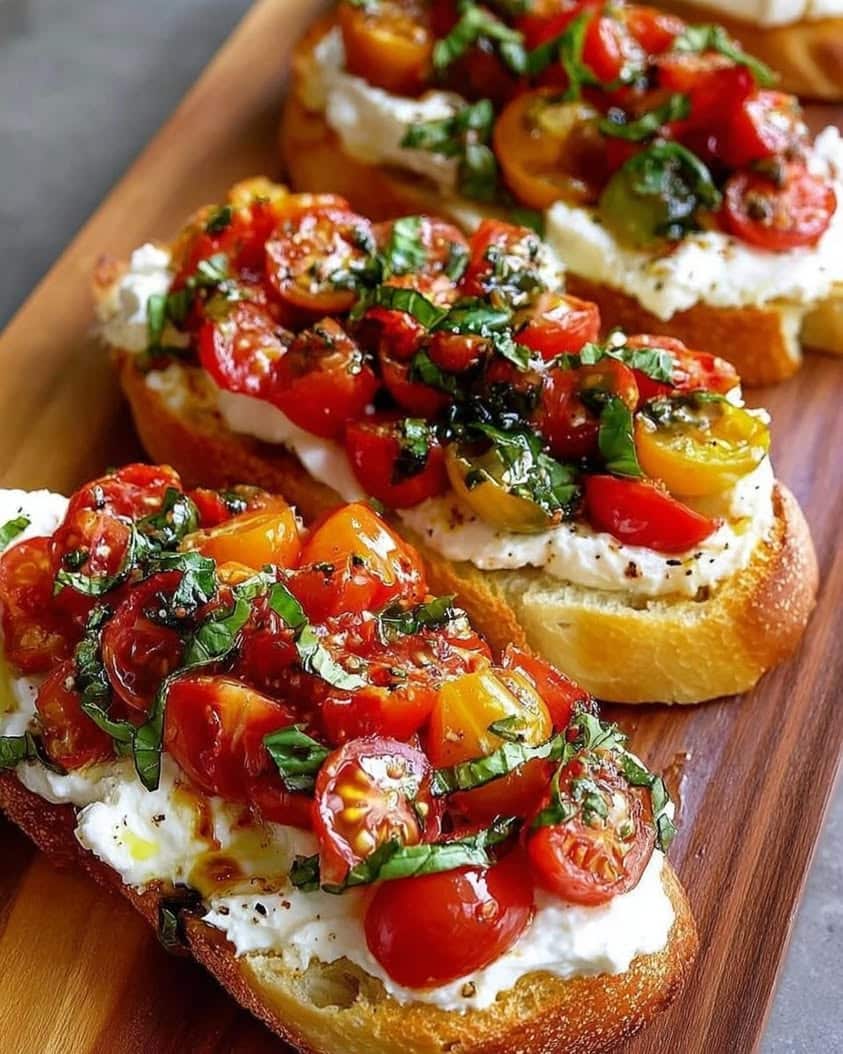
Creamy Burrata Bruschetta: An Elevated Italian Appetizer Recipe
Imagine the perfect bite. First, you hear the satisfying crunch of golden, toasted bread. Next, you taste the bright, juicy pop of ripe cherry tomatoes and fresh basil. Finally, you experience the luxurious, creamy centerpiece: a dollop of rich, milky burrata cheese. This creamy burrata bruschetta recipe transforms a classic Italian starter into an unforgettable appetizer. It is the ultimate crowd-pleaser for any gathering.
This dish masterfully balances simplicity with decadent flavor. Essentially, it requires only a handful of fresh, high-quality ingredients. Consequently, the flavors speak for themselves without complicated techniques. The star, burrata, is a cheese that promises a delightful surprise. Its firm outer shell gives way to a soft, creamy interior that melts over the warm bread. Paired with a vibrant tomato topping, this creamy burrata bruschetta feels both rustic and elegant. It is perfect for summer entertaining or a quick, impressive weeknight treat.
Moreover, this recipe offers incredible versatility. You can serve it as a passed appetizer at a party, a light lunch, or a stunning starter for a dinner party. The visual appeal is undeniable, featuring the white cheese against the red tomatoes and green basil. Ultimately, this creamy burrata bruschetta delivers restaurant-quality results from your own kitchen in under thirty minutes. It is a testament to the magic that happens when you let premium ingredients shine.
Quick Recipe Highlights
- Flavor Profile: This creamy burrata bruschetta bursts with fresh, balanced flavors. The sweet acidity of ripe tomatoes contrasts beautifully with the rich, milky cheese. Additionally, garlic and high-quality olive oil add savory depth, while fresh basil provides a final aromatic punch.
- Texture: The texture journey is a key part of the experience. You get an initial crisp from the toasted bread, followed by the juicy tomatoes. The climax is the luscious, creamy center of the burrata cheese as it spreads across the warm base.
- Aroma: The aroma is intoxicating and fresh. Toasting the bread releases nutty notes, while the garlic rub infuses it with savory fragrance. Finally, the combined scent of ripe tomatoes, torn basil, and extra virgin olive oil creates an authentic Italian kitchen smell.
- Visual Appeal: This dish is a feast for the eyes. The presentation showcases a beautiful color palette: golden-brown crostini, bright red tomatoes, snowy white burrata, and vibrant green basil. Drizzles of olive oil and balsamic glaze add glossy, professional finishing touches.
- Skill Level Needed: This recipe is perfect for beginners. It requires no advanced culinary skills, only basic knife work for chopping and the ability to use a broiler or grill. Attention to ingredient quality and simple assembly are the only real secrets to success.
- Special Equipment: You need almost no special equipment. A good chef’s knife, a cutting board, a baking sheet, and a bowl are sufficient. A microplane for garlic and a pastry brush for oil are helpful but not mandatory for making this creamy burrata bruschetta.
Recipe Overview
- Difficulty Level: We rate this creamy burrata bruschetta as “Easy” for several reasons. The steps are straightforward and linear, with no complex techniques like emulsification or baking chemistry. Most importantly, success hinges more on ingredient selection than precise skill, making it very forgiving for home cooks of all levels.
- Category: This dish falls squarely into the appetizer or starter category. It is designed to be a light, flavorful beginning to a meal. Alternatively, you can easily scale it up to serve as a light lunch or part of a larger antipasti platter for entertaining.
- Cuisine: This is a modern twist on classic Italian cuisine, specifically from the Apulia region where burrata originated. It respects the Italian principle of “cucina povera” by using few, high-quality ingredients. The preparation stays true to Italian flavors while allowing the luxurious burrata to be the star.
- Cost: The cost is moderate and depends heavily on the burrata. Other ingredients like bread, tomatoes, and basil are generally inexpensive. Investing in a good ball of burrata and a bottle of quality extra virgin olive oil elevates the dish significantly, but overall, it remains a cost-effective way to impress guests.
- Season: This creamy burrata bruschetta shines brightest in late summer. This is when tomatoes and basil are at their peak flavor and most affordable. However, you can make it year-round using cherry tomatoes, which tend to have decent flavor even off-season, especially when roasted.
- Occasion: It is incredibly versatile for occasions. It is perfect for casual summer barbecues, elegant dinner parties, holiday gatherings, or even a romantic appetizer for two. Its quick assembly makes it ideal for last-minute guests, while its stunning look suits planned events.
Why You’ll Love This Recipe
First and foremost, the taste and texture are simply divine. This creamy burrata bruschetta delivers a symphony in every bite. The cool, rich cheese melts into the warm, garlicky bread, while the tomato mixture adds a bright, acidic contrast. Furthermore, the fresh basil cuts through the richness with its peppery, aromatic flavor. Each component complements the others perfectly, creating a balanced and deeply satisfying appetizer that will have everyone asking for the recipe.
Next, consider the sheer convenience. You can prepare this entire dish from start to finish in about twenty-five minutes. The steps are simple and mostly involve assembly rather than active cooking. Because of this, you can focus on your guests instead of being stuck in the kitchen. Additionally, you can prep the tomato mixture and toast the bread ahead of time. Then, you simply assemble at the last minute for the freshest possible result. This makes entertaining stress-free and enjoyable.
From a nutritional standpoint, this appetizer offers several benefits when enjoyed in moderation. Tomatoes are rich in lycopene and vitamin C, while basil provides antioxidants. Olive oil contributes heart-healthy monounsaturated fats. Burrata, although rich, is a good source of calcium and protein. Compared to many heavy, fried appetizers, this creamy burrata bruschetta feels indulgent but is made from whole, recognizable ingredients.
The social and entertaining value of this dish is exceptionally high. It is visually stunning and feels luxurious, making guests feel special. It encourages sharing and conversation as people gather around a platter. Moreover, it pairs wonderfully with a variety of drinks, from sparkling wine to craft beer. Serving this creamy burrata bruschetta sets a tone of casual elegance that enhances any gathering, from a backyard picnic to a formal cocktail hour.
Finally, it is surprisingly cost-effective and accessible. While burrata can be a splurge, the other ingredients are pantry staples. One ball of burrata can generously top six to eight pieces of bruschetta, making it a relatively affordable luxury. You can find all ingredients at a standard grocery store. Ultimately, this recipe proves you do not need expensive restaurant reservations to enjoy a gourmet-level appetizer.
Historical Background and Cultural Significance
The story of bruschetta begins humbly in central Italy, long before it became a menu staple worldwide. Originally, it was a practical way for farmers to test the quality of their newly pressed olive oil at the end of the harvest season. They would toast bread over a fire, rub it with garlic, and drizzle the fresh oil on top. This simple snack highlighted the oil’s flavor and provided quick sustenance. The name itself comes from the Roman dialect verb “bruscare,” meaning “to roast over coals.” This rustic origin is the foundation for all modern variations, including our creamy burrata bruschetta.
Burrata, on the other hand, has a more specific and recent history. It was invented in the 1920s on the Bianchini farm in the Apulia region of Italy. Cheesemakers sought a way to use up the ritagli (scraps) of mozzarella. Their ingenious solution was to create a pouch of fresh mozzarella and fill it with these scraps mixed with cream, stracciatella. The result was burrata, meaning “buttered” in Italian, referring to its rich, creamy texture. For decades, it remained a local delicacy, rarely found outside its region due to its extremely short shelf life.
The evolution of this recipe is a tale of modern gastronomy meeting tradition. Classic tomato bruschetta became internationally popular in the late 20th century. As global food trends embraced luxurious, shareable small plates and high-quality artisan cheeses, burrata’s star rose. Naturally, innovative cooks began pairing the creamy cheese with the classic tomato topping. This fusion created the modern “creamy burrata bruschetta,” elevating the peasant dish with a touch of decadence. It represents a beautiful evolution where traditional formats are adapted to showcase new, premium ingredients.
Regional variations of this concept abound throughout Italy. In Apulia, you might find burrata served simply on bread with a drizzle of oil and perhaps some bitter greens. In the north, toppings might include prosciutto or truffle honey. The version with tomatoes and basil is most universally appealing, combining elements from different regions. Our recipe honors this spirit of adaptation, encouraging you to use the best local ingredients you can find while staying true to the Italian ethos of simplicity and quality.
Ingredient Deep Dive
Burrata Cheese: Burrata is the undisputed star of this creamy burrata bruschetta. Hailing from Apulia, it consists of a delicate mozzarella shell filled with soft stracciatella curds and cream. Nutritionally, it provides protein, calcium, and fats. When selecting burrata, look for it stored in liquid; it should feel soft and plump. Always buy it as fresh as possible and consume within a day or two of purchase for the best texture and flavor. If unavailable, fresh mozzarella (especially mozzarella di bufala) is a good substitute, though you will miss the creamy center.
Crusty Bread: The foundation is crucial. A sturdy, rustic loaf like ciabatta or a baguette is ideal because it can hold the juicy toppings without becoming soggy. Traditionally, Italian bakers used stale bread, making this a dish of resourcefulness. Opt for a loaf with a crisp crust and an airy, chewy interior. Slice it about half an inch thick to provide a substantial base. For a gluten-free version, use a high-quality gluten-free artisan bread. The bread’s toastiness provides the essential textural contrast to the creamy cheese.
Cherry Tomatoes: We recommend cherry or grape tomatoes for their consistent sweetness and lower water content compared to large tomatoes. They are packed with vitamins A, C, and K, and the antioxidant lycopene. Choose tomatoes that are deeply colored and firm, with a slight give. Off-season, roasting them briefly can concentrate their flavor. Heirloom cherry tomatoes offer fantastic color variation. If using larger tomatoes, remove the seeds and gel to prevent a watery topping that will make your bruschetta soggy.
Fresh Basil: Basil is non-negotiable for its aromatic, slightly peppery sweetness that defines the caprese flavor profile. It contains antioxidants and anti-inflammatory properties. Look for bright green leaves without black spots. Tear the leaves by hand just before using to prevent bruising and to release more aroma than cutting. For storage, treat it like a bouquet of flowers in a glass of water on the counter. In a pinch, a high-quality basil pesto can be used as a flavor base in the tomato mixture.
Extra Virgin Olive Oil: This is the soul of the dish. Use the best cold-pressed extra virgin olive oil you can afford for drizzling. Its fruity, peppery notes tie all the ingredients together. Olive oil is rich in monounsaturated fats and antioxidants. Avoid cooking with your finest oil; use a lighter olive oil for brushing the bread. The quality of your oil will directly impact the final taste of your creamy burrata bruschetta, so do not skip this investment.
Common Mistakes to Avoid
- Soggy Bread: This is the most common pitfall. Toasting the bread properly is essential. Make sure your bread slices are thoroughly crisp and golden before topping. Furthermore, do not assemble the bruschetta too far in advance. Always add the tomato mixture and cheese just before serving to maintain the perfect crunch.
- Watery Tomato Topping: Using juicy, seeded large tomatoes can create a pool of liquid. Cherry tomatoes are less watery. If you use larger tomatoes, take a moment to seed them and drain the chopped pieces in a colander for a few minutes. This extra step ensures your topping is flavorful, not wet.
- Overworking the Burrata: Burrata is delicate. Do not over-stir it or break it into tiny pieces before placing it on the bread. Gently tear the ball and place generous, distinct dollops. The visual appeal of the creamy center spilling out is part of the experience, so handle it with care.
- Using Pre-Shredded or Low-Quality Cheese: Pre-shredded cheese contains anti-caking agents that prevent melting and alter texture. For this creamy burrata bruschetta, fresh burrata is key. Similarly, do not substitute with dry mozzarella; the recipe relies on the fresh, milky quality of artisanal cheese.
- Burning the Garlic: Rubbing raw garlic on hot toast is traditional, but it can be intense. If you prefer a milder flavor, lightly brush the toasted bread with olive oil that has been infused with a sliced garlic clove instead of rubbing it directly. This prevents any bitter, burnt garlic taste.
- Skipping the Seasoning Layers: Season every component. Lightly salt the tomato mixture as it sits to draw out flavors. Season the bread with a pinch of salt after brushing with oil. Finally, finish the assembled bruschetta with a flaky sea salt like Maldon for texture and a final flavor pop.
- Cutting Basil with a Knife: Cutting basil can bruise the leaves and cause them to blacken quickly. Always tear basil leaves by hand just before garnishing. This method releases the aromatic oils more gently and keeps the herb looking vibrant and fresh on your finished dish.
- Not Letting Ingredients Reach Room Temperature: Serving burrata straight from the fridge dulls its flavor and makes it too firm. Take the burrata out about 30 minutes before assembling. Similarly, your tomato mixture will taste best if not ice-cold. Letting ingredients temper ensures the fullest flavor profile.
Essential Techniques
Toasting the Bread (Crostini): Achieving the perfect crisp base is fundamental. Brush both sides of your bread slices lightly with olive oil. Then, toast them under a broiler or on a grill pan until golden brown and crisp around the edges. This technique not only provides structural integrity but also creates a flavor foundation through the Maillard reaction. The common pitfall is under-toasting, which leads to sogginess. Look for deep golden spots and listen for a hollow sound when tapped. Let the bread cool slightly on a rack so steam escapes, keeping it crisp.
Maceration: This is the process of seasoning the tomato mixture and letting it sit. Tossing the chopped tomatoes with salt, a little olive oil, and torn basil allows the salt to draw out the tomatoes’ natural juices. Consequently, these juices mix with the oil and basil to create a simple, flavorful dressing. This technique intensifies the tomato flavor and melds the components. The key is to let it sit for at least 10-15 minutes, but not so long that the tomatoes become mushy. Stir it gently just before spooning it onto the bread.
Handling Burrata: Proper technique preserves the cheese’s unique texture. Always use your hands or a gentle spoon to portion the burrata. First, drain the ball from its liquid. Then, place it on a board and use your fingers to gently tear it into large, rustic pieces. The goal is to maintain the contrast between the outer shell and the creamy stracciatella inside. Avoid over-handling or cutting it with a knife, which can mash the delicate textures together. Place each piece deliberately on the toast just before serving.
Pro Tips for Perfect Creamy Burrata Bruschetta
First, warm your serving platter slightly. A room-temperature or cold plate can cause the cheese to firm up too quickly. A slightly warm platter keeps everything at an ideal serving temperature longer.
Second, use a pastry brush to apply olive oil to the bread. This gives you even, controlled coverage without drowning the slices, which would make them greasy rather than crisp.
Third, add a tiny splash of high-quality balsamic vinegar or glaze to the tomato mixture. The sweet acidity complements the tomatoes and cuts through the richness of the burrata beautifully.
Fourth, for an extra layer of flavor, rub the toasted bread with the cut side of a halved garlic clove while it’s still warm. This imparts a subtle, aromatic garlic essence without the bite of raw minced garlic.
Fifth, if your cherry tomatoes are not super sweet, toss them with a pinch of sugar along with the salt. This tiny trick mimics the flavor of peak-season tomatoes.
Sixth, garnish with more than just basil. A sprinkle of chili flakes, cracked black pepper, or even some lemon zest can add wonderful complexity to your final presentation.
Seventh, serve with a small knife. While bruschetta is often finger food, the creamy burrata can be messy. Providing a knife allows guests to easily cut through the cheese and enjoy each bite neatly.
Eighth, taste your olive oil before using. If it tastes bitter or flat, it will make your whole dish taste bitter or flat. Your oil should be fruity and vibrant.
Variations and Adaptations
Regional Variations: Across Italy, you will find countless spins. In Sicily, add chopped olives and capers for a briny kick. In the north, top the burrata with thin slices of prosciutto crudo or a drizzle of truffle honey. For a Ligurian touch, replace the tomato with a smear of basil pesto before adding the cheese.
Seasonal Adaptations: Embrace what is fresh. In spring, use a topping of smashed peas with mint and lemon zest. For autumn, try roasted squash or figs with a balsamic reduction. In winter, a topping of sautéed mushrooms with thyme brings earthy warmth to the creamy burrata bruschetta.
Dietary Modifications: For a vegan version, use a high-quality vegan mozzarella or a cashew-based “burrata” and nutritional yeast for a cheesy flavor. For a gluten-free option, use your favorite gluten-free artisan bread, ensuring it is sturdy enough to hold the toppings.
Flavor Variations: Infuse your olive oil with herbs like rosemary or chili flakes before brushing the bread. Add chopped sun-dried tomatoes or roasted peppers to the fresh tomato mix for deeper, concentrated flavors. A sprinkle of za’atar or sumac can introduce Middle Eastern notes.
Texture Modifications: For extra crunch, sprinkle toasted pine nuts or walnuts over the top. For a smoother experience, you can blend half the tomatoes into a quick sauce to spread on the bread before adding the whole tomatoes and cheese.
Presentation Alternatives: Instead of large slices, use baguette rounds for one-bite canapés. Alternatively, deconstruct the dish: serve the burrata whole on a plate surrounded by toasted bread soldiers and a bowl of the tomato mixture for a interactive, shareable centerpiece.
Serving and Presentation Guide
Plating Techniques: Arrange the assembled bruschetta on a large, flat platter or a rustic wooden board. Do not overcrowd them; leave a little space between each piece for easy picking. For a more formal look, you can plate individually on small appetizer plates, perhaps with a small drizzle of balsamic glaze in a decorative pattern underneath.
Garnishing Ideas: Beyond basil, consider microgreens, edible flowers, or a light dusting of smoked paprika for color. A final flourish of flaky sea salt is both visual and flavorful. For a glossy finish, use a spoon to drizzle extra virgin olive oil in a zigzag pattern across the whole platter.
Traditional Accompaniments: In Italy, this would be part of a larger antipasti spread. Serve it alongside cured meats like prosciutto and salami, marinated olives, grilled vegetables, and perhaps some focaccia. A simple green salad with a lemon vinaigrette balances the richness.
Modern Serving Suggestions: Pair it with a glass of Prosecco or a crisp Pinot Grigio for a classic aperitivo hour. For a casual gathering, it pairs wonderfully with craft beers, especially a hoppy IPA or a light pilsner. Offer small plates and napkins to guests for easy handling.
Temperature Considerations: Serve immediately after assembly. The bread should still be slightly warm to contrast with the cool cheese, but not so hot that it melts the burrata completely. The tomatoes and cheese should be at room temperature for optimal flavor release.
Portion Control Tips: Plan for 1-2 pieces per person as an appetizer before a multi-course meal. If it is the main focus of a light lunch or part of a smaller spread, plan for 3-4 pieces per person. Remember, burrata is rich, so a little goes a long way.
Wine and Beverage Pairing
Wine Pairings: The creamy, fatty burrata and acidic tomatoes call for wines with good acidity and brightness. A classic Italian pairing is a Verdicchio or Vermentino—crisp, citrusy whites that cut through the richness. A light-bodied, fruity red like a Bardolino or a young Chianti can also work if served slightly chilled. For sparkling options, Prosecco or Franciacorta provide celebratory effervescence that cleanses the palate between bites.
Non-Alcoholic Alternatives: Sparkling water with a twist of lemon or lime is always refreshing. For a more crafted option, try a basil-infused lemonade or a tart cherry spritzer. Seedlip Garden 108, a non-alcoholic spirit, makes a sophisticated “gin and tonic” style drink that complements the herbal notes beautifully.
Coffee/Tea Pairings: While not a typical pairing for this dish, if serving at a brunch, a light roast coffee with bright acidity can mirror the tomato’s acidity. An herbal tea like peppermint or a gentle green tea can be a soothing finish after the meal without overwhelming the delicate flavors of the creamy burrata bruschetta.
Temperature Considerations: White and sparkling wines should be served well-chilled, between 45-50°F. Light reds should be served slightly cooler than room temperature, around 55-60°F. Non-alcoholic beverages are best served cold to provide a refreshing contrast to the rich cheese.
Serving Suggestions: Offer a variety of drink options to cater to all guests. Clearly label bottles or pitchers. For wine, use appropriate glassware—white wine glasses for whites and smaller bowls for reds. Always provide plenty of water on the table to cleanse palates.
Storage and Shelf Life
Storage Methods: This dish is best enjoyed immediately. However, you can store components separately. Keep the toasted bread in an airtight container at room temperature for 1-2 days. Store the tomato mixture (without basil) in a sealed container in the refrigerator for up to 2 days. Burrata should remain in its liquid in the fridge and be used by the date on the package.
Temperature Requirements: All components except the bread require refrigeration below 40°F. The assembled bruschetta should never be left at room temperature for more than two hours due to the dairy content. Always refrigerate leftovers promptly.
Container Recommendations: Use a glass or BPA-free plastic container with a tight-fitting lid for the tomato mixture. Store bread in a paper bag or a bread box to maintain crispness, not in plastic which can trap moisture and make it chewy.
Signs of Spoilage: Discard the tomato mixture if it becomes overly watery, slimy, or develops an off smell. Burrata is spoiled if it smells sour, ammonia-like, or if the outer shell becomes slimy or discolored. Mold on bread is an obvious sign to discard it.
Reheating Instructions: You cannot reheat assembled bruschetta. You can, however, refresh toasted bread that has gone soft. Place it in a 350°F oven for 3-5 minutes until crisp again. Let it cool slightly before topping with room-temperature ingredients.
Freezing Guidelines: Freezing is not recommended for any component of this recipe. The tomatoes will become mushy, the bread will lose its texture, and the burrata will separate and become grainy upon thawing. This is a strictly fresh preparation.
Make Ahead Strategies
Prep Timeline: You can prep almost everything 4-6 hours in advance. Chop the tomatoes and mix them with salt and olive oil (hold the basil), then refrigerate. Slice and oil the bread, leaving it on the baking sheet at room temperature. Take the burrata out of the fridge 30 minutes before serving to come to temperature.
Storage Between Steps: Keep the tomato mixture covered in the fridge. The oil may solidify slightly; this is normal. Let it sit at room temperature for 15 minutes before using and give it a stir. Keep the bread covered with a clean kitchen towel to prevent it from drying out too much.
Quality Impact Assessment: Prepping the tomatoes ahead actually improves their flavor as the maceration process has more time to work. Toasting the bread ahead saves time but may result in a slightly less crisp final product unless you refresh it in the oven. The key is adding the basil and assembling at the last possible moment.
Assembly Tips: When ready to serve, toast the bread if you haven’t, or refresh it in a hot oven for 2-3 minutes. Stir the torn basil into the tomato mixture. Drain the burrata, tear it, and assemble: bread, tomato mixture, then a piece of burrata on top. Drizzle with oil and garnish immediately.
Reheating Guidelines: Only reheat the bread component if necessary. Do not attempt to reheat the assembled dish or the burrata. The goal of make-ahead is to have all components ready for a quick, cold assembly.
Fresh Element Additions: The basil is the most critical fresh element. Always add it just before mixing into the tomatoes or as a final garnish. Also, a final drizzle of your best olive oil and a sprinkle of flaky salt should be done after assembly, not before storing.
Scaling Instructions
Halving the Recipe: Halving is straightforward for small gatherings. Use half a ball of burrata (enjoy the other half on a salad!). Reduce all other ingredients proportionally. The timing remains the same, though you may use a toaster oven for the bread instead of the full oven. Be mindful that a smaller amount of tomato mixture may macerate more quickly.
Doubling or Tripling: For larger parties, you can easily double or triple. The main consideration is oven space for toasting the bread; you may need to do it in batches. Keep toasted bread warm in a single layer on a rack in a low oven (200°F). Mix the tomato mixture in a very large bowl. You may need to purchase multiple balls of burrata.
Equipment Adjustments: When scaling up, ensure you have a large enough platter for presentation. Use multiple baking sheets for the bread, rotating them in the oven for even toasting. Have a large, non-reactive bowl (like glass or ceramic) for the tomato mixture to prevent metallic tastes.
Timing Modifications: Prepping the tomato mixture for a large batch can be done earlier in the day. The bread toasting will take longer in batches, so start this process 30-45 minutes before serving. Allow extra time for assembling a large quantity, perhaps enlisting help to keep the process quick.
Storage Considerations: A large batch of tomato mixture may release more liquid. Consider draining some of the excess juice before serving if it looks too watery. For a buffet, you might assemble half the bruschetta at a time to keep the bread on the later batches from getting soggy.
Nutritional Deep Dive
Macro Breakdown: A typical serving of creamy burrata bruschetta (one piece) provides a balance of macronutrients. The bread contributes carbohydrates for energy. The burrata offers a significant amount of fat (mostly saturated) and protein, which promotes satiety. The tomatoes add minimal carbs and almost no fat. The olive oil contributes healthy monounsaturated fats. It is a calorie-dense appetizer, so portion awareness is key.
Micronutrient Analysis: This dish is a source of several vitamins and minerals. Tomatoes are rich in Vitamin C, potassium, and the antioxidant lycopene. Basil provides Vitamin K, iron, and calcium. Olive oil contains Vitamin E. Burrata contributes calcium and phosphorus for bone health. Together, they offer a range of beneficial compounds, though it is not a low-calorie choice.
Health Benefits: The lycopene in cooked or processed tomatoes is linked to reduced risk of certain cancers and heart disease. Olive oil supports heart health. The calcium in dairy is crucial for bones. The monounsaturated fats can help improve cholesterol levels. However, these benefits are best realized as part of a balanced diet, given the dish’s richness.
Dietary Considerations: This recipe contains gluten (bread), dairy (burrata), and garlic. It is vegetarian but not vegan, low-carb, or paleo. Those with lactose intolerance may have difficulty with the burrata, though some find aged cheeses easier to digest. The sodium content can be moderated by controlling the amount of added salt.
Portion Analysis: As an appetizer, one to two pieces is a reasonable portion that allows you to enjoy the flavors without overindulging in calories and fat before the main course. Thinking of it as a small, flavorful treat rather than a meal itself helps with mindful eating.
Weight Management Tips: To enjoy this as part of a weight-conscious diet, focus on portion control. Use a thinner slice of bread or a whole-grain option for more fiber. Be measured with the olive oil when brushing. You can also increase the ratio of tomato topping to cheese to add volume with fewer calories.
Dietary Adaptations
Gluten-free: Use a certified gluten-free artisan bread loaf. Look for one with a sturdy texture, often those containing seeds or whole grains hold up best. Toast it well to ensure it does not crumble under the toppings. All other ingredients in the standard creamy burrata bruschetta recipe are naturally gluten-free.
Dairy-free/Vegan: Replace burrata with a vegan alternative. Several brands make credible vegan mozzarella or “burrata-style” cheeses from cashews or coconut oil. For the tomato mixture, ensure you use a vegan-friendly balsamic glaze. The result will be different but can still be delicious, focusing on the fresh tomato and basil flavors.
Low-carb/Keto: Omit the bread entirely. Serve the tomato and burrata mixture as a salad, or use the tomato topping to top large, sturdy lettuce leaves like romaine hearts or endive spears, then add a piece of burrata. You can also use a slice of grilled eggplant or zucchini as the base.
Paleo: Similar to keto, avoid the grains in the bread. Use a base of sliced, roasted sweet potato or a thick slice of grilled portobello mushroom. Ensure your olive oil is of high quality and that any balsamic glaze is free from added sugars or sulfites.
Low-FODMAP: This adaptation is tricky due to the garlic and potentially the onion if used. Use garlic-infused olive oil (where the garlic is strained out) to flavor the bread. Replace regular cherry tomatoes with canned, diced tomatoes (the canning process reduces FODMAPs). Ensure the burrata is 100% mozzarella and cream without added lactose.
Nut-free: The standard recipe is naturally nut-free. Be cautious if using store-bought pesto as a variation, as it often contains pine nuts. Always check labels on any pre-made ingredients like balsamic glaze for potential cross-contamination warnings if serving someone with a severe allergy.
Troubleshooting Guide
Texture Issues (Soggy Bread): If your bread becomes soggy, you likely assembled too early or the tomato mixture was too wet. Solution: Toast the bread until deeply golden and let it cool completely on a rack. Drain the tomato mixture in a sieve for a minute before spooning. Assemble literally seconds before serving.
Flavor Balance (Bland Taste): If your bruschetta tastes flat, it likely needs more salt or acid. Solution: Season in layers. Salt the tomatoes. Salt the bread after oiling. Finish the assembled dish with flaky salt. Add a tiny splash of lemon juice or high-quality vinegar to the tomato mixture to brighten it.
Temperature Problems (Cold, Hard Cheese): Burrata straight from the fridge is Print
Burrata Bruschetta
- Total Time: 45 minutes
- Yield: 4
Description
A creamy twist on classic bruschetta, featuring fresh burrata cheese, ripe tomatoes, and basil on toasted bread.
Ingredients
- 1 loaf crusty baguette, sliced
- 8 oz burrata cheese
- 2 cups cherry tomatoes, halved
- 1/4 cup fresh basil leaves, chopped
- 2 cloves garlic, minced
- 2 tbsp extra virgin olive oil
- 1 tbsp balsamic glaze
- Salt and black pepper to taste
Instructions
- Preheat oven to 400°F (200°C). Arrange baguette slices on a baking sheet and toast for 5-7 minutes until golden and crisp.
- In a bowl, combine cherry tomatoes, basil, garlic, olive oil, salt, and pepper. Toss gently to mix.
- Place a spoonful of burrata on each toasted baguette slice, top with the tomato mixture, and drizzle with balsamic glaze before serving.
Notes
You can customize the seasonings to taste.
- Prep Time: 15 minutes
- Cook Time: 30 minutes
- Method: Appetizer
- Cuisine: Italian