Perfectly Baked Potatoes with Chive Butter: A Simple, Foolproof Recipe
Mastering the art of the perfect baked potato unlocks a world of simple, satisfying comfort food. This recipe for perfectly baked potatoes with chive butter delivers a classic side dish that feels both rustic and elegant. Moreover, it transforms humble ingredients into a culinary staple that complements any main course. The process requires minimal effort, yet the results are consistently impressive. Ultimately, you will achieve a crispy, salty skin giving way to a cloud-like, steaming interior.
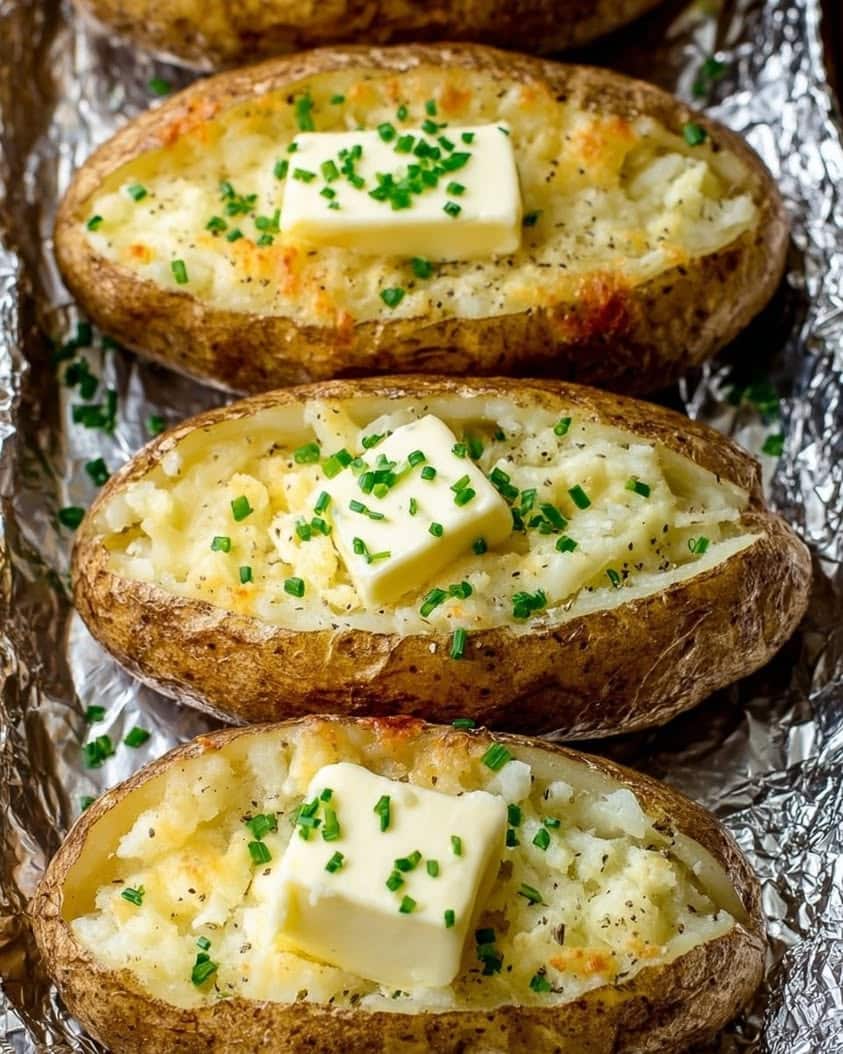
The magic of these perfectly baked potatoes lies in their beautiful simplicity. A generous pat of creamy, herb-infused butter melts into the hot flesh, creating a rich and savory pool. Freshly chopped chives add a delicate onion flavor and a vibrant pop of green color. Consequently, every bite offers a perfect harmony of textures and tastes. This dish proves that sometimes, the most beloved recipes are the ones with the shortest ingredient list.
Furthermore, this method guarantees a foolproof result every single time. Whether you are a kitchen novice or a seasoned home cook, this guide will walk you through each crucial step. You will learn the secrets to achieving that ideal fluffy texture inside. Additionally, you will discover tips for creating the ultimate crispy potato skin. So, preheat your oven and get ready to make the best baked potatoes of your life.
Quick Recipe Highlights
- Flavor Profile: These perfectly baked potatoes offer a deeply savory and comforting taste. The natural sweetness of the russet potato shines through, beautifully complemented by the rich, salty butter and the fresh, mild bite of chives. It is a timeless combination that never fails to please.
- Texture: The contrast in textures is the hallmark of a great baked potato. Expect a shatteringly crisp, seasoned exterior that gives way to an impossibly light, fluffy, and steamy interior. The melted chive butter adds a luxurious, creamy mouthfeel that ties everything together.
- Aroma: As these potatoes roast, they fill your kitchen with an irresistible, earthy, and comforting scent. The final addition of the chive butter releases a wonderful herbal fragrance. This aroma promises a simple, hearty, and delicious meal.
- Visual Appeal: A golden-brown, craggy potato skin makes a stunning presentation. Cutting open the potato reveals a pure white, fluffy center. The bright green chives scattered over the melting yellow butter create a visually appealing and appetizing dish.
- Skill Level Needed: This recipe is ideal for absolute beginners. It requires no advanced techniques, just patience and attention to basic steps like scrubbing, pricking, and seasoning. Anyone can achieve restaurant-quality results with this straightforward guide.
- Special Equipment: You need only standard kitchen tools: a baking sheet, a fork, a brush for oil, and a small bowl for mixing the chive butter. No fancy gadgets are required, making this an accessible recipe for every home cook.
Recipe Overview
- Difficulty Level: We rate this recipe as “Easy” because it involves fundamental techniques with little room for error. The active preparation time is under 10 minutes, and the oven does most of the work. Simply put, if you can scrub a potato and operate an oven, you can master this dish.
- Category: This dish primarily falls under the “Side Dishes” category. However, it can easily become a hearty main course when loaded with additional toppings like chili, broccoli, or cheese. It is incredibly versatile for any meal structure.
- Cuisine: The baked potato is a staple of American home cooking and diner culture. Its roots, however, connect to broader European potato traditions. This specific preparation with butter and fresh herbs leans into a classic, unadorned style that highlights quality ingredients.
- Cost: This is one of the most budget-friendly recipes you can make. Potatoes, butter, and chives are all inexpensive, pantry-friendly items. You can feed a family of four a satisfying side dish for just a few dollars, making it fantastic for economical meal planning.
- Season: Perfectly baked potatoes are truly a year-round comfort food. They are hearty enough for a cozy winter dinner alongside a roast. Conversely, they also pair wonderfully with grilled meats and summer salads for a backyard barbecue.
- Occasion: This dish suits everything from a casual weeknight family dinner to a more formal holiday meal. It is a crowd-pleaser that appeals to all ages. Furthermore, its simplicity makes it a reliable choice for potlucks and gatherings.
Why You’ll Love This Recipe
First and foremost, the taste and texture of a perfectly baked potato are unmatched in the world of comfort food. The crispy, salty skin provides a wonderful crunch that contrasts with the ethereally soft interior. When you add the flavored butter, it melts seamlessly into every nook, creating a rich and savory experience. Each bite delivers a harmonious blend of earthy potato, creamy fat, and fresh herbal notes. This simple combination satisfies on a deeply fundamental level, reminding us that great food doesn’t need to be complicated.
From a practical standpoint, the convenience of this recipe is a major win. Preparation is incredibly minimal, involving just scrubbing, pricking, and a quick rub with oil. After that, the oven handles the rest, freeing you up to prepare the rest of your meal. This makes it an ideal side dish for busy weeknights when time is limited. Additionally, the ingredients are pantry and fridge staples you likely already have on hand. You can decide to make this dish spontaneously without a special trip to the grocery store.
Nutritionally, potatoes offer more benefits than they often get credit for. They are an excellent source of vitamin C, potassium, and vitamin B6, especially when you eat the skin. Using a reasonable amount of good-quality butter adds satisfying fat that helps your body absorb the fat-soluble vitamins from the potato. Chives contribute antioxidants and a touch of vitamin K. Together, these ingredients create a balanced side dish that provides energy and essential nutrients. It is a wholesome choice that feels indulgent without being overly heavy.
For entertaining, these baked potatoes offer tremendous social value. They are universally liked and can be presented in a way that feels special. You can even set up a “baked potato bar” with various toppings, allowing guests to customize their own. This interactive element becomes a fun conversation starter at parties. Moreover, because the recipe is so forgiving, you can focus on your guests instead of stressing over a finicky dish. It is a reliable recipe that guarantees happy, satisfied eaters every time.
Finally, the cost-effectiveness and accessibility of this recipe cannot be overstated. Potatoes are one of the most affordable vegetables available year-round. This makes the dish accessible to cooks on any budget. You do not need any special equipment or exotic ingredients to achieve fantastic results. Consequently, this recipe democratizes good cooking, proving that a delicious, impressive meal does not require a large financial investment. It is humble food executed to perfection.
Historical Background and Cultural Significance
The story of the baked potato is inextricably linked to the history of the potato itself. Originally cultivated in the Andes Mountains of South America over 7,000 years ago, potatoes made their way to Europe via Spanish explorers in the 16th century. Initially, Europeans viewed them with suspicion, but their nutritional density and ability to grow in poor soil eventually led to widespread adoption. The method of baking potatoes whole in the embers of a fire was likely one of the simplest and earliest ways to prepare this new tuber. This primitive technique laid the foundation for the oven-baked version we know today.
In terms of cultural significance, the baked potato became a cornerstone of diets in Ireland, Eastern Europe, and eventually across the Atlantic. In the United States, it evolved into a classic diner and steakhouse side dish, often served with a foil wrapper and an abundance of sour cream. It symbolizes hearty, no-fuss, American comfort food. In Britain, the “jacket potato” is a popular lunchtime staple, frequently sold from street carts and loaded with everything from baked beans to tuna salad. This simple dish therefore carries the culinary fingerprints of many nations.
The evolution of the recipe is a tale of simplicity enduring. While loaded versions with cheese, bacon, and chili have become popular, the pure form—butter, salt, pepper, and perhaps a simple herb like chives—remains the gold standard for purists. This evolution reflects broader food trends: a move towards customization and bold flavors, but also a recurring return to rustic, ingredient-forward basics. The perfectly baked potato sits comfortably in both worlds, serving as a blank canvas or a finished masterpiece.
Regional variations on the baked potato are fascinating. In the Pacific Northwest of the United States, you might find a potato topped with smoked salmon and cream cheese. In the Midwest, it is often a vehicle for hearty beef chili and cheddar. Across the UK, “cheese and beans” is a iconic combination. These variations tell a story about local ingredients and culinary preferences. Ultimately, the common thread is the potato itself—a versatile, comforting base that welcomes global influence while maintaining its essential, satisfying character.
Ingredient Deep Dive
Russet Potatoes: Also known as Idaho or baking potatoes, russets are the undisputed champion for baking. Their high starch content and low moisture yield that desired fluffy, dry interior that soaks up butter beautifully. Culturally, the russet potato rose to prominence in the 19th century and became synonymous with the ideal baked potato in America. Nutritionally, they provide significant potassium, vitamin C, and fiber, especially when you consume the nutrient-dense skin. For the best results, select firm, smooth potatoes without any green tinges, sprouts, or soft spots. Store them in a cool, dark, and well-ventilated place—not in the refrigerator, as cold temperatures can convert their starch to sugar.
Butter: Butter is not just a fat in this recipe; it is a primary flavor agent. High-quality, unsalted butter allows you to control the seasoning perfectly. Its rich, creamy fat carries the flavor of the chives and enhances the natural sweetness of the potato. From a historical perspective, butter has been a prized cooking fat for centuries across European and American cuisines. For this recipe, use real butter rather than margarine for the best flavor and mouthfeel. You can soften it at room temperature to easily mix in the chives. Store butter tightly wrapped in the refrigerator, and consider making the chive butter log ahead of time for easier slicing.
Fresh Chives: Chives are the smallest and mildest member of the onion family, offering a delicate, grassy flavor and brilliant green color. They have been used for centuries both culinarily and medicinally in Europe and Asia. They provide a fresh, bright contrast to the richness of the butter and the earthiness of the potato. Nutritionally, they offer vitamins A and C, along with antioxidants. Always choose fresh, vibrant green chives without any wilting or yellowing. You can store them wrapped in a damp paper towel inside a plastic bag in the refrigerator. For a substitute, finely chopped green onion tops or a pinch of dried chives can work in a pinch.
Olive Oil & Kosher Salt: Olive oil is crucial for creating the crispy, golden-brown skin. It conducts heat efficiently and helps the salt adhere to the potato’s surface. Extra virgin olive oil adds a faint fruity note, but any neutral oil like avocado or canola will work. Kosher salt is preferred over table salt for its clean taste and ability to stick to the damp, oiled skin. The coarse crystals create a delicious, seasoned crust. These two humble ingredients work in tandem to transform the potato skin from a wrapper into a delectable part of the meal.
Common Mistakes to Avoid
- Not Pricking the Skin: This is the most critical step to avoid a messy, dangerous explosion in your oven. The steam inside the potato needs an escape route. Always use a fork to prick each potato deeply several times on all sides.
- Skipping the Oil Rub: Applying oil is non-negotiable for crispy skin. The oil conducts heat directly to the skin, causing it to crisp up and brown. Without it, the skin will be tough, pale, and leathery.
- Using the Wrong Potato: Waxy potatoes like red or Yukon Gold will not achieve the same fluffy interior. They hold more moisture and result in a denser, waxier texture. Always choose high-starch russet potatoes for the classic baked potato experience.
- Under-Salting the Exterior: Salting after oiling seasons the skin directly. Do not be shy with the kosher salt. It creates a flavorful crust that makes the skin as desirable as the inside.
- Opening the Oven Door Frequently: Every time you open the oven, the temperature drops significantly. This can extend cooking time and prevent the skin from getting properly crisp. Trust the timer and use the oven light to check.
- Not Letting Them Rest: Cutting into a potato straight from the oven releases a torrent of steam, which can make the flesh gummy and cause burns. Let them sit for 5 minutes to allow the starches to set slightly for a fluffier texture.
- Using Cold Butter: Placing a cold pat of butter on a hot potato means it won’t melt properly into the flesh. Use room-temperature chive butter or slice it thinly so it melts instantly upon contact.
- Overcrowding the Baking Sheet: Potatoes need space for hot air to circulate around them. If they are touching, the sides in contact will steam instead of roast, leading to uneven cooking and soft skin.
Essential Techniques
Pricking the Potatoes: This technique is about safety and texture. By piercing the skin with a fork, you create vents for the internal steam to escape during baking. If you skip this, pressure builds until the potato skin bursts, creating a mess and a potential burn hazard. To master it, firmly press the tines of a fork about 1/4-inch deep into the potato in 8-10 places all over. The visual cue for success is simply seeing the small holes. There is no downside to pricking too much, so be thorough.
Oiling and Salting the Skin: This step transforms the skin from an afterthought into a highlight. Rubbing the potato with oil ensures even heat transfer and promotes Maillard reaction—the chemical process that creates browning and complex flavor. Immediately after oiling, roll or sprinkle the potato with kosher salt. The salt sticks to the oily surface and seasons the skin directly, creating a delicious, crisp crust. The key is to coat every surface evenly. A successful result is a potato with an evenly golden-brown, slightly craggy, and appetizingly salty skin.
The “Squeeze Test” for Doneness: Relying solely on time can be misleading due to potato size variance. The most reliable method is the gentle squeeze test. Using an oven mitt, carefully squeeze the middle of the potato. If it yields easily and feels soft inside, it is done. If it feels firm or resistant, it needs more time. Another sign is skin that appears crisp and slightly pulled away from the flesh at the ends. Mastering this tactile test guarantees a perfectly cooked interior every single time, regardless of your specific oven.
Pro Tips for Perfect Baked Potatoes
First, for the ultimate crispy skin, place the oiled and salted potatoes directly on the oven rack with a baking sheet on the lower rack to catch any drips. This allows hot air to circulate completely around the potato. Second, if you are short on time, you can par-cook the potatoes in the microwave for 5-6 minutes before finishing them in the oven for 20 minutes to crisp the skin. Third, make your chive butter ahead of time. Roll it into a log in parchment paper and chill it; then you can simply slice off perfect rounds. Fourth, after baking, make a lengthwise cut and use a fork to fluff the interior gently. This creates pockets for the butter to melt into. Fifth, for a flavor boost, consider rubbing the skins with a cut garlic clove after oiling but before salting. Sixth, always use a metal baking sheet or rack, as glass or ceramic can sometimes inhibit crisping.
Variations and Adaptations
For regional variations, look to classic preparations. Try a British-inspired “jacket potato” with a can of baked beans and grated cheddar cheese. For a Pacific Northwest twist, top with hot-smoked salmon, cream cheese, and dill. A Midwestern favorite is to load it with beef chili, shredded cheese, and a dollop of sour cream. These adaptations show how the baked potato serves as a global culinary canvas.
Seasonal adaptations are easy and fun. In spring, top with steamed asparagus, lemon zest, and goat cheese. For summer, try fresh corn salsa, black beans, and avocado. In autumn, consider topping with sautéed mushrooms, thyme, and a drizzle of truffle oil. Winter calls for hearty toppings like braised short ribs or creamy turkey and gravy leftovers. This makes the dish relevant and exciting throughout the entire year.
Dietary modifications are straightforward. For a vegan version, use a high-quality plant-based butter and vegan sour cream. To make it dairy-free, simply omit the butter and use a generous drizzle of extra virgin olive oil and flaky sea salt. For a lower-carb option, you can use a smaller sweet potato, though the texture will differ. The basic baking method remains a constant, allowing everyone to enjoy a version of this classic.
Serving and Presentation Guide
Plating a baked potato beautifully elevates it from simple to special. Serve each potato on a warm plate or in a shallow bowl. After cutting it open and fluffing the interior, place a generous slice of the chive butter log directly in the center. Let the guest watch it melt. Alternatively, you can present the chive butter in a small ramekin on the side for dipping. For a family-style presentation, arrange the potatoes on a rustic wooden board or a large platter with a bowl of the butter and a small pitcher of extra olive oil.
Garnishing adds the final touch of color and flavor. Beyond the chives in the butter, sprinkle additional freshly chopped chives over the top. You can also add a twist of freshly cracked black pepper, a sprinkle of smoked paprika for color and depth, or a few flakes of Maldon sea salt for texture. A small sprig of a stronger herb like rosemary or thyme on the plate adds aroma and visual appeal without overpowering the main flavors.
Consider traditional and modern accompaniments. Classically, a perfectly baked potato pairs with grilled or roasted meats like steak, chicken, or meatloaf. For a modern, vegetarian-focused meal, pair it with a large, colorful salad filled with robust ingredients like roasted chickpeas, nuts, and a tangy vinaigrette. It also works wonderfully as part of a “bowl” meal, alongside other roasted vegetables and a protein source. The key is to balance the richness and starch of the potato with something fresh, acidic, or lean.
Wine and Beverage Pairing
Wine pairings for a simple baked potato with butter and chives should complement the earthy, creamy, and savory notes. A crisp, unoaked Chardonnay works beautifully, as its acidity cuts through the butter while its body matches the potato’s richness. Alternatively, a light-bodied Pinot Noir with its red fruit and earthy undertones can be a surprising and excellent match, especially if you are serving the potato with a red meat main course. The goal is to choose a wine that refreshes the palate without competing with the dish’s subtle flavors.
For non-alcoholic alternatives, consider beverages with bright acidity or herbal notes. A sparkling water with a squeeze of lemon or lime cleanses the palate. Iced herbal tea, like mint or lemon verbena, offers a refreshing contrast. A tart cherry juice or a ginger beer can also stand up to the savory richness. The principle is the same as with wine: seek a drink that provides a counterpoint to the dish’s creamy, starchy nature.
While not a classic pairing for the potato itself, if you are enjoying this as part of a larger meal ending with dessert, coffee and tea selections matter. A medium-roast coffee or a black breakfast tea would follow the hearty meal well. If your meal is lighter, an herbal tea like chamomile or peppermint can be a soothing finish. Ultimately, beverage pairing should enhance the overall dining experience, from start to finish.
Storage and Shelf Life
Store leftover baked potatoes without toppings in an airtight container in the refrigerator for up to 4 days. Do not leave them at room temperature for more than two hours after cooking. The skin will lose its crispness upon storage, but the interior will remain usable. You can also freeze fully baked and cooled potatoes. Wrap each one individually in plastic wrap and then place them in a freezer bag for up to 3 months. However, note that the texture may become slightly grainy upon thawing and reheating, making them better suited for uses like potato soup or hash.
Reheating instructions are crucial for restoring enjoyment. To recrisp the skin, reheat the potato in a 400°F oven for 15-20 minutes until hot throughout. You can also slice it open, add a touch of water or broth, and microwave it for 1-2 minutes for a faster, softer result. Never reheat a potato in foil, as it will steam and become soggy. Signs of spoilage include a sour smell, visible mold (often fuzzy green or white), or an excessively soft, slimy texture. When in doubt, throw it out.
Make Ahead Strategies
You can prep baked potatoes several hours in advance with great success. Scrub, prick, oil, and salt the potatoes as directed. Then, instead of baking immediately, place them on the baking sheet and hold them at room temperature for up to 4 hours. When ready, simply put them in the preheated oven. The chive butter can be made up to 5 days ahead and stored, wrapped in parchment, in the refrigerator. You can also shape it into a log and freeze it for up to a month, slicing off rounds as needed.
For fully baked potatoes, you can bake them up to a day ahead. Let them cool completely, then store them unwrapped in the fridge. To serve, reheat them in a hot oven to restore warmth and crisp the skin. This strategy is excellent for holiday meals or dinner parties where oven space is at a premium. The quality impact is minimal, especially if you use the oven-reheating method. For the freshest presentation, add the cold chive butter pat just before serving so it melts dramatically on the hot potato.
Scaling Instructions
Scaling this recipe is incredibly straightforward because it is linear. To halve the recipe, simply use two potatoes and halve the amounts of oil, salt, butter, and chives. The cook time may decrease slightly, so start checking for doneness around the 50-minute mark. To double or triple for a crowd, use multiple baking sheets, ensuring you do not overcrowd the potatoes. You may need to rotate the sheets from top to bottom rack halfway through cooking for even browning. The oven time will remain roughly the same, as the potatoes bake individually.
The main equipment consideration when scaling up is oven space. If you cannot fit all the potatoes on one rack with space between them, bake in batches and keep the first batch warm in a low oven (200°F) tented loosely with foil. You can also use both upper and lower racks, but be prepared to swap their positions during baking. Storage considerations for leftovers increase proportionally, so ensure you have enough containers. This recipe’s simplicity makes it one of the easiest dishes to scale for any size gathering.
Nutritional Deep Dive
A medium russet potato with skin provides a substantial nutritional package. It is an excellent source of complex carbohydrates for sustained energy, and it offers more potassium than a banana. The skin contributes significant dietary fiber, which aids digestion and promotes satiety. When you add a tablespoon of butter, you incorporate healthy fats that are essential for nutrient absorption and hormone function. Chives contribute minimal calories but add antioxidants like quercetin and vitamin K. Together, this creates a side dish that is satisfying, energy-providing, and rich in essential micronutrients.
From a dietary consideration standpoint, this dish is naturally gluten-free. For those managing carbohydrates, the potato is a starchy vegetable, so portion awareness is key. Pairing it with a lean protein and non-starchy vegetables creates a balanced plate. The butter adds saturated fat, so those monitoring cholesterol can use a measured amount or substitute a heart-healthy oil-based spread. Overall, this recipe represents whole-food cooking at its simplest, allowing you to control the quality and quantity of each ingredient to fit your nutritional goals.
Dietary Adaptations
Gluten-Free: This recipe is naturally and inherently gluten-free. All ingredients—potatoes, oil, butter, salt, chives—contain no gluten. Simply ensure that any pre-made toppings or accompaniments you choose are also certified gluten-free if cross-contamination is a concern.
Dairy-Free/Vegan: For a dairy-free or vegan version, replace the butter with a high-quality, solid plant-based butter alternative. Look for one that comes in sticks and is meant for baking. The flavor will be slightly different but still delicious. Garnish with extra chives and a drizzle of olive oil for richness.
Low-Carb/Keto: A traditional baked potato is not suitable for a strict keto diet. However, you can adapt the concept by baking a large portobello mushroom cap or a halved, roasted acorn squash and topping it with the chive butter. This provides a similar comforting experience with a significantly lower net carb count.
Low-FODMAP: Potatoes are low-FODMAP in servings of about 1/2 cup (75g) of chopped flesh. A whole potato may exceed the recommended limit for some individuals. Butter is low-FODMAP, and the green tops of chives are low-FODMAP in typical serving sizes. To adapt, use a smaller potato and ensure the chive butter uses only the green parts.
Troubleshooting Guide
Problem: Skin is pale and leathery, not crisp. Solution: This almost always means the potato was not coated in oil before baking. Oil is essential for crisping. Next time, rub a thin, even layer of oil over the entire surface. Also, ensure your oven is fully preheated and you are not using foil, which traps steam.
Problem: Interior is dense and gummy, not fluffy. Solution: This can happen if the potato is undercooked or if you cut into it immediately after baking, releasing steam that makes the starch gummy. Ensure you cook it until it passes the squeeze test, and always let it rest for 5 minutes before cutting. Also, confirm you are using a starchy russet potato, not a waxy variety.
Problem: Potato exploded in the oven. Solution: You forgot to prick the skin! Steam builds up with no escape. Always prick each potato deeply with a fork 8-10 times. Clean-up is easier if you place a baking sheet on the rack below to catch any minor drips, even from properly pricked potatoes.
Problem: Butter isn’t melting into the potato. Solution: Your butter is too cold, or the potato isn’t hot enough. Use room-temperature compound butter or slice it thinly. Ensure the potato is served immediately after its resting period. Fluffing the interior with a fork before adding the butter creates more surface area for it to melt into.
Recipe Success Stories
Readers consistently share how this method transformed their baked potato game. One home cook wrote that after years of microwaving, using the oven with the oil-and-salt technique made her family actually fight over the crispy skins. Another user, a college student, reported that this became her go-to cheap, filling, and impressive meal for friends. She loved setting up a topping bar with ingredients everyone had in their fridge. These stories highlight the recipe’s reliability and its power to build cooking confidence.
Photography tips from our community are invaluable. For the best shot, use natural light and cut the potato open just before photographing to capture the steam. Place the slice of chive butter slightly off-center so it’s shown both solid and melting. A dark, rustic background makes the golden skin and green chives pop. Sprinkle a few extra chopped chives around the plate for color. The most compelling photos tell the story of texture—the crisp skin and the fluffy interior.
Frequently Asked Questions
Q: Can I bake a potato in foil?
A: We do not recommend it for this recipe. Wrapping a potato in foil steams it, resulting in a soft, wet skin. For a crispy skin, bake the potato directly on the oven rack or on an unoiled baking sheet.
Q: How do I know when the potato is done?
A: The best test is the squeeze test (with an oven mitt). The potato should give easily when squeezed. You can also pierce it with a fork; it should slide in and out with no resistance. The skin will also look crisp and may have pulled back slightly from the ends.
Q: Can I use a different type of potato?
A: For the classic fluffy texture, russets (Idaho baking potatoes) are essential. Yukon Golds will be creamier and waxier, and red potatoes will be very dense. They are edible but will not yield the same result.
Q: Is it necessary to use kosher salt?
A: Kosher salt is ideal because its coarse crystals adhere well to the oily skin and provide a pleasant crunch. If you only have table salt, use about half the amount, as it is finer and saltier by volume.
Q: Can I make these ahead of time for a party?
A: Absolutely. You can bake them up to a day ahead, let them cool, and refrigerate. Reheat in a 400°F oven for 15-20 minutes to recrisp the skin before serving.
Q: What are other good topping ideas?
A: Beyond chive butter, classic toppings include sour cream, shredded cheddar cheese, crumbled bacon, chopped broccoli, chili, and sautéed mushrooms. The possibilities are nearly endless.
Q: Why is my baked potato still hard after an hour?
A: Your oven temperature may be off. Use an oven thermometer to verify it’s reaching 400°F. The potato may also be exceptionally large. Continue baking and checking every 10 minutes until it passes the squeeze test.
Q: Can I cook baked potatoes from frozen?
A: No, you should not bake a raw potato from frozen. The outside would burn before the inside thaws and cooks. Always start with room-temperature or refrigerated potatoes.
Q: Are the skins edible?
A: Yes, and they are delicious and nutritious! The crisped, seasoned skin is packed with fiber and nutrients. It’s a highlight of this cooking method.
Q: Can I add other herbs to the butter?
A: Definitely. Fresh dill, parsley, tarragon, or a small amount of rosemary would be wonderful additions. Experiment with your favorite soft herbs.
Additional Resources
If you loved mastering this perfectly baked potato, explore other foundational recipes on our site. Learn how to make perfect fluffy mashed potatoes, crispy roasted potato wedges, or a creamy potato gratin. Each technique builds on the principles of handling starchy vegetables. Our guide to selecting and storing root vegetables will help you choose the best produce every time. For equipment, a reliable oven thermometer is a game-changer for all your baking projects, ensuring consistent results. Finally, explore our collection of compound butter recipes—from garlic-herb to honey-lavender—to elevate not just potatoes, but also steaks, fish, and bread.
PrintBaked Potatoes with Butter and Chives
- Total Time: 45 minutes
- Yield: 4
Description
A classic and comforting side dish featuring fluffy baked potatoes topped with melted butter and fresh chives.
Ingredients
- 4 large russet potatoes
- 2 tablespoons olive oil
- 1 teaspoon salt
- 1/2 teaspoon black pepper
- 1/2 cup unsalted butter, softened
- 1/4 cup fresh chives, finely chopped
Instructions
- Preheat the oven to 400°F (200°C). Wash and scrub the potatoes thoroughly, then pat them dry.
- Prick each potato several times with a fork. Rub the potatoes with olive oil and sprinkle with salt and pepper.
- Place the potatoes directly on the oven rack and bake for 45-60 minutes, or until tender when pierced with a fork.
- Remove the potatoes from the oven and let them cool slightly. Slice each potato open lengthwise and fluff the insides with a fork.
- Top each potato with a generous dollop of softened butter and sprinkle with fresh chives. Serve immediately.
Notes
You can customize the seasonings to taste.
- Prep Time: 15 minutes
- Cook Time: 30 minutes
- Method: Side
- Cuisine: American