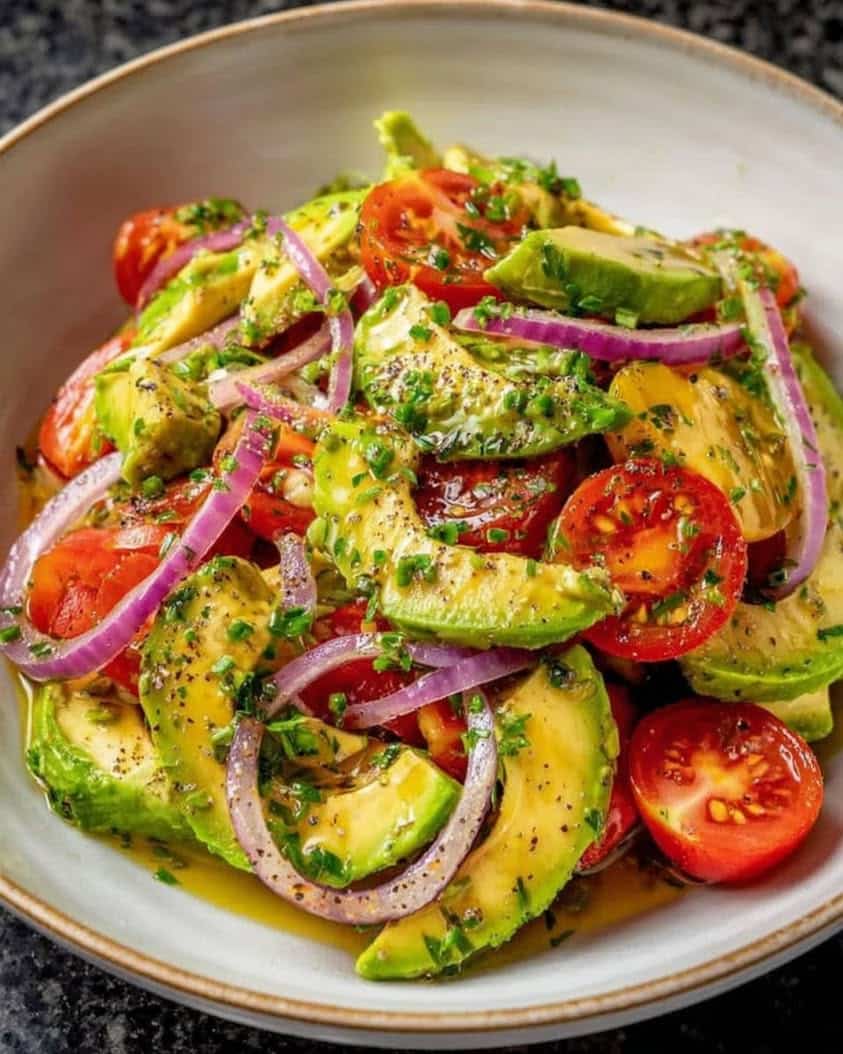
Fresh Avocado Tomato Onion Salad: A Simple, Vibrant Summer Recipe
This fresh avocado tomato onion salad is a celebration of summer on a plate. Moreover, it delivers a perfect harmony of creamy, juicy, and crisp textures in every single bite. Consequently, it stands as the ultimate no-cook side dish for busy weeknights and impressive enough for weekend barbecues. Ultimately, this simple salad relies on the quality of its few, vibrant ingredients to create a flavor experience that is far greater than the sum of its parts.
Imagine the rich, buttery texture of ripe avocado mingling with the sweet acidity of summer tomatoes. Then, picture the sharp, clean bite of red onion cutting through the richness. Finally, a simple lime and cilantro dressing ties everything together with a bright, herbaceous finish. This avocado tomato onion salad is not just food; it is a colorful, nutritious, and utterly delicious experience. Therefore, it is the perfect answer when you need something healthy, fast, and bursting with flavor.
This recipe is incredibly forgiving and adaptable. For instance, you can easily adjust the ingredient ratios based on what you have available. Furthermore, it serves as a fantastic base for adding other seasonal favorites like sweet corn or crisp cucumber. Whether you are packing it for a picnic or serving it alongside grilled chicken, this salad consistently delivers satisfaction. Let us dive into how to make this simple yet spectacular dish.
Quick Recipe Highlights
- Flavor Profile: This avocado tomato onion salad offers a brilliant balance. The creamy avocado provides a rich, buttery base, while the tomatoes contribute a sweet and tangy punch. Meanwhile, the red onion adds a necessary sharpness that prevents the salad from feeling too heavy.
- Texture: The mouthfeel is a delightful contrast. You get the lush, soft creaminess of the avocado against the juicy burst of tomato. Additionally, the finely diced onion provides a satisfying, crisp crunch that keeps each bite interesting.
- Aroma: The scent is fresh and inviting. First, the bright, citrusy notes from the lime juice hit your nose. Then, the earthy, pungent aroma of fresh cilantro and red onion follows, promising a complex and refreshing taste.
- Visual Appeal: This salad is a feast for the eyes with its stunning color palette. The vibrant green of the avocado and cilantro beautifully complements the deep red of the tomatoes and the purple hue of the onion. Consequently, it looks as good as it tastes.
- Skill Level Needed: Absolutely no advanced culinary skills are required. This is a beginner-friendly recipe that involves simple chopping and mixing. Essentially, if you can use a knife and a spoon, you can master this avocado tomato onion salad.
- Special Equipment: You only need basic kitchen tools. A sharp chef’s knife, a cutting board, a mixing bowl, and a small bowl for the dressing are all that is required. No fancy appliances or gadgets are necessary for this easy salad.
Recipe Overview
- Difficulty Level: We rate this avocado tomato onion salad as “Easy” for clear reasons. The process involves no cooking, only straightforward knife work and gentle mixing. There is no complex technique or precise temperature control needed, making it accessible to cooks of all experience levels.
- Category: This dish fits perfectly into multiple meal categories. Primarily, it is an excellent side salad or a light lunch. It can also function as a healthy snack or a vibrant topping for tacos and grilled meats, showcasing its wonderful versatility.
- Cuisine: While not tied to one specific tradition, this salad draws inspiration from fresh, produce-focused cuisines. It has clear influences from Mexican and Southwestern cooking, thanks to the avocado, lime, and cilantro combination. Ultimately, it is a modern, global recipe celebrating fresh ingredients.
- Cost: This is a very budget-friendly recipe, especially in the summer. Avocados and tomatoes are often affordable in season. The onion, lime, and cilantro are inexpensive staples. Therefore, you can create a large, impressive salad for just a few dollars.
- Season: This avocado tomato onion salad truly shines in the summer and early fall. This is when tomatoes are at their peak sweetness and flavor. Summer is also the ideal time for fresh cilantro and affordable, ripe avocados, making the dish seasonal perfection.
- Occasion: It is suitable for almost any gathering. Serve it at casual weeknight dinners, weekend barbecues, potlucks, or picnics. It is also elegant enough for a dinner party side dish. Its flexibility makes it a reliable choice for numerous events.
Why You’ll Love This Recipe
You will adore the taste and texture appeal of this avocado tomato onion salad. Each forkful delivers a symphony of contrasting sensations that keep your palate engaged. The creamy avocado melts in your mouth, while the tomato provides a juicy burst. Simultaneously, the sharp crunch of red onion adds a clean finish. This combination is not just refreshing; it is deeply satisfying and far from boring. The simple lime dressing enhances every ingredient without overpowering them. Consequently, you get a dish that is light yet substantial, simple yet complex in flavor.
The convenience and preparation benefits are major selling points. This salad comes together in about fifteen minutes with zero cooking required. It is the ultimate solution for hot days when you do not want to turn on the oven. Furthermore, it requires minimal cleanup since you only need a knife, cutting board, and a bowl. You can easily double or triple the recipe for a crowd without any extra hassle. This makes it a lifesaver for last-minute entertaining. Ultimately, it proves that incredible food does not have to be complicated or time-consuming.
The nutritional advantages of this avocado tomato onion salad are impressive. Avocados are packed with heart-healthy monounsaturated fats and fiber, which promote satiety. Tomatoes are rich in lycopene, a powerful antioxidant, and vitamin C. Red onions contain quercetin, which has anti-inflammatory properties. Together, they create a nutrient-dense dish that supports overall health. This salad is naturally gluten-free, dairy-free, and vegan. It is a fantastic way to incorporate more healthy fats and fresh vegetables into your diet without sacrificing flavor.
This recipe holds tremendous social and entertaining value. Its bright, colorful presentation is instantly appealing on any table. It pairs wonderfully with a wide variety of main dishes, from grilled steak to fish tacos. Because it is served cold, you can make it ahead of time, freeing you up to socialize with guests. It is a crowd-pleaser that appeals to both adults and children. Bringing this salad to a potluck guarantees you will go home with an empty bowl. It is a dish that fosters connection and compliments.
The cost-effectiveness and accessibility are undeniable. The ingredient list is short and consists of common, easy-to-find items. You can make a large batch for the price of a single prepared salad from a restaurant. Even if one ingredient is out of season, affordable substitutions are readily available. This recipe demonstrates how to eat well on a budget. It turns inexpensive, whole foods into a restaurant-quality dish. Therefore, it is a smart choice for your wallet and your well-being.
Historical Background and Cultural Significance
The origin story of combining avocado, tomato, and onion is rooted in the Americas. Avocados are native to south-central Mexico, while tomatoes originated in western South America. Indigenous cultures across these regions have cultivated and consumed these ingredients for thousands of years. The combination likely evolved naturally as these plants spread through trade and cultivation. Simple salads of chopped fresh ingredients are a cornerstone of many ancient food traditions. This particular trio represents a beautiful fusion of New World crops that have since conquered global palates.
This simple salad carries cultural importance in several cuisines, particularly in Mexico. It forms the base of classic dishes like guacamole, where onion and tomato are essential additions. In many Latin American households, a version of this salad is a daily staple, served alongside beans and tortillas. It embodies a culinary philosophy centered on fresh, local, and minimally processed ingredients. The salad represents a way of eating that is connected to the land and the seasons. Consequently, it is more than just a recipe; it is a piece of living culinary heritage.
The evolution of the avocado tomato onion salad mirrors the global rise of the avocado. Once a regional specialty, the avocado became an international superstar in the late 20th and early 21st centuries. As avocados gained popularity, so did simple preparations that highlighted their flavor. The salad evolved from a traditional side dish to a modern symbol of health-conscious eating. Food bloggers and chefs have embraced it, adding their own twists with different herbs, acids, and spices. Today, it exists in a space between timeless tradition and contemporary food trends.
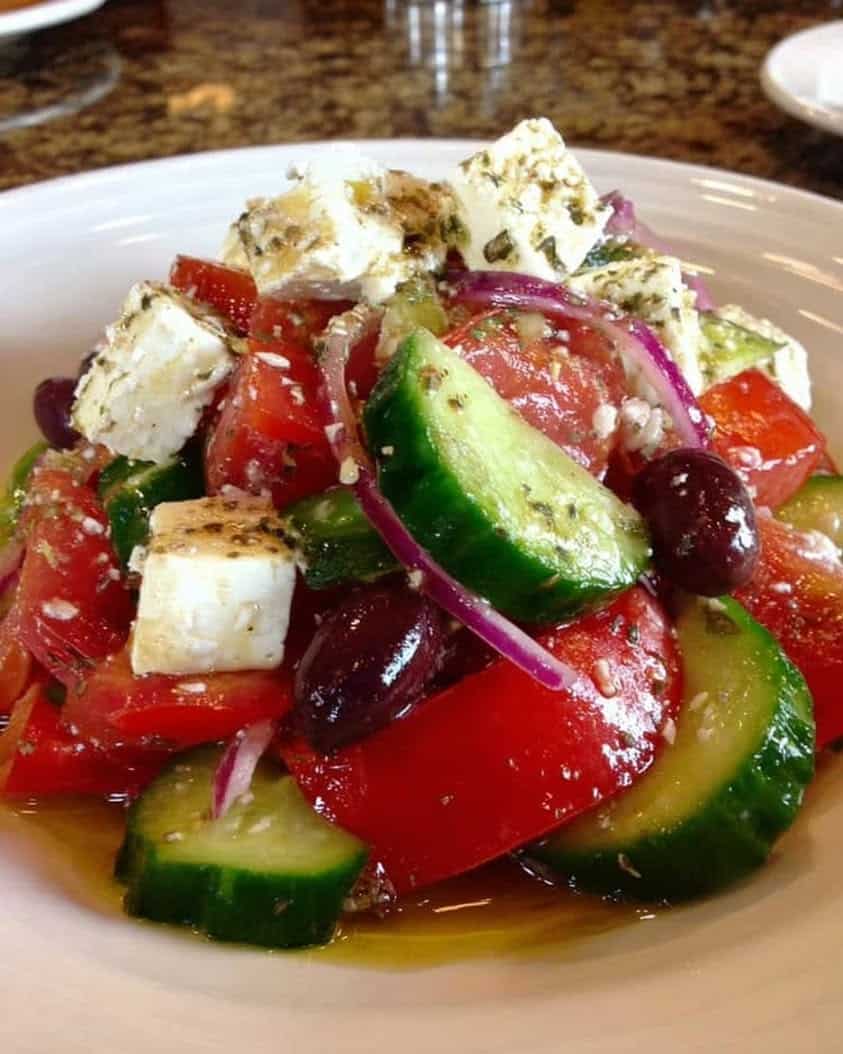
Regional variations of this concept are fascinating. In Mexico, it might include serrano peppers and cotija cheese. Mediterranean versions could add olives, feta, and oregano. In California, it might be tossed with quinoa or served on sourdough toast. Each adaptation reflects local tastes and ingredient availability. This flexibility is a testament to the strong foundational flavors of the core trio. Whether served as a salsa, a salad, or a topping, the combination of creamy, juicy, and sharp remains universally appealing. The salad’s journey is a story of culinary adaptation and shared delight.
Ingredient Deep Dive
Let us start with the avocado, the star of our salad. Culturally, avocados have been prized in Mesoamerica for over 5,000 years, with the Aztec word “ahuacatl” giving us its name. Nutritionally, they are a unique fruit, offering nearly 20 vitamins and minerals along with healthy fats that aid nutrient absorption. For selection, choose avocados that yield slightly to gentle pressure at the stem end. Store unripe avocados at room temperature and refrigerate ripe ones to slow down softening. If you need a substitution, a ripe, mashed chickpea mixture with olive oil can mimic the creaminess in a pinch, though the flavor profile will change.
Next, consider the tomato. Historically, tomatoes were once feared in Europe and grown only as ornamentals before becoming a kitchen staple. They are rich in lycopene, an antioxidant linked to reduced risk of certain cancers and heart disease. Always select tomatoes that are heavy for their size and have a deep, vibrant color, avoiding any with bruised skin. For the best flavor, never refrigerate tomatoes; store them stem-side down at room temperature. If tomatoes are out of season, high-quality canned cherry tomatoes, drained, can work, or you can use ripe mango for a sweet, juicy alternative.
The red onion provides crucial sharpness. Onions have been cultivated since ancient times and were valued by Egyptians who saw their concentric rings as symbols of eternity. They are a good source of vitamin C, fiber, and the flavonoid quercetin, which has anti-inflammatory properties. Pick onions that are firm with dry, papery skins and no soft spots. Store them in a cool, dark, well-ventilated place—not in the refrigerator. If raw onion is too pungent, soaking the diced pieces in cold water for 10 minutes mellows the flavor. Alternatively, shallots or green onions (scallions) make excellent, milder substitutes.
The fresh cilantro and lime juice are the flavor catalysts. Cilantro has a divisive flavor due to genetics, but for those who love it, it adds a bright, citrusy note essential to many world cuisines. It contains antioxidants and may help remove heavy metals from the body. Choose bunches with vibrant green leaves and no signs of wilting or yellowing. Store it like a bouquet in a jar of water in the fridge, covered with a bag. If you dislike cilantro, flat-leaf parsley or fresh basil offer a different but pleasant herbal note. For the lime, always use fresh juice; bottled juice lacks the necessary bright acidity. In a pinch, lemon juice or white wine vinegar can be used.
Common Mistakes to Avoid
- Using Underripe or Overripe Avocados: An underripe avocado will be hard and tasteless, while an overripe one turns mushy and brown. The perfect avocado yields slightly to gentle pressure. Check by removing the small stem nub; if it’s green underneath, it’s ready.
- Refrigerating Tomatoes: Cold temperatures destroy the tomato’s texture and halt the development of its flavorful compounds. Always store tomatoes at room temperature until you cut into them. This ensures you get the sweet, juicy burst essential to the salad.
- Not Soaking the Red Onion: Dicing and tossing in raw red onion can result in an overpowering, harsh bite. Soaking the diced onion in cold water for 5-10 minutes tames its pungency. This simple step makes the onion’s flavor integrate beautifully rather than dominate.
- Adding the Dressing Too Early: If you dress the salad immediately after assembling and let it sit, the avocado will oxidize faster and the tomatoes will become watery. Always add the lime juice and oil just before serving. This keeps every element fresh and vibrant.
- Over-Mixing the Salad: Avocado is delicate and turns to guacamole if stirred too aggressively. Gently fold the ingredients together until just combined. This preserves the distinct chunks of creamy avocado, which is a key textural pleasure.
- Skipping the Salt: Salt is not just a seasoning here; it is a flavor enhancer that makes the tomatoes sweeter and the avocado richer. Do not be shy with a good pinch of flaky sea salt or kosher salt. Taste and adjust at the end.
- Using Dried Herbs Instead of Fresh: Dried cilantro cannot replicate the bright, citrusy punch of fresh leaves. This salad relies on fresh herbs for its characteristic aroma and flavor. If you must substitute, use a different fresh herb like parsley.
- Cutting Ingredients Inconsistently: Huge chunks of avocado next to tiny dice of tomato creates an awkward eating experience. Aim for a relatively uniform, bite-sized dice for all main ingredients. This ensures you get a perfect blend of flavors in every forkful.
- Forgetting to Taste and Adjust: The balance of acid (lime), fat (avocado/oil), and salt is personal. Always do a final taste test before serving. You might need an extra squeeze of lime or another pinch of salt to make the flavors truly sing.
Essential Techniques
Choosing and Ripening Avocados: This technique is crucial for the success of your avocado tomato onion salad. The goal is a fruit that yields to gentle pressure but isn’t mushy. If your avocados are hard, speed up ripening by placing them in a paper bag with a banana or apple. The ethylene gas these fruits emit acts as a natural ripening agent. Check daily. A common pitfall is squeezing the avocado too hard, which causes bruising. Instead, apply light pressure with your whole palm. The visual cue for readiness is a darkening skin, but the touch test near the stem is more reliable.
Dicing an Avocado Cleanly: Mastering this prevents mess and preserves the perfect texture. First, slice the avocado lengthwise around the pit and twist to separate. Safely remove the pit by tapping it with a chef’s knife’s heel and twisting. Then, make lengthwise and crosswise cuts into the flesh while still in the skin, being careful not to pierce the skin. Finally, scoop out the perfect dice with a spoon. The importance lies in creating even pieces that mix well. A common mistake is hacking at the avocado, which results in a smashed, uneven mess. Clean, confident cuts are key.
Mellowing Red Onion: This simple technique transforms the onion from harsh to harmonizing. After dicing the onion, submerge the pieces in a bowl of cold water for 5 to 10 minutes. This process draws out some of the sulfurous compounds that cause sharpness and bitterness. Afterwards, drain the onion and pat it dry with a paper towel. Why is this important? It allows the onion’s flavor to complement the other ingredients without overwhelming them. The pitfall is skipping this step, resulting in a salad where the onion flavor dominates every bite. The visual cue is simply the clear water, which does not need to change color.
Gentle Folding: This is the mixing method that defines your salad’s final texture. Use a large, wide bowl and a rubber spatula or large spoon. Add all ingredients and use a turning motion to lift from the bottom and fold over the top. The goal is to coat everything in the dressing while keeping the avocado pieces distinct. It is important because aggressive stirring will break down the avocado into a puree, turning your salad into a chunky guacamole. The common pitfall is using a whisk or stirring in a tight circular motion. The visual cue for success is a well-combined salad where you can still see defined cubes of avocado.
Pro Tips for Perfect Avocado Tomato Onion Salad
Season in Layers: Do not wait until the end to add all your salt. Lightly season the diced tomatoes with a pinch of salt in a separate bowl first. This draws out their natural juices slightly, intensifying their sweetness. Then, season the overall salad again at the end. This layered seasoning builds a more complex flavor profile.
Use a High-Quality Oil: Since the dressing is so simple, the quality of your olive oil matters immensely. Choose a fresh, extra-virgin olive oil with a fruity or peppery note. A bland, processed oil will make the whole salad taste flat. The oil should be an ingredient you enjoy tasting on its own.
Add Freshness at the End: If you are prepping components ahead of time, keep the chopped cilantro separate. Stir it in at the very last moment before serving. This preserves its vibrant green color and potent aroma. Wilted, bruised cilantro loses its magic quickly in the acidic lime environment.
Consider a Flaky Finishing Salt: After mixing and plating, finish the salad with a small sprinkle of flaky sea salt like Maldon. The delicate crystals provide little bursts of salinity and a pleasant crunch. This elevates the texture and makes the final taste more sophisticated.
Chill Your Plates: For the most refreshing experience on a hot day, place your serving plates or bowl in the refrigerator for 15-20 minutes before assembling the salad. A cold serving vessel helps keep the salad cool and crisp longer, especially when dining outdoors.
Reserve the Avocado Pits: If you need to store a portion of the salad for a short time, place one of the cleaned avocado pits in the container with it. While not a perfect solution, the pit can help slow oxidation and browning on the surface of the avocado pieces.
Variations and Adaptations
Regional Variations: Travel the world through your salad bowl. For a Mexican street food flair, add diced jalapeño, crumbled cotija cheese, and a pinch of chili powder. A Mediterranean twist could include kalamata olives, crumbled feta, fresh oregano, and a red wine vinegar dressing. For a taste of the American South, add sweet summer corn and crisp crumbled bacon. Each variation respects the core trio while introducing regional flavors that tell a different story.
Seasonal Adaptations: Make this salad a year-round favorite. In spring, add tender peas and fresh mint. For a hearty fall version, incorporate roasted sweet potato cubes and pumpkin seeds. In winter, use cherry tomatoes and add segments of citrus like orange or grapefruit for brightness. The key is to use the avocado and onion as constants, then build around them with the best produce each season offers.
Dietary Modifications: This salad is naturally friendly to many diets. For a protein-packed main course, add black beans or grilled chickpeas. To make it more substantial for keto or low-carb diets, increase the avocado and add diced cucumber. For a Paleo version, ensure your olive oil is compliant and skip any cheese additions. It is incredibly easy to tailor this recipe to meet specific nutritional needs without losing its essence.
Flavor Variations: Experiment with the acid and herb profile. Instead of lime, try lemon, grapefruit, or even a splash of orange juice mixed with white wine vinegar. Swap cilantro for fresh basil, dill, or mint. Add a teaspoon of honey or maple syrup to the dressing for a touch of sweetness to balance sharper tomatoes. A dash of cumin, smoked paprika, or sumac can add a whole new dimension of flavor.
Texture Modifications: Play with the mouthfeel. For more crunch, add toasted pepitas, sunflower seeds, or chopped jicama. For a creamier texture, mash one of the avocados slightly to create a more cohesive dressing that clings to the other ingredients. Adding quinoa or farro introduces a pleasant, chewy grain element that makes the salad more filling.
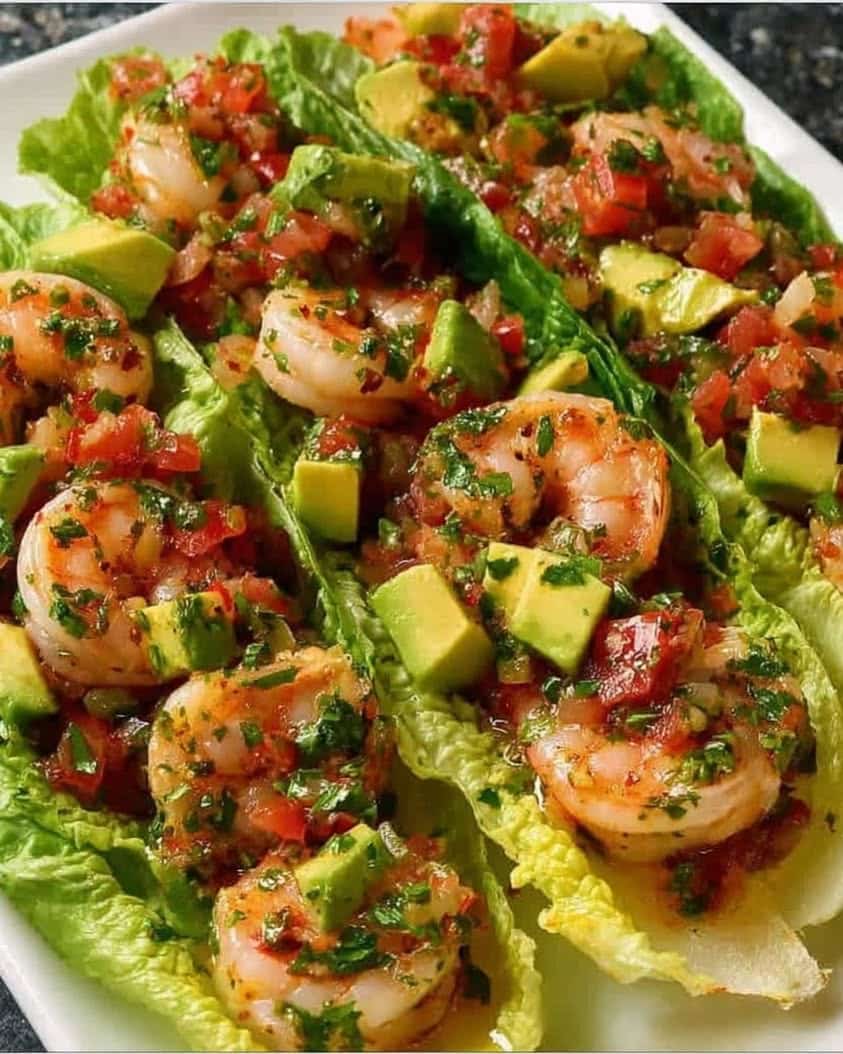
Presentation Alternatives: Think beyond the bowl. Serve the salad in hollowed-out tomato cups or avocado shells for individual portions. Layer it in a clear glass trifle dish to showcase the colorful stripes. Spoon it over a bed of crisp romaine lettuce or into butter lettuce cups for a handheld option. Or, simply pile it high on a rustic wooden board for a family-style feast.
Serving and Presentation Guide
Plating Techniques: Presentation elevates this simple salad. For individual servings, use a ring mold on the plate to create a neat, cylindrical tower of salad. Alternatively, use a large, shallow bowl or platter and gently mound the salad in the center, allowing the colorful ingredients to spill out naturally. Avoid overfilling the vessel; negative space on the plate makes the food look more appetizing and intentional. For a family-style meal, a wide, low ceramic bowl is perfect, allowing easy access for everyone.
Garnishing Ideas: The right garnish adds visual pop and flavor. A final sprinkle of whole cilantro leaves or microgreens adds freshness. Edible flowers like nasturtiums provide stunning color. A drizzle of high-quality olive oil or a zigzag of balsamic glaze adds sheen and sophistication. For texture and color, a scattering of pomegranate arils or toasted sesame seeds works beautifully. Remember, garnish should complement, not overwhelm, the simple beauty of the main ingredients.
Traditional Accompaniments: This salad pairs classically with grilled proteins. Serve it alongside carne asada, grilled chicken, or fish tacos. It is a natural companion to Mexican rice and refried beans. For a lighter meal, pair it with a hearty lentil soup or a crusty piece of bread to scoop up every last bit. It also works wonderfully as a topping for nachos or a filling for vegetarian wraps.
Modern Serving Suggestions: Update this classic for contemporary meals. Serve it atop a crispy slice of sourdough toast for an epic avocado toast. Use it as a fresh salsa for grain bowls with quinoa or brown rice. Fold it into an omelet or scrambled eggs for a luxurious breakfast. Or, serve it in endive spears or on cucumber rounds as a elegant, low-carb appetizer for parties.
Temperature Considerations: This salad is best served cool, not ice-cold. If the ingredients are too cold from the refrigerator, their flavors are muted. Aim to take the tomatoes and avocado out about 10-15 minutes before assembling. The lime juice and onion have a slight cooling effect on the palate, making it refreshing even at a cool room temperature. Avoid leaving it sitting in direct sun, as the avocado will oxidize and wilt quickly.
Portion Control Tips: As a side dish, a generous half-cup to one cup per person is sufficient. If serving as a main course, plan for at least one and a half to two cups per person, and consider adding a protein like beans or grilled shrimp. To control portions at a buffet, serve the salad with a slotted spoon to drain excess lime juice, ensuring everyone gets a balanced mix of solids, not just dressing.
Wine and Beverage Pairing
Wine Pairings: The bright acidity and creamy fat in this avocado tomato onion salad call for specific wines. A crisp, unoaked Sauvignon Blanc with its citrus and herbal notes is a classic match, mirroring the lime and cilantro. A dry Rosé, especially from Provence, offers strawberry hints and acidity that complement the tomatoes beautifully. For a red option, choose a light, chilled Pinot Noir with low tannins; its red fruit flavors won’t clash with the salad’s freshness. Avoid heavily oaked or high-tannin wines, as they will fight with the avocado’s richness.
Non-Alcoholic Alternatives: Many delicious drinks pair wonderfully without alcohol. A sparkling water with a squeeze of lime and a sprig of mint is refreshing and cleansing. Iced herbal teas, like hibiscus or lemongrass, offer complexity without sweetness. For a more substantial option, a virgin michelada (tomato juice, lime, hot sauce, and spices) served over ice complements the salad’s Mexican-inspired flavors perfectly. Fresh-squeezed lemonade or cucumber-infused water are also excellent, hydrating choices.
Coffee and Tea Pairings: While not a typical pairing for a salad, if serving this for a brunch or lunch, consider your hot beverages. A light, citrusy tea like Earl Grey or a green tea with jasmine notes can be pleasant after the meal. A bright, acidic coffee with citrus notes (like a Kenyan or Ethiopian bean) served black could surprisingly work after a meal featuring the salad, as it would cut through the avocado’s fat. Generally, save heavier, cream-based coffees for different dishes.
Temperature Considerations: Beverages should generally be served well-chilled or with plenty of ice. The salad is refreshing, so a warm drink creates dissonance. White wines and Rosés should be served between 45-55°F. Sparkling waters and non-alcoholic drinks are best ice-cold. This ensures every element of your meal contributes to a cool, summery feeling.
Serving Suggestions: Present beverages in clear glassware to showcase their color, complementing the salad’s visual appeal. Offer a carafe of infused water on the table for easy refills. If serving wine, consider decanting even white wines for a short time to let them breathe and open up. Always provide a separate glass for water in addition to any other beverage to keep guests hydrated.
Storage and Shelf Life
Storage Methods: This avocado tomato onion salad is best enjoyed immediately. However, if you must store it, place it in an airtight container. Press a piece of plastic wrap directly onto the surface of the salad to minimize air contact, then seal the lid. This is the best defense against avocado browning. Store it in the coldest part of your refrigerator, not in the door where temperatures fluctuate.
Temperature Requirements: Consistent, cold refrigeration is key. Keep the salad at or below 40°F (4°C). Do not leave it out at room temperature for more than two hours, or one hour if the ambient temperature is above 90°F. The acids in the lime will slow bacterial growth, but the fresh ingredients are still perishable. Always err on the side of caution with food safety.
Container Recommendations: Use a glass or BPA-free plastic container with a tight-fitting lid. Glass is preferable as it does not absorb odors and allows you to see the contents. Choose a container that is just the right size for the amount of salad to reduce the amount of air inside. Wide, shallow containers are better than deep ones, as they allow for less crushing of the delicate avocado.
Signs of Spoilage: Discard the salad if you notice an off or sour smell beyond the sharpness of the onion and lime. Significant browning or darkening of the avocado throughout (not just on the surface) is a sign of advanced oxidation. If the tomatoes become extremely mushy or the cilantro turns slimy or black, it is time to compost it. When in doubt, throw it out.
Reheating Instructions: This salad is never reheated. It is a cold dish meant to be served fresh. Applying heat will ruin the texture of the avocado and tomatoes, making them mushy and unappetizing. If the salad is too cold from the fridge, let it sit at room temperature for 5-10 minutes to take the chill off before serving.
Freezing Guidelines: Freezing is not recommended. The high water content in the tomatoes and avocado means they will become a watery, cellularly damaged mess upon thawing. The texture will be completely destroyed. This recipe is designed for immediate consumption or very short-term refrigeration. For long-term preservation, consider freezing components like diced onions separately, but not the assembled salad.
Make Ahead Strategies
Prep Timeline: You can prep all components 2-4 hours in advance. Dice the tomatoes and place them in a container. Dice the red onion and soak it in water, then drain and store it separately. Chop the cilantro and keep it wrapped in a damp paper towel in a bag. Make the dressing by mixing lime juice, oil, salt, and pepper in a small jar. Only dice the avocado right before you are ready to assemble and serve, as it browns quickly.
Storage Between Steps: Keep each prepped ingredient in its own small container in the refrigerator. This “mise en place” approach ensures freshness and allows you to control the final texture. The tomatoes may release some juice; you can drain this off before assembling or include it as part of the dressing. The soaked and drained onion can be patted dry and refrigerated. The dressing jar can be left at room temperature.
Quality Impact Assessment: Prepping ahead has minimal negative impact if done correctly. The tomatoes may soften slightly but will still be flavorful. The onion will mellow further. The cilantro may wilt a tiny bit but will be fine. The only ingredient that suffers dramatically from advance prep is the avocado. Therefore, the key to a successful make-ahead strategy is isolating the avocado until the final moment.
Assembly Tips: When ready to serve, dice your ripe avocado directly into your serving bowl. Add the prepped tomatoes, onion, and cilantro. Shake your dressing jar vigorously and pour it over the salad. Then, gently fold everything together until just combined. This method takes less than three minutes and results in a salad that tastes freshly made.
Reheating Guidelines: As a cold salad, no reheating is involved. If the ingredients are very cold from the fridge, the flavors will be muted. Let the prepped components (except avocado) sit out for 10-15 minutes to come closer to room temperature before final assembly. This small step makes a big difference in the vibrancy of the flavors.
Fresh Element Additions: Even if you prepped everything else ahead, always add a final flourish of fresh elements. After folding the salad together, tear a few extra cilantro leaves over the top. A final sprinkle of flaky salt and a crack of black pepper just before serving adds a layer of freshness and texture that makes it taste just-made.
Scaling Instructions
Halving the Recipe: Reducing this avocado tomato onion salad for one or two people is straightforward. Use one medium avocado, one medium tomato, and a quarter of a red onion. Adjust the lime juice to half a lime and the oil to one tablespoon. The key is to use a smaller bowl for mixing to ensure the dressing coats everything evenly. All other techniques, like soaking the onion, remain the same. The prep time will be slightly less, but the process is identical.
Doubling or Tripling: For a crowd, scaling up is easy. Simply multiply all ingredients by your desired factor. Use a very large, wide bowl for mixing to allow for proper folding. You may need to mix in two batches if your bowl isn’t big enough, then combine them gently. When increasing the recipe, taste the dressing before adding it all; you may not need to exactly double the salt, as personal preference varies. Add it gradually.
Equipment Adjustments: The main equipment change when scaling up is the size of your mixing and serving vessels. A large restaurant-style bowl is ideal. Your knife work will take longer, so ensure your cutting board is large and stable. When tripling or more, consider using a food processor with a pulsing action to dice the onions uniformly, but never use it for the tomatoes or avocado, as they will turn to mush.
Timing Modifications: The active prep time will increase linearly with the quantity. Dicing four avocados takes longer than dicing one. However, the “hands-off” time, like soaking the onion, remains the same regardless of volume. For very large batches, you can stage your work: soak all the onion first, then dice tomatoes, then avocados last. This keeps the workflow efficient.
Storage Considerations: A larger batch means you are more likely to have leftovers. Store them using the same airtight method with plastic wrap pressed on the surface. However, note that a larger mass in a container may brown slightly faster due to more internal surface area. For big events, it’s often better to make multiple medium-sized batches throughout the gathering rather than one giant one that sits out.
Nutritional Deep Dive
Macro Breakdown: A serving of this avocado tomato onion salad is a balanced source of healthy macros. The primary contribution comes from the monounsaturated fats in the avocado, which support heart health and nutrient absorption. The tomatoes and onions provide a modest amount of complex carbohydrates and fiber. There is minimal protein in the base recipe, but adding beans or cheese can change that. The olive oil adds more healthy fats. This macro profile makes it a satisfying side dish that provides sustained energy without spiking blood sugar.
Micronutrient Analysis: This salad is a micronutrient powerhouse. Avocados are rich in potassium (even more than bananas), vitamin K, folate, and vitamin E. Tomatoes provide vitamin C, vitamin K, potassium, and the antioxidant lycopene. Red onions offer vitamin C, B vitamins, and the flavonoid quercetin. Lime juice adds a boost of vitamin C. Cilantro contains small amounts of vitamins A and K. Together, they deliver a wide spectrum of vitamins and Print
Avocado Tomato Onion Salad
- Total Time: 15 minutes
- Yield: 4
Description
A fresh and vibrant salad featuring creamy avocado, juicy tomatoes, and crisp red onion, tossed in a zesty lime dressing.
Ingredients
- 2 ripe avocados, diced
- 2 medium tomatoes, chopped
- 1/2 red onion, thinly sliced
- 1/4 cup fresh cilantro, chopped
- 2 tablespoons lime juice
- 2 tablespoons olive oil
- Salt and black pepper to taste
Instructions
- In a large bowl, combine the diced avocados, chopped tomatoes, sliced red onion, and chopped cilantro.
- In a small bowl, whisk together the lime juice, olive oil, salt, and black pepper.
- Pour the dressing over the salad ingredients and gently toss to combine, being careful not to mash the avocados.
- Serve immediately or chill for 10 minutes to let flavors meld.
Notes
You can customize the seasonings to taste.
- Prep Time: 15 minutes
- Cook Time: 0 minutes
- Method: Side
- Cuisine: American