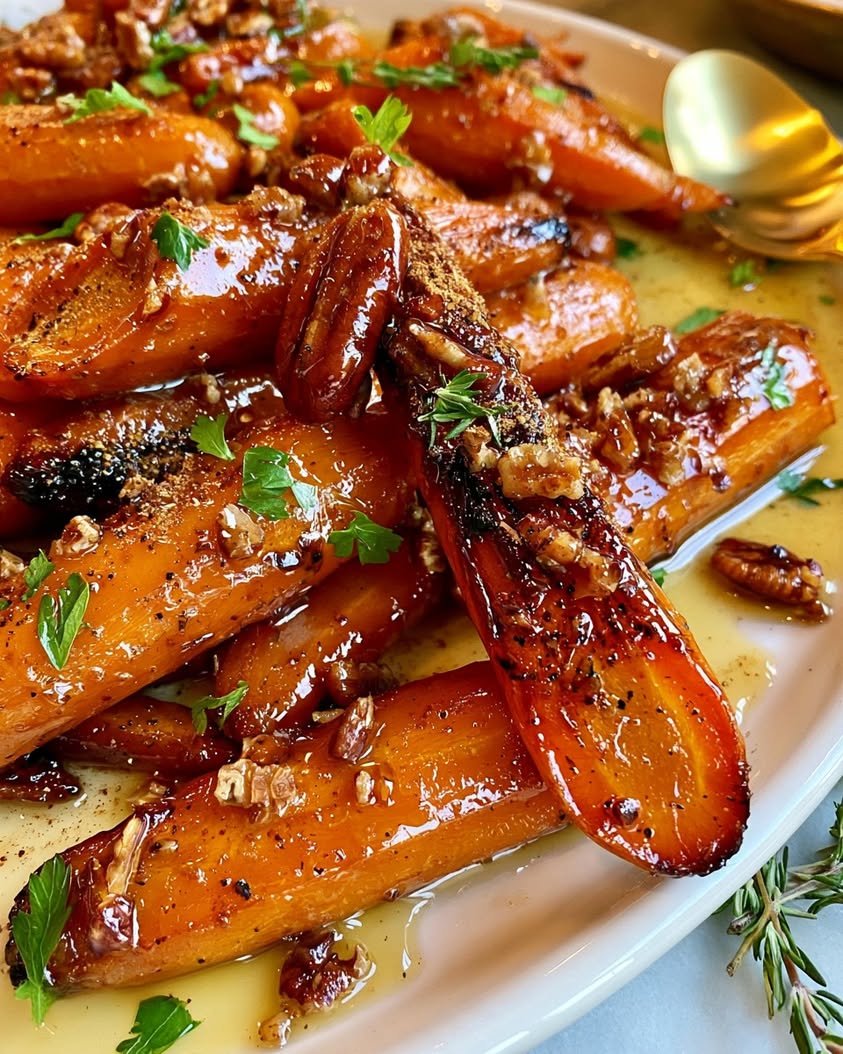
Maple Cinnamon Roasted Carrots: The Perfect Sweet and Savory Side Dish
Maple Cinnamon Roasted Carrots transform an ordinary vegetable into a spectacular side dish that steals the spotlight at any table. When you roast carrots with maple syrup and cinnamon, the natural sugars caramelize into a glossy, golden glaze that tastes both comforting and elegant. The oven concentrates the carrots’ sweetness while the maple adds depth and the cinnamon brings warmth. This recipe delivers restaurant-quality results with just a handful of pantry staples and minimal effort.
If you have been searching for a reliable Maple Cinnamon Roasted Carrots recipe that works every single time, this guide covers everything you need. You will learn how to select the best carrots, achieve the perfect caramelized edges, and avoid the soggy results that plague so many roasted vegetable attempts. These maple cinnamon roasted carrots pair beautifully with roasted chicken, holiday ham, weeknight salmon, and even grain bowls. The recipe suits busy families, novice cooks, and seasoned home chefs alike because it demands so little and delivers so much.
Furthermore, these Maple Cinnamon Roasted Carrots offer a budget-friendly way to add color, nutrition, and wow factor to your menu. A bag of carrots costs very little, yet the finished dish looks like you spent hours in the kitchen. The warm spices fill your home with an inviting aroma that signals comfort and care. Whether you serve them at Thanksgiving, Easter, or a casual Tuesday dinner, maple cinnamon roasted carrots consistently earn rave reviews. Keep reading to discover every detail, from ingredient selection to storage, so you can master this recipe with confidence.
Quick Recipe Highlights
- Flavor Profile: These maple cinnamon roasted carrots balance natural sweetness with warm, woody cinnamon and a subtle caramel note from the maple syrup. A pinch of salt and a touch of butter round out the flavors and keep the dish from tasting cloying. The result tastes rich yet bright, with just enough complexity to feel special.
- Texture: The oven delivers a tender interior with slightly crisp, caramelized edges that offer pleasant contrast. Carrots stay firm enough to hold their shape while turning meltingly soft at the center. This texture combination makes every bite satisfying.
- Aroma: Cinnamon and maple fill the kitchen as the carrots roast, creating a cozy, autumn-inspired scent. The butter adds a nutty richness to the aroma. Even picky eaters wander into the kitchen to investigate.
- Visual Appeal: The carrots emerge glossy and bronzed with deep orange color and glossy glaze. Flecks of cinnamon and fresh herbs add visual interest. The dish looks stunning on any platter.
- Skill Level Needed: This recipe suits complete beginners because it involves no advanced techniques. You simply toss, spread, and roast. Basic knife skills and the ability to set a timer are all you need.
- Special Equipment: A large rimmed baking sheet and parchment paper make cleanup easy. You also need a small saucepan for melting the glaze and a silicone brush for coating the carrots. None of these items are expensive or hard to find.
Recipe Overview
- Difficulty Level: I classify this recipe as easy because it requires no special techniques and minimal hands-on time. The oven does most of the work, and the ingredients tolerate slight variations in timing and temperature. Beginners can succeed on the first attempt. Even experienced cooks appreciate how quickly this dish comes together.
- Category: This dish works as a side dish, a holiday accompaniment, or a vegetarian main when paired with grains and protein. It fits appetizer spreads and potluck tables as well. You can serve it for brunch alongside eggs and quiche.
- Cuisine: The recipe draws from American comfort cooking with French roasting traditions and New England maple influences. Maple syrup has deep roots in North American culinary history. Cinnamon brings global warmth that echoes Moroccan and Middle Eastern flavor profiles. The combination feels familiar yet globally inspired.
- Cost: A two-pound bag of carrots costs roughly two to three dollars, and the remaining ingredients, including maple syrup, butter, and spices, add only about two more dollars. The total cost stays under five dollars for four generous servings. This makes the recipe one of the most affordable side dishes you can prepare.
- Season: Fall and winter suit this recipe best because carrots peak in sweetness during cooler months and the warm spices match the season. However, you can enjoy maple cinnamon roasted carrots year-round since carrots remain available everywhere. Spring and summer versions benefit from a squeeze of lemon.
- Occasion: Serve these carrots at Thanksgiving, Christmas, Easter, and Sunday suppers. They also shine at weeknight dinners, potlucks, and meal-prep sessions. The dish transitions effortlessly from casual to formal tables.
Why You’ll Love This Recipe
Taste and texture appeal rank first for a reason. Maple cinnamon roasted carrots deliver a flavor combination that satisfies both sweet and savory cravings. The caramelization process converts the carrots’ natural sugars into deeper, nuttier notes while the maple syrup adds a velvety sweetness. Cinnamon contributes warmth and a subtle spice that lingers pleasantly. Meanwhile, the butter brings richness that ties everything together. Every bite offers soft centers, caramelized edges, and a glossy coating that feels indulgent despite the humble ingredients.
Convenience and preparation benefits make this recipe a weeknight hero. You need only ten minutes of active prep, and the oven handles the rest. The ingredient list stays short and relies on pantry staples you likely already own. Cleanup requires just one baking sheet and a small saucepan. Because the recipe scales easily, you can double it for a crowd without extra effort. Furthermore, the dish reheats well, so making it ahead fits busy schedules.
Nutritional advantages give this dish a place in balanced eating plans. Carrots deliver beta-carotene, fiber, and vitamin K, while cinnamon brings antioxidants and maple syrup offers trace minerals. Butter provides satiating fat and helps the body absorb fat-soluble vitamins. Compared to many holiday sides, this recipe keeps added sugar modest. As a result, you get a vegetable dish that tastes decadent without derailing healthy eating goals.
Social and entertaining value sets maple cinnamon roasted carrots apart. The dish looks impressive on a platter, and guests always ask for the recipe. It suits holiday spreads, dinner parties, and casual gatherings equally well. Because the recipe accommodates dietary restrictions with simple swaps, you can serve it to guests with gluten-free or vegetarian needs. Hosts love a side dish that pleases everyone and requires minimal last-minute attention.
Cost-effectiveness and accessibility keep this recipe in regular rotation. Carrots rank among the cheapest vegetables at any grocery store, and maple syrup lasts for months in the pantry. The recipe requires no specialty ingredients and no trips to gourmet shops. Families on tight budgets can serve a beautiful, nutritious side dish for less than a dollar per person. Additionally, the ingredients remain available year-round, so you never need to hunt for seasonal items.
Historical Background and Cultural Significance
The origin story of roasted carrots stretches back centuries across Europe and the Middle East. Ancient cooks roasted root vegetables over open fires because they stored well and survived winter months. Carrots gained popularity as a sweet vegetable in European kitchens during the Middle Ages. However, the maple cinnamon combination specifically emerged from North American cooking traditions where Indigenous communities first tapped maple trees and produced syrup. Colonists adopted maple as a sweetener, and the pairing with cinnamon eventually found its way into New England kitchens.
Cultural importance ties this dish to harvest celebrations and holiday tables. In the United States, roasted carrots appear at Thanksgiving and Easter because they symbolize abundance and the harvest. Maple syrup carries cultural weight in northeastern states and Canadian provinces, where syrup production supports local economies. Cinnamon adds a global touch that reflects spice trade history. Together, these ingredients tell a story of exchange between Indigenous, European, and global culinary traditions.
The evolution of the recipe reflects changing home cooking trends. Early versions simply roasted carrots with butter and sugar. As maple syrup production expanded and became widely available, cooks swapped refined sugar for maple and discovered its superior flavor. Modern food media popularized sheet-pan roasting, which made this recipe accessible to busy households. Today, variations appear in cookbooks, food blogs, and restaurant menus, proving how a simple combination can endure across generations.
Regional variations showcase how cooks adapt the dish to local ingredients. In Vermont and Maine, home cooks use dark robust maple syrup and serve the carrots alongside roasted turkey. In the South, some versions add pecans and brown butter. Mediterranean cooks incorporate cumin and coriander for a spiced profile. Meanwhile, modern vegan kitchens replace butter with olive oil and add fresh thyme. Each version honors the core maple cinnamon pairing while reflecting local tastes.
Ingredient Deep Dive
Carrots form the foundation of this dish, and their history spans thousands of years from Central Asia to global kitchens. Originally cultivated for their leaves and seeds, carrots developed their orange color through Dutch breeding in the sixteenth century. Today, carrots rank among the most consumed vegetables worldwide. They offer impressive nutrition, including beta-carotene for eye health, fiber for digestion, and vitamin K for bone support. Look for firm carrots with smooth skin and vibrant color, and avoid limp or cracked specimens. Store carrots in the refrigerator crisper drawer in a perforated bag for up to two weeks. If you lack carrots, parsnips make a close substitute with a slightly sweeter, peppery note.
Maple syrup brings the signature sweetness and a rich history rooted in Indigenous North American traditions. Indigenous communities perfected the process of boiling sap into syrup long before European contact. Nutritionally, pure maple syrup contains manganese, zinc, and antioxidants, though it remains a sugar and should be used in moderation. Choose dark amber or Grade A robust syrup for the deepest flavor, and avoid pancake syrups that contain corn syrup and artificial flavors. Store opened syrup in the refrigerator for up to a year. Honey or agave nectar work as substitutes when needed.
Cinnamon adds warmth and cultural depth, with a history tied to ancient spice routes from Sri Lanka to China. This bark spice has been prized for millennia for flavor and medicinal properties. Cinnamon provides antioxidants and may support blood sugar regulation. For the best flavor, use fresh ground cinnamon from a recently opened jar, and smell it before buying to ensure potency. Keep cinnamon in a cool, dark cabinet for up to two years. Nutmeg or a pinch of allspice can stand in when cinnamon runs out.
Butter contributes richness and helps the glaze cling to the carrots. Butter has nourished cultures worldwide for thousands of years, and its flavor proves essential in roasting. It supplies fat-soluble vitamins and saturated fat in moderate amounts. Select unsalted butter so you control the seasoning, and store it wrapped in the refrigerator for up to a month. For a dairy-free version, use olive oil or coconut oil, though the flavor will shift slightly. Ghee offers another excellent substitute with a nutty taste.
Common Mistakes to Avoid
- Cutting carrots to uneven sizes causes some pieces to burn while others stay raw. Aim for uniform thickness so everything cooks at the same rate. Slice thick carrots lengthwise into halves or quarters.
- Crowding the baking sheet traps steam and produces soggy carrots instead of caramelized ones. Spread the carrots in a single layer with space between pieces. Use two sheets if necessary.
- Skipping the preheat prevents proper browning because the oven never reaches full temperature. Always preheat for at least fifteen minutes. An oven thermometer helps confirm accuracy.
- Drizzling maple syrup at the start can cause burning at high heat. Brush on the glaze during the final ten minutes. Reserve extra syrup for drizzling after roasting.
- Forgetting to pat carrots dry leaves surface moisture that steams rather than roasts. Dry the carrots thoroughly with paper towels after washing. This step makes a noticeable difference.
- Under-seasoning with salt flattens the flavor and makes the dish taste too sweet. Season generously before roasting and taste before serving. Flaky sea salt at the end adds brightness.
- Overcooking turns carrots mushy and collapses their structure. Start checking at the twenty-minute mark. A knife should slide in easily while the carrot holds its shape.
- Using stale spices produces a dull, dusty flavor. Check cinnamon freshness by smell before using. Replace spices older than two years.
- Discarding carrot tops wastes a flavorful herb. Carrot greens taste like parsley and make a lovely garnish. Wash them well and chop finely.
- Reheating in the microwave at full power toughens the carrots. Reheat gently in the oven or at reduced microwave power. A quick stovetop toss also works well.
Essential Techniques
Proper knife cuts make the biggest difference in roasting success. Cut carrots into consistent batons about half an inch thick so they cook evenly. Thick ends need halving while thin tips stay whole. This technique matters because uneven pieces lead to burnt edges and raw centers. Master it by placing a flat side down for stability and cutting slowly. Visual cues include pieces that look uniform in thickness across the pan. When in doubt, cut slightly thicker rather than thinner.
The blanch-and-dry method elevates the final texture. Some cooks briefly blanch carrots in salted water before roasting to jumpstart tenderness. However, drying thoroughly afterward proves even more important because moisture prevents caramelization. Pat every piece dry with paper towels, and let them air-dry for a few minutes. Skip this step and you get pale, limp carrots. Success looks like matte, dry surfaces before the oil goes on.
Glaze timing determines whether you get caramelized perfection or burnt sugar. Brush the maple mixture on during the last ten minutes of roasting. This timing lets the carrots develop caramelization first, then the glaze thickens without scorching. Common pitfalls include adding glaze too early or using too much at once. Watch for bubbling edges and a glossy sheen as visual cues of success.
Resting the carrots after roasting allows the glaze to set and the flavors to settle. Pull the pan from the oven and let it sit for five minutes before transferring to a platter. This brief rest prevents the glaze from running and helps the carrots hold their shape. Skipping the rest often results in a messy plate. Look for glaze that clings rather than pools.
Pro Tips for Perfect Maple Cinnamon Roasted Carrots
Choose carrots of similar size so they finish cooking together. Thick carrots need more time, so separate the thick and thin pieces onto different areas of the pan. This simple sorting prevents undercooked and overcooked pieces in the same batch.
Preheat the baking sheet in the oven before adding the carrots. A hot pan creates instant sizzle and jumpstarts browning. This restaurant trick makes a noticeable difference in texture and color.
Use a silicone brush to apply the glaze evenly. Pouring syrup directly creates pools that burn, while brushing coats every surface. The brush also lets you control the amount.
Add a squeeze of lemon or orange juice to the glaze for brightness. The acid balances the sweetness and lifts the flavors. Citrus zest adds even more aroma.
Reserve a tablespoon of maple syrup for drizzling after roasting. Fresh syrup adds shine and a final flavor boost. Warm it slightly before drizzling.
Finish with flaky sea salt and fresh herbs such as thyme or parsley. The salt enhances sweetness while the herbs add color and freshness. Add these right before serving.
Roast at a high temperature, around 425 degrees Fahrenheit, for the best caramelization. Lower temperatures steam the carrots rather than roast them. Keep an eye on the edges during the final minutes.
Let leftovers cool completely before refrigerating. This prevents condensation and keeps the carrots from getting soggy. Store them in an airtight container.
Variations and Adaptations
Regional variations offer endless inspiration for maple cinnamon roasted carrots. New England cooks often add chopped pecans and a drizzle of dark maple syrup for a nutty crunch. Southern versions fold in brown butter and a hint of cayenne for contrast. Moroccan-inspired cooks add cumin, coriander, and a touch of orange zest. Each variation keeps the maple cinnamon backbone while introducing local character and texture.
Seasonal adaptations let you enjoy this dish all year. In autumn, add diced apples and a pinch of nutmeg for a harvest feel. Winter versions pair beautifully with pomegranate seeds and rosemary. Spring calls for a lighter glaze with lemon juice and fresh mint. Summer versions benefit from a drizzle of honey and fresh basil.
Dietary modifications make the recipe inclusive. Swap butter for olive oil to create a vegan version. Use coconut aminos instead of salt for a lower-sodium option. For a refined-sugar-free version, rely on pure maple syrup alone since it remains less processed than white sugar. Each swap keeps the dish delicious.
Flavor variations expand the recipe’s range. Add smoked paprika for a savory note, or ginger for warmth. A splash of balsamic vinegar introduces tang, while a pinch of chili flakes brings gentle heat. Try vanilla extract in the glaze for a dessert-like quality.
Texture modifications suit different preferences. Roast longer for softer carrots or shorter for crisp-tender results. Add toasted nuts or seeds for crunch. A sprinkle of breadcrumbs creates a savory topping.
Presentation alternatives keep the dish fresh. Serve carrots whole on a platter for a rustic look, or slice into coins for a tidy presentation. Skewers work well for parties, while a gratin dish creates an elegant baked side.
Serving and Presentation Guide
Plating techniques make a strong first impression. Arrange the carrots in a single layer on a warm platter, alternating angles for height. Spoon any pan glaze over the top and let it pool slightly at the edges. Grouping the carrots rather than scattering them creates visual impact.
Garnishing ideas add color and freshness. Scatter fresh thyme, parsley, or chopped carrot tops over the carrots. Toasted pecans, pomegranate seeds, or flaky sea salt provide texture and visual contrast. A little goes a long way.
Traditional accompaniments pair naturally with maple cinnamon roasted carrots. Roasted turkey, ham, and pork all complement the flavors. Mashed potatoes and stuffing round out holiday meals. Green beans and cranberry sauce provide balance.
Modern serving suggestions include grain bowls, salads, and wraps. Chop leftover carrots and add them to farro bowls with goat cheese. Toss them into a kale salad with candied pecans. They even work as a topping for flatbread.
Temperature considerations matter for flavor and texture. Serve the carrots warm for the best taste, though room temperature works fine for buffets. Avoid serving them cold straight from the fridge. Reheat gently before serving.
Portion control tips help with meal planning. One half-cup serving makes a sensible side portion, while a full cup suits vegetarian mains. The recipe yields four generous servings, and the carrots keep well for leftovers.
Wine and Beverage Pairing
Wine pairings enhance the sweet and savory notes of this dish. A dry Riesling balances the maple sweetness with bright acidity. Chardonnay offers a buttery richness that mirrors the glaze. For red wine lovers, a light Pinot Noir pairs beautifully without overpowering the carrots. Avoid heavily oaked wines that clash with cinnamon.
Non-alcoholic alternatives keep everyone at the table happy. Sparkling apple cider echoes the maple notes and feels festive. Iced tea with lemon provides contrast and refreshment. Ginger ale or ginger beer adds a spicy kick that complements the cinnamon.
Coffee and tea pairings work surprisingly well with this dish. A mild black tea complements the spices, while chai echoes the cinnamon. For dinner, serve an aged oolong or a light green tea.
Temperature considerations affect enjoyment. Serve white wines well chilled and reds slightly below room temperature. Cider tastes best cold, while tea should be hot. Match the drink temperature to the season for comfort.
Serving suggestions include offering two options so guests can choose. Set up a small beverage station with wine, cider, and sparkling water. Provide garnishes like cinnamon sticks or orange slices for a festive touch.
Storage and Shelf Life
Storage methods determine how long the carrots stay fresh. Cool leftovers completely, then place them in an airtight container. Store in the refrigerator for up to four days. Keep the glaze and carrots together so the flavors continue to develop.
Temperature requirements matter for food safety. Refrigerate at or below forty degrees Fahrenheit. Do not leave the carrots at room temperature for more than two hours. Discard any portions that sat out longer.
Container recommendations include glass containers with tight lids or silicone bags. Avoid plastic containers that can stain and retain odors. Bento-style boxes work well for single servings.
Signs of spoilage include sour smells, sliminess, or mold growth. When in doubt, throw it out. Fresher leftovers taste better and pose less risk.
Reheating instructions keep texture intact. Warm in a 350-degree oven for ten minutes, or use a skillet over medium heat. Microwave at reduced power in short intervals, stirring between bursts.
Freezing guidelines extend shelf life. Freeze cooled carrots in freezer bags for up to three months. Thaw overnight in the refrigerator and reheat in the oven for best results.
Make Ahead Strategies
The prep timeline for make-ahead maple cinnamon roasted carrots starts one or two days before serving. Wash and cut the carrots in advance, then store them in water in the refrigerator. Drain and dry thoroughly before roasting. This step saves time on busy days.
Storage between steps keeps ingredients fresh. Mix the glaze and refrigerate it in a jar for up to a week. Keep the cut carrots submerged in cold water for up to forty-eight hours. Re-dry before roasting.
Quality impact assessment shows that roasted carrots hold up well when made a day ahead. Reheat them gently to preserve texture. Fresh herbs and garnishes should be added right before serving.
Assembly tips streamline the final steps. Arrange prepped carrots on the baking sheet ahead of time, cover, and refrigerate. Add the oil and seasonings right before roasting. This approach keeps everything organized.
Reheating guidelines ensure the best texture. Warm the carrots at 350 degrees for ten minutes or in a covered skillet. Add a splash of water or broth to prevent drying.
Fresh element additions brighten reheated leftovers. Squeeze lemon juice over the top and add fresh herbs. A drizzle of warm syrup restores the glaze’s shine.
Scaling Instructions
Halving the recipe works easily for smaller households. Use one pound of carrots and reduce the glaze by half. Keep the same roasting temperature but check earlier since fewer pieces cook faster.
Doubling or tripling the recipe suits holiday crowds. Use two or three baking sheets to avoid crowding. Rotate the sheets halfway through roasting for even cooking. Increase the glaze proportionally.
Equipment adjustments matter when scaling. Larger batches may need two racks and longer total time. Rotate pans and swap positions to ensure even browning. Use a larger saucepan for the glaze.
Timing modifications account for larger volumes. Add five to ten minutes for doubled batches, and check frequently. Smaller batches may finish earlier, so start checking at fifteen minutes.
Storage considerations apply to larger batches too. Cool completely before dividing into containers. Label with dates and freeze portions for later use.
Nutritional Deep Dive
The macro breakdown for maple cinnamon roasted carrots shows a balanced profile. Each serving contains roughly 140 calories, 3 grams of protein, 20 grams of carbohydrates, and 6 grams of fat. Fiber contributes about 4 grams per serving, which supports digestion. The modest fat content comes mostly from butter.
Micronutrient analysis reveals impressive benefits. Carrots deliver beta-carotene, vitamin K, and potassium, while maple syrup adds manganese and zinc. Cinnamon contributes antioxidants and small amounts of calcium. This combination supports eye health, bones, and immune function.
Health benefits include improved vitamin A intake and fiber consumption. The fat in butter helps the body absorb fat-soluble vitamins from the carrots. Cinnamon may support healthy blood sugar levels when consumed regularly.
Dietary considerations matter for various eaters. The recipe fits vegetarian and gluten-free diets with simple swaps. Those watching sugar can reduce the maple syrup by half. Vegan diners should replace butter with oil.
Portion analysis helps with meal planning. A half-cup serving suits a side dish, while a full cup works for vegetarian meals. Adjust the portion based on your daily calorie needs.
Weight management tips include pairing the carrots with lean protein and whole grains. The fiber keeps you full, and the fiber-rich dish satisfies sweet cravings. Enjoy in moderation.
Dietary Adaptations
Gluten-free diners can enjoy this recipe as written because it contains no wheat. Verify that the cinnamon and other spices were processed in a gluten-free facility if you have severe sensitivity. Pure maple syrup is naturally gluten-free.
Dairy-free versions replace butter with olive oil, coconut oil, or vegan butter. Each swap works well, though the flavor shifts slightly. Choose refined coconut oil if you want to avoid a coconut taste.
Vegan adaptations follow the same substitutions as dairy-free. Additionally, use maple syrup rather than honey to keep the recipe fully plant-based. Serve with vegan-friendly sides.
Low-carb diners should reduce the maple syrup or use a sugar-free maple alternative. Carrots contain natural sugars and carbs, so keep portions moderate. Pair with protein to slow digestion.
Keto and paleo versions require significant changes. Use a sugar-free syrup and skip the butter in favor of olive oil. Paleo cooks can use ghee and raw honey if they include those items.
Low-FODMAP diets generally allow this recipe because carrots and maple syrup are low in FODMAPs. Use garlic-free seasonings if you add any. Cinnamon is also well tolerated.
Other specific diets such as Mediterranean or DASH fit well. Use olive oil and reduce the maple syrup to meet sodium and sugar guidelines.
Troubleshooting Guide
Texture issues often stem from overcrowding or uneven cuts. If carrots turn soggy, spread them out and raise the heat. If they burn on the edges, lower the rack and reduce the temperature by twenty-five degrees.
Flavor balance problems arise from too much sweetener or too little salt. If the dish tastes too sweet, add a squeeze of lemon or an extra pinch of salt. If it tastes flat, increase the cinnamon or add fresh herbs.
Temperature problems usually come from an oven that runs hot or cold. Use an oven thermometer to verify accuracy. Rotate the pan halfway through for even cooking.
Equipment challenges include thin baking sheets that warp under high heat. Use sturdy rimmed pans and line them with parchment. Avoid glass dishes for high-heat roasting since they may crack.
Ingredient substitutions sometimes alter texture and flavor. Honey burns faster than maple syrup, so add it later. Oil produces crisper edges than butter, so choose based on your preference.
Timing concerns arise with larger or smaller batches. Start checking early and rely on visual cues rather than strict times. Adjust by five-minute increments.
Recipe Success Stories
Community feedback highlights how often readers make this dish. Many report serving it at Thanksgiving and receiving requests for the recipe. Parents praise how readily children eat their carrots when maple and cinnamon appear.
Variation successes include adding pecans and pomegranate for holiday tables. Others report success with a spicy version featuring cayenne and honey. Readers appreciate how flexible the recipe remains.
Adaptation stories show the dish working in many contexts. One reader served it over quinoa with goat cheese for a vegetarian main. Another used it as a pizza topping with surprising results.
Reader suggestions include roasting with sliced apples for autumn flavor. Another reader recommends finishing with orange zest for brightness. These ideas inspire new twists on the classic.
Photography tips help readers capture the dish beautifully. Use natural light and scatter fresh herbs for color. Photograph at a slight angle to showcase the glaze and texture.
Frequently Asked Questions
Can I use baby carrots for this recipe? Yes, baby carrots work well and save prep time. However, they may need slightly less roasting time because of their smaller size. Pat them dry and check for doneness at fifteen minutes.
How do I get the best caramelization? Use a preheated pan, dry the carrots well, and roast at high heat without crowding. Brush the glaze on in the final ten minutes. These steps create deep browning without burning.
Can I make maple cinnamon roasted carrots vegan? Absolutely, simply replace butter with olive oil or vegan butter. Use pure maple syrup rather than honey. The dish tastes equally delicious.
What main dishes pair well with these carrots? Roasted chicken, ham, pork tenderloin, and salmon all pair beautifully. The sweet-savory flavors also complement lentils and grain bowls. Choose a protein with complementary seasonings.
How long do leftovers last? Store leftovers in the refrigerator for up to four days. Reheat gently in the oven or on the stovetop. Freeze for up to three months for longer storage.
Can I prepare this recipe ahead of time? Yes, prep the carrots and glaze a day ahead. Roast the carrots up to a day in advance and reheat gently. Add fresh garnishes before serving.
Why did my carrots turn out soggy? Sogginess usually comes from overcrowding the pan or skipping the drying step. Use a large sheet, dry the carrots, and roast at high heat. Spread pieces in a single layer.
Can I use frozen carrots? Frozen carrots work in a pinch but release more moisture, so they brown less. Thaw and dry them thoroughly first. Expect a softer texture than fresh carrots.
What other spices work well? Nutmeg, ginger, cloves, and allspice all pair with cinnamon and maple. Cumin and coriander add savory warmth. Start with small amounts and adjust to taste.
How do I avoid burning the glaze? Add the glaze during the last ten minutes of roasting. Keep the syrup-to-butter ratio balanced. Watch the edges closely near the end.
Can I grill the carrots instead? Yes, grill over medium heat, turning often, and brush with glaze near the end. Grilling adds smoky flavor. Watch for flare-ups from the syrup.
Are these carrots kid-friendly? Very much so, the sweetness appeals to children while the cinnamon adds warmth. Serve them as a finger food for toddlers. Many parents report empty plates.
Additional Resources
Related recipes expand your side dish repertoire. Try honey glazed carrots, balsamic roasted carrots, or spicy harissa carrots. Each variation offers new flavors while using similar techniques. Pair these options across the seasons.
Technique guides help you master roasting vegetables. Explore guides on oven temperatures, pan selection, and knife cuts. Understanding these fundamentals improves every dish you make.
Ingredient information deepens your knowledge. Learn about maple syrup grades, cinnamon varieties, and carrot types. Sourcing quality ingredients elevates simple recipes.
Equipment recommendations include sturdy baking sheets, silicone brushes, and sharp knives. Invest in an oven thermometer for accuracy. These tools last for years and improve results.
Seasonal variations inspire new versions throughout the year. Try spring carrots with lemon and mint, or winter carrots with pomegranate and rosemary. Adjust the glaze to match the season.
PrintMaple Cinnamon Roasted Carrots
- Total Time: 40 minutes
- Yield: 4
Description
Sweet and savory roasted carrots with a hint of cinnamon and maple syrup,perfect as a side dish.
Ingredients
- 2 pounds carrots, peeled and cut into sticks
- 2 tablespoons olive oil
- 3 tablespoons maple syrup
- 1 teaspoon ground cinnamon
- 1/2 teaspoon salt
- 1/4 teaspoon black pepper
- Fresh thyme for garnish (optional)
Instructions
- Preheat oven to 400°F (200°C). Line a baking sheet with parchment paper.
- In a large bowl, toss carrots with olive oil, maple syrup, cinnamon, salt, and pepper until evenly coated.
- Spread carrots in a single layer on the prepared baking sheet.
- Roast for 25-30 minutes, stirring halfway through, until carrots are tender and caramelized.
- Garnish with fresh thyme if desired, and serve warm.
Notes
You can customize the seasonings to taste.
- Prep Time: 10 minutes
- Cook Time: 30 minutes
- Method: Side Dish
- Cuisine: American