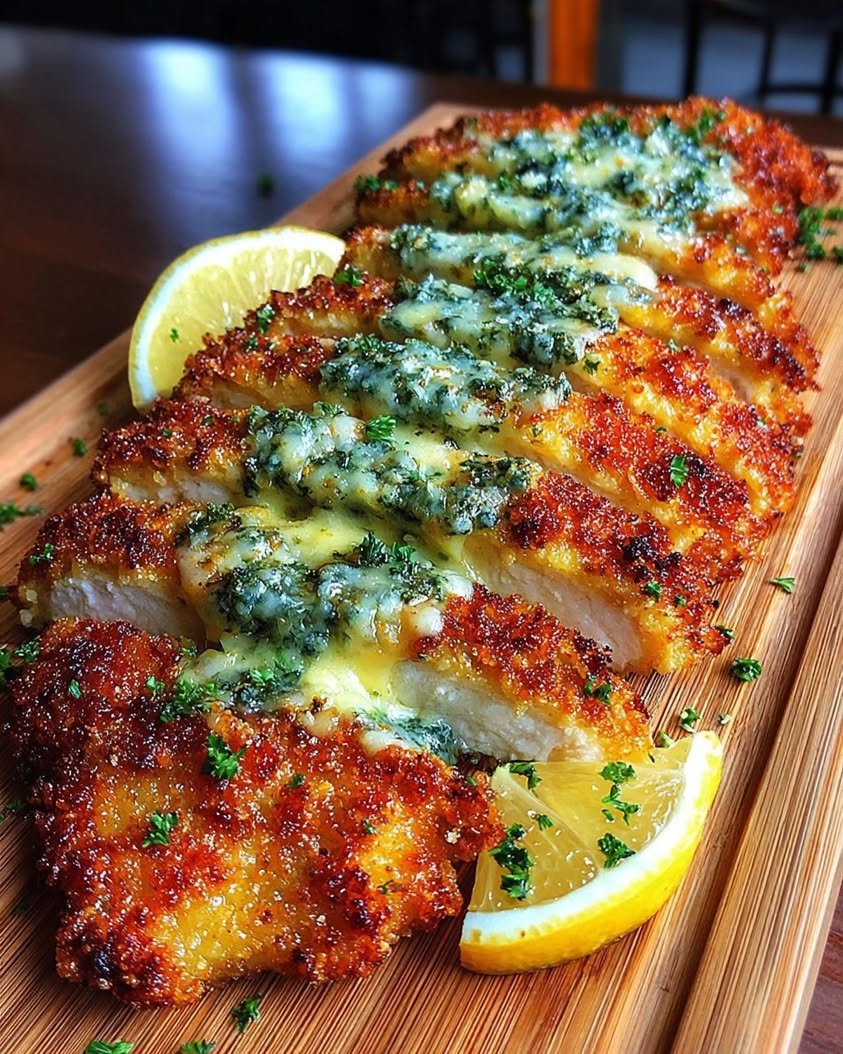
Crispy Baked Hot Honey Lemon Feta Chicken Cutlets with Herb Crust: A Weeknight Dinner Hero
If you crave a dinner that delivers crunch, zest, and just the right amount of heat, these Crispy Baked Hot Honey Lemon Feta Chicken Cutlets with Herb Crust will become your new favorite. This recipe turns simple chicken cutlets into a golden, flavor-packed masterpiece. The herb crust shatters under your fork, the lemon feta filling melts into every bite, and the hot honey drizzle ties it all together with a sweet, spicy finish. You get all the satisfaction of fried chicken without the mess of a deep fryer, and the oven does most of the work.
I created this Crispy Baked Hot Honey Lemon Feta Chicken Cutlets recipe for busy weeknights when you want something special but cannot spend hours in the kitchen. The combination of crumb coating, tangy feta, and bright lemon keeps each cutlet juicy on the inside and crisp on the outside. Moreover, the hot honey takes only minutes to stir together and adds a glossy, restaurant-style finish. Whether you serve these cutlets over greens, alongside roasted vegetables, or tucked into a sandwich, the result feels celebratory yet completely approachable. You will love how the herb crust perfumes your kitchen while the chicken bakes to a perfect golden brown.
This dish also solves a common dinner dilemma. Chicken breasts often dry out, but thin cutlets cook fast and stay tender. Meanwhile, the feta and lemon mixture adds moisture and a salty, tangy punch that balances the sweet heat of the honey. As a result, every bite tastes intentional and layered. In addition, the recipe uses pantry-friendly ingredients you likely already have on hand. Therefore, you can whip up this Crispy Baked Hot Honey Lemon Feta Chicken Cutlets recipe on short notice and still impress your family or guests. Keep reading to learn the techniques, tips, and variations that make this dish a reliable winner.
Quick Recipe Highlights
- Flavor Profile: These cutlets balance sweet, spicy, salty, and tangy notes in every bite. The hot honey brings a gentle burn that mellows against the lemon and feta. Meanwhile, fresh herbs add an earthy, aromatic backbone.
- Texture: The herb crust delivers a satisfying crunch that contrasts with the juicy chicken inside. Additionally, the feta melts slightly, creating creamy pockets. The honey glaze adds a subtle stickiness that clings to the crust.
- Aroma: Garlic, parsley, and lemon zest fill the air as the cutlets bake. The hot honey also releases a warm, peppery scent that makes mouths water. Overall, the kitchen smells like a cozy bistro.
- Visual Appeal: Golden-brown crusts gleam under the glossy honey drizzle. Bright lemon slices and green herbs add color contrast. These cutlets look impressive enough for guests yet feel casual enough for a weeknight.
- Skill Level Needed: You need only basic knife skills and comfort with the oven. The process involves breading, a quick pan sear, and baking. Therefore, beginner cooks can succeed with confidence.
- Special Equipment: A sheet pan, three shallow bowls for breading, and a skillet make this recipe easy. A meat mallet helps pound the chicken thin. Optionally, a wire rack keeps the crust crisp on all sides.
Recipe Overview
- Difficulty Level: This recipe rates as easy because it relies on straightforward steps. You pound the chicken, set up a breading station, sear, and bake. The hot honey comes together in one small saucepan. None of these tasks require advanced technique, and the oven finishes the job reliably.
- Category: These cutlets work as a main course for lunch or dinner. They also shine as a party appetizer when sliced into strips. Additionally, you can serve them in sandwiches, salads, or grain bowls.
- Cuisine: The recipe draws on Mediterranean flavors through feta, lemon, and herbs. Meanwhile, hot honey nods to Southern and global trends that love sweet heat. As a result, the dish feels modern and globally inspired while remaining familiar.
- Cost: Chicken breasts rank among the most affordable proteins, and feta lasts for weeks. Pantry staples like breadcrumbs, flour, and honey keep costs low. Overall, you can feed four people for a modest grocery spend.
- Season: This dish works year-round, but it shines in spring and summer when lemons peak. In fall and winter, the hot honey adds warmth and comfort. Consequently, you can enjoy it in any season without compromise.
- Occasion: Serve these cutlets for family dinners, casual date nights, or weekend gatherings. They also fit meal-prep routines because they reheat well. Furthermore, the impressive presentation suits potlucks and holiday tables.
Why You’ll Love This Recipe
First, the taste and texture appeal of these Crispy Baked Hot Honey Lemon Feta Chicken Cutlets is undeniable. The crust combines panko and fresh herbs for a shatteringly crisp exterior. Inside, the chicken stays juicy thanks to quick searing and gentle baking. The feta lemon filling adds a creamy, tangy surprise that elevates every bite. Then the hot honey drizzle brings sweet heat that lingers pleasantly. You get multiple layers of flavor and texture in one simple dish, which makes each meal feel special.
Second, convenience and preparation benefits make this recipe a weeknight staple. You need only 20 minutes of active prep, and the oven handles the rest. The breading station takes minimal effort, and cleanup stays manageable. Moreover, you can pound the chicken and mix the feta filling ahead of time. Therefore, dinner comes together quickly even after a long day. The recipe also avoids deep frying, which means no splattering oil and no lingering fryer smell.
Third, nutritional advantages set this dish apart from typical fried chicken. Baking uses far less oil than frying, which cuts calories and fat. Chicken provides lean protein, and feta adds calcium with bold flavor. Lemon contributes vitamin C, while fresh herbs bring antioxidants. As a result, you can enjoy a crispy, satisfying meal without guilt. Additionally, you control the sodium and sweetness by adjusting the feta and honey amounts.
Fourth, social and entertaining value makes this recipe a crowd-pleaser. The cutlets look impressive on a platter with their golden crust and glossy drizzle. Guests love the sweet-spicy combination, and kids enjoy the crunchy coating. You can serve them buffet-style or plate them individually. Furthermore, the recipe scales easily for larger gatherings. Consequently, you can host with confidence and spend less time cooking and more time with guests.
Fifth, cost-effectiveness and accessibility keep this dish in regular rotation. Chicken breasts, breadcrumbs, flour, eggs, and honey are budget-friendly staples. Feta costs little and delivers big flavor. Meanwhile, lemons and fresh herbs add brightness without expense. Because the recipe uses common ingredients, you can shop almost anywhere. As a result, this Crispy Baked Hot Honey Lemon Feta Chicken Cutlets recipe delivers restaurant-quality flavor on a home-cooking budget.
Historical Background and Cultural Significance
The origin story of this recipe reflects modern American home cooking. Chicken cutlets have long appeared in Italian-American cooking as scaloppine and milanese. Meanwhile, hot honey gained fame in pizzerias and barbecue joints across the United States. This recipe merges those traditions with Mediterranean ingredients like feta and lemon. Consequently, it represents how home cooks blend global flavors into everyday meals.
Cultural importance shows up in the way food brings people together. Feta holds a treasured place in Greek cuisine, where it appears in salads, pies, and baked dishes. Lemon features prominently across Mediterranean cooking for brightness and preservation. Honey has symbolized hospitality for centuries. When you combine these ingredients, you honor traditions while creating something new. Therefore, this dish carries cultural meaning alongside great flavor.
The evolution of the recipe follows trends in home cooking. Baked breaded cutlets became popular as cooks sought healthier alternatives to frying. Air fryers and sheet-pan dinners further pushed this style into the mainstream. Hot honey exploded in popularity during the 2010s, appearing on menus nationwide. As a result, this recipe captures the current moment in American food culture.
Regional variations abound for similar dishes. In the South, cooks drizzle spicy honey over fried chicken and biscuits. In the Northeast, Italian-American kitchens serve lemony chicken cutlets with sharp cheese. Greek tavernas bake chicken with feta and oregano. This recipe borrows from each region and creates a hybrid that feels familiar yet fresh. Consequently, you can adapt it to your own regional tastes and pantry.
Ingredient Deep Dive
Chicken breasts serve as the heart of this dish. In Mediterranean cooking, poultry appears in roasted and braised dishes across Greece, Italy, and the Levant. Nutritionally, chicken breasts offer lean protein with minimal saturated fat. When shopping, choose cutlets with even thickness and a fresh, mild scent. Store raw chicken in the coldest part of your fridge and use it within two days. If you need a substitute, turkey cutlets or thick pork cutlets work well.
Additionally, pounding chicken breasts into thin cutlets improves texture and cooking speed. Thin cutlets cook evenly, which prevents dry edges and raw centers. You can ask your butcher to do this step or pound them at home between plastic wrap. Consequently, the breading adheres better and the crust stays crisp. Keep the cutlets uniform for consistent results.
Feta cheese brings salty, tangy character to the filling. This brined Greek cheese dates back centuries and appears in everything from spanakopita to salads. Feta provides calcium and protein while adding bold flavor with fewer calories than many aged cheeses. Look for feta packed in brine for the best texture and taste. Store it in its brine in the refrigerator and use it within a week after opening. In a pinch, goat cheese or ricotta salata can stand in.
Furthermore, crumbled feta blends easily with lemon zest and herbs. You want small, even crumbles so the filling spreads smoothly. If your feta seems very salty, rinse it briefly and pat it dry. As a result, you control the overall seasoning of the dish.
Lemon supplies bright acidity and aroma. Mediterranean cooks have used lemons for centuries to tenderize meat and lift flavors. Lemons deliver vitamin C and antioxidants, and their zest contains aromatic oils that perfume the crust. Choose lemons that feel heavy for their size with smooth, glossy skin. Store them in the refrigerator crisper drawer for up to two weeks. If you lack fresh lemons, bottled juice works, but fresh zest is worth the effort.
In addition, lemon zest and juice play different roles in this recipe. Zest adds concentrated citrus oil to the breadcrumb mixture and feta filling. Juice brightens the hot honey and cuts through the richness. Therefore, use both for maximum impact.
Hot honey delivers the signature sweet-spicy glaze. This condiment gained popularity in American pizzerias and now appears in kitchens everywhere. Honey offers natural sweetness and antimicrobial properties, while chili flakes add heat and capsaicin. Choose a mild clover honey for balanced flavor, and use fresh chili flakes for the best kick. Store hot honey in a sealed jar at room temperature for several weeks. If you prefer, maple syrup with cayenne makes a vegan alternative.
Moreover, homemade hot honey takes only minutes. Warm honey gently with chili flakes, then let it steep. This step infuses the honey with heat and aroma. As a result, you control the spice level to suit your taste.
Panko breadcrumbs create the signature crunch. Japanese in origin, panko has a light, flaky texture that fries and bakes beautifully. Panko contains fewer calories than many seasoned breadcrumbs and absorbs less oil. Choose plain panko without added seasoning so you can control the flavor. Store opened bags in an airtight container in a cool pantry. If you need a substitute, crushed cornflakes or stale bread pulsed in a food processor work well.
Additionally, toasting panko briefly in a dry skillet deepens its flavor and color. This extra step guards against a raw breadcrumb taste. Consequently, your crust tastes nutty and golden even before baking.
Common Mistakes to Avoid
- Skipping the pound-and-flatten step leaves chicken uneven. Thick centers cook slower than thin edges, which causes dry spots. Always pound your cutlets to an even thickness for reliable results.
- Using wet chicken prevents the breading from sticking. Pat the cutlets completely dry with paper towels first. Otherwise, the flour turns gummy and the crust slides off.
- Overcrowding the skillet steams the crust instead of searing it. Cook in batches if needed and give each cutlet room. This step builds the golden base that survives baking.
- Breading with stale or damp crumbs creates a soggy coating. Use fresh, dry panko and keep the bowls separate. Additionally, change out wet crumbs as you work.
- Underseasoning the breading leads to flat flavor. Add salt, pepper, garlic powder, and herbs directly to the crumbs. Taste a pinch of the mixture before you start breading.
- Baking too long dries out the chicken. Thin cutlets need only 10 to 12 minutes at 425 degrees. Use a meat thermometer to hit 165 degrees internally.
- Drizzling honey before baking burns the sugars. Save the hot honey for after the cutlets come out of the oven. This timing keeps the glaze glossy and prevents bitterness.
- Ignoring the rest period causes juice loss. Let the cutlets rest for five minutes before slicing. As a result, the juices redistribute and every bite stays moist.
- Using cold feta straight from the fridge makes spreading difficult. Let the feta mixture sit at room temperature briefly. This small step makes assembly smoother and faster.
- Reheating in the microwave destroys the crust. Instead, reheat in a 375-degree oven or toaster oven. This method restores some crunch and warmth.
Essential Techniques
Pounding chicken cutlets evenly is the foundation of this dish. Uniform thickness guarantees even cooking and prevents dry edges. To master this technique, place each breast between plastic wrap and use the flat side of a meat mallet. Work from the center outward with gentle, steady strikes. A common pitfall is pounding too aggressively, which tears the meat. You will know you succeeded when the cutlet looks translucent at the edges and measures about a quarter inch thick.
Setting up a proper breading station matters just as much. You need three shallow bowls: flour, beaten eggs, and seasoned panko. Keep one hand wet for the egg and one hand dry for the crumbs to avoid buildup. This technique keeps your fingers clean and the coating even. A common pitfall is mixing wet and dry hands, which creates clumps. Visual success means a light, even coat of crumbs with no bare spots.
Searing before baking builds flavor and texture. A hot skillet with a thin layer of oil creates a golden crust that baking alone cannot achieve. Master this step by heating the pan until a crumb sizzles on contact. Sear each cutlet for two to three minutes per side without moving it too soon. The pitfall here is a cold pan, which causes sticking and pale crusts. Look for a deep golden color before you transfer the cutlets to the sheet pan.
Baking on a wire rack elevates the cutlets for all-around crispness. Air circulates under the chicken, which prevents soggy bottoms. Master this setup by placing a rack inside a sheet pan and coating it lightly with cooking spray. The pitfall is skipping the rack and letting the cutlets steam on the pan. Visual cues include dry, crisp edges and a uniform golden top when the chicken reaches 165 degrees.
Pro Tips for Perfect Crispy Baked Hot Honey Lemon Feta Chicken Cutlets
First, toast your panko before breading. A quick spin in a dry skillet deepens the flavor and color. This step also removes excess moisture, which helps the crust stay crisp during baking.
Second, season every layer. Salt the chicken itself, season the flour, and add herbs to the crumbs. Each layer builds flavor so the final bite tastes rich and complete.
Third, use a meat thermometer. Thin cutlets cook fast, and a thermometer removes the guesswork. Pull them at 165 degrees for juicy results every time.
Fourth, make the hot honey while the chicken bakes. The timing lines up perfectly, and the honey stays warm for drizzling. Furthermore, warm honey spreads more easily over the crust.
Fifth, rest the cutlets before slicing. Five minutes makes a noticeable difference in juiciness. Use that time to plate sides and finish the sauce.
Sixth, add fresh lemon zest right before serving. A final shower of zest and flaky salt wakes up the flavors. This finishing touch makes the dish feel restaurant-quality.
Variations and Adaptations
Regional variations offer endless inspiration. For a Greek spin, add oregano and olives to the feta filling. An Italian version might swap feta for mozzarella and add marinara for dipping. Southern cooks could serve the cutlets over biscuits with extra hot honey. In each case, the base technique stays the same, so you can explore flavors confidently.
Seasonal adaptations keep the dish fresh all year. In summer, pair the cutlets with tomato salad and grilled corn. During fall, serve them over roasted squash and kale. In winter, add a side of creamy polenta. As a result, the recipe never feels repetitive.
Dietary modifications make the dish flexible. Use gluten-free panko and flour for a gluten-free version. For dairy-free needs, replace feta with a plant-based alternative or omit the cheese and add extra herbs. These swaps keep the spirit of the recipe intact.
Flavor variations suit different moods. Add smoked paprika for depth, or use basil and parmesan for an Italian profile. You can also swap honey for maple syrup with cayenne for a vegan glaze. Each change takes minutes yet transforms the dish.
Texture modifications work for different preferences. Crush cornflakes for a coarser crust, or use crushed crackers for a buttery bite. For a lighter coating, skip the flour and use only egg and panko. These options change the crunch without complicating the process.
Presentation alternatives fit any table. Serve the cutlets whole for a dinner plate, sliced over salad for lunch, or in sliders for parties. You can also cube them for grain bowls or wrap them in flatbread. Consequently, one recipe covers many occasions.
Serving and Presentation Guide
Plating techniques can elevate a simple dinner. Place one cutlet slightly off-center on the plate and lean a second against it for height. Spoon a little hot honey over the top and let it pool naturally. Add a sprinkle of herbs and lemon zest for color. This approach creates a composed look without fuss.
Garnishing ideas add visual interest and fresh flavor. Use parsley, mint, or dill for greenery. Thin lemon slices or wedges bring brightness. Crumbled feta and chili flakes reinforce the dish’s key flavors. Keep garnishes simple so the cutlet remains the star.
Traditional accompaniments include Greek salad, roasted potatoes, and warm pita. These sides echo the Mediterranean roots of the recipe. For a classic American feel, serve with mashed potatoes and green beans.
Modern serving suggestions include grain bowls with farro and hummus. You can also layer the cutlets into sandwiches with arugula and pickled onions. These options suit casual lunches and meal prep alike.
Temperature considerations matter for texture. Serve the cutlets hot from the oven for maximum crunch. If you must hold them, keep them warm on a rack in a low oven. Avoid covering them tightly, which traps steam and softens the crust.
Portion control tips help with planning. One cutlet per person suits lighter appetites, while two work for hearty dinners. Pair with generous vegetables to balance the plate. As a result, you can stretch the recipe without anyone feeling shortchanged.
Wine and Beverage Pairing
Wine pairings should balance the sweet heat and tangy feta. A crisp Sauvignon Blanc cuts through the richness with bright acidity. Alternatively, an off-dry Riesling tames the chili heat while echoing the honey. For red lovers, a light Pinot Noir offers fruit without overwhelming the lemon. Serve whites well chilled and reds slightly cool for the best experience.
Non-alcoholic alternatives keep everyone included. Sparkling water with lemon and mint refreshes the palate. Sweet tea with a squeeze of lime mirrors the honey glaze. Ginger ale brings gentle spice that complements the chili flakes. These options feel festive and pair well with the meal.
Coffee and tea pairings may surprise you. A lightly brewed green tea with lemon complements the citrus notes. Iced hibiscus tea offers tartness that balances the honey. These choices work especially well at lunch.
Temperature considerations shape enjoyment. Serve beverages cold to contrast the warm cutlets. A chilled glass of white wine or sparkling water keeps the palate lively. Moreover, cold drinks temper the spice for sensitive guests.
Storage and Shelf Life
Storage methods protect both flavor and texture. Place cooled cutlets in an airtight container with parchment between layers. Store the hot honey separately in a small jar. Keep everything refrigerated and use within three to four days.
Temperature requirements matter for safety. Refrigerate leftovers within two hours of cooking. Keep the fridge at or below 40 degrees. Reheat to 165 degrees before serving.
Container recommendations include glass containers, which resist staining and odors. Plastic works fine but can absorb smells over time. Press out excess air to prevent drying.
Signs of spoilage include sour smells, slimy texture, and mold. When in doubt, discard leftovers. Freshness matters more than saving a few bites.
Reheating instructions preserve the crust. Use a 375-degree oven or toaster oven for 8 to 10 minutes. Avoid the microwave, which steams the coating. For best results, re-drizzle fresh hot honey after reheating.
Freezing guidelines help with planning. Freeze cooked cutlets on a sheet pan, then transfer to freezer bags. Freeze hot honey separately in a small jar. Use within two months for the best quality.
Make Ahead Strategies
Prep timeline planning saves weeknight stress. Pound the chicken and mix the feta filling up to a day ahead. Store them separately in the refrigerator. You can also set up the breading station in advance and cover the bowls.
Storage between steps protects quality. Keep raw breaded cutlets in the fridge for up to four hours before cooking. Place them on a rack so the coating stays dry. This step prevents sogginess and speeds up dinner.
Quality impact assessment guides expectations. The crust stays crispest when cooked fresh. However, searing and baking within a day of breading yields excellent results. Hot honey tastes best fresh but keeps well for a week.
Assembly tips streamline serving. Slice lemons and chop herbs ahead, then store them in small containers. Warm the honey right before serving for a glossy finish. These small steps make the final plate effortless.
Reheating guidelines keep leftovers appealing. Use the oven, not the microwave, for the best texture. A quick re-crisp at high heat restores crunch. Then add fresh honey and herbs.
Scaling Instructions
Halving the recipe suits smaller households. Use two breasts and reduce the breading by half. Keep the feta filling proportions the same for balanced flavor. Cooking time stays similar because cutlet size does not change.
Doubling or tripling the recipe works for gatherings. Prepare multiple sheet pans and cook in batches. Keep finished cutlets warm on a rack in a low oven. Moreover, make extra hot honey because guests will ask for more.
Equipment adjustments matter at scale. Use two skillets or extend searing time in batches. Sheet pans should not be overcrowded, so use additional racks if needed. These adjustments keep the crust crisp.
Timing modifications keep large batches manageable. Sear all cutlets first, then bake them together. This approach saves time and keeps the kitchen organized. As a result, you can serve a crowd without chaos.
Nutritional Deep Dive
Macro breakdown offers a helpful snapshot. Each serving provides roughly 35 to 40 grams of protein from chicken and feta. Carbohydrates come mainly from panko and honey, totaling around 25 to 30 grams. Fat lands near 15 grams, depending on the oil and feta amounts.
Micronutrient analysis highlights key benefits. Chicken delivers B vitamins and selenium, while feta adds calcium. Lemons contribute vitamin C, and herbs bring antioxidants. Honey offers trace minerals and natural sweetness.
Health benefits stem from lean protein and baking rather than frying. You get satisfying crunch with less oil. The Mediterranean ingredients support balanced eating. As a result, the dish fits a variety of healthy eating patterns.
Dietary considerations include sodium levels from feta and breading. Rinse feta to reduce salt if needed. Choose whole-wheat panko for extra fiber. These small tweaks improve the nutrition profile.
Portion analysis helps with moderation. One cutlet with vegetables makes a balanced plate. Two cutlets suit athletes or hearty appetites. Balance the plate with produce for fiber and volume.
Weight management tips focus on cooking methods and portions. Baking saves calories compared with frying. Measure honey to control added sugar. Pair with filling sides like roasted vegetables to stay satisfied.
Dietary Adaptations
Gluten-free adaptation is simple. Use gluten-free panko and a gluten-free flour blend. Check labels on all packaged ingredients. The result tastes just as crisp and golden.
Dairy-free adaptation replaces feta with a plant-based alternative. Alternatively, skip the cheese and add extra lemon zest and herbs. Use a dairy-free drizzle in place of honey if needed. The dish stays flavorful and satisfying.
Vegan adaptation requires bigger changes. Replace chicken with thick slices of firm tofu or cauliflower steaks. Use aquafaba instead of eggs and maple syrup with cayenne instead of honey. Cooking times shift slightly, so check doneness carefully.
Low-carb adaptation swaps panko for crushed pork rinds or almond flour. Both options brown well and keep the crust crisp. Pair with leafy greens to keep carbs low. The hot honey adds some sugar, so drizzle lightly.
Keto adaptation follows similar swaps with high-fat ingredients. Use almond flour and parmesan in the breading. Choose a sugar-free honey substitute. These changes keep the recipe keto-friendly.
Paleo adaptation uses almond flour and tapioca starch for the coating. Replace honey with coconut nectar if desired. Serve with roasted vegetables for a clean, whole-food plate.
Low-FODMAP adaptation avoids garlic and onion powders. Use garlic-infused oil for flavor instead. Choose gluten-free panko and check the honey for additives. These steps keep the dish gentle on sensitive stomachs.
Troubleshooting Guide
Texture issues often stem from moisture. If the crust turns soggy, pat the chicken dry and toast the panko first. Also avoid covering the cutlets after cooking. A wire rack helps air circulate and keeps the coating crisp.
Flavor balance problems respond to small adjustments. If the dish tastes too spicy, add more honey or serve with a cooling yogurt sauce. If it tastes flat, add salt and lemon zest. Taste the feta mixture before breading to catch issues early.
Temperature problems include uneven cooking. Use an oven thermometer to verify heat, and pound cutlets evenly. If edges brown too fast, reduce the oven to 400 degrees. These steps keep cooking consistent.
Equipment challenges often involve pan crowding. Use a larger skillet or cook in batches. A sturdy sheet pan prevents warping, and a wire rack improves crispness. These simple fixes make a big difference.
Ingredient substitutions should preserve balance. If feta is unavailable, use goat cheese or ricotta salata. If panko is missing, use crushed cornflakes. Adjust salt and seasoning accordingly.
Timing concerns ease with preparation. Set up the breading station before heating the oven. Make the hot honey while the chicken bakes. This parallel workflow keeps dinner on schedule.
Recipe Success Stories
Community feedback has been overwhelmingly positive. Readers report that the crust stays crisp and the hot honey becomes a household staple. Many say the recipe replaced their usual fried chicken nights. Others love how easily it fits weeknight schedules.
Variation successes include gluten-free versions and air fryer adaptations. Readers who use an air fryer report excellent crunch at 400 degrees for about 10 minutes. Others add smoked paprika for a deeper color. These tweaks show the recipe’s flexibility.
Adaptation stories highlight creative uses. One reader slices the cutlets over Caesar salad for a filling lunch. Another serves them on brioche buns with pickles for a spicy chicken sandwich. These ideas inspire new ways to enjoy the dish.
Reader suggestions improve the recipe further. Many recommend doubling the hot honey because it disappears fast. Others suggest making extra feta filling for dipping. These tips come straight from home kitchens.
Photography tips help readers capture the dish. Natural light makes the golden crust pop. Drizzle honey right before shooting for a glossy finish. Add lemon slices and herbs for color contrast.
Frequently Asked Questions
Can I use chicken thighs instead of breasts? Yes, boneless skinless thighs work well. Pound them to even thickness and add a few minutes to the cook time. Thighs stay juicy and bring richer flavor to the dish.
How spicy is the hot honey? The heat level depends on the chili flakes you use. Start with a small pinch and taste as you go. You can always add more heat, but you cannot remove it.
Can I make this recipe ahead of time? Yes, you can bread the cutlets up to four hours ahead and refrigerate them. Cook them fresh for the best crunch. You can also make the hot honey a week in advance.
What can I use instead of panko? Crushed cornflakes, plain breadcrumbs, or crushed crackers all work. For gluten-free needs, choose gluten-free panko or crushed rice cereal. Each option delivers a crisp coating.
How do I keep the crust from falling off? Pat the chicken dry, use the flour-egg-crumb sequence, and press the crumbs gently onto the surface. Let the breaded cutlets rest briefly before searing. These steps help the coating adhere.
Can I air fry these cutlets? Yes, preheat the air fryer to 400 degrees and cook for about 10 minutes, flipping halfway. Spray with cooking oil for extra browning. Check the internal temperature reaches 165 degrees.
Is this recipe gluten-free? It can be with simple swaps. Use gluten-free panko and gluten-free flour. Check all labels, including the hot honey, for hidden gluten.
What sides pair best with these cutlets? Greek salad, roasted potatoes, and warm pita are excellent choices. For lighter meals, serve over greens with lemon vinaigrette. Grain bowls with farro and hummus also work well.
Can I freeze the hot honey? Yes, hot honey freezes well in a small jar. Leave room for expansion and thaw in the refrigerator. Warm gently before drizzling.
How long do leftovers last? Store leftovers in the refrigerator for three to four days. Reheat in the oven to restore crispness. Discard any leftovers that smell sour or look slimy.
Do I have to use feta? Feta brings the signature tang, but goat cheese or ricotta salata work as substitutes. For dairy-free needs, use a plant-based alternative or skip the cheese and add extra herbs.
Can I grill the cutlets instead of baking? Yes, grill over medium-high heat for three to four minutes per side. Brush the grates with oil to prevent sticking. Drizzle hot honey after grilling to avoid burning the sugars.
Additional Resources
Related recipes expand your repertoire. Try baked chicken parmesan for another crispy cutlet option. Hot honey salmon offers similar sweet heat with seafood. Lemon herb roasted chicken makes a great weekend centerpiece.
Technique guides deepen your skills. Learn proper breading station setup for consistently crisp results. A guide to pounding cutlets helps with even cooking. Mastering pan searing builds confidence for many recipes.
Ingredient information helps you shop smart. Explore the differences between Greek and French feta. Learn how hot honey is made and how to store it. Understanding panko versus standard breadcrumbs improves your cooking Print
Crispy Baked Hot Honey Lemon Feta Chicken Cutlets with Herb Crust
- Total Time: 45 minutes
- Yield: 4
Description
Golden, crunchy baked chicken cutlets with a zesty feta and herb crust, finished with a drizzle of hot honey and fresh lemon. A perfect balance of savory, spicy, and sweet.
Ingredients
- 4 boneless, skinless chicken breasts, pounded to 1/4-inch thickness
- 1 cup panko breadcrumbs
- 1/2 cup crumbled feta cheese
- 1/4 cup grated Parmesan cheese
- 2 tablespoons chopped fresh parsley
- 1 teaspoon dried oregano
- 1/2 teaspoon garlic powder
- 1/2 teaspoon salt
- 1/4 teaspoon black pepper
- 2 large eggs
- 1 tablespoon lemon zest
- 2 tablespoons fresh lemon juice
- 1/4 cup hot honey (or regular honey mixed with a pinch of cayenne)
- Cooking spray or olive oil for greasing
Instructions
- Preheat oven to 425°F (220°C). Line a baking sheet with parchment paper and lightly grease with cooking spray or olive oil.
- In a shallow dish, combine panko breadcrumbs, crumbled feta, grated Parmesan, chopped parsley, dried oregano, garlic powder, salt, and black pepper. Mix well.
- In another shallow dish, whisk the eggs with lemon zest and lemon juice.
- Dip each chicken cutlet into the egg mixture, allowing excess to drip off, then press firmly into the breadcrumb mixture to coat both sides. Place on the prepared baking sheet.
- Lightly spray the tops of the cutlets with cooking spray or drizzle with a little olive oil.
- Bake for 20-25 minutes, flipping halfway through, until golden brown and cooked through (internal temperature reaches 165°F).
- Remove from oven and drizzle each cutlet with hot honey. Serve immediately with extra lemon wedges if desired.
Notes
You can customize the seasonings to taste.
- Prep Time: 15 minutes
- Cook Time: 30 minutes
- Method: Main
- Cuisine: American