Mediterranean Protein Plate: A High-Protein, No-Cook Meal Prep Idea
The Mediterranean Protein Plate is a high-protein, no-cook meal prep idea that brings the bright, sun-soaked flavors of the Greek islands straight to your kitchen table. Indeed, this Mediterranean Protein Plate combines creamy hummus, crisp cucumber, juicy tomatoes, briny Kalamata olives, and crumbled feta with tender chickpeas and sliced turkey breast, so every bite delivers a satisfying mix of salty, fresh, and tangy notes. Because the Mediterranean Protein Plate requires zero cooking, you can assemble it in about fifteen minutes and still serve something that looks and tastes like a Mediterranean café spread. Whether you meal prep for the week or need a fast dinner, the Mediterranean Protein Plate works beautifully.
Moreover, the Mediterranean Protein Plate delivers serious nutrition without any sacrifice in flavor. Specifically, the chickpeas and turkey breast push the protein content above 35 grams per serving, while the vegetables and olive oil supply fiber and healthy fats. Meanwhile, the feta and olives add that unmistakable Mediterranean character that makes healthy eating feel indulgent. As a result, the Mediterranean Protein Plate satisfies hunger for hours, and it keeps you away from the vending machine. In addition, the Mediterranean Protein Plate travels well in a lunch container, so it fits busy workdays, school lunches, and weekend picnics alike.
Finally, the Mediterranean Protein Plate shines because it adapts to your tastes and your schedule. For example, you can swap the turkey for grilled chicken, add quinoa for extra fiber, or drizzle tahini instead of tzatziki. Similarly, the Mediterranean Protein Plate works as a light lunch, a post-workout refuel, or a shareable appetizer platter for guests. Above all, the Mediterranean Protein Plate proves that a no-cook meal prep idea can deliver bold flavor, balanced nutrition, and genuine convenience. Therefore, keep this Mediterranean Protein Plate recipe in your weekly rotation and enjoy a taste of the Mediterranean any day of the year.
Quick Recipe Highlights
- Flavor Profile: The Mediterranean Protein Plate balances creamy, nutty hummus with briny olives and salty feta, then brightens everything with lemon and fresh herbs. The result tastes fresh, savory, and tangy all at once, and it never feels heavy.
- Texture: Crunchy cucumber and bell pepper contrast with smooth hummus and creamy feta, while chickpeas add a pleasant bite. Because the Mediterranean Protein Plate layers so many textures, each forkful stays interesting from start to finish.
- Aroma: Fresh parsley, garlicky hummus, and lemon zest give the Mediterranean Protein Plate a garden-fresh fragrance. Additionally, the olives and oregano evoke the scent of a Greek taverna, so the plate smells as inviting as it tastes.
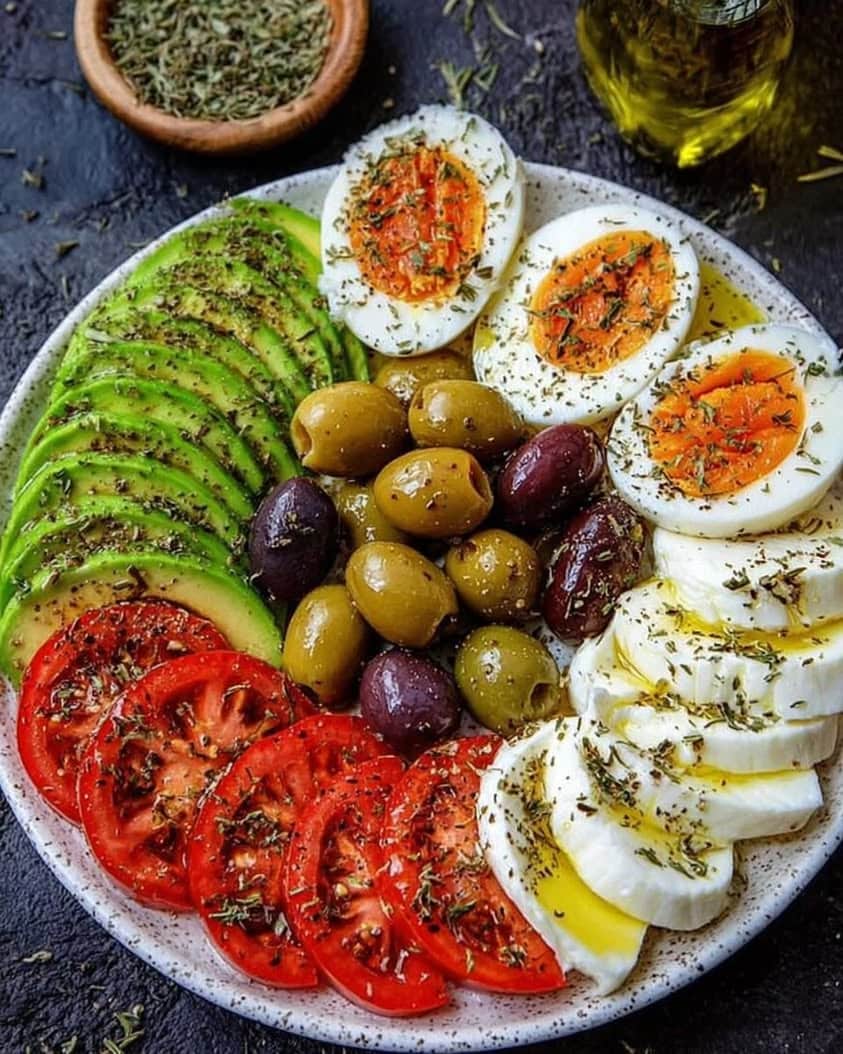
- Visual Appeal: Deep red tomatoes, green cucumber, purple olives, and white feta create a colorful mosaic on the plate. Consequently, the Mediterranean Protein Plate looks impressive enough for guests yet simple enough for a weekday lunch.
- Skill Level Needed: The Mediterranean Protein Plate requires only basic knife skills and simple assembly. Truly, anyone who can chop vegetables and open a container of hummus can master this Mediterranean Protein Plate with confidence.
- Special Equipment: You need only a cutting board, a sharp chef’s knife, and a large serving platter or two meal prep containers. Optionally, a small whisk helps blend the lemon dressing, but a fork works fine for the Mediterranean Protein Plate.
Recipe Overview
- Difficulty Level: The Mediterranean Protein Plate earns an Easy rating because it involves no cooking, no complex techniques, and minimal cleanup. Since you simply chop, arrange, and drizzle, beginners can execute the Mediterranean Protein Plate flawlessly on the first try. Even busy parents can involve kids in assembling the plate, which makes the Mediterranean Protein Plate a family-friendly project.
- Category: This Mediterranean Protein Plate fits lunch, dinner, appetizer, and meal prep categories equally well. Furthermore, the Mediterranean Protein Plate works as a no-cook dinner on hot summer evenings or as a grab-and-go office lunch.
- Cuisine: The Mediterranean Protein Plate draws on Greek, Lebanese, and Turkish culinary traditions, which share a love of chickpeas, olive oil, fresh vegetables, and feta. Traditionally, mezze spreads in these regions feature similar components, so the Mediterranean Protein Plate honors that heritage while simplifying it for American kitchens. Therefore, the Mediterranean Protein Plate delivers authentic Mediterranean flavors with modern convenience.
- Cost: The Mediterranean Protein Plate costs roughly 12 to 16 dollars total, or 6 to 8 dollars per serving, depending on where you shop. Notably, staples like chickpeas, cucumbers, and tomatoes stay affordable year-round, and the Mediterranean Protein Plate uses small amounts of olives and feta, so nothing goes to waste.
- Season: Summer is the ideal season for the Mediterranean Protein Plate because tomatoes and cucumbers peak in flavor and price. Nevertheless, the Mediterranean Protein Plate works year-round with greenhouse vegetables, and its bright flavors lift spirits during gray winter months.
- Occasion: Serve the Mediterranean Protein Plate at casual dinners, potlucks, bridal showers, and meal prep sessions. Additionally, the Mediterranean Protein Plate suits picnics and pool parties because it holds up well without refrigeration for short periods.
Why You’ll Love This Recipe
The Mediterranean Protein Plate wins hearts first through taste and texture, because it layers creamy hummus, crisp vegetables, tender chickpeas, and salty feta in every bite. Because the Mediterranean Protein Plate never repeats a single texture twice, your palate stays engaged until the plate is empty. Meanwhile, the lemon-oregano dressing ties everything together with a bright, herbaceous finish. Consequently, the Mediterranean Protein Plate satisfies cravings for something fresh and something savory simultaneously, and it replaces bland diet food with genuine pleasure.
Convenience makes the Mediterranean Protein Plate equally compelling, since it requires zero cooking and about fifteen minutes of hands-on work. Indeed, you simply chop, scoop, and arrange, then the Mediterranean Protein Plate is ready to eat or store. Because the Mediterranean Protein Plate holds up well in the refrigerator for up to four days, Sunday prep sessions set you up for the entire workweek. Therefore, the Mediterranean Protein Plate eliminates the excuse that healthy eating takes too much time.
Nutritionally, the Mediterranean Protein Plate delivers over 35 grams of protein per serving along with fiber, vitamin C, iron, and healthy fats from olive oil. Furthermore, the chickpeas provide plant-based protein and slow-digesting carbohydrates that stabilize energy levels. Because the Mediterranean Protein Plate emphasizes vegetables and legumes, it aligns with the well-studied Mediterranean diet, so you eat well and feel well. In short, the Mediterranean Protein Plate supports fitness goals, weight management, and everyday wellness without deprivation.
Socially, the Mediterranean Protein Plate shines as a shareable centerpiece for gatherings, because its colorful arrangement invites people to dig in together. Additionally, you can set out the components mezze-style and let guests build their own plates, which sparks conversation and accommodates picky eaters. Because the Mediterranean Protein Plate requires no last-minute cooking, you actually enjoy your own party instead of hovering over the stove. Consequently, hosts and guests alike remember the Mediterranean Protein Plate long after the table clears.
Finally, the Mediterranean Protein Plate proves remarkably cost-effective, since its ingredients are budget staples available at any supermarket. Specifically, canned chickpeas, cucumbers, tomatoes, and lemons cost very little, and a small block of feta stretches across multiple servings. Because the Mediterranean Protein Plate uses plant proteins alongside lean turkey, you save money compared with pricier meat-centric meals. Therefore, the Mediterranean Protein Plate makes healthy eating accessible to students, families, and anyone watching their grocery budget.
Historical Background and Cultural Significance
The Mediterranean Protein Plate traces its roots to the mezze tradition of the eastern Mediterranean, where cooks have served small plates of hummus, olives, vegetables, and cheese for centuries. Historically, Greek, Lebanese, Syrian, and Turkish families shared these spreads at the start of meals, and the tradition spread across the region through trade routes. Consequently, the Mediterranean Protein Plate descends from a culinary lineage that prizes hospitality, generosity, and seasonal produce above all else.
Culturally, the Mediterranean Protein Plate reflects the Mediterranean diet, which UNESCO recognized as intangible cultural heritage in 2010. Specifically, the diet emphasizes legumes, olive oil, vegetables, and moderate amounts of cheese and lean protein, and these staples appear on every Mediterranean Protein Plate. Because communities across Greece, Italy, Spain, and North Africa built their foodways around these ingredients, the Mediterranean Protein Plate carries that shared heritage to modern tables.
The Mediterranean Protein Plate evolved naturally as Mediterranean immigrants brought hummus, feta, and olives to American grocery stores. During the past three decades, hummus transformed from a specialty item into a refrigerator staple, and feta moved from deli counters into mainstream dairy aisles. As a result, home cooks can now assemble the Mediterranean Protein Plate with supermarket ingredients, and the plate represents the happy intersection of Old World tradition and New World convenience.
Regional variations of the Mediterranean Protein Plate abound, from Greek versions with tzatziki and dolmas to Lebanese spreads featuring labneh and tabbouleh. Additionally, North African cooks might add harissa or preserved lemon, while Turkish versions include ezme and white cheese. Because each country interprets the shared mezze idea differently, the Mediterranean Protein Plate offers endless inspiration for home cooks who want to explore the region’s diversity.
Ingredient Deep Dive
Chickpeas anchor the Mediterranean Protein Plate, and cultures across the Middle East and Mediterranean have cultivated them for over 7,000 years. Nutritionally, chickpeas supply plant protein, fiber, iron, and folate, which make the Mediterranean Protein Plate genuinely filling. When selecting chickpeas, look for cans with only chickpeas, water, and salt, and store unopened cans in a cool pantry for up to three years. After opening, refrigerate leftovers in an airtight container for up to four days, or substitute white beans or lentils if needed.
Hummus brings creaminess and tang to the Mediterranean Protein Plate, and the word itself simply means chickpea in Arabic. Historically, Levantine cooks pureed chickpeas with tahini, lemon, and garlic for generations. Nutritionally, hummus adds healthy fats and plant protein, so the Mediterranean Protein Plate stays balanced. Choose refrigerated hummus with short ingredient lists, keep it sealed until serving, and substitute baba ganoush or white bean dip for variety.
Feta cheese contributes salty, tangy richness to the Mediterranean Protein Plate, and Greek producers have made it for at least 6,000 years. In fact, feta enjoys protected designation of origin status in the European Union. Nutritionally, feta provides calcium and protein, though it carries significant sodium, so the Mediterranean Protein Plate uses it thoughtfully. Buy feta packed in brine for the best texture and flavor, store it submerged in brine in the refrigerator, and substitute goat cheese or ricotta salata if desired.
Kalamata olives deepen the Mediterranean Protein Plate with briny, fruity notes, and Greek growers have harvested them in the Peloponnese for centuries. Nutritionally, olives deliver healthy monounsaturated fats and antioxidants. When shopping, choose olives packed in water or brine rather than overly processed varieties, and refrigerate opened jars for up to two months. If Kalamata olives are unavailable, Niçoise or Castelvetrano olives work well on the Mediterranean Protein Plate.
Cucumbers refresh the Mediterranean Protein Plate with cool crunch and high water content, and they have starred in Mediterranean salads since antiquity. Nutritionally, cucumbers provide hydration and vitamin K for very few calories. Select firm, unwaxed cucumbers with no soft spots, store them in the refrigerator crisper drawer, and substitute celery or bell pepper when cucumbers are out of season. Because the Mediterranean Protein Plate relies on fresh vegetables, quality matters here.
Cherry tomatoes add sweetness and acidity to the Mediterranean Protein Plate, and cooks in the Americas and Europe have embraced tomato varieties since the Columbian exchange. Nutritionally, tomatoes supply lycopene, vitamin C, and potassium. Choose firm, fragrant cherry tomatoes, keep them at room temperature until ripe, and never refrigerate them if you can avoid it. If tomatoes taste bland, roasted red peppers make a fine substitute on the Mediterranean Protein Plate.
Common Mistakes to Avoid
- Skipping the rinse on canned chickpeas leaves an unpleasantly starchy, salty film that muddies the Mediterranean Protein Plate. Always rinse chickpeas under cold water for thirty seconds, because rinsing removes excess sodium and improves texture.
- Using bottled lemon juice instead of fresh juice flattens the dressing, so the Mediterranean Protein Plate tastes dull. Fresh lemon delivers bright oils and acidity that bottled juice cannot match, so squeeze lemons right before assembling.
- Overdressing the plate drowns the vegetables and turns the Mediterranean Protein Plate soggy. Drizzle lightly, toss gently, and serve extra dressing on the side so diners control the moisture level.
- Cutting vegetables too far in advance causes them to weep and wilt on the Mediterranean Protein Plate. Chop cucumbers and tomatoes within a few hours of serving, and store them separately until assembly.
- Buying pre-crumbled feta sacrifices creaminess, because pre-crumbled cheese dries out quickly. Instead, buy a block of feta in brine and crumble it yourself for a noticeably better Mediterranean Protein Plate.
- Forgetting acid entirely makes the Mediterranean Protein Plate taste heavy and flat. A squeeze of lemon or a splash of red wine vinegar wakes up every ingredient, so never skip the acid.
- Under-seasoning the chickpeas leaves a bland layer in the Mediterranean Protein Plate. Toss chickpeas with a pinch of salt, pepper, and oregano before arranging them, because seasoned chickpeas taste dramatically better.
- Packing the Mediterranean Protein Plate without compartmentalizing leads to a messy, mixed lunch. Use containers with dividers or small jars for dressing, because separation keeps textures intact until mealtime.
- Serving the plate ice cold mutes the flavors of the Mediterranean Protein Plate. Let refrigerated components sit at room temperature for ten minutes before eating, because slight warming releases aroma and flavor.
- Ignoring sodium levels across ingredients overloads the Mediterranean Protein Plate with salt. Since feta, olives, and turkey all carry sodium, taste before adding extra salt, and choose low-sodium chickpeas when possible.
Essential Techniques
Proper knife work matters on the Mediterranean Protein Plate because uniform pieces create balanced bites and a polished look. Moreover, consistent cuts help vegetables release flavor evenly and make the plate easier to eat. To master this technique, keep your knife sharp, use a claw grip with your guiding hand, and cut cucumbers into half-moons and tomatoes into halves. A common pitfall involves dull knives that crush rather than slice, so sharpen monthly. Visual cues for success include clean, dry cut faces on every vegetable.
Layering and arrangement elevate the Mediterranean Protein Plate from a simple salad to a presentation-worthy plate. Because diners eat with their eyes first, grouping colors and building height make the plate inviting. Master this by spreading hummus in a swoosh first, then arranging chickpeas, vegetables, and cheese in distinct sections around it. Avoid overcrowding, which muddles colors and makes the Mediterranean Protein Plate look chaotic. You know arrangement succeeded when each component remains visible and the plate shows clear color contrast.
Emulsifying the lemon dressing ensures the Mediterranean Protein Plate tastes cohesive rather than oily. Specifically, whisking lemon juice, olive oil, oregano, and a pinch of salt until slightly thickened creates a clingy dressing. Master the technique by adding oil in a slow stream while whisking constantly, and taste as you go. A common pitfall is dumping oil and acid together without whisking, which leaves the dressing separated. Visual success appears when the dressing looks uniform and lightly cloudy.
Seasoning in layers builds flavor throughout the Mediterranean Protein Plate instead of only on top. Because each component carries its own seasoning, the finished plate tastes complex and complete. Master this by salting chickpeas, dressing tomatoes separately, and seasoning cucumbers lightly before arranging. Avoid the pitfall of salting only at the end, since surface salt cannot penetrate. You will know it worked when every bite of the Mediterranean Protein Plate tastes seasoned, not just the outer edges.
Pro Tips for Perfect Mediterranean Protein Plate
Spread hummus across the bottom of the plate with the back of a spoon to create a creamy base, because this swoosh catches stray chickpeas and vegetables. Additionally, a thin hummus layer makes every scoop of the Mediterranean Protein Plate easier to build on a fork or pita.
Toss chickpeas with a teaspoon of olive oil, lemon zest, and oregano before arranging them, since marinated chickpeas taste far better than plain ones. Let them sit for five minutes, because that short rest lets the flavors soak into the Mediterranean Protein Plate’s heartiest component.
Use a vegetable peeler to shave cucumber into ribbons for a restaurant-style look, or score cucumbers with a fork before slicing. These small touches elevate the Mediterranean Protein Plate’s visual appeal, and they take less than a minute.
Serve the Mediterranean Protein Plate with warm pita wedges, because warm bread contrasts beautifully with cold, crisp vegetables. Toast pita in a dry skillet for thirty seconds per side, so the bread stays soft yet lightly charred.
Keep dressing in a small separate jar when packing the Mediterranean Protein Plate for lunch, since dressing stored separately keeps vegetables crisp for days. Shake the jar right before serving, then drizzle and enjoy a fresh-tasting meal.
Add a sprinkle of za’atar or sumac at the end for an authentic finishing touch, because these Middle Eastern spices deliver citrusy, herbal notes that complement feta and olives beautifully. A light dusting transforms the Mediterranean Protein Plate’s aroma in seconds.
Chill the serving platter in the refrigerator for ten minutes before assembly on hot days, since a cold plate keeps the Mediterranean Protein Plate fresh longer at outdoor gatherings. This small step pays off at picnics and summer parties.
Variations and Adaptations
Regional variations reshape the Mediterranean Protein Plate in delicious ways, from a Greek version with tzatziki and dolmas to a Lebanese spread with labneh, tabbouleh, and pickled turnips. Because each country interprets mezze differently, you can explore the region’s diversity through the Mediterranean Protein Plate. Pair each version with regional breads like pita, lavash, or barbari for an authentic experience.
Seasonal adaptations keep the Mediterranean Protein Plate fresh all year, since summer brings peak tomatoes and cucumbers while winter favors roasted peppers, carrots, and citrus. During cooler months, add roasted sweet potato wedges and swap fresh herbs for preserved ones. Consequently, the Mediterranean Protein Plate never grows boring because the seasons dictate change.
Dietary modifications make the Mediterranean Protein Plate flexible for many eating styles. For example, omit the feta and turkey for a vegan version, use dairy-free cheese alternatives, or replace turkey with extra chickpeas. Because the Mediterranean Protein Plate builds from separate components, each diner can customize their portion without extra work for the cook.
Flavor variations let you steer the Mediterranean Protein Plate toward different palates, such as adding harissa for North African heat, pesto for Italian flair, or smoked paprika for depth. Additionally, a drizzle of tahini or a spoonful of muhammara changes the entire character of the plate. Try one variation per week and discover your favorite.
Texture modifications help diners with specific needs, because some prefer softer foods while others crave crunch. For a softer Mediterranean Protein Plate, use roasted red peppers instead of raw, mash chickpeas lightly, and serve with soft pita. Conversely, add toasted pita chips or seed crackers for extra crunch.
Presentation alternatives transform the Mediterranean Protein Plate for different settings, from individual bento-style boxes to a large grazing board for parties. Because the components stay the same, only the vessel changes. A wooden board with small bowls of hummus and olives turns the Mediterranean Protein Plate into a stunning centerpiece.
Serving and Presentation Guide
Plating technique shapes first impressions of the Mediterranean Protein Plate, so start with a wide, shallow platter that gives each component room to breathe. Spread hummus in a thick swoosh on one side, mound chickpeas nearby, and fan cucumber and tomato slices in overlapping rows. Because negative space frames the food, leave small gaps between sections, and watch the Mediterranean Protein Plate transform into a magazine-worthy spread.
Garnishing ideas elevate the Mediterranean Protein Plate with minimal effort. Scatter fresh parsley and mint leaves, crumble feta over the vegetables, and add a final drizzle of olive oil right before serving. Additionally, a light dusting of sumac or za’atar adds color and aroma. Because garnishes take seconds, never skip them on the Mediterranean Protein Plate.
Traditional accompaniments complete the Mediterranean Protein Plate, including warm pita, flatbread, or crusty sourdough for scooping. Olives, pickled onions, and stuffed grape leaves round out the mezze experience. Because these sides extend the plate, the Mediterranean Protein Plate feeds a crowd with ease.
Modern serving suggestions reinterpret the Mediterranean Protein Plate for contemporary tastes, such as stuffing the components into pita pockets, layering them into wraps, or piling everything onto a grain bowl with quinoa. Furthermore, serving the plate with a side of lentil soup turns it into a full dinner. These modern twists keep the Mediterranean Protein Plate relevant for busy weeknights.
Temperature considerations matter because the Mediterranean Protein Plate tastes best when components sit at cool room temperature rather than straight from the refrigerator. Remove the plate fifteen minutes before serving so hummus softens and aromas bloom. However, keep perishable items refrigerated until shortly before mealtime on hot days.
Portion control tips help diners enjoy the Mediterranean Protein Plate without overeating. Serve individual portions on salad plates rather than family-style platters, and pre-portion hummus into small bowls. Because the plate satisfies through protein and fiber, modest portions keep everyone comfortable and energized.
Wine and Beverage Pairing
Wine pairings for the Mediterranean Protein Plate favor crisp, dry whites like Assyrtiko, Sauvignon Blanc, or Vermentino, because their acidity cuts through feta and olives beautifully. Additionally, a dry rosé from Provence complements the plate’s fresh vegetables and briny notes. Serve whites well chilled at about 45 to 50 degrees Fahrenheit for the best experience with the Mediterranean Protein Plate.
Non-alcoholic alternatives include sparkling water with lemon, iced mint tea, or a virgin mojito, since these drinks refresh the palate between bites. Furthermore, traditional Greek lemonade or cucumber-infused water matches the Mediterranean Protein Plate’s garden-fresh character. Serve these beverages over plenty of ice for maximum refreshment.
Coffee and tea pairings might seem unusual, but a light iced green tea or a mint tisane works beautifully after the meal. Because these drinks cleanse the palate without competing with the food, they suit the Mediterranean Protein Plate’s lighter profile. Serve them unsweetened or lightly sweetened.
Temperature considerations extend to beverages, since overly cold drinks numb the palate and mute the plate’s flavors. Serve sparkling water and wine moderately chilled rather than ice-cold. Consequently, diners taste every nuance of the Mediterranean Protein Plate.
Serving suggestions include offering a small pitcher of dressing and a bowl of lemon wedges alongside the drinks, because guests enjoy customizing their plates. Additionally, provide water glasses at the table, since Mediterranean dining traditions always include water. These touches make the Mediterranean Protein Plate experience complete.
Storage and Shelf Life
Storage methods determine how long the Mediterranean Protein Plate stays fresh, so store components separately in airtight containers whenever possible. Specifically, keep hummus in its own container, vegetables in another, and chickpeas in a third. Because separation prevents sogginess, your Mediterranean Protein Plate components stay crisp for days.
Temperature requirements are simple: refrigerate everything at 40 degrees Fahrenheit or below. Because hummus, feta, and turkey are perishable, they must stay cold, while whole tomatoes prefer room temperature. Follow these rules and the Mediterranean Protein Plate remains safe and appetizing.
Container recommendations include glass containers with divided compartments or mason jars for layered storage. Additionally, small silicone cups separate olives from vegetables inside larger containers. Because these containers prevent mixing, they preserve the Mediterranean Protein Plate’s textures.
Signs of spoilage include sour smells, slimy textures, and visible mold, so inspect components before eating. Because hummus and feta spoil faster than vegetables, check them first. Discard anything questionable rather than risk illness with the Mediterranean Protein Plate.
Reheating instructions are minimal because the Mediterranean Protein Plate is a cold dish, though you may warm pita separately. If you add grains like quinoa, reheat them gently in the microwave with a splash of water. Otherwise, serve the Mediterranean Protein Plate cold or at room temperature.
Freezing guidelines apply mainly to hummus and chickpeas, which freeze well for up to three months. However, fresh vegetables and feta do not freeze well, so avoid freezing assembled plates. Plan ahead and freeze only the components that tolerate it, then assemble the Mediterranean Protein Plate fresh.
Make Ahead Strategies
Prep timeline planning makes the Mediterranean Protein Plate effortless, so wash and chop vegetables up to two days ahead and store them in separate containers. Additionally, rinse chickpeas and make dressing up to four days ahead. Because these steps take fifteen minutes total, Sunday prep sets up the entire week of Mediterranean Protein Plate lunches.
Storage between steps keeps components at peak quality, since vegetables, hummus, and cheese each have different needs. Store vegetables in breathable containers, keep hummus sealed, and submerge feta in brine. Consequently, each element of the Mediterranean Protein Plate retains its best texture until assembly.
Quality impact assessment shows that the Mediterranean Protein Plate holds up impressively well when prepped ahead, though tomatoes lose a bit of firmness after two days. Because most components improve or hold steady, the trade-off favors prep-ahead convenience. Assemble within four days for the best Mediterranean Protein Plate experience.
Assembly tips streamline busy mornings because you simply scoop prepped components into containers and pack dressing separately. Additionally, assemble the Mediterranean Protein Plate in under three minutes when everything sits ready. This efficiency makes healthy lunches genuinely sustainable.
Reheating guidelines remain minimal since the Mediterranean Protein Plate is served cold or at room temperature. Warm pita separately if desired, and let components sit out briefly before eating. Because no cooking is required at mealtime, the Mediterranean Protein Plate stays convenient to the end.
Fresh element additions at serving time improve the finished plate, so add avocado, fresh herbs, or a squeeze of lemon right before eating. Because these elements deteriorate quickly, add them last. This finishing step keeps the Mediterranean Protein Plate tasting freshly made.
Scaling Instructions
Halving the recipe suits single diners, so use one can of chickpeas, half a block of feta, and smaller vegetable portions. Because hummus and olives keep well, buy full containers and use leftovers later. The halved Mediterranean Protein Plate still delivers full flavor with less waste.
Doubling or tripling the recipe works beautifully for parties, so multiply all components and arrange them across multiple platters. Additionally, prepare extra dressing, since crowds always want more. Because the Mediterranean Protein Plate requires no cooking, scaling up simply means more chopping.
Equipment adjustments include using larger cutting boards and multiple mixing bowls when scaling the Mediterranean Protein Plate. Furthermore, enlist helpers for chopping, since many hands speed the work. Large platters or sheet pans make attractive serving vessels for the doubled recipe.
Timing modifications matter when scaling, because chopping time grows with quantity even though cooking time stays at zero. Therefore, budget thirty minutes for a doubled Mediterranean Protein Plate and forty-five minutes for a tripled batch. Prep ahead in stages to keep the work manageable.
Storage considerations change with volume, so use larger containers and label them with dates. Because big batches fill the refrigerator quickly, clear space before shopping. Proper storage keeps the scaled Mediterranean Protein Plate fresh all week.
Nutritional Deep Dive
Macro breakdown for the Mediterranean Protein Plate shows roughly 38 grams of protein, 32 grams of carbohydrates, and 24 grams of fat per serving, with about 8 grams of fiber. Because protein and fiber dominate, the Mediterranean Protein Plate keeps hunger away for hours. These macros suit weight management, muscle building, and everyday energy alike.
Micronutrient analysis reveals impressive levels of vitamin C from tomatoes and lemon, vitamin K from cucumbers and parsley, iron from chickpeas, and calcium from feta. Additionally, olives supply vitamin E and healthy monounsaturated fats. Consequently, the Mediterranean Protein Plate supports immune function, bone health, and heart health simultaneously.
Health benefits stem from the Mediterranean diet pattern, which research links to reduced risk of heart disease, improved cholesterol, and better blood sugar control. Because the Mediterranean Protein Plate emphasizes vegetables, legumes, and olive oil, it delivers these benefits in a convenient format. Regular enjoyment of the Mediterranean Protein Plate supports long-term wellness.
Dietary considerations include sodium awareness, since feta, olives, and deli turkey carry salt. Choose low-sodium varieties and rinse chickpeas to reduce sodium by up to 40 percent. With small adjustments, the Mediterranean Protein Plate fits heart-healthy eating plans.
Portion analysis shows that one serving of the Mediterranean Protein Plate fills a dinner plate without excess calories, landing around 480 calories. Because the plate emphasizes volume from vegetables, it feels generous while remaining moderate. This balance makes the Mediterranean Protein Plate satisfying and sensible.
Weight management tips include loading half the plate with vegetables, measuring hummus portions, and choosing turkey over salami. Because the Mediterranean Protein Plate comes together from measured components, portion control happens naturally. These habits turn the Mediterranean Protein Plate into a reliable weight management tool.
Dietary Adaptations
Gluten-free diners can enjoy the Mediterranean Protein Plate as written, since none of the core components contain gluten. However, verify that hummus and turkey carry gluten-free labels, and serve with gluten-free pita or seed crackers. Because the recipe relies on whole foods, the Mediterranean Protein Plate adapts easily.
Dairy-free versions simply omit the feta or use a dairy-free alternative made from almonds or cashews. Additionally, check that hummus contains no dairy, since most traditional hummus is naturally dairy-free. With these swaps, the Mediterranean Protein Plate suits lactose intolerance and dairy allergies.
Vegan adaptations replace turkey with extra chickpeas, lentils, or marinated tofu, and omit feta in favor of olives and avocado. Because hummus, vegetables, and olives are plant-based, most of the Mediterranean Protein Plate is already vegan. These changes keep the plate satisfying and protein-rich.
Low-carb versions reduce chickpeas and hummus while increasing leafy greens, cucumber, and protein. Additionally, swap pita for lettuce cups. Because the Mediterranean Protein Plate builds from separate components, carb reduction happens easily.
Keto adaptations require significant changes, so replace hummus with olive oil dips, skip chickpeas, and double the feta and turkey. Additionally, add avocado and nuts for healthy fats. These adjustments keep the Mediterranean Protein Plate ketogenic while preserving its Mediterranean character.
Paleo versions omit chickpeas, hummus, and feta, replacing them with extra vegetables, grilled chicken, and nuts. Because paleo excludes legumes and dairy, the Mediterranean Protein Plate needs rebuilding rather than tweaking. Still, the result captures the plate’s fresh spirit.
Low-FODMAP adaptations swap hummus for garlic-free dip and limit chickpeas to a quarter cup per serving. Additionally, choose cucumbers and tomatoes, which suit most sensitive stomachs. These careful choices make the Mediterranean Protein Plate gentler on digestion.
Other specific diets, including Whole30 and DASH, adapt the Mediterranean Protein Plate with minor swaps like omitting dairy and choosing low-sodium ingredients. Because the core recipe uses whole foods, most eating plans accommodate a version of the Mediterranean Protein Plate. Consult a professional for personalized guidance.
Troubleshooting Guide
Texture issues often stem from soggy vegetables, so dry washed produce thoroughly and store dressing separately. Additionally, pat tomatoes and cucumbers with paper towels before assembling. These steps keep the Mediterranean Protein Plate crisp and appetizing.
Flavor balance problems usually trace to insufficient acid or salt, so taste the dressing before serving and adjust with lemon or a pinch of salt. Because the Mediterranean Protein Plate depends on bright flavors, balancing acid matters. Adjust gradually and taste often.
Temperature problems arise when plates sit out too long, so keep perishables chilled until serving and limit room-temperature time to two hours. Because food safety matters, use ice packs in lunch bags. These habits protect the Mediterranean Protein Plate’s quality and safety.
Equipment challenges like dull knives slow prep, so sharpen knives before starting and use a stable cutting board. Additionally, gather all tools before chopping. Because preparation flows smoothly with good tools, the Mediterranean Protein Plate comes together quickly.
Ingredient substitutions can change flavor, so taste after swapping and adjust seasoning accordingly. For example, goat cheese tastes tangier than feta, so reduce lemon slightly. Because balance shifts with substitutions, taste the Mediterranean Protein Plate before serving.
Timing concerns ease with prep-ahead strategies, since chopping vegetables in advance cuts assembly to minutes. Additionally, cook nothing, so timing risks stay low. Plan the Mediterranean Protein Plate around your schedule with confidence.
Recipe Success Stories
Community feedback on the Mediterranean Protein Plate has been overwhelmingly positive, with readers praising how quickly it comes together on busy weeknights. Many report making it weekly, and some call it their favorite no-cook dinner. Because readers share photos and tips, the Mediterranean Protein Plate community keeps growing.
Variation successes include readers adding grilled shrimp, roasted chickpeas, and quinoa, each transforming the Mediterranean Protein Print
Mediterranean Protein Plate
- Total Time: 45 minutes
- Yield: 4
Description
A vibrant and satisfying plate featuring grilled chicken, quinoa, fresh vegetables, and a creamy tahini dressing, inspired by Mediterranean flavors.
Ingredients
- 1 pound boneless, skinless chicken breasts
- 1 cup quinoa, rinsed
- 2 cups water or low-sodium chicken broth
- 1 cup cherry tomatoes, halved
- 1 cucumber, diced
- 1/2 red onion, thinly sliced
- 1/2 cup Kalamata olives, pitted
- 1/2 cup crumbled feta cheese
- 1/4 cup chopped fresh parsley
- 2 tablespoons olive oil
- 2 tablespoons lemon juice
- 1 teaspoon dried oregano
- 1/2 teaspoon salt
- 1/4 teaspoon black pepper
- For the tahini dressing: 1/4 cup tahini, 2 tablespoons lemon juice, 1 garlic clove (minced), 1/4 teaspoon salt, 2-4 tablespoons water
Instructions
- In a medium saucepan, combine quinoa and water (or broth). Bring to a boil, then reduce heat to low, cover, and simmer for 15 minutes or until water is absorbed. Fluff with a fork and set aside.
- While quinoa cooks, season chicken breasts with olive oil, lemon juice, oregano, salt, and pepper. Grill or pan-sear over medium-high heat for 5-6 minutes per side, until cooked through. Let rest for 5 minutes, then slice.
- In a small bowl, whisk together tahini, lemon juice, garlic, and salt. Gradually add water until desired consistency is reached.
- To assemble, divide quinoa among plates. Top with sliced chicken, cherry tomatoes, cucumber, red onion, olives, and feta cheese. Drizzle with tahini dressing and sprinkle with parsley.
Notes
You can customize the seasonings to taste.
- Prep Time: 15 minutes
- Cook Time: 30 minutes
- Method: Main
- Cuisine: Mediterranean