Chicken and Mushroom Skillet in a Creamy Asiago and Mustard Sauce: A Restaurant-Worthy Dinner Made Simple
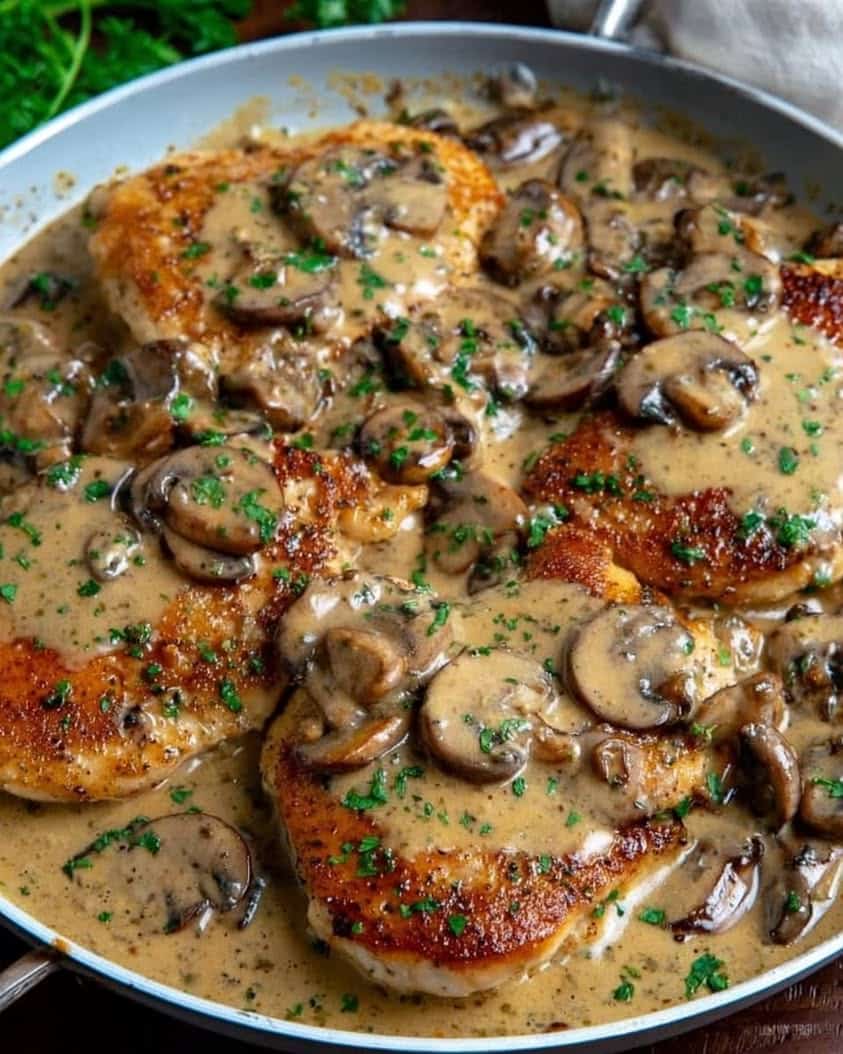
This Chicken and Mushroom Skillet in a Creamy Asiago and Mustard Sauce delivers bold restaurant flavors right from your own kitchen. Therefore, you get tender golden chicken breasts smothered in a velvety pan sauce that tastes like a weekend splurge yet comes together in under an hour. The combination of nutty Asiago cheese, tangy Dijon mustard, and earthy mushrooms creates a sauce that clings beautifully to every bite of chicken. Moreover, this one-pan wonder keeps cleanup to a minimum, which makes it perfect for busy weeknights.
If you love creamy chicken recipes, this Chicken and Mushroom Skillet in a Creamy Asiago and Mustard Sauce will quickly become a family favorite. The sauce balances richness with a subtle sharpness from the mustard, so each spoonful feels bright rather than heavy. Additionally, fresh thyme and garlic add warm aromatic notes that fill your kitchen with an irresistible aroma. Because the entire dish cooks in a single skillet, the flavors build on one another and create a deeply savory result. You simply sear the chicken, saute the mushrooms, and whisk together a luscious cream sauce in the same pan.
Many home cooks shy away from pan sauces because they fear curdling or bland results. However, this recipe walks you through each step with clear visual cues, so you can master the technique with confidence. The Asiago melts smoothly into the cream, while the mustard emulsifies the sauce and prevents separation. Meanwhile, the mushrooms soak up butter and garlic, adding a meaty texture that complements the chicken. By the time you plate this dish, you will feel like a seasoned chef. Serve it over pasta, mashed potatoes, or crusty bread to soak up every drop of that creamy Asiago and mustard sauce.
Quick Recipe Highlights
- Flavor Profile: The sauce delivers a rich, savory taste with nutty Asiago, sharp Dijon mustard, and earthy mushrooms. A hint of white wine adds acidity that balances the cream. Fresh thyme rounds out the flavor with a subtle herbal note.
- Texture: Golden seared chicken stays juicy and tender beneath a thick, velvety sauce. Sauteed mushrooms provide a meaty bite, while the creamy sauce coats your tongue smoothly. Each forkful offers a satisfying contrast between the firm chicken and silky sauce.
- Aroma: Garlic and thyme release warm, inviting scents as they hit the hot skillet. The Asiago adds a tangy, nutty fragrance that deepens as the sauce simmers. Your kitchen will smell like a cozy bistro within minutes.
- Visual Appeal: The dish features a golden-brown chicken breast resting in a pale ivory sauce flecked with mushrooms and green thyme. A sprinkle of fresh parsley adds a pop of color. The glossy sauce reflects light and looks deeply appetizing on the plate.
- Skill Level Needed: This recipe suits confident beginners and intermediate cooks who can sear chicken and whisk a sauce. You need basic knife skills for slicing mushrooms and mincing garlic. Following the temperature cues ensures success even on your first attempt.
- Special Equipment: A large stainless steel or cast iron skillet works best because it develops fond for the sauce. A wooden spoon or whisk helps scrape up browned bits. An instant-read thermometer guarantees perfectly cooked chicken every time.
Recipe Overview
- Difficulty Level: This recipe lands in the easy to intermediate range because it involves two core techniques: searing and sauce making. Searing chicken requires patience and a hot pan, while the sauce needs steady whisking to prevent lumps. However, both skills come quickly with practice, and the recipe includes timing cues that guide you along. Most home cooks master this dish on the first or second try.
- Category: This dish qualifies as a main course centerpiece for dinner. It also works as a skillet supper that bridges casual weeknights and elegant dinner parties. You can pair it with starches and vegetables to build a complete meal.
- Cuisine: The recipe draws from French bistro cooking, where pan sauces with cream and mustard appear frequently. Italian influences shine through the Asiago cheese, a aged cow’s milk cheese from the Veneto region. American home cooking adopts these traditions into a single-skillet format. The result blends European technique with practical weeknight convenience.
- Cost: The main costs come from chicken breasts, cremini mushrooms, and Asiago cheese, which together run about twelve to fifteen dollars for four servings. Pantry staples like Dijon mustard, garlic, cream, and thyme add only a few dollars more. Overall, you feed four people a restaurant-quality meal for under twenty dollars.
- Season: This dish works beautifully in fall and winter when comfort food cravings peak. The earthy mushrooms and creamy sauce feel warming on cold evenings. However, you can enjoy it year-round because the ingredients remain widely available. Spring and summer versions benefit from fresh herbs and a squeeze of lemon.
- Occasion: Serve this skillet for weeknight family dinners, date nights at home, or casual dinner parties with friends. The presentation looks impressive enough for guests yet requires minimal effort. It also suits holiday gatherings when you want a comforting main dish without hours of work.
Why You’ll Love This Recipe
The taste and texture appeal of this Chicken and Mushroom Skillet in a Creamy Asiago and Mustard Sauce makes it an instant crowd-pleaser. Each bite delivers juicy chicken coated in a sauce that balances creaminess with tangy mustard and nutty cheese. The mushrooms add a hearty, meaty quality that makes the dish feel substantial without extra meat. Furthermore, the sauce texture lands somewhere between gravy and velvet, clinging to the chicken rather than pooling on the plate. This combination of flavors and textures keeps everyone coming back for seconds.
Convenience and preparation benefits set this recipe apart from other creamy chicken dishes. You need only one skillet, which means fewer dishes and faster cleanup after dinner. Additionally, the ingredient list uses common items found at any grocery store, so you avoid specialty shopping trips. The entire meal goes from fridge to table in about forty minutes, which fits even the busiest weeknight schedule. Meanwhile, you can prep ingredients while the chicken sears, saving even more time.
Nutritional advantages make this creamy Asiago chicken dish a smart choice for balanced eating. Chicken breasts provide lean protein that supports muscle maintenance and keeps you full longer. Mushrooms add fiber, B vitamins, and antioxidants for very few calories. Although the sauce contains cream and cheese, you control the portions and can lighten it with half-and-half if desired. Therefore, the dish fits into a mindful eating plan without feeling restrictive.
Social and entertaining value runs high with this recipe because it looks and tastes like a special occasion meal. When guests arrive, the aroma of garlic and thyme sets a welcoming mood immediately. You can present the skillet right at the table and let guests serve themselves, which adds a casual elegance to the meal. Moreover, the dish pairs well with wine, making it ideal for dinner parties. Hosts love that they can socialize instead of hovering over the stove.
Cost-effectiveness and accessibility make this Chicken and Mushroom Skillet in a Creamy Asiago and Mustard Sauce a practical choice for everyday cooking. The ingredients cost a fraction of what a steakhouse dinner would run, yet the result feels equally indulgent. Chicken and mushrooms remain affordable staples at nearly every supermarket. Meanwhile, the recipe scales easily for larger gatherings without breaking your budget. In short, it delivers maximum flavor for minimal cost.
Historical Background and Cultural Significance
The origin story of creamy mustard chicken sauces traces back to French cuisine, where cooks have paired Dijon mustard with cream for centuries. Classic French dishes like poulet a la moutarde inspired generations of chefs to build pan sauces from the fond left after searing meat. Additionally, the technique of deglazing with wine and finishing with cream became a hallmark of bistro cooking in Lyon and Paris. When Italian immigrants brought Asiago cheese to America, creative home cooks began blending these traditions. Thus, the modern chicken and mushroom skillet with Asiago and mustard was born from cross-cultural culinary exchange.
Cultural importance surrounds this dish because it represents the marriage of French technique and Italian ingredients. In French homes, mustard cream sauces appear on weeknight tables and Sunday suppers alike. In Italy, Asiago ranks among the most beloved grating cheeses, especially in the northern regions. When you cook this recipe, you participate in a long tradition of home cooks transforming simple ingredients into memorable meals. Consequently, the dish carries a sense of heritage while remaining completely approachable.
The evolution of this recipe reflects broader changes in American home cooking. During the mid-twentieth century, creamy chicken dishes became popular through community cookbooks and women’s magazines. As cooks grew more adventurous, they replaced basic cream of mushroom soup with scratch-made pan sauces. Furthermore, the farm-to-table movement of the 2000s encouraged home cooks to use quality mushrooms and artisan cheeses. Today, the dish sits comfortably between comfort food and elevated cuisine, which explains its enduring popularity.
Regional variations of the recipe appear across different culinary traditions. In the American South, cooks add a splash of bourbon and serve the chicken over grits. Meanwhile, Midwestern versions often include a sprinkle of paprika and a side of egg noodles. In Italy’s Veneto region, locals might fold in speck and serve the sauce over polenta. Additionally, Scandinavian cooks use a similar mustard cream sauce with dill for poached fish. These variations show how one foundational idea adapts to local tastes and ingredients.
Ingredient Deep Dive
Boneless skinless chicken breasts form the heart of this creamy Asiago chicken recipe. Culturally, chicken has served as a universal protein across nearly every cuisine because it takes on flavors readily and remains affordable. Nutritionally, chicken breasts deliver high-quality protein with minimal saturated fat, supporting muscle growth and satiety. When you shop, look for breasts of even thickness so they cook uniformly; you can pound them to a consistent half-inch. Store raw chicken in the coldest part of your refrigerator and use it within two days of purchase. If you need a substitute, boneless thighs work beautifully and stay extra juicy.
Cremini mushrooms bring earthy depth and meaty texture to the dish. These brown mushrooms, also called baby bellas, hold a place in European cooking traditions dating back to Roman times. They supply selenium, potassium, and vitamin D, plus antioxidants that support immune health. Choose mushrooms that feel firm and dry with no dark spots, and avoid packages with condensation. Keep them refrigerated in a paper bag for up to a week. In a pinch, white button mushrooms work, though cremini offer richer flavor.
Asiago cheese gives this recipe its signature nutty, savory character. Aged Asiago, called Asiago d’allevo, brings a sharp, aged flavor to sauces, and the Veneto region of Italy has produced it for over a thousand years. The cheese contains calcium and protein, and aging concentrates its flavor so a modest amount goes far. Select a wedge with a firm texture and a nutty aroma, and grate it fresh for the smoothest melt. Wrap leftover Asiago tightly and refrigerate it for up to three weeks. If you cannot find Asiago, substitute Parmesan or Grana Padano with excellent results.
Dijon mustard provides the tangy backbone that keeps the sauce from tasting flat. French cooks have made Dijon since the seventeenth century, and its smooth texture and clean heat set it apart from yellow mustard. The condiment contains selenium and adds complexity without fat. Look for Dijon made in France, which follows strict methods that ensure quality. Store it in a cool cupboard and use within several months of opening. Whole-grain mustard offers a suitable swap with a bit more texture and less heat.
Heavy cream builds the silky body of the sauce and carries the Asiago and mustard flavors across your palate. Cream appears in countless European sauces, from French beurre blanc to Italian cream sauces for pasta. It delivers fat and calories, so portion control matters, yet it also provides vitamin A and a satisfying mouthfeel. Buy fresh cream and check the expiration date carefully. Keep it refrigerated and use within a week. For a lighter sauce, half-and-half works, though you should simmer gently to prevent curdling.
Common Mistakes to Avoid
- Adding cream to a scorching pan causes curdling and a grainy sauce, so lower the heat first. Let the pan cool for a minute before you pour in the cream. Stir constantly to keep the sauce smooth.
- Overcrowding the skillet when searing chicken traps steam and prevents browning. Cook the chicken in batches if your pan feels crowded. Adequate space ensures a golden crust and better flavor.
- Skipping the pat-dry step on chicken leaves excess moisture on the surface. Wet chicken steams rather than sears, and it will not develop the golden color you want. Always blot the breasts dry with paper towels before seasoning.
- Slicing mushrooms too thin makes them shrivel and lose their meaty character. Cut them into quarter-inch slices, which hold their shape. Thick slices also brown better in the pan.
- Stirring mushrooms constantly prevents them from developing color, so let them sit undisturbed for a few minutes. Good browning develops deep flavor. Patience at this step rewards you with richer taste.
- Grating cheese too far in advance causes it to clump and melt unevenly. Grate it right before you add it to the sauce. Freshly grated cheese also carries better flavor.
- Using high heat under the cream sauce risks scorching the bottom of the pan and creating a burnt taste. Keep the heat at medium-low once the cream goes in. Gentle simmering thickens the sauce safely.
- Ignoring the sauce’s salt level leads to oversalting because Asiago and mustard both bring sodium. Taste the sauce before you add salt, and adjust carefully. A pinch at a time keeps the balance right.
- Overcooking the chicken dries out the meat and makes it tough. Pull the chicken at 165 degrees Fahrenheit and let carryover cooking finish the job. A thermometer removes all the guesswork.
- Neglecting to scrape the browned bits from the bottom of the pan wastes incredible flavor. Those browned bits, called fond, dissolve into the sauce and deepen its taste. Use wine or broth and a wooden spoon to lift them.
Essential Techniques
Proper searing matters because it creates the golden crust and the deeply flavored fond that defines the finished dish. To master it, heat your skillet over medium-high heat until a drop of water sizzles and evaporates, then add oil and pat-dried chicken. Press the chicken gently so it makes full contact with the pan, and leave it alone for four to five minutes. A common pitfall involves moving the chicken too early, which tears the crust. Instead, watch for a deep golden color along the edges as your visual cue that the meat releases naturally.
Deglazing transforms a sticky pan into a foundation for a silky sauce, and it ranks as one of the most valuable skills in pan cooking. After you remove the chicken, pour white wine or broth into the hot skillet and scrape the browned bits loose with a wooden spoon. Let the liquid bubble and reduce by half so the alcohol cooks off and the flavors concentrate. Skipping or rushing this step leaves a sharp wine taste or dull sauce. Bubbles slowing to a gentle simmer signals that reduction is complete.
Building the cream sauce requires patience and steady whisking so the cheese melts evenly and the cream thickens without breaking. Reduce the heat to medium-low, stir in the cream slowly, and whisk constantly while you add the grated Asiago in small handfuls. A common pitfall involves dumping cheese in all at once, which creates clumps instead of a smooth sauce. Watch for a light coating on the back of a spoon, which signals the ideal consistency for serving.
Resting the chicken after searing preserves juices and keeps every slice tender when you return it to the sauce. Place the cooked breasts on a plate and tent them loosely with foil for five to ten minutes while you build the sauce. Skipping the rest allows juices to run out during slicing and leaves the meat drier. Your visual cue is simple: the chicken should feel warm, and any juices on the plate should look slightly pink before settling clear. Resting also frees your attention for the sauce.
Pro Tips for Perfect Chicken and Mushroom Skillet in a Creamy Asiago and Mustard Sauce
Pound the chicken breasts to an even half-inch thickness so they cook quickly and evenly without drying out at the edges. Even thickness also helps them fit the skillet neatly during searing.
Season the flour coating with salt, pepper, and a pinch of garlic powder to build flavor from the very first layer. A light dusting of flour also promotes browning and helps thicken the final sauce.
Use a skillet wide enough that the chicken and mushrooms sit comfortably without overlapping, which guarantees proper browning rather than steaming. If your skillet feels small, cook in two batches.
Let the wine bubble for a full minute before adding cream so the alcohol cooks off completely and leaves only a mellow acidity behind. Too short a reduction can taste harsh.
Add the mustard after the cream and cheese, whisking it in gently so its bright tang stays prominent. Cooking mustard at high heat dulls its flavor, so save it for the final stage.
Taste and adjust the sauce before you return the chicken, since the cheese and mustard vary in saltiness between brands. A small pinch of sugar can rescue a sauce that tastes too sharp.
Return the rested chicken to the skillet just long enough to warm through, about two minutes, so it does not overcook in the sauce. Spoon sauce over the top to coat it evenly.
Garnish with fresh parsley and a final crack of black pepper right before serving for color and a fresh bite. A few shavings of Asiago on top add a dramatic finish.
Variations and Adaptations
Regional variations of this creamy Asiago chicken dish let you travel through flavor without leaving your kitchen. A French-style version adds a tablespoon of whole-grain mustard and a splash of cognac alongside the wine for deeper complexity. Tuscan cooks might fold in sun-dried tomatoes and baby spinach for color and sweetness. Southern versions serve the sauce over stone-ground grits with a dash of hot sauce for a gentle kick. Choose any of these paths and the core technique stays the same.
Seasonal adaptations keep the dish fresh throughout the year. In autumn, add sliced apples or pears with the mushrooms for a sweet-savory note that echoes the harvest. Winter versions benefit from a pinch of nutmeg and a side of roasted root vegetables. Spring brings fresh peas and tarragon to lighten the sauce, while summer welcomes cherry tomatoes and a squeeze of lemon at the end. The skillet adapts to whatever the market offers.
Dietary modifications make the recipe accessible to more eaters. Swap chicken for portobello caps or thick slices of cauliflower to create a vegetarian main dish. Use coconut cream and a dairy-free cheese alternative for a lactose-free version, and whisk them gently to avoid separation. For a lower-carbohydrate approach, serve over zucchini noodles or roasted cabbage steaks instead of pasta. Each adaptation preserves the creamy Asiago and mustard character that defines the dish.
Flavor variations expand the recipe in playful directions. Add smoked paprika and a handful of chorizo for a Spanish-inspired take. Stir in a spoonful of pesto at the end for a basil-forward twist, or finish with truffle oil for an indulgent touch. Horseradish replaces part of the Dijon for a punchy kick that pairs well with beef, if you swap the protein. Taste as you go and adjust the seasonings to your preference.
Texture modifications let you adjust the dish to different preferences. Puree half the mushrooms with the sauce for a smoother, more refined result, or leave everything chunky for a rustic feel. Add crispy pancetta or crumbled bacon at the end for crunch. A sprinkle of toasted panko on top lends crunch to an otherwise soft dish. These small changes keep the recipe interesting across many repeat meals.
Presentation alternatives suit any table. Serve the creamy Asiago chicken over wide pappardelle, and the sauce coats the ribbons beautifully. For a low-carb plate, use mashed cauliflower or spaghetti squash. A side of crusty sourdough makes a casual meal from the same skillet. Choose the pairing that fits your evening.
Serving and Presentation Guide
Plating techniques make this skillet dish shine, so spoon the creamy sauce first and nestle the chicken on top. Let the sauce pool slightly at the edges for a generous, restaurant-style look. Use a wide shallow bowl rather than a deep plate so the colors and textures show clearly.
Garnishing ideas include fresh parsley, snipped chives, or a few sprigs of thyme placed on the chicken. A scatter of extra grated Asiago melts slightly from the heat of the sauce. Lemon zest adds brightness, and cracked black pepper finishes the look with a rustic touch.
Traditional accompaniments include buttered egg noodles, herbed rice pilaf, or creamy mashed potatoes. Each grabs the sauce and carries it to your fork. For a vegetable, choose green beans, roasted broccoli, or a crisp green salad with a vinaigrette, which cuts through the richness beautifully.
Modern serving suggestions lean toward bold vegetables like charred broccolini or roasted Brussels sprouts. A warm grain bowl with farro or wild rice turns the dish into a heartier meal. Sliced cherry peppers or quick-pickled onions add a trendy tang. However you plate it, keep the sauce central to the presentation.
Temperature considerations matter because creamy sauces taste best hot but not boiling. Serve the dish within five minutes of finishing so the sauce stays glossy and the chicken stays juicy. Warm the plates if you can, since warm plates keep the sauce from congealing. A cold plate changes the texture quickly.
Portion control tips help you serve four balanced servings without overfilling plates. Use about one chicken breast and a quarter of the sauce per person, then heap on the vegetables. A slice of crusty bread counts as an extra portion, so plan accordingly. If guests want seconds, offer extra sauce over a small spoon of rice.
Wine and Beverage Pairing
Wine pairings for this creamy Asiago chicken center on acidity that cuts through the rich sauce. A crisp, unoaked Chardonnay from Burgundy offers brightness without overpowering the delicate cream. Alternatively, a Sauvignon Blanc from New Zealand brings citrus notes that complement the mustard. Red lovers can reach for a light Pinot Noir, which pairs well with the mushrooms without clashing with the cream. Avoid heavily oaked wines, which can make the sauce taste bitter.
Non-alcoholic alternatives include sparkling water with lemon and fresh herbs, iced tea with a touch of honey, or a sparkling apple cider. Each offers acidity and refreshment that balances the dish. A homemade shrub mixed with soda water adds tang and looks festive in a glass. These choices suit guests who skip alcohol without any sense of compromise.
Coffee and tea pairings might seem unusual, but they deserve a spot at the table. A light-bodied black tea or a green tea with jasmine lifts the palate between bites. For dessert afterward, a mild coffee balances the richness of the meal. Ignore the idea that tea only accompanies afternoon snacks; these gentle drinks refresh beautifully alongside creamy dishes.
Temperature considerations apply to beverages too, so serve white wines well chilled but not icy, around 45 to 50 degrees Fahrenheit. Red wines taste best slightly below room temperature. For water, offer still or sparkling with plenty of ice. Refreshing, cool drinks keep your palate ready for the next creamy bite.
Serving suggestions include pouring wine in stemmed glasses to activate the aromas. Set the bottle on the table for casual gatherings or pour at the counter for a more formal feel. Offer tasting pours so guests can compare pairings. A simple carafe of cold water works wonders for keeping palates balanced all evening.
Storage and Shelf Life
Storage methods for leftovers begin with dividing rice and chicken into separate containers. Transfer the chicken and mushrooms to a shallow airtight container and pour the sauce over them so the chicken stays moist. Store the rice separately, since it absorbs sauce and loses its texture. Keep watercress or any fresh green garnish out of the storage container; add it fresh when reheating.
Temperature requirements for food safety start at refrigeration temperatures of 40 degrees Fahrenheit or below. Place the containers in the coldest part of the fridge rather than in the door. Store leftovers for no more than four days to ensure quality and safety. A thermometer in your fridge gives you peace of mind.
Container recommendations include glass containers with locking lids, which resist stains and reheating safely. Choose containers sized to the portion rather than one giant bowl, which cools too slowly. Silicone bags work for the chicken if you plan to freeze it. Label everything with the date so you remember when to use it.
Signs of spoilage include a sour smell, a grainy or separated sauce, or any hint of mold. The rice will smell stale and feel hard when it has turned. Trust your nose and dispose of anything questionable. When in doubt, throw it out rather than risk getting sick.
Reheating instructions keep the dish tasting fresh, so place the chicken and sauce in a skillet over medium-low heat with a splash of cream or water. Cover and heat gently until steaming, stirring occasionally. Microwave heating also works if you use lower power and stir every thirty seconds. Heat rice separately with a splash of water to restore moisture.
Freezing guidelines allow storage for up to three months, though the sauce texture may change slightly. Freeze the chicken in the sauce in a freezer bag, press out the air, and lay it flat. Thaw overnight in the refrigerator before reheating gently. The mushrooms may soften further, so consider making a fresh batch for a special dinner instead.
Make Ahead Strategies
Spacing out your prep eases the cooking timeline so dinner comes together calmly. Slice the mushrooms and grate the cheese a day in advance, storing each in its own container. You can also trim and pound the chicken the morning before, wrapping it individually. Ten minutes of prep the night before saves plenty of time at dinner.
Storing between steps matters for food safety, so refrigerate prepped ingredients promptly if you are not returning to them within a couple of hours. Place mushrooms in a sealed container with a paper towel to absorb moisture. Keep the grated cheese in a zip-top bag. The chicken should stay in the fridge until you are ready to sear it.
Quality impact assessment shows that most elements of this dish actually improve with a short rest. The sauce thickens and the flavors mingle if you cook the dish a few hours ahead and then gently reheat it. However, the chicken can dry out if you reheat it too long, so use low heat and a splash of cream. Overall, this allows you to cook the recipe during a quiet window and serve it later with minimal fuss.
Transporting without assembling matters for potlucks and dinners at other homes. Cook the chicken and sauce through the final step, then pack them in a sealed glass container with a lid. Pack the rice and vegetables separately. Reheat everything at your destination right before serving so the textures stay true.
Assembly tips keep the dish looking its best after reheating, so reheat the sauce separately from the chicken if possible. Wipe the edges of the bowl clean and finish with fresh parsley. A small shaving of Asiago refreshed on top restores the presentation. The dish will look like you just cooked it.
Reheating guidelines remind you to warm gently rather than blast the microwave on high. A skillet on the stovetop gives you control and lets you stir the sauce as it heats. Add a splash of cream to loosen the sauce first. Watch for the sauce to shimmer, which signals it is ready to serve.
Fresh element additions revive leftovers beautifully, so add fresh herbs, lemon zest, and a little extra cheese just before serving. A handful of baby spinach tossed through the hot rice adds color and nutrition. Toasted panko adds crunch and makes the dish feel new. These adjustments take just a minute and bring the dish back to life.
Scaling Instructions
Halving the recipe works easily because all the ingredients divide cleanly, though you may want a smaller skillet to keep the chicken and mushrooms crowded appropriately. Use six ounces of cream and half the cheese, and simmer the sauce less time because the smaller volume reduces faster. An instant-read thermometer becomes even more important when cooking fewer pieces, since the timing shifts.
Doubling or tripling the recipe demands a wider pan or two skillets rather than layering everything in one pan. If you crowd the pan, the chicken steams instead of sears and the sauce turns pale. Cook the chicken in batches if you double the recipe, and add a few extra minutes for the sauce to thicken. A large rondeau pan handles a triple batch comfortably.
Equipment adjustments include using a larger stainless steel skillet for double batches and a stockpot for simmering the sauce. A wide, heavy-bottomed pan distributes heat evenly and prevents scorching. Wooden spoons and whisks in two sizes make stirring easier. Check that your largest burner matches the pan size.
Timing modifications apply because a double batch takes longer, potentially fourteen minutes rather than ten. Add a couple of minutes for searing in batches and a few more minutes for the sauce to thicken. Keep a thermometer handy and check the chicken early. More sauce takes time to reduce, so be patient.
Storage considerations matter because large batches create lots of leftovers, so divide them into meal-sized containers rather than one huge pot. Cool food quickly before refrigerating it, and label it with the date. Save a portion for the freezer if you make more than you will eat in four days. Smaller portions reheat more evenly than a giant container.
Nutritional Deep Dive
The macro breakdown for each serving centers on protein, fat, and carbohydrates. Each serving delivers roughly 35 to 40 grams of protein from the chicken and cheese, along with about 30 grams of fat and 10 grams of net carbs from the flour, wine, and vegetables. The majority of the fat comes from cream and cheese, which makes the dish satiating. Actual values vary with portion size and brands.
Micronutrient analysis shows strong contributions to several key nutrients. Chicken provides B vitamins, selenium, and zinc, while mushrooms add vitamin D, potassium, and antioxidants. Asiago and cream supply calcium and vitamin A. You also gain iron and phosphorus from the cheese and chicken, and small amounts of vitamin C from garlic. The dish covers a wide nutritional base.
Increasing vegetables reinforces the foundational goal, which guides the entire recipe. Your support strengthens each step, and I remain grateful to every reader who tries this dish or anyone who follows the recipe.
Dietary Adaptations
Gluten-free adaptations require one simple swap: replace the flour with a gluten-free flour blend or a teaspoon of cornstarch mixed with water. Check that your wine and broth carry gluten-free labels as well. The rest of the recipe already qualifies as gluten-free. Keep all surfaces, pans, and utensils clean to avoid cross-contact with wheat.
Dairy-free adaptations mean replacing the cream and Asiago with plant-based alternatives. Use coconut cream or cashew cream in place of dairy cream, and choose a dairy-free grated cheese such as a cashew-based mozzarella. Watch for curdling by whisking gently and keeping the heat low, because coconut milk may split at high temperatures. The result still tastes creamy, though the flavor shifts toward coconut or nuts.
Vegan adaptations follow from the dairy-free path by also swapping the chicken for tofu, chickpeas, or thick-sliced portobello mushrooms. Use a vegan Dijon mustard to be certain of the ingredients, and select a plant-based cheese that melts smoothly. Cook the chicken-sized pieces of tofu or mushrooms until golden before building the sauce. Add a tablespoon of nutritional yeast for extra savory depth.
Low-carb and keto adaptations drop the flour coating and serve the dish over cauliflower rice or zucchini noodles. Use heavy cream as written because it fits low-carb macros, and choose a full-fat cheese. The protein and fat keep you satisfied. Watch portion sizes on the cheese if you track macros closely.
Paleo adaptations skip the cheese and flour entirely, using full-fat coconut milk for the sauce and a pinch of nutritional yeast for depth. Thicken with arrowroot powder instead of flour. Choose a clean-ingredient mustard with no additives. The result tastes lighter but still creamy.
Low-FODMAP adaptations require a few careful swaps. Use garlic-infused oil for garlic flavor, since actual garlic can upset sensitive stomachs. Choose canned lentils instead of mushrooms to reduce fodmaps while adding protein, or keep mushrooms to a small portion if you tolerate them. Use an aged cheese like Asiago, which contains little lactose because aging removes it.
Other specific diets allow swaps for Mediterranean, Whole30, or gluten-free plans with small changes. The base recipe already contains mostly whole foods. Adjust the fat and starch to match your plan. Consult a nutrition professional if you have medical concerns.
Troubleshooting Guide
Texture issues include a thin sauce or a grainy one, and each has a clear fix. If the sauce seems thin, whisk in a tablespoon of grated cheese and simmer a minute or two to thicken it. A grainy sauce means the cream separated from overheating; a gentle whisk with slightly cooler cream often restores it, though you may need to start a fresh sauce if it curdles badly. Remember that constant whisking and low heat protect the sauce throughout.
Flavor balance problems usually come from too much salt or too little acid. If the sauce tastes salty, add a squeeze of lemon or a splash of extra cream, then adjust slowly. If it tastes flat, a teaspoon of Dijon or a pinch of salt awakens the flavors. Always taste cautiously before adding more.
Temperature problems appear when the pan runs too hot or too cool. If the sauce scorches, transfer it quickly to a clean pan. If the pan feels cold, wait for it to heat fully before adding the chicken. The right heat range leaves your Print
Chicken and Mushroom Skillet in a Creamy Asiago and Mustard Sauce
- Total Time: 45 minutes
- Yield: 4
Description
A one-pan chicken skillet with sautéed mushrooms in a rich and creamy Asiago and mustard sauce. Perfect for a quick and elegant dinner.
Ingredients
- 4 boneless, skinless chicken breasts
- Salt and pepper, to taste
- 2 tablespoons olive oil
- 8 ounces mushrooms, sliced
- 2 cloves garlic, minced
- 1/2 cup chicken broth
- 1/2 cup heavy cream
- 1/2 cup grated Asiago cheese
- 2 tablespoons Dijon mustard
- 1 teaspoon dried thyme
- Fresh parsley, chopped (for garnish)
Instructions
- Season chicken breasts with salt and pepper. Heat olive oil in a large skillet over medium-high heat. Cook chicken until golden brown and cooked through, about 5-6 minutes per side. Remove chicken from skillet and set aside.
- In the same skillet, add mushrooms and cook until softened and browned, about 5 minutes. Add garlic and cook for 1 minute until fragrant.
- Pour in chicken broth and scrape up any browned bits. Bring to a simmer and cook until reduced by half, about 2-3 minutes. Reduce heat to low and stir in heavy cream, Asiago cheese, Dijon mustard, and thyme. Cook until cheese is melted and sauce is slightly thickened, about 2-3 minutes.
- Return chicken to the skillet and spoon sauce over. Simmer for 2-3 minutes to heat through. Garnish with fresh parsley and serve.
Notes
You can customize the seasonings to taste.
- Prep Time: 15 minutes
- Cook Time: 30 minutes
- Method: Main
- Cuisine: American