Flourless Lemon Pistachio Cake: A Bright, Gluten-Free Delight
This Flourless Lemon Pistachio Cake brings together bright citrus and rich, nutty flavor in one beautifully simple dessert. If you love gluten-free baking that never feels like a compromise, this recipe will quickly become a favorite. The cake rises with the help of whipped eggs and ground pistachios, so it stays tender and airy without a single grain of flour. Every slice delivers a sunny lemon punch wrapped in a soft, golden crumb.
What makes this Flourless Lemon Pistachio Cake so special is the balance of textures and tastes. Fresh lemon zest perfumes the batter, while finely ground pistachios add depth and a subtle sweetness. The cake bakes up moist in the center with lightly crisp edges, and a dusting of powdered sugar finishes it with elegance. Whether you serve it for a weekend brunch or a holiday dinner, guests will ask for the recipe before the plates are cleared.
Best of all, this cake comes together with basic techniques and everyday equipment. You do not need a stand mixer or specialty flours. A bowl, a whisk, and a springform pan handle the job. The recipe also welcomes variations, so you can adapt it to your taste or the season. In short, this Flourless Lemon Pistachio Cake proves that gluten-free desserts can be every bit as indulgent and impressive as traditional bakes.
Quick Recipe Highlights
- Flavor Profile: Expect a bold lemon note that stays fresh and never turns bitter. Ground pistachios add a mellow, buttery sweetness that rounds out the citrus. A hint of vanilla ties everything together.
- Texture: The crumb is moist, tender, and slightly dense in the best way. Whipped egg whites keep it light, while the nuts give each bite a gentle richness. The edges turn golden and slightly crisp.
- Aroma: Lemon zest releases a clean, zesty scent as the cake bakes. Toasted pistachios contribute a warm, nutty perfume. Together they fill the kitchen with an inviting, fresh fragrance.
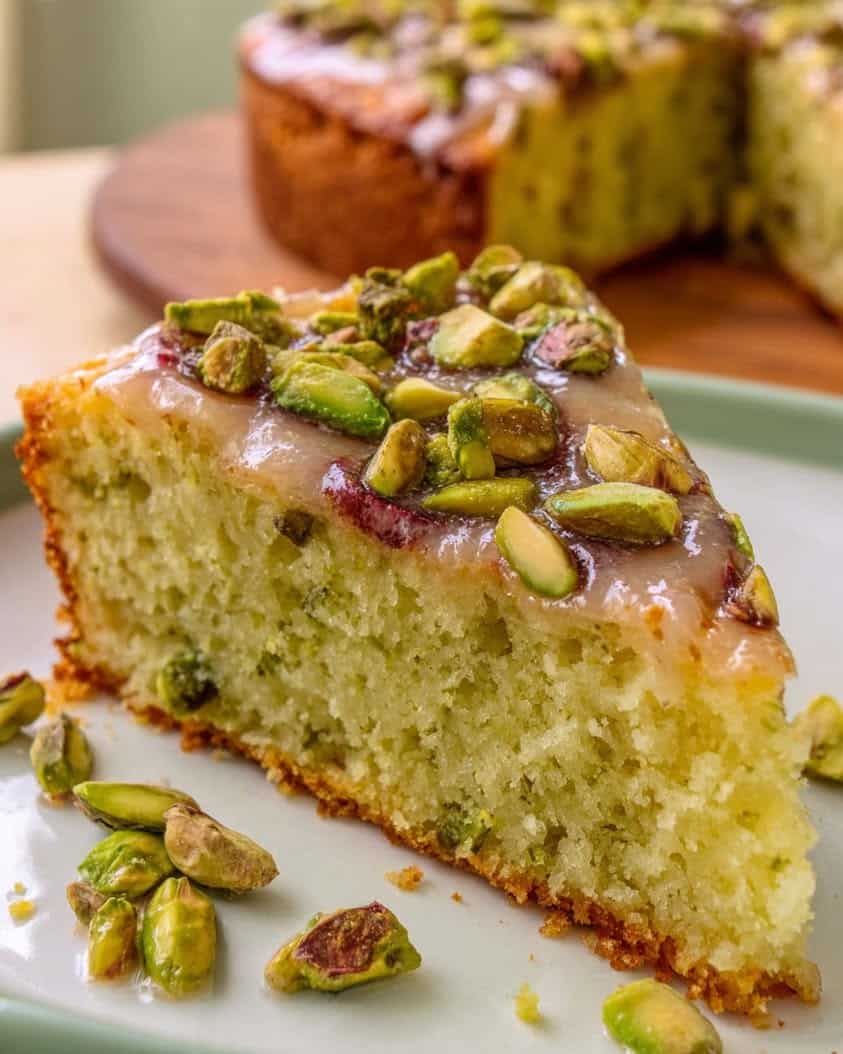
- Visual Appeal: The cake shows off a pale green tint from the pistachios and a golden-brown top. A dusting of powdered sugar adds a snowy finish. A few whole pistachios and lemon slices make a lovely garnish.
- Skill Level Needed: This recipe suits beginners and experienced bakers alike. The steps are straightforward, and the biggest skill involves folding egg whites gently. Anyone comfortable with basic baking will succeed.
- Special Equipment: You need a springform pan for easy release and a food processor for grinding nuts. A whisk and two mixing bowls cover the rest. A fine-mesh sieve helps with the powdered sugar finish.
Recipe Overview
- Difficulty Level: This cake earns an easy rating because the process is forgiving. It uses no yeast, no rising agents beyond eggs, and no complicated laminations. The main challenge is folding whipped egg whites without deflating them. With a light hand, anyone can master it.
- Category: This cake works as a dessert, a coffee-time treat, or even a brunch centerpiece. It fits afternoon tea tables and dinner party finales alike. You can also slice it for a light breakfast with yogurt.
- Cuisine: The recipe draws on Mediterranean baking traditions where nuts replace flour. Italian and Middle Eastern cooks have long used ground nuts in sweets. The lemon and pistachio pairing nods to Sicilian and Persian pastry styles.
- Cost: The main expense comes from shelled pistachios, which run higher than most nuts. Eggs, sugar, butter, and lemons are budget-friendly staples. Overall, the cake costs a moderate amount and serves eight generously.
- Season: This cake shines in spring and summer when lemons peak. Its bright flavor also lifts winter tables when citrus is in season. You can bake it year-round thanks to readily available ingredients.
- Occasion: Serve it for birthdays, baby showers, Easter, or Mother’s Day. It suits potlucks because it travels well. It also makes a thoughtful homemade gift for neighbors and friends.
Why You’ll Love This Recipe
Taste and texture come first with this Flourless Lemon Pistachio Cake. The lemon delivers a clean, lively zing that cuts through the richness of the nuts. Meanwhile, the pistachios bring a soft, rounded sweetness with a whisper of salt. Each bite feels balanced, never cloying. The crumb stays moist for days, and the tender texture makes every forkful satisfying. Even people who normally skip gluten-free desserts come back for seconds.
Convenience sets this recipe apart from fussier cakes. You need one pan and two bowls, and the whole process takes under an hour. There is no flour to sift and no complicated frosting to pipe. Cleanup stays minimal, which matters on busy weeknights. Because the cake keeps well, you can bake it ahead and serve it later without stress. That flexibility makes it a reliable choice for spontaneous gatherings.
Nutritional advantages give this cake extra appeal. Pistachios supply protein, fiber, and healthy fats, so the dessert satisfies longer than sugar-heavy bakes. Eggs add quality protein and essential nutrients. The recipe avoids refined flour entirely, which helps anyone managing gluten sensitivity. While still a treat, the cake offers more substance than typical sponge desserts, and portion sizes stay reasonable.
Social and entertaining value runs high with this Flourless Lemon Pistachio Cake. The pale green crumb and golden top make a striking presentation with almost no effort. Guests notice the homemade touch, and the flavor sparks conversation. You can bake it in advance and plate it simply with whipped cream and berries. Because it looks elegant yet tastes familiar, it suits both casual cookouts and formal dinners.
Cost-effectiveness and accessibility round out the appeal. The ingredient list stays short, and most items already sit in your pantry. Pistachios cost more than flour, but you need only a cup plus a handful for garnish. Compared to bakery cakes, this homemade version saves money and delivers fresher flavor. You can also swap in almonds or hazelnuts when pistachios go on sale, which keeps the recipe flexible and affordable over time.
Historical Background and Cultural Significance
Flourless cakes trace back centuries across the Mediterranean and Middle East. Early bakers in Persia and the Levant ground nuts into sweet confections long before refined flour became common. Pistachios held special status in Persian cuisine, where cooks prized them for color and richness. These nut-based sweets eventually spread through trade routes into Italy, Spain, and beyond. The idea of skipping flour came naturally when nuts were plentiful and wheat was scarce.
In Italian baking, almond and pistachio cakes became regional signatures, especially in Sicily. Sicilian pastry cooks combined local pistachios from Bronte with citrus and eggs to create dense, flavorful cakes. Meanwhile, Jewish communities baked flourless nut cakes for Passover, when leavened and grain-based foods are avoided. These traditions gave flourless baking a place at holiday tables. Over time, the style moved from religious observance into mainstream dessert culture.
The recipe evolved as home ovens improved and food processors became common. Grinding nuts finely at home once required patience and a mortar. Modern appliances made smooth nut meals easy and fast, which encouraged more home bakers to try flourless cakes. Cookbooks from the 1970s and 1980s featured almond and hazelnut versions, and pistachio joined the lineup as the nuts became more widely available. The lemon pairing emerged as a natural match for the nut’s buttery flavor.
Regional variations flourish today. Sicilian versions often include citrus and a touch of almond extract. Middle Eastern bakers may add cardamom or rose water for fragrance. American home cooks embrace the gluten-free angle and often finish the cake with powdered sugar or a lemon glaze. Across all these versions, the core idea stays the same: nuts, eggs, sugar, and citrus create a cake that needs no flour to shine.
Ingredient Deep Dive
Pistachios anchor this Flourless Lemon Pistachio Cake with their distinct flavor and history. These nuts originated in Central Asia and the Middle East, and people have cultivated them for thousands of years. Persian and Sicilian growers remain famous for high-quality crops. Nutritionally, pistachios deliver protein, fiber, vitamin B6, and potassium. They also contain antioxidants that support heart health. When shopping, look for shelled, unsalted nuts with bright green color and no shriveled edges. Store them in an airtight container in the fridge to keep the oils fresh. You can substitute almonds, hazelnuts, or walnuts if needed, though the color and flavor will shift.
For the best results, toast the pistachios briefly before grinding. Toasting deepens the flavor and dries the nuts so they grind evenly. Measure by weight when possible, since volume measures vary. If you buy salted pistachios, reduce any added salt in the recipe. You can also use pistachio flour for convenience, though freshly ground nuts taste brighter. Always grind in short pulses to avoid turning the nuts into paste.
Lemons bring the signature brightness to this Flourless Lemon Pistachio Cake. Citrus cultivation spread from Asia through the Mediterranean and became central to Italian and Middle Eastern cooking. Lemons provide vitamin C and add fragrance through their oils. Choose firm, heavy lemons with thin skin, since the zest carries the strongest flavor. Organic lemons work best for zesting because you avoid pesticide residue. Store lemons in the fridge for up to two weeks, or leave them on the counter for a few days. Bottled juice cannot replace fresh zest here; you need the oils for full aroma.
When zesting, remove only the yellow outer layer and avoid the white pith. The pith tastes bitter and can ruin the cake’s flavor. Zest directly over the sugar to capture the oils as they release. If you lack fresh lemons, you can use Meyer lemons for a sweeter note. A small amount of orange zest can add variety without overwhelming the pistachio.
Eggs provide structure and lift in a flourless cake. Their proteins set during baking, and whipped whites trap air that makes the crumb light. Use fresh, large eggs at room temperature for the best volume. Cold eggs resist whipping, so let them sit out for thirty minutes first. Farm-fresh eggs bring richer flavor, but supermarket eggs work fine. Separate the yolks and whites carefully, since any fat in the whites prevents a stable foam.
Eggs also contribute moisture and richness through their yolks. They carry nutrients like choline and vitamin D. If you need an egg substitute, the cake becomes difficult because eggs do much of the work here. For a vegan version, aquafaba can whip like egg whites, but the texture will change. Test small batches before serving guests a modified cake.
Butter adds flavor and tenderness to this Flourless Lemon Pistachio Cake. Its fat coats the proteins, keeping the crumb soft. European-style butter brings higher fat content and richer taste. Melt the butter gently and let it cool slightly before mixing, so it does not scramble the eggs. Store butter wrapped in the fridge for weeks, or freeze it for months. For a dairy-free option, use a neutral oil like grapeseed, though the flavor will be less rich.
If you prefer browned butter, cook it until the milk solids turn golden and nutty. That step adds a deeper flavor that pairs beautifully with pistachios. However, watch closely, since browned butter burns fast. A gentle melt works for a cleaner lemon-forward taste. Choose based on the flavor profile you want.
Sugar sweetens the cake and helps stabilize the whipped egg whites. Granulated sugar dissolves easily and keeps the crumb tender. You can reduce the sugar slightly if you prefer a less sweet cake, but avoid cutting too much, because sugar affects texture. Superfine sugar dissolves faster and works well here. Store sugar in a sealed container away from moisture. For a lower-glycemic option, coconut sugar adds a caramel note, though it darkens the cake’s color.
Powdered sugar finishes the cake with a light, elegant dusting. It contains a small amount of cornstarch, which prevents clumping. If you need a corn-free version, grind granulated sugar with a bit of arrowroot powder. Dust the cake just before serving, since powdered sugar absorbs moisture and dissolves over time. A fine-mesh sieve gives the most even coating.
Common Mistakes to Avoid
- Overmixing the batter after adding egg whites deflates the foam. Fold gently with a spatula until just combined. Stop as soon as you see no streaks of white.
- Grinding pistachios too long turns them into paste. Pulse in short bursts and scrape the bowl often. Aim for a fine meal, not a butter.
- Skipping the zest leaves the cake flat in flavor. The zest carries the lemon oils that define this dessert. Always zest fresh fruit right before use.
- Undertoasting the nuts means less flavor. Toast them until fragrant and slightly darker, then cool fully before grinding. Warm nuts can clump in the processor.
- Using a cold bowl for egg whites slows whipping. Rinse the bowl with vinegar or lemon juice to remove any grease. Room-temperature whites whip faster and higher.
- Opening the oven too early causes the cake to fall. Wait until the top looks set and a tester comes out clean. Peeking releases heat that destabilizes the rise.
- Baking in a pan that is too small causes overflow. Use a nine-inch springform pan for this recipe. You can also line the bottom with parchment for easy release.
- Letting the cake cool in the pan too long traps steam. Run a knife around the edge after ten minutes. Then release the springform ring to let air circulate.
- Substituting all the sugar with liquid sweeteners throws off the balance. Keep granulated sugar for structure, or make small swaps. Large changes affect both texture and rise.
- Serving cold cake straight from the fridge mutes the flavor. Let slices sit at room temperature for fifteen minutes. The lemon and pistachio aromas bloom as the cake warms.
Essential Techniques
Whipping egg whites to the right stage matters most in this Flourless Lemon Pistachio Cake. Start with clean, grease-free equipment, because any fat prevents foam from forming. Beat on medium speed until soft peaks form, then continue to firm, glossy peaks. The tips should hold a gentle curve, not stand stiff and dry. Dry whites break during folding and leave a dense cake. Watch closely in the final minute, since the change happens fast. A visual cue: when you lift the whisk, the peak should glisten and hold its shape.
Folding preserves the air you worked to create. Use a large spatula and a light hand. Add a third of the whites to the batter first to loosen it, then fold in the rest. Cut down through the center, sweep along the bottom, and lift over the top. Rotate the bowl as you go. Stop when the mixture looks uniform. Overfolding deflates the foam, while underfolding leaves streaks. The batter should look airy and soft.
Grinding nuts evenly ensures consistent texture. Pulse in short bursts and pause to scrape the sides. Aim for a meal that feels like coarse sand. Overprocessing releases oils and creates paste, which weighs down the cake. If you notice clumping, spread the nuts on a sheet and let them dry briefly. A visual cue: the meal should fall loosely from a spoon, not stick together.
Testing for doneness saves the cake from drying out. Ovens vary, so start checking at thirty minutes. Insert a skewer near the center; it should come out with moist crumbs, not wet batter. The top should spring back lightly when pressed. If the cake browns too fast, tent it with foil. A visual cue: the edges pull slightly away from the pan when ready.
Gentle cooling prevents cracks and sinking. Let the cake rest in the pan for ten minutes, then release the ring. Cool fully on a rack before dusting with sugar. Rushing this step traps steam and makes the crumb gummy. A visual cue: the cake feels firm and room temperature to the touch.
Pro Tips for Perfect Flourless Lemon Pistachio Cake
Weigh your ingredients for accuracy. A kitchen scale removes guesswork and keeps the ratios consistent. Volume measures for nuts and sugar vary widely, so grams deliver better results every time.
Zest the lemons directly into the sugar and rub them together. This step releases the citrus oils and spreads them evenly. You will notice a stronger lemon aroma in the finished cake.
Toast the pistachios a day ahead if you can. Cooling them fully makes grinding easier and improves the flavor. Store the cooled nuts in a sealed jar until needed.
Bring eggs to room temperature before whipping. Set them in warm water for ten minutes if you are short on time. Warmer whites whip faster and hold more air.
Line the springform pan with parchment on the bottom. The cake releases cleanly, and cleanup takes seconds. Grease the sides lightly for an even rise.
Check your oven temperature with an inexpensive thermometer. Many ovens run hot or cold by twenty degrees or more. Knowing the true temperature prevents overbaking.
Fold with a silicone spatula rather than a whisk. The broad, flexible surface lifts batter gently. Metal spoons crush the foam and cause deflation.
Dust with powdered sugar just before serving. The coating stays crisp and white instead of dissolving. Add a few whole pistachios for a polished look.
Variations and Adaptations
Regional variations bring new character to this Flourless Lemon Pistachio Cake. Sicilian bakers often add a spoonful of almond extract and extra citrus zest. Middle Eastern cooks may include cardamom or a splash of rose water for fragrance. Greek versions sometimes use olive oil instead of butter for a fruitier note. Each region leans on local ingredients while keeping the nut-and-egg base intact.
Seasonal adaptations keep the cake fresh year-round. In spring, fold in fresh berries and top with whipped cream. During summer, serve it chilled with lemon curd and mint. In fall, swap lemon for orange zest and add a pinch of cinnamon. Winter calls for a drizzle of dark chocolate over the top, which pairs beautifully with pistachio.
Dietary modifications expand the cake’s reach. For a dairy-free version, replace butter with a neutral oil and skip the butter-based glaze. Vegan bakers can try aquafaba in place of egg whites, though the rise will be less dramatic. A lower-sugar version works with a modest reduction and a touch of stevia, but expect a slightly denser crumb. Always test small changes before serving a crowd.
Flavor variations let you customize the profile. Add a teaspoon of vanilla bean paste for depth, or a pinch of salt to sharpen the lemon. Lime zest and coconut flakes create a tropical twist. Orange and almond make a classic pairing that mirrors Mediterranean pastries.
Texture modifications change the mouthfeel. Fold in chopped pistachios for crunch, or add a spoonful of ricotta for a denser crumb. A thin lemon glaze adds moisture and shine. Serve the cake warm for a softer bite or chilled for a firmer slice.
Presentation alternatives suit any table. Bake the batter in mini springform pans for individual servings. Use a bundt pan for a dramatic shape, though you must adjust the bake time. Cut rounds with a biscuit cutter and layer with whipped cream for a elegant plated dessert.
Serving and Presentation Guide
Plating techniques turn a simple slice into a restaurant-style dessert. Place a wedge slightly off-center on a white plate to create visual interest. Add a swoosh of lemon curd or a dollop of whipped cream beside it. A few fresh berries and a scattering of chopped pistachios complete the look. Keep the plate clean by wiping the rim before serving.
Garnishing ideas range from simple to elaborate. A dusting of powdered sugar suits a casual table. For a special occasion, top with candied lemon slices and whole pistachios. Fresh mint leaves add a pop of green. Edible flowers make a lovely spring presentation for showers and parties.
Traditional accompaniments honor the cake’s Mediterranean roots. Serve it with strong espresso or a small glass of limoncello. A spoonful of ricotta or mascarpone adds richness. Fresh fruit like strawberries or raspberries balances the sweetness.
Modern serving suggestions fit contemporary tastes. Pair a slice with Greek yogurt and honey for a lighter dessert. Crumble the cake over ice cream for a quick sundae. Layer slices with lemon mousse for a parfait that impresses guests.
Temperature considerations affect flavor and texture. Serve the cake at room temperature for the fullest lemon aroma. Chilled slices taste firmer and more refreshing in summer. Warm slices bring out the nutty notes, especially if you rewarm gently in the oven.
Portion control tips keep servings neat. Cut thin wedges since the cake is rich. Use a sharp, thin knife and wipe it between cuts. Smaller portions pair well with sides like fruit or cream, which stretches the cake for larger groups.
Wine and Beverage Pairing
Wine pairings should match the cake’s brightness, not overpower it. A glass of Moscato d’Asti brings gentle sweetness and light bubbles that echo the lemon. Dry Prosecco works well too, thanks to its crisp acidity. For a richer option, try a late-harvest Riesling with honeyed notes. Avoid heavy reds, which clash with the delicate citrus.
Non-alcoholic alternatives keep the pairing festive. Sparkling water with lemon and mint refreshes the palate between bites. Iced tea with a slice of lemon offers gentle tannins that complement the nuts. A homemade lemonade with basil adds a herbal twist that suits summer tables.
Coffee and tea pairings bring out different flavors. A light roast coffee highlights the nutty pistachio notes. Espresso cuts through the sweetness with bold intensity. For tea lovers, a cup of Earl Grey adds bergamot that echoes the citrus. Green tea with jasmine keeps the pairing light and floral.
Temperature considerations matter for beverages too. Serve white wines and sparkling options well chilled. Coffee and tea taste best hot but not scalding. Cold drinks should be icy but not diluted, so use plenty of ice or chill the glasses first.
Serving suggestions round out the experience. Offer a choice of two beverages so guests can pick their favorite. Set glasses and cups on a tray near the dessert table for easy access. A small pitcher of lemon water lets guests refresh their palate between servings.
Storage and Shelf Life
Storage methods determine how long the cake stays fresh. Wrap the cooled cake tightly in plastic wrap, then place it in an airtight container. Keep it at room temperature for up to two days. For longer storage, refrigerate it for up to five days. Always cool completely before wrapping to prevent condensation.
Temperature requirements vary by setting. Room temperature suits short-term storage and keeps the crumb soft. The fridge extends shelf life but firms the texture, so let slices warm slightly before serving. Avoid storing the cake near strong odors, since the fats absorb surrounding smells.
Container recommendations focus on airtight seals. A cake keeper with a tight lid works beautifully. If you lack one, invert a large bowl over a plate. For individual slices, use sealed containers with parchment between layers. Glass containers resist odors better than plastic.
Signs of spoilage help you know when to discard. Mold appears as fuzzy spots in green, white, or black. A sour or stale smell signals the cake has turned. Sticky or slimy textures also mean it is time to let it go. When in doubt, throw it out.
Reheating instructions restore freshness. Warm slices in a 300-degree oven for five minutes. A quick pass in the microwave works for single servings, though it softens the crust. Toasting a slice in a skillet brings back crisp edges.
Freezing guidelines extend storage to three months. Wrap slices individually in plastic, then seal in a freezer bag. Thaw overnight in the fridge and warm gently before serving. Freeze the cake without powdered sugar, and dust after thawing for the best look.
Make Ahead Strategies
A prep timeline keeps baking day stress-free. Toast and grind the pistachios a day ahead and store them sealed. Zest the lemons and measure the dry ingredients the night before. On baking day, you simply whip the eggs and mix. This approach cuts active time to twenty minutes.
Storage between steps protects quality. Keep ground nuts in the fridge to preserve their oils. Store zest in a small container with a damp paper towel to prevent drying. Measured sugar and salt can sit covered on the counter overnight.
Quality impact assessment helps you plan. The baked cake tastes best within two days, but it holds well for five in the fridge. Ground nuts lose aroma after a week, so grind close to baking day. Zest loses potency after a day, so freshen it with a quick chop if needed.
Assembly tips streamline serving. Bake the cake a day ahead and store it wrapped at room temperature. Whip cream and prepare garnishes just before guests arrive. Set out plates and forks in advance so serving takes seconds.
Reheating guidelines apply to make-ahead plans. Warm whole cake slices gently in the oven, or serve at room temperature for simplicity. If you froze the cake, thaw it in the fridge overnight and refresh it in a low oven.
Fresh element additions keep make-ahead cakes tasting new. Add whipped cream, berries, or a lemon glaze right before serving. A sprinkle of fresh zest brightens the aroma. These touches make the cake taste freshly baked even after a day or two.
Scaling Instructions
Halving the recipe works for smaller households. Use a six-inch springform pan and reduce the bake time by five to eight minutes. Watch closely, since smaller cakes dry out faster. Keep the egg white folding method the same, and use two eggs instead of four. Leftover pistachios store well for another bake.
Doubling or tripling suits parties and bake sales. Bake in two or three pans rather than one deep pan, so the center sets evenly. Mix each batch separately for the best rise, since large batches are harder to fold. Keep the oven racks centered and rotate pans halfway through.
Equipment adjustments matter when scaling. Bigger batches may need a larger bowl and a second spatula. If your oven runs unevenly, bake one pan at a time. Use a kitchen scale to keep ratios exact across batches.
Timing modifications follow the pan size and batch count. Small pans bake faster, while larger batches take longer overall due to oven load. Test with a skewer early and often. Let each cake cool fully before stacking or wrapping.
Storage considerations change with volume. Multiple cakes need separate wrapping and space in the fridge. Label containers with the bake date so you serve the oldest first. Freeze extra cakes for future events and thaw as needed.
Nutritional Deep Dive
Macro breakdown shows a balanced dessert. Each serving delivers moderate calories, with fat coming mostly from pistachios and butter. Protein from eggs and nuts adds satisfaction. Carbohydrates come from sugar, keeping the total moderate per slice. Portion size keeps the numbers reasonable for a treat.
Micronutrient analysis highlights real benefits. Pistachios supply vitamin B6, potassium, and antioxidants like lutein. Eggs add choline and vitamin D. Lemons contribute vitamin C and small amounts of flavonoids. Together these nutrients support heart health and cell protection.
Health benefits go beyond basic nutrition. The nuts provide fiber that supports digestion. Healthy fats help you feel full, which can prevent overeating. Choosing this cake over a flour-based one may suit people with gluten sensitivity. It still counts as dessert, so enjoy it in sensible portions.
Dietary considerations matter for special groups. The cake contains eggs and dairy, so it is not vegan or dairy-free as written. People with nut allergies should avoid it entirely. Those watching sugar can reduce the amount slightly, though texture may change.
Portion analysis helps with planning. Eight servings keep slices moderate in size. Smaller wedges stretch the cake to twelve servings for a buffet. Pair smaller slices with fruit or yogurt to round out the plate.
Weight management tips keep dessert enjoyable. Serve on small plates to make portions look generous. Eat slowly and savor the lemon and pistachio notes. Pair the cake with protein-rich sides like Greek yogurt to stay satisfied longer.
Dietary Adaptations
Gluten-free eaters can enjoy this cake as written. The recipe uses no wheat flour, so it fits a gluten-free diet naturally. Check labels on packaged ingredients like powdered sugar for cross-contamination. Use a clean food processor if you share a kitchen with wheat bakers.
Dairy-free versions swap butter for a neutral oil. Use grapeseed or canola oil for a clean flavor. Skip butter-based glazes and finish with powdered sugar instead. Check that any add-ins, like chocolate, are dairy-free.
Vegan bakers face a real challenge because eggs do the heavy lifting. Aquafaba can whip like egg whites, and a flax egg can bind. Expect a denser crumb and a slightly different rise. Test the recipe once before serving guests.
Low-carb and keto adaptations require major changes. Replace sugar with a granulated erythritol blend and reduce the amount. The nuts already keep carbs moderate. Expect a firmer texture and a cooling aftertaste from some sweeteners.
Paleo versions can work with careful swaps. Use coconut sugar and grass-fed butter or ghee. Skip powdered sugar and garnish with toasted nuts. The result tastes delicious though slightly darker in color.
Low-FODMAP diets generally allow this cake in small portions. Pistachios contain some FODMAPs, so keep servings modest. Use lactose-free butter substitute if needed. Check each ingredient against your personal tolerance list.
Other diets may need tweaks. Nut-free bakers can try sunflower seed meal, though flavor changes. Sugar-free versions exist but often alter texture. Always test adaptations in small batches before a big event.
Troubleshooting Guide
Texture issues usually trace back to folding or baking. A dense cake means the egg whites deflated, so fold more gently next time. A dry cake points to overbaking, so check early and often. A gummy center suggests underbaking or too much liquid, so test with a skewer.
Flavor balance problems are easy to fix. A bitter taste means pith got into the zest, so zest carefully. A flat taste needs more lemon or a pinch of salt. An overly sweet cake calls for extra zest or a tart serving of berries.
Temperature problems come from oven variance. A cake that browns too fast needs a foil tent. A cake that stays pale may need a higher rack or a longer bake. Always preheat fully and use an oven thermometer.
Equipment challenges have simple solutions. If the springform leaks, wrap the base in foil. If you lack a food processor, chop nuts finely and pulse in a blender. A hand mixer works fine for whipping whites, just add a minute or two.
Ingredient substitutions change results, so adjust expectations. Almonds work in place of pistachios but lose the green color. Oil instead of butter makes a slightly denser cake. Sugar substitutes often need recipe testing, since they behave differently.
Timing concerns resolve with better planning. Start checking the cake five minutes early for safety. Cool fully before dusting to avoid soggy sugar. Let slices rest at room temperature to bring out the best flavor.
Recipe Success Stories
Community feedback shows strong enthusiasm for this Flourless Lemon Pistachio Cake. Home bakers report success on their first try, even without much gluten-free experience. Many say guests never guessed the cake lacked flour. Readers love how the lemon stays bright and the pistachio flavor comes through. Several have made it a regular request at family gatherings.
Variation successes highlight the recipe’s flexibility. One reader added raspberries and called it a summer favorite. Another swapped in orange zest and a dark chocolate drizzle for the holidays. A baker in a high-altitude city adjusted the bake time and shared her notes, helping others in similar kitchens succeed.
Adaptation stories show the cake travels well. A reader baked it for a friend’s baby shower and received requests for the recipe. Another made mini versions for a bake sale and sold out in an hour. One home cook used the cake as a birthday base with lemon curd and berries, and the guests asked for seconds.
Reader suggestions improve the recipe over time. Some recommend adding a pinch of cardamom for warmth. Others suggest serving with mascarpone instead of whipped cream. A few bakers swear by weighing ingredients, and their photos show consistently even crumbs.
Photography tips help the cake look its best online. Natural light flatters the pale green crumb. A simple white plate keeps attention on the slice. Add a few whole pistachios and a lemon twist for color. Shoot slightly above the plate to show the texture.
Frequently Asked Questions
Can I make this Flourless Lemon Pistachio Cake without a food processor? Yes, you can grind pistachios in a blender using short pulses, or chop them finely with a knife and finish with a rolling pin. The texture will be slightly coarser, but the cake still tastes great. Just avoid overprocessing, since heat and friction turn nuts into paste.
How do I know when the cake is fully baked? Insert a skewer near the center and check for moist crumbs rather than wet batter. The top should spring back lightly when pressed. Start testing at thirty minutes, since ovens vary. If the top brown Print
Flourless Lemon Pistachio Cake
- Total Time: 45 minutes
- Yield: 4
Description
A moist and flavorful flourless cake made with ground pistachios and fresh lemon, perfect for gluten-free diets.
Ingredients
- 2 cups shelled pistachios
- 4 large eggs, separated
- 3/4 cup granulated sugar
- 1/4 cup unsalted butter, melted
- 2 lemons, zest and juice
- 1 teaspoon vanilla extract
- 1/2 teaspoon salt
Instructions
- Preheat oven to 350°F (175°C). Grease a 9-inch springform pan and line the bottom with parchment paper.
- In a food processor, pulse pistachios until finely ground but not pasty. Set aside.
- In a large bowl, beat egg yolks with 1/2 cup sugar until pale and thick. Stir in melted butter, lemon zest, lemon juice, vanilla, and ground pistachios.
- In another bowl, beat egg whites with salt until soft peaks form. Gradually add remaining 1/4 cup sugar and beat until stiff peaks form.
- Fold egg whites into pistachio mixture in three additions until fully incorporated.
- Pour batter into prepared pan and smooth top. Bake for 30-35 minutes or until a toothpick inserted comes out clean.
- Cool in pan for 10 minutes, then remove sides and cool completely on a wire rack.
Notes
You can customize the seasonings to taste.
- Prep Time: 15 minutes
- Cook Time: 30 minutes
- Method: Main
- Cuisine: American