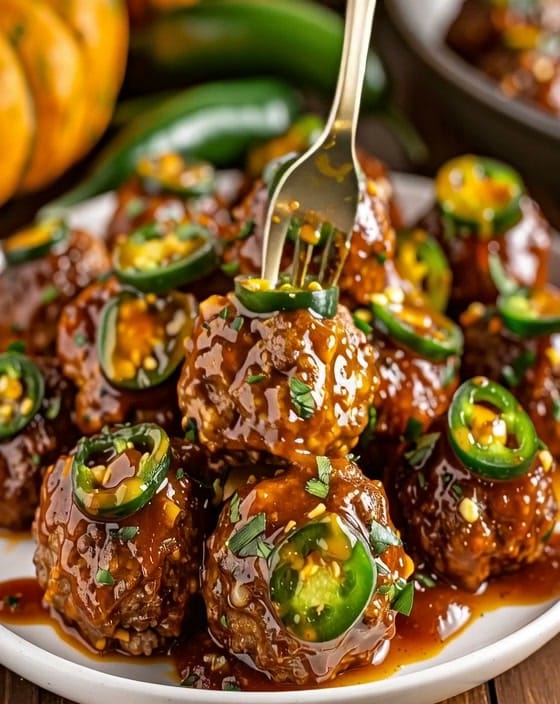
Spicy Pumpkin BBQ Jalapeño Meatballs: A Must-Try Fall Appetizer
If you crave a snack that wakes up your taste buds, this Spicy Pumpkin BBQ Jalapeño Meatballs recipe delivers bold flavor in every bite. These tender little spheres blend sweet pumpkin purée with smoky barbecue sauce and a bright kick of fresh jalapeño. As a result, each meatball balances sweetness, heat, and savory depth in a way that keeps guests reaching for more. The recipe works beautifully as a game-day appetizer, a holiday party bite, or a cozy weeknight dinner over rice. Moreover, it comes together in under an hour with pantry staples you likely already own. Whether you serve them glazed on a platter or simmered in a slow cooker, these Spicy Pumpkin BBQ Jalapeño Meatballs bring serious crowd-pleasing energy to any table.
Fall cooking often leans toward comfort, and this recipe leans in without losing its edge. The pumpkin adds moisture and a subtle earthiness, which keeps the meatballs juicy and tender. Meanwhile, the barbecue sauce caramelizes into a sticky glaze that clings to every surface. The jalapeño, finely minced, delivers fresh heat rather than raw fire. Consequently, even guests who avoid spicy food can enjoy a milder version by removing the seeds. Finally, the whole dish requires one mixing bowl and one skillet, which means less cleanup and more time with your guests.
What makes this recipe stand out is its flexibility. You can shape the meatballs ahead, freeze them for later, or scale the batch for a larger crowd. Furthermore, the flavor profile bridges casual and elegant settings with ease. Serve them on toothpicks for a cocktail hour, or nestle them into a hoagie roll for a hearty sandwich. Because the pumpkin keeps the meat tender, the meatballs stay moist even after reheating. Simply put, this is the kind of recipe that earns a permanent spot in your rotation.
Quick Recipe Highlights
- Flavor Profile: Sweet pumpkin meets smoky barbecue and fresh jalapeño heat. The glaze adds tang and caramel notes that deepen as it reduces. Overall, the flavor stays bold without overwhelming the palate.
- Texture: The meatballs stay tender and juicy thanks to the pumpkin purée. A light sear builds a browned crust, while the sauce coats each piece in a glossy finish. Biting in yields a soft, springy interior that holds together well.
- Aroma: Warm spices, garlic, and smoky barbecue fill the kitchen as the meatballs simmer. The jalapeño adds a grassy, fresh note that cuts through the sweetness. Expect guests to wander toward the stove before you even call them over.
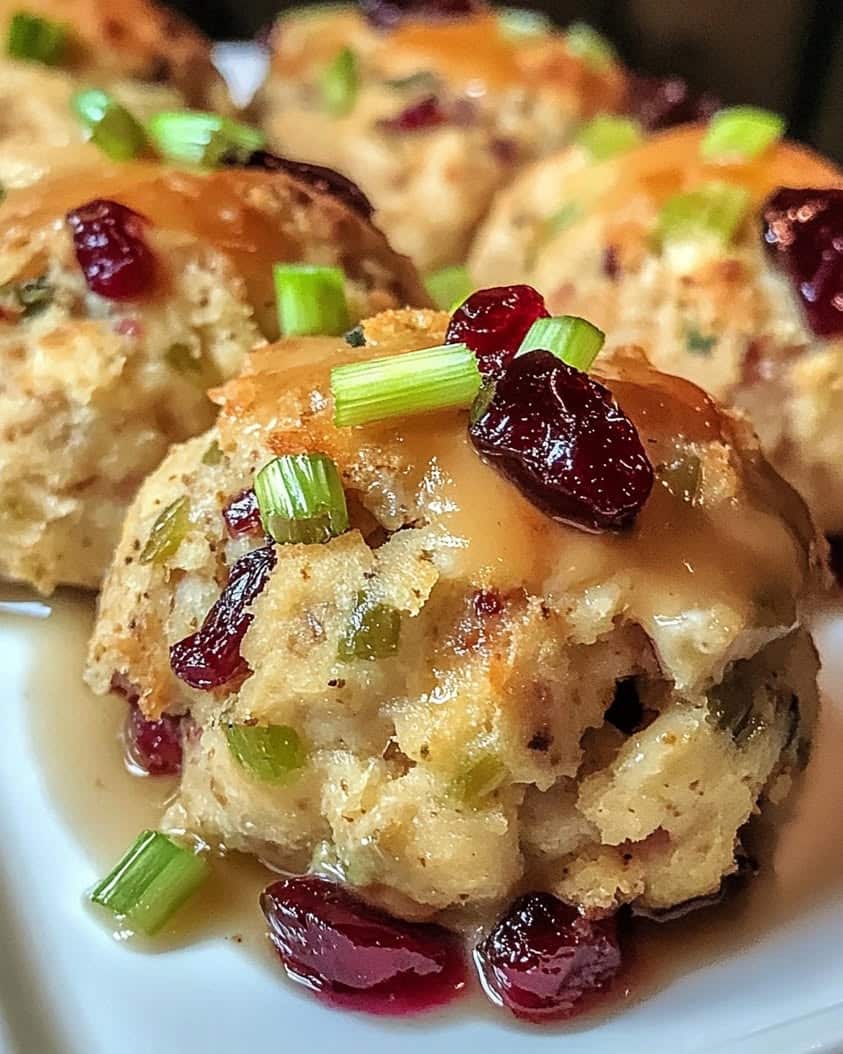
- Visual Appeal: The deep amber glaze gives the meatballs a rich, appetizing shine. A sprinkle of fresh cilantro and sliced jalapeño adds bright green contrast. Arranged on a platter, they look restaurant-ready with almost no effort.
- Skill Level Needed: This recipe suits beginners and experienced cooks alike. Mixing and shaping require no special training, and the sauce comes together in one pan. The only real skill is gentle handling so the meatballs stay tender.
- Special Equipment: A large mixing bowl, a sturdy skillet or Dutch oven, and a sheet pan cover the basics. A cookie scoop helps shape even meatballs quickly. A instant-read thermometer ensures safe internal temperature without guesswork.
Recipe Overview
- Difficulty Level: I rate this recipe as easy because it relies on simple mixing and stovetop work. The steps are forgiving, and the sauce tolerates small timing variations. Beginners can succeed on the first try with basic kitchen tools. The main challenge is shaping uniform meatballs, which a scoop solves instantly.
- Category: This dish works as an appetizer, a main course, or a party snack. Serve it with rice or mashed potatoes for dinner, or skewer it for a buffet. It also shines as a game-day shareable platter.
- Cuisine: The recipe draws on American barbecue traditions with a seasonal pumpkin twist. Jalapeño brings a Tex-Mex influence that adds brightness and heat. Together, these elements create a modern comfort-food hybrid. The result feels familiar yet fresh at the same time.
- Cost: Ground meat, canned pumpkin, and barbecue sauce are budget-friendly staples. A single batch costs roughly the price of a casual takeout meal. Pantry spices and jalapeños add pennies per serving. Overall, it delivers party food at a fraction of catering prices.
- Season: Fall is the natural home for this recipe because pumpkin peaks in flavor and price. However, canned pumpkin makes it a year-round option. The smoky-sweet profile also suits winter gatherings and summer cookouts.
- Occasion: Game days, holiday parties, potlucks, and family dinners all fit this dish. The meatballs travel well in a slow cooker, which makes them ideal for gatherings. They also work as a meal-prep protein for busy weeks.
Why You Will Love This Recipe
First, the taste and texture make this recipe a standout. The pumpkin purée keeps the meat mixture moist, so the meatballs never turn dry or crumbly. Meanwhile, the barbecue glaze reduces into a sticky coating that adds sweetness and tang. The jalapeño introduces fresh heat that lingers without burning. Each bite moves from smoky to sweet to spicy, which keeps the palate engaged. As a result, these meatballs appeal to seasoned eaters and cautious tasters alike, especially when you adjust the jalapeño amount to taste.
Second, convenience sets this recipe apart. You need one bowl for mixing and one skillet for cooking. The ingredient list stays short and mostly pantry-based. Furthermore, the meatballs freeze beautifully, so you can double the batch and stash half for later. Cleanup takes minutes, and the sauce comes together while the meatballs sear. For busy weeknights, that efficiency matters more than almost anything else.
Third, nutrition offers real advantages. Pumpkin adds vitamin A, fiber, and antioxidants to the dish. Lean ground turkey or chicken keeps the fat content moderate, and the jalapeño contributes vitamin C. Because the meatballs bake or sear rather than deep-fry, they avoid heavy oil absorption. Consequently, you get comfort food with a lighter footprint, and the portion size stays reasonable when paired with vegetables.
Fourth, social value makes this dish a host favorite. Meatballs are inherently shareable, and the skewer format keeps hands free at parties. The recipe scales easily for a crowd, and a slow cooker keeps them warm for hours. Guests often ask for the recipe before dessert arrives. In short, it turns a simple appetizer into a conversation starter.
Fifth, cost-effectiveness rounds out the appeal. Ground meat, canned pumpkin, and barbecue sauce rank among the cheapest ingredients at the store. A batch feeds eight to ten people as an appetizer. Compare that to catering prices, and the savings become obvious. Additionally, leftovers reheat well, so nothing goes to waste. For budget-conscious cooks, this recipe delivers premium flavor at a modest price.
Historical Background and Cultural Significance
The origin story of this recipe blends two American food traditions. Barbecue meatballs became a staple of potlucks and game-day tables in the mid-twentieth century. Cooks combined ground meat with ketchup, jelly, or bottled sauce to create sweet-savory glazes. Meanwhile, pumpkin has long symbolized the fall harvest in North American cooking. This recipe merges those threads by adding pumpkin to the meat and jalapeño to the sauce. The result updates a classic without abandoning its roots.
Cultural importance shows up in how communities gather around shared plates. Meatballs appear across many cuisines, from Swedish köttbullar to Italian polpette. In the United States, the slow-cooker meatball became a party icon. Pumpkin, for its part, anchors Thanksgiving tables and autumn festivals. Combining them honors both traditions and gives home cooks a new way to celebrate the season. Therefore, the dish carries a sense of comfort and nostalgia alongside its modern kick.
The evolution of this recipe reflects broader trends in home cooking. Home cooks began swapping jelly glazes for barbecue sauce as craft barbecue gained popularity. Simultaneously, canned pumpkin became a year-round pantry item, which removed seasonal limits. Jalapeño entered the mix as Tex-Mex flavors spread across American kitchens. Each shift made the dish more accessible and more flavorful. Today, the recipe continues to evolve as cooks experiment with smoker flavors and sugar-free sauces.
Regional variations reveal how local tastes shape the dish. In Texas, cooks lean on mesquite smoke and extra jalapeño for heat. In the Midwest, sweeter sauces and milder peppers dominate potluck versions. California cooks might add lime zest and cilantro for brightness. Southern versions sometimes use pork and a vinegar-based sauce. These differences show how one recipe adapts to local ingredients and preferences while keeping its core identity.
Ingredient Deep Dive
Ground meat forms the backbone of the recipe. Turkey provides a lean option that stays juicy thanks to the pumpkin, while pork offers richness and a classic meatball texture. Beef sits between the two in fat and flavor. Historically, meatballs appear in nearly every culinary tradition, which makes the ingredient culturally universal. Nutritionally, lean meat supplies protein, iron, and B vitamins. When selecting, look for fresh color and a clean smell, and check the sell-by date. Store it in the coldest part of the fridge and use it within two days. Substitutions include ground chicken, plant-based crumbles, or a blend of meats for deeper flavor.
Pumpkin purée brings moisture, color, and gentle sweetness. Indigenous American cooks cultivated squash for centuries before it became a holiday icon. Nutritionally, pumpkin delivers vitamin A, fiber, and antioxidants such as beta-carotene. Choose plain canned purée rather than pie filling, which contains added sugar and spices. Once opened, store leftovers in an airtight container for up to a week, or freeze in portions. Butternut squash purée or sweet potato purée work as substitutes with nearly identical results.
Barbecue sauce provides the glaze and the smoky-sweet backbone. American barbecue sauce varies by region, from tangy Carolina styles to thick Kansas City versions. Nutritionally, bottled sauces carry sugar and sodium, so compare labels. Select a sauce you enjoy straight from the spoon, since the flavor concentrates as it reduces. Store opened bottles in the fridge for months. Substitutions include homemade sauce, sugar-free versions for low-carb diets, or a mix of ketchup and molasses in a pinch.
Jalapeño delivers fresh heat and grassy flavor. This pepper originated in Mexico and remains central to Mexican and Tex-Mex cooking. Nutritionally, jalapeños supply vitamin C and capsaicin, which may support metabolism. Choose firm, glossy peppers with intact stems, and store them in the crisper drawer for up to two weeks. Remove seeds and ribs for milder heat, or leave them in for full fire. Serrano peppers offer more heat, while poblano peppers provide a gentler alternative.
Egg and breadcrumbs bind the mixture and lock in moisture. Both ingredients appear in meatball traditions worldwide, from Swedish to Chinese cooking. The egg adds protein and richness, while breadcrumbs absorb juices. Choose fresh eggs and plain or panko breadcrumbs for neutral flavor. Store breadcrumbs in a sealed container at room temperature. Substitutions include crushed pork rinds for keto diets, gluten-free breadcrumbs, or a flax egg for vegan versions.
Aromatic vegetables and spices build the flavor foundation. Onion, garlic, smoked paprika, and cumin echo the barbecue profile. These ingredients trace back to global trade routes that connected the Americas, Europe, and Asia. Each adds micronutrients, from allicin in garlic to antioxidants in paprika. Select firm onions and fragrant garlic, and store both in a cool, dry place. Smoked paprika substitutes include chipotle powder, while cumin can give way to coriander in a pinch.
Common Mistakes to Avoid
- Overmixing the meat mixture develops tough gluten strands and produces dense meatballs. Stop as soon as the ingredients just combine. Gentle folding preserves the tender texture.
- Using wet hands to shape meatballs causes sticking and uneven sizes. Lightly oil your palms or use a cookie scoop instead. Consistent sizing ensures even cooking.
- Skipping the sear leaves the meatballs pale and missing caramelized flavor. A quick browning builds the crust that holds up in the sauce. Do not crowd the pan, or they will steam instead of brown.
- Adding cold sauce to a hot pan causes splattering and uneven reduction. Warm the sauce slightly or lower the heat before adding it. Patience here protects your stovetop and your sauce.
- Overcooking the meatballs dries them out, especially with lean turkey. Use an instant-read thermometer and pull them at the safe temperature. The sauce finishes the cooking gently.
- Under-seasoning the mixture leads to flat flavor that sauce cannot fix. Season the meat generously and taste a small cooked sample. Adjust salt and spice before shaping the full batch.
- Choosing pie filling instead of plain pumpkin adds unwanted sugar and spice. Read the label carefully and select 100 percent purée. The difference shows up in both texture and flavor balance.
- Crowding the skillet traps steam and prevents browning. Cook in batches or use a larger pan. Space between meatballs equals better crust.
- Boiling the sauce at high heat scorches the sugars and turns the glaze bitter. Keep the sauce at a gentle simmer and stir occasionally. Low heat preserves the sweet-smoky balance.
- Freezing cooked meatballs in sauce without cooling first leads to ice crystals and mushy texture. Cool completely before packing. Proper cooling protects quality during storage.
Essential Techniques
Gentle mixing is the most important technique in this recipe. Overworked meat turns dense because proteins tighten and bind too aggressively. Use a light hand and fold until the mixture just holds together. A visual cue is a mixture that looks evenly blended but still slightly loose. If you see streaks of pumpkin or breadcrumbs, keep folding briefly, then stop. This single habit separates tender meatballs from hockey pucks.
Even shaping ensures uniform cooking and professional presentation. A cookie scoop portions the mixture quickly and consistently. Roll each portion lightly between your palms without compressing it. Aim for golf-ball size, which cooks through in about ten minutes. Uniform size also helps the meatballs finish at the same time, which prevents some from drying out while others stay raw.
Searing builds flavor through the Maillard reaction, which browns proteins and sugars. Heat a sturdy skillet over medium-high heat and add a thin film of oil. Place meatballs with space between them and resist the urge to move them. Once a deep brown crust forms, turn them gently. This crust adds savory depth that simmering alone cannot achieve.
Simmering the glaze requires patience and a watchful eye. Combine the barbecue sauce with the pan drippings and bring it to a gentle bubble. Add the meatballs back and spoon sauce over them as they finish cooking. The sauce should coat the back of a spoon when ready. If it runs thin, reduce it for a few more minutes. If it tightens too much, loosen it with a splash of water.
Resting the meatballs before serving lets juices redistribute. Tent the pan loosely with foil and wait five minutes. This step keeps the interior moist and prevents the sauce from thinning on the plate. A visual cue is a slight settling of the glaze as it cools. Resting also makes serving safer and cleaner.
Pro Tips for Perfect Spicy Pumpkin BBQ Jalapeño Meatballs
- Chill the shaped meatballs for fifteen minutes before searing. Cold meat holds its shape better and browns more evenly. This small pause pays off in texture.
- Toast the breadcrumbs in a dry pan until golden. Toasted crumbs add nutty depth and absorb sauce without turning soggy. The upgrade takes two minutes.
- Mince the jalapeño finely and wear gloves when handling it. Fine pieces distribute heat evenly, and gloves protect sensitive skin. Remove seeds for a milder batch.
- Reserve a spoonful of the sauce for drizzling at the end. Fresh sauce brightens the finished plate and adds a glossy finish. It also reinforces the barbecue flavor.
- Use a thermometer to confirm doneness at the safe internal temperature. Guessing leads to dry meatballs or unsafe ones. The tool removes doubt entirely.
- Double the sauce if you plan to serve over rice. Extra glaze turns the meatballs into a full meal. The sauce also freezes well for future batches.
- Garnish just before serving to keep herbs fresh. Cilantro and sliced jalapeño wilt quickly under heat. Last-minute garnish keeps the colors vivid.
- Test one meatball before cooking the whole batch. A quick taste check catches seasoning problems early. Adjust salt, heat, or sweetness with confidence.
Variations and Adaptations
Regional variations let you tilt the flavor toward local favorites. Texas cooks add extra jalapeño and a dash of liquid smoke for campfire depth. Carolina-style versions use a vinegar-forward sauce that cuts the sweetness. Midwest potlucks favor a sweeter glaze with mild peppers. California cooks often finish with lime juice and fresh cilantro. Each region leaves its fingerprint while the pumpkin base stays constant.
Seasonal adaptations keep the recipe relevant all year. In fall, fresh pumpkin purée adds brightness, and warm spices like cinnamon and nutmeg fit the mood. Summer versions lean on grilled meatballs and a lighter sauce with fresh herbs. Winter calls for a slow-cooker finish and heartier sides. Spring versions might add lemon zest and mint for a fresher profile. The core recipe flexes with the calendar.
Dietary modifications expand who can enjoy the dish. Gluten-free cooks swap in gluten-free breadcrumbs or crushed pork rinds. Dairy-free versions simply omit any cheese garnish. Vegan cooks use plant-based meat and a flax egg, which works surprisingly well. Low-carb and keto cooks replace breadcrumbs with almond flour and choose a sugar-free sauce. Paleo cooks use almond flour and a clean-label barbecue sauce. Each swap preserves the sweet-heat balance.
Flavor variations invite experimentation. Chipotle in adobo adds smoky heat and depth. Maple syrup and bourbon create a cocktail-inspired glaze. Honey and sriracha push the sweet-heat contrast further. Asian-inspired versions use hoisin and ginger for a different direction. Teriyaki and pineapple bring a tropical twist. Try one variation per batch to keep the recipe fresh.
Texture modifications address different preferences. Add finely diced water chestnuts for crunch. Finer breadcrumbs yield a smoother bite, while coarse panko adds lightness. A panade of bread soaked in milk produces an extra-tender meatball. For a firmer bite, chill the mixture longer before shaping. Small adjustments change the eating experience without changing the flavor.
Presentation alternatives keep the dish versatile. Skewer the meatballs for a passed appetizer. Nestle them in slider buns with slaw for a party sandwich. Spoon them over polenta or mashed potatoes for a cozy dinner. Serve them in a slow cooker with toothpicks for a self-serve station. Each format suits a different occasion and audience.
Serving and Presentation Guide
Plating techniques shape the first impression. Pile the meatballs in a shallow bowl and spoon extra glaze over the top. Leave a little negative space around the pile so the color pops. A dark bowl makes the amber glaze glow. Keep the arrangement slightly irregular for a handcrafted look. These choices make the dish look intentional without extra effort.
Garnishing ideas add freshness and contrast. Cilantro leaves, sliced jalapeño rings, and toasted sesame seeds all work well. A sprinkle of flaky salt adds texture and brightness. Lime wedges on the side invite guests to add acid. Keep garnishes simple so the meatballs remain the star.
Traditional accompaniments ground the dish in comfort. Mashed potatoes, rice, or warm cornbread soak up the sauce beautifully. A simple green salad balances the richness. Coleslaw adds crunch and a tangy contrast. Pickled onions bring brightness that cuts through the sweet glaze.
Modern serving suggestions fit contemporary tables. Serve the meatballs over cauliflower rice for a lighter meal. Stuff them into bao buns for a fusion appetizer. Add them to a grain bowl with roasted vegetables. Thread them onto skewers with pineapple chunks for a fun twist. These formats keep the recipe relevant for different crowds.
Temperature considerations matter for both safety and enjoyment. Serve the meatballs hot, ideally right after resting. If holding for a party, keep them in a slow cooker on the warm setting. Avoid reheating at high heat, which dries the meat. A gentle warm-through preserves moisture and glaze consistency.
Portion control tips help hosts plan accurately. As an appetizer, plan three to four meatballs per guest. As a main course, plan five to six with sides. A batch of twenty-four suits a party of eight to ten as a shared appetizer. These estimates prevent shortages and reduce waste.
Wine and Beverage Pairing
Wine pairings should match the sweet heat of the dish. A fruity Zinfandel stands up to the barbecue glaze with jammy notes. Off-dry Riesling tames the jalapeño heat with a touch of sweetness. A light Pinot Noir works for guests who prefer red without heavy tannins. For a festive option, a dry sparkling wine cleanses the palate between bites.
Non-alcoholic alternatives deserve equal attention. Sweet tea with lemon echoes the Southern barbecue tradition. Sparkling apple cider complements the pumpkin and adds seasonal charm. A ginger beer mocktail brings spice that mirrors the jalapeño. Limeade with mint offers bright acidity for warm-weather gatherings.
Coffee and tea pairings extend the menu to after-dinner settings. A medium-roast coffee brings smoky notes that echo the glaze. Smoked black tea adds depth without caffeine overload. Chai complements the warm spices in the meatballs. Serve these options in small cups for a cozy finale.
Temperature considerations affect how beverages interact with the food. Serve white wines well chilled and reds slightly below room temperature. Cold beer and cider refresh the palate between spicy bites. Warm drinks suit winter gatherings, while iced versions fit summer parties. Match temperature to the season for the best experience.
Serving suggestions keep the beverage service smooth. Set up a self-serve drink station near the food. Offer two wine options and two non-alcoholic choices for balance. Use labeled carafes and clear glassware for easy identification. Simple touches keep the focus on the food and the guests.
Storage and Shelf Life
Storage methods determine how long the meatballs stay delicious. Cool leftovers within two hours of cooking. Place them in an airtight container with enough sauce to keep them moist. Store in the refrigerator for up to four days. Label the container with the date for easy tracking.
Temperature requirements keep food safe. Keep the refrigerator at or below forty degrees Fahrenheit. Reheat leftovers to a safe internal temperature before serving. Avoid leaving the dish at room temperature for extended periods. These habits protect both flavor and health.
Container recommendations improve quality. Glass containers resist staining from the barbecue sauce. Shallow containers cool faster and reheat more evenly. Leave a little headspace for expansion if freezing. Stackable containers save space and keep the fridge organized.
Signs of spoilage help you know when to discard leftovers. Sour smells, slimy texture, or mold indicate the food has turned. When in doubt, throw it out rather than risk illness. Proper storage extends shelf life, but it cannot reverse spoilage.
Reheating instructions preserve texture. Warm the meatballs gently on the stovetop with a splash of water or sauce. Microwave in short intervals, stirring between them. Avoid high heat, which toughens the meat. A gentle warm-through keeps the glaze glossy.
Freezing guidelines extend storage to three months. Freeze cooked meatballs with sauce in freezer-safe bags or containers. Lay bags flat for quick freezing and easy stacking. Thaw overnight in the refrigerator before reheating. This method preserves flavor and texture remarkably well.
Make Ahead Strategies
A prep timeline makes hosting easier. Mix and shape the meatballs a day ahead and refrigerate them covered. Make the sauce separately and store it in a jar. On the day of the event, sear and simmer the meatballs in the prepared sauce. This split schedule reduces stress and keeps the kitchen calm.
Storage between steps protects quality. Keep raw shaped meatballs cold until cooking. Store sauce in a sealed container in the fridge for up to a week. Label everything with dates to track freshness. Organized prep turns a busy day into a smooth operation.
Quality impact assessment guides your planning. Meatballs hold up beautifully when made ahead because the pumpkin keeps them moist. The sauce deepens in flavor overnight, which is a bonus. Garnishes should wait until serving for maximum freshness. Overall, this recipe ranks among the most make-ahead friendly dishes.
Assembly tips streamline the final cook. Brown the meatballs in batches and set them aside. Warm the sauce in the same pan to capture the drippings. Return the meatballs to the pan and simmer gently until heated through. This sequence keeps cleanup minimal and flavor maximal.
Reheating guidelines for prepped batches mirror the storage advice. Gently warm on the stovetop or in a slow cooker. Add a splash of water if the sauce tightens too much. Stir occasionally for even heating. Avoid rapid boiling, which can break the glaze.
Fresh element additions bring prepped food to life. Add chopped cilantro, lime zest, or sliced scallions just before serving. A drizzle of fresh sauce brightens the plate. These small touches make make-ahead food taste freshly made.
Scaling Instructions
Halving the recipe suits smaller households. Divide the ingredients precisely, especially the egg and breadcrumbs. A single egg can be beaten and half-used, or replaced with a smaller binder. Cooking time stays similar because the meatball size remains the same. A half batch yields about twelve meatballs.
Doubling or tripling feeds a crowd. Multiply all ingredients except salt and jalapeño, then adjust those to taste. Larger batches benefit from more seasoning and a touch more acid. Mix in batches to avoid overworking the meat. Plan for extra skillet time or use two pans.
Equipment adjustments keep the process smooth. Two skillets speed up searing for large batches. A larger Dutch oven accommodates more meatballs for simmering. Sheet pans hold shaped meatballs neatly in the fridge. Matching equipment to batch size prevents bottlenecks.
Timing modifications matter at scale. Larger batches take longer to sear, so allow extra minutes per round. Simmering time stays similar because the meatball size is unchanged. Keep finished batches warm in a low oven or slow cooker. These adjustments keep the whole batch consistent.
Storage considerations grow with batch size. Use multiple containers so leftovers cool quickly. Label each container with the date and contents. Freeze extra portions for future meals. Proper planning turns a big batch into weeks of easy dinners.
Nutritional Deep Dive
The macro breakdown depends on your meat choice. Turkey keeps the fat moderate, while pork and beef raise it. Pumpkin adds carbohydrates and fiber without much sugar. Barbecue sauce contributes sugar and sodium, so portion awareness matters. Each meatball delivers a balance of protein, fat, and carbs that fits most diets.
Micronutrient analysis reveals hidden benefits. Pumpkin supplies vitamin A, potassium, and antioxidants. Jalapeño adds vitamin C and capsaicin. Ground meat provides iron, zinc, and B vitamins. Together, these nutrients support energy, immunity, and overall health.
Health benefits extend beyond basic nutrition. Protein supports muscle maintenance and satiety. Fiber from pumpkin aids digestion and helps stabilize blood sugar. Baking or searing avoids the heavy oil load of deep-frying. The dish offers comfort food with a lighter footprint when portioned reasonably.
Dietary considerations vary by eater. Gluten-free cooks swap breadcrumbs, and low-carb cooks use almond flour. Those watching sodium can choose a low-sodium sauce. People avoiding spice can reduce or omit the jalapeño. The recipe adapts to many needs with small changes.
Portion analysis helps with planning. Three meatballs as an appetizer deliver a modest calorie load. Five to six with sides make a satisfying main course. Pair with vegetables to increase volume and fiber. These guidelines keep portions sensible without feeling restrictive.
Weight management tips make the dish work for health goals. Choose lean meat and a sugar-free sauce for lighter versions. Serve over cauliflower rice instead of white rice. Add a large salad to fill the plate with vegetables. These tweaks keep the flavor while trimming extras.
Dietary Adaptations
Gluten-free versions work with a simple swap. Use gluten-free breadcrumbs or crushed pork rinds in place of regular crumbs. Check the barbecue sauce label for hidden gluten. Most brands are safe, but confirmation matters. Serve with gluten-free sides to complete the meal.
Dairy-free versions rarely need changes because the recipe contains little dairy. Skip cheese garnishes and verify the breadcrumbs are dairy-free. Most barbecue sauces qualify, but check labels for butter or milk solids. The result stays rich thanks to the pumpkin and meat.
Vegan versions rely on plant-based meat and a flax egg. Use a flax egg and choose a sauce without honey. Add extra breadcrumbs if the mixture feels loose. Plant-based meat browns well and holds sauce nicely. Serve with vegan sides for a complete plant-based meal.
Low-carb versions trim the carbs easily. Replace breadcrumbs with almond flour or pork rinds. Choose a sugar-free barbecue sauce to cut sugar. Serve over greens or cauliflower rice. The pumpkin adds minimal carbs per serving.
Keto versions follow the low-carb path with attention to fat. Use pork and add a little olive oil for richness. Almond flour and sugar-free sauce keep carbs low. Monitor portion sizes because even small amounts of pumpkin add carbs. These adjustments fit keto macros comfortably.
Paleo versions focus on whole ingredients. Use almond flour and a clean-label sauce without refined sugar. Choose grass-fed meat for quality. Skip any processed binders and rely on the egg and pumpkin. The result fits paleo guidelines while keeping the signature flavor.
Low-FODMAP versions require a few swaps. Use garlic-infused oil instead of fresh garlic. Choose a sauce without high-fructose corn syrup or onion powder. Limit pumpkin to a small portion if sensitive. These changes make the dish gentler on digestion.
Other specific diets adapt with similar logic. Whole30 cooks use a compliant sauce and skip sweeteners. Mediterranean diets emphasize lean meat and olive oil. Low-sodium diets call for a no-salt sauce and less added salt. Each adaptation preserves the core experience.
Troubleshooting Guide
Texture issues rank among the most common complaints. Crumbly meatballs usually mean too few binders or overmixing. Add a spoonful of breadcrumbs and mix gently. Dense meatballs signal overworking, so handle the mixture lightly. A quick chill before searing also improves texture.
Flavor balance problems often come from the sauce. A bitter glaze means the sauce scorched, so lower the heat and stir more. Too sweet? Add a splash of vinegar or lime juice. Too spicy? Stir in more sauce or a spoonful of yogurt. Adjust in small increments for control.
Temperature problems cause uneven cooking. Cold centers mean the heat was too high or the meatballs were too large. Lower the heat and cover the pan briefly. Burnt exteriors with raw middles signal oversized meatballs. Keep sizes consistent and use a thermometer.
Equipment challenges arise with thin pans or crowded skillets. Thin pans scorch sauce quickly, so use heavy-bottomed cookware. Crowded pans trap steam and prevent browning, so cook in batches. Dull knives make mincing jalapeño difficult, so sharpen before starting. Matching tools to tasks prevents frustration.
Ingredient substitutions sometimes shift the outcome. Almond flour needs a little extra moisture, so add a splash of milk. Sugar-free sauce reduces differently, so watch it closely. Plant-based meat may need extra binders. Taste as you go and adjust for consistency.
Timing concerns often stem from oversized batches. Sear in rounds and keep finished meatballs warm. Simmer gently so the sauce does not reduce too far. Rest the meatballs before serving for the best texture. A little planning keeps the schedule on track.
Recipe Success Stories
Community feedback highlights how often this dish wins over crowds. Readers report empty platters at potlucks and requests for the recipe. Many note that the pumpkin keeps the meatballs moist even when reheated. Others praise the balance of sweet and heat. These stories confirm the recipe delivers on its promise.
Variation successes show the recipe’s range. One reader added chipotle for a smoky version that became a family favorite. Another swapped in ground chicken for a lighter take. A third used the meatballs in sliders for a party. Each variation kept the spirit while fitting personal taste.
Adaptation stories reveal creative uses. Home cooks served the meatballs over spaghetti squash for a fall dinner. Others added them to grain bowls with roasted vegetables. Some froze batches for quick weeknight meals. These adaptations prove the recipe works beyond the appetizer plate.
Reader suggestions improve the recipe for everyone. Many recommend toasting breadcrumbs for extra flavor. Others suggest doubling the sauce for serving over rice. A few advise testing one meatball before cooking the batch. These tips reflect real kitchen experience and make the recipe more reliable.
Photography tips help home cooks share their results. Natural light works best for glossy glazes. A shallow bowl with a dark background makes the colors pop. Garnish just before shooting for fresh greens. These small choices make homemade photos look professional.
Frequently Asked Questions
Can I use fresh pumpkin instead of canned?
Yes, fresh pumpkin works well if you roast and purée it first. Roasting concentrates the flavor and removes excess water. Use the same measured amount as canned purée. Strain the purée if it looks watery so the meatballs hold their shape.
How spicy are these meatballs?
The heat level depends on how much jalapeño you use and whether you keep the seeds. One minced jalapeño with seeds delivers a moderate kick. Remove the seeds and ribs for a milder version. Taste the mixture before cooking and adjust to your preference.
Can I make these meatballs ahead of time?
Absolutely, this recipe ranks among the best for advance prep. Shape the meatballs a day ahead and refrigerate them covered. Cook them the next day in the prepared sauce. You can also freeze cooked meatballs for up to three months.
What is the best meat for this recipe?
Ground turkey keeps the dish lean and lets the pumpkin shine. Ground pork delivers the juiciest texture and classic flavor. A blend of turkey and pork balances both. Choose the option that fits your dietary goals and taste.
Can I bake the meatballs instead of searing them?
Yes, baking works well for larger batches. Arrange the meatballs on a lined sheet pan and bake at 400 degrees Fahrenheit for about fifteen minutes. Finish them in the sauce on the stovetop for the glaze. Baking reduces stovetop time and makes cleanup easier.
How do I keep the meatballs from falling apart?
Use enough binder and handle the mixture gently. One egg and a half cup of breadcrumbs suit a pound and a half of meat. Chill the shaped meatballs for fifteen minutes before cooking. These steps help them hold together in the pan.
Can I freeze the
PrintSpicy Pumpkin BBQ Jalapeño Meatballs
-
Total Time: 45 minutes
-
Yield: 4
Description
Savory meatballs infused with pumpkin, jalapeño, and BBQ flavors, perfect for a spicy appetizer or main dish.
Ingredients
- 1 lb ground beef
- 1/2 cup canned pumpkin puree
- 1/4 cup BBQ sauce
- 1 jalapeño, finely diced
- 1/4 cup breadcrumbs
- 1 egg
- 1 tsp salt
- 1/2 tsp black pepper
- 1/2 tsp smoked paprika
- 1/4 tsp cayenne pepper
- 1 tbsp olive oil
Instructions
- Preheat oven to 375°F (190°C).
- In a large bowl, combine ground beef, pumpkin puree, BBQ sauce, jalapeño, breadcrumbs, egg, salt, pepper, smoked paprika, and cayenne. Mix until well combined.
- Roll mixture into 1-inch meatballs.
- Heat olive oil in a skillet over medium-high heat. Brown meatballs on all sides, about 2-3 minutes per side.
- Transfer meatballs to a baking sheet and bake for 15-20 minutes, until cooked through.
- Serve with extra BBQ sauce if desired.
Notes
You can customize the seasonings to taste.
- Prep Time: 15 minutes
- Cook Time: 30 minutes
- Method: Main
- Cuisine: American
Spicy Pumpkin BBQ Jalapeño Meatballs
- Total Time: 45 minutes
- Yield: 4
Description
Savory meatballs infused with pumpkin, jalapeño, and BBQ flavors, perfect for a spicy appetizer or main dish.
Ingredients
- 1 lb ground beef
- 1/2 cup canned pumpkin puree
- 1/4 cup BBQ sauce
- 1 jalapeño, finely diced
- 1/4 cup breadcrumbs
- 1 egg
- 1 tsp salt
- 1/2 tsp black pepper
- 1/2 tsp smoked paprika
- 1/4 tsp cayenne pepper
- 1 tbsp olive oil
Instructions
- Preheat oven to 375°F (190°C).
- In a large bowl, combine ground beef, pumpkin puree, BBQ sauce, jalapeño, breadcrumbs, egg, salt, pepper, smoked paprika, and cayenne. Mix until well combined.
- Roll mixture into 1-inch meatballs.
- Heat olive oil in a skillet over medium-high heat. Brown meatballs on all sides, about 2-3 minutes per side.
- Transfer meatballs to a baking sheet and bake for 15-20 minutes, until cooked through.
- Serve with extra BBQ sauce if desired.
Notes
You can customize the seasonings to taste.
- Prep Time: 15 minutes
- Cook Time: 30 minutes
- Method: Main
- Cuisine: American