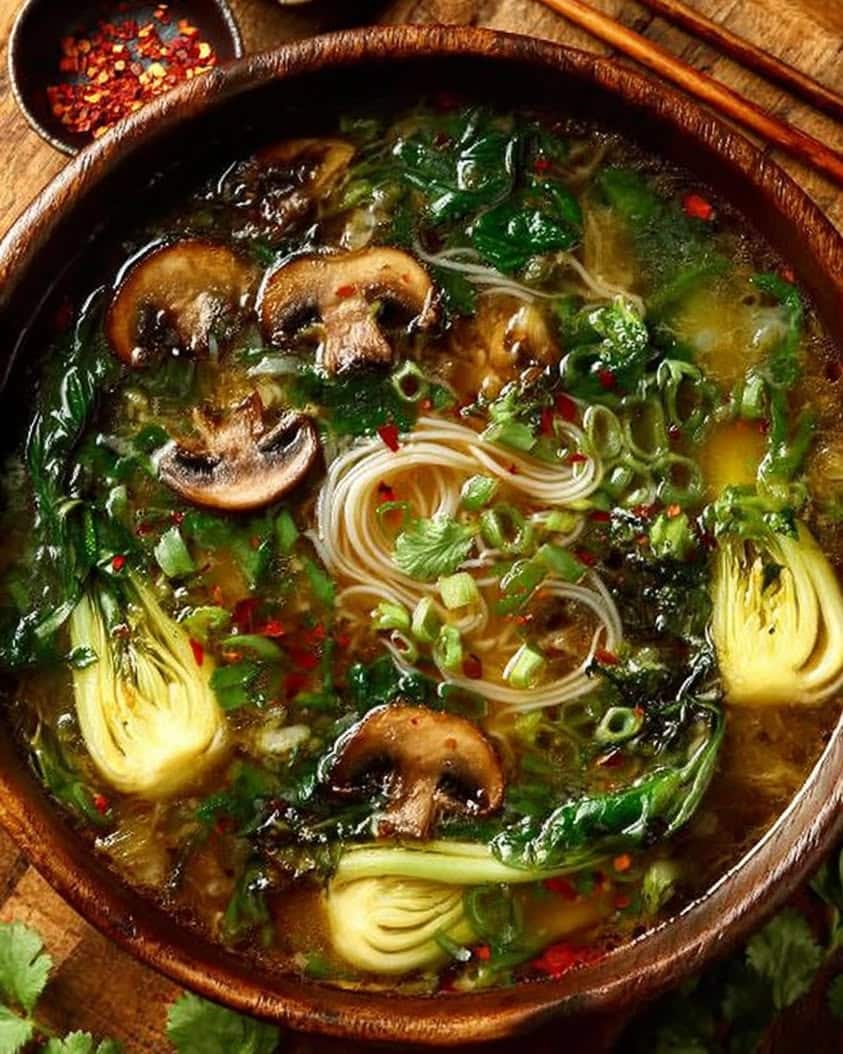
Healing Ginger Garlic Broth with Rice Noodles: Your Cozy Cure
When cold season hits or your energy dips, a bowl of Healing Ginger Garlic Broth with Rice Noodles delivers comfort straight to your core. This golden, aromatic soup combines the natural power of fresh ginger root and pungent garlic cloves with a savory broth that warms you from the inside out. Moreover, the silky rice noodles soak up all that flavorful goodness, creating a satisfying meal that feels like a hug in a bowl. Whether you fight off a scratchy throat or simply crave a nourishing dinner, this recipe answers the call every single time.
Furthermore, the beauty of this Healing Ginger Garlic Broth with Rice Noodles lies in its simplicity. You need only a handful of everyday ingredients, yet the result tastes like something from a high-end wellness spa. The broth simmers slowly, allowing the ginger and garlic to release their healing compounds into the liquid. Meanwhile, the rice noodles cook to a perfect, tender chew that contrasts beautifully with the bright, punchy broth. In addition, fresh herbs and a squeeze of lime brighten every spoonful, so you never feel bored or weighed down.
Consequently, this recipe has become a staple in my kitchen during flu season, busy weeknights, and lazy weekends alike. The anti-inflammatory properties of ginger and garlic support your immune system, while the warm liquid soothes sore throats and stuffy noses. Additionally, the dish suits vegetarian, vegan, and gluten-free diets with tiny tweaks, making it wonderfully inclusive for gatherings. Ultimately, this Healing Ginger Garlic Broth with Rice Noodles proves that healthy food can taste deeply delicious without requiring hours of labor or exotic shopping trips.
Quick Recipe Highlights
- Flavor Profile: The broth balances earthy garlic, spicy ginger, and savory tamari with a hint of sweetness from maple syrup and a bright finish of fresh lime. Umami-rich mushrooms deepen the taste, while a touch of chili adds gentle heat. Overall, the flavor feels complex yet clean.
- Texture: Soft, slippery rice noodles glide across your tongue, while tender mushroom slices and baby spinach add satisfying bites. The broth itself stays light and brothy, not thick or creamy. Meanwhile, crunchy scallions and toasted sesame seeds deliver a pleasant contrast on top.
- Aroma: As the broth simmers, fragrant ginger and garlic fill your kitchen with an instantly comforting scent. Toasted sesame oil adds a nutty note that deepens the aroma. Fresh cilantro and lime zest, added at the end, lift the entire fragrance profile.
- Visual Appeal: A golden, amber broth cradles white rice noodles and vibrant green spinach leaves. Bright red chili slices and scattered scallions create a stunning color contrast. Moreover, a sprinkle of black sesame seeds adds an elegant, restaurant-quality finish.
- Skill Level Needed: This recipe welcomes complete beginners because it requires only basic chopping and simmering. You do not need advanced knife skills or special cooking techniques. Furthermore, the forgiving nature of soup means small mistakes rarely ruin the final dish.
- Special Equipment: You need only a large pot or Dutch oven, a sharp knife, and a cutting board. A fine-mesh strainer helps if you prefer a clearer broth, though it is optional. Additionally, a microplane grater makes quick work of fresh ginger and garlic.
Recipe Overview
- Difficulty Level: This Healing Ginger Garlic Broth with Rice Noodles earns an easy rating because every step uses straightforward methods. You simply saute aromatics, add liquid, and simmer. Furthermore, the recipe tolerates interruptions, so you can pause between steps without ruining anything. Even a first-time cook can nail this dish on the first try.
- Category: This dish works beautifully as a light main course, a restorative lunch, or a starter soup before a larger Asian-inspired meal. In addition, it functions as a soothing snack for anyone recovering from illness. Because it satisfies without heaviness, it fits nearly any menu slot.
- Cuisine: The recipe draws heavy inspiration from traditional Chinese and Southeast Asian healing soups, including congee broths and Vietnamese pho. These culinary traditions prize ginger and garlic for both flavor and medicine. Consequently, the finished bowl carries authentic Asian comfort with a modern, plant-based twist.
- Cost: Preparing this soup costs roughly eight to twelve dollars for four generous servings, depending on your local produce prices. Pantry staples like tamari, sesame oil, and rice noodles keep the expense low. Meanwhile, fresh ginger and garlic deliver enormous flavor for just pennies per use.
- Season: While you can enjoy this broth year-round, it shines brightest during fall and winter when colds circulate and temperatures drop. The warming spices naturally combat chilly weather and low energy. However, a lighter version with extra lime and fresh herbs also works wonderfully in spring or summer.
- Occasion: Serve this soup on sick days, cozy weekend afternoons, or as a gentle dinner after heavy holiday eating. It also impresses guests at casual dinner parties because it looks beautiful and accommodates many diets. Furthermore, meal-preppers love it for weekly lunch routines.
Why You’ll Love This Recipe
First and foremost, the taste and texture of this Healing Ginger Garlic Broth with Rice Noodles will win you over immediately. The broth delivers a bold punch of savory, spicy, and tangy notes that dance on your palate. Simultaneously, the soft rice noodles provide a silky, slurpable quality that makes every bite feel indulgent. Because the ginger and garlic mellow during simmering, their sharpness transforms into a deep, rounded warmth. Consequently, even people who usually shy away from strong flavors happily finish the whole bowl.
Secondly, convenience sets this recipe apart from other healing soups. You need only one pot and about fifty minutes from start to finish, including prep. Most of that time requires zero attention, so you can rest, answer emails, or tend to family while the broth simmers. Additionally, the ingredients store well, meaning you can keep everything on hand for sudden cravings or surprise colds. Ultimately, few meals deliver this much comfort with so little effort or cleanup.
Thirdly, the nutritional advantages make this dish a genuine wellness powerhouse. Ginger contains gingerol, a compound famous for reducing inflammation and easing nausea. Garlic, meanwhile, offers allicin, which supports immune function and cardiovascular health. Furthermore, the mushrooms provide B vitamins and antioxidants, while spinach adds iron and vitamin K. As a result, every spoonful nourishes your body while pleasing your taste buds.
Fourthly, this recipe shines as a social and entertaining dish because it adapts to nearly every dietary preference. You can set up a topping bar with scallions, chili slices, herbs, and lime wedges so guests customize their own bowls. This interactive element sparks conversation and makes everyone feel cared for. Moreover, the soup’s light nature means it pairs well with appetizers, salads, or desserts without overwhelming the meal. Consequently, hosts love serving it for both intimate dinners and larger gatherings.
Finally, cost-effectiveness and accessibility make this Healing Ginger Garlic Broth with Rice Noodles a smart everyday choice. The ingredients come from any standard grocery store, and none require specialty shopping. Even organic versions of ginger, garlic, and spinach remain affordable compared to meat or dairy-heavy meals. Additionally, the recipe scales up easily for meal prep, cutting your per-serving cost even lower. Therefore, you get maximum nourishment and flavor for minimal money.
Historical Background and Cultural Significance
The origin story of ginger garlic broth stretches back thousands of years across China and Southeast Asia. Traditional Chinese medicine practitioners prescribed ginger tea and garlic-infused soups to treat colds, digestive trouble, and fatigue. Similarly, Ayurvedic traditions in India valued ginger for its warming, healing properties. Over time, cooks began adding noodles and vegetables to create heartier versions. Consequently, the humble healing broth evolved into a complete meal that families passed down through generations.
Cultural importance surrounds this soup because it embodies the concept of food as medicine. In many Asian households, when someone falls ill, a pot of ginger garlic broth appears on the stove within hours. Grandmothers teach grandchildren how to balance the ginger’s heat with garlic’s depth. Furthermore, the soup symbolizes care and love, not just nutrition. Therefore, serving this broth to a sick friend or family member carries deep emotional meaning beyond mere sustenance.
The evolution of the recipe reflects centuries of trade and migration. As rice noodles spread from southern China to Thailand, Vietnam, and beyond, cooks incorporated local herbs like cilantro, lime, and chili. Meanwhile, Japanese cooks added miso, while Korean versions featured gochugaru for heat. Eventually, Western health food movements embraced ginger garlic broth as a detox and immune booster. Consequently, the modern bowl you make today represents a beautiful fusion of many culinary traditions.
Regional variations abound, and each offers unique charm. In Vietnam, a similar broth forms the base of pho, though pho typically includes beef or chicken. Thai cooks often add lemongrass and coconut milk for a richer, aromatic twist. Meanwhile, Chinese versions might include star anise, cinnamon, or dried scallops for deeper umami. Additionally, some Caribbean and Latin American cultures blend ginger and garlic into soothing sopas. Therefore, no single correct version exists, which invites endless personal creativity.
Ingredient Deep Dive
Fresh ginger root serves as the heart of this Healing Ginger Garlic Broth with Rice Noodles. Culturally, ginger has symbolized warmth, vitality, and protection in China, India, and the Caribbean for millennia. Nutritionally, it contains gingerol, which fights inflammation and nausea while supporting digestion. When selecting ginger, choose firm, smooth knobs with taut skin and a spicy, citrusy aroma. Avoid pieces that feel soft, moldy, or overly dry. Store fresh ginger in the refrigerator for up to three weeks, or freeze it for six months. If you lack fresh ginger, substitute one-quarter teaspoon of ground ginger per tablespoon, though the flavor will differ noticeably.
Garlic cloves provide the second pillar of flavor and healing power. Historically, garlic appears in ancient Egyptian, Greek, and Chinese medical texts as a cure-all. Modern science confirms its allicin content supports immunity, heart health, and even cancer prevention. For the best results, pick firm, plump heads with tight papery skins and no green sprouts. Keep whole garlic bulbs in a cool, dark, dry place for several months. Once cloves are peeled, use them within a week in the fridge. Jarred minced garlic works in a pinch, but fresh delivers superior pungency and sweetness.
Rice noodles bring satisfying substance without heaviness. These noodles originated in southern China and spread across Asia via trade routes. They offer a gluten-free alternative to wheat noodles and digest easily, which makes them ideal for sick days. Additionally, rice noodles provide quick energy through carbohydrates without added fat. When buying, look for packages labeled “rice” and “water” only, avoiding starch fillers. Store dry rice noodles in an airtight container for up to a year. For substitutions, use vermicelli, ramen, soba, or even zucchini noodles for a low-carb option.
Cremini or shiitake mushrooms add deep umami and meaty texture. In Asian cuisine, mushrooms symbolize longevity and health, and they appear frequently in medicinal soups. Nutritionally, they deliver B vitamins, selenium, and beta-glucans that support immune function. Choose firm, dry mushrooms with no slimy spots or dark bruises. Keep them in a paper bag in the fridge for up to a week. If you prefer, swap in dried shiitakes, rehydrating them in hot water and using that liquid as part of your broth.
Baby spinach contributes vibrant color and a dose of iron, calcium, and vitamins A and C. This leafy green originated in Persia and traveled to Europe and Asia along trade routes. Moreover, spinach cooks in seconds, so it preserves its nutrients and bright flavor. Select crisp, deep green leaves without yellowing or wilting. Store spinach in a sealed container with a paper towel to absorb moisture. Alternatively, use bok choy, kale, or Swiss chard for similar nutritional benefits and a slightly different texture.
Common Mistakes to Avoid
- Overcooking the rice noodles turns them into a mushy, sticky mess that clumps together in the bowl. Always cook them separately and rinse with cold water to stop the cooking process. Then add them to the bowl right before serving.
- Burning the garlic creates a bitter, acrid flavor that ruins the entire broth. Saute garlic over medium-low heat and stir constantly for just thirty seconds. As soon as it smells fragrant, add your liquid.
- Under-seasoning the broth leaves the soup tasting flat and watery. Taste after simmering and adjust tamari, salt, and lime juice gradually. Remember that rice noodles absorb salt, so err on the slightly saltier side.
- Skipping the ginger peeling step leaves tough, fibrous bits floating in your soup. Use the edge of a spoon to scrape off the skin easily. Alternatively, grate ginger with the skin on if you blend it into the broth.
- Using old, dried-out ginger or garlic yields weak flavor and fewer health benefits. Always squeeze or sniff your aromatics before cooking. Freshness directly determines the final taste.
- Boiling the broth vigorously for too long evaporates liquid and concentrates flavors too much. Keep the pot at a gentle simmer with the lid partially on. This preserves both volume and delicate aromatics.
- Adding spinach too early turns the leaves into drab, mushy clumps. Stir spinach in during the final minute of cooking. The residual heat wilts it perfectly.
- Forgetting to taste before serving means you miss critical balance adjustments. A squeeze of lime or pinch of salt at the end transforms good soup into great soup. Always taste one last time.
- Reheating the entire pot with noodles inside causes soggy, broken noodles. Store noodles separately and add them fresh to each bowl. This keeps their texture intact.
- Ignoring dietary needs like gluten or soy can make the dish unsuitable for guests. Use tamari or coconut aminos instead of soy sauce. Always ask about allergies before serving.
Essential Techniques
Building aroma through sauteing forms the foundation of this recipe. When you cook ginger and garlic in hot sesame oil, their volatile compounds release into the fat. This step creates a flavor base that water alone cannot achieve. To master it, heat oil until it shimmers, then add aromatics and stir for thirty to sixty seconds. Watch for a light golden color and a strong fragrant smell. Common pitfalls include burning the garlic or using oil that is not hot enough, which leaves the aromatics raw and sharp.
Simmering gently allows flavors to meld without destroying nutrients. A rolling boil breaks apart delicate compounds in ginger and garlic, reducing their healing power. Instead, maintain small bubbles rising slowly from the bottom. Master this by adjusting heat to low after the initial boil. You will see steam rising steadily and hear a soft murmur rather than a roar. If the broth reduces too quickly, add hot water rather than cold to keep the temperature stable.
Rehydrating dried mushrooms correctly unlocks intense umami. Soak them in hot water for twenty minutes until fully soft. Then squeeze them gently, reserving the soaking liquid for the broth. This liquid carries deep savory flavor that elevates the entire soup. A common pitfall involves using gritty or sandy mushrooms, so rinse them well before soaking. The visual cue for success is a plump, tender mushroom that slices easily.
Balancing flavors at the end separates a good soup from a memorable one. Acid, salt, sweetness, and heat must all play together harmoniously. Taste the broth, then add lime juice for acid, tamari for salt, maple syrup for sweetness, and chili for heat. Master this by adding small amounts and tasting after each addition. The pitfall is overcorrecting one note, which throws off the balance. Your cue for success is a broth that makes you want a second spoonful immediately.
Pro Tips for Perfect Healing Ginger Garlic Broth with Rice Noodles
First, grate your ginger and garlic instead of chopping them for a more intense, distributed flavor. Grating breaks more cell walls, releasing additional gingerol and allicin. Consequently, every spoonful carries consistent heat and aroma. Use a microplane or fine grater for the best results.
Second, toast your sesame seeds in a dry pan before garnishing. Toasting takes only two minutes and amplifies their nutty richness. Furthermore, warm seeds smell incredible and add a delightful crunch. Store extras in a jar for future bowls.
Third, add a piece of kombu seaweed to the broth while it simmers. Kombu contributes glutamates, which create deep umami without any meat. After thirty minutes, remove the kombu to avoid slimy texture. This single addition makes the broth taste like it simmered all day.
Fourth, use homemade vegetable stock instead of water whenever possible. Store-bought stock works fine, but homemade brings superior depth and controlled sodium. Freeze leftover stock in ice cube trays for easy future portions. Then simply drop a few cubes into your pot.
Fifth, finish each bowl with a drizzle of toasted sesame oil right before eating. The oil adds a luxurious aroma that heat would otherwise destroy. Moreover, it creates beautiful sheen on the broth surface. Just a quarter teaspoon per bowl suffices.
Sixth, squeeze fresh lime juice at the table, not during cooking. Heat dulls the bright, volatile oils in lime. Consequently, adding it last preserves that zesty spark. Provide lime wedges so each diner controls the acidity.
Seventh, let diners customize their bowls with extra toppings. Set out chili oil, sliced scallions, cilantro, basil, and crushed peanuts. This interactive approach pleases picky eaters and adventurous palates alike. Additionally, it makes leftovers feel brand new.
Eighth, cook rice noodles just before serving rather than in advance. Freshly cooked noodles have the best texture and do not clump. If you must prep ahead, toss cooked noodles with a tiny bit of sesame oil. Then reheat them briefly in hot broth.
Variations and Adaptations
Regional variations offer endless inspiration for this Healing Ginger Garlic Broth with Rice Noodles. For a Thai-inspired version, add lemongrass, galangal, and a splash of coconut milk. This creates a richer, creamier broth with citrusy undertones. Meanwhile, a Japanese adaptation might include white miso and wakame seaweed. Additionally, a Korean twist brings gochujang and kimchi for fermented complexity. Each region contributes its own healing philosophy, so feel free to blend traditions.
Seasonal adaptations keep the soup exciting all year long. In winter, add hearty vegetables like sweet potato, bok choy, and daikon radish. These root vegetables deepen the broth and provide lasting warmth. Conversely, spring calls for asparagus, peas, and fresh mint. During summer, lighten the broth with zucchini, cherry tomatoes, and extra lime. Furthermore, autumn welcomes squash, kale, and a hint of cinnamon.
Dietary modifications make this recipe accessible to nearly everyone. For a gluten-free version, ensure your tamari and rice noodles carry certified gluten-free labels. Dairy-free eaters already enjoy this recipe since it contains no dairy. Vegans simply skip the fish sauce and use extra tamari or coconut aminos. Additionally, low-carb followers can swap rice noodles for shirataki noodles or spiralized zucchini.
Flavor variations let you tailor the soup to your mood. Add red curry paste for a spicy, aromatic kick. Alternatively, stir in peanut butter for a satay-inspired richness. Miso paste delivers deep savory notes, while fresh basil brings a sweet, anise-like finish. For a smoky version, add a chipotle pepper in adobo. Consequently, you never tire of the same bowl.
Texture modifications change the mouthfeel dramatically. Add crispy fried shallots for crunch. Meanwhile, soft silken tofu cubes contribute a custardy contrast. Crushed peanuts or cashews deliver satisfying bite. For a thicker soup, blend half the vegetables and return them to the pot. Additionally, a handful of cooked quinoa adds chewy texture and protein.
Presentation alternatives elevate the dining experience. Serve the broth in a hollowed-out squash for autumn gatherings. Alternatively, ladle it into mason jars for portable lunches. For a elegant dinner party, use wide, shallow bowls that showcase the colorful toppings. Furthermore, a sprinkle of edible flowers turns the soup into a work of art.
Serving and Presentation Guide
Plating techniques matter because we eat with our eyes first. Start by placing a nest of rice noodles in the center of a deep bowl. Then ladle the hot broth around the noodles, not directly over them. This keeps the noodles from clumping and looks intentional. Finally, arrange mushrooms, spinach, and scallions in distinct clusters rather than stirring everything together.
Garnishing ideas transform a simple soup into a stunning dish. Scatter black and white sesame seeds for contrast. Add thin slices of red chili for a pop of color. Fresh cilantro leaves and Thai basil sprigs bring vibrant green. Moreover, a drizzle of chili oil creates beautiful red swirls on the surface.
Traditional accompaniments include steamed edamame, pickled ginger, and cucumber salad. These sides add crunch and acidity that complement the warm broth. Additionally, a small dish of soy sauce or tamari lets diners adjust saltiness. For a fuller meal, serve with spring rolls or dumplings.
Modern serving suggestions embrace casual, interactive dining. Set up a topping bar with bowls of herbs, nuts, seeds, lime wedges, and chili pastes. Let guests build their own perfect bowl. This approach works wonderfully for parties and family dinners. Furthermore, it accommodates picky children and adventurous adults simultaneously.
Temperature considerations ensure the best eating experience. Serve the broth piping hot, around 180 to 190 degrees Fahrenheit. However, do not boil it at the table, as this overcooks the noodles. If the soup cools, reheat gently on the stove. Avoid microwaving the entire bowl because it heats unevenly and toughens noodles.
Portion control tips help you enjoy the soup without waste. One cup of cooked noodles plus one and a half cups of broth makes a satisfying light meal. For a heartier dinner, increase to two cups of noodles and two cups of broth. Additionally, add a side of protein like tofu or edamame. Leftovers keep well when stored separately.
Wine and Beverage Pairing
Wine pairings for this Healing Ginger Garlic Broth with Rice Noodles favor bright, acidic whites. A dry Riesling balances the ginger’s heat with fruity notes. Similarly, Sauvignon Blanc offers citrusy acidity that echoes the lime. For a bolder option, try an off-dry Gewurztraminer, which complements garlic beautifully. Avoid heavy reds, as tannins clash with spicy broth. Instead, a light Pinot Noir served slightly chilled can work in small sips.
Non-alcoholic alternatives refresh the palate between spoonfuls. Sparkling water with lime and mint provides effervescence and brightness. Iced green tea delivers subtle earthiness and antioxidants. Additionally, coconut water offers natural electrolytes and gentle sweetness. For a warm option, ginger lemon tea doubles down on the healing theme.
Coffee and tea pairings may seem unusual for soup, but certain choices work well. A light jasmine tea enhances the floral notes in cilantro. Genmaicha, with its toasted rice flavor, mirrors the sesame oil. Meanwhile, a mild green tea like sencha cleanses the palate without overwhelming. Avoid dark roasted coffee, which fights the delicate broth.
Temperature considerations for beverages matter just as much as for the soup. Serve white wines well chilled, around forty-five degrees Fahrenheit. Sparkling water should be ice cold for maximum refreshment. Warm teas should sit at a comfortable sipping temperature, not scalding. Consequently, each sip enhances rather than distracts from the meal.
Serving suggestions include offering a small glass of plum wine or sake alongside the bowl. These lower-alcohol options complement Asian flavors without overpowering. For groups, set out a pitcher of cucumber mint water. Furthermore, provide insulated cups so hot tea stays warm throughout the meal.
Storage and Shelf Life
Storage methods determine how well your Healing Ginger Garlic Broth with Rice Noodles keeps. Always cool the broth quickly by transferring it to shallow containers. Then seal those containers with airtight lids. Store noodles, broth, and toppings separately to prevent sogginess. This separation keeps each component at its best.
Temperature requirements for safety demand refrigeration below forty degrees Fahrenheit. The broth keeps for four to five days in the fridge. Cooked rice noodles last three to four days when stored properly. Keep toppings like scallions and herbs in separate bags or containers. Never leave the soup at room temperature for more than two hours.
Container recommendations include glass or BPA-free plastic with tight seals. Glass prevents staining and does not retain odors. For freezing, use silicone molds or freezer bags with air removed. Label each container with the date so you track freshness. Furthermore, portion into single servings for easy reheating.
Signs of spoilage include sour smell, cloudy broth, or slimy noodles. Mold may appear on toppings or broth surface. If you notice any of these signs, discard the entire batch. Do not taste to check, as foodborne illness can result. When in doubt, throw it out.
Reheating instructions preserve texture and flavor. Warm the broth gently on the stovetop over medium heat until steaming. Add fresh noodles to each bowl rather than reheating old ones. If you must reheat noodles, dip them in hot broth for thirty seconds. Meanwhile, add fresh spinach and herbs after reheating.
Freezing guidelines allow you to enjoy this soup months later. Freeze broth alone in airtight containers for up to three months. Cooked noodles do not freeze well because they become mushy. Therefore, freeze only the broth and add fresh noodles when serving. Thaw frozen broth overnight in the refrigerator before reheating.
Make Ahead Strategies
Prep timeline matters when you plan to make this Healing Ginger Garlic Broth with Rice Noodles ahead of time. You can chop ginger, garlic, and vegetables up to two days in advance. Store each in separate airtight containers in the fridge. This prep work cuts your cooking time to twenty minutes on serving day. Additionally, you can cook the broth entirely and refrigerate it for up to five days.
Storage between steps requires care to maintain quality. After sauteing aromatics, cool them before refrigerating. Keep broth and solids together for best flavor development. If you must separate, store broth and vegetables in different containers. Then combine when reheating.
Quality impact assessment shows that the broth actually improves after a day in the fridge. Flavors meld and deepen overnight, creating a richer taste. However, noodles and fresh herbs degrade quickly. Consequently, add those elements fresh on serving day. The broth itself remains excellent for nearly a week.
Assembly tips for quick serving include pre-portioning noodles into bowls. Then ladle hot broth over them and add toppings. This method takes under two minutes per serving. Furthermore, it prevents noodles from sitting in liquid and getting soggy. Set up a topping station for family members to customize.
Reheating guidelines for make-ahead broth call for gentle stovetop warming. Avoid boiling, which dulls the ginger and garlic. Heat until steam rises and small bubbles form at the edges. Then taste and adjust seasonings. Add a splash of water if the broth reduced too much.
Fresh element additions at serving time restore vibrancy. Squeeze lime juice, scatter cilantro, and drizzle sesame oil. Add crunchy toppings like toasted seeds or fried shallots. These final touches make reheated soup taste freshly made. Therefore, never skip them.
Scaling Instructions
Halving the recipe works easily for two servings or a single person with leftovers. Use half of every ingredient, but keep the ginger and garlic slightly generous. Their healing power matters more than exact measurements. Reduce simmering time by five minutes since less liquid evaporates. Taste carefully and adjust seasoning at the end.
Doubling or tripling the recipe suits meal prep or feeding a crowd. Use a larger pot to prevent overflow. Increase ginger and garlic by two and a half times rather than exactly double for more punch. Simmer for ten extra minutes to meld flavors fully. Additionally, cook noodles in separate batches to avoid overcrowding.
Equipment adjustments become necessary when scaling up. A six-quart pot handles a double batch comfortably. For a triple batch, use an eight-quart stockpot or two smaller pots. Furthermore, you may need two baking sheets if roasting vegetables. Always leave at least two inches of headspace for simmering.
Timing modifications for larger batches require patience. Doubling the recipe adds about ten to fifteen minutes to simmering. Tripling adds twenty minutes. However, prep time increases more dramatically because chopping takes longer. Consider using a food processor for ginger and garlic to save time.
Storage considerations for scaled recipes demand more containers. Label everything with dates and contents. Freeze extra broth in single-serving portions for future quick meals. Additionally, share extra soup with neighbors or freeze for sick days. Proper storage prevents waste and saves money.
Nutritional Deep Dive
Macro breakdown for one serving of Healing Ginger Garlic Broth with Rice Noodles shows approximately 280 calories. Carbohydrates contribute about 48 grams, primarily from rice noodles. Protein provides 8 grams, mostly from mushrooms and spinach. Fat accounts for 7 grams, largely from sesame oil. These macros make a balanced, light meal suitable for most diets.
Micronutrient analysis reveals impressive levels of vitamin C from lime and spinach. Ginger supplies manganese and magnesium, while garlic offers selenium and vitamin B6. Mushrooms contribute copper, niacin, and pantothenic acid. Additionally, rice noodles provide iron and small amounts of calcium. Overall, the soup delivers a wide spectrum of essential vitamins and minerals.
Health benefits stem from anti-inflammatory compounds in ginger and garlic. These ingredients may reduce risk of chronic disease and support immune defense. Furthermore, the warm broth hydrates and soothes the digestive tract. Spinach and mushrooms add fiber, which promotes gut health. Consequently, this soup nourishes both body and soul.
Dietary considerations include gluten, soy, and nightshade sensitivities. Use tamari or coconut aminos for gluten and soy-free versions. Skip chili and tomatoes if you avoid nightshades. The recipe naturally suits vegan, vegetarian, and dairy-free diets. Always check labels on noodles and condiments.
Portion analysis suggests one bowl as a light meal or two smaller bowls as a starter. For athletes or active individuals, add tofu or edamame for extra protein. Those watching carbs can reduce noodles and increase vegetables. Conversely, growing teenagers may need larger portions with added rice.
Weight management tips include filling half your bowl with broth and vegetables. Then add a modest portion of noodles for satisfaction. The high water and fiber content promotes fullness with fewer calories. Additionally, the spicy ginger and garlic may slightly boost metabolism. Therefore, this soup fits beautifully into a weight loss plan.
Dietary Adaptations
Gluten-free adaptation requires only tamari or coconut aminos instead of soy sauce. Rice noodles are naturally gluten-free, but verify the package label. Some brands process noodles on shared equipment with wheat. Furthermore, check that your vegetable broth contains no gluten. With these swaps, the soup suits celiac and gluten-sensitive diners perfectly.
Dairy-free version needs no changes because the recipe contains no dairy. However, some store-bought broths include butter or cream. Always read labels carefully. Coconut oil can replace sesame oil if you avoid all seed oils. Consequently, this soup naturally fits dairy-free lifestyles.
Vegan adaptation is already built into the recipe since it uses only plants. Ensure your tamari, broth, and noodles contain no animal products. Some rice noodles include egg, so check ingredients. Additionally, swap honey for maple syrup if you use it. Then serve with confidence to vegan guests.
Low-carb modification replaces rice noodles with shirataki noodles or spiralized zucchini. Shirataki noodles contain almost no digestible carbs. Zucchini noodles add brightness and extra nutrients. Furthermore, increase mushrooms and spinach for bulk. This version works well for diabetics and keto followers.
Keto adaptation demands fewer carbs and more fat. Use shirataki noodles and add two tablespoons of sesame oil or coconut oil. Include avocado slices for healthy fats. Meanwhile, skip maple syrup and use a sugar-free sweetener if needed. This version keeps net carbs under ten grams per serving.
Paleo adaptation avoids grains and processed ingredients. Replace rice noodles with spiralized sweet potato or zucchini. Use coconut aminos instead of tamari. Furthermore, ensure broth is homemade or paleo-certified. Then add extra vegetables and herbs for satisfaction.
Low-FODMAP adaptation requires skipping garlic and onions because they contain fructans. Instead, infuse garlic flavor using garlic-infused oil. Ginger is low-FODMAP and safe for most people. Use only the green parts of scallions. Additionally, choose mushrooms carefully, as some varieties are high in FODMAPs.
Other specific diets like Whole30 need only minor tweaks. Skip maple syrup and use date paste if sweetness is needed. Ensure tamari is Whole30-compliant or use coconut aminos. Furthermore, check that your broth contains no additives. Then enjoy this soup during your Whole30 challenge.