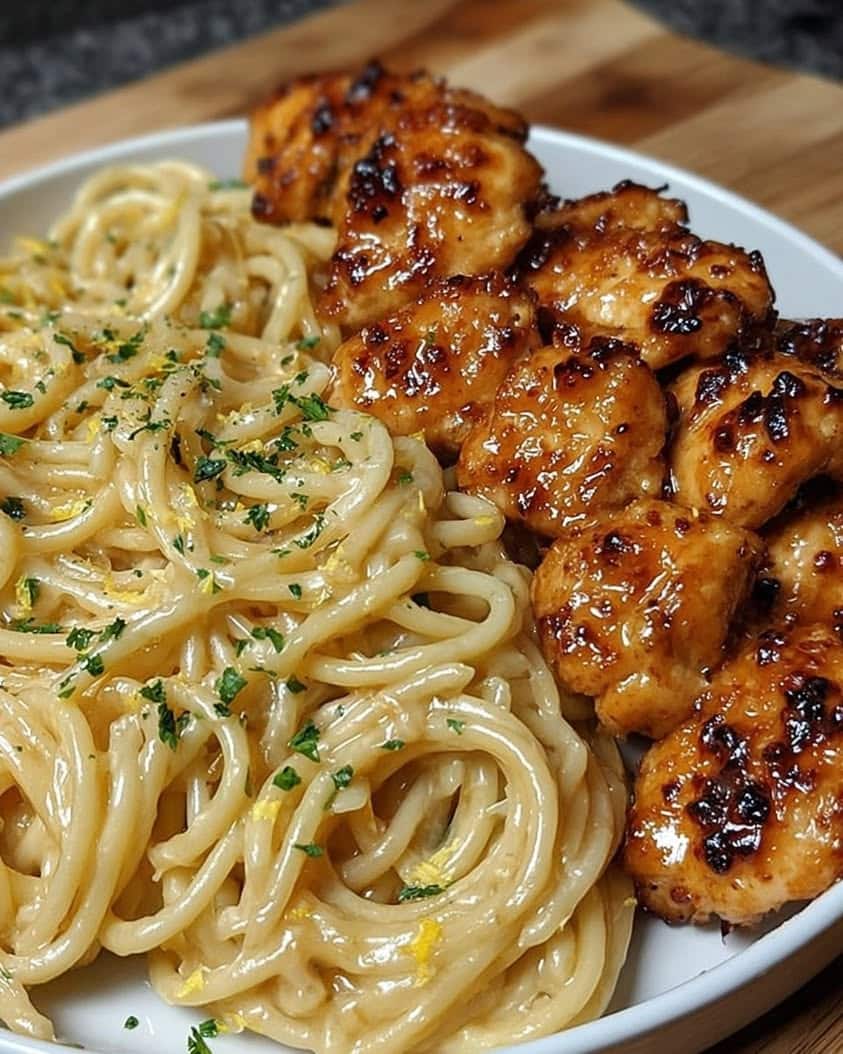
The Ultimate One-Pan Lemon Garlic Butter Chicken with Creamy Parmesan Pasta
The Ultimate One-Pan Lemon Garlic Butter Chicken with Creamy Parmesan Pasta is the weeknight dinner you have been searching for, and it is about to become your new favorite go-to meal. Imagine perfectly seared chicken breasts with crispy, golden skin, nestled atop a bed of tender pasta enveloped in a velvety, rich parmesan sauce that sings with bright lemon and savory garlic. This lemon garlic butter chicken recipe brings gourmet flavors to your home kitchen without requiring hours of work or a sink full of dirty dishes.
Indeed, this creamy parmesan pasta dish is designed for busy home cooks who refuse to sacrifice flavor for convenience. The magic happens in a single skillet, allowing the chicken juices to mingle with the creamy sauce, creating a depth of flavor that feels incredibly indulgent. Consequently, every forkful delivers juicy chicken, al dente pasta, and a sauce that is simultaneously tangy, buttery, and wonderfully cheesy. This lemon garlic butter chicken is more than a meal; it is a comforting embrace on a plate, perfect for a cozy family dinner or an impressive yet easy gathering with friends.
Furthermore, this recipe is forgiving and adaptable, making it an excellent choice for cooks of all skill levels. Because the entire process flows in one pan, you get to enjoy the beautiful aroma of garlic sizzling in butter without the stress of complex timing. The sauce comes together effortlessly, and the result tastes like you have been slaving away for hours. Therefore, if you want a dish that is practical, delicious, and visually stunning, this lemon garlic butter chicken with creamy parmesan pasta is the definitive answer.
Quick Recipe Highlights
- Flavor Profile: This dish is a symphony of savory and bright notes. The rich, nutty parmesan cheese pairs beautifully with the zesty, fresh lemon juice, while the sharp bite of garlic cuts through the luxurious butter and cream. Ultimately, the flavor is deep, satisfying, and perfectly balanced, with a hint of freshness that prevents the dish from feeling too heavy.
- Texture: The texture journey is exquisite. You will experience the satisfying snap of perfectly seared chicken skin, followed by the tender, juicy interior of the meat. The al dente pasta provides a pleasant chew, while the creamy parmesan sauce is smooth, velvety, and coats every strand effortlessly, creating a luxurious mouthfeel.
- Aroma: As soon as the butter hits the hot pan, your kitchen will fill with an irresistible scent. The fragrant garlic becomes sweet and mellow as it sautés, mingling with the rich aroma of browning chicken. The addition of lemon zest and fresh herbs elevates the scent, creating a fresh, savory, and inviting perfume that promises a delicious meal.
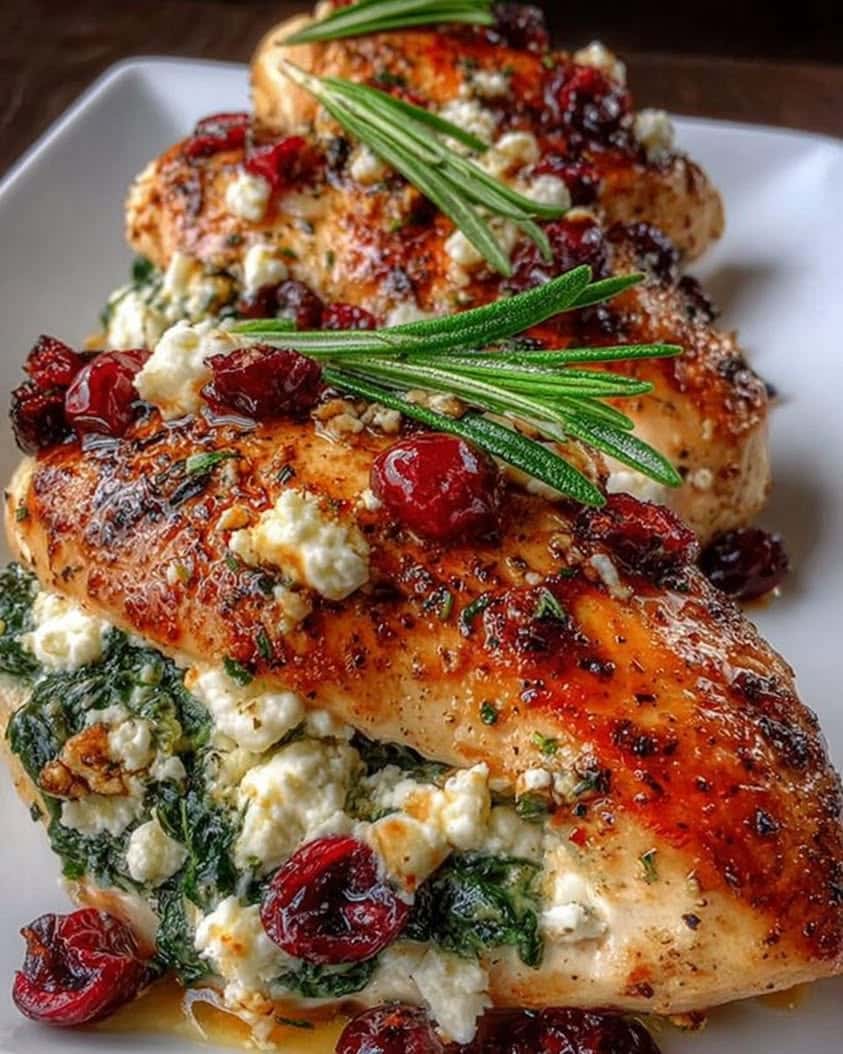
- Visual Appeal: Visually, this one-pan dinner is a showstopper. The golden-brown chicken breasts sit proudly atop a bed of creamy, pale-yellow pasta, speckled with dark green herbs and bright lemon zest. The glossy sauce glistens under the light, making the dish look as rich and decadent as it tastes.
- Skill Level Needed: This recipe is perfect for beginners and intermediate cooks alike. The steps are straightforward, and the single-pan method reduces the chance of error. You will primarily need to manage heat levels to avoid burning the garlic, but otherwise, this is a very forgiving and straightforward recipe.
- Special Equipment: The essential tool for this recipe is a large, deep skillet or a Dutch oven with a lid. A heavy-bottomed pan ensures even heat distribution for searing the chicken perfectly. You will also need basic measuring cups and spoons, a zester, and tongs for flipping the chicken.
Recipe Overview
- Difficulty Level: I rate this lemon garlic butter chicken recipe as Medium difficulty, and the reasoning is simple. While the technique list is short, there are a couple of steps, like searing the chicken perfectly and creating a smooth emulsion with the sauce, that require a bit of attention and timing. Nevertheless, anyone with basic cooking knowledge can easily nail it on the first try, as the steps are clearly defined and the foolproof method builds confidence.
- Category: This dish fits beautifully into several meal categories. It is primarily a Main Course, perfect for dinner, but it can also be considered a hearty one-pot meal. Furthermore, it is an excellent choice for a special occasion dinner at home, offering the comfort of a weeknight meal with the elegance of a restaurant-quality dish.
- Cuisine: The culinary tradition behind this lemon garlic butter chicken is a fusion of classic French and Northern Italian techniques. The use of butter, cream, and wine in a pan sauce is quintessentially French, while the combination of parmesan and pasta strongly nods to the rich, comforting traditions of Italy. The bright, acidic lemon is a wonderful bridge that lightens the richness and adds a distinctly Mediterranean flair.
- Cost: Economically, this is a surprisingly accessible dish. The pantry staples like pasta, garlic, butter, and cream are likely already in your kitchen. The chicken breasts are a moderately priced protein, and while a good block of parmesan cheese is an investment, a little goes a long way. Overall, it is a cost-effective way to create a meal that tastes far more expensive than its sum of parts.
- Season: While you can enjoy this dish year-round, I find it is perfect for the transition seasons of spring and fall. During spring, the bright lemon notes and fresh herbs offer a refreshing counterpoint to the still-cool weather. In the fall, it provides warm comfort and richness, making it a versatile recipe for October evenings or April celebrations.
- Occasion: This lemon garlic butter chicken is wonderfully versatile for any occasion. It is an impressive dish for a romantic date night at home, yet it is also quick enough for a special Tuesday night family meal. Moreover, because it all comes together in one pan, it serves as a fantastic crowd-pleaser for an informal dinner party where you want to spend time with guests rather than being stuck in the kitchen.
Why You’ll Love This Recipe
First and foremost, the taste combination in this lemon garlic butter chicken is pure culinary magic. The creamy parmesan pasta is rich and savory, providing an incredible base for the juicy chicken. The lemon juice and zest are the secrets that elevate this dish, adding a bright, tangy kick that cuts through the fat and cleanses your palate. Each bite is a perfect balance of comforting creaminess and refreshing acidity, ensuring that you never get tired of the flavor.
Moreover, the convenience of a one-pan meal cannot be overstated. We all lead busy lives, and the last thing you want after a long day is a pile of dishes. This recipe solves that problem elegantly. You sear the chicken, make the sauce in the same pan, cook the pasta right in the liquid, and finish it all together. Consequently, clean-up takes minutes, leaving you more time to relax and enjoy your evening.
Nutritionally, this dish offers a satisfying balance that can fit into a balanced diet. Chicken provides a lean source of high-quality protein, essential for muscle maintenance and satiety. The pasta offers carbohydrates for energy, and the parmesan cheese adds calcium and protein. The fresh lemon and garlic also bring a host of antioxidants, making this indulgent-tasting meal a more nutritious choice than many take-out alternatives.
From a social and entertaining perspective, this creamy parmesan pasta is a guaranteed crowd-pleaser. When you serve this dish, you are presenting a beautiful, cohesive meal that looks like it came from a high-end bistro. It fills your home with an inviting, savory aroma that immediately makes guests feel welcomed and special. Furthermore, because it is a complete meal in one pan, it simplifies hosting, allowing you to be a composed and relaxed host.
Finally, the cost-effectiveness and accessibility of the ingredients make this a recipe you can rely on. The ingredients are available in any grocery store, and most are pantry staples. This means you can prepare a luxurious, restaurant-quality dinner on a budget, without the need for obscure ingredients or expensive specialty items. It is the ultimate way to treat your family to something special, any night of the week.
Historical Background and Cultural Significance
The story of this lemon garlic butter chicken begins with the trinity of classic European cooking: butter, garlic, and lemon. In French cuisine, this combination is known as “beurre blanc” or simply a beurre citron, a classic pan sauce used to elevate simple proteins. The addition of dairy, particularly cream, became popular as a way to create a richer, more stable emulsion, leading to the creamy sauces we see in modern French bistros.
Culturally, the pairing of chicken with lemon and garlic is a staple across the Mediterranean basin. From Greek lemon potatoes and chicken to Italian chicken piccata, the combination of tart citrus, aromatic alliums, and poultry is a time-honored tradition. This recipe draws directly from that heritage, taking the fundamental flavors of Southern Europe and marrying them with a Northern Italian penchant for decadent parmesan cream sauces.
Over time, the evolution of this single-pan dish has been driven by the modern home cook’s desire for convenience. Historically, a fancy sauce would be made separately, and the pasta would be cooked in a huge pot of boiling water. However, as home cooking trended toward simplicity in the late 20th and early 21st centuries, cooks and chefs discovered that you could cook pasta directly in a less liquid-rich sauce, allowing the starches to thicken the sauce naturally and eliminating the need for multiple pots.
Regional variations of this dish are abundant. In Italy, you might find it served with a lighter, broth-based sauce rather than a cream base. In France, the chicken might be cooked with more herbs like tarragon or thyme. Meanwhile, in America, the dish has evolved to be bolder and cheesier, often featuring sun-dried tomatoes, spinach, or other additions. This specific version, the one-pan lemon garlic butter chicken with parmesan, is a pinnacle of American home cooking, blending the best techniques from European traditions into one accessible, comforting, and utterly delicious weeknight meal.
Ingredient Deep Dive
The star of this dish, the chicken breast, carries a significant cultural weight. Historically, white poultry meat was a luxury, reserved for special occasions in many European courts. Today, it is a staple of a lean diet, celebrated for its high-protein, low-fat profile. It is an excellent source of B vitamins, particularly niacin and B6, which are crucial for energy metabolism. When selecting chicken, always look for plump, moist breasts with a pink hue. If possible, purchase air-chilled chicken, as it has better texture and flavor due to less water retention. Store it in the coldest part of your fridge and use within two days, or freeze it for up to nine months.
Furthermore, the lemon is more than just a garnish here. This bright fruit adds a burst of acidity that literally changes the chemistry of the dish on your palate. Culturally, lemons have been prized since ancient times for their medicinal and culinary properties. They are packed with vitamin C, which supports immune health. When selecting lemons for this lemon garlic butter chicken, choose ones that are heavy for their size, as they have more juice. A fruit that yields to gentle pressure is ideal. Finally, always zest the lemon before juicing. It is easier and the bright, fragrant oils in the zest are a powerful flavor agent.
Garlic is another foundational element that cannot be overlooked. For millennia, garlic has been a cornerstone of global cuisine, believed to ward off evil spirits and, later, to promote cardiovascular health. It contains allicin, a compound with potent medicinal properties. When buying garlic, look for plump, firm bulbs that feel heavy. Avoid any bulbs with green sprouts, as they tend to be bitter and past their prime. For the best flavor, use fresh cloves and avoid the pre-minced jars, as they lack the pungent kick and complex sweetness of fresh garlic. Store garlic in a cool, dark, dry place and it will last for months.
Finally, the Parmesan cheese is the soul of the sauce. True Parmigiano-Reggiano comes from a specific region of Italy and is aged for at least 12 months. It has a granular, crystalline texture that melts into a silky sauce. Parmesan is rich in umami, the fifth taste, which gives this dish its deeply satisfying savoriness. For the best results, you must buy a block of parmesan and grate it yourself. Pre-grated cheese is coated with anti-caking agents that prevent it from melting smoothly, resulting in a gritty sauce. Wrap it in parchment paper and store it in the fridge; it will keep for several weeks.
Common Mistakes to Avoid
- Overcooking the chicken is a cardinal sin in this recipe. Since we cook the chicken in the pan and then return it to the sauce, it can dry out quickly. Always use a meat thermometer and pull the chicken out when it hits 160°F. The carryover cooking will bring it to a safe 165°F, ensuring it stays juicy.
- Burning the garlic is another common pitfall. Garlic turns bitter and acrid when cooked over high heat for too long. Make sure to add the garlic to the pan off the heat or lower the burner before adding it. The residual heat in the pan is enough to cook it gently, releasing its sweet flavor.
- Using pre-grated parmesan cheese is a recipe for a gritty, clumpy sauce. The cellulose and starch in the anti-caking agents prevent the cheese from melting properly. Always shred your own parmesan from a block for a smooth, velvety texture and superior flavor.
- Not patting the chicken dry before searing is a missed opportunity. Excess moisture steams the chicken rather than searing it, preventing that golden-brown, crispy crust we crave. Pat the chicken breasts thoroughly with paper towels before seasoning.
- Cooking the pasta entirely in the pan can lead to a gummy, overly thick dish. While we use the one-pot method, the ratio of liquid to pasta is crucial. You may need to add a splash of water or broth to ensure the pasta cooks fully without absorbing all the sauce and becoming sticky.
- Adding the dairy to a pan that is too hot can cause it to curdle. Always lower the heat to medium-low before adding the heavy cream. This ensures the cream warms gently and mixes with the other ingredients without separating.
- Forgetting to season the water is a huge flavor miss. Even though we are cooking the pasta in the sauce, if you are adding any broth or water, it needs to be well-seasoned. Season every layer of this dish, and it will taste richer and more complex.
- Skimping on the lemon zest is a common error. The juice provides acidity, but the zest contains the aromatic oils that give the dish its signature perfume. Do not skip it and you will have a much more rounded lemon flavor.
- Nesting the chicken on top of the pasta to serve is messy. It is better to plate the pasta first and then place the chicken breast directly on top, resting it slightly to allow the juices to flow down into the pasta.
- Finally, serving the dish immediately after adding the parmesan is not optimal. Let the dish rest off the heat for five minutes. This allows the sauce to thicken and the flavors to meld beautifully, creating a more cohesive final result.
Essential Techniques
Mastering the art of the sear is paramount for this recipe. To get that beautiful, golden crust that locks in juices and adds flavor, you must use a hot pan and the correct technique. Start by using a heavy-bottomed skillet that holds heat consistently. Heat a tablespoon of oil until it is shimmering but not smoking. Gently place the seasoned chicken in the pan, making sure not to overcrowd it. If you overcrowd the pan, the temperature drops significantly, and the chicken will steam instead of sear. Furthermore, leave the chicken alone! Resist the urge to check it. Let it cook for 5-6 minutes until it creates a crust and easily releases from the pan. If it is sticking, it is not ready to flip.
Additionally, the technique of creating a pan sauce is where a good cook becomes great. After the chicken is removed, a “fond” or a layer of browned bits is left at the bottom of the pan. This fond is jam-packed with caramelized flavor. To incorporate it into the sauce, we “deglaze” the pan. This is done by pouring in some liquid, typically broth or wine, while scraping the bottom with a wooden spoon to loosen all those tasty bits. Therefore, it is a crucial step that adds a deep, savory background to the cream sauce.
Another critical technique I recommend mastering is the tempering of the egg in the pasta water. In this recipe, the starch from the pasta thickens the sauce. As the pasta cooks in a limited amount of liquid, it releases a high amount of starch. Consequently, before adding the parmesan, you want the sauce to be at a gentle simmer. Then, you turn off the heat to cool it down before whisking in the cheese. If the sauce is too hot, the cheese will clump. If it is warm enough, it will melt into a silky emulsion. The goal is a creamy, unified sauce, not a grainy one.
Finally, I want you to master the art of “tasting as you go.” I know it sounds simple, but you should taste the sauce before you add the chicken back in. Ask yourself if it needs more salt, perhaps a crack of pepper, or an extra squeeze of lemon. The beauty of a cream sauce is that it absorbs flavor differently as it reduces. Consequently, the final seasoning pass is essential. Add a little of what you think it needs, stir, and taste again. This singular practice will elevate your cooking from simply following a recipe to creating truly exceptional, personal food.
Pro Tips for Perfect Lemon Garlic Butter Chicken
To guarantee a tender, juicy chicken breast, consider butterflying them before searing. This creates a thinner, more even piece of meat that cooks much faster and more uniformly. If you skip this, you risk the outside being overdone while the center remains undercooked. It is a simple step that makes a huge difference in the final texture of the chicken.
When you are searing the chicken, do not move it around in the pan. Place it, and let it sit. This allows a beautiful crust to form, and it will release from the pan easily once it is properly seared. Patience is a virtue here, and the golden crust it creates is the foundation of flavor for the whole dish.
Use a microplane zester for both the lemon zest and the garlic. This creates a fine, almost paste-like consistency that dissolves into the sauce beautifully. Larger chunks of garlic can be overpowering and texturally unpleasant. The fine zest also releases more fragrant oils, giving you a more aromatic and flavorful lemon garlic butter chicken.
There is a difference between heavy cream and half-and-half. For this recipe, I highly recommend using heavy cream for two reasons. First, it is less likely to curdle due to its higher fat content. Second, it yields a richer, thicker sauce that clings to the pasta. Heavy cream is a non-negotiable for the best results.
If your sauce is too thin, you can thicken it while the pasta finishes cooking. The starch from the pasta is the key. By the time your pasta is al dente, the sauce should be perfectly creamy. However, if you used too much liquid, an easy fix is to mash a few of the pasta pieces against the side of the pan to release more starch, which will thicken everything quickly.
Finally, taste the sauce before you add the salt to the paste. The parmesan cheese is naturally salty, so you may not need to add as much salt as you think. I always taste the sauce before salting it. This prevents accidental over-salting, which is the quickest way to ruin a creamy, delicate dish.
Variations and Adaptations
The classic French and Italian flavors of this lemon garlic butter chicken are timeless, but regional variations across Italy offer beautiful twists. In the coastal regions of Sicily, this dish might feature sun-dried tomatoes and capers, adding a briny, sweet complexity to the sauce. In the Northern regions, you might see it enriched with gorgonzola or taleggio instead of parmesan, creating a stinkier, more decadent sauce. Adopting these accents is a great way to travel the country from your own kitchen.
Seasonal adaptations are also fun and delicious. In the summer months, I love adding a handful of fresh spinach to the pan right at the end, allowing it to wilt into the creamy sauce. During the fall, roasting butternut squash and adding a pinch of nutmeg to the sauce provides a warm, earthy sweetness. For a spring version, incorporating fresh peas and bright green herbs like dill or tarragon can make the meal feel lighter and more vibrant.
For those on a specific diet, this recipe is highly adaptable. To make it gluten-free, simply swap the traditional pasta for a high-quality gluten-free variety. Furthermore, you have to adjust your cooking time. To make it low-carb or keto, skip the pasta and serve the lemon garlic butter chicken over zucchini noodles or steamed broccoli. The creamy sauce is already keto-friendly, making this an easy win for low-carb dieters.
Flavor variations are limited only by your imagination. I have made this with a splash of white wine in the deglazing process, which adds a beautiful depth and acidity. I have also thrown in some red pepper flakes for a peppery kick, and I have used a combination of fresh thyme and rosemary for a more aromatic, earthy flavor. These small tweaks to the flavor base can create an entirely new dish each time.
Texturally, you can also alter the dish. If you prefer your sauce thicker, you can stir in a spoonful of cream cheese at the end. For a lighter sauce, substitute half the heavy cream with chicken broth. If you want more bite, try using penne or rigatoni instead of long noodles, which will hold the creamy sauce in their ridges, giving you a burst of flavor in every single bite.
Presentation alternatives can also elevate the experience. Instead of slicing the chicken breasts and serving them whole, you could thinly slice the meat and fan it out over the pasta for a more refined, restaurant-style presentation. Garnishing with a flaky sea salt, a drizzle of olive oil, and crispy fried shallots can also add a professional and texturally beautiful finish.
Serving and Presentation Guide
Plating techniques matter. For a stunning presentation, start by gathering a long-tined fork and twirling a nest of creamy parmesan pasta. Place this nest into the center of a warm, shallow bowl. Then, take your perfectly cooked chicken breast and slice it into thick, juicy slices. Fan these slices out over the top of the pasta. This method not only looks professional but also makes it easier to distribute the chicken evenly.
Garnishing ideas can take this dish from good to incredible. A final grating of fresh parmesan over the top is essential. Next, sprinkle with a pinch of freshly cracked black pepper and a few fresh herbs. Microgreens work wonderfully here. These small, delicate greens add a peppery flavor and a colorful aesthetic. A small swirl of high-quality extra-virgin olive oil on the top is also a fantastic idea, as it adds a shiny, glossy finish and a grassy flavor note.
Traditional accompaniments for this lemon garlic butter chicken often include a simple green salad. A crisp, refreshing salad with a light vinaigrette provides the perfect to balance the richness of the creamy pasta. Crusty bread is also a welcome side, as it is perfect for sopping up every last drop of that gorgeous sauce. For a more complete meal, you could serve this dish with roasted asparagus or steamed broccolini.
Modern serving suggestions encourage you to think outside the plate. Serve this in a large, skillet-style dish right at the table for a Rustic, family-style feel. This encourages shared dining and showcases the beauty of the meal. Furthermore, you can set up a bowl of extra grated parmesan and a lemon wedge for guests to customize their own portions, making the meal interactive and personalized.
Temperature considerations are subtle but crucial for the best experience. This dish is served hot, and the temperature of the plate matters. A cold plate will instantly cool aspects of the creamy sauce, altering the texture. Warm your bowls or plates in a low oven before you serve. Moreover, rest the chicken for 5 minutes before slicing to allow the juices to settle. This prevents a pool of juice from ending up on your cutting board.
Portion control tips are very helpful. A serving size is typically one large or two smaller chicken breasts per person, along with a generous portion of pasta. For the pasta, roughly two ounces of dry pasta per person is the standard measurement. This dish is quite rich and satisfying, so a moderate portion of pasta is usually sufficient. Make sure to factor in that the pasta will absorb sauce as it rests.
Wine and Beverage Pairing
Wine pairings for this lemon garlic butter chicken are a joy to explore. The bright acidity of the lemon and garlic makes white wine the most natural pairing. A crisp, unoaked Chardonnay, like a Chablis, with its clean minerality and subtle citrus notes, will cut through the creaminess of the sauce perfectly. Alternatively, a dry and aromatic Sauvignon Blanc with its grassy, zesty profile pairs beautifully with the lemon and herbs.
If you prefer a richer white wine, look for something that has undergone malolactic fermentation, giving it a buttery texture. A white Burgundy provides the perfect amount of weight and creaminess to mirror the butter in the sauce, while its bright acidity keeps the dish from feeling heavy. Or, consider a dry Riesling. The high acidity in Riesling is a phenomenal palate cleanser when paired with rich, creamy dishes, and it has a hint of fruitiness that echoes the sweetness of the caramelized chicken.
For those who prefer non-alcoholic alternatives, you have some excellent options. A sparkling water with a squeeze of lemon is the simplest and most palate-cleansing choice. The bubbles help to refresh the palate between bites. Alternatively, a chilled, unsweetened iced tea with a splash of ginger ale can provide a nice, zesty complement to the savory dish, offering a slight sweetness that pairs well.
Furthermore, consider the temperature of all your beverages. The wine should be well-chilled, around 45-50°F, to maintain its crispness. If you are serving a non-alcoholic sparkler, ensure it is thoroughly chilled. Serving these beverages in a tall glass filled with ice is standard, but if you want to be fancy, use a chilled wine glass to keep the temperature stable without diluting the drink.
Finally, a perfect serving suggestion is to have the wine poured and ready before you sit down. This ensures the dish is enjoyed from the very first bite at its ideal flavor. Since the meal is rich, the wine also acts as a refreshing bridge, making you want to go back for another mouthwatering forkful of pasta and chicken.
Storage and Shelf Life
Proper storage of this creamy parmesan pasta will ensure you can enjoy the leftovers for days. Once the dish has cooled to room temperature, which should take no longer than two hours, transfer it to an airtight container. The airtight seal prevents the chicken from drying out and protects the sauce from absorbing other odors in the refrigerator. Properly stored, this dish will keep for 3-4 days in the fridge.
Temperature requirements are important to note. Your refrigerator should be set to 40°F or below to keep this lemon garlic butter chicken safe for consumption. Leaving the food out for extended periods allows bacteria to multiply rapidly, especially in the rich, creamy sauce. Therefore, always prioritize cooling and refrigerating the dish promptly to maintain both quality and safety.
Container recommendations lean towards glass containers, with a slight preference for wide, shallow ones rather than tall, deep ones. The wide shape allows the food to cool down evenly and quickly in the refrigerator. If you are using plastic containers, ensure they are food-grade and BPA-free. Cover the surface with plastic wrap or parchment paper before placing the lid on to prevent a skin from forming on the sauce.
Signs of spoilage are undeniable. The first sign is a sour, off-putting smell. You should also look out for any discoloration in the sauce or the appearance of mold. If the sauce has a grainy, curdled texture that remains after reheating without being heated too fast, it is likely past its prime. Whenever in doubt, it is safest to throw it out.
Reheating requires a gentle approach to avoid breaking the sauce. The best method is on the stovetop. Place the leftovers in a non-stick pan over low heat. Add a splash of milk or cream to help revive the sauce’s creamy consistency. Stirring frequently, heat it until it is warmed throughout. The microwave is faster but you risk overheating and making the chicken rubbery, so if you do use it, use medium power and stir every 30 seconds.
Freezing guidelines need to be careful if you choose to go that route. The good news is that this dish freezes surprisingly well for up to two months. The main issue is the creamy sauce. It can slightly separate upon thawing. To combat this, I recommend freezing the dish in a vacuum-sealed bag or airtight container. When reheating, you will need to stir in a little extra cream to bring it back and smooth out the texture.
Make Ahead Strategies
The best make-ahead strategy for this lemon garlic butter chicken is to cook the components separately and assemble them just before serving. For example, you can sear the chicken perfectly the day before and store it in the fridge. When you are ready to serve, you simply make the sauce and pasta, then add the sliced chicken to warm it through. This is a great time-saver that retains all the fresh quality of the dish.
Prep timeline planning will save you stress on a busy day. You can easily prep the leanest components earlier in the day. Marinate the chicken with the lemon juice, zest, garlic, and herbs a few hours ahead. Zest and juice your lemons, mince the garlic, and shred the parmesan cheese. This way, you just have to start cooking whenever you are ready.
Storage between steps is vital for safety and flavor. If you have prepped the chicken, keep it in a sealed bag or bowl in the fridge. Do not let it sit out on the counter. Keep the zested lime and juice in separate containers. The parmesan should also stay in a sealed container to prevent it from drying out. With the basics prepped, the final cooking phase becomes a simple, quick process.
The quality impact assessment is minimal when you prep smart. Making the complete dish ahead of time and reheating it yields a very good result, though the chicken will be less crispy. However, separating the components allows the chicken to be seared fresh, giving you the best texture. Additionally, the pasta can be undercooked by a couple of minutes, stored, and then finished in the sauce during the final assembly, ensuring it is al dente.
Assembly tips are simple. Reheat the sauce and add the pasta, tossing to coat. Meanwhile, reheat the chicken separately in a skillet with a little butter to crisp the skin back up. Once the sauce is thick and coating the pasta perfectly, layer the chicken on top and finish with cheese and herbs. This sequential approach provides a fresh, restaurant-quality meal without finishing a single bite of it early.
Fresh element additions are the final key to a great make-ahead meal. If you have prepared everything ahead, sprinkle with a generous handful of fresh herbs, like parsley or thyme, right before serving. Finish with a squeeze of fresh lemon juice to wake up all the flavors. This burst of bright, fresh notes will make the meal taste like it was just made, despite having at least some of its components prepped earlier.
Scaling Instructions
Halving this lemon garlic butter chicken recipe is simple if you have a smaller skillet. Since the chicken is browned in a single layer, you need to ensure the pan is not overcrowded. Use a smaller pan and just halve all the ingredients, from the chicken to the pasta. The cooking times should remain mostly the same, but you may need to shave off a minute or two from the cook time since there is less food in the pan.
When you halve the recipe, you must adjust the liquid ratios. If you do not cook the pasta, you may have too much sauce. A good rule of thumb is to stick to the ratio of liquid to pasta. If you use half the pasta, use half the broth to suit. Furthermore, adjust the salt and seasoning to taste, since volumes change and your dish needs a balanced flavor profile.
Doubling or tripling the recipe is where the challenges arise. Crucial advice is to use a wide skillet or a Dutch oven. If you are tripling it, you will likely need to brown the chicken in batches and set it aside. If you overcrowd the pan, the chicken will not sear, and your dish will lose its flavor depth. Do not rush this step.
Equipment adjustments are inevitable with scaling. When you increase the volume, your pan might not be large enough to cook the pasta in the sauce. In this case, just cook the pasta in a separate pot of salted water and finish it in the sauce. This is a perfectly versatile idea. Make sure you are reserving a cup of pasta water to help loosen your sauce if needed.
Timing modifications are crucial for the chicken. When you double the recipe, the chicken breasts might be larger or smaller, depending on your package. On average, the searing time will remain similar at 6-7 minutes per side. However, the resting time remains constant. Also, allow the extra time to bring a larger pot to a boil or a bigger pan to the correct searing heat.
Storage considerations are an afterthought for many but a reality for you. With a doubled recipe, you will most likely Print
Lemon Garlic Butter Chicken with Creamy Parmesan Pasta
- Total Time: 45 minutes
- Yield: 4
Description
A rich and comforting dish featuring juicy chicken breasts cooked in a lemon garlic butter sauce, served over creamy parmesan pasta.
Ingredients
- 2 large boneless, skinless chicken breasts
- 1 teaspoon salt
- 1/2 teaspoon black pepper
- 1 teaspoon garlic powder
- 1/2 teaspoon paprika
- 3 tablespoons unsalted butter, divided
- 2 tablespoons olive oil
- 4 cloves garlic, minced
- 1/2 cup chicken broth
- 1/4 cup fresh lemon juice
- 1 teaspoon lemon zest
- 1/2 cup heavy cream
- 1/2 cup grated Parmesan cheese
- 8 oz fettuccine or spaghetti
- 2 tablespoons fresh parsley, chopped
Instructions
- Season chicken breasts with salt, pepper, garlic powder, and paprika on both sides.
- In a large skillet, heat 1 tablespoon butter and olive oil over medium-high heat. Add chicken and cook for 5-7 minutes per side until golden and cooked through. Remove chicken from skillet and set aside.
- In the same skillet, add remaining butter and minced garlic. Sauté for 1 minute until fragrant.
- Pour in chicken broth, lemon juice, and lemon zest. Bring to a simmer and scrape up any browned bits. Let it cook for 2-3 minutes to reduce slightly.
- Reduce heat to low and stir in heavy cream and Parmesan cheese. Stir until the sauce is smooth and creamy.
- Meanwhile, cook pasta according to package instructions until al dente. Drain and set aside.
- Add cooked pasta to the sauce and toss to coat.
- Slice the cooked chicken and place on top of the pasta. Sprinkle with fresh parsley and serve warm.
Notes
You can customize the seasonings to taste. For extra flavor, add red pepper flakes for a bit of heat.
- Prep Time: 15 minutes
- Cook Time: 30 minutes
- Method: Main
- Cuisine: American