Vibrant Roasted Beets and Carrots with Creamy Burrata: Easy Salad Recipe
This vibrant roasted beets and carrots with creamy burrata salad recipe delivers a stunning balance of earthy sweetness and luxurious creaminess that will elevate any meal. The combination of caramelized root vegetables with silky, milky burrata creates a dish that feels both rustic and refined, making it perfect for weeknight dinners or special gatherings. I absolutely love how the roasting process transforms simple vegetables into something magical, intensifying their natural sugars and creating deep, complex flavors that pair beautifully with the fresh, rich burrata.
When you roast beets and carrots together, something wonderful happens in the oven as their edges caramelize and their centers become tender and sweet. This vibrant roasted beets and carrots with creamy burrata salad recipe showcases root vegetables at their absolute best, enhanced with fragrant herbs and a bright citrus dressing that cuts through the richness beautifully. The visual appeal is undeniable too, with deep ruby beets and golden-orange carrots creating a colorful canvas that looks stunning on any plate.
I created this vibrant roasted beets and carrots with creamy burrata salad recipe after discovering that burrata, with its creamy center and mild flavor, pairs exceptionally well with the earthy sweetness of roasted vegetables. The contrast between warm, tender vegetables and cool, creamy cheese creates a sensory experience that feels indulgent yet wholesome. Whether you serve this as a main course for lunch or as a side dish alongside grilled proteins, this salad delivers satisfaction on every level, and I have no doubt it will become a staple in your recipe rotation.
Quick Recipe Highlights
- Flavor Profile: The taste combines caramelized sweetness from the roasted beets and carrots with savory herbal notes from fresh thyme and rosemary. The burrata adds mild, milky richness, while the lemon vinaigrette provides bright acidity that balances the earthy vegetables perfectly, creating a harmonious and memorable flavor experience.
- Texture: You get a delightful contrast between the tender, slightly chewy roasted vegetables and the luxurious, creamy center of the burrata. The optional toasted nuts add a satisfying crunch, and the fresh herbs provide delicate textural interest, making every bite interesting and complex.
- Aroma: As the vegetables roast, your kitchen fills with the intoxicating scent of caramelizing root vegetables mingling with garlic and fresh herbs. The final dish has an inviting, warm aroma with bright citrus notes from the dressing, creating anticipation even before you take the first bite.
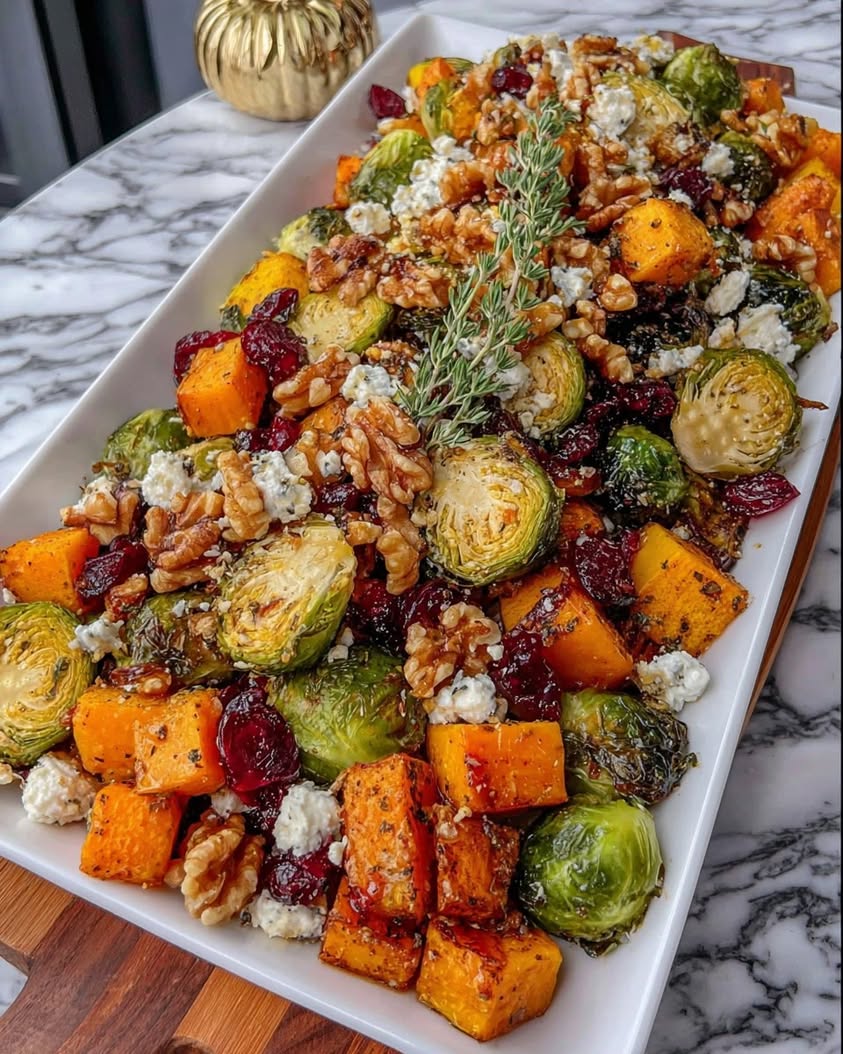
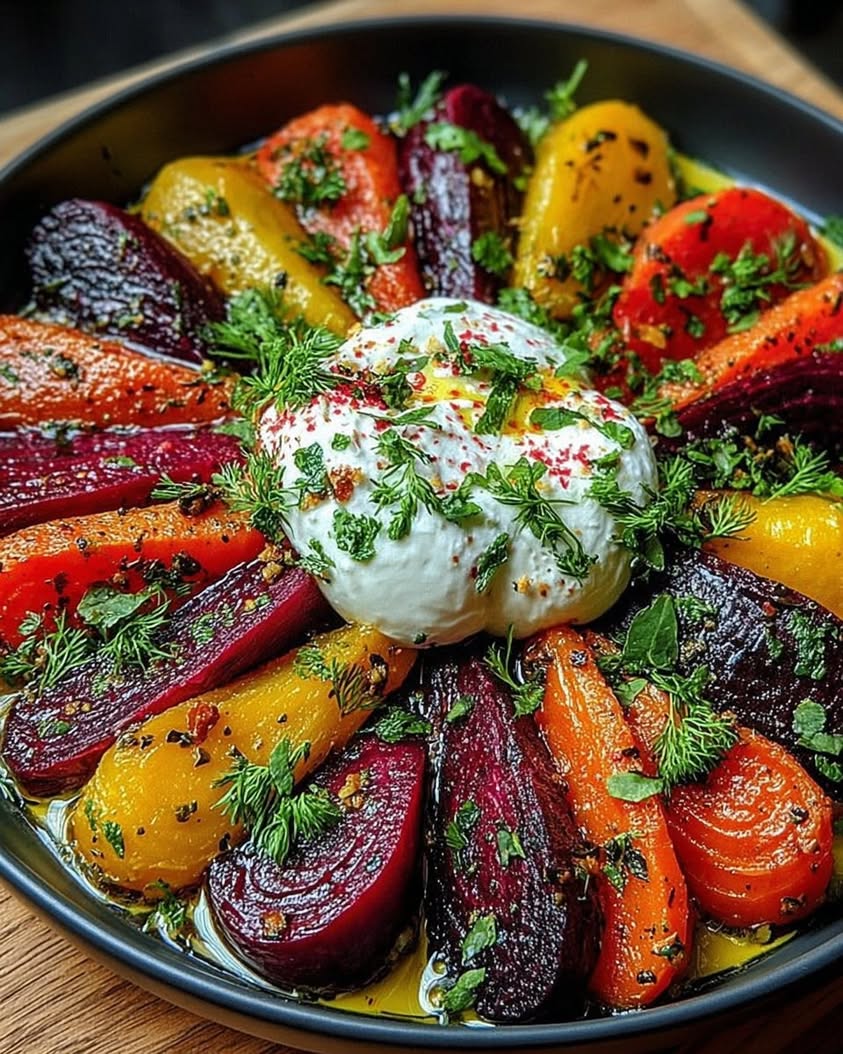
- Visual Appeal: The deep purple and ruby tones of the beets contrast strikingly with the bright orange carrots and the pristine white burrata. Fresh green herbs sprinkled on top add pops of color, while the glossy vinaigrette makes everything look appetizing and professionally plated.
- Skill Level Needed: This recipe requires basic knife skills for cutting vegetables and minimal cooking techniques, making it accessible to beginners. Even if you are new to cooking, you will find this easy salad recipe approachable and forgiving, with simple steps that deliver impressive results every time.
- Special Equipment: You need a large rimmed baking sheet for roasting the vegetables evenly, and a small bowl for whisking together the dressing ingredients. A sharp chef’s knife and cutting board are essential for preparing the vegetables, and having a mandoline is helpful but not necessary for slicing.
Recipe Overview
- Difficulty Level: This vibrant roasted beets and carrots with creamy burrata salad recipe rates as easy because it requires basic preparation techniques and relies on oven roasting for most of the cooking process. The recipe involves minimal active cooking time, and the steps are straightforward, making it perfect for cooking novices who want impressive results without complicated techniques.
- Category: This dish works beautifully as a main course salad for lunch or light dinner, but it also shines as a spectacular side dish for holiday gatherings and dinner parties. You can serve it warm straight from the oven or at room temperature, and it transitions effortlessly between casual meals and formal occasions, making it incredibly versatile.
- Cuisine: The recipe draws inspiration from Italian cuisine, particularly the tradition of serving fresh cheeses with seasonal vegetables. Burrata originates from the Puglia region of Italy, and this dish respects that heritage while incorporating modern roasting techniques and contemporary plating styles. The combination reflects the Italian philosophy of using high-quality, simple ingredients to create something greater.
- Cost: The ingredients for this easy salad recipe are surprisingly budget-friendly, with root vegetables being among the most economical produce options available. Burrata costs more than regular mozzarella, but you need only four ounces to serve four people, keeping the per-serving cost reasonable. Overall, you can prepare this dish for approximately eight to ten dollars depending on your location and ingredient sources, which is excellent value.
- Season: While you can enjoy this salad year-round, it truly shines during fall and winter when root vegetables are at their peak freshness and flavor. The warming qualities of roasted vegetables make this particularly comforting during colder months, and it features beautifully on Thanksgiving and holiday tables. During spring and summer, you can make delicious variations using fresh seasonal herbs and lighter dressings.
- Occasion: This versatile dish suits countless occasions, from intimate weeknight dinners to festive holiday celebrations. It makes a stunning vegetarian main course for dinner parties, an elegant addition to brunch spreads, and a crowd-pleasing side dish for potlucks and barbecues. The gorgeous presentation means it works equally well for casual family meals and formal entertaining.
Why You’ll Love This Recipe
The taste experience of this vibrant roasted beets and carrots with creamy burrata salad recipe is truly exceptional, and it never fails to impress anyone who tries it. The roasting process concentrates the natural sugars in the vegetables, creating an intense sweetness that we love contrasting with the tangy vinaigrette and the rich, creamy burrata. Each bite delivers a complex layering of flavors, starting with the caramelized exterior of the vegetables and finishing with the cool, milky cheese that melts on your tongue. The fresh herbs brighten everything, and the combination tastes both familiar and excitingly new, which is exactly what we want in a memorable salad dish.
Convenience factors heavily into why I adore this easy salad recipe, because most of the work happens in the oven while you attend to other things. After a quick vegetable prep, you simply toss everything with oil and seasonings, then roast until tender and caramelized. The hands-on time totals only about fifteen minutes, making this perfect for busy weeknights when you want something delicious without spending hours in the kitchen. You can also prepare components ahead of time, which makes entertaining effortless and stress-free since much of the work happens before your guests arrive.
From a nutritional standpoint, this vibrant roasted beets and carrots with creamy burrata salad recipe offers impressive health benefits that make you feel good about serving it. Beets provide essential nutrients like folate, manganese, and nitrates that support heart health and athletic performance, while carrots deliver generous amounts of beta-carotene and antioxidants that promote eye health and immune function. The burrata adds protein and calcium, and when you include the olive oil in the dressing, you also get healthy monounsaturated fats. This salad proves that eating well does not mean sacrificing flavor, since every ingredient contributes to both taste and nutrition.
The social and entertaining value of this dish cannot be overstated because it looks spectacular on a buffet table or when plated individually for guests. People gravitate toward colorful food, and this salad delivers a visual feast that photographs beautifully for social media. When you bring this to a gathering, you will receive compliments and requests for the recipe, and it naturally becomes a conversation starter because of its gorgeous presentation. The flexibility to serve it warm or at room temperature makes it practically perfect for entertaining, since you can prepare it in advance and relax with your guests.
Cost-effectiveness and accessibility make this vibrant roasted beets and carrots with creamy burrata salad recipe an excellent choice for home cooks on any budget. Root vegetables remain among the most affordable produce options, especially when purchased seasonally from farmers markets or grocery stores. Burrata, while slightly indulgent, does not break the bank when you use it as a finishing element rather than a main component. The ingredient list remains simple and easy to source from any well-stocked supermarket, and most items you likely already have in your pantry and refrigerator.
Historical Background and Cultural Significance
The story of this vibrant roasted beets and carrots with creamy burrata salad recipe begins with the vegetables themselves, which have ancient origins spanning thousands of years across different civilizations. Beets were originally cultivated in the Mediterranean region, where ancient Romans and Greeks used both the roots and leaves for food and medicine. Carrots have a similarly long history, with early varieties coming in purple, white, and yellow shades before the familiar orange carrot was developed in the Netherlands during the seventeenth century as a tribute to the Dutch royal family.
Burrata cheese has a much more recent origin story, tracing back to the 1950s in the Puglia region of southern Italy. According to local tradition, cheesemakers created burrata as a way to use leftover mozzarella scraps, which they stretched and filled with fresh cream and soft curds before tying the cheese into a pouch shape. The name translates roughly to “buttered” in Italian, referring to the rich, buttery quality of the cream-filled interior, and this beloved cheese quickly gained popularity throughout Italy and eventually worldwide.
The cultural significance of this roasted vegetable and burrata combination reflects modern Italian food philosophy that emphasizes simplicity and quality ingredients prepared honestly. Italian cuisine traditionally celebrates seasonal vegetables and fresh dairy products, and this salad beautifully honors that heritage by letting each component shine without heavy sauces or complicated preparations. The roasting technique itself has ancient roots, as humans have been cooking root vegetables over fire since prehistoric times, making this dish feel connected to our culinary ancestors while remaining thoroughly contemporary.
Regional variations of this roasted vegetable and fresh cheese combination exist throughout Italy and the Mediterranean basin, with each area adapting the basic concept to local ingredients and preferences. In northern Italy, cooks might use taleggio or gorgonzola instead of burrata, while in Tuscany, they might add cannellini beans for extra substance. Modern American interpretations often incorporate honey, balsamic glaze, or pomegranate seeds, and some versions add grains like farro or quinoa to create a more substantial meal, demonstrating how recipes evolve as they travel across cultures.
Ingredient Deep Dive
Beets hold a special place in culinary history, having been cultivated for thousands of years for their nutrient-dense roots and nutritious greens. Ancient civilizations prized beets for their perceived medicinal properties, and they have remained a staple in European and Asian cuisines throughout history. Nutritionally, beets provide impressive amounts of folate, manganese, potassium, and vitamin C, and they are one of the few dietary sources of betalains, powerful antioxidants that give them their distinctive deep red color.
When selecting beets for this vibrant roasted beets and carrots with creamy burrata salad recipe, choose ones that feel heavy for their size with smooth, firm skins and no soft spots. Look for beets with fresh, crisp greens still attached, as these indicate recent harvest and better quality. Store unwashed beets in a perforated plastic bag in your refrigerator crisper drawer, where they will stay fresh for several weeks, and always remove the greens before storing since they draw moisture from the roots and cause them to spoil faster.
Carrots have a rich cultural heritage spanning across Europe and Asia, where they have been cultivated for over a thousand years for both food and medicinal purposes. These versatile root vegetables provide exceptional amounts of beta-carotene, which your body converts to vitamin A, along with biotin, vitamin K, and multiple antioxidants that support overall health. The sweetness of carrots increases as they cook, and roasting brings out their natural sugars and creates a deliciously caramelized exterior that enhances this easy salad recipe.
For the best results, choose carrots that are firm and crisp with vibrant color and fresh, green tops if attached. Avoid carrots that appear limp, cracked, or have dark spots, and always peel them to remove the tough outer layer before roasting. Store carrots in the refrigerator in a plastic bag or container with some moisture, and they will keep for several weeks. Baby carrots work in a pinch, but full-size carrots provide superior flavor and texture for this roasted vegetable dish.
Burrata represents one of Italy’s finest culinary creations, originating from the Puglia region where cheesemakers developed this innovative way to use fresh mozzarella scraps. The exterior shell is firm mozzarella, but the interior contains a luxurious mixture of cream and soft curd that flows out when you cut into it. Nutritionally, burrata provides protein and calcium, along with healthy fats from the cream, and its rich flavor means you need only a modest amount to make a statement in your salad.
Seek out fresh burrata from the refrigerated case at specialty grocers or well-stocked supermarkets, and always check the expiration date since this is a perishable fresh cheese. The cheese should feel slightly springy with no sour odor, and it should be kept refrigerated until you are ready to use it. If you cannot find burrata, fresh mozzarella makes an acceptable substitute, though you will miss the luxurious creamy center that sets this salad apart from ordinary cheese-topped dishes.
Common Mistakes to Avoid
- Skipping the peeling step for beets and carrots can ruin the texture of your salad because the tough outer skins become chewy and unpleasant when roasted. Take the extra few minutes to peel the vegetables properly, and you will be rewarded with tender, delicious results that make this easy salad recipe truly shine.
- Cutting the vegetables into uneven sizes leads to inconsistent cooking, since smaller pieces will burn before the larger ones become tender. Aim for uniform chunks about one and one-half inches across, and this simple attention to detail ensures everything roasts perfectly in the same amount of time.
- Rinsing burrata under water washes away some of the fresh cream and dilutes the flavor, so you always want to handle this delicate cheese gently. Simply remove it from its packaging and pat it dry very lightly with a paper towel if needed, keeping the cream intact for the best experience.
- Overcrowding the baking sheet traps steam and prevents the vegetables from caramelizing properly, resulting in soggy, bland roasted vegetables. Use a large rimmed baking sheet and spread the vegetables in a single layer, giving them space to brown and develop those delicious crispy edges.
- Adding the dressing while the vegetables are still piping hot makes the vinaigrette break and become greasy, which detracts from the final dish. Allow the roasted vegetables to cool for about five minutes before gently tossing with the dressing, which preserves the texture and appearance of the salad.
- Forgetting to season the vegetables before roasting means they will taste flat and bland, since underseasoned vegetables never develop the flavor depth you want. Be generous with kosher salt and freshly ground black pepper before the vegetables go into the oven, and you will taste the difference immediately.
- Using cold burrata straight from the refrigerator reduces its creamy luxury, since cold temperatures dull the flavors and make the texture less appealing. Let the burrata sit at room temperature for about thirty minutes before serving, and you will experience it at its absolute best.
- Serving this salad ice cold from the refrigerator destroys the lovely contrast between warm vegetables and cool cheese that makes it so special. Bring it to room temperature or serve slightly warm for the optimal experience, and your guests will appreciate the attention to temperature detail.
Essential Techniques
Properly roasting root vegetables requires understanding how heat transforms their natural sugars and starches into something magical and delicious. When vegetables roast at high temperatures, the moisture on their surfaces evaporates quickly, allowing caramelization to occur, which produces nutty, sweet flavors and appealing browning. The key to even roasting lies in cutting pieces that are uniform in size, so they cook at the same rate, and making sure they are thoroughly coated with oil so they develop a nice golden exterior rather than drying out or burning in spots.
Mastering the art of cutting burrata requires a delicate touch and the right approach to reveal its creamy interior without crushing the cheese. Using a sharp knife, gently make a cross-hatch pattern on the top of the burrata, then gently pull the sections apart to expose the creamy center. Alternatively, you can simply tear the burrata with your hands into rough pieces, which gives a more rustic and casual appearance that works perfectly for this easy salad recipe and looks beautiful on the plate.
Whisking a vinaigrette properly ensures that the oil and vinegar emulsify into a stable mixture that coats vegetables evenly without separating. Start by combining the acidic ingredients with the seasonings and allow them to sit briefly so the flavors meld, then slowly drizzle in the olive oil while whisking continuously. For best results, taste the dressing and adjust the seasoning before adding it to the roasted vegetables, and remember that warm ingredients can tolerate slightly more aggressive seasoning than cold ones.
Knowing when your roasted vegetables are perfectly done involves recognizing visual and textural cues rather than relying only on cooking times. The vegetables should be easily pierced with a fork but still hold their shape, with caramelized edges that are golden brown and slightly crispy. You will notice the natural sweetness intensifying and the room filling with a pleasant roasty aroma, and these sensory signals tell you the vegetables have reached their peak flavor and tenderness.
Pro Tips for Perfect Vibrant Roasted Beets and Carrots with Creamy Burrata Salad
Giving your beets a head start in the oven before adding the carrots ensures both vegetables finish cooking simultaneously, since beets take longer to become tender. Roast the beets alone for about ten minutes before adding the carrots to the pan, and this simple timing adjustment prevents one vegetable from being undercooked or the other from turning mushy.
Line your baking sheet with parchment paper to make cleanup effortless and prevent the natural sugars in the vegetables from sticking and burning onto the pan. This simple step saves you from scrubbing stubborn caramelized residue later, and it also helps the vegetables roast more evenly without scorching on the bottom.
Consider roasting whole garlic cloves alongside your vegetables to add a sweet, mellow garlic flavor that infuses the entire dish. The roasted garlic cloves become soft and spreadable, and you can either toss them with the vegetables or mash them into the dressing for an extra layer of savory depth.
For the brightest, most vibrant presentation, reserve a few fresh herbs to sprinkle over the finished salad after you have plated it with the burrata and dressing. The raw herbs provide a fresh, green contrast to the caramelized vegetables and creamy cheese, and the difference in texture and intensity makes the dish look and taste more polished.
Allow the roasted vegetables to rest for several minutes after they come out of the oven so the juices can redistribute and the flavors can settle. This brief resting period prevents the dressing from becoming watery, and it also allows the vegetables to cool to a temperature where the burrata will not melt upon contact.
If you are preparing this dish for a crowd, do not hesitate to double the recipe and use two baking sheets positioned on separate oven racks. Rotate the pans halfway through cooking, and you might need to extend the roasting time slightly to account for the larger quantity of vegetables in the oven.
For extra visual appeal and flavor complexity, try using a mix of golden and red beets in your salad instead of just one variety. The combination of yellow and deep ruby tones creates a stunning color palette, and the two varieties also offer slightly different texture and sweetness that adds interest to every single bite.
Variations and Adaptations
Regional variations of this roasted vegetable and fresh cheese salad appear throughout Italy, where cooks adapt the basic concept to feature local vegetables and cheeses. In southern regions, you might find roasted fennel or artichokes replacing some of the root vegetables, while northern Italian versions often incorporate radicchio or other leafy greens. Some Italian cooks add a drizzle of aged balsamic vinegar or a spoonful of honey to enhance the sweetness, and others finish with crushed red pepper flakes for gentle heat.
Seasonal adaptations make this vibrant roasted beets and carrots with creamy burrata salad recipe endlessly versatile throughout the year. During autumn, try adding roasted butternut squash or sweet potatoes for extra seasonal flavor, and in spring, incorporate fresh peas or asparagus alongside the root vegetables. Summer brings the opportunity to use fresh heirloom carrots in rainbow colors, or you could reduce the roasting time and add fresh cherry tomatoes at the end for a lighter, brighter version.
Dietary modifications can accommodate various eating preferences without sacrificing the essence of this delicious salad. For a dairy-free version, substitute a high-quality vegan mozzarella or creamy cashew cheese, or simply omit the cheese and add extra toasted nuts for richness. To increase the protein content for a more substantial meal, top the salad with grilled chicken, pan-seared salmon, or crispy chickpeas, and it becomes complete as a main dish.
Flavor variations allow you to customize this easy salad recipe to your preferences by changing the herbs, spices, and dressing components. Try using smoked paprika or ground cumin on the vegetables for a warming spice note, or swap the lemon juice for orange juice or sherry vinegar to change the dressing personality. Adding a spoonful of dijon mustard to the vinaigrette creates a more complex dressing, and a drizzle of pomegranate molasses adds a tangy, sweet finish.
Serving and Presentation Guide
Plating this vibrant roasted beets and carrots with creamy burrata salad recipe requires thoughtfulness to show off the beautiful colors and textures you have created. For individual servings, spread the roasted vegetables evenly across each plate, then place the burrata in the center or slightly off to one side for visual interest. Drizzle the vinaigrette generously over everything, and finish with fresh herbs, flaky sea salt, and a generous crack of black pepper.
Garnishing ideas can elevate this salad from simple to spectacular with minimal extra effort, and fresh herbs like parsley, thyme, or basil always work beautifully. Toasted pine nuts or walnuts add elegant crunch and visual appeal, while a drizzle of high-quality balsamic glaze creates beautiful dark streaks across the plate. For a bright pop of color and fresh flavor, scattered pomegranate seeds or a few delicate microgreens make gorgeous finishing touches that impress dinner guests.
Traditional accompaniments for this Italian-inspired salad include crusty bread, which is perfect for sopping up the delicious dressing and creamy burrata. You might also serve it alongside grilled meats, roasted chicken, or simply on its own as a satisfying meatless meal. In Italy, this type of salad would often appear as part of a larger spread, served with other contorni and antipasti for a complete Mediterranean-style meal.
Modern serving suggestions include presenting the salad on a large wooden board or platter for family-style dining, which suits casual gatherings wonderfully. For a more refined presentation, arrange the roasted vegetables in neat rows on each plate and place the burrata on top in a dramatic fashion. Regardless of how you serve it, the salad looks gorgeous at room temperature, and you can present each component separately and let guests build their own plates for an interactive dining experience.
Wine and Beverage Pairing
This vibrant roasted beets and carrots with creamy burrata salad recipe pairs beautifully with light to medium-bodied white wines that offer bright acidity to balance the rich cheese and sweet vegetables. A crisp Sauvignon Blanc or Gruner Veltliner provides the perfect counterpoint to the creaminess, while a dry Riesling brings a touch of fruitiness that complements the roasted sweetness. For those who prefer something with more body, a lightly oaked Chardonnay offers a match for the creamy burrata and caramelized vegetables.
Non-alcoholic alternatives include sparkling water with a splash of citrus, which provides refreshing contrast to the salad’s richness. A bright, herbal tea like mint or chamomile serves as an unexpectedly pleasant pairing, especially when served chilled. Consider a sparkling apple cider for something festive that brings natural sweetness to the table, or you might serve a refreshing lemonade or citrus-based mocktail that echoes the flavors in the dressing.
For rosé enthusiasts, a dry Provence-style rosé offers the best of both worlds with its balanced profile of fruit, acidity, and subtle complexity. The pink color of the wine even echoes the beautiful colors in the salad, making for a stunning table presentation. A light-bodied Pinot Noir also works well if you prefer red wine, especially a chilled red that offers gentle tannins and bright red fruit notes that do not overwhelm the delicate flavors.
Temperature considerations matter greatly when serving beverages with this roasted vegetable salad, as you want your drink to provide a refreshing contrast to the warm vegetables. Serve white wines well-chilled at about 45 to 50 degrees and keep the sparkling water icy cold. For red wine, a slightly cool cellar temperature around 60 degrees allows the best flavor expression without the edges becoming too sharp.
Storage and Shelf Life
Proper storage methods extend the life of this vibrant roasted beets and carrots with creamy burrata salad recipe and help you enjoy it beyond the initial meal. Any leftovers should be refrigerated within two hours of serving, and you should store the components separately rather than assembled to maintain the textures. Keep the roasted vegetables in an airtight container where they will stay fresh for up to five days, while the burrata and dressing should each have their own containers.
Temperature requirements are straightforward since this salad contains dairy and should remain refrigerated at all times except when you serve it. Your refrigerator should be set between 34 and 40 degrees Fahrenheit to keep the burrata safe and the roasted vegetables in good condition. Never leave the assembled salad at room temperature for more than two hours, as this could promote bacterial growth in the dairy product and compromise food safety.
Container recommendations include glass containers for the best results, since they do not retain odors or stains like plastic can. Use separate containers for the vegetables, the burrata, and the vinaigrette to prevent mixing and texture degradation. For the burrata specifically, keep it in its original packaging or wrap it loosely in plastic wrap so it can breathe without drying out or absorbing other refrigerator odors.
Signs of spoilage appear quickly with fresh dairy, so you must trust your senses and discard anything questionable. The burrata should smell sweet and milky, not sour or unpleasant, and if you notice any sliminess or discoloration, throw it away. The vegetables have a longer shelf life, but if you see mold growth or smell off-putting odors, discard them as well, and remember that leftovers involving dairy should never be kept beyond five days.
Make Ahead Strategies
Planning your prep timeline allows you to enjoy this easy salad recipe with minimal stress, and you can complete many components in advance. Up to three days before you plan to serve, you can roast the vegetables, allow them to cool completely, and store them in an airtight container in the refrigerator. The vinaigrette also keeps well for several days, so whisk it together and refrigerate until you are ready to assemble the salad.
The storage between steps requires some thought to maintain quality, particularly regarding the burrata and other fresh components. The vegetables actually benefit from sitting in the refrigerator for a day or two, as they become even more flavorful as the seasonings penetrate. Keep the burrata in its original packaging until the last minute, since exposure to air causes it to dry out and lose quality, and always refrigerate the dressing to prevent the oil from becoming rancid.
Quality impact assessment tells us that many elements improve with advance preparation, but some things are best done fresh. The burrata should be pulled from the refrigerator and brought to room temperature shortly before serving, and the fresh herbs should be added at the last moment to retain their bright color and texture. The toasted nuts, if using, can be prepared days ahead but should be stored in an airtight container to prevent them from becoming stale or absorbing moisture.
Assembly tips for make-ahead success include reheating the vegetables before serving, either in a hot oven until warmed through or briefly in a skillet. Warm the vegetables first, then allow them to cool for a few minutes before adding the burrata and dressing. This approach gives you the lovely contrast between warm vegetables and cool, creamy cheese that makes this salad so special, even though you prepared the components in advance.
Scaling Instructions
Halving this vibrant roasted beets and carrots with creamy burrata salad recipe requires some adjustments to ensure perfect results with smaller quantities. Cut all the ingredient amounts in half, but keep the roasting time the same since individual vegetable pieces still need the same time to caramelize properly. You might need to use a rimmed baking sheet that is smaller in size, and you will need to check the vegetables more frequently to ensure they do not brown too quickly without protection from the parchment paper.
Doubling or tripling this easy salad recipe is manageable, but you must make a few strategic adjustments to handle the larger quantities. Use two baking sheets placed on different oven racks to avoid overcrowding, and rotate the pans halfway through the roasting time for even cooking. You might need to extend the roasting time slightly when working with larger quantities, so check the vegetables often and adjust accordingly rather than relying strictly on the original time.
Equipment adjustments become important when scaling this recipe up or down in size. For a half recipe, you can usually get away with a quarter-sheet pan that fits in a toaster oven or small countertop oven. For a doubled or tripled recipe, you might need to work in batches or borrow additional baking sheets from friends to ensure you have enough space for all the vegetables without overcrowding.
Timing modifications play a huge role in successful scaling of this easy salad recipe. When doubling the recipe, add about five minutes to the roasting time and plan to test the vegetables with a fork for tenderness rather than relying on the timer alone. For a half recipe, keep the time the same but check earlier, since smaller amounts tend to roast slightly faster than the larger amount the original recipe describes.
Nutritional Deep Dive
The macro breakdown of this vibrant roasted beets and carrots with creamy burrata salad recipe makes it a well-balanced addition to most eating patterns. Each serving contains approximately 280 calories, with carbohydrates from the root vegetables making up the bulk of the energy, along with a moderate amount of protein from the burrata and healthy fats from the olive oil and cheese. You get roughly 18 grams of fat, 17 grams of carbohydrates, and 8 grams of protein per serving.
Micronutrient analysis reveals why this easy salad recipe provides exceptional nutritional value, with beets and carrots delivering an impressive array of vitamins and minerals. Carrots provide massive amounts of vitamin A in the form of beta-carotene, along with vitamin K and biotin, while beets contribute folate, manganese, potassium, and iron. The burrata adds calcium and vitamin B12, and the olive oil offers vitamin E, creating a nutritionally complete dish that supports overall health.
The health benefits associated with consuming this roasted vegetable salad regularly include improved heart health, as the nitrates in beets have been shown to lower blood pressure and improve circulation. The antioxidants in root vegetables help combat oxidative stress and inflammation in the body, while the healthy fats support brain function and hormone production. The fiber content promotes digestive health and helps you feel full and satisfied after eating, which supports weight management goals.
Dietary considerations involve the fact that this salad suits vegetarian and gluten-free eating plans perfectly, though you need to modify it for vegan and dairy-free diets. The dish contains moderate calories and fat that might require portion adjustments for those tracking their intake closely. When you consider the nutrient density and the quality of ingredients, this salad represents a sensible and nourishing choice that you can enjoy regularly.
Dietary Adaptations
For a gluten-free version of this vibrant roasted beets and carrots with creamy burrata salad recipe, you do not need to change anything since all the ingredients naturally contain no gluten. Beets, carrots, burrata, olive oil, and fresh herbs are all inherently gluten-free, and the dish works beautifully for anyone following a strict gluten-free diet. Just check your vinegar to ensure it does not contain gluten, and you are good to go with this naturally gluten-free easy salad recipe.
Adapt for a dairy-free lifestyle by replacing the burrata with a high-quality vegan cheese alternative, though the texture will differ considerably from the original. Creamy cashew-based cheeses make excellent substitutes, and you could also make a simple vegan ricotta from blended tofu and lemon juice for a similar creamy effect. Alternatively, you can omit the cheese entirely and add extra toasted nuts or creamy avocado for richness that provides a comparable mouthfeel.
For vegan diets, simple adjustments transform this salad into a plant-based delight without losing its essential appeal. Omit the burrata or use a vegan cheese substitute, and perhaps add white beans or crispy chickpeas for extra protein and texture that mimics the hearty quality of the cheese. A sprinkle of nutritional yeast adds a savory, cheesy flavor that helps fill the gap left by removing the burrata.
Low-carb modifications require you to use more carrots and fewer beets, since beets contain more carbohydrates per serving than their orange counterparts. For a truly low-carb approach, replace some or all of the root vegetables with other roasted vegetables like broccoli, cauliflower, or zucchini. The burrata can remain in modest amounts since cheese is generally low in carbohydrates, making it compatible with most low-carb and keto eating plans.
Troubleshooting Guide
Texture issues can arise if your vegetables turn out mushy rather than caramelized, which usually happens because you overcrowded the baking sheet. Steam trapped between the vegetables prevents browning and leads to soft, waterlogged results, and the solution is simple: give your vegetables more space on the pan. If you cannot spread them out properly on one pan, use two pans or roast them in batches for the best texture Print
Vibrant Roasted Beets & Carrots with Creamy Burrata Salad
- Total Time: 50 minutes
- Yield: 4
Description
A colorful and elegant salad featuring sweet roasted beets and carrots, paired with creamy burrata cheese, a tangy balsamic dressing, and fresh herbs. Perfect as a starter or light main course.
Ingredients
- 3 medium red beets, peeled and cut into wedges
- 3 medium golden beets, peeled and cut into wedges
- 4 large carrots, peeled and cut into diagonal slices
- 3 tablespoons olive oil, divided
- 1 teaspoon salt, divided
- 1/2 teaspoon black pepper, divided
- 1/2 teaspoon dried thyme
- 1/4 cup balsamic vinegar
- 1 tablespoon honey
- 1 shallot, finely minced
- 2 cloves garlic, minced
- 1/4 cup extra virgin olive oil
- 8 ounces burrata cheese, torn into pieces
- 1/4 cup fresh basil leaves, torn
- 1/4 cup fresh parsley, chopped
- 1/4 cup toasted walnuts or pecans
Instructions
- Preheat oven to 425°F (220°C). Line a baking sheet with parchment paper.
- In a large bowl, toss the beets and carrots with 2 tablespoons olive oil, 1/2 teaspoon salt, 1/4 teaspoon pepper, and dried thyme until well coated.
- Spread the vegetables in a single layer on the prepared baking sheet. Roast for 25-30 minutes, flipping halfway, until tender and caramelized at the edges. Allow to cool slightly.
- While vegetables roast, make the dressing: In a small bowl, whisk together balsamic vinegar, honey, shallot, garlic, remaining 1/2 teaspoon salt, and 1/4 teaspoon pepper. Slowly drizzle in the extra virgin olive oil while whisking continuously until emulsified.
- Arrange the roasted beets and carrots on a serving platter. Drizzle with half of the dressing and toss gently.
- Scatter the torn burrata pieces over the vegetables. Sprinkle with basil, parsley, and toasted nuts. Drizzle with remaining dressing before serving.
Notes
You can customize the seasonings to taste. For extra depth, add a pinch of smoked paprika or cumin to the roasting vegetables. Serve immediately for best texture, but the salad can be made ahead and stored in the fridge for up to 2 days.
- Prep Time: 20 minutes
- Cook Time: 30 minutes
- Method: Salad
- Cuisine: American