Zesty Lemon Ricotta and Spinach Pasta: The 20-Minute Bright Dinner You’ll Crave All Week
This Zesty Lemon Ricotta and Spinach Pasta is the kind of weeknight meal that feels like a special occasion but comes together faster than takeout delivery. The creamy ricotta melts into a silky sauce that clings beautifully to every strand of pasta, while the bright lemon zest and fresh juice cut through the richness with a vibrant, sunshiny punch. Fresh spinach wilts into the warm pasta, adding a pop of green color and a boost of nutrients that makes this dish feel both indulgent and wholesome. It is the ultimate quick dinner for busy schedules, and the recipe is incredibly forgiving, which means even beginner cooks can achieve restaurant-quality results on their very first attempt.
When you need a dependable, delicious meal that satisfies every craving, this Zesty Lemon Ricotta and Spinach Pasta delivers on all fronts. The combination of creamy, tangy, and savory flavors creates a balanced profile that appeals to both kids and adults. Moreover, the entire dish uses just a handful of everyday ingredients, many of which you likely already have in your refrigerator and pantry. Therefore, this pasta becomes the perfect solution for those evenings when you want something comforting yet light, and you want it on the table in twenty minutes or less. It is also a fantastic way to incorporate more leafy greens into your family’s diet without any complaints, because the spinach is so deliciously intertwined with the creamy lemon sauce that everyone will go back for seconds.
Quick Recipe Highlights
- Flavor Profile: The taste is a beautiful balancing act between the bright, citrusy acidity of fresh lemons and the mild, creamy sweetness of ricotta cheese. Additionally, the garlic and Parmesan add savory umami notes, while the spinach contributes a subtle earthiness that grounds the dish. The final result is fresh, satisfying, and surprisingly complex for such a simple recipe.
- Texture: This pasta offers a wonderful contrast of textures. The al dente pasta provides a pleasant chew, while the ricotta sauce is luxuriously smooth and creamy. The wilted spinach adds a tender, slightly velvety bite, and the final sprinkle of toasted breadcrumbs or extra Parmesan offers a delightful crunch that completes the eating experience.
- Aroma: As the garlic sautés in olive oil, a warm and inviting fragrance fills your kitchen. Subsequently, the addition of lemon zest releases bright, aromatic citrus oils that are invigorating and fresh. The finished dish smells herbaceous, thanks to the spinach, with a rich, cheesy undertone that promises comfort in every bite.
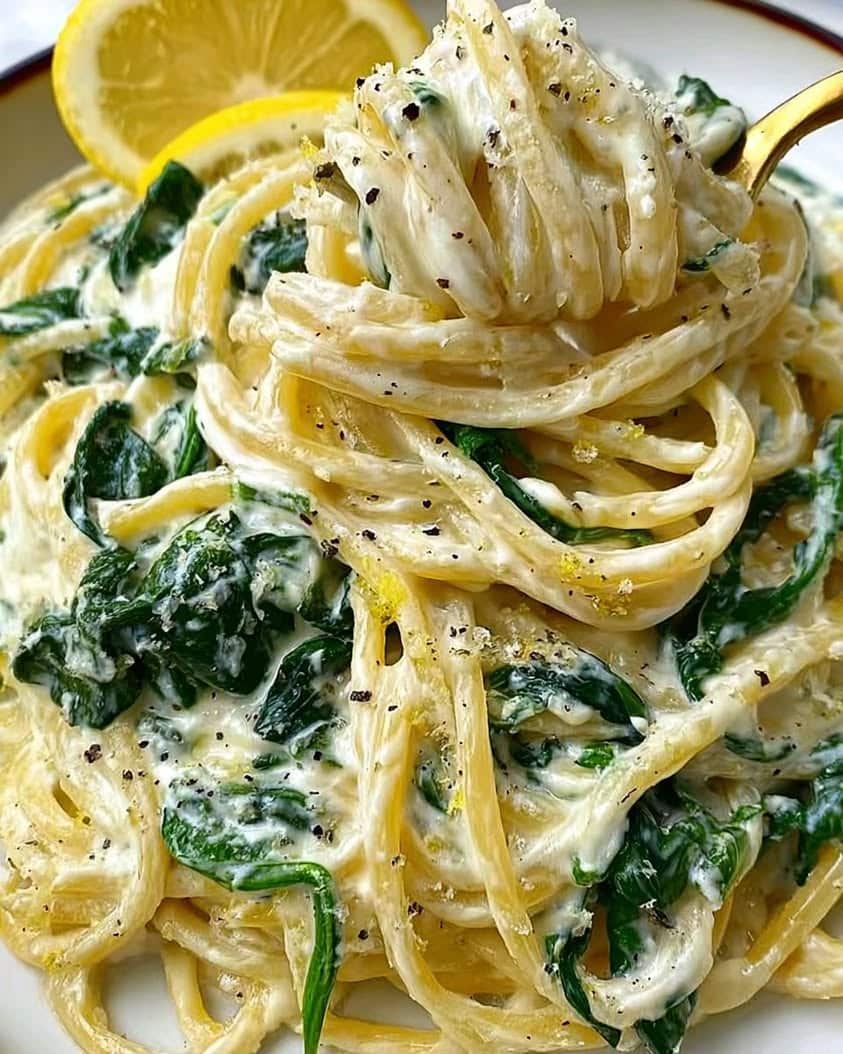
- Visual Appeal: The vibrant green of the spinach is a stunning contrast against the creamy white ricotta sauce and the golden hue of the pasta. A final dusting of lemon zest and a crack of black pepper add specks of color that make the dish look as good as it tastes. It is an effortlessly elegant presentation that looks gourmet without any fancy plating techniques.
- Skill Level Needed: This recipe is perfect for beginners because it requires minimal culinary techniques. The most involved step is boiling pasta and sautéing garlic, both of which are foundational skills. Moreover, the sauce does not require any special equipment or precise temperature control, as the heat from the pasta is enough to melt the ricotta and wilt the spinach perfectly.
- Special Equipment: You only need basic kitchen tools for this recipe. A large pot for boiling the pasta, a large skillet for the sauce, and a colander for draining are the primary equipment. Additionally, a zester or fine grater is helpful for getting the lemon zest, and a set of tongs makes tossing the pasta with the sauce effortless.
Recipe Overview
- Difficulty Level: This recipe deserves an “Easy” difficulty rating because it uses simple techniques like boiling, sautéing, and tossing. There is no complicated sauce-making process that requires constant whisking or precision. Therefore, it is an excellent choice for weeknight cooking, beginner home cooks, and even older children who are learning to cook. The forgiving nature of the recipe reduces any stress, so you can enjoy the cooking process itself.
- Category: This dish is a fantastic main course for a light dinner or lunch, easily serving four people as a hearty meal. It also works wonderfully as a substantial side dish alongside grilled chicken, fish, or a simple green salad. Additionally, you could serve it in smaller portions as a sophisticated appetizer or a first course for a dinner party.
- Cuisine: While pasta is universally loved, this dish is rooted in the Italian culinary tradition of using fresh, simple ingredients to create maximum flavor. The combination of ricotta, spinach, and lemon is a classic pairing found throughout Italian home cooking, particularly in regions like Tuscany and Lazio. It reflects the Italian philosophy of letting high-quality ingredients shine without overcomplicating them, and it celebrates the beauty of rustic, family-style meals.
- Cost: This is a very budget-friendly recipe, making it a great value for any household. Pasta, spinach, and lemons are all inexpensive ingredients that are widely available. Ricotta cheese and Parmesan are also reasonably priced, especially compared to pricier proteins like beef or seafood. In total, you can expect to feed four people for under fifteen dollars, and using pantry staples like garlic and olive oil keeps the cost even lower.
- Season: Although this dish is perfect in the spring when lemons are at their peak and spinach is young and tender, it is truly a year-round staple. In the summer, it is light enough for warm evenings without weighing you down. During the colder months, the creamy sauce provides comfort and warmth, while the bright lemon notes offer a cheerful reminder of sunnier days. So, you can rely on this recipe anytime you need a quick and satisfying meal.
- Occasion: This dish is versatile enough for a casual Tuesday dinner, yet elegant enough for a weekend gathering with friends. It is a great choice for a romantic date night at home because it is impressive but not overly time-consuming. Furthermore, it is a crowd-pleaser for family meals and potlucks, since most people enjoy creamy pasta, and it travels well. You can even serve it as a beautiful side for a holiday spread, where its bright flavors provide a nice contrast to heavier dishes.
Why You’ll Love This Recipe
Above all, you will love how incredibly fast this Zesty Lemon Ricotta and Spinach Pasta comes together. The entire process takes just twenty minutes from start to finish, which means you can have a wholesome, homemade dinner on the table even on your busiest nights. There is no need to simmer a sauce for hours because the ricotta creates an instant creamy texture when it meets the hot pasta. Consequently, you save time and energy without sacrificing any flavor, and the quick cooking time also means less cleanup. This convenience makes it a perfect go-to recipe for those days when cooking feels like a chore, not a pleasure.
Moreover, the flavor of this dish is simply irresistible, offering a perfect balance of creamy, tangy, and savory elements. The lemon that flavors ricotta adds a burst of brightness that elevates the dish beyond a standard cream sauce, making it feel light and fresh rather than heavy. The spinach contributes a lovely, mild flavor and a satisfying texture, while the garlic and Parmesan add depth and savoriness. Each bite is a harmonious blend of these complementary components, ensuring you will never get bored of eating this dish. Additionally, it is a great way to use up leftover ricotta from another recipe, reducing food waste and maximizing your grocery budget.
Nutritionally speaking, this recipe is a smart choice that is high in protein and calcium, thanks to the ricotta and Parmesan cheeses. Spinach is a powerhouse of vitamins and minerals, including iron, vitamin K, and folate, which are essential for overall health and energy. Furthermore, the olive oil provides healthy monounsaturated fats that are good for your heart. This combination of protein, healthy fats, and carbohydrates makes for a balanced meal that will keep you feeling full and satisfied, preventing those mid-evening snack cravings. Therefore, you can feel great about serving this to your family, knowing it is both delicious and nourishing.
From a social perspective, this pasta is a wonderful dish to share with others because it feels generous and comforting. It is easy to double the recipe to feed a crowd, and it is guaranteed to impress your guests with its elegant looks and vibrant flavors. The bright green spinach and creamy sauce present beautifully on a large platter, encouraging people to help themselves. Moreover, it is a conversation starter, as people will be curious about how you got such a creamy texture without using a traditional heavy cream sauce. Consequently, it is a fantastic recipe for potlucks, dinner parties, and any occasion where you want to share a delicious home-cooked meal.
Finally, this recipe is incredibly accessible and uses everyday ingredients that you can find at any grocery store. You do not need to hunt for exotic spices or specialty items to make this dish successful. This accessibility makes it a reliable fallback for any night of the week, knowing you can pick up supplies on your way home from work. Furthermore, it is also a great recipe to teach new cooks, because it is simple enough to master quickly but flavorful enough to build confidence. In short, the combination of speed, flavor, nutrition, and simplicity makes this recipe a true kitchen hero.
Historical Background and Cultural Significance
The origins of combining ricotta and spinach in pasta dishes can be traced back to the rustic kitchens of central and southern Italy. Ricotta, which translates to “recooked” in Italian, is a fresh cheese traditionally made from the whey leftover from producing other cheeses like mozzarella or provolone. This resourceful practice of using every part of the milk highlights the Italian culinary principle of *cucina povera*, or “peasant cooking,” where simple ingredients are transformed into delicious meals. Spinach, which was introduced to Europe by the Moors, became a staple green in Italian cuisine, prized for its versatility and nutritional value. Therefore, the pairing of these two ingredients was a natural development in this resourceful culinary culture.
Culturally, pasta with ricotta and spinach holds a special place in Italian home cooking as a classic example of comfort food. It is the kind of dish that is often prepared by mothers and grandmothers, using recipes passed down through generations. It represents the importance of family and shared meals, where the table is a gathering place for conversation and connection. The dish is not typically found in fancy restaurants but shines as a beloved staple of the home kitchen. Therefore, it evokes a sense of nostalgia and warmth, reminding many Italians of Sunday lunches and the simple joy of eating food made with love.
Over time, the recipe has evolved from a baked casserole, often layered with béchamel or tomato sauce, to the lighter, quicker pasta dish we know today. The modern version, where creamy ricotta is tossed directly with hot pasta, gained popularity as a quick weeknight meal. This transformation was likely influenced by a growing preference for fresher, less heavy dishes that highlight the individual flavors of the ingredients. Furthermore, the addition of lemon zest and juice became more common as a way to brighten the rich, creamy cheese, making the dish more vibrant and refreshing. This evolution showcases how classic recipes can adapt to modern lifestyles and taste preferences.
Regional variations of this dish are abundant throughout Italy. In some parts of Tuscany, they might add nutmeg to the ricotta mixture for a warm, spicy note. In Sicily, they might incorporate raisins and pine nuts for a sweet and savory combination. Additionally, some regions use a simple tomato sauce as a base, while others prefer a lighter emulsion of olive oil and pasta water. The choice of pasta shape also varies, from long strands like spaghetti and fettuccine to short shapes like penne and rigatoni, each holding the sauce differently. Therefore, this dish serves as a canvas for regional and personal expression, yet the core combination of creamy ricotta and earthy spinach remains a timeless and beloved constant in Italian cooking.
Ingredient Deep Dive
Ricotta cheese is a true cornerstone of this recipe and of Italian cooking as a whole. Its history dates back to ancient times, where it was a way for shepherds to use every bit of milk produced. The name “ricotta” even reflects the process, as it is made by reheating the whey from other cheeses. Nutritionally, ricotta is an excellent source of high-quality protein and calcium, with a 1/2 cup serving providing a substantial amount of both. It is also lower in fat and sodium compared to many other cheeses, making it a healthier choice for creamy sauces. When selecting ricotta, you should always opt for fresh, high-quality cheese, preferably from a local deli or specialty market. Look for a texture that is smooth and spreadable, not dry or grainy. For storage, it must be kept refrigerated and consumed within a few days of opening. If you need a substitution, cottage cheese that has been blended until smooth can work well, although the flavor will be slightly more tangy and the texture a bit different.
Fresh spinach is another vital ingredient that brings both nutrition and vibrant color to this dish. Originating in ancient Persia, spinach was introduced to Europe around the 11th century and quickly became a culinary favorite. It is renowned for its exceptional nutritional profile, being packed with iron, calcium, vitamins A, C, and K, as well as powerful antioxidants. This leafy green is also low in calories, making it a perfect addition to a healthy diet. When selecting spinach, you have the option between baby spinach, which is tender and mild, or mature spinach, which has a slightly more robust flavor. Regardless of your choice, you want leaves that are a deep, vivid green with no signs of wilting or yellowing. To store, wrap the dry leaves in a paper towel and place them in a plastic bag in the crisper drawer of your refrigerator. If you do not have fresh spinach, you can use frozen spinach, but make sure to thaw and squeeze out all excess water before adding it to the dish.
Lemons are the star of the show in this Zesty Lemon Ricotta and Spinach Pasta, providing that bright, aromatic flavor that defines the dish. Originally from Northeast India and China, lemons have been cultivated for over 2,500 years and are now a staple in cuisines worldwide. They are an excellent source of vitamin C, which is essential for immune function and skin health, and they also provide a refreshing, acidic flavor that can transform a dish. Therefore, using both the zest and the juice is crucial, as the zest contains potent aromatic oils while the juice provides bright acidity. When choosing lemons, look for ones that are heavy for their size, as this indicates they are juicy. For the best flavor, you should use organic lemons if you plan to zest them, as this ensures there are no unwanted residues on the peel. Fresh lemons can be stored at room temperature for about a week or in the refrigerator for up to a month, and you can substitute with bottled lemon juice in a pinch, though fresh is always superior.
Pasta is the hearty base of this meal, and the type you choose significantly impacts the final dish. While you can use any pasta shape, long, twirling shapes like spaghetti, fettuccine, or linguine are classic choices. Alternatively, short shapes like penne or rigatoni also work well because their tubular structure catches the creamy sauce beautifully. The history of pasta is ancient, with evidence of its existence in several cultures; however, it is most closely associated with Italian cuisine. Nutritionally, traditional pasta provides complex carbohydrates that offer sustained energy. For a healthier option, you can use whole wheat pasta for added fiber, or legume-based pasta for extra protein. You want to cook your pasta to al dente, which means “to the tooth,” where it is tender but still has a slight firmness to its bite. This texture is essential for the dish, as it provides a satisfying chew that stands up to the creamy sauce.
Garlic and Parmesan cheese are the supporting actors that round out the flavor profile. Garlic has been used for thousands of years, both in cooking and for its medicinal properties. When sautéed, it releases a pungent, savory aroma that provides a delicious base note to the sauce. Nutritionally, garlic is known for its antibacterial and anti-inflammatory properties, and it is packed with vitamins B6 and C. When selecting garlic, look for firm, plump bulbs that do not show any signs of sprouting. Parmesan, also known as Parmigiano-Reggiano in Italy, is a hard, granular cheese with a rich, nutty flavor that adds an intense savory note to the dish. It is aged for at least 12 months, and its complex flavors are a result of this long aging process. Nutritionally, Parmesan is a good source of protein and calcium. You should always buy a block of Parmesan and grate it fresh, as pre-grated cheese often contains anti-caking agents and lacks the same flavor intensity.
Common Mistakes to Avoid
- Overcooking the Pasta: The most common mistake is boiling the pasta until it is too soft. Soft pasta will not hold the sauce well and can become mushy in the dish. Instead, you must cook it to al dente, testing it a minute or two before the package directions suggest. The pasta should have a slight resistance in the center, ensuring it becomes perfectly tender when tossed with the hot ricotta sauce.
- Undercooking the Garlic: Sautéing garlic too briefly will leave it with a sharp, raw flavor that can be unpleasant. Conversely, burning it will make the entire dish taste bitter. The key is to cook it just until it becomes fragrant and lightly golden, which usually takes about 30 to 60 seconds over medium heat. At this point, the garlic is sweet and mellow, providing a rich flavor base for the sauce.
- Skipping the Lemon Zest: It is a common mistake to only use the juice of the lemon and discard the flavorful zest. The zest is packed with aromatic oils that are essential for the “Zesty” aspect of this dish, providing an intense lemon flavor without the extra liquid sourness. Therefore, you should always zest your lemon before juicing it, as the zest cannot be easily substituted.
- Adding Ricotta to a Boiling Hot Pan: If you add the ricotta to a very hot pan directly over the flame, it can separate and become grainy. The best method is to turn off the heat and then add the ricotta, allowing the residual heat of the pan and the hot pasta to melt it gently into a smooth sauce. Furthermore, you can loosen it with a splash of hot pasta water if needed.
- Not Reserving Pasta Water: It is a mistake to drain the pasta and throw away the starchy cooking water. This water is a secret weapon for creating a perfectly silky sauce. Therefore, you should always reserve a cup of this liquid before draining. The starch in the water helps to emulsify the ricotta, making the sauce creamier and helping it to adhere to the pasta beautifully.
- Using Frozen Spinach Without Draining: If you choose to use frozen spinach, a big mistake is adding it without properly thawing and squeezing out the excess moisture. The water released will water down your sauce and make it watery and thin. Therefore, you need to carefully squeeze all the liquid out before adding the spinach to the dish, ensuring your sauce stays creamy and flavorful.
- Washing Fresh Pasta After Cooking: Never rinse your cooked pasta with cold water, as this removes the surface starch that helps the sauce cling to it. The starch is a natural thickener and adhesive for your sauce. In contrast, you should drain the pasta, shake off the excess water, and immediately toss it with the ricotta mixture while it is still steamy and hot.
- Adding All the Cheese at Once: Throwing all of your Parmesan into the sauce at the very beginning can lead to a clumpy sauce and a less flavorful result. Instead, you should save some Parmesan to sprinkle on top of each serving. This not only allows you to adjust the level of cheesiness to your taste but also creates a more visually appealing and textured final dish.
Essential Techniques
The first essential technique is mastering the art of cooking pasta to perfect al dente. The importance of this step is paramount, as the texture of the pasta forms the foundation of the entire dish. To master it, you must generously salt the boiling water before adding the pasta, which flavors the pasta from the inside. Next, you should always set a timer for one to two minutes less than the package instructions recommend, and then taste the pasta to check its firmness. A common pitfall is simply trusting the package timing, which often results in overcooked pasta. The visual cue for success is a strand that is tender on the outside but has a tiny white dot at its core, indicating a perfect bite that will stand up to the ricotta sauce.
Zesting a lemon correctly is another critical technique that has a huge impact on this recipe. The outer colored layer of the peel contains potent essential oils that deliver a bright, intense lemon flavor, making this step more important than just adding juice. To master it, use a fine-grained zester or a microplane, which allows you to remove only the colored part of the peel, avoiding the bitter white pith beneath. You should gently scrape the lemon in one direction, rotating the fruit as you go, until all the zest is collected. A common pitfall is zesting too deeply and including the pith, which will make your dish taste bitter and unpleasant. Success is indicated by fluffy, dry-looking zest that easily comes away from the fruit, which you can then sprinkle over the dish for a final burst of aromatic flavor.
Sautéing the garlic correctly is a simple yet vital skill that adds a rich, savory base to the pasta. Sautéing allows the garlic’s natural sugars to caramelize, transforming its raw, pungent flavor into a sweet, mellow, and nutty one. To master it, you should place your olive oil and sliced or minced garlic in a cold skillet and then turn the heat to medium. This gentle heating method prevents the garlic from burning before it has a chance to cook through. A common pitfall is heating the oil and garlic on high heat, which burns the garlic and ruins the entire dish with a bitter taste. The key visual and aromatic cue for success is when the garlic turns a light golden color and releases a pleasant, fragrant aroma, which is your signal to immediately move on to the next step.
Finally, combining the pasta and sauce is an essential technique that allows the ricotta to melt into a creamy, uniform coating. The hot pasta provides the heat needed to soften the ricotta, while the starch in the pasta water helps to bind it all together into a smooth emulsion. To master this, you should add your ricotta to the skillet, then add the drained hot pasta and a splash of reserved pasta water. Using tongs, you will toss the pasta continuously, rotating it to coat every strand with the sauce. A common pitfall is adding the ricotta to a cold or dry pan, which results in a clumpy, uneven sauce that does not coat the pasta properly. The visual cue for success is a silky, smooth sauce that fully coats the pasta and moves easily with the strands as you toss them, creating a gorgeous, cohesive dish.
Pro Tips for Perfect Zesty Lemon Ricotta and Spinach Pasta
To get the most flavor from your lemons, you should always zest them before you juice them. The zest is much easier to collect when the fruit is firm, and it can be set aside for later use. This method ensures you get both components, maximizing the bright citrus taste in your dish without wasting any of the valuable peel.
Always reserve a generous cup of pasta water before draining. This starchy liquid is your insurance policy for creating a perfectly creamy sauce. If your pasta seems dry when you are tossing it with the ricotta, simply add a splash of the hot water to loosen it up. The starch in the water helps to emulsify the sauce, making it silky and smooth rather than thick and clumpy.
For the absolute freshest flavor, purchase a block of Parmesan cheese and grate it yourself. The pre-shredded versions often contain anti-caking agents that prevent them from melting smoothly, and their flavor is less pronounced. Grating your own cheese takes an extra minute of effort but makes a significant difference in the overall taste and texture of your final dish.
To make the citrus flavor zip, you can add a pinch of red pepper flakes along with the garlic. This addition provides a subtle warmth that beautifully complements the bright lemon and creamy ricotta. You can adjust the amount to your heat preference, making the dish as mild or as spicy as you like. This unexpected touch adds a layer of complexity that makes the recipe unforgettable.
Do not forget to season generously with salt. The flavors of the ricotta and spinach are delicate, and they require a helping hand from salt to become fully realized. Make sure to salt your pasta water first and foremost, and season the ricotta mixture to taste before adding the pasta. A final crack of black pepper over the top of each serving also adds a pleasant, subtle spice that enhances the dish.
If you find your dish is a bit too thick, remember the reserved pasta water. Adding a tablespoon or two will not only thin the sauce to your desired consistency but will also help it coat the pasta more evenly. This simple step ensures that you achieve the perfect sauce-to-pasta ratio every single time, preventing a dry and unappealing final dish.
For an extra touch of flavor and texture, you can toast some panko breadcrumbs in a separate pan with a little olive oil until they are golden and crispy. Sprinkling these crumbs over each portion adds a wonderful crunchy contrast to the creamy sauce. This is an optional step but one that will elevate your dish from simple weeknight fare to a restaurant-quality meal.
Variations and Adaptations
There are many regional variations of this creamy pasta dish throughout Italy, reflecting local tastes and ingredient availability. In some areas of Italy, you might find the pasta baked in the oven with a layer of mozzarella and béchamel sauce, transforming it into a rich, bubbly casserole. Others prefer to add a pinch of nutmeg to the ricotta mixture, which adds a warm, slightly spicy note that pairs wonderfully with the earthy spinach. Furthermore, in the south, they might use a simple tomato sauce as a base, creating a more robust and deeply flavored dish. These regional spins on the classic recipe prove its incredible versatility, highlighting how a dish can evolve to express local culinary identity while still staying true to its core ingredients.
Seasonal adaptations are also simple to make with this versatile pasta recipe. In the spring, you can swap the spinach for other tender greens like arugula or pea shoots, which offer a slightly peppery or sweet flavor. Furthermore, you could add some fresh asparagus tips or shelled peas to the pan along with the spinach for a vibrant, spring vegetable medley. In the fall and winter, roasted squash or sweet potatoes make a delightful addition, providing sweetness and a hearty texture. By embracing seasonal produce, you can enjoy this dish year-round, and its familiar creaminess becomes a comfort in every season while always tasting fresh and new.
Dietary modifications are easily implemented without sacrificing flavor or texture. To make this recipe gluten-free, you must simply swap the traditional pasta for a gluten-free pasta variety made from rice, corn, or legumes. This substitution works seamlessly, as the sauce ingredient list is naturally gluten-free. For a dairy-free version, you have a couple of options: you can use a high-quality dairy-free ricotta alternative that has a similar creamy texture, and substitute nutritional yeast for the Parmesan to achieve that savory, cheesy flavor. Making it vegan is just a step further, using vegan pasta and ensuring that your ricotta substitute is indeed plant-based. Furthermore, they will melt and coat the pasta just as well, so everyone can enjoy this creamy pasta bowl.
Flavor variations are endless with this recipe, so you can customize it to your personal preferences with ease. For a more herbaceous dish, you can add a handful of chopped fresh basil, parsley, or chives at the very end. For a bit of heat and depth, a drizzle of white truffle oil before serving will add a luxurious and earthy aroma. If you enjoy a bit of smokiness, you can add some crispy pancetta or bacon to the skillet when you cook the garlic. Moreover, a few sun-dried tomatoes can be rehydrated and stirred into the sauce for a burst of concentrated, sweet-tangy tomato flavor that pairs beautifully with the ricotta and spinach.
You can also adjust the texture of the dish to your liking. If you prefer a very smooth, velvety sauce, you can blend the ricotta and lemon juice in a food processor before adding it to the pan. If you want a chunkier, more rustic texture, just crumble the ricotta directly into the hot pan and stir until it melts. For a bit of added textural contrast, you could toss in some toasted pine nuts, walnuts, or breadcrumbs along with the spinach. These additions introduce a satisfying crunch that makes each bite more interesting and complex.
Finally, you can experiment with the presentation to make the dish look as exciting as it tastes. You can serve the pasta in a large, beautiful shallow bowl, and then create a well in the center and add a dollop of fresh ricotta. This allows each person to mix in as much cheese as they want as they serve themselves. Drizzling with a high-quality extra virgin olive oil and making a final grating of lemon zest at the table is an elegant touch that engages your guests. These simple presentation choices can elevate a humble weeknight pasta into an event to be savored.
Serving and Presentation Guide
Plating this pasta beautifully is essential for creating a memorable meal. Your goal is to build height and to lead the eye across the plate, making the dish look as appetizing as it tastes. You should use a pair of tongs to twirl a portion of pasta into a neat, elegant nest in the center of a shallow, warmed bowl. Then, place a generous spoonful of the ricotta sauce over the top center, allowing it to cascade down the sides. To finish the visual appeal, you can add a fresh spinach leaf or a small sprig of basil to the top for a final pop of green color.
Garnishing is where you can truly elevate the dish from simple to spectacular. A classic garnish is a generous sprinkle of freshly grated Parmesan, which adds a nutty, savory flavor and a pop of white color. Additionally, a few strands of lemon zest placed on top will not only enhance the citrus aroma but also add a visually striking and vibrant yellow hue. For a final touch, a drizzle of high-quality extra virgin olive oil will add a subtle peppery flavor and a gorgeous shine. You can also add a crack of fresh black pepper over the top for flavor and a bit of visual texture, which enhances the sophisticated look of the final plate.
Traditional accompaniments for this pasta include a simple, crusty loaf of Italian or sourdough bread, which is perfect for soaking up every last bit of the creamy sauce from the bowl. A fresh green salad with a light vinaigrette is also a classic pairing, providing a crisp and acidic contrast to the rich pasta. Furthermore, a glass of crisp white wine, such as Pinot Grigio or Sauvignon Blanc, is the perfect beverage to complement the bright lemon and creamy cheese. If you are serving this as a main course, these simple sides create a satisfying, well-rounded Italian-inspired meal.
For modern serving suggestions, you can think outside the traditional bowl. This pasta makes a fantastic filling for stuffed peppers or as a savory base for a frittata. You could also serve it in smaller portions as an elegant appetizer in tiny ramekins or in crispy wonton cups for a unique party starter. Another creative idea is to use it as a filling for a grilled sandwich, like a panini, which creates a decadent, melty center. So, this versatile dish can transition from a traditional weeknight dinner to a creative and exciting option for entertaining guests.
Temperature is another key aspect of serving this pasta correctly. You should serve freshly made pasta while it is hot, as the sauce is at its most silky and the cheese is beautifully melted. This dish is not very good cold or at room temperature, as the ricotta sauce will stiffen and the pasta can become clumpy. Therefore, you should time your cooking to ensure the pasta and sauce are ready to be combined and served immediately after preparation. If necessary, you can slightly undercook the pasta and finish it in the sauce to ensure everything is piping hot when served.
Regarding portion control, a good rule of thumb is to use about two ounces of dry pasta per person for a main course. This will yield around a cup and a half of cooked pasta, which is a satisfying and appropriate portion size. When presenting the dish, you can use a kitchen scale or simply use the serving spoon to gauge the amount. Be conscious of the amount of rich sauce you are adding, and remember that a little goes a long way, as the creamy flavor can become overwhelming if over-applied.
Wine and Beverage Pairing
Wine pairing is a wonderful way to elevate the dining experience of this Zesty Lemon Ricotta and Spinach Pasta. The bright, citrusy notes of the lemon and the creamy texture of the ricotta call for a crisp, high-acid white wine. A Pinot Grigio from Italy’s northeastern region is a classic choice, as its light-bodied, subtly fruity character and refreshing acidity beautifully complement the dish without overpowering the delicate flavors. Furthermore, a Sauvignon Blanc, especially one from the Loire Valley or New Zealand, offers zesty citrus and herbaceous notes that will echo the lemon and spinach, creating a harmonious pairing. For a slightly richer option, an unoaked Chardonnay from the Chablis region provides a creamy texture and mineral notes that can match the cheese’s creaminess.
For those who prefer non-alcoholic alternatives, there are several fantastic options that will enhance the meal. A sparkling water infused with a slice of lemon and fresh mint is a most refreshing choice, cleansing the palate and echoing the dish’s bright citrus flavors. Alternatively, a freshly brewed iced tea, subtly sweetened with a hint of lemon, would also be a light and pleasant companion. Another great option is a homemade lemonade, which, when made with real lemon juice and only lightly sweetened, can be both tart and refreshing, and its citrus note will perfectly tie the whole meal together.
Although it is a white wine dish, you can consider a light-bodied red wine served slightly chilled. A fruity, low-tannin red like a Dolcetto or a Valpolicella from Italy offers a delicate balance of fruit and earth Print
Zesty Lemon Ricotta and Spinach Pasta
- Total Time: 30 minutes
- Yield: 4
Description
A bright and creamy pasta dish featuring fresh spinach, tangy lemon, and rich ricotta cheese. Perfect for a quick weeknight dinner.
Ingredients
- 12 oz pasta (such as fettuccine or penne)
- 2 tbsp olive oil
- 3 cloves garlic, minced
- 1 cup fresh spinach, roughly chopped
- 1 cup ricotta cheese
- 1/2 cup grated Parmesan cheese
- 1 lemon, zested and juiced
- 1/2 tsp red pepper flakes (optional)
- Salt and black pepper to taste
- 1/4 cup pasta water (reserved)
Instructions
- Cook pasta according to package instructions in salted boiling water until al dente. Reserve 1 cup of pasta water before draining.
- In a large skillet, heat olive oil over medium heat. Add garlic and sauté for 1 minute until fragrant.
- Add spinach and cook for 2-3 minutes until wilted.
- Reduce heat to low. Stir in ricotta, Parmesan, lemon zest, lemon juice, and red pepper flakes. Mix until creamy.
- Add cooked pasta to the skillet. Toss to coat, adding reserved pasta water a little at a time until desired sauce consistency is reached.
- Season with salt and black pepper to taste. Serve immediately, optionally garnished with extra Parmesan and lemon zest.
Notes
You can customize the seasonings to taste. For a touch of freshness, add some chopped basil or parsley before serving.
- Prep Time: 10 minutes
- Cook Time: 20 minutes
- Method: Main
- Cuisine: Italian