Ultimate Cheddar Parmesan Garlic Butter Chicken with Creamy Shells Recipe
There is something magical about combining rich cheddar, aromatic garlic, and savory Parmesan to create a meal that instantly feels like home. This Cheddar Parmesan Garlic Butter Chicken with Creamy Shells recipe brings together juicy seared chicken breasts and tender pasta shells enveloped in an indulgent cheese sauce. Therefore, this dish will become your new weeknight favorite. Many home cooks search for a dinner that satisfies both kids and adults, and this recipe delivers on every level with its comforting flavors and simple preparation.
Consequently, this meal has gained popularity among busy families who want restaurant quality food without leaving the house. The garlic butter chicken sizzles in a hot skillet to develop a golden crust, while the creamy shells simmer in a velvety sauce infused with sharp cheddar and nutty Parmesan. Furthermore, the combination of textures, from the succulent chicken to the smooth, cheesy pasta, creates a dining experience that feels special yet approachable. Indeed, this recipe has become a staple for those seeking comfort food with a gourmet twist.
Additionally, this easy Cheddar Parmesan Garlic Butter Chicken with Creamy Shells recipe proves you can create a spectacular dinner with pantry staples and fresh ingredients. The aromatic garlic sizzling in butter will fill your kitchen with an inviting aroma before you even take the first bite. Therefore, whether you are cooking for a weeknight treat or a casual get-together, this dish will impress everyone. Let us dive into the details and show you how to master this delicious meal from scratch.
Quick Recipe Highlights
- Flavor Profile: This dish offers a savory and rich flavor experience. The sharp cheddar and salty Parmesan meld perfectly with the aromatic garlic butter sauce. Moreover, the chicken absorbs the buttery goodness, resulting in a deeply satisfying taste that balances creamy and tangy notes.
- Texture: You will enjoy the contrast of tender, juicy chicken against the soft, yielding pasta shells. The creamy sauce is smooth and luxurious, coating every shell perfectly so you get a velvety mouthfeel with each forkful, while the chicken provides a satisfying bite.
- Aroma: The scent of garlic sautéing in butter is the first thing your nose detects. Then, the warm, cheesy aroma of cheddar and Parmesan fills the air, creating an irresistible invitation to the dinner table. The entire house will smell like comfort.
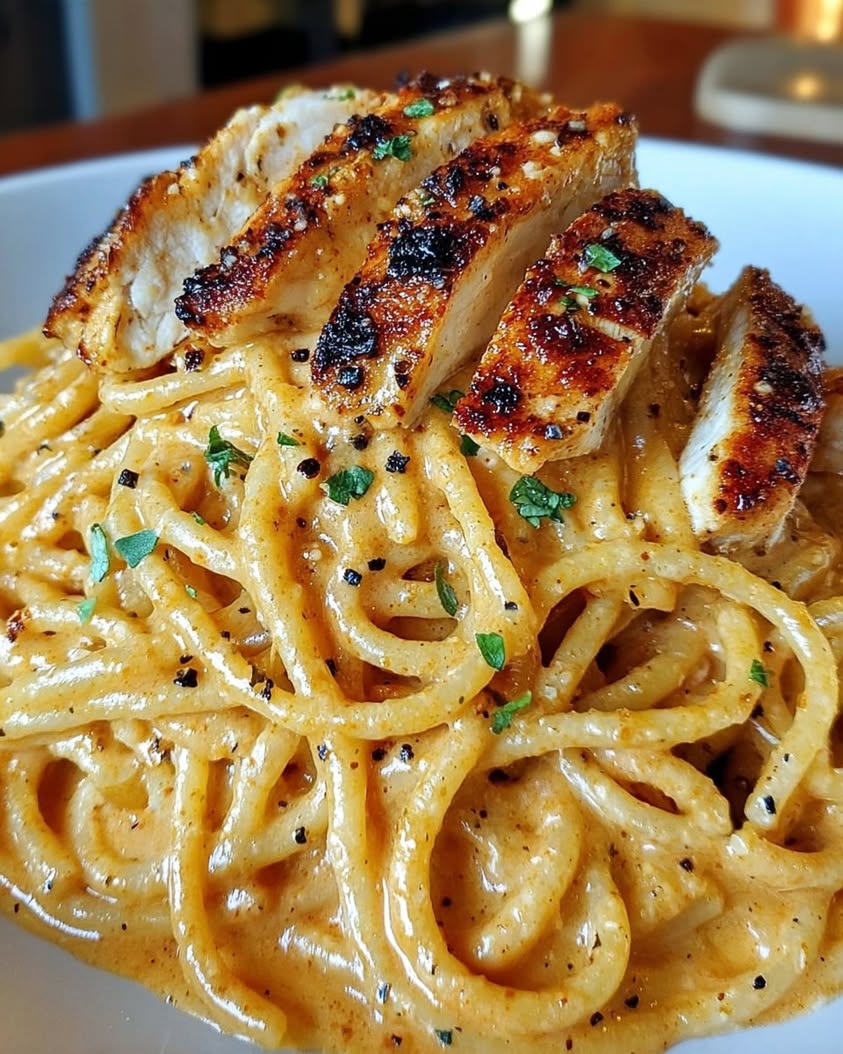
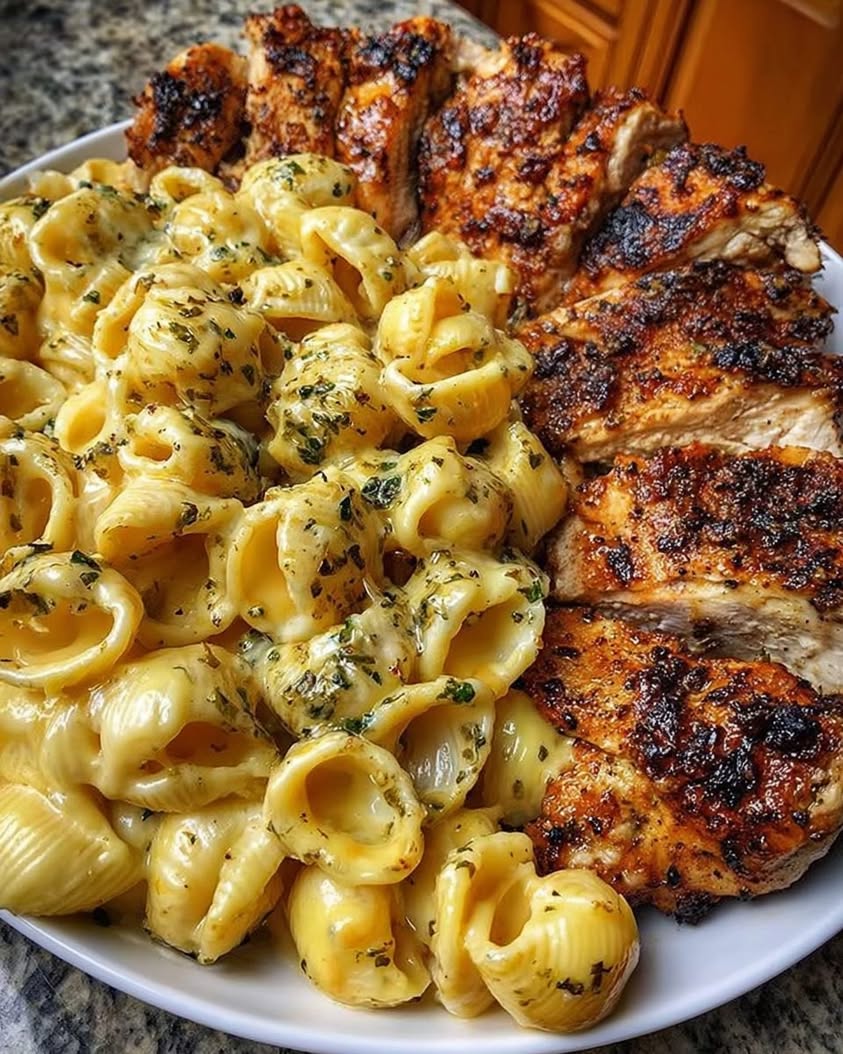
- Visual Appeal: Golden-brown chicken breasts rest atop creamy shells speckled with melted cheese. The sauce glistens, and a colorful garnish of fresh parsley adds a sprinkle of green. Therefore, this dish looks as appealing as it tastes, making it perfect for impressing guests.
- Skill Level Needed: This recipe is ideal for cooks of all skill levels. Even a beginner can confidently follow the steps to create a delicious meal. Indeed, the process involves simple techniques like pan-searing and simmering, ensuring success the very first time.
- Special Equipment: You will need a large oven-safe skillet, a pot for boiling pasta, and a whisk for the sauce. Furthermore, a sharp knife and cutting board are essential for prepping the garlic and chicken.
Recipe Overview
- Difficulty Level: We rate this recipe as easy because the steps are straightforward and require minimal culinary expertise. The entire process flows naturally from boiling pasta to searing chicken and making the sauce. Additionally, there is a short cooking window so you are not constantly multitasking, making it perfect for a relaxed cooking session.
- Category: This dish fits beautifully into the categories of comfort food, one-pan chicken recipes, and family-friendly dinners. You can easily serve it for a hearty dinner, and it also works well for potlucks or meal prep. Moreover, it is versatile enough to be the main attraction for casual dining.
- Cuisine: The recipe draws inspiration from American comfort cuisine while incorporating Italian techniques with Parmesan, and it is influenced by classic French buttery cooking methods. Therefore, this fusion creates a familiar yet elevated taste that appeals to a wide range of palates. The use of garlic and cheese is a nod to Italian flavors.
- Cost: This recipe is cost-effective because chicken and pasta are generally affordable ingredients. Cheese can be the main variable cost, but buying blocks and shredding them yourself saves money. Overall, you can feed a family of six for approximately fifteen to twenty dollars, depending on your ingredient choices.
- Season: While you can enjoy this dish year-round, it is especially comforting during the fall and winter months. The warm, cheesy, savory flavors chase away the chill and provide a sense of coziness. However, it is also a hit in spring when you might pair it with fresh greens for a lighter contrast.
- Occasion: This meal is perfect for many occasions including weeknight dinners, Sunday suppers, or even special celebrations like birthdays. Because it is impressive but not overly fussy, you can also prepare it for holiday meals. Therefore, it is a versatile dish that fits many calendars.
In summary, this Cheddar Parmesan Garlic Butter Chicken with Creamy Shells recipe is a reliable choice for any occasion. Its easy nature and widespread appeal make it a go-to. Therefore, understanding these aspects helps you appreciate what you are about to create in your kitchen.
Why You’ll Love This Recipe
First and foremost, the irresistible taste combination of garlic butter and cheddar cheese is a classic winner. Because garlic adds a savory punch, it cuts through the richness of the cream and Parmesan beautifully. Moreover, the chicken becomes impossibly tender after being seared in butter, and it soaks up the neighboring flavors. Therefore, every bite delivers a delicious harmony that will leave you craving more, and your family will often request it again, demonstrating its popularity around the dinner table.
Additionally, the convenience of this recipe is unmatched. You can have a wholesome, from-scratch dinner on the table in just 45 minutes. Because most of the cooking happens in one skillet, cleanup is a breeze, which is a massive benefit for busy evenings. Furthermore, you only need a handful of common ingredients, likely many already in your pantry. Consequently, you can whip this up without a special trip to the store, making a great last-minute dinner solution.
From a nutritional standpoint, this dish offers a balanced profile with a good amount of protein from the chicken and calcium from the cheese. While it is an indulgence, it provides substance and energy that processed meals lack. Moreover, you can control the quality of ingredients by using organic chicken and high-quality cheese. Therefore, you can feel better about serving this to your family, as you know exactly what goes into each bite.
When you serve this delicious meal, you become the star of the show. The social value is high because guests will automatically be impressed by the rich and creamy appearance of the dish. Additionally, the familiar and comforting flavors appeal to a broad range of preferences, reducing the risk of picky eaters. Thus, you can host a dinner party with ease, knowing this recipe will be a subject of praise, creating memorable moments around your table.
Finally, this recipe is cost-effective and accessible, making it a smart choice for budget-conscious home cooks. Buying chicken in bulk and using pantry staples keeps the cost per serving very low. Because the recipe is forgiving, you can also make swaps to use what you have on hand. Therefore, this meal helps you stretch your grocery budget while still eating like royalty and enjoying gourmet flavors without the high price tag of a restaurant.
Historical Background and Cultural Significance
The roots of this comforting dish lie in the American tradition of mixing meat, starch, and cheese into a single, hearty casserole-style meal. Consequently, the evolution of this plate is tied to the mid-20th century when casseroles gained popularity for their convenience and economy. The inspiration comes from classic dishes like mac and cheese but is enriched with the European technique of pan-searing meat in butter, creating a satisfying fusion of different culinary worlds.
Culturally, cheese sauces have a long history in Europe, particularly in French cuisine where a classic Mornay sauce, a béchamel with cheese, was born. Parmesan, hailing from Italy, adds a nutty depth. Therefore, this recipe represents a cross-cultural coming together of ingredients from different culinary heritages. It reflects how American food often takes beloved traditions from immigrants and adapts them into something new and uniquely comforting, showcasing the diversity that makes American cuisine so special.
Over time, this recipe has evolved from simple casseroles using canned soups to scratch-made versions using real cream and fresh garlic. Home cooks began to value high-quality ingredients in their comfort food. Consequently, the current recipe showcases a modern preference for bold flavors and from-scratch preparation while still keeping the warm memories associated with a classic baked pasta dish, which is always a crowd pleaser.
Regionally, you can find variations of garlic butter chicken across the United States, and the cheese sauce often changes with local preferences. In the Midwest, you might see more American cheese, while the East Coast loves its sharp white cheddar. Furthermore, some versions add spinach or broccoli for a green twist. Therefore, this adaptability has allowed the recipe to thrive across many different communities, each adding its local stamp while keeping the core delicious elements intact.
Ingredient Deep Dive
Cheddar Cheese: Cheddar cheese adds a sharp, tangy flavor that defines this sauce. Its origin in the English village of Cheddar dates back centuries, and today it is a staple in American kitchens. Nutritionally, cheddar is a great source of calcium and protein. So, choose a block that feels firm and has a rich, creamy color. Store it wrapped in wax paper to keep it fresh, and switch out sharp cheddar for a mild or smoked version for an interesting flavor change.
Parmesan Cheese: Parmesan, or Parmigiano-Reggiano from Italy, brings a salty, nutty, and slightly fruity flavor to the dish. This hard cheese is packed with protein and adds an umami boost that enhances the overall savory profile. Furthermore, it melts surprisingly well when grated finely. For the best results, grate it fresh from a wedge rather than buying pre-shredded, and keep the wedge in the refrigerator wrapped in parchment to preserve its texture and taste.
Garlic: Garlic is the aromatic backbone of this recipe, providing a pungent, spicy kick that mellows into sweetness with cooking. It has been used for culinary and medicinal purposes since ancient times. Additionally, garlic is rich in manganese, and it is known for its antibacterial properties. Therefore, select firm, plump bulbs with tight skin, and store them in a cool, dry place. Also, for a quicker alternative, use jarred minced garlic, but the fresh cloves give the best flavor for the butter sauce.
Chicken Breasts: Chicken is the lean protein that makes this dish a complete meal. Its mild flavor serves as a blank canvas for the garlic butter and cheese. Therefore, select boneless, skinless breasts that are similar in size so they cook evenly. Also, consider pounding them to an even thickness to reduce cooking time and prevent dryness. The chicken provides all-important amino acids needed for muscle repair, making it a nutritious part of the diet.
Pasta Shells: Pasta shells are ideal for trapping the creamy sauce because of their shape. They are made from simple durum wheat semolina and are a long-time favorite in Italian cuisine. These shells are also a fantastic source of complex carbohydrates, giving you sustained energy. Consequently, choose shells that are whole and unbroken for the best presentation. Store them in a dry pantry, and feel free to substitute with medium shells, penne, or even tortellini if you want to change the texture of the pasta component.
Butter: Butter provides the luxurious base for the sauce and the searing fat for the chicken. It has been a key component in cooking across Europe for centuries, adding a distinctive creamy richness. Furthermore, butter contributes fat-soluble vitamins A, D, E, and K. Always select unsalted butter to control your sodium levels. Therefore, keep it refrigerated, or freeze it for longer storage. Also, for the sauce, you can substitute half of the butter with olive oil for a different flavor profile.
Common Mistakes to Avoid
- Overcooking the chicken breasts is a frequent issue that leads to dry, tough meat. Therefore, always use a meat thermometer; the safe internal temperature is 165 degrees Fahrenheit. Also, let the chicken rest for five minutes before slicing to allow the juices to redistribute, and cut thick breasts in half for faster cooking.
- Not seasoning the water for pasta is a lost chance to build flavor. The first thing the pasta absorbs is water, so a salty water adds a foundational layer of flavor. Add about two tablespoons of kosher salt to a large pot of boiling water before adding the shells. Thus, do not skip this step.
- Adding cold cheese directly to a hot sauce will cause it to clump and become gritty. So, remove the sauce from the heat before stirring in the shredded cheese, also your cheese should be room temperature and freshly grated. Consequently, the sauce will be silky smooth.
- Using pre-shredded cheese is a mistake because it contains anti-caking agents like potato starch, which prevents it from melting smoothly. For a perfectly creamy sauce, purchase a block of cheddar and Parmesan and grate them yourself just before using. Therefore, this simple step makes a huge difference in texture.
- Flipping the chicken too early before it has developed a crust will cause it to stick and tear the exterior. Be patient, and let it sear undisturbed for five to six minutes. You will know it is ready when it releases easily from the pan, so check for the golden crust.
- Not reserving some pasta water is a missed opportunity. Starchy pasta water is a secret weapon used to thicken sauces and help them cling to the pasta. Always save one cup of water before you drain the shells, as you might need a splash to adjust the consistency.
- Overcrowding the pan when searing the chicken will cause it to steam instead of brown. Because the chicken will release moisture and lower the pan temperature, the searing effect is ruined. This requires you to cook in batches, so keep the pieces in a single layer to get that desired golden crust.
- Simmering the sauce on high heat after adding cream can cause it to curdle or break. So, keep the heat on low and stir gently. In particular, you want a gentle simmer rather than a rolling boil to maintain the velvety texture of the cream sauce.
Essential Techniques
Pan Searing: Pan searing is the technique used to create a flavorful brown crust on the chicken. Because this browning reaction, called the Maillard reaction, adds incredible depth of flavor that boiling cannot. To master it, heat your skillet over medium-high heat with a touch of butter and oil. Then, pat the chicken dry with paper towels before seasoning, because a dry surface is essential for browning. Finally, add the chicken to the hot pan without crowding and do not move it until a crust forms, usually in about five minutes. If you see the crust sticking, it needs more time, not a tug of the spatula.
Making the Roux: A roux is a mixture of equal parts fat and flour used to thicken the sauce. When you whisk flour into melted butter over medium heat, it cooks out the raw flour taste. Because of this thickening property, the roux is the base of the sauce and giving it stability. To master this, cook the mixture for one to two minutes until it bubbles and smells nutty, which is a visual cue that the flour is ready. Also, make sure to whisk continuously, and the mixture should be a light brown color, not darker, indicating you have made a proper roux.
Slowly Adding Liquids: To avoid lumps, you should gradually pour the liquid into the hot roux while continuously whisking. Because the starch in the flour absorbs moisture quickly, adding all the liquid at once causes it to seize up. Start by adding just half the cream and whisk until it is completely smooth and thick; then, you can adjust with more liquid. The sauce will appear glossy, which signals you have created a successful base for the cheddar to melt into and thicken the final sauce beautifully.
Sauce Emulsification: Emulsification is what keeps your cheese sauce from turning greasy and separated. This technique uses the heat to blend water and fat into a stable mixture. To encourage emulsification while adding cheese, remove the pan from direct heat and stir in the cheese in batches. Because newly melted cheese releases oils, introducing it gradually lets the sauce absorb them, creating that smooth velvety consistency. A perfect sauce should coat the back of a spoon, which is the visual indicator that you have achieved a proper emulsification.
Pro Tips for Perfect Cheddar Parmesan Garlic Butter Chicken with Creamy Shells
For the best results, choose chicken breasts that are roughly the same size, and pound them to an even half-inch thickness. Because this will guarantee even cooking, you also reduce the risk of overcooking one side. Moreover, use a meat thermometer to check doneness; you will ensure juicy meat every single time.
When simmering your cream sauce, keep the heat low and stir often. Since dairy products burn easily on the bottom of the pan, scraping the bottom with a spatula during cooking prevents scorching. Additionally, a gentle simmer rather than a boiling bubble preserves the silky texture of the sauce without curdling the cream.
Always save a cup of starchy pasta water before draining the shells. Because this liquid is a fantastic thickening agent, you can splash it into the sauce to loosen it up if it gets too stiff. Moreover, the starch binds everything together and enhances the sauce’s ability to cling to the pasta, resulting in a more cohesive dish.
Let the sauce rest off the heat for a couple minutes before serving. This short resting period allows the sauce to thicken slightly, concentrating the flavors. Furthermore, this also allows the cheddar and Parmesan to set, so your creamy shells hold up nicely on the plate rather than being too loose and runny.
Variations and Adaptations
Regional Variations: In the American South, you can add crumbled bacon and a pinch of cayenne for a smoky, spicy kick. Conversely, on the West Coast, adding sun-dried tomatoes and spinach provides a tangy, healthy flavor. Because these ingredients bring a regional personality to the dish, they are great ways to explore new tastes while keeping the main recipe intact and delicious.
Seasonal Adaptations: During the fall, stir in roasted butternut squash cubes for an earthy sweetness. In the spring, add fresh peas and asparagus tips to the cream sauce for a burst of green and fresh flavor. Furthermore, these seasonal veggies add nutrients and a beautiful color variety that makes the dish feel current and new for each season of the year.
Dietary Modifications: This recipe is naturally gluten-free if you use a cornstarch slurry in place of flour for the roux. Also, you can use gluten-free pasta shells that are made from rice or corn. Just ensure the cheese you buy is certified gluten-free, since some aged cheeses may contain trace ingredients. Therefore, this change lets you serve this tasty dinner to guests with sensitivities.
Flavor Variations: To add an herbaceous note, toss fresh thyme or rosemary into the butter when searing chicken. For a richer, spicier flavor, add a pinch of red pepper flakes and smoked paprika to the sauce. Additionally, switching out the cheddar for Gouda or Swiss will completely change the savory profile, giving you a whole new meal from one recipe.
Texture Modifications: If you prefer a crunchy topping, transfer the assembled dish to a broiler-safe baking dish, sprinkle breadcrumbs and Parmesan over the top, and broil for three minutes. Because this adds a crisp layer, it balances the soft and creamy texture below. Alternatively, you can fold in toasted panko crumbs just before serving to add a bit of crunch to the creamy pasta.
Presentation Alternatives: Instead of tossing the chicken with the pasta, you can slice the chicken and fan it over the top of a serving platter full of creamy shells. Then, sprinkle extra cheese and parsley over the top. This plate-style presentation is more elegant and makes a stunning impression for special dinners, though it tastes the same, the visual appeal is substantially increased.
Serving and Presentation Guide
Plating this dish is easy, yet you can create a simple elegant plate. Start by spooning a generous portion of the pasta shells onto a warm plate. Lay the chicken breast slices on top of the pasta, so they remain the centerpiece. Because we eat with our eyes first, an appealing plate enhances the enjoyment. Therefore, take a moment to arrange the slices neatly rather than just plopping them down.
Garnishing is your way to add a final touch of color and freshness. A sprinkle of freshly cracked black pepper, a few fresh parsley leaves, or a pinch of extra Parmesan on top will elevate the look. Moreover, if you have fresh chives, snip a few over the top to add a delicate onion flavor. So, these small additions make the dish look professionally finished and inviting to the table.
Regarding accompaniments, this recipe is a complete meal by itself, but light sides can round out the table. A crisp, green salad with a simple lemon vinaigrette provides a bright contrast to the rich sauce. Additionally, steamed broccoli or green beans sautéed with almonds add a fresh element. Thus, serving these sides helps balance the meal and satisfies a need for veggies.
The temperature is critical, since the dish tastes best hot. Warm your serving plates in the oven for a few minutes before plating. Because a cold plate will immediately cool the sauce, making it congeal quickly. Furthermore, ensure the sauce is loose enough to pour a little over the top at the table, showcasing its creamy consistency, which is the character of this dish.
Portion control is key to enjoying an indulgent meals. Because this dish is rich and filling, a modest portion of roughly one and a half cups of pasta with one chicken breast is satisfying for most adults. Additionally, make up your plate with the recommended serving size to avoid overeating. The rest of the pasta will last for a couple more nights, which gives you built-in meal prep for later in the week.
Wine and Beverage Pairing
For a classic pairing, a buttery Chardonnay is a perfect match for the creamy sauce. The oak and butter notes in the wine complement the garlic butter and cheddar flavors without overwhelming them. Because the wine has enough body to stand up to the richness, it creates a harmonious tasting experience. Moreover, the high acidity in Chardonnay helps cut through the fat of the cream, cleansing your palate with every sip.
If you prefer red wine, choose a light-bodied Pinot Noir with low tannins. Tannins can clash with creamy sauces, making the wine taste bitter. Therefore, a light red with fruit flavors is your safe choice. The earthiness of the Pinot Noir works particularly well with the garlic and parmesan, adding another layer of taste to the meal.
A sparkling wine or Champagne can also be an unexpected delight. The bubbles and high acidity act as a palate cleanser, resetting your taste buds between bites. Sensory-wise, the effervescence is lively and helps to lighten the perception of the heavy sauce. Thus, you can serve something celebratory without overwhelming the flavors of this dish.
For non-alcoholic options, a sparkling water with lemon is a refreshing, simple choice. The citrus cut through the cheese and provide a refreshing coolness. Furthermore, an iced tea with a hint of lemon is also a pleasant pairing. If you drink coffee, an espresso at the end of the meal is a classic palate cleanser that helps digestion while completing a dinner experience.
Storage and Shelf Life
Proper storage ensures you can enjoy this dish for a few days. Allow the dish to cool completely at room temperature, but not for more than two hours for safety reasons. Then, transfer it into an airtight container. Because the sauce is dairy-based, storage in the refrigerator is essential to avoid spoilage. So, place the container in the fridge, where it will stay fresh for three to four days, and the flavors may even develop overnight.
Temperature requirements are key for safety and taste. Your refrigerator should be at 40 degrees Fahrenheit or below. Since dairy products are especially prone to spoilage, maintaining a cold, even temperature is vital. Therefore, do not store the container in the fridge door, which experiences temperature fluctuations; instead, put it deeper into the shelves where the temperature is most consistent and safe.
Use the proper container, such as a glass or BPA-free plastic storage container with a tight-fitting lid. Because a good seal prevents the pasta from drying out and absorbing other smells from the fridge, your fridge will not make the dish taste off. Furthermore, the best containers are not necessarily the cheapest, but they protect your food better.
Look for signs of spoilage before reheating, because dairy can turn sour quickly. The sauce could separate, which is okay, but a sour smell or a change in texture to a slimy consistency is a sure sign it is no longer safe to eat. Therefore, check the visual appearance and sniff it before reheating. Additionally, check for changes in color, and if in doubt, throw it out.
Reheating this dish requires a bit of care to preserve the creamy texture. Reheat it in a skillet over medium-low heat, adding a splash of milk or chicken broth to restore the sauciness. Because microwaving can make it rubbery and dry, slow reheating on the stovetop is best. Also, stir it frequently, ensuring it heats evenly without burning at the bottom.
Regarding freezing, you can freeze this recipe but the texture will change slightly. The cream sauce may break apart and become a bit grainy once thawed; this is due to the dairy collapsing. If freezing, do so for up to a month in a freezer-safe container. For best results, thaw it in the fridge overnight, then gently reheat and re-emulsify the sauce with a little extra cream.
Make Ahead Strategies
This is an excellent recipe to make in advance for busy nights and to save time. First, you can cook it completely and refrigerate it for up to three days. Because the flavor often improves overnight, this pre-preparation makes a ready-to-bake dinner that tastes like a fresh dish. Therefore, you can simply divide it into meal prep containers for grab-and-eat lunches.
If you have time in the morning, you can also prep the ingredients separately. Pound and season the chicken, grate the cheddar and Parmesan, and mince the garlic. This process takes about fifteen minutes, but it means all you have to do when you get home is cook. Consequently, your evening routine speeds up dramatically, and you can put a home-cooked meal on the table faster than takeout delivery.
When assembling for a future meal, consider undercooking the pasta slightly by two minutes. Because the pasta will continue to absorb sauce while it sits in the fridge, the shells will not become too soft and mushy when you reheat it. Moreover, you can prepare it fully and then store it in an oven-proof casserole dish. This will make it easier to bake when you are ready to eat; just add a moderate oven time to reheat.
Before reheating, you must consider the sauce consistency. As it sits, the starch in the pasta absorbs liquid, making the sauce very thick. So, always add a splash of milk or broth and stir thoroughly before reheating. Also, be careful not to overheat, which can dry out the chicken. A slow reheat at a low temperature ensures a delicious, tender final meal.
Scaling Instructions
This recipe is highly flexible with straightforward adjustments. When you halve the recipe, it is best to keep the cooking times the same since the pan size determines the time. For half a batch, use a smaller skillet so the chicken still sears rather than steams, and the sauce thickens appropriately. Because the math is simple, you will find this an easy way to cook for two people with little waste.
When you double or triple the recipe, you may need to use two skillets or cook the chicken in batches. Since a pan that is too full prevents browning, use large pans, and work with multiple batches if needed. Moreover, the sauce will take a little longer to thicken, but a slow simmer brings it to the correct consistency. The recipe will reward with a large quantity of food, ideal for feeding a crowd.
Make sure you have the right equipment for larger portions. A large Dutch oven is perfect, as it distributes heat evenly and holds a generous amount of creamy shells. Because a wider pan surface increases the cooking rate, watch your sauce closely. Also, ensure you have a big enough pot to boil the larger amount of pasta, otherwise you may undercook it.
It is easier to cook a big batch, but you will need more time to cook that amount of food. The chicken breasts will still require the same internal temperature, so use a thermometer. A large batch will take longer to heat through in the oven. Therefore, allow more time for reheating and finishing before dinner, using the probe thermometer as your guide.
Nutritional Deep Dive
This dish provides a substantial amount of macronutrients for a balanced meal. A serving offers a good supply of carbohydrates from the pasta, which gives you quick energy. Additionally, you can expect around 45 grams of protein from the chicken and cheese, which is necessary for muscle health and satiety. The fat content is significant but from good sources like butter and cheese, providing a rich mouthfeel and long-lasting energy.
Regarding micronutrients, this can be a nutrient-dense meal depending on your ingredients. Cheddar provides calcium and phosphorus for strong bones, while Parmesan contains a high amount of sodium, which should be watched. Furthermore, eggs in the pasta shells bring in B vitamins. Because you are using real cheese, you gain access to these nutrients, which are often lost in highly processed, imitation products.
Health benefits stem from pairing lean protein and dairy. Protein intake is vital for immune system function, and calcium has been linked to a lower risk of osteoporosis. The garlic in the recipe also contains allicin, which may aid in heart health. Although it has calories, the nutrients make it a quality meal, not an empty one.
For dietary considerations, this is a high-calorie indulgence, so portion control is essential. Because it is rich, you may want to eat a smaller portion than you would of a lighter meal. Pairing it with a large salad can help you eat less overall. When tracking calories, you should know the exact cheese and butter type used, and a standard serving is around 500-600 calories.
Dietary Adaptations
Gluten-free: To make the meal gluten-free, start by swapping regular all-purpose flour in the roux for a cornstarch slurry. For the pasta, you will need gluten-free shells or penne as they hold their texture well. Because gluten-free pasta can be softer, check its cooking time frequently to avoid mushiness. Finally, ensure your chicken broth and seasonings are certified gluten-free, as some pre-mixed ingredients can be contaminated.
Dairy-free: This recipe is a challenge, but you can make dairy-free substitutions. Use plain, unsweetened oat milk or cashew cream in place of heavy cream, and make sure to use a high-quality dairy-free butter alternative that browns well. For the sauce, find a dairy-free cheese that mimics sharp cheddar and sprinkle nutritional yeast to add that cheesy flavor. Because it is less melty, let the sauce simmer gently to fully melt the vegan cheese, and season carefully to compensate for the lack of salt.
Vegan: The adaptation begins by replacing chicken with crispy pan-fried tofu or oyster mushrooms for an “umami” bite. Use vegan butter and use a mixture of soaked cashews and dairy-free milk to make a creamy cheddar-flavored sauce with nutritional yeast and a pinch of turmeric. Because tofu is neutral, marinate it in garlic and poultry seasoning. This vegan version is flavorful even if it takes more time, and it’s a dinner everyone can enjoy.
Low-carb and Keto: Replace the pasta with steamed cauliflower florets or stir low-carb zucchini noodles into the sauce. Likewise, increase the cheese ratio and use heavy cream as the base for a decadent sauce. Because the fat content in the sauce is substantial, a smaller portion will keep carbs down. Ensure that you have a smaller serving of the chicken and sauce, since it can easily exceed daily carb limits with regular pasta.
Paleo: For a Paleo adaptation, skip the pasta and use roasted spaghetti squash as the vessel for the sauce. Use a nut-based milk, like almond milk, combined with pureed butternut squash to thicken, and use cassava flour for your roux. Because Paleo avoids cheddar and Parmesan, use a cashew cheese instead. The richness of squash gives a similar silky texture that mimics the cream.
Low-FODMAP: This will remove garlic and onion. To infuse a garlic flavor for those who can tolerate it, pour a little garlic-infused olive oil into the pan to sear the chicken and season it with chives, which are low-FODMAP. Use a lactose-free milk and a sharp cheddar that has lower Print
Cheddar Parmesan Garlic Butter Chicken with Creamy Shells
- Total Time: 45 minutes
- Yield: 4
Description
Juicy pan-seared chicken breasts are smothered in a rich garlic butter sauce and topped with melted cheddar and Parmesan. Served over a bed of creamy, cheesy pasta shells, this dish is pure comfort food perfection.
Ingredients
- 2 boneless, skinless chicken breasts
- 1 teaspoon garlic powder
- 1 teaspoon paprika
- Salt and black pepper to taste
- 3 tablespoons unsalted butter, divided
- 1 tablespoon olive oil
- 4 cloves garlic, minced
- 1/2 cup chicken broth
- 1 cup heavy cream
- 1/2 cup shredded cheddar cheese
- 1/2 cup grated Parmesan cheese
- 8 ounces medium pasta shells
- 1/2 cup reserved pasta water
- Fresh parsley for garnish (optional)
Instructions
- Season chicken breasts with garlic powder, paprika, salt, and pepper. Set aside.
- Cook pasta shells according to package directions until al dente. Drain and set aside, reserving 1/2 cup pasta water.
- In a large skillet, heat 1 tablespoon butter and olive oil over medium-high heat. Add chicken and cook for 5-6 minutes per side, until golden and cooked through (internal temperature 165°F). Remove chicken and set aside.
- Reduce heat to medium. Add remaining 2 tablespoons butter and minced garlic. Sauté for 30 seconds until fragrant.
- Pour in chicken broth and heavy cream. Bring to a gentle simmer and stir in cheddar and Parmesan until melted and smooth.
- Add cooked pasta shells to the sauce, tossing to coat. Add pasta water as needed to thin sauce.
- Slice the cooked chicken and place on top of the creamy shells. Garnish with fresh parsley and serve hot.
Notes
You can customize the seasonings to taste. For extra heat, add a pinch of red pepper flakes with the garlic. For a lighter version, substitute half-and-half for the heavy cream.
- Prep Time: 15 minutes
- Cook Time: 30 minutes
- Method: Main
- Cuisine: American