Ruby Beet & Citrus Salad with Pomegranate, Feta & Toasted Walnuts: A Vibrant Winter Delight
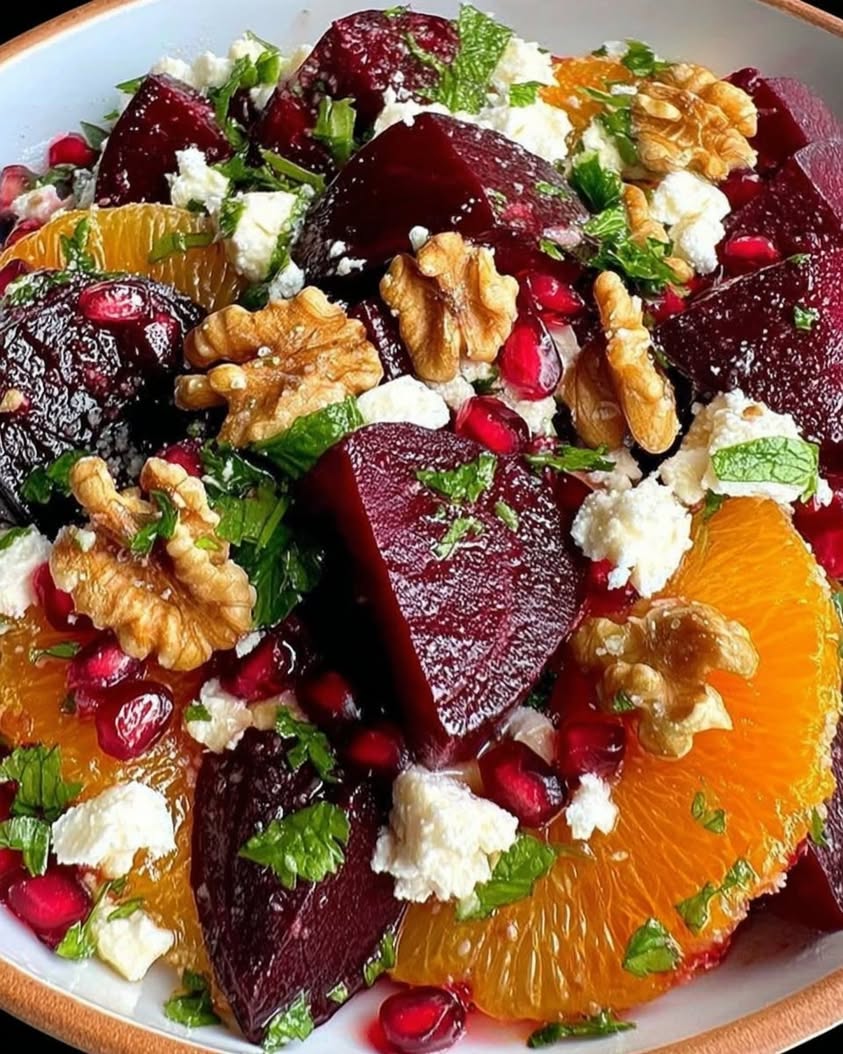
This Ruby Beet & Citrus Salad with Pomegranate, Feta and Walnuts is exactly the dish your holiday table needs this year. You will fall in love with the way earthy roasted beets mingle with bright, juicy citrus segments. The salty crumbles of feta provide a creamy counterpoint, while toasted walnuts add a crucial crunch. Pomegranate arils burst with sweet-tart juice in every single bite, creating a symphony of textures that feels both luxurious and comforting. This salad proves that healthy eating does not require sacrificing flavor or visual appeal. It transforms simple, whole ingredients into something truly spectacular and memorable for any gathering.
I discovered this vibrant combination during a particularly gray winter when I craved color and brightness on my plate. The Ruby Beet & Citrus Salad with Pomegranate, Feta and Walnuts completely changed how I view root vegetables and winter fruit. You can serve this dish as a stunning starter for a festive dinner or as a hearty side dish alongside roasted chicken or grilled fish. The dressing uses simple pantry staples, yet it enhances every component beautifully. This salad comes together quickly once you roast the beets, which you can prepare a day in advance. It represents the perfect balance of sweet, salty, sour, and nutty flavors that keeps everyone coming back for more.
Every time I bring this Ruby Beet & Citrus Salad with Pomegranate, Feta and Walnuts to a potluck or family dinner, it disappears within minutes. Guests always ask for the recipe, surprised by how such simple ingredients create such a complex flavor profile. The visual impact alone makes this salad a showstopper, with ruby red beets, bright orange citrus, and deep red pomegranate seeds arranged on a bed of fresh greens. This dish celebrates the best of winter produce while delivering impressive nutritional benefits. It is naturally gluten-free and vegetarian, making it accessible for most dietary preferences. You can easily adapt it to suit vegan diets by omitting the feta or using a plant-based alternative.
Quick Recipe Highlights
- Flavor Profile: This salad combines earthy roasted beets with bright, tangy citrus and sweet pomegranate arils. The salty feta brings a savory depth that balances the acidity perfectly. Toasted walnuts contribute warm, nutty notes that tie everything together beautifully.
- Texture: You experience a wonderful contrast between tender roasted beets, juicy orange segments, and crunchy toasted walnuts. The creamy feta crumbles melt slightly on the tongue, while pomegranate seeds provide a delightful pop. Every forkful offers a different textural experience that keeps your palate engaged.
- Aroma: The warm, earthy scent of roasted beets fills your kitchen as they caramelize in the oven. Fresh citrus zest releases bright, invigorating oils that awaken your senses. Toasted walnuts add a cozy, nutty fragrance that promises warmth and satisfaction in every bite.
- Visual Appeal: The deep ruby beets create a stunning contrast against the vibrant orange citrus segments. Bright red pomegranate arils scatter like jewels across the plate, while creamy white feta adds visual balance. The entire dish looks like a work of art on any serving platter.
- Skill Level Needed: This recipe requires only basic knife skills for slicing beets and segmenting citrus. Roasting vegetables is a fundamental cooking technique that anyone can master quickly. The assembly process involves simple layering and drizzling, making this perfect for novice cooks.
- Special Equipment: You need a sharp chef knife for precise slicing of the roasted beets. A citrus zester helps you capture fragrant orange zest for the dressing. A rimmed baking sheet ensures even roasting of the beets without creating a mess in your oven.
Recipe Overview
- Difficulty Level: This recipe earns an easy rating because it involves straightforward techniques and minimal active cooking time. Roasting beets requires patience but not constant attention, freeing you to prepare other elements. The assembly process is simple and forgiving, allowing for beautiful presentation without stress. Even complete beginners can achieve impressive results with this salad on their first attempt.
- Category: This dish functions beautifully as a festive side salad for holiday meals or special occasions. It also works perfectly as a light lunch or dinner when paired with crusty bread or protein. You can serve it as a starter course to whet appetites before a heavier main dish. Its versatility makes it appropriate for both casual weeknight meals and elegant dinner parties.
- Cuisine: This salad draws inspiration from Mediterranean and Middle Eastern flavor combinations that celebrate fresh produce and bold contrasts. The use of pomegranate, feta, and walnuts reflects traditional ingredients found throughout these culinary regions. Citrus fruits have been cultivated in Mediterranean climates for centuries, making them natural partners for earthy beets. This recipe honors those culinary traditions while remaining accessible to modern home cooks everywhere.
- Cost: The ingredients for this salad are reasonably affordable, especially when you purchase seasonal produce at farmers markets. Beets and oranges cost very little during their peak winter season, keeping your grocery bill manageable. Pomegranates and walnuts represent the pricier components, but a small quantity goes a long way in this recipe. Feta cheese offers an economical way to add rich, creamy flavor without breaking your budget.
- Season: This salad shines brightest during winter months when citrus fruits reach their peak sweetness and juiciness. Beets are at their best from fall through early spring, offering earthy sweetness that pairs perfectly with winter citrus. Pomegranates are widely available from September through January, making this an ideal holiday dish. You can still enjoy this salad year-round by adjusting the citrus varieties based on seasonal availability.
- Occasion: This Ruby Beet & Citrus Salad with Pomegranate, Feta and Walnuts is perfect for Thanksgiving, Christmas, and New Years celebrations. It also works wonderfully for Easter brunch or spring gatherings when you want something colorful and fresh. You can serve it at dinner parties, potlucks, or bridal showers to impress guests with minimal effort. The festive colors make it especially appropriate for any celebration that calls for a beautiful, memorable dish.
Why You Will Love This Recipe
The taste and texture combination in this Ruby Beet & Citrus Salad with Pomegranate, Feta and Walnuts is truly extraordinary. You experience sweet, earthy beets that melt in your mouth alongside bright, juicy citrus segments that burst with freshness. The salty feta provides a creamy, tangy contrast that enhances every other ingredient on the plate. Toasted walnuts add a satisfying crunch that makes each bite interesting and complete. Pomegranate arils contribute little bursts of tart sweetness that wake up your taste buds. This salad proves that healthy food can be incredibly delicious and satisfying when you combine the right ingredients.
The convenience of this recipe makes it perfect for busy home cooks who still want impressive results. You can roast the beets up to three days in advance and store them in the refrigerator until needed. The dressing requires only five minutes of whisking with ingredients you likely already have in your pantry. Assembly takes just ten minutes once your components are ready, allowing you to focus on other dishes. This make-ahead capability makes the Ruby Beet & Citrus Salad with Pomegranate, Feta and Walnuts ideal for entertaining. You can prepare everything ahead of time and simply toss everything together right before serving your guests.
The nutritional advantages of this salad make it a smart choice for health-conscious individuals. Beets contain powerful antioxidants called betalains that support liver function and reduce inflammation. Citrus fruits provide abundant vitamin C that boosts your immune system during cold winter months. Pomegranate arils are rich in polyphenols that promote heart health and fight oxidative stress. Walnuts deliver healthy omega-3 fatty acids that support brain function and reduce inflammation throughout your body. Feta cheese offers calcium and protein in moderate amounts, making this salad both nutritious and satisfying. You can feel good about serving this dish to your family knowing it supports their overall wellness.
The social and entertaining value of this salad cannot be overstated for anyone who loves hosting gatherings. The vibrant colors and beautiful presentation make an immediate impression on your guests before they even take a bite. People naturally gravitate toward colorful, appetizing dishes that look as good as they taste. This salad serves as an excellent conversation starter about seasonal eating and creative vegetable preparation. It travels well for potlucks and can sit at room temperature for a while without losing quality. Your reputation as a skilled host will definitely benefit from serving this stunning, delicious dish at your next event.
The cost-effectiveness and accessibility of ingredients make this recipe approachable for cooks on any budget. A single bunch of beets typically costs less than two dollars during peak season, offering excellent value. Oranges are among the most affordable fruits available, especially when you buy them in bulk. Pomegranates may seem expensive, but one fruit provides enough arils for multiple salads or snacks. Walnuts can be purchased in bulk and stored in the freezer for extended freshness and savings. Feta cheese is relatively inexpensive compared to other specialty cheeses, making this salad economical without sacrificing flavor or quality.
Historical Background and Cultural Significance
Beets have been cultivated for thousands of years, with evidence of their use dating back to ancient Mesopotamia and Egypt. Ancient civilizations originally valued beets for their nutritious leaves rather than their roots, which were smaller and less sweet than modern varieties. The Romans were among the first to cultivate beets specifically for their roots, recognizing their earthy flavor and medicinal properties. Throughout history, beets have been used as a natural dye, a medicinal tonic, and a staple food source. Their deep red color made them symbolic of health, vitality, and life force in many ancient cultures. This rich history makes beets a fascinating ingredient with deep roots in human culinary tradition.
Citrus fruits originated in Southeast Asia and spread throughout the world through trade routes established over centuries. The introduction of citrus to Mediterranean regions transformed local cuisines and agricultural practices dramatically. Oranges, lemons, and grapefruits became symbols of wealth and luxury in European courts during the Renaissance. The ability to preserve citrus through candying and marmalade making allowed people to enjoy these fruits year-round. Citrus fruits eventually became accessible to all social classes as global trade expanded and transportation improved. Their bright flavor and vibrant color continue to symbolize freshness, vitality, and abundance in culinary traditions worldwide.
Pomegranates have deep cultural and religious significance in many traditions around the world. In Greek mythology, the pomegranate represented fertility, death, and rebirth through the story of Persephone. Jewish tradition holds that pomegranates contain exactly 613 seeds, corresponding to the 613 commandments in the Torah. Persian culture associates pomegranates with longevity, love, and prosperity, using them in ceremonial dishes. The fruit has been cultivated for thousands of years across the Middle East and Mediterranean regions. Its unique structure and jewel-like seeds make it a favorite for both culinary and decorative purposes throughout history.
Feta cheese has been produced in Greece since ancient times, with references appearing in Homeric literature. The traditional method involves brining sheep milk cheese to preserve it in the hot Mediterranean climate. Feta became a protected designation of origin product within the European Union, ensuring authenticity and quality. Walnuts have been foraged and cultivated since prehistoric times across Europe, Asia, and the Americas. The combination of these ingredients in modern salads reflects the global exchange of culinary ideas and ingredients. This recipe honors those traditions while creating something fresh and relevant for contemporary home cooks everywhere.
Ingredient Deep Dive
Beets hold a special place in culinary history for their versatility and nutritional value. Ancient Romans used beets medicinally to treat digestive issues and skin problems. The vibrant red pigment comes from betalains, powerful antioxidants with anti-inflammatory properties. When selecting beets, look for firm, smooth roots with fresh, unwilted greens still attached if possible. Smaller beets tend to be sweeter and more tender than larger ones, making them ideal for roasting. Store unwashed beets in a plastic bag in your refrigerator for up to three weeks. You can substitute golden beets for a milder flavor and beautiful yellow color if you prefer. The earthy flavor of beets pairs naturally with citrus and feta, creating a harmonious balance that defines this salad.
Citrus fruits bring essential brightness and acidity that cut through the richness of roasted beets and feta. Navel oranges work wonderfully here for their seedless segments, sweet flavor, and beautiful color. Blood oranges add a stunning crimson hue and subtle berry notes when they are in season during winter months. Grapefruit can provide a more assertive tang that some people prefer over milder orange varieties. When selecting citrus, choose fruits that feel heavy for their size, indicating juiciness and freshness. The skin should be smooth and fragrant, without soft spots or blemishes that indicate damage or decay. Store citrus at room temperature for up to a week or in the refrigerator for longer preservation without sacrificing flavor. The zest contains aromatic oils that add depth to the dressing and should never be wasted or discarded without thought.
Pomegranate arils provide bursts of sweet-tart flavor that elevate this salad from good to extraordinary. One pomegranate typically yields about half a cup of arils, which is enough for this recipe with some left over. To seed a pomegranate without making a mess, submerge it in a bowl of cold water while breaking apart the fruit. The seeds sink to the bottom while the white pith floats to the top, making separation effortless and clean. Fresh pomegranates are available from September through January, with peak quality occurring in November and December. You can substitute pre-seeded pomegranate arils sold in the produce section for convenience when fresh fruit is unavailable. Store whole pomegranates at room temperature for up to two weeks or in the refrigerator for up to two months. The arils freeze well for up to six months, allowing you to enjoy them year-round in salads and other dishes.
Walnuts add crucial crunch and nutty flavor that balances the softer elements of this salad beautifully. Toasting walnuts enhances their flavor dramatically, bringing out oils that make them more aromatic and delicious. Spread walnut pieces in a single layer on a baking sheet and toast at 350 degrees Fahrenheit for five to seven minutes. Watch them carefully because they burn quickly and become bitter if left unattended for even a moment. Choose walnuts that smell fresh and nutty rather than rancid or musty before purchasing them for your recipe. Store walnuts in an airtight container in your refrigerator for up to six months to prevent rancidity. You can substitute pecans or almonds for a different flavor profile that still provides satisfying crunch and texture. The healthy fats in walnuts contribute to their heart-healthy reputation and satisfying mouthfeel in this dish.
Feta cheese brings salty, creamy richness that contrasts beautifully with the sweet and tart elements in this salad. Authentic Greek feta is made from sheep milk or a mixture of sheep and goat milk. The brine in which feta is stored helps preserve its flavor and texture for extended periods. When selecting feta, look for blocks stored in brine rather than pre-crumbled varieties that often lack moisture and flavor. Crumble the feta just before serving to prevent it from drying out or becoming mushy on the salad. You can substitute goat cheese for a creamier texture and tangier flavor that works nicely with these ingredients. Dairy-free alternatives made from cashews or almonds can replace feta for vegan versions of this salad. The saltiness of feta provides a crucial flavor anchor that prevents the salad from tasting overly sweet or acidic.
Common Mistakes to Avoid
- Overcooking the beets until they become mushy and lose their pleasant texture is a frequent error. Roast them just until tender when pierced with a fork but still holding their shape nicely. You want them to remain firm enough to slice cleanly without falling apart or becoming waterlogged.
- Undercooking the beets leaves them hard and crunchy, which ruins the texture contrast in this salad. Test for doneness by inserting a knife into the center of the largest beet. The knife should slide in easily with minimal resistance but the beet should not be falling apart completely.
- Using un-toasted nuts is a missed opportunity because raw walnuts lack the depth and complexity of toasted ones. Take the extra few minutes to toast them for a warmer, richer flavor that elevates the entire dish. The process is simple and makes a tremendous difference in the final taste of your salad.
- Skipping the citrus zest in the dressing reduces the aromatic quality that makes this salad special. The essential oils in citrus zest provide bright, fresh notes that cannot be replicated by juice alone. Use a microplane or fine grater to capture the colored part of the peel without the bitter white pith underneath.
- Adding the dressing too early causes the greens to wilt and become soggy before serving. Dress the salad just before you are ready to serve it to maintain crisp, fresh textures throughout. You can prepare all components ahead of time but wait until the last minute to combine them together.
- Using pre-shredded feta cheese that is dry and lacks the creamy texture of fresh feta. Buy a block of feta stored in brine and crumble it yourself for superior flavor and texture. The extra effort takes only seconds and makes a noticeable difference in the final dish quality.
- Forgetting to season the beets adequately before roasting them results in bland, underwhelming flavor. Toss the beet pieces with olive oil, salt, and pepper before placing them in the oven. Seasoning at this stage allows the flavors to penetrate the beets as they cook and caramelize.
- Cutting citrus segments incorrectly by including the bitter white pith makes the salad taste unpleasant. Use a sharp knife to cut away the peel and pith completely before segmenting the fruit. This technique takes practice but ensures every bite of citrus is sweet and enjoyable.
- Overdressing the salad drowns out the delicate flavors of each individual ingredient in this dish. Start with half the dressing and add more gradually until the components are lightly coated. You can always add more dressing, but you cannot remove excess once it has been added.
- Skipping the step of toasting walnuts because you are short on time or forgetful reduces flavor quality. The difference between raw and toasted walnuts is dramatic and worth the minimal extra effort required. Set a timer to remind yourself because walnuts burn easily when you become distracted by other tasks.
Essential Techniques
Roasting beets transforms their raw, earthy flavor into something sweet, caramelized, and deeply satisfying. The high heat of the oven concentrates the natural sugars in beets while softening their fibrous texture. Wrap each beet individually in aluminum foil to create a steamy environment that cooks them evenly. Roast them at 400 degrees Fahrenheit for 45 minutes to an hour, depending on their size and freshness. You know the beets are done when a knife slides through the center with minimal resistance. Allow the beets to cool slightly before handling, then rub off the skins with a paper towel. The skins should slip off easily after roasting, revealing the tender, colorful flesh beneath. This technique is forgiving and produces consistently excellent results for this salad and many other dishes.
Segmenting citrus fruit, also known as supreming, removes the peel, pith, and membranes to reveal perfect, juicy segments. Start by cutting off the top and bottom of the fruit to create stable flat surfaces for slicing. Follow the curve of the fruit with your knife to remove the peel and white pith in wide strips. Once all the peel is removed, hold the fruit in one hand and cut along each membrane to release the segments. Work over a bowl to catch the juice that drips out, which you can incorporate into your dressing. Squeeze the remaining membrane core to extract any additional juice before discarding it. This technique requires practice but produces beautiful, professional-looking citrus segments for salads and desserts. The resulting pieces have no bitter pith or tough membranes, only sweet, tender fruit that is perfect for eating.
Making a simple vinaigrette requires understanding the basic ratio of oil to acid and the importance of emulsification. Start with three parts oil to one part acid, such as olive oil and citrus juice, for a balanced dressing. Add a small amount of sweetener, like honey or maple syrup, to balance the acidity and enhance the other flavors. Whisk the ingredients together vigorously to create a temporary emulsion that coats the salad ingredients evenly. Season with salt and pepper to taste, remembering that the feta will add saltiness to the final dish. A pinch of dried herbs or fresh garlic can add complexity to your dressing without overpowering the other flavors. Store any leftover dressing in a jar in the refrigerator for up to one week, shaking it well before each use to re-emulsify the ingredients.
Pro Tips for Perfect Ruby Beet and Citrus Salad
Roast extra beets while you have the oven on because they keep well and can be used in other dishes throughout the week. You can add them to grain bowls, blend into hummus, or slice for sandwiches and wraps. This strategy saves energy and gives you a head start on future meals that require roasted beets.
Use a sharp, nonserrated knife for slicing roasted beets to get clean, even pieces without crushing them. A dull knife will squish the beets and create ragged edges that look less appealing on the plate. Keep your knife sharp by honing it regularly with a steel and sharpening it with a stone when needed.
Let the roasted beets cool completely before slicing them to prevent them from falling apart or becoming mushy. Warm beets are more fragile and prone to breaking when you try to cut them neatly into pieces. Patience during this step ensures your salad has beautiful, intact beet pieces that hold their shape nicely.
Taste your citrus before adding it to the salad because sweetness levels vary dramatically between different fruits and seasons. Adjust the amount of honey in your dressing based on how sweet or tart your citrus tastes. This small adjustment ensures your dressing perfectly complements the other ingredients in the salad.
Toast your walnuts in a dry skillet on the stovetop for more control over the browning process compared to using the oven. The visual cues of the nuts turning golden and the aroma becoming nutty signal when they are perfectly done. Stir them constantly and remove them from the heat immediately when they reach the desired color.
Bring the feta cheese to room temperature before adding it to the salad for better flavor and creamier texture. Cold feta straight from the refrigerator tastes less flavorful and has a firmer, less appealing texture. Let it sit on the counter for 15 minutes before crumbling it over your assembled salad.
Layer the ingredients on a large platter rather than tossing everything together in a bowl for a more impressive presentation. Arrange the beets, citrus segments, pomegranate arils, and toasted walnuts in sections so guests can see each component clearly. Drizzle the dressing over everything and finish with crumbled feta scattered across the top of the salad.
Reserve a few beautiful citrus segments and pomegranate arils to place on top of the salad after dressing it. This finishing touch ensures the most visually appealing elements remain visible and undamaged by mixing. Your guests will appreciate the beautiful presentation that shows off every component of this stunning dish.
Variations and Adaptations
Regional variations of beet and citrus salads appear throughout Mediterranean and Middle Eastern cuisines with interesting local twists. Greek versions often include oregano, mint, or dill alongside the traditional feta and olive oil combination. Turkish preparations might incorporate sumac for a tangy, lemony flavor that enhances the earthiness of the beets. Lebanese variations sometimes add tahini dressing for a nutty, creamy element that complements the other ingredients beautifully. These regional interpretations demonstrate the versatility of this basic flavor combination across different culinary traditions. You can explore these variations by incorporating herbs and spices from different cuisines into your own version of this salad.
Seasonal adaptations allow you to enjoy this salad throughout the year using the best produce available each season. In spring, add fresh mint, thinly sliced radishes, and tender pea shoots for a lighter, more vibrant version. Summer adaptations could include grilled peaches or nectarines alongside heirloom tomatoes and basil leaves. Fall versions might incorporate roasted butternut squash, dried cranberries, and pecans instead of the traditional ingredients. Winter remains the ideal season for the classic version with peak citrus and pomegranate availability. These seasonal adjustments keep the salad exciting and relevant no matter what time of year you prepare it.
Dietary modifications ensure this salad is accessible to people with various food allergies and preferences. For a vegan version, omit the feta cheese or substitute it with a plant-based alternative made from cashews or almonds. You can also add marinated white beans or chickpeas for extra protein that satisfies vegan diners seeking a more substantial meal. A dairy-free version simply omits the feta and adds extra toasted walnuts or pumpkin seeds for richness and texture. For a nut-free adaptation, substitute the walnuts with roasted pumpkin seeds or sunflower seeds for similar crunch. Those following a low-carb lifestyle can reduce the amount of citrus or substitute with lower-sugar options like grapefruit or lemon segments. These modifications ensure everyone can enjoy this delicious salad regardless of their dietary restrictions or preferences.
Flavor variations can dramatically change the character of this salad while maintaining its essential structure and appeal. Add a handful of fresh mint or basil leaves for an herbal note that brightens the entire dish significantly. Include thinly sliced red onion or shallot for a pungent kick that contrasts nicely with the sweet elements. A sprinkle of zaatar spice blend adds earthy, tangy notes that complement Mediterranean flavors perfectly. For a spicier version, add a pinch of red pepper flakes to the dressing or thinly sliced fresh chili peppers. You can also experiment with different citrus combinations like grapefruit, lime, or yuzu for unique flavor profiles. These variations allow you to customize the salad to your personal taste preferences and experiment with new flavor combinations.
Texture modifications can create entirely different eating experiences using the same base ingredients and flavor concepts. For a creamier version, add slices of ripe avocado that provide buttery richness alongside the other components. Crumbled crispy bacon or pancetta adds smoky, salty crunch that transforms the salad into a more substantial dish. Toasted quinoa or amaranth provides tiny, crunchy pearls that add interest to every bite without overwhelming the other flavors. For a softer texture, massage the greens with a little olive oil and salt before assembling the salad to wilt them slightly. You can also add cooked grains like farro or freekeh for a chewier, more filling version that works as a main course. These texture variations allow you to adapt the salad for different meal contexts and personal preferences.
Presentation alternatives can make this salad suitable for different occasions and serving styles with the same delicious components. For individual servings, arrange the components in concentric circles on small plates for an elegant, restaurant-quality presentation. A deconstructed version presents each component separately on a large board for a shareable, interactive dining experience. You can layer the ingredients in a glass trifle dish for a beautiful layered salad that shows off every colorful component. For a more casual presentation, chop all the ingredients into smaller pieces and toss everything together in a large bowl. Mason jar layered salads work wonderfully for meal prep lunches, with dressing on the bottom and greens on top to prevent sogginess. These presentation alternatives ensure the salad feels fresh and appropriate no matter the setting or occasion.
Serving and Presentation Guide
Plating techniques can elevate this salad from a simple dish to an impressive culinary presentation that wows your guests. Start by spreading a thin layer of the dressing on the bottom of your serving platter to anchor the salad. Arrange the greens in a loose bed that allows some of the dressing to peek through for visual interest. Layer the roasted beet slices in a slightly overlapping pattern that shows off their beautiful color and texture. Place the citrus segments strategically around and on top of the beets for maximum color contrast and appeal. Scatter the pomegranate arils generously across the entire salad so every serving includes some of these jewel-like gems. Finish with the crumbled feta and toasted walnuts distributed evenly for the final touch.
Garnishing ideas can add the perfect finishing touches that make your salad look professional and appetizing. A sprinkle of flaky sea salt like Maldon adds crunch and bursts of salty flavor that enhance every bite. Fresh herb leaves like mint or parsley provide bright green color and aromatic notes that complement the other ingredients. Edible flowers like nasturtiums or pansies add unexpected color and elegance for special occasions and celebrations. A drizzle of high-quality extra virgin olive oil over the finished salad adds shine and richness that looks beautiful. Toasted sesame seeds or black sesame seeds create an interesting visual contrast and nutty flavor dimension. These garnishes add visual interest and flavor complexity that makes your salad truly memorable and special.
Traditional accompaniments for this salad include crusty bread, warm pita, or flatbreads that soak up the delicious dressing. You can serve it alongside roasted meats like lamb, chicken, or pork for a complete and satisfying meal. Grilled fish like salmon or sea bass pairs beautifully with the bright, fresh flavors of this citrus salad. For vegetarian meals, serve this salad with grain bowls, lentil soup, or roasted vegetable medleys for a satisfying dinner. It also works wonderfully as part of a meze spread with hummus, baba ganoush, and other small dishes. These accompaniments round out the meal and ensure your guests feel fully satisfied and nourished.
Temperature considerations are important for serving this salad at its best and most flavorful. The roasted beets can be served at room temperature or slightly warm, which enhances their sweetness and tenderness. Citrus segments should be chilled but not ice cold, as cold temperatures dull their bright, vibrant flavors. The greens should be crisp and cold from the refrigerator to provide refreshing contrast to the other components. Feta cheese is best at room temperature where its flavor and texture are most pronounced and appealing. Toasted walnuts should be completely cool before adding them to the salad to maintain their crunch and prevent them from softening. This temperature balance ensures every component shines and the overall dish feels cohesive and well-considered.
Portion control tips help you serve the right amount whether this salad is a side dish or the main attraction. As a side salad, plan for approximately one cup of finished salad per person for a reasonable serving size. For a main course salad, increase the portion to about two cups and add protein like grilled chicken or chickpeas. When serving this salad as part of a larger buffet, plan for smaller portions since guests will sample multiple dishes. You can easily stretch this salad by adding more greens or extra vegetables like cucumber or bell peppers. Leftovers keep well for one day, though the greens will wilt and the textures will soften somewhat overnight. These portion guidelines ensure you prepare the right amount for your specific occasion and guest count.
Wine and Beverage Pairing
Wine pairings for this salad should complement its bright acidity and earthy sweetness without overpowering either element. A crisp Sauvignon Blanc from New Zealand or France offers herbal notes that echo the greens in the salad beautifully. The wine high acidity stands up to the citrus dressing and cuts through the richness of the feta cheese perfectly. A dry Riesling from Germany or Alsace provides floral aromatics and subtle sweetness that enhance the orange and pomegranate flavors. For red wine lovers, a light Pinot Noir with low tannins and bright cherry notes works surprisingly well with the earthy beets. A dry rosé from Provence offers versatility and pairs nicely with almost every component in this dish. These wine choices elevate the dining experience and create harmonious flavor combinations that your guests will appreciate.
Non-alcoholic alternatives provide delicious options for guests who prefer not to drink alcohol at your gathering. Sparkling water with a splash of pomegranate juice and a twist of orange makes a festive, refreshing drink. A chilled hibiscus tea offers tart, floral notes that mirror the pomegranate in the salad and complement the citrus. Mint lemonade with fresh mint leaves provides bright, herbaceous refreshment that cleanses the palate between bites. A kombucha with ginger and citrus flavors adds probiotic benefits and a pleasant tanginess that works well with the salad. These non-alcoholic options ensure everyone has a beverage that enhances their dining experience and feels included in the celebration.
Coffee and tea pairings can work wonderfully for brunch or luncheon versions of this salad served earlier in the day. A light, floral green tea like jasmine or sencha provides delicate flavors that do not overwhelm the salad components. Herbal teas like chamomile or mint offer soothing accompaniments that complement the Mediterranean flavors nicely. For coffee lovers, a light roast with bright acidity and fruity notes echoes the citrus in the salad without competing. Iced tea with lemon and mint makes a refreshing pairing for warm weather versions of this dish. These beverage options expand the possibilities for serving this salad at different times of day and for various occasions.
Storage and Shelf Life
Storage methods for this salad require careful consideration because the components have different needs and longevity. Store the dressing separately in a sealed jar in the refrigerator for up to one week after preparation. Keep the roasted beets in an airtight container in the refrigerator for up to five days before using them. The citrus segments should be stored in their own container to prevent their juice from affecting other ingredients. Pomegranate arils can be stored in a sealed container in the refrigerator for up to five days after being removed from the fruit. Toasted walnuts should be kept in an airtight container at room temperature for up to two weeks. When storing the fully assembled salad, expect it to last only one day before the greens become soggy and unappealing.
Temperature requirements vary for each component of this salad to maintain optimal quality and safety. The dressing requires refrigeration if it contains fresh citrus juice or honey to prevent fermentation or spoilage. Roasted beets can safely remain at room temperature for up to two hours but should be refrigerated for longer storage. Citrus segments are best kept cold but should be brought to room temperature before serving for best flavor. Pomegranate arils tolerate room temperature for several hours but last longer in the refrigerator. The finished salad should not sit at room temperature for more than two hours due to food safety concerns. Following these temperature guidelines ensures your salad stays fresh, delicious, and safe for everyone to enjoy.
Container recommendations help you store each component of this salad effectively and maintain its quality. Glass containers with tight-fitting lids work best for storing dressing because they do not absorb flavors or odors. The beets should be stored in a container that allows some air circulation to prevent them from becoming too moist. Citrus segments do best in a shallow container with any excess juice drained off to prevent them from becoming waterlogged. Pomegranate arils can be stored in a sealed container with a paper towel to absorb excess moisture and maintain their texture. Walnuts should be stored in a container that protects them from air and light to prevent rancidity and preserve freshness. These storage containers help each component maintain its best texture and flavor until you are ready to assemble the salad.
PrintRuby Beet & Citrus Salad with Pomegranate, Feta & Toasted Walnuts
- Total Time: 60 minutes
- Yield: 4
Description
A vibrant and refreshing salad featuring earthy roasted beets, bright citrus segments, sweet pomegranate arils, creamy feta, and crunchy toasted walnuts.
Ingredients
- 4 medium red beets, scrubbed
- 2 oranges
- 1 grapefruit
- 1/2 cup pomegranate arils
- 1/2 cup crumbled feta cheese
- 1/3 cup walnut halves, toasted
- 3 tablespoons extra-virgin olive oil
- 1 tablespoon balsamic vinegar
- 1 teaspoon honey
- Salt and black pepper to taste
- Mixed salad greens (optional)
Instructions
- Preheat oven to 400°F (200°C). Wrap each beet in foil and roast for 45–60 minutes until fork-tender. Let cool, then peel and slice into wedges.
- While beets roast, supreme the oranges and grapefruit: cut off top and bottom, remove peel and pith, then cut segments from membranes. Squeeze remaining juice into a small bowl.
- For the dressing, whisk together 2 tablespoons reserved citrus juice, olive oil, balsamic vinegar, honey, salt, and pepper.
- Arrange salad greens (if using) on a platter. Top with beet wedges, citrus segments, pomegranate arils, toasted walnuts, and crumbled feta.
- Drizzle dressing over salad and serve immediately.
Notes
You can customize the seasonings to taste. For a vegan version, omit feta or use a plant-based alternative. Toasting the walnuts enhances their flavor.
- Prep Time: 15 minutes
- Cook Time: 45 minutes
- Method: Salad
- Cuisine: American