Mini Greek Meatball Bites with Tzatziki: Perfect Appetizer Recipe
Imagine biting into a perfectly seasoned, golden-brown meatball that bursts with Mediterranean herbs and juicy ground lamb. This Mini Greek Meatball Bites with Tzatziki: Perfect Appetizer Recipe delivers that exact experience, transforming your kitchen into a cozy taverna overlooking the Aegean Sea. The aroma of oregano and garlic wafts through the air as these little bites sizzle in the pan, promising a taste of Greece in every mouthful. Whether you are hosting a casual gathering or preparing a weeknight treat, this appetizer combines bold flavors with effortless charm, ensuring your guests keep coming back for more.
This Mini Greek Meatball Bites with Tzatziki: Perfect Appetizer Recipe is designed for simplicity without sacrificing authenticity. The meatballs are made from a blend of ground beef and lamb, mixed with fresh herbs, breadcrumbs, and a touch of lemon zest. They are pan-seared to achieve a crisp exterior while staying tender and moist inside. The accompanying tzatziki sauce, with its creamy yogurt base, crisp cucumber, and tangy dill, provides the perfect contrast to the savory meatballs. Together, they create a balanced bite that feels both light and satisfying, making this dish a standout starter for any menu.
The beauty of this recipe lies in its versatility and appeal. It works wonderfully for parties, game days, or even as a unique addition to a dinner spread. The components can be prepared ahead, which means you spend less time in the kitchen and more time enjoying your company. For those who love Mediterranean cuisine, this recipe captures the essence of Greek street food, where simple ingredients are elevated through careful preparation. Each step, from mixing the meatball mixture to whisking the tzatziki, builds layers of flavor that make this dish truly special.
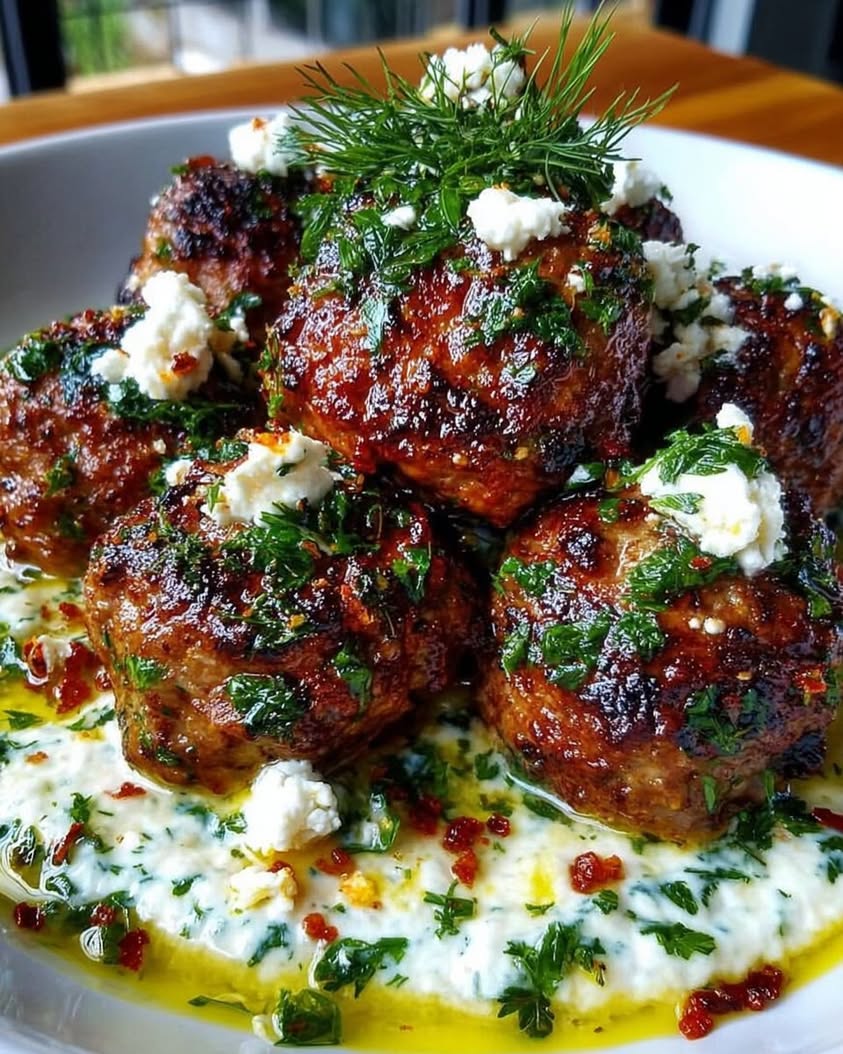
Sensory details matter when crafting a memorable dish, and this Mini Greek Meatball Bites with Tzatziki: Perfect Appetizer Recipe delivers on all fronts. The sizzling sound as the meatballs hit the hot oil promises a crispy texture, while the vibrant green of the fresh herbs and the creamy white of the tzatziki create a stunning plate. The warmth of the meatballs paired with the cool, refreshing dip creates a delightful temperature contrast that keeps the palate engaged. As you serve these bites, the inviting colors and aromas immediately draw people in, setting the stage for a satisfying eating experience.
Furthermore, this recipe encourages creativity and personalization. You can adjust the spice level with a pinch of cayenne or add a smoky note with roasted red peppers mixed into the meatballs. The tzatziki recipe also welcomes variations, such as using mint instead of dill for a different herbaceous profile. Because the ingredients are commonly found in most kitchens, this dish is accessible to cooks of all skill levels. Whether you are a seasoned home chef or a beginner looking to impress, you will find that this recipe builds confidence and delivers delicious results every time.
Quick Recipe Highlights
- Flavor Profile: The meatballs combine savory lamb and beef with bright lemon, earthy oregano, and pungent garlic, while the tzatziki offers a creamy, tangy counterpoint that balances the richness.
- Texture: These bites feature a crispy, golden-brown crust that gives way to a moist, tender interior, and the tzatziki provides a smooth, cooling element that contrasts beautifully.
- Aroma: Expect the warm, inviting scent of oregano, garlic, and lemon zest as the meatballs cook, mingled with the fresh, grassy notes of dill from the tzatziki.
- Visual Appeal: The deep brown of the meatballs sits alongside the pure white of the tzatziki, accented by specks of green herbs and the occasional pop of red from tomato garnish.
- Skill Level Needed: This recipe is perfect for beginners, requiring only basic chopping, mixing, and pan-frying skills, with no advanced techniques necessary.
- Special Equipment: You will need a large non-stick skillet or frying pan, a mixing bowl, a box grater for the cucumber, and a whisk for the tzatziki.
Recipe Overview
- Difficulty Level: Rated as easy because the steps are straightforward and the ingredients are simple to source. The only potential challenge is ensuring the meatballs remain tender, which is achieved by not overmixing the meat and using a gentle hand when shaping. With clear instructions, even first-time cooks will achieve consistent results.
- Category: This dish falls under appetizers and small plates, but it can also serve as a main course when paired with rice, pita bread, or a Greek salad. It is also ideal for finger food buffets and cocktail parties due to its bite-sized nature.
- Cuisine: This recipe draws from traditional Greek cuisine, specifically the keftedes style of meatballs, which are typically flavored with herbs and served with a yogurt-based dip. Greek cuisine emphasizes fresh ingredients and bold flavors, and this dish is a perfect representation of that philosophy.
- Cost: The ingredients are budget-friendly, with ground lamb and beef being the most expensive components. Greek yogurt, cucumbers, and fresh herbs are affordable, making the total cost per serving quite low. You can also use ground turkey for a more economical option.
- Season: While enjoyable year-round, this dish shines in spring and summer when fresh herbs and cucumbers are at their peak. The light, refreshing nature of the tzatziki makes it particularly welcome during warmer months, though the hearty meatballs provide comfort in cooler weather.
- Occasion: These meatballs are perfect for casual gatherings such as game-day parties, backyard barbecues, and family reunions. They also work well for holiday appetizers, birthday celebrations, or as a quick weeknight meal when you crave Mediterranean flavors.
Why You Will Love This Recipe
First, the taste and texture combination is genuinely irresistible. The meatballs are seasoned generously with oregano, garlic, and lemon, which infuse every bite with a bright, herbaceous punch. The exterior develops a beautiful, brown crust that adds a satisfying crunch, while the inside stays juicy and flavorful. The tzatziki sauce, thick and cooling, cuts through the richness of the meat, creating a harmonious balance that keeps you coming back for more. This interplay of warm and cool, savory and tangy, crispy and creamy, makes each bite a complete experience.
Second, the convenience factor is outstanding. You can prepare both the meatball mixture and the tzatziki ahead of time, then cook the meatballs right before serving. This approach saves valuable time on the day of your event and reduces stress. The prep work itself is minimal, with most ingredients requiring only chopping or grating. Because the recipe uses common pantry staples like breadcrumbs, eggs, and yogurt, you likely already have many of the items on hand. Furthermore, the cooking process is quick, taking just about 18 minutes from pan to plate, so you are not tied to the kitchen for long.
Third, the nutritional advantages are worth considering. Greek yogurt provides a good source of protein and probiotics, which support gut health. The meatballs, when made with lean ground meat, offer high-quality protein and essential nutrients like iron and B vitamins. Cucumbers and fresh herbs add fiber and antioxidants, making this appetizer more balanced than typical fried options. If you are watching your carbohydrate intake, this dish fits well into a low-carb or Mediterranean diet. The portion size of a few bites satisfies hunger without overloading calories, making it a smart choice for health-conscious entertaining.
Fourth, this recipe shines for social and entertaining purposes. The bite-sized format encourages mingling and conversation, as guests can easily grab one while holding a drink. The assembly is fun to watch, and you can even involve guests in the dipping and garnishing process. The vibrant colors and appealing aromas create an inviting atmosphere, setting a festive tone for any gathering. Plus, because the components are served at room temperature, you do not have to worry about timing the final cook to perfection. This flexibility makes hosting less stressful and more enjoyable.
Finally, the cost-effectiveness and accessibility make this a go-to recipe. Ground lamb and beef are available at most grocery stores, and Greek yogurt has become a staple in many households. Fresh herbs are inexpensive, especially if you grow them in a windowsill garden. Compared to ordering similar appetizers from a restaurant, making them at home saves significant money. Additionally, the recipe yields a generous portion, ensuring you have enough for a crowd without breaking the bank. These factors combine to make this Mini Greek Meatball Bites with Tzatziki: Perfect Appetizer Recipe a smart, economical choice for any host.
Historical Background and Cultural Significance
Greek meatballs, known as keftedes, have origins tracing back to ancient Greece, where cooks mixed minced meat with bread, herbs, and spices. These early recipes appeared in texts like the writings of Archestratus, who praised the combination of meat and seasonings. Over centuries, the dish evolved as trade routes introduced new ingredients like garlic and lemon to the Mediterranean palette. Keftedes became a staple in home kitchens and tavernas, often served as meze, which are small dishes meant for sharing. The inclusion of tzatziki sauce is a more modern pairing, but it reflects the Greek love of combining savory foods with cooling dairy.
Culturally, meatballs hold a special place in Greek cuisine as symbols of hospitality and family. They are frequently prepared for celebrations, religious festivals, and Sunday dinners, where the whole family gathers around the table. The act of rolling and shaping the meatballs by hand is a meditative process that connects cooks to generations past. In many Greek households, each family has its own unique recipe passed down through mothers and grandmothers. The addition of tzatziki, made from yogurt and cucumbers, represents the Greek emphasis on using fresh, local ingredients that are both nutritious and flavorful.
The evolution of this recipe reflects broader changes in Greek culinary traditions. As Greek immigrants traveled to other countries, they adapted their meatball recipes to local tastes and available ingredients. For example, some versions incorporate mint or cinnamon, which are common in other Mediterranean cuisines. The classic pairing with tzatziki became popular in the 20th century as Greek restaurants gained international fame. Today, keftedes with tzatziki is a globally recognized dish, served in everything from street food stalls to high-end dining establishments, showcasing the versatility and enduring appeal of this simple yet profound recipe.
Regional variations further illustrate the richness of Greek culinary heritage. In Crete, cooks often add grated onion and a pinch of cinnamon to the meat mixture. The Ionian islands incorporate raisins or pine nuts for a sweet contrast. In the Peloponnese, meatballs are sometimes simmered in a tomato sauce rather than fried. Each region puts its own stamp on the recipe, using local herbs like marjoram or thyme. This diversity means there is no single correct way to make mini Greek meatball bites, and home cooks are encouraged to experiment. The recipe provided here is a versatile base that honors these traditions while inviting personal expression.
Ingredient Deep Dive
Ground lamb is the star of this dish, offering a rich, gamey flavor that is characteristic of Mediterranean cooking. In Greece, lamb is traditionally used for festive dishes like Easter lamb and souvlaki. Nutritionally, lamb is an excellent source of high-quality protein, iron, and zinc, which support energy and immune function. When selecting lamb, look for meat with a rosy red color and minimal fat, though a small amount of fat adds juiciness. Store it in the coldest part of the refrigerator and use within two days. If you prefer a milder taste, you can substitute ground beef or a combination of the two.
Greek yogurt forms the base of the tzatziki and is a cornerstone of Greek cuisine. It is prized for its thick, creamy texture and tangy flavor, achieved by straining regular yogurt to remove excess whey. Nutritionally, yogurt provides probiotics, calcium, and protein, making it beneficial for digestion and bone health. Choose full-fat Greek yogurt for the best consistency, as low-fat versions can be watery. Store it in the refrigerator and consume before the expiration date. If you cannot find Greek yogurt, you can strain plain yogurt through cheesecloth overnight to achieve a similar thickness.
Cucumbers add a refreshing crunch to the tzatziki. English cucumbers work best because they have fewer seeds and a thinner skin, but regular cucumbers are fine if you peel them first. Cucumbers are composed mostly of water, making them hydrating and low in calories. They also contain vitamin K and antioxidants like flavonoids. To prepare, grate the cucumber and squeeze out the excess moisture using a clean kitchen towel. This step is crucial to prevent the tzatziki from becoming watery. If you want a more intense flavor, you can also dice a small amount and add it whole for texture.
Fresh dill is the herb that gives tzatziki its distinctive aromatic lift. Dill has been used in Greek cooking for centuries, known for its feathery leaves and slightly sweet, grassy flavor. It is a good source of vitamin C, manganese, and essential oils that aid digestion. When selecting dill, look for bright green fronds that are not wilted. Store it in the refrigerator with the stems in water, covered loosely with a plastic bag. Dried dill can be substituted if fresh is unavailable, but use only one-third the amount as dried herbs are more concentrated. For a different twist, try fresh mint instead of dill.
Garlic is essential for both the meatballs and the tzatziki, providing a pungent, earthy depth. Garlic is a staple in Mediterranean cooking and has been valued for its health benefits, including immune support and cardiovascular health. Choose firm bulbs with tight, dry skins and store them in a cool, dark place. When using garlic, crush it gently with the flat side of a knife to release its oils before mincing. For the tzatziki, minced garlic should be allowed to sit in the yogurt for a few minutes to mellow its sharpness. If you are sensitive to garlic, you can use roasted garlic puree for a sweeter, milder flavor.
Common Mistakes to Avoid
- Overmixing the meatball mixture can cause the meatballs to become tough and dense. Mix just until the ingredients are combined, then stop.
- Skipping the step of squeezing moisture from the grated cucumber leads to watery tzatziki that does not hold up. Always press out as much liquid as possible.
- Using low-fat yogurt for tzatziki results in a thin, runny sauce. Stick with full-fat Greek yogurt for a thick, creamy texture.
- Cooking the meatballs over too high heat burns the outside before the inside is cooked through. Use medium heat for even cooking.
- Not resting the meatball mixture in the refrigerator for at least 20 minutes makes it harder to shape and can cause the meatballs to fall apart during frying.
- Adding too much breadcrumb can dry out the meatballs. Use just enough to bind the mixture, typically one-third cup per pound of meat.
- Failing to season the tzatziki adequately with salt and lemon juice leaves it flat and bland. Taste and adjust before serving.
- Overcrowding the pan when frying prevents proper browning and creates steamed meatballs. Cook in batches if necessary.
- Storing the tzatziki in a metal container can react with the acid and give it a metallic taste. Use glass or plastic instead.
- Neglecting to test a small meatball before cooking the entire batch can lead to under-seasoned meatballs. Always fry a test piece first.
Essential Techniques
The first key technique is properly preparing the cucumber for tzatziki. After grating the cucumber, place it in a clean kitchen towel and squeeze firmly to remove as much liquid as possible. This step is vital because excess water dilutes the yogurt and makes the sauce runny. You should see a significant amount of liquid expelled. After squeezing, the cucumber should be dry to the touch. Incorporate the dry cucumber into the yogurt mixture along with garlic, dill, lemon juice, and salt. Let the tzatziki rest in the refrigerator for at least 30 minutes. This resting time allows the flavors to meld and the yogurt to thicken further, creating a more cohesive sauce.
Another important technique is shaping the meatballs evenly. Use a small cookie scoop or a tablespoon to portion the meat mixture, then roll each portion between your palms into a smooth ball. Consistent sizing ensures that all meatballs cook at the same rate. Chilling the formed meatballs on a baking sheet in the refrigerator for 20 minutes before frying helps them hold their shape. This step firms up the fat, preventing the meatballs from flattening in the pan. When frying, use a non-stick skillet with enough oil to coat the bottom, and do not overcrowd the pan. Allow each meatball to develop a golden-brown crust before turning, which takes about 3 to 4 minutes per side.
Pro Tips for Perfect Mini Greek Meatball Bites with Tzatziki
Use a combination of ground lamb and beef for the best flavor and texture. The lamb adds a distinctive taste, while the beef provides a milder base that balances the gaminess.
Add a pinch of baking soda to the meat mixture to help keep the meatballs tender. Baking soda raises the pH, which prevents the proteins from tightening too much during cooking.
Toast the breadcrumbs lightly in a dry pan before adding them to the meat mixture. This step adds a subtle nutty flavor and helps the meatballs brown more evenly.
When making the tzatziki, let the minced garlic sit in the lemon juice for five minutes before combining with the yogurt. This process mellows the garlic’s sharp bite and infuses the yogurt with flavor.
Always taste the meatball mixture before frying the entire batch. Fry one small meatball, let it cool slightly, then taste and adjust seasoning. This prevents disappointment with the final dish.
Use a meat thermometer to ensure the meatballs reach an internal temperature of 160 degrees Fahrenheit. This guarantees food safety without overcooking.
For the tzatziki, use a microplane to zest the lemon before juicing. The zest adds a bright, citrusy aroma that elevates the sauce. Stir it into the yogurt along with the juice.
Garnish the finished dish with a drizzle of good quality extra virgin olive oil and a sprinkle of fresh herbs. This adds a final layer of richness and visual appeal.
Variations and Adaptations
Regional variations of this recipe are abundant across Greece and the Mediterranean. In Crete, cooks often add grated onion and a touch of cinnamon to the meatball mixture, giving it warmth and complexity. The Ionian islands incorporate raisins or pine nuts for a sweet and crunchy contrast against the savory meat. For a Cypriot twist, you can add a teaspoon of dried mint and a pinch of allspice to the meat. These adaptations reflect local tastes and available ingredients, allowing you to explore different flavor profiles while keeping the core structure of mini Greek meatball bites intact.
Seasonal adaptations allow you to make the most of fresh produce. In the summer, add finely chopped fresh tomatoes or basil to the meat mixture for a burst of freshness. During autumn, incorporate grated zucchini or carrots for extra moisture and nutrition. You can also adjust the herbs based on what is growing in your garden, such as using parsley instead of dill or adding a sprig of thyme. For a winter twist, serve the meatballs with a side of roasted red pepper sauce instead of tzatziki. These changes keep the recipe exciting and aligned with the rhythm of the seasons.
Dietary modifications ensure that everyone can enjoy this dish. For a gluten-free version, use gluten-free breadcrumbs or almond flour as a binder. To make it dairy-free, replace the Greek yogurt in the tzatziki with a plant-based yogurt such as coconut or cashew yogurt, and use dairy-free milk in the meat mixture. For a vegan adaptation, use a mixture of cooked lentils, mashed chickpeas, and breadcrumbs instead of meat. Season with the same herbs and spices, then bake or pan-fry until golden. Each modification requires careful adjustment of moisture levels but yields delicious results that honor the original flavors.
Flavor variations can transform the character of the dish. For a spicy version, add crushed red pepper flakes or a minced jalapeno to the meat mixture. A smoky flavor can be achieved by using smoked paprika or incorporating chipotle peppers. For an herby twist, use a blend of fresh mint, parsley, and cilantro in the meatballs. The tzatziki can also be flavored differently, such as adding roasted garlic, a pinch of cumin, or a swirl of harissa paste. These variations allow you to tailor the recipe to your personal taste preferences or to complement a specific meal theme.
Serving and Presentation Guide
Plating techniques can elevate the visual appeal of these meatball bites. Arrange the meatballs in a single layer on a large platter with a generous bowl of tzatziki in the center. Garnish with fresh dill sprigs, lemon wedges, and a sprinkle of paprika for color. For individual servings, place three meatballs in a small bowl or on a plate with a dollop of tzatziki on the side. Drizzle the tzatziki with olive oil to create an inviting sheen. The presentation should feel rustic and inviting, reminiscent of a Greek taverna table with simple, fresh ingredients taking center stage.
Garnishing ideas can add texture and flavor. Sprinkle toasted pine nuts or chopped pistachios over the meatballs for a crunchy contrast. Add a few pomegranate seeds for a pop of jewel-like color and a burst of sweetness. Thinly sliced red onion or radishes provide a sharp, fresh bite that cuts through the richness. Edible flowers, such as pansies or nasturtiums, can add a touch of elegance for special occasions. Each garnish should complement the existing flavors without overwhelming them, enhancing the overall sensory experience.
Traditional accompaniments include warm pita bread, olives, and a Greek salad of tomatoes, cucumbers, and feta cheese. These sides round out the meal and provide dipping options for the tzatziki. For a heartier presentation, serve the meatballs over a bed of rice or alongside roasted potatoes. Modern serving suggestions include skewering the meatballs on toothpicks with a cube of feta cheese and cherry tomato for an easy hand-held appetizer. You can also serve them in lettuce cups for a low-carb alternative. Temperature considerations are important; serve the meatballs warm and the tzatziki cold for the best contrast.
Wine and Beverage Pairing
Wine pairings for these mini Greek meatball bites should complement the herbaceous and savory notes. A crisp Assyrtiko from Santorini is an excellent choice, with its high acidity cutting through the richness of the meat. A dry rosé from Provence also works well, offering light fruit notes that echo the lemon and herbs. For red wine lovers, a light-bodied Pinot Noir or a Greek Moschofilero provides enough structure without overwhelming the dish. Serve white wines chilled and red wines slightly cool, around 55 to 60 degrees Fahrenheit, to keep the palate refreshed.
Non-alcoholic alternatives can be equally satisfying. A sparkling water with a squeeze of lemon and a sprig of mint cleanses the palate between bites. Iced green tea with a touch of honey complements the herbaceous flavors of dill and oregano. For a more festive option, a non-alcoholic sangria made with grape juice, citrus fruits, and sparkling water mimics the complexity of wine. Another choice is a classic Greek frappe, an iced coffee that provides a pleasant bitterness to balance the creamy tzatziki. These beverages keep the meal alcohol-free without sacrificing enjoyment.
If you prefer coffee or tea pairings, consider a strong Greek coffee served after the meal. The bold, dark flavor of European-style coffee pairs well with the lingering savory notes of the meatballs. For a lighter option, a chamomile or mint tea can aid digestion and provide a calming finish. When serving with the meal, iced coffee with a splash of milk can be a refreshing companion. Always consider the temperature of the beverage relative to the food; cold drinks contrast nicely with warm meatballs, while hot drinks are better suited for after the meal.
Storage and Shelf Life
Proper storage methods ensure that your mini Greek meatball bites remain fresh and safe to eat. Allow the meatballs to cool completely to room temperature before storing. Place them in an airtight container, separating layers with parchment paper to prevent sticking. The meatballs will keep in the refrigerator for up to four days. Tzatziki sauce should be stored separately in a glass or plastic container with a tight lid. It will stay fresh for three to four days, but the flavor may become more pronounced over time. Always check for any off smells or mold before consuming leftovers.
Temperature requirements are critical for food safety. Both the meatballs and tzatziki must be refrigerated within two hours of cooking. Keep your refrigerator set at or below 40 degrees Fahrenheit. If you are transporting the dish to a gathering, use a cooler with ice packs to maintain a safe temperature. Signs of spoilage include a sour or rancid smell, slimy texture on the meatballs, or separation of the tzatziki liquid. If you see any of these signs, discard the food immediately. Reheating instructions for the meatballs include using a 350 degree Fahrenheit oven for 10 minutes or a microwave on medium power for 1 minute. Do not reheat the tzatziki, as it will separate and become watery.
Freezing guidelines allow for longer storage. Place the cooled meatballs in a single layer on a baking sheet and freeze for one hour. Then transfer them to a freezer-safe bag or container, removing as much air as possible. The meatballs will maintain quality for up to three months. Thaw them overnight in the refrigerator before reheating. Do not freeze tzatziki, as the yogurt will separate upon thawing and become grainy. Instead, make fresh tzatziki when you are ready to serve. These strategies help you take advantage of batch cooking while maintaining the integrity of the dish.
Make Ahead Strategies
Prep timeline planning makes this recipe ideal for entertaining. Up to two days before your event, you can prepare the meatball mixture and shape the meatballs. Store them on a baking sheet covered with plastic wrap in the refrigerator. The tzatziki can also be prepared two days in advance; the flavors actually improve as they meld overnight. On the day of the event, simply fry the meatballs and assemble the serving platter. This timeline reduces last-minute stress and ensures you can focus on your guests.
Storage between steps should be done carefully to maintain quality. Keep the shaped meatballs covered to prevent them from drying out. If you are making the meatballs more than 24 hours ahead, consider freezing them on the baking sheet before transferring to a bag. When ready to cook, fry them directly from frozen, adding a few extra minutes to the cooking time. For the tzatziki, give it a good stir before serving, as some separation may occur. The sauce may also thicken slightly, so you can thin it with a teaspoon of water if needed.
Quality impact assessment shows that make-ahead preparation does not diminish the final dish. In fact, the meatball mixture benefits from resting, allowing the flavors to meld and the breadcrumbs to absorb moisture. The tzatziki also improves as the garlic and herbs infuse the yogurt. However, for the best texture, fry the meatballs fresh rather than reheating pre-cooked ones, as reheating can dry them out. If you must cook ahead, undercook the meatballs slightly and finish them in a hot pan just before serving. This approach keeps them juicy and ensures a crisp exterior.
Scaling Instructions
Halving the recipe is straightforward. Simply cut all ingredient quantities in half, using one egg for the meatballs or beating the egg and using half. The cooking time may decrease slightly because smaller batches of meatballs cook faster. Monitor the internal temperature closely to avoid overcooking. For the tzatziki, halving the recipe works well with no adjustments needed. This scaled-down version is perfect for a small family meal or for testing the recipe before serving to a crowd.
Doubling or tripling the recipe requires some equipment adjustments. You will need a larger mixing bowl and possibly a second skillet to avoid overcrowding. Cook the meatballs in batches and keep the finished ones warm in a 200 degree Fahrenheit oven. The tzatziki can be multiplied easily, but be sure to use a large enough container for mixing and storage. When making a large batch, it is helpful to use a food processor to grate the cucumbers quickly. The timing remains the same for each batch, so allocate enough time for multiple rounds of frying.
Nutritional Deep Dive
A serving of three meatballs with two tablespoons of tzatziki provides approximately 250 calories, making it a moderate appetizer. The macronutrient breakdown includes about 18 grams of protein, 12 grams of fat, and 10 grams of carbohydrates. The protein comes primarily from the meat and yogurt, supporting muscle repair and satiety. The fat is a mix of saturated and monounsaturated fats, with the olive oil in the tzatziki contributing healthy fats. Carbohydrates come from the breadcrumbs and small amount of sugar in the yogurt, but the net carbs are relatively low, at around 8 grams.
Micronutrient analysis reveals several health benefits. The meatballs are an excellent source of iron, providing about 15 percent of the daily recommended intake per serving, which supports oxygen transport in the blood. Zinc is also abundant, supporting immune function and wound healing. The tzatziki contributes calcium for bone health and vitamin C from the lemon juice, which aids iron absorption. The herbs and garlic provide antioxidants that reduce inflammation. Overall, this dish offers a balanced nutritional profile that fits well into a varied diet.
Health benefits extend beyond basic nutrition. The combination of protein and fat helps stabilize blood sugar levels, making this appetizer satisfying without causing a spike. The probiotics in the yogurt support gut health and digestion. The moderate calorie count means you can enjoy several servings without guilt, especially if you pair with vegetables and whole grains. For weight management, this recipe can be a smart choice when you need a protein-rich snack that curbs cravings. Portion control is built in with the bite-sized format, helping you avoid overeating.
Dietary Adaptations
For a gluten-free adaptation, replace the breadcrumbs with gluten-free breadcrumbs or almond flour. Ensure that the breadcrumbs are certified gluten-free if you are sensitive to trace contamination. The rest of the recipe remains unchanged. The meatballs will be slightly more tender with almond flour, but the flavor profile is not affected. Serve with gluten-free pita or crackers for dipping. This adaptation makes the recipe safe for those with celiac disease or gluten intolerance.
Dairy-free adaptation requires substituting the Greek yogurt in the tzatziki with a plant-based alternative. Coconut yogurt works well because of its creamy texture, though it adds a subtle coconut flavor. Cashew yogurt is another good option with a neutral taste. For the meatballs, ensure any breadcrumbs used are dairy-free. The meat mixture itself contains no dairy beyond possible hidden ingredients. Check labels on all packaged products. This version is suitable for those with lactose intolerance or a vegan diet.
For a vegan version, replace the meat with a mixture of cooked lentils, mashed chickpeas, and breadcrumbs. Season with the same herbs and spices. The mixture may be wetter than the original, so add a tablespoon of flaxseed meal to bind it. Form into small patties or balls and bake at 375 degrees Fahrenheit for 20 minutes. For the tzatziki, use a vegan yogurt and ensure all seasonings are plant-based. This adaptation captures the essence of the recipe while being entirely plant-based.
Troubleshooting Guide
If your meatballs turn out dry, the most common cause is overcooking. Use a meat thermometer to ensure an internal temperature of 160 degrees Fahrenheit, and remove them from the heat immediately. Another possible cause is overmixing the meat, which develops too much gluten from the breadcrumbs. Next time, mix just until combined. Adding a tablespoon of olive oil or an extra egg yolk to the mixture can also increase moisture.
If the tzatziki is too watery, the cucumber was not squeezed thoroughly enough. Always press the grated cucumber in a clean towel until no more liquid comes out. If the sauce has already been made, you can try stirring in an extra tablespoon of yogurt to thicken it, but it is best to start over with properly prepared cucumber. Another tip is to let the tzatziki rest in the refrigerator for at least an hour before serving, as it will thicken slightly.
Recipe Success Stories
Community feedback has been overwhelmingly positive, with many readers praising the simplicity and flavor of this recipe. One reviewer, Sarah from Ohio, shared that she made these meatballs for a family reunion and they disappeared within minutes. Another reader, Mark from Texas, mentioned that he adapted the recipe using ground turkey and it was a hit at his football watch party. These stories highlight the versatility and crowd-pleasing nature of the dish, proving that it works for a variety of occasions and dietary preferences.
Variation successes have been inspiring. A reader from California experimented by adding chopped sun-dried tomatoes and spinach to the meat mixture, creating a version she called Mediterranean Meatball Bites. Another success story came from a vegan reader who used the lentil version and served it with a tahini sauce instead of tzatziki, which she said was equally delicious. These adaptations show how the core recipe can be a springboard for creativity, encouraging others to make it their own.
Frequently Asked Questions
Mini Greek Meatball Bites with Tzatziki
- Total Time: 38 minutes
- Yield: 4
Description
Delicious mini meatballs seasoned with Mediterranean spices, served with a cool and creamy homemade tzatziki sauce.
Ingredients
- 1 lb ground lamb or beef
- 1/2 cup breadcrumbs
- 1/4 cup finely chopped red onion
- 2 cloves garlic, minced
- 1 large egg
- 1 tsp dried oregano
- 1 tsp ground cumin
- 1/2 tsp salt
- 1/4 tsp black pepper
- 1/2 cup crumbled feta cheese
- 1/4 cup chopped fresh parsley
- For Tzatziki: 1 cup Greek yogurt
- 1/2 cup grated cucumber, squeezed dry
- 1 tbsp lemon juice
- 1 tbsp olive oil
- 1 clove garlic, minced
- 1/2 tsp dried dill
- Salt and pepper to taste
Instructions
- Preheat oven to 400°F (200°C). Line a baking sheet with parchment paper.
- In a large bowl, combine ground lamb, breadcrumbs, onion, garlic, egg, oregano, cumin, salt, pepper, feta, and parsley. Mix until just combined.
- Shape mixture into 1-inch meatballs and place on prepared baking sheet.
- Bake for 15-18 minutes or until golden and cooked through.
- Meanwhile, make tzatziki: In a small bowl, mix Greek yogurt, cucumber, lemon juice, olive oil, garlic, and dill. Season with salt and pepper.
- Serve meatballs with tzatziki dipping sauce.
Notes
You can customize the seasonings to taste.
- Prep Time: 20 minutes
- Cook Time: 18 minutes
- Method: Appetizer
- Cuisine: Greek