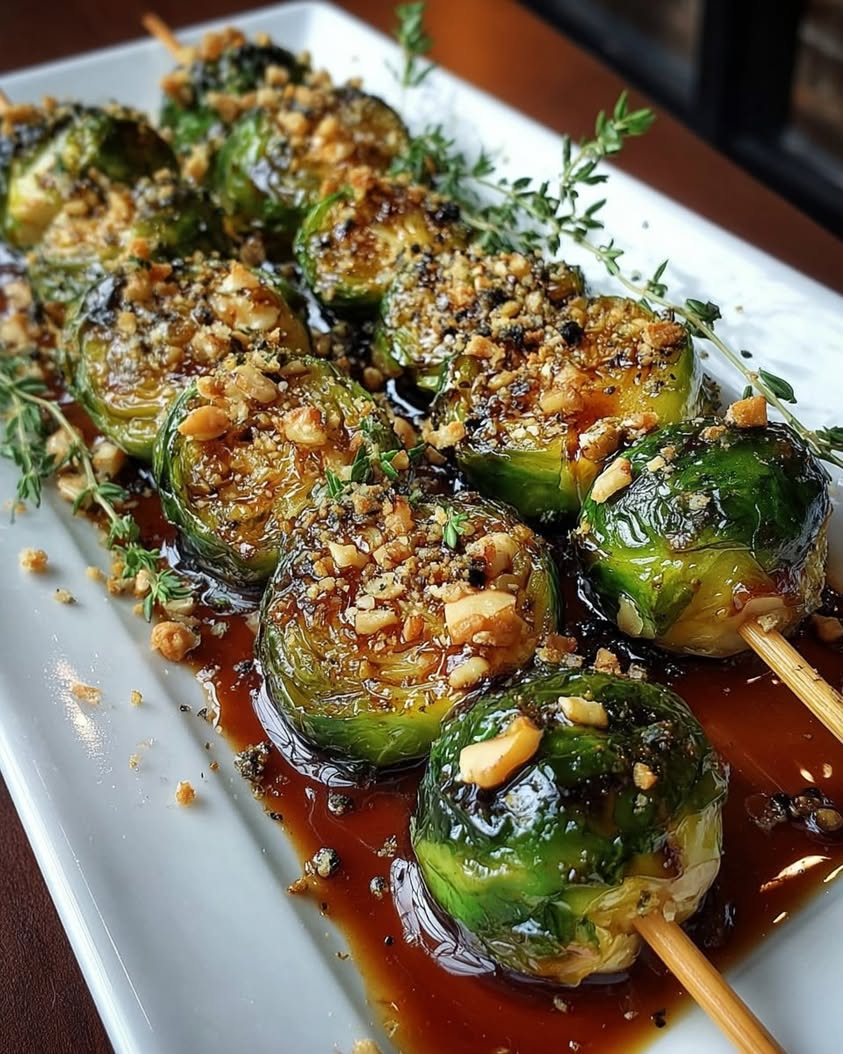
Caramelized Brussels Sprouts Skewers with Walnut Honey: A Perfect Side Dish
If you are searching for a show-stopping side dish that transforms humble vegetables into something truly spectacular, these Caramelized Brussels Sprouts Skewers with Walnut Honey are exactly what you need. The magic happens when the natural sugars in the Brussels sprouts meet the intense heat of the oven or grill, creating a deeply caramelized exterior that gives way to a tender, almost buttery interior. The sweet and nutty walnut honey drizzle adds a layer of complexity, elevating this simple vegetable into a gourmet experience. This recipe combines bold flavors with a visually appealing presentation, making it ideal for both casual weeknight dinners and festive holiday gatherings.
The unique method of skewering the Brussels sprouts ensures even cooking and a beautiful presentation. Each sprout sits on the skewer with enough space to allow hot air to circulate, guaranteeing that every surface gets the perfect level of caramelization. The contrast between the charred, slightly crispy leaves and the soft, sweet center is a textural delight. The walnut honey is not just a topping; it is a key component that infuses the sprouts with a rich, nutty sweetness that perfectly offsets their earthy bitterness. This combination of flavors and textures makes these Caramelized Brussels Sprouts Skewers with Walnut Honey a dish that will convert even the most skeptical Brussels sprouts eater.
This recipe is incredibly versatile and surprisingly simple to execute. You do not need any advanced cooking skills or special equipment to achieve restaurant-quality results. The preparation is straightforward: you just trim the sprouts, toss them in a bit of oil, thread them onto skewers, and roast or grill them. The walnut honey comes together in a matter of minutes on the stovetop. The result is a stress-free dish that looks and tastes like you spent hours in the kitchen. This is the kind of recipe you will find yourself turning to time and again, knowing it will deliver consistent, delicious results and impress your family and guests every single time.
Quick Recipe Highlights
- Flavor Profile: This dish offers a masterful balance of savory and sweet. The Brussels sprouts provide an earthy, slightly bitter base, which is perfectly contrasted by the natural sweetness from the caramelization process. The walnut honey adds a rich, nutty depth with floral undertones, creating a complex and memorable flavor profile.
- Texture: The texture journey is part of the appeal. The outer leaves become beautifully crispy and charred, while the interior remains tender and creamy. The walnut honey adds a luxurious, silky coating that clings to each sprout, and the occasional crunch from chopped walnuts provides a delightful finishing element.
- Aroma: As the Brussels sprouts roast or grill, they fill the kitchen with a comforting, nutty scent. The caramelization process releases a sweet, almost popcorn-like aroma that mingles with the rich, earthy smell of the sprouts. The walnut honey adds a warm, toasty fragrance that is incredibly inviting.
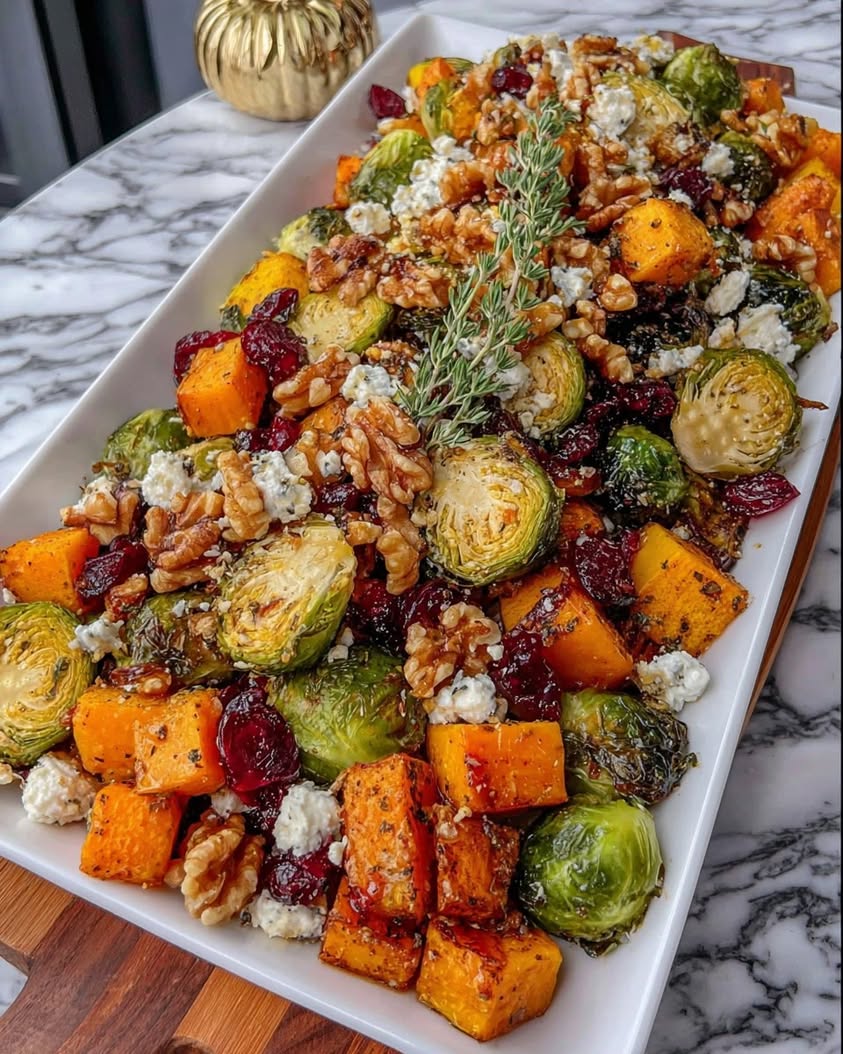
- Visual Appeal: The visual presentation is striking and elegant. Golden-brown Brussels sprouts with beautiful char marks are arranged on wooden skewers, making them perfect for appetizer platters or main course accompaniments. The glossy walnut honey drizzle catches the light, and a garnish of fresh thyme or chopped walnuts adds a final touch of rustic sophistication.
- Skill Level Needed: This recipe is accessible for all skill levels. The techniques involved are simple: trimming vegetables, making a simple syrup, and roasting or grilling. There are no complex knife skills or tricky procedures required. It is a perfect recipe for beginner cooks looking to impress and experienced cooks seeking a fast, reliable side dish.
- Special Equipment: You will need a set of wooden or metal skewers, a baking sheet or grill basket, and a small saucepan for the walnut honey. Soaking wooden skewers in water for 30 minutes before cooking is recommended to prevent them from burning on the grill or in the oven.
Recipe Overview
- Difficulty Level: The difficulty level is rated as Easy. The primary reason for this rating is the simplicity of the active steps. You do not need to master any complex techniques like making a roux or tempering eggs. The main tasks are chopping, skewering, and waiting for the oven to do its work. The walnut honey is a straightforward reduction that requires only basic attention. This is a foolproof recipe that builds confidence in the kitchen.
- Category: This dish fits perfectly into several categories. It is a standout vegetable side dish that can elevate any main course, from roasted chicken to seared steak. It also works wonderfully as an appetizer or a finger food for parties and gatherings, as the skewers make it easy to serve and eat. It can even be a light main course for a vegetarian meal when paired with a grain salad.
- Cuisine: While the technique of roasting vegetables is universal, the flavor profile of these Caramelized Brussels Sprouts Skewers with Walnut Honey draws inspiration from modern American and Mediterranean cuisines. The emphasis on caramelization and simple, high-quality ingredients is a hallmark of contemporary American cooking. The use of honey and walnuts also nods to Mediterranean culinary traditions, where sweet and savory combinations are common.
- Cost: This recipe is very cost-effective to prepare. Brussels sprouts are generally an affordable vegetable, especially when they are in season. Walnuts are a bit more of an investment, but they are used in a small quantity. Honey is a pantry staple for most people. The total cost for four servings is typically under ten dollars, making it an excellent option for budget-friendly entertaining.
- Season: The best time to make this recipe is in the autumn and winter months. Brussels sprouts are a cool-weather crop and are at their peak flavor and sweetness after the first frost. This is also the season when we crave hearty, comforting, and warm dishes. However, you can absolutely make this dish year-round, as Brussels sprouts are widely available in grocery stores in every season.
- Occasion: These skewers are incredibly versatile for a wide range of occasions. They are a sophisticated addition to a Thanksgiving or Christmas dinner table. They are also perfect for a summer barbecue, where you can grill them alongside burgers and steaks. For a casual weeknight dinner, they add a touch of elegance to a simple meal. They even travel well for potlucks and picnics.
Why You Will Love This Recipe
The taste and texture appeal of these Caramelized Brussels Sprouts Skewers with Walnut Honey is the primary reason you will fall in love with them. The roasting process works wonders, transforming the sometimes bitter and dense sprouts into sweet, tender morsels with crispy edges. The walnut honey is the perfect finishing touch, adding a layer of sweetness that complements the savory notes without overpowering them. Every bite is a harmonious blend of textures, from the satisfying crunch of the caramelized leaves to the soft interior and the silky, sweet honey glaze. It is a dish that feels indulgent and nutritious at the same time, and that balance is hard to find.
The convenience and preparation benefits are substantial and make this recipe a weeknight winner. After a quick rinse and trim, you simply toss the sprouts in oil and salt, then thread them onto skewers. There is no blanching, no parboiling, and no complicated seasoning blends. The oven or grill does most of the work, freeing you up to focus on the rest of the meal. The walnut honey requires just a few minutes of stirring on the stove. This recipe proves that you do not need long, complicated steps to create a memorable and delicious dish. The clean-up is minimal, which is always a huge plus.
The nutritional advantages of this recipe are another compelling reason to make it. Brussels sprouts are a superfood, packed with vitamins C and K, fiber, and antioxidants. They are low in calories and high in nutrients, making them an excellent addition to a healthy diet. Walnuts are a fantastic source of healthy omega-3 fatty acids, which are good for heart and brain health. Honey provides natural sweetness with some trace minerals. This recipe allows you to enjoy a decadent-tasting side dish that is actually very good for you, without any guilt or compromise on flavor.
The social and entertaining value of these skewers cannot be overstated. When you place a platter of these beautifully caramelized skewers on a buffet or at a dinner table, they immediately catch everyone’s attention. They look elegant and sophisticated, and the skewers make them easy to serve and eat without the need for plates or forks at a cocktail party. They are a fantastic conversation starter. People are always curious about the unique preparation method and the delicious walnut honey. Serving this dish shows your guests that you put thought and care into the meal, and it makes any gathering feel more special.
Finally, the cost-effectiveness and accessibility of the ingredients make this a recipe you can turn to again and again. You do not need to hunt down any exotic items or spend a lot of money. Brussels sprouts are available in almost every grocery store, and they are one of the most affordable vegetables, especially in the fall. Walnuts and honey are common pantry staples. This means you can create a dish that tastes like it is from a high-end restaurant using simple, everyday ingredients. It is a beautiful example of how you can use basic components to make something truly exceptional.
Historical Background and Cultural Significance
The Brussels sprout, despite its name suggesting a connection to Belgium, has a much older history. It is believed that the wild ancestor of the Brussels sprout grew in the Mediterranean region, and the plant was cultivated by the ancient Romans. The modern Brussels sprout, as we know it, was widely grown in the 16th century in what is now Belgium, specifically in the region around Brussels. It became a popular winter vegetable throughout northern Europe, prized for its ability to withstand cold weather and its unique, compact heads. The name stuck, and it has been known as the Brussels sprout ever since.
In American culinary culture, Brussels sprouts have had a fascinating journey. For much of the 20th century, they were often boiled until mushy, developing a strong, sulfurous smell and a bitter taste that earned them a rather poor reputation. Many people grew up disliking them. However, a significant culinary shift began in the late 1990s and early 2000s. Chefs started to explore new methods of preparation, most notably roasting and sautéing. This simple change in technique unlocked the vegetable’s potential, allowing the natural sugars to caramelize and mellow the bitterness. This recipe for Caramelized Brussels Sprouts Skewers with Walnut Honey is a direct descendant of this culinary renaissance.
The walnut honey component of this recipe also has a rich history. Honey has been used as a sweetener and a preservative for thousands of years across virtually every culture. The use of honey with nuts is a classic combination found in many cuisines, from the baklava of the Middle East and Greece to the torrone of Italy. Walnuts, in particular, have been a staple in many parts of the world for centuries, valued for their rich, oily flavor and nutritional density. The combination of honey and walnuts is a natural pairing that has been used in desserts and savory dishes alike, and it works beautifully with the earthiness of the Brussels sprouts.
This specific recipe represents a modern, global interpretation of a classic vegetable. It combines the traditional European technique of roasting with a universal pairing of sweet honey and nutty walnuts. The use of skewers is a clever, contemporary presentation trick borrowed from the world of grilling and appetizers. There are regional variations of this idea around the world. In some parts of Italy, you might find roasted vegetables with a balsamic glaze and pine nuts. In the United States, we often see roasted Brussels sprouts with a maple syrup and bacon combination. This recipe for Caramelized Brussels Sprouts Skewers with Walnut Honey stands as a delicious and elegant iteration of this global trend.
Ingredient Deep Dive
Brussels sprouts are small, cabbage-like vegetables that are packed with history and nutrition. They are members of the Brassica family, which includes cabbage, kale, and broccoli. Their cultural significance has grown tremendously as they have transformed from a maligned vegetable into a trendy superfood. Nutritionally, they are a powerhouse, offering high levels of vitamin K, which is essential for bone health, and vitamin C, a key antioxidant. They are also an excellent source of fiber, which supports digestive health. When selecting Brussels sprouts, look for bright green, firm heads with tightly packed leaves. Avoid any that are yellowing, have loose leaves, or show signs of softness. For storage, keep them in a perforated plastic bag in the refrigerator for up to a week. If you cannot find Brussels sprouts, a good substitution is halved broccoli florets or even cubed cauliflower, though the cooking time will need slight adjustment.
Honey is a natural sweetener with a long and storied history, dating back to ancient times. It was used by the Egyptians, Greeks, and Romans for both culinary and medicinal purposes. Its cultural significance is immense, often symbolizing sweetness, abundance, and health. For this recipe, you want a mild, high-quality honey that will not overpower the other flavors. Clover or orange blossom honey are excellent choices. The flavor profile of honey is complex, depending on the flowers from which the bees collected the nectar. It can be floral, fruity, or earthy. Store honey in a cool, dark place. It does not spoil due to its low water content, but it can crystallize over time. If this happens, simply warm the jar gently in a pan of hot water. A good substitute for honey is maple syrup or agave nectar.
Walnuts are the edible seeds of the walnut tree, and they are one of the oldest tree foods known to humanity. They have a rich cultural significance in many parts of the world, particularly in Persia and the Mediterranean, where they feature in numerous dishes. Nutritionally, walnuts are famous for their high content of omega-3 fatty acids, particularly alpha-linolenic acid (ALA), which is excellent for heart health. They also contain antioxidants that reduce inflammation. When selecting walnuts, look for raw, unsalted pieces for the best control over the final flavor. The walnuts should smell mild and nutty, not rancid. Store them in an airtight container in the refrigerator or freezer to prevent them from going rancid due to their high oil content. For a substitution, you can use pecans or almonds, though the flavor profile will change.
Olive oil is the backbone for roasting these sprouts, providing the necessary fat for caramelization. It is a staple of the Mediterranean diet, celebrated for its heart-healthy monounsaturated fats and antioxidants. The cultural significance of olive oil is immense, dating back to ancient Greece and Rome. For the best flavor, use a good quality extra virgin olive oil. It adds a fruity, peppery note that complements the Brussels sprouts beautifully. Store olive oil in a cool, dark place away from heat and light to preserve its quality. For a stronger flavor, you can substitute avocado oil, which has a higher smoke point and a neutral taste. Salt and pepper are the final essential ingredients, enhancing all the natural flavors of the other components.
Common Mistakes to Avoid
- Do not crowd the Brussels sprouts on the skewer. If you pack them too tightly, the hot air cannot circulate, and they will steam instead of caramelize. Leave a small space between each sprout. This is the single most important tip for achieving that golden-brown crust.
- Do not skip soaking the wooden skewers if you are using them. Soaking them in water for at least 30 minutes prevents the exposed ends from burning and potentially catching fire on the grill or in the oven. Damp skewers are a simple safety measure.
- Do not overcook the walnut honey. When you combine the honey, water, and walnuts, you are creating a simple syrup. You only want to simmer it for a minute or two. If you cook it too long, it will become thick and hard, turning into a brittle rather than a glaze.
- Do not forget to trim the stem ends of the Brussels sprouts. The stem can be tough and woody. Cut off a thin slice from the bottom of each sprout and remove any discolored or loose outer leaves. This ensures every bite is tender and delicious.
- Do not cut the Brussels sprouts in half for this recipe. The beauty of the skewer method is roasting them whole. This allows the interior to stay tender and creamy while the outer leaves char. Cutting them in half will make them cook too quickly and dry out.
- Do not use a high oven temperature without checking the sprouts. While a high heat is good for caramelization, every oven is different. Start checking the sprouts at the 15-minute mark to ensure they are not burning. You want them deeply golden, not black.
- Do not apply the walnut honey glaze too early. If you add the glaze at the start of cooking, the sugar in the honey will burn before the sprouts are fully cooked. Always drizzle the walnut honey over the hot, fully cooked skewers just before serving.
- Do not use a metal pan without any oil. If you place the skewers directly onto an ungreased metal baking sheet, they will stick. Line your baking sheet with parchment paper or foil, or lightly grease it with oil for easy cleanup.
Essential Techniques
The technique of achieving perfect caramelization is the heart of this recipe. Caramelization is the browning of sugars, which occurs when heat is applied to food. For Brussels sprouts, this process requires high heat and dry air. The most effective way to achieve this is by roasting at a high temperature, around 400 degrees Fahrenheit (or 425 for a faster cook). The key is to ensure the sprouts are dry before they hit the oil and heat. Any excess moisture will turn to steam and prevent browning. Also, be sure to give the sprouts enough space on the skewer and on the baking sheet so that they are not touching each other. The visual cue for perfect caramelization is a deep, golden-brown color on the outer leaves with some darker, charred spots for flavor.
Mastering the walnut honey glaze is another essential technique. This is a simple reduction, but it requires careful attention. You start by gently warming the honey with a tablespoon of water in a small saucepan. Adding the water prevents the honey from burning while it heats up. Once the mixture is hot and loose, you stir in the chopped walnuts. The goal is not to reduce the mixture significantly, but to warm it through and allow the walnuts to soften slightly. You will know it is ready when the mixture is bubbling gently and smells wonderfully nutty and sweet. Remove it from the heat immediately. If you let it boil for too long, the honey will become thick and dark. The final glaze should be thick and syrupy, but easily pourable over the hot skewers.
The technique for threading the skewers is also important for success. If you are using wooden skewers, remember to soak them. When threading, aim the skewer through the center of each sprout, sliding it gently through. Try to keep the sprouts evenly spaced so they cook uniformly. You do not need to pack them perfectly, but a consistent arrangement looks more professional and cooks more evenly. Be careful not to force the skewer, as the sprouts can crack and break apart. If a sprout is particularly tough, you can use the tip of a small knife to create a pilot hole for the skewer. This simple trick prevents frustration and ensures your skewers stay intact.
Pro Tips for Perfect Caramelized Brussels Sprouts Skewers with Walnut Honey
For the best caramelization, massage the oil into the Brussels sprouts thoroughly after you toss them. Make sure every surface is lightly coated. This ensures even browning and prevents dry spots. Do not use too much oil, however, as this will make the sprouts greasy instead of crispy.
If you are using a convection oven, reduce the temperature by 25 degrees Fahrenheit. Convection ovens circulate hot air, which speeds up cooking time and promotes browning. You may need to check the skewers a full five to ten minutes earlier than the recipe states.
Do not be afraid to use high heat for the final few minutes of cooking if your sprouts are tender but not yet deeply colored. You can broil the skewers for the last two to three minutes to get a beautiful char. Just watch them carefully, as they can burn very quickly under the broiler.
For a more intense walnut flavor, toast the chopped walnuts in a dry skillet over medium heat for two to three minutes before adding them to the honey. This releases their natural oils and deepens their nutty taste. Let them cool slightly before using them in the glaze.
If you are serving these skewers at a party, you can assemble them up to a few hours in advance and keep them covered in the refrigerator. When you are ready to serve, just roast them as directed. You may need to add a couple of extra minutes to the cooking time since they will start cold from the fridge.
To add a final burst of freshness, sprinkle the finished skewers with a pinch of flaky sea salt and some freshly cracked black pepper right before serving. This reinforces the savory notes and contrasts beautifully with the sweetness of the honey glaze.
Variations and Adaptations
Regional variations of this dish are fun to explore. In a Mediterranean version, you could swap the walnuts for toasted pine nuts and add a sprinkle of crumbled feta cheese and a squeeze of lemon juice. The lemon cuts through the sweetness and adds brightness. For a more Middle Eastern twist, you could replace the honey with a pomegranate molasses glaze and top the skewers with chopped pistachios and fresh mint. This creates a sweet and tangy flavor profile that is incredibly vibrant.
Seasonal adaptations are another way to keep this recipe fresh throughout the year. In the summer, you can grill the skewers directly on the barbecue for a smoky flavor. Soak your skewers well and cook them over medium-high heat, turning occasionally. For a fall variation, add a pinch of ground cinnamon or cardamom to the walnut honey. These warm spices complement the earthy Brussels sprouts and the nutty walnuts perfectly, making the dish even more cozy and comforting.
Dietary modifications are easy to make with this recipe. For a completely vegan version, simply substitute the honey with pure maple syrup or a rich date syrup. The result is equally delicious and just as satisfying. For a gluten-free option, this recipe is naturally gluten-free, as there are no grains involved. Just ensure that your individual ingredients, like the honey, are certified gluten-free if that is a concern. This recipe is also naturally dairy-free.
For a flavor variation that packs a spicy punch, add a pinch of red pepper flakes to the honey mixture. The heat will play beautifully off the sweetness of the honey and the earthiness of the sprouts. Alternatively, for a more savory version, mince a clove of garlic and add it to the olive oil used for tossing the sprouts. The garlic will roast and soften, infusing the sprouts with a mellow, aromatic flavor.
Serving and Presentation Guide
For an elegant presentation, arrange the finished skewers on a long wooden serving board or a rectangular white platter. You can lay them in a single layer, slightly overlapping, to create a beautiful, rustic look. Alternatively, for a more modern and structured presentation, you can stand the skewers upright in a tall, narrow glass or a small ceramic pitcher. This makes them a spectacular centerpiece for a cocktail party or appetizer table.
Garnishing is the key to a polished final look. A light sprinkle of flaky sea salt right before serving adds a wonderful textural crunch and enhances the flavor profile. You can also garnish the skewers with a few fresh thyme leaves or small sprigs of rosemary for a pop of green color and a herbal aroma. Another beautiful option is to drizzle the platter with a little bit of extra honey and a few scattered, whole toasted walnuts for an artful finish.
These skewers are incredibly versatile in terms of accompaniments. Traditionally, they pair beautifully with roasted poultry, such as a Thanksgiving turkey or a simple roast chicken. They also work wonderfully alongside a seared steak or a pork chop. For a modern serving suggestion, serve them as a side with a hearty grain bowl, like farro or quinoa, for a complete and satisfying vegetarian meal. They also make a fantastic appetizer on their own, served with a side of dipping sauce, such as a tangy balsamic reduction or a creamy goat cheese dip.
Temperature considerations are crucial for the best eating experience. These skewers are best served hot, straight from the oven or grill. The contrast between the hot, crispy sprouts and the warm, flowing honey is at its peak right when they come out of the heat. However, they are also delicious at room temperature if you are serving them on a buffet. If they do cool down, you can reheat them in a 350-degree oven for just five minutes to bring them back to life. The portion control is simple: plan for 4 to 5 skewers per person as a side dish, or 2 to 3 skewers per person as an appetizer.
Wine and Beverage Pairing
A great wine pairing for these Caramelized Brussels Sprouts Skewers with Walnut Honey is a white wine with a touch of richness and acidity. A dry Riesling is an excellent choice because its slight sweetness can mirror the honey, while its high acidity cuts through the earthy flavors of the sprouts. Another fantastic option is a vibrant Sauvignon Blanc from New Zealand, which has grassy notes that complement the vegetable character. For a red wine lover, a light-bodied Pinot Noir is a safe bet. Its bright red fruit flavors and soft tannins will not overpower the delicate sweetness of the dish.
For non-alcoholic alternatives, you have many great options. A sparkling water with a splash of apple cider or a squeeze of lemon is a simple, refreshing choice that cleanses the palate. A chilled, unsweetened iced green tea also works beautifully. The subtle vegetal notes of the green tea provide an interesting contrast to the sweet and savory flavors. For a more festive option, try a honey lemonade. You can make it by combining fresh lemon juice, water, and a bit of honey. The honey will tie the beverage directly into the flavors of the dish, creating a cohesive pairing.
If you are considering a cocktail, a classic Negroni or a Boulevardier can handle the robust flavors. The bitter notes in the Campari or Aperol cut through the sweetness of the honey, while the herbal botanicals in the gin or whiskey stand up to the earthy sprouts. For a simpler cocktail, try a whiskey sour. The lemon juice, simple syrup, and whiskey mirror the sweet and sour dynamic of the glaze. A light, crisp lager or a wheat beer is also a fantastic and simple choice for a beer pairing. The carbonation helps to refresh the palate between bites.
Storage and Shelf Life
To store leftover Caramelized Brussels Sprouts Skewers with Walnut Honey, allow them to cool completely to room temperature. Speed up the cooling process by spreading them out on a plate or a baking sheet. Once cool, transfer the skewers to an airtight container. If you are storing multiple layers, separate them with a piece of parchment paper to prevent them from sticking together. The walnut honey glaze can be stored separately in a small jar or container for the best results, as this prevents the sprouts from becoming soggy.
The ideal storage temperature for these leftovers is in the refrigerator at 40 degrees Fahrenheit or below. They should keep well for up to three days. Do not leave them at room temperature for more than two hours, as this can lead to bacterial growth. For reheat instructions, the best method is to use an oven or a toaster oven. Preheat the oven to 350 degrees Fahrenheit and place the skewers on a baking sheet. Warm them for about five to seven minutes, or until they are heated through and the exterior crisps up again. Avoid using a microwave, as it will make the texture soggy and rubbery.
For freezing guidelines, these skewers are best enjoyed fresh, but they can be frozen if necessary. To freeze, spread the cooled skewers on a baking sheet in a single layer and place them in the freezer for about an hour, or until they are partially frozen. This flash-freezing step prevents them from sticking together. After that, transfer the frozen skewers to a freezer-safe bag or container. They will keep for up to two months. To reheat from frozen, bake them directly from the freezer at 375 degrees Fahrenheit for about 15 to 20 minutes, or until hot and crispy. The texture will not be quite as perfect as fresh, but they will still be tasty.
Make Ahead Strategies
One of the best make-ahead strategies for this recipe is to prepare the walnut honey glaze up to a week in advance. Simply make the glaze, let it cool completely, and then store it in an airtight container in the refrigerator. When you are ready to use it, you can gently reheat it in a small saucepan over low heat or in the microwave in short bursts. This saves a full step on the day you plan to cook and reduces the mental load of preparing a meal.
You can also prep the Brussels sprouts themselves a day in advance. Wash and trim the stems, then remove any damaged outer leaves. Place the clean, dry sprouts in a sealed container or a zip-top bag and store them in the refrigerator. On the day of cooking, you can simply toss them with oil, season them, and thread them onto the skewers. This is a huge time-saver, especially when you are hosting a party or a holiday dinner. The quality of the sprouts will not suffer from this overnight storage.
Assembling the skewers a few hours before cooking is also a great option. After you soak your wooden skewers and thread the sprouts, place the assembled skewers on a baking sheet and cover them with plastic wrap. Store them in the refrigerator until you are ready to roast them. The quality impact is minimal. In fact, this can help the flavors from the salt and oil meld with the sprouts slightly. Just remember that you might need to add an extra minute or two to the cooking time because the skewers will be chilled. Add any fresh garnishes, like thyme leaves, only right after cooking and before serving.
Scaling Instructions
Halving the recipe is very straightforward. If you are cooking for two people, simply cut all the ingredient quantities in half. You will only need one or two baking sheets. The cooking time remains mostly the same, but you can begin checking for doneness a little earlier, as the smaller volume of food may cook faster. The same logic applies for the walnut honey glaze. Half the amount will require a smaller saucepan but the same technique. Storage will be easier, as you will have fewer leftovers.
Doubling or tripling the recipe for a larger crowd is also simple, but you will need to pay attention to your equipment. Use a larger baking sheet or two separate baking sheets to ensure the skewers have enough space. Crowding the pan will lead to steaming instead of caramelization. If you are using an oven, you will need to rotate the trays halfway through the cooking time to ensure even browning. The timing may need to be extended by about five minutes when the oven is more full. For the glaze, you can easily double or triple the ingredients in a larger saucepan.
For very large batches, consider using a grill instead of an oven to create more cooking surface area. You can also use longer skewers to fit more sprouts. When scaling, remember to adjust the seasoning accordingly. The rule of thumb is to use about one tablespoon of oil per pound of Brussels sprouts. Taste and adjust the salt and pepper as you go. If you are scaling the glaze, you can keep the ratio of honey to walnuts to water the same. A good baseline is one part water to four parts honey, by volume.
Nutritional Deep Dive
The macro breakdown for these Caramelized Brussels Sprouts Skewers with Walnut Honey is well-balanced for a vegetable side dish. A single serving of about four skewers contains carbohydrates from the Brussels sprouts and the honey, providing quick energy. It contains healthy fats from the olive oil and the walnuts, which are essential for nutrient absorption and satiety. There is a small amount of protein from the Brussels sprouts themselves and the walnuts. The dish is very low in saturated fat and contains no cholesterol, making it a heart-friendly choice.
The micronutrient analysis reveals a wealth of vitamins and minerals. Brussels sprouts are a top-tier source of vitamin K, which is vital for blood clotting and bone metabolism. They are also packed with vitamin C, a powerful antioxidant that supports the immune system and skin health. Additionally, they provide significant amounts of vitamin A for eye health, and folate, which is crucial for cell division. Walnuts contribute a small amount of magnesium, which is important for muscle function, and copper, which supports energy production in cells.
The health benefits of this dish are numerous and synergistic. The combination of fiber from the Brussels sprouts and the omega-3 fatty acids from the walnuts supports heart health by helping to lower cholesterol levels and reduce inflammation. Antioxidants in the sprouts, such as sulforaphane, have been studied for their potential anti-cancer properties. The dish is also naturally low in sodium if you control the amount of added salt, making it a great option for those watching their blood pressure. The honey provides a source of quick energy and contains trace amounts of beneficial plant compounds.
For dietary considerations, this dish is naturally keto-friendly if you limit the amount of honey you use. You could also replace the honey with a keto-approved sweetener like allulose or erythritol combined with a little water to create a similar glaze consistency. For weight management, this is an excellent choice because it is low in calories but very high in volume and fiber, which promotes a feeling of fullness. A standard serving is very reasonable for a balanced meal plan and can easily fit into most daily calorie goals. The portion analysis is simple and flexible, allowing you to adjust the number of skewers based on your personal hunger and dietary needs.
Dietary Adaptations
For a gluten-free adaptation, this recipe is naturally and completely gluten-free as written. None of the core ingredients contain gluten. However, if you have celiac disease or a severe gluten intolerance, it is wise to check the label on your honey to ensure it is not processed in a facility with wheat. The same applies to Print
Caramelized Brussels Sprouts Skewers with Walnut Honey
- Total Time: 40 minutes
- Yield: 4
Description
These crispy, caramelized Brussels sprouts are threaded onto skewers and drizzled with a warm walnut honey for a delightful appetizer or side dish that balances savory and sweet flavors.
Ingredients
- 1 pound Brussels sprouts, trimmed and halved
- 2 tablespoons olive oil
- 1/2 teaspoon salt
- 1/4 teaspoon black pepper
- 1/4 cup honey
- 1/4 cup chopped walnuts
- 1 tablespoon butter
- 8 wooden skewers, soaked in water for 30 minutes
Instructions
- Preheat oven to 425°F (220°C). Line a baking sheet with parchment paper.
- In a bowl, toss Brussels sprouts with olive oil, salt, and pepper until evenly coated.
- Thread Brussels sprouts onto the soaked skewers, leaving a little space between each piece.
- Place skewers on the prepared baking sheet and roast for 20-25 minutes, turning once halfway, until Brussels sprouts are tender and caramelized.
- While the skewers roast, combine honey, walnuts, and butter in a small saucepan. Heat over low heat, stirring until the butter melts and the mixture is warm and fragrant (about 3-4 minutes).
- Remove skewers from oven and let cool slightly. Drizzle with the walnut honey before serving.
Notes
You can customize the seasonings to taste. For extra crunch, toast the walnuts before adding to the honey. Serve warm as an appetizer or alongside roasted meats.
- Prep Time: 15 minutes
- Cook Time: 25 minutes
- Method: Appetizer
- Cuisine: American