Layered Vegetable Lasagna with Feta, Walnuts, and Cranberry Honey Glaze
This layered vegetable lasagna with feta, walnuts, and cranberry honey glaze transforms humble root vegetables into a stunning centerpiece for any autumn table. You will discover that sweet potatoes, butternut squash, and carrots create a naturally sweet foundation that pairs beautifully with salty feta cheese. The crunchy walnuts add texture while the cranberry honey glaze brings everything together with a tangy sweetness. This dish proves that vegetable lasagnas can be both hearty and elegant without requiring any pasta sheets at all.
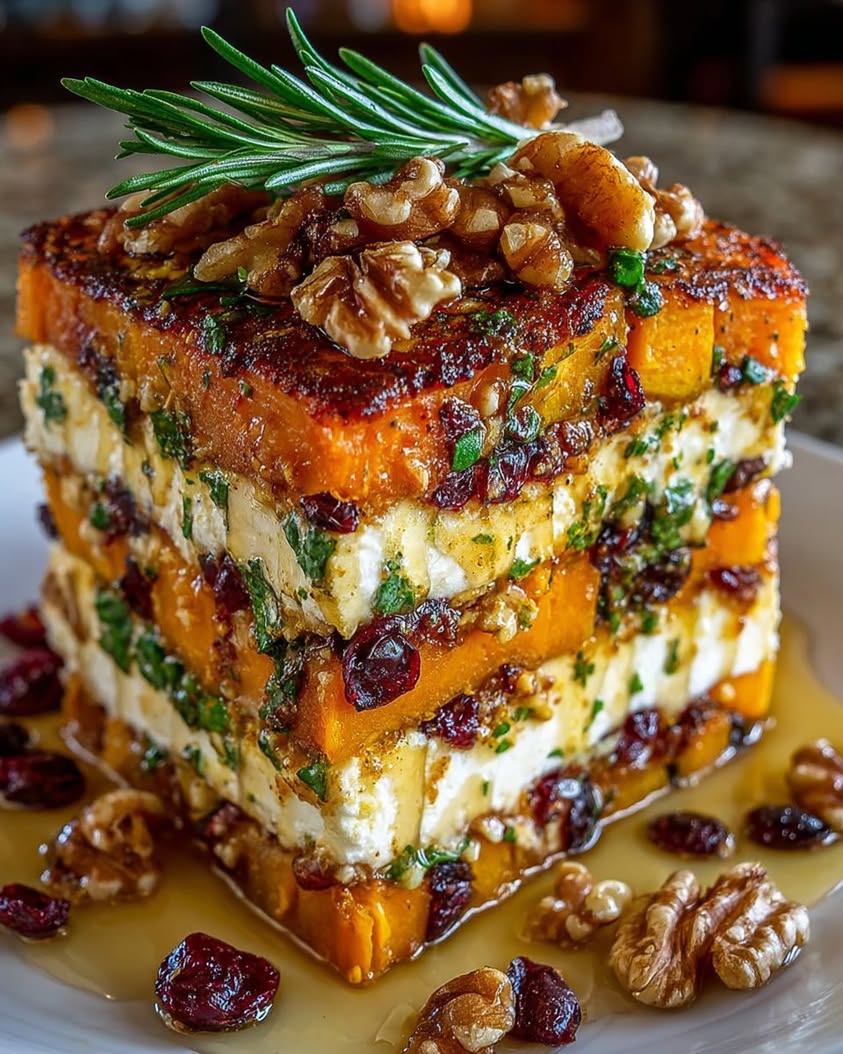
When you slice into this layered vegetable lasagna with feta, walnuts, and cranberry honey glaze, you will see beautiful ribbons of orange and gold stacked between creamy cheese layers. The aroma that fills your kitchen combines roasted squash sweetness with toasty walnuts and warm honey notes. Each bite offers a contrast of soft roasted vegetables, creamy feta, and crunchy walnut pieces that keeps you coming back for more. This recipe works perfectly for holiday dinners, weekend gatherings, or meal prep for the week ahead.
The beauty of this layered vegetable lasagna with feta, walnuts, and cranberry honey glaze lies in its simplicity. You do not need to boil noodles or prepare complicated sauces because the vegetables do the heavy lifting. The natural starches in sweet potatoes and butternut squash create a silky texture as they roast, while the carrots add a pleasant earthiness. Feta cheese provides a salty counterpoint that prevents the dish from becoming too sweet, and the walnuts introduce a satisfying crunch in every forkful. This combination creates a balanced meal that tastes indulgent but relies on wholesome ingredients.
Quick Recipe Highlights
- Flavor Profile: Sweet potatoes and butternut squash provide natural sweetness that pairs with salty feta cheese. The cranberry honey glaze adds a tangy, fruity note while walnuts contribute a nutty, slightly bitter element that balances the dish perfectly.
- Texture: Soft, creamy roasted vegetables contrast with crunchy walnut pieces and the crumbly texture of feta cheese. The glaze creates a slightly sticky, caramelized top layer that adds complexity to each bite.
- Aroma: Roasted squash and sweet potatoes fill your kitchen with warm, nutty scents. The honey caramelizes during baking, releasing sweet notes that mingle with the earthy aroma of thyme and the tang of feta cheese.
- Visual Appeal: Layers of orange sweet potato, golden butternut squash, and bright carrot create striking color contrast. The white feta crumbles and dark walnut pieces add visual interest while the glaze gives the top a glossy, appetizing finish.
- Skill Level Needed: This recipe requires basic knife skills for slicing vegetables uniformly. You need patience for layering but no advanced techniques like making béchamel or working with fresh pasta dough.
- Special Equipment: A sharp mandoline slicer helps achieve even vegetable slices. A 9×13 inch baking dish works best, and you will need a small saucepan for the glaze. Parchment paper makes cleanup easier.
Recipe Overview
- Difficulty Level: This recipe earns a medium difficulty rating because of the precision required for slicing vegetables evenly. You must also manage multiple components including the glaze and the layering process. However, the actual techniques remain straightforward and approachable for confident home cooks.
- Category: This dish functions as a main course for vegetarian meals or a substantial side dish for holiday feasts. It fits into the casserole category but also works as a gratin-style vegetable preparation. You can serve it for lunch or dinner with equal success.
- Cuisine: This recipe draws inspiration from Mediterranean flavors with Greek feta and walnuts, while incorporating American autumn produce traditions. The layering technique borrows from Italian lasagna, but the ingredients reflect modern, vegetable-forward cooking. The cranberry honey glaze adds a distinctly New England touch that feels festive and seasonal.
- Cost: Sweet potatoes, butternut squash, and carrots remain affordable year-round, especially during fall harvest season. Feta cheese costs more than domestic cheeses, but a little goes a long way. Walnuts add expense but you use them sparingly. Overall, this dish costs less than meat-based lasagnas and feeds eight people comfortably.
- Season: Autumn and early winter provide the best produce for this recipe because sweet potatoes and winter squash reach peak flavor after the first frost. Cranberries also appear fresh in markets during this time. However, you can make this dish year-round with supermarket produce that remains consistently good.
- Occasion: This layered vegetable lasagna with feta, walnuts, and cranberry honey glaze shines at Thanksgiving, Christmas, and other holiday gatherings. It also works well for Sunday dinners, potluck contributions, or special vegetarian meals. The impressive presentation makes it suitable for dinner parties where you want to showcase seasonal cooking.
Why You Will Love This Recipe
The taste and texture appeal of this dish will surprise anyone who thinks vegetable lasagnas lack substance. Sweet potatoes become creamy and almost buttery when roasted, while butternut squash develops a concentrated sweetness that rivals caramelized onions. Carrots add a subtle earthiness that grounds the dish and prevents it from becoming one-note sweet. The feta cheese melts slightly but maintains its crumbly character, providing salty pops throughout each layer. Walnuts toast during baking, releasing oils that deepen their flavor and create resistance against the soft vegetables. The cranberry honey glaze ties everything together with a sweet-tart finish that brightens each bite.
Convenience and preparation benefits make this recipe perfect for busy home cooks. You can slice all the vegetables ahead of time and store them in the refrigerator for up to two days before assembling. The glaze comes together in five minutes with simple ingredients you likely have in your pantry. Assembly takes about twenty minutes once your vegetables are sliced, and the oven does most of the work from there. Unlike traditional lasagnas, you do not need to monitor boiling noodles or worry about overcooking delicate pasta layers. The vegetables are forgiving and remain delicious even if baked a few minutes longer than recommended.
Nutritional advantages make this layered vegetable lasagna with feta, walnuts, and cranberry honey glaze a smart choice for health-conscious eaters. Sweet potatoes provide massive amounts of vitamin A in the form of beta-carotene, which supports eye health and immune function. Butternut squash offers additional vitamin C and potassium while being low in calories. Carrots contribute fiber and antioxidants that promote digestive health and reduce inflammation. Walnuts deliver omega-3 fatty acids that support brain health and heart function. Feta cheese provides calcium and protein with less fat than many other cheeses. This dish delivers substantial nutrition without sacrificing flavor or satisfaction.
Social and entertaining value makes this recipe a standout choice for gatherings. The layered presentation creates a stunning visual effect that impresses guests without requiring artistic plating skills. You can prepare the entire dish a day ahead and simply reheat it before serving, which reduces stress on event day. Vegetarian guests will appreciate having a substantial main course option that does not feel like an afterthought. The combination of familiar vegetables with unexpected feta and walnuts sparks conversation about the unique flavor pairing. This dish looks and tastes special enough for holidays while being approachable enough for casual entertaining.
Cost-effectiveness and accessibility make this recipe practical for weekly meal planning. Root vegetables cost significantly less than meat or seafood, making this an economical choice for feeding a crowd. Most ingredients keep well in the pantry or refrigerator, so you can buy them when on sale without worrying about spoilage. The recipe scales easily to serve more people without requiring expensive specialty ingredients. Leftovers reheat beautifully and taste even better the next day as the flavors meld together. You can also freeze portions for busy weeks when you need a quick, homemade meal ready to go.
Historical Background and Cultural Significance
The concept of layered vegetable dishes dates back centuries across multiple culinary traditions. Mediterranean cultures have long baked vegetables with cheese and nuts, creating dishes like Greek moussaka that layer eggplant with meat or vegetables. The technique of alternating vegetable slices with cheese and binders appears in Turkish, Middle Eastern, and Balkan cuisines. These early preparations relied on seasonal vegetables and preserved cheeses, making them practical for communities without reliable refrigeration. The layered structure allowed for even cooking and created visually impressive dishes suitable for celebrations and family gatherings.
Cultural importance of vegetable-based main courses has grown significantly in recent decades as more people adopt plant-forward diets. Traditional holidays often centered around meat dishes, leaving vegetarian guests with limited options. This layered vegetable lasagna with feta, walnuts, and cranberry honey glaze represents a modern solution that respects both culinary traditions and contemporary dietary preferences. The dish honors the Mediterranean practice of making vegetables the star of the meal rather than an afterthought. It also reflects American harvest traditions that celebrate autumn produce with hearty, comforting preparations.
The evolution of this recipe reflects broader changes in home cooking and ingredient availability. Twenty years ago, butternut squash might have appeared only in soups or purees, not as a lasagna layer. The growing popularity of vegetable-forward cooking has inspired home cooks to experiment with familiar vegetables in new contexts. Social media platforms share these innovations rapidly, spreading ideas across geographic and cultural boundaries. The addition of cranberry honey glaze shows how cooks adapt recipes to incorporate local and seasonal ingredients, creating new traditions while honoring old ones.
Regional variations of layered vegetable casseroles appear throughout North America and Europe. Scandinavian versions might use root vegetables like rutabaga and parsnips with dill and cream. Southern United States variations often incorporate collard greens or okra with sharp cheddar cheese. California-style preparations might add kale, mushrooms, or nutritional yeast for vegan adaptations. This recipe draws from multiple traditions to create something unique while remaining approachable. The combination of sweet potatoes, butternut squash, and carrots reflects the diverse produce available in modern American markets.
Ingredient Deep Dive
Sweet potatoes have a rich cultural history dating back thousands of years to Central and South America. Indigenous peoples cultivated sweet potatoes long before European contact, and explorers carried them across the globe. Today, sweet potatoes appear in cuisines from the American South to Japanese tempura to African stews. Nutritionally, they provide massive amounts of vitamin A, significant vitamin C, and more fiber than white potatoes. The natural sugars caramelize beautifully when roasted, creating complex flavors without added sweeteners. Choose firm sweet potatoes with smooth skins and no soft spots for best results. Store them in a cool, dark place away from onions, which can cause them to spoil faster. Garnet or Jewel varieties work well for this recipe because they hold their shape during baking.
Butternut squash originated in the Americas and has become a winter squash favorite worldwide. Its smooth texture and sweet flavor make it versatile for both savory and sweet preparations. The bright orange flesh indicates high beta-carotene content that supports immune health and skin vitality. Butternut squash also provides potassium, magnesium, and B vitamins essential for energy metabolism. Select squash that feel heavy for their size with a uniform tan color and intact stem. Avoid squash with soft spots or green patches that indicate under-ripeness. Store whole butternut squash in a cool pantry for up to three months. You can substitute acorn or delicata squash if butternut is unavailable, though cooking times may vary slightly.
Carrots have been cultivated for over five thousand years, originally in purple and yellow varieties before orange became dominant. They appear in cuisines worldwide, from Moroccan tagines to Korean banchan to American carrot cake. Carrots provide exceptional amounts of beta-carotene, vitamin K1, and fiber while being very low in calories. Their natural sweetness intensifies when roasted, making them perfect for this layered dish. Choose carrots that are firm, bright in color, and free from cracks or soft spots. Smaller carrots tend to be sweeter and more tender than large ones. Remove green tops before storage because they draw moisture from the roots. Store carrots in a plastic bag in the refrigerator crisper drawer for up to three weeks.
Feta cheese originated in Greece and has protected designation of origin status in the European Union. Traditional Greek feta comes from sheep milk or a mixture with goat milk, giving it a tangy, salty flavor that cannot be replicated. Feta provides calcium, protein, and probiotics that support bone health and digestion. Its crumbly texture and sharp flavor make it ideal for balancing the sweetness of roasted vegetables. Look for feta stored in brine, which keeps it moist and flavorful. Avoid pre-crumbled feta which often contains additives to prevent clumping. Store feta in its brine in the refrigerator and use within two weeks of opening. Substitute goat cheese or ricotta salata if feta is unavailable.
Walnuts have been cultivated for thousands of years with origins in Persia and the Mediterranean region. They appear in dishes ranging from baklava to pesto to walnut-crusted fish. Walnuts stand out nutritionally because they contain high levels of omega-3 fatty acids, which support brain function and reduce inflammation. They also provide protein, fiber, and antioxidants that protect against chronic disease. Purchase walnuts from stores with high turnover to ensure freshness, as rancid walnuts ruin dishes. Smell walnuts before buying them to check for any off odors. Store walnuts in an airtight container in the refrigerator or freezer to extend their shelf life. Toasting walnuts before adding them to the dish enhances their flavor significantly.
Cranberries grow wild across North America and have been harvested by Indigenous peoples for centuries. Native Americans used cranberries for food, medicine, and dye before European settlers arrived. Today, cranberries are cultivated primarily in Massachusetts, Wisconsin, New Jersey, and Canada. They provide vitamin C, fiber, and antioxidants called proanthocyanidins that support urinary tract health. Fresh cranberries have a short season from October through December but freeze beautifully for year-round use. Choose firm, plump berries that bounce when dropped, which indicates freshness. Store fresh cranberries in the refrigerator for up to two months or freeze them for up to one year. Dried cranberries work well in the glaze if fresh berries are unavailable.
Common Mistakes to Avoid
- Slicing vegetables unevenly leads to inconsistent cooking where thin pieces burn and thick pieces remain raw. Use a mandoline set to one-eighth inch thickness to ensure all slices cook at the same rate.
- Skipping the vegetable roasting step before layering results in a watery lasagna because vegetables release moisture during baking. Roasting concentrates flavors and removes excess liquid that would make the dish soggy.
- Using too much glaze overwhelms the natural vegetable flavors and makes the dish excessively sweet. Apply the glaze sparingly in thin layers, reserving most for the top where it can caramelize attractively.
- Crumbling feta too fine causes it to melt away into the vegetables rather than providing distinct pockets of flavor. Leave feta in larger chunks about half an inch in size for best texture contrast.
- Overcrowding the baking dish prevents proper heat circulation and leads to uneven cooking. Leave slight space between layers so hot air can move through the dish and roast vegetables evenly.
- Adding walnuts too early in the baking process burns them and creates bitter flavors. Press walnuts into the top layer during the last ten minutes of baking so they toast without scorching.
- Forgetting to season between layers results in a bland final dish despite flavorful ingredients. Sprinkle salt, pepper, and thyme between each layer to build depth of flavor throughout.
- Using low-quality honey in the glaze dulls the bright flavor that good honey provides. Choose a flavorful honey like orange blossom or wildflower that complements the cranberries rather than generic clover honey.
- Cutting vegetables too thick creates a lasagna that takes forever to cook through. Vegetable slices should be thin enough to become tender within forty minutes of baking time.
- Skipping the resting period after baking causes the lasagna to fall apart when you cut into it. Allow the dish to rest for fifteen minutes after removing from the oven so layers set properly.
Essential Techniques
Mastering vegetable slicing forms the foundation of this layered vegetable lasagna with feta, walnuts, and cranberry honey glaze. Consistent thickness ensures all vegetables cook evenly and create a stable structure when layered. A mandoline slicer provides the most reliable results, but a sharp chef knife works if you maintain patience and attention. Aim for slices about one-eighth inch thick, which is thin enough to cook through quickly but thick enough to hold their shape. Stack several slices together and check that they are uniform before proceeding. Uneven slices will cause some vegetables to become mushy while others remain crunchy, ruining the texture of your final dish.
Proper roasting technique concentrates flavors and removes excess moisture from vegetables before assembly. Spread sliced vegetables in a single layer on baking sheets without overlapping to ensure even browning. Roasting at four hundred degrees Fahrenheit allows sugars to caramelize and edges to brown while interiors become tender. Flip vegetables halfway through cooking to promote even coloring on both sides. Watch for golden brown spots that indicate proper caramelization without burning. The vegetables should look slightly shriveled and feel tender when pierced with a fork. Do not skip this step because raw vegetables release too much water during baking and create a watery lasagna.
Building layers requires attention to distribution and density for structural integrity. Start with a thin layer of vegetables on the bottom of your oiled baking dish to prevent sticking. Alternate vegetables in different colors and shapes to create visual interest and ensure each bite contains variety. Press each layer down gently with a spatula to remove air pockets and create contact between ingredients. Scatter feta and drizzle glaze in small amounts between each layer rather than concentrating them in one spot. The final top layer should look beautiful because it will form the presentation surface. Even distribution ensures every serving contains all the elements that make this dish special.
Creating and applying the cranberry honey glaze requires careful attention to consistency and timing. Combine fresh or dried cranberries with honey and a splash of water in a small saucepan over medium heat. Cook until cranberries soften and release their juices, about five minutes for fresh berries or ten minutes for dried. The glaze should thicken slightly but remain pourable for easy application. Strain the glaze if you prefer a smooth finish, or leave cranberry pieces for texture and visual appeal. Apply the glaze in thin layers during assembly and reserve a generous amount for the top. The glaze should bubble gently around the edges during baking and caramelize to a glossy finish.
Pro Tips for Perfect Layered Vegetable Lasagna with Feta, Walnuts, and Cranberry Honey Glaze
Use a mix of orange and white sweet potatoes for visual contrast between layers. The different colors create beautiful stripes when you slice into the finished dish, making it even more impressive on the plate.
Toast walnuts in a dry skillet before adding them to the dish to intensify their flavor dramatically. Watch them carefully because walnuts burn quickly, turning from fragrant to bitter in seconds. Remove them from the pan immediately once they become golden brown.
Line your baking dish with parchment paper extending up the sides to create handles for lifting the entire lasagna out. This makes cutting and serving much easier, especially when you want clean, square portions for presentation.
Season each vegetable type separately before roasting because different vegetables absorb salt at different rates. Sweet potatoes need more salt than carrots, while butternut squash falls somewhere in between. Tasting as you go ensures balanced seasoning throughout.
Reserve extra glaze for drizzling over individual servings at the table when guests can appreciate the bright color and glossy finish. This also allows people to control how much sweetness they want in their portion.
Let the cooked lasagna rest for at least twenty minutes before cutting to allow the layers to settle and set. This resting period makes a significant difference in how cleanly the portions hold together when you serve them.
Grate fresh nutmeg over the top layer before baking for an aromatic note that complements both vegetables and cheese. Nutmeg has an affinity for creamy, sweet preparations and adds sophistication to the final dish.
Blot roasted vegetables with paper towels before layering to remove any excess oil or moisture that could make the lasagna greasy. This simple step ensures cleaner layers and better texture in the finished dish.
Variations and Adaptations
Regional variations of this dish reflect local produce and culinary traditions across different areas. Southern cooks might add collard greens or kale between layers for extra nutrition and earthy flavor. Southwestern adaptations could include roasted poblano peppers and cotija cheese instead of feta, with a chipotle honey glaze for heat. New England versions often emphasize local maple syrup in place of honey, creating a deeper, woodsy sweetness that pairs wonderfully with autumn squash.
Seasonal adaptations allow you to enjoy this recipe throughout the year with whatever produce looks best. Spring versions can use asparagus, zucchini, and yellow squash with lemon-herb goat cheese. Summer brings opportunities for eggplant, bell peppers, and tomatoes with fresh mozzarella and basil pesto. Winter root vegetables like parsnips, celery root, and turnips create a completely different but equally delicious dish when feta and walnuts remain constant.
Dietary modifications make this recipe accessible to people with various eating preferences and restrictions. For a dairy-free version, omit feta and use cashew cream or nutritional yeast between layers for savory depth. Vegan adaptations can replace honey with maple syrup or agave nectar in the glaze. Gluten-free eaters can enjoy this dish as written because no pasta appears in the recipe. Each adaptation maintains the spirit of the original while accommodating different dietary needs.
Flavor variations let you customize the taste profile to match your preferences or menu theme. Add fresh rosemary and garlic between layers for an herby, savory twist that complements the sweet vegetables. Use smoked paprika and cumin for a warm, earthy flavor profile inspired by North African cuisine. Incorporate preserved lemon and zaatar for Middle Eastern influences that brighten the dish with citrus and spice.
Texture modifications change the mouthfeel and eating experience of the lasagna. Add cooked lentils or quinoa between layers for extra protein and chewy texture that makes the dish more filling. Include sliced mushrooms that have been sauteed until golden for umami depth and meaty texture. Top with pumpkin seeds or pine nuts instead of walnuts for different crunch profiles and flavor nuances.
Presentation alternatives allow you to serve this dish in creative ways for different occasions. Individual ramekins create single-serving portions perfect for dinner parties where guests have different dietary preferences. A cast iron skillet makes for rustic, casual presentation that transitions well from oven to table. Layering vegetables in a spiral pattern on the top creates a rose effect that makes the dish look like a work of art.
Serving and Presentation Guide
Plating techniques for this lasagna focus on showing off the beautiful layers you created. Use a sharp chef knife to cut clean squares, wiping the blade between cuts for pristine edges. Lift portions with a wide spatula and transfer them to warmed plates for serving. Consider serving on white plates that contrast with the orange vegetables and make the colors pop. A smear of extra cranberry honey glaze on the plate adds both flavor and visual interest.
Garnishing ideas enhance the dish without overwhelming its natural beauty. Sprinkle fresh thyme leaves or chopped parsley over the top for green color contrast and fresh herbal notes. Add a few extra crumbles of feta cheese and whole walnut pieces for texture and visual interest. Drizzle additional glaze in a decorative pattern around the plate for a professional restaurant presentation. A light dusting of flaky sea salt just before serving brightens all the flavors.
Traditional accompaniments round out the meal and provide balance to the rich lasagna. A crisp green salad with lemon vinaigrette cuts through the sweetness and adds freshness. Crusty bread serves to soak up any extra glaze and cheese that pools on the plate. Roasted Brussels sprouts or sauteed green beans add additional vegetables and textural variety to the meal.
Modern serving suggestions take this dish beyond traditional dinner applications. Serve smaller portions as an appetizer for holiday parties where guests want to taste multiple dishes. Layer leftovers into grain bowls with quinoa or farro for next-day lunches that feel completely different. Cut the lasagna into bite-sized squares and serve as passed appetizers at cocktail parties for an impressive vegetarian option.
Temperature considerations affect both flavor and texture when serving this dish. Serve the lasagna hot from the oven for the most dramatic presentation and melting cheese. Room temperature servings work well for buffets or outdoor gatherings where keeping food hot becomes challenging. Cooled leftovers taste delicious cold or reheated, making this recipe versatile for various serving scenarios.
Portion control tips help you serve appropriate amounts for different eating situations. A standard portion measures about three inches by three inches for a main course serving. Side dish portions should be about half that size, or two inches square. For appetizer servings, cut the lasagna into one-inch squares and serve two or three per person. This recipe easily serves eight people as a main course or sixteen as a side dish.
Wine and Beverage Pairing
Wine pairings for this layered vegetable lasagna with feta, walnuts, and cranberry honey glaze focus on balancing sweetness and acidity. A dry Riesling with its floral notes and crisp acidity cuts through the richness of roasted vegetables and cheese. The slight residual sugar in off-dry Riesling complements the cranberry honey glaze without competing with it. Gewurztraminer offers lychee and spice notes that enhance the aromatic qualities of the dish while its natural sweetness matches the glaze.
For red wine lovers, a lighter-bodied Pinot Noir works beautifully because its earthy notes complement roasted root vegetables. The wine’s bright acidity cuts through feta’s saltiness while its soft tannins do not overpower the vegetables. Beaujolais Cru, especially from Morgon or Fleurie, provides similar benefits with more fruit-forward character and lower tannins. Avoid heavy red wines with high tannins that would overwhelm the delicate vegetable flavors.
Non-alcoholic alternatives offer equally satisfying pairings for those who prefer not to drink wine. Sparkling apple cider provides festive bubbles and tart sweetness that mirrors the cranberry honey glaze. Tart cherry juice mixed with sparkling water creates a refreshing, sophisticated beverage that complements the dish’s sweet-savory balance. Herbal tea like chamomile or mint served warm or cold provides cleansing, aromatic notes between bites.
Coffee and tea pairings work wonderfully for brunch or lunch versions of this dish. A light roast coffee with bright acidity and fruity notes echoes the cranberry sweetness without overwhelming the vegetables. Chai tea with its warming spices of cinnamon, cardamom, and ginger complements the autumn flavors beautifully. Earl Grey tea offers bergamot citrus notes that brighten the dish and refresh your palate between bites.
Temperature considerations for beverages matter as much as the actual drink selection. Serve white wines and sparkling beverages well-chilled to contrast with the warm, rich lasagna. Red wines should be served slightly cool, around sixty degrees Fahrenheit, to maintain their freshness. Hot beverages should be served at comfortable drinking temperature so they do not overpower the food’s warmth.
Serving suggestions for beverages focus on enhancing the dining experience without making it complicated. Provide a beverage pairing option for each course, starting with sparkling cider as an aperitif. Offer both wine and non-alcoholic choices so all guests feel included and catered to. Set up a self-serve beverage station for casual gatherings where guests can help themselves throughout the meal.
Storage and Shelf Life
Storage methods for leftover lasagna focus on maintaining texture and preventing the vegetables from becoming mushy. Allow the lasagna to cool completely at room temperature before covering it with foil or plastic wrap. Refrigerate within two hours of cooking to prevent bacterial growth and maintain food safety. The lasagna keeps well in the refrigerator for up to five days, with flavors actually improving on the second and third days as they meld together.
Temperature requirements for storing this dish are straightforward but important for safety and quality. Keep the lasagna at or below forty degrees Fahrenheit in the main body of your refrigerator, not in the door where temperatures fluctuate. If you plan to store the dish for more than three days, divide it into smaller portions for faster, more even cooling. Do not leave the lasagna at room temperature for more than two hours total, including serving time.
Container recommendations affect how well the lasagna maintains its quality during storage. Glass baking dishes with tight-fitting lids work best because they do not react with acidic ingredients like cranberries. If using the original baking dish, cover it tightly with foil and then plastic wrap for an airtight seal. Individual portions stored in glass meal prep containers make grab-and-go lunches easy throughout the week.
Signs of spoilage indicate when leftover lasagna should be discarded rather than consumed. Any sour or off odors that develop indicate bacterial growth and mean the dish should be thrown away. Mold growth, which appears as fuzzy spots in various colors, makes the entire dish unsafe to eat. Significant texture changes like extreme mushiness or separation of ingredients suggest spoilage has begun.
Reheating instructions help restore the lasagna to its original delicious state without drying it out. Preheat your oven to three hundred fifty degrees Fahrenheit and cover the dish with foil to trap moisture. Heat for fifteen to twenty minutes for individual portions or thirty to forty minutes for a full dish. For quicker reheating, use a microwave at medium power in one-minute intervals, checking frequently to avoid overheating. Add a splash of water or extra glaze before reheating to restore moisture lost during storage.
Freezing guidelines extend the shelf life of this dish for up to three months. Cool the lasagna completely, then wrap it tightly in plastic wrap followed by a layer of aluminum foil. Label the package with the date and contents before placing it in the freezer. Thaw frozen lasagna in the refrigerator overnight before reheating. The texture of vegetables may soften slightly after freezing, but the flavor remains excellent and the convenience factor makes it worthwhile.
Make Ahead Strategies
Prep timeline planning allows you to enjoy this layered vegetable lasagna with feta, walnuts, and cranberry honey glaze with minimal day-of effort. Up to three days before serving, wash and slice all vegetables, storing them separately in airtight containers in the refrigerator. The glaze can be made up to one week ahead and stored in the refrigerator. Feta can be crumbled and walnuts toasted up to two days before assembly, saving significant time on cooking day.
Storage between steps requires careful attention to prevent vegetables from browning or drying out. Squeeze lemon juice over sliced sweet potatoes and carrots to prevent oxidation that causes browning. Place a damp paper towel over sliced vegetables before sealing containers to maintain moisture. Keep feta in its brine until ready to use to prevent it from drying out and becoming crumbly. Store toasted walnuts at room temperature in an airtight container to maintain their crunch.
Quality impact assessment reveals that this dish actually benefits from being made ahead. The flavors meld and deepen overnight, with the vegetables absorbing the sweet and savory notes from the glaze and cheese. The texture remains excellent because the vegetables have time to fully soften and integrate. The only element to add fresh is the walnut topping, which can become soggy if added too early. Toast and add walnuts just before serving for the best crunch.
Assembly tips for make-ahead preparation focus on building the lasagna correctly for overnight storage. Layer the dish completely except for the top glaze and walnuts, then cover and refrigerate. About thirty minutes before baking, remove the dish from the refrigerator to come to room temperature for even cooking. Add the final glaze layer and walnuts just before placing the dish in the oven to prevent them from becoming soggy during storage.
Reheating guidelines for pre-assembled lasagna ensure the dish cooks through properly. Increase baking time by ten to fifteen minutes if the lasagna goes straight from refrigerator to oven. Check that the center reaches one hundred sixty-five degrees Fahrenheit before serving for food safety. Cover the dish with foil for the first thirty minutes of baking, then remove foil for the final ten minutes to brown the top.
Fresh element additions transform leftover lasagna into completely new meals throughout the week. Top a serving with a fried egg for breakfast or brunch that adds protein and richness. Serve leftover portions over fresh arugula with lemon vinaigrette for a warm salad lunch. Crumble leftover lasagna into pasta sauce for a quick, flavorful dinner that tastes completely different from the original dish.
Scaling Instructions
Halving the recipe works well for smaller households or dinner parties with fewer guests. Use an eight by eight inch baking dish instead of the standard nine by thirteen inch dish for proper layer height. Reduce all ingredients by half, paying careful attention to the glaze quantities which can easily become too much. Check for doneness ten minutes earlier than the full recipe suggests because smaller dishes cook faster.
Doubling or tripling this recipe requires adjustments to both equipment and process. Use two baking dishes rather than one to ensure even cooking and proper layer structure. Do not simply pile ingredients higher because the center will not cook through before the edges burn. Increase roasting time for vegetables slightly because you will have more to process with the same oven space. Prepare glaze in batches rather than doubling the recipe to maintain proper consistency and prevent scorching.
Equipment adjustments become necessary when scaling this recipe up or down significantly. For large gatherings, consider using disposable aluminum pans in standard sizes for easy serving and cleanup. Hotel pans work well for catering situations because they stack efficiently and hold heat well. Individual ramekins or small baking dishes work perfectly for single serving versions, reducing baking time to about thirty minutes.
Timing modifications must account for changes in dish size and depth when scaling. Smaller dishes cook faster and require checking for doneness ten to fifteen minutes earlier than the standard recipe. Larger dishes need longer cooking times and benefit from being covered with foil for the first half of baking. Always use a thermometer to check internal temperature rather than relying solely on visual cues when scaling recipes.
Storage considerations change when you have larger or smaller quantities of lasagna. Extra portions freeze beautifully in individual containers for easy future meals. Small batches can be stored directly in their baking dish if you plan to eat them within a few days. Large batches should be divided into smaller portions before refrigerating or freezing to ensure even cooling and efficient reheating.
Nutritional Deep Dive
Macro breakdown of this layered vegetable lasagna with feta, walnuts, and cranberry honey glaze reveals a balanced dish suitable for main course consumption. Each serving provides approximately twenty-five grams of carbohydrates primarily from complex sources in Print
Layered Sweet Potato, Butternut Squash, Carrot Lasagna with Feta, Walnuts, and Cranberry-Honey Glaze
- Total Time: 1 hour 10 minutes
- Yield: 6
Description
A unique and festive twist on lasagna, featuring layers of roasted sweet potato, butternut squash, and carrot, combined with creamy feta, crunchy walnuts, and a sweet-tart cranberry-honey glaze. Perfect for a hearty autumn main course.
Ingredients
- 2 medium sweet potatoes, peeled and sliced into 1/4-inch rounds
- 1 small butternut squash, peeled, seeded, and sliced into 1/4-inch half-moons
- 3 large carrots, peeled and sliced into 1/4-inch rounds
- 2 tablespoons olive oil
- Salt and pepper to taste
- 1 cup dried cranberries
- 1/2 cup honey
- 1/2 cup water
- 1 tablespoon apple cider vinegar
- 1 cup crumbled feta cheese
- 1/2 cup chopped walnuts
- 1 tablespoon fresh thyme leaves (optional)
Instructions
- Preheat oven to 400°F (200°C). Toss sweet potato, butternut squash, and carrot slices with olive oil, salt, and pepper. Spread on baking sheets in a single layer. Roast for 20-25 minutes, until tender but not mushy. Remove from oven and reduce temperature to 375°F (190°C).
- While vegetables roast, make the cranberry-honey glaze. In a small saucepan, combine dried cranberries, honey, water, and apple cider vinegar. Bring to a simmer over medium heat, then reduce heat to low and cook for 10 minutes, stirring occasionally, until cranberries are plump and mixture thickens slightly. Set aside.
- Lightly grease a 9×13 inch baking dish. Layer half of the roasted sweet potato slices in the bottom. Top with half of the roasted butternut squash slices, then half of the roasted carrot slices. Sprinkle with half of the feta cheese, half of the walnuts, and drizzle with half of the cranberry-honey glaze.
- Repeat the layers with the remaining vegetables, feta, walnuts, and glaze. Sprinkle fresh thyme on top if using.
- Bake lasagna at 375°F for 15-20 minutes, until heated through and cheese is slightly golden. Let rest for 5 minutes before slicing and serving.
Notes
You can customize the seasonings to taste. For added savoriness, sprinkle a pinch of cinnamon or nutmeg over the vegetables before roasting. To make it vegan, substitute feta with a vegan feta or omit it and add more walnuts.
- Prep Time: 25 minutes
- Cook Time: 45 minutes
- Method: Main
- Cuisine: American