The Ultimate Mediterranean Ground Beef Stir Fry Recipe for Quick Dinner
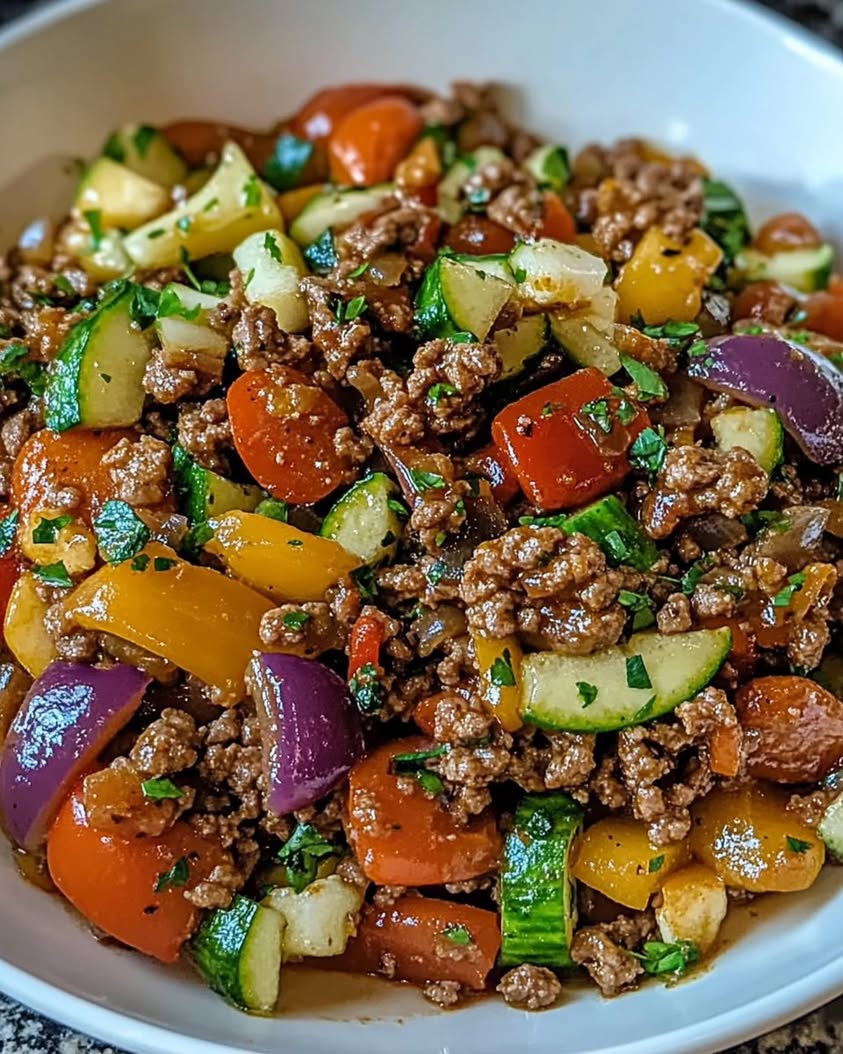
This Mediterranean Ground Beef Stir Fry is your ticket to a quick, flavorful dinner that transports your taste buds straight to the sunny shores of Greece and Italy. Imagine tender ground beef sizzling with sweet bell peppers, tangy Kalamata olives, and juicy cherry tomatoes, all brought together with a splash of red wine vinegar and a whisper of oregano. It is a weeknight warrior that delivers restaurant-quality depth without demanding hours in the kitchen. You will find the aroma of garlic and fresh herbs filling your home, promising a meal that feels both rustic and refined.
Busy families and solo cooks alike will appreciate how this dish comes together in just twenty-five minutes. You do not need any special skills to master it. The ingredients are straightforward and often already in your pantry. This Mediterranean Ground Beef Stir Fry proves that healthy eating does not mean sacrificing flavor. It is naturally gluten-free and packed with lean protein and colorful vegetables. Whether you serve it over fluffy couscous, warm pita, or simply on its own, this recipe delivers satisfaction every single time.
This stir fry bridges the gap between convenience and culinary adventure. You get the speed of a classic stir-fry with the bold, sun-drenched flavors of the Mediterranean. Each bite offers a balance of savory beef, briny olives, and sweet roasted peppers. The cooking process is forgiving and adaptable. You can swap in any vegetables you have on hand. This Mediterranean Ground Beef Stir Fry will become a staple in your weekly rotation because it solves the eternal problem of what to make for dinner when you are short on time but craving something special.
Quick Recipe Highlights
- Flavor Profile: This dish hits all the right notes with its savory beef base, tangy vinegar kick, and salty olive pops. The sweetness from the bell peppers balances the acidity of the tomatoes. A hint of oregano ties everything together with an earthy finish.
- Texture: You get a satisfying contrast between the crumbled ground beef and the tender-crisp vegetables. The olives add a pleasant chewiness, while the cherry tomatoes burst in your mouth. Each forkful offers a varied and interesting mouthfeel.
- Aroma: The scent of garlic and onions blooming in olive oil is your first invitation. As the beef browns, a rich, meaty fragrance fills the air. The oregano and red pepper flakes add a warm, slightly spicy note that promises depth.
- Visual Appeal: This stir fry is a feast for the eyes with its vibrant reds, greens, and purples. The dark beef crumbles nestle among bright bell peppers and glossy olives. A final sprinkle of fresh parsley adds a pop of green that signals freshness.
- Skill Level Needed: You need no advanced cooking techniques to succeed here. Basic knife skills for dicing vegetables and a watchful eye on the stovetop are all that is required. This recipe is perfect for beginners building confidence.
- Special Equipment: A large skillet or a wide sauté pan works best to avoid overcrowding. You want a surface area that allows the beef to brown rather than steam. A wooden spoon or spatula for stirring completes your toolkit.
Recipe Overview
- Difficulty Level: We rate this recipe as easy because it uses one pan and a straightforward sequence of steps. There are no complicated sauces to whisk or multiple pots to manage. The entire process flows naturally from browning the meat to finishing the vegetables. You can focus on the simple joy of cooking without stress.
- Category: This dish fits perfectly into the main course category for lunch or dinner. It also works well as a filling for stuffed pitas or as a topping for grain bowls. You can even serve it as a hearty appetizer with crusty bread for dipping into the savory juices.
- Cuisine: The culinary tradition here draws from the Mediterranean basin, specifically Greek and Italian influences. You will recognize the core flavors of olive oil, oregano, garlic, and red wine vinegar. This combination creates a bridge between simple peasant cooking and modern, bold flavors that appeal to a wide audience.
- Cost: This recipe is budget-friendly because it relies on affordable ground beef and pantry staples. Bell peppers and onions are inexpensive year-round. You can find Kalamata olives at most grocery stores without breaking the bank. The total cost per serving is much lower than takeout.
- Season: You can make this Mediterranean Ground Beef Stir Fry in any season thanks to the availability of core ingredients. However, it truly shines in the summer when cherry tomatoes are at their peak sweetness and bell peppers are abundant. The bright flavors also bring a welcome warmth during cooler months.
- Occasion: This recipe is ideal for busy weeknight dinners when you need a quick, satisfying meal. It also impresses at casual gatherings or potlucks because it travels well and tastes great at room temperature. You can double it easily for feeding a crowd without much extra effort.
Why You Will Love This Recipe
The taste and texture combination in this stir fry is truly addictive. You get the rich, savory flavor of well-browned beef that forms the backbone of the dish. The sweetness of the bell peppers and the acidity of the cherry tomatoes cut through the richness beautifully. Each bite delivers a burst of briny goodness from the Kalamata olives. The entire experience feels balanced and complete, leaving you fully satisfied without feeling heavy.
Convenience is the real star here. You can have dinner on the table in well under thirty minutes. The prep work involves just chopping a few vegetables, and the cooking moves quickly. Cleanup is a breeze because you use only one pan. This recipe eliminates the need for multiple bowls and utensils. You will love how simple it is to get a delicious, homemade meal on the table even on your busiest days.
Nutritional advantages make this dish a smart choice for your family. Lean ground beef provides high-quality protein and essential minerals like iron and zinc. The colorful vegetables add important vitamins, fiber, and antioxidants. Using olive oil introduces healthy monounsaturated fats that support heart health. You control the salt and oil amounts, making this meal much healthier than any fast-food alternative.
Social and entertaining value is surprisingly high for such a straightforward recipe. You can set up a build-your-own bowl bar with different grains, sauces, and toppings. Guests love customizing their plates. The vibrant colors and aromatic appeal make the dish feel special. You can serve it with confidence at casual dinner parties or family gatherings. It always gets compliments.
Cost-effectiveness and accessibility make this recipe a practical winner. Ground beef remains one of the most affordable protein options. The vegetables and pantry items cost very little. You likely already have olive oil, garlic, and oregano in your kitchen. This Mediterranean Ground Beef Stir Fry proves that you do not need expensive ingredients to create a memorable and satisfying meal.
Historical Background and Cultural Significance
The roots of this recipe stretch back to the simple, rustic cooking traditions of Greece and the Levant. Farmers and shepherds would combine available ingredients like ground meat, olives, and herbs in a single pot over an open fire. This style of cooking emphasizes resourcefulness and honoring seasonal produce. The concept of a quick stir-fry, while Asian in origin, adapts beautifully to Mediterranean ingredients for a modern fusion that feels timeless.
In Greek culture, dishes like this one represent the idea of kouzina, or home cooking that nourishes both body and soul. The use of oregano dates back to ancient times when it was considered a symbol of joy. Olives and olive oil have been central to the Mediterranean diet for millennia. This recipe channels that deep cultural heritage into a format that fits our fast-paced modern lives.
Over the past few decades, the Mediterranean diet has gained global recognition for its health benefits. This stir fry is a contemporary interpretation of that tradition. It keeps the core philosophy of using fresh, whole ingredients and healthy fats while adapting to global tastes. The convenience aspect is a recent evolution that reflects our need for quick, nutritious meals.
Regional variations of this dish appear across the Mediterranean coast. In Italy, you might find similar flavors in a pan-fried sausage and pepper dish. In Spain, the addition of smoked paprika would give it a different character. This particular version draws from the Greek tradition of ladera that involves simmering ingredients in olive oil. Learning these connections enriches your appreciation for the food on your plate.
Ingredient Deep Dive
Ground Beef has a long history as a versatile protein in many cuisines. Its cultural significance lies in its ability to make humble ingredients into hearty meals. Nutritionally, it provides complete protein, B vitamins, and heme iron that your body absorbs easily. For selection, look for 85% lean ground beef for the best balance of flavor and fat. Store it in the coldest part of your fridge and use it within two days. You can substitute ground lamb or turkey for a different flavor profile.
Kalamata Olives come from the Peloponnese region of Greece. Their deep purple color and almond shape make them instantly recognizable. These olives are rich in healthy monounsaturated fats and antioxidants like oleuropein. Choose olives that are plump and have a glossy appearance. Store them in their brine in the refrigerator to maintain their texture. If you cannot find Kalamata, Castelvetrano or Gaeta olives work well as substitutes.
Bell Peppers are native to the Americas but became central to Mediterranean cooking after the Columbian Exchange. They offer an incredible amount of vitamin C, more than an orange per pepper. Select peppers that feel heavy and have a firm, glossy skin. Store them in the crisper drawer of your refrigerator for up to a week. You can substitute any color of bell pepper or even use poblano peppers for a mild heat.
Cherry Tomatoes bring a burst of sweetness and acidity that brightens the entire dish. They originated in South America but now define summer cooking across the globe. These small tomatoes are packed with lycopene, a powerful antioxidant linked to heart health. Choose tomatoes that are firm and brightly colored. Store them at room temperature for the best flavor. Grape tomatoes or diced Roma tomatoes make excellent substitutes.
Red Wine Vinegar adds a sharp, fruity acidity that cuts through the richness of the beef. It has been used for thousands of years in Mediterranean cultures for preserving and flavoring food. Nutritionally, it is low in calories and may help with blood sugar regulation. Select a vinegar that has a bright, clean smell. Store it in a cool, dark cabinet. You can substitute sherry vinegar or fresh lemon juice for a different acidity profile.
Common Mistakes to Avoid
- Crowding the pan when browning the beef causes the meat to steam instead of sear. This results in a gray, unappetizing color and a loss of flavor. Work in batches if your pan is not large enough.
- Adding the garlic too early will cause it to burn and become bitter. Garlic needs only about thirty seconds in the hot oil before you add the next ingredient. Keep a close watch on it.
- Undercooking the bell peppers leaves them crunchy and raw-tasting. They need a few minutes of sautéing to soften and release their natural sweetness. Cook them until they are tender-crisp.
- Using olives that are not pitted creates a choking hazard and makes eating unpleasant. Always buy pitted olives or pit them yourself before adding them to the dish.
- Skipping the resting time after you finish cooking prevents the flavors from melding together. Let the stir fry sit for two minutes off the heat before serving for the best taste.
- Adding too much salt early in the process is a common error because the olives and feta are already salty. Season lightly at first and adjust at the end.
- Overcooking the cherry tomatoes turns them into mush and releases too much liquid. Add them in the final minutes of cooking just until they begin to soften.
- Using dried oregano that is too old will result in a weak, dusty flavor. Fresh oregano is ideal, but if using dried, make sure it is less than six months old.
Essential Techniques
Browning the Beef is the most important step for building deep flavor in this Mediterranean Ground Beef Stir Fry. When you add the meat to a hot pan, it triggers the Maillard reaction, creating hundreds of flavor compounds. Let the beef sit undisturbed for a few minutes before you stir it. This allows a brown crust to form. Listen for a steady sizzle. If the pan is not hot enough, the meat will release water and steam rather than brown.
Sautéing the Aromatics develops the base of your flavor profile. Start by heating olive oil until it shimmers but does not smoke. Add the onions first because they need more time to soften. Once they become translucent, add the garlic. Stir constantly to prevent burning. The goal is to coax out the natural sugars and create a fragrant foundation. Garlic should look golden, not brown.
Deglazing the Pan lifts the browned bits from the bottom of the skillet and incorporates them into the sauce. After you remove the vegetables, pour in the red wine vinegar and scrape the pan with a wooden spoon. This action dissolves the fond, which is pure flavor. The vinegar will sizzle and reduce quickly. This technique adds complexity to the final dish without any extra effort.
Finishing the Vegetables requires careful timing to achieve the perfect texture. Add the bell peppers first because they need more time to soften. Stir occasionally and watch for them to become vibrant and slightly tender. Then add the cherry tomatoes and olives. Cook just until the tomatoes begin to wrinkle and soften. Overcooking at this stage will result in a watery stir fry.
Pro Tips for Perfect Mediterranean Ground Beef Stir Fry
Use a wide skillet with high sides to allow the moisture to evaporate quickly. This helps the beef brown faster and keeps the vegetables from becoming soggy. A cast-iron or stainless steel pan works best for achieving a good sear.
Season the beef with salt just as it goes into the pan. Salting early draws out moisture, so wait until the meat is in the hot oil. You want the salt to enhance flavor without creating a puddle of liquid in the bottom of the skillet.
Drain off any excess fat after browning the beef if you see more than two tablespoons. Too much fat will make the stir fry greasy. Use a spoon to tilt the pan and remove the excess, leaving just a thin coating for flavor.
Add the olives at the very end of cooking to prevent them from becoming too salty. Overcooking olives releases their brine into the dish, which can overwhelm the other flavors. Warm them gently through in the final minute.
Taste and adjust the seasoning before serving. The olives and any feta cheese you add will contribute saltiness. Have some fresh lemon juice on hand to add brightness if the dish tastes flat. A squeeze of lemon can transform the final flavor.
Let the stir fry rest for a couple of minutes after you take it off the heat. This allows the flavors to meld and the meat juices to redistribute. You will get a more cohesive and delicious bite when you finally serve it.
Variations and Adaptations
Regional variations of this stir fry appear across the Mediterranean coast. In Italy, you might add a handful of capers and use fresh basil instead of oregano. In Turkey, they use ground lamb and add a pinch of cinnamon and allspice for a warmer, spicier flavor profile. Each region puts its own stamp on this basic formula of meat, vegetables, and herbs.
Seasonal adaptations work wonderfully because you can swap in whatever vegetables are at their peak. In the spring, add asparagus spears and snap peas. In the fall, use roasted butternut squash cubes and kale. Winter calls for sturdy greens like Swiss chard or spinach. The core technique remains the same, only the vegetables change with the calendar.
Dietary modifications are easy to implement. For a dairy-free version, simply omit any feta cheese and use a plant-based topping like nutritional yeast. To lower the sodium, use low-sodium olives and reduce the added salt. For a lower-fat version, use ground turkey breast and reduce the olive oil to one tablespoon.
Flavor variations allow you to customize the dish to your preference. Add a pinch of red pepper flakes for heat or a teaspoon of smoked paprika for depth. Experiment with different herb combinations like thyme and rosemary. A splash of balsamic vinegar at the end adds a different kind of sweetness and tang.
Texture modifications can make the dish completely different. For a chunkier texture, use ground chuck that is 80% lean and crumble it coarsely. For a finer texture, use ground sirloin and break it into very small pieces. You can also add chickpeas or white beans for extra heartiness and creaminess.
Presentation alternatives elevate this dish for special occasions. Serve the stir fry in a hollowed-out bell pepper or a roasted eggplant half. Spoon it over creamy polenta or a bed of arugula. You can also stuff it into large pasta shells and bake with a light tomato sauce for a stunning dinner.
Serving and Presentation Guide
Plating techniques can make this simple stir fry look like a chef-crafted meal. Use a wide, shallow bowl to spread the stir fry in an even layer. Create a slight well in the center and place a dollop of thick Greek yogurt or crumbled feta cheese. Drizzle a tiny amount of high-quality olive oil over the top for a glossy finish.
Garnishing ideas add the final touch of elegance. Fresh parsley or mint leaves brighten the dish with color and a clean taste. A sprinkle of toasted pine nuts or slivered almonds adds crunch and visual interest. Thinly sliced red onion rings or a few extra olives on top create a beautiful composition.
Traditional accompaniments include warm pita bread or crusty sourdough for sopping up the juices. A side of lemony rice pilaf or orzo pasta makes a complete meal. A simple Greek salad with cucumbers and tomatoes adds freshness and contrast. Hummus and tzatziki sauce also pair beautifully.
Modern serving suggestions include creating a grain bowl with quinoa or farro. Spoon the stir fry over a bed of greens for a low-carb option. You can also serve it in lettuce cups for a handheld meal. For a fun family-style dinner, set out all the components and let everyone assemble their own plate.
Temperature considerations are important for the best eating experience. Serve the stir fry hot but not scalding. The flavors brighten when the dish is warm rather than piping hot. Letting it rest for a few minutes after cooking brings the temperature to the ideal point for enjoying all the nuances.
Portion control tips help you avoid waste and overeating. A standard serving is about one cup of the stir fry. Measure out the portions onto plates rather than serving from the pan. This prevents second helpings before you realize you are full. Leftovers make a great lunch the next day.
Wine and Beverage Pairing
Wine pairings for this Mediterranean Ground Beef Stir Fry should focus on medium-bodied reds with good acidity. A classic Greek Agiorgitiko or a Sangiovese from Italy complements the tomato-based flavors beautifully. The acidity in these wines cuts through the richness of the beef and stands up to the olives. Serve them slightly cool, around 60 degrees Fahrenheit.
Non-alcoholic alternatives work just as well. A sparkling water with a squeeze of lemon and a sprig of mint is refreshing and cleanses the palate. Iced herbal tea with hibiscus or sage offers a sophisticated pairing. A homemade lemonade with a touch of thyme adds a botanical note that echoes the oregano in the dish.
Coffee or tea pairings are less common but can work for a late lunch or casual dinner. A light, fruity iced tea like peach or berry complements the sweetness of the bell peppers. For coffee, a cold brew with low acidity does not overpower the meal. Avoid dark, bitter roasts that clash with the Mediterranean flavors.
Temperature considerations for beverages enhance the overall experience. Serve all drinks well-chilled to refresh the palate between bites. Room-temperature water is not as effective for cleansing the taste buds. Keep a pitcher of cold water with lemon slices on the table for guests to help themselves.
Serving suggestions for beverages include offering a small tasting of two different wines. Let guests compare how a red versus a rosé changes the flavor of the dish. Provide a variety of non-alcoholic options for designated drivers. Always have plenty of water available throughout the meal.
Storage and Shelf Life
Storage methods for leftover stir fry are simple and effective. Transfer the cooled stir fry to an airtight container. Press a piece of plastic wrap directly onto the surface to minimize air exposure. This prevents the top layer from drying out and keeps the flavors locked in. Store the container in the main body of the refrigerator, not the door.
Temperature requirements are critical for food safety. Cool the stir fry to room temperature within two hours of cooking. Do not leave it out longer than that. Transfer it to the refrigerator promptly. The ideal storage temperature is between 34 and 38 degrees Fahrenheit. Do not pack the container while the food is still hot, as this raises the fridge temperature.
Container recommendations prioritize glass or ceramic over plastic. Glass containers do not absorb odors or stains from the tomato sauce and olives. They also heat up more evenly if you plan to reheat in the same container. Choose a container with a tight-fitting lid to prevent leaks and keep other fridge items from picking up the garlic aroma.
Signs of spoilage are easy to detect if you pay attention. A sour or off smell is the first indicator that the stir fry has gone bad. Mold growth on the surface is another clear sign. Any slimy texture on the beef or vegetables means you should discard the entire batch. Do not taste test food that looks or smells questionable.
Reheating instructions help you restore the original texture and flavor. Reheat the stir fry in a skillet over medium heat with a splash of water or broth. Stir occasionally to ensure even heating. Microwaving is faster but can make the beef rubbery. If using a microwave, cover the dish and heat in thirty-second intervals, stirring between each.
Freezing guidelines extend the life of this dish for busy weeks ahead. Portion the cooled stir fry into freezer-safe bags or containers. Remove as much air as possible to prevent freezer burn. Label each bag with the date and contents. The stir fry freezes well for up to three months. Thaw overnight in the refrigerator before reheating.
Make Ahead Strategies
Prep timeline planning saves you time on busy days. Chop all the vegetables up to two days in advance and store them in separate containers. Measure out the olives and herbs. You can also brown the beef and cook the onions and garlic a day ahead. Store these components separately in the refrigerator.
Storage between steps requires careful layering to maintain quality. Keep the browned beef and cooked vegetables separate from each other. This prevents the beef from becoming soggy. Store the raw bell pepper strips and olives together in one container. Keep the tomatoes separate to avoid crushing them.
Quality impact assessment shows that most components hold up well to advance preparation. The beef actually benefits from resting in its juices overnight. The vegetables, however, lose some of their crunch when cooked fully ahead. Cook them only until tender-crisp if you plan to reheat them later. Add the tomatoes fresh when you finish the dish.
Assembly tips for make-ahead success include combining the components only when you are ready to serve. Reheat the beef and onion base in the skillet. Then add the bell peppers and cook them briefly. Finish with the tomatoes and olives. This method takes just five minutes to bring everything together as if it was freshly made.
Reheating guidelines for pre-prepped components are simple. Reheat the beef mixture in a hot skillet with a tiny amount of oil. Add the vegetables and cook until they are hot throughout. If the mixture seems dry, add a tablespoon of water or broth. Do not overheat, or the beef will become tough.
Fresh element additions at serving time make a big difference. Stir in a handful of fresh parsley or mint just before serving. Crumble feta cheese on top. A squeeze of fresh lemon juice brightens the flavors that may have dulled during storage. These simple additions restore the vibrant taste of the original dish.
Scaling Instructions
Halving the recipe works perfectly for one or two people. Use a smaller skillet to maintain the proper cooking surface area. Reduce all ingredient amounts by half. Cooking times remain roughly the same, but monitor the beef closely as it will brown faster in a smaller pan. Store any leftover sauce separately.
Doubling or tripling the recipe requires some adjustments. Use a very large skillet or cook in batches to avoid overcrowding. Overcrowding causes the beef to steam instead of brown. Increase the cooking time slightly for the vegetables because there is more volume in the pan. You may need to allow an extra two to three minutes for everything to cook through.
Equipment adjustments for larger batches mean using a Dutch oven or a stockpot. These larger vessels have higher sides that can trap steam. Keep the lid off to allow moisture to escape and help the beef brown. Stir more frequently to ensure even cooking. A larger spatula or spoon makes turning the ingredients easier.
Timing modifications for scaled batches are important to note. Larger batches take longer to come up to temperature. Count on an extra five minutes total for a double batch. Smaller batches cook faster, so stay attentive. The visual cues for doneness remain the same regardless of batch size.
Storage considerations for larger quantities help reduce waste. Portion the extra stir fry into single-serving containers for quick lunches. You can also freeze half of the batch in a labeled container. This way you have a ready-to-go meal for a future busy night. Do not keep leftovers in the refrigerator for more than four days.
Nutritional Deep Dive
Macro breakdown for one serving of this Mediterranean Ground Beef Stir Fry shows a balanced profile. You get approximately 25 grams of protein from the beef, which supports muscle maintenance and satiety. The carbohydrates come mostly from the vegetables and amount to about 15 grams per serving. Fat content is moderate at around 18 grams, primarily from the olive oil and the naturally occurring fat in the beef.
Micronutrient analysis reveals impressive density. This dish provides more than 100 percent of your daily vitamin C needs from the bell peppers alone. You also get significant amounts of vitamin A from the tomatoes and bell peppers. The olives contribute vitamin E and iron. The beef provides zinc and B vitamins, especially B12 which is crucial for nerve health.
Health benefits of eating this meal regularly include supporting heart health through the olive oil and vegetables. The lycopene in tomatoes has been linked to reduced risk of certain cancers. The fiber from the vegetables promotes digestive health. The protein content helps regulate blood sugar levels and keeps you feeling full for hours.
Dietary considerations for various needs are accommodating. This recipe is naturally gluten-free. It is also dairy-free if you omit the feta cheese. For low-carb diets, this dish fits perfectly because it contains around 15 net carbs. The sugar content is minimal, coming only from the natural sugars in the vegetables.
Portion analysis helps you manage your intake. One serving is about one cup and contains approximately 320 calories. This makes it a moderate-calorie main dish. Pair it with a side of vegetables or a small portion of grains to round out the meal. The high protein content means you will feel satisfied with a single serving.
Weight management tips include serving this stir fry over a bed of zucchini noodles or cauliflower rice. This adds volume without many extra calories. Use a scale to measure your portion for accuracy. The high protein and fiber content helps control appetite throughout the evening. Avoid adding extra cheese or bread to keep the calorie count lower.
Dietary Adaptations
Gluten-free adaptation is straightforward because this recipe contains no wheat ingredients. Ensure that the red wine vinegar and any broth you use are certified gluten-free. Serve the stir fry over quinoa or rice instead of couscous or pasta. Check labels on all pre-packaged items like olives to confirm no cross-contamination.
Dairy-free adaptation requires simply omitting the feta cheese garnish. The dish is naturally dairy-free without any modifications to the base recipe. Use a dairy-free yogurt or a sprinkle of nutritional yeast for a similar tangy finish if desired. The flavor of the stir fry is complete without any dairy additions.
Vegan adaptation replaces the ground beef with a plant-based alternative. Use crumbled firm tofu, tempeh, or a plant-based ground meat substitute. Cook it the same way as the beef, seasoning generously with soy sauce or liquid aminos for umami. Add a tablespoon of tomato paste for color and depth. The rest of the recipe remains the same.
Low-carb adaptation works well because this stir fry is already low in carbohydrates. Omit any sweet vegetables like carrots or corn. Serve the stir fry on a bed of spinach or arugula instead of rice or grains. You can also add more olives and bell peppers for bulk without extra carbs.
Keto adaptation requires increasing the fat content to meet macro requirements. Add a generous drizzle of olive oil at the end of cooking. Include avocado slices or a handful of pine nuts as a garnish. Use full-fat ground beef that is 80 percent lean. The olives and oil already contribute healthy fats to keep you in ketosis.
Paleo adaptation uses whole30-compliant ingredients. Choose grass-fed ground beef if possible. Omit the feta cheese and any non-paleo ingredients like beans. Use ghee or avocado oil instead of olive oil if you prefer. Serve over cauliflower rice or roasted vegetables for a completely paleo-approved meal.
Troubleshooting Guide
Texture issues often arise from overcooking the vegetables. If your bell peppers are mushy, you cooked them too long or at too low a heat. Next time, add them later in the process and cook over high heat just until they are tender-crisp. If the beef seems dry, you may have cooked it too long or on too high a heat. Remove the beef from the pan as soon as it is browned.
Flavor balance problems usually come from too much acidity or salt. If the dish tastes too sour, add a pinch of sugar or a pat of butter to counteract the vinegar. If it is too salty, add a squeeze of lemon juice or a splash of water to dilute the saltiness. You can also toss in a handful of fresh spinach to absorb some of the salt.
Temperature problems often involve the pan being too cool. If the beef does not sizzle when it hits the pan, the oil is not hot enough. Increase the heat and wait until the oil shimmers before adding the meat. If the garlic burns instantly, the pan is too hot. Remove the pan from the heat temporarily to lower the temperature.
Equipment challenges can occur with non-stick pans that do not allow proper browning. The fond does not form well on non-stick surfaces. Use stainless steel or cast iron for the best results. If you only have non-stick, increase the heat slightly and do not move the beef for the first few minutes to encourage browning.
Ingredient substitutions may cause unexpected results. If you use ground turkey instead of beef, expect a leaner, milder flavor. Add a tablespoon of olive oil to compensate for the lack of fat. If you substitute green olives for Kalamata, the dish will be less briny and more savory. Adjust the vinegar accordingly.
Timing concerns often come from rushing the process. Do not try to cook the beef and vegetables at the same time. Brown the beef first, remove it, then cook the vegetables separately. This ensures each component is cooked perfectly. Rushing leads to steamed beef and raw vegetables.
Recipe Success Stories
Community feedback has been overwhelmingly positive for this Mediterranean Ground Beef Stir Fry. Home cooks praise its simplicity and the way it makes them feel like skilled chefs. Many people have shared photos of their versions on social media, showing the dish served over everything from couscous to spiralized zucchini. One commenter said it has become their go-to meal for busy weeknights.
Variation successes include a reader who added chickpeas and roasted eggplant for a heartier version. Another cook used ground lamb and added a teaspoon of cinnamon for a sweeter, more exotic flavor profile. The flexibility of the base recipe encourages creativity. People love that they can use whatever vegetables they have in the fridge.
Adaptation stories highlight how this recipe fits different lifestyles. A gluten-free family served it over quinoa and declared it a hit. A keto dieter added extra olives and avocado and enjoyed it as a complete meal. A vegan cook reported amazing results using crumbled tempeh and said the flavors translated perfectly to plant-based ingredients.
Reader suggestions have improved the recipe over time. One person recommended adding a pinch of smoked paprika for depth, and it worked beautifully. Another suggested toasting pine nuts and sprinkling them on top for crunch. The community has transformed a simple recipe into a collaborative creation that keeps evolving.
Frequently Asked Questions
Can I use ground turkey or chicken instead of beef? Absolutely. Ground turkey or chicken works well, though they have less fat. Add a tablespoon of olive oil to the pan to prevent dryness. The cooking time remains the same, and the flavor still pairs perfectly with the Mediterranean ingredients.
How do I prevent the stir fry from becoming watery? Make sure your pan is hot enough before adding ingredients. Do not overcrowd the pan, as trapped steam creates moisture. Add the tomatoes at the very end and cook them only until they begin to soften. Drain any excess liquid from the pan before serving.